Customs delays can feel like a black hole for Amazon FBA sellers, sucking time and profits into an abyss of red tape. With inventory plans derailed and sales opportunities lost, the stakes have never been higher. Understanding customs regulations, preparing proper documentation, and selecting reliable shipping partners are critical to avoiding these costly setbacks. This post will explore actionable strategies to navigate the customs landscape, ensuring smooth clearance and uninterrupted inventory flow. By mastering these elements, sellers can safeguard their operations and maintain a competitive edge in the fast-paced e-commerce arena.
Understanding Customs Regulations
Understanding customs regulations is critical for Amazon FBA sellers to avoid delays. Compliance with these regulations ensures that shipments proceed smoothly through customs, minimizing the risk of unexpected holdups.
- Key import regulations to know:
- Tariffs and duties: Be aware of applicable tariffs and duties for your products, as these costs can significantly impact your overall pricing and profitability.
- Import quotas: Some products may be subject to quantity restrictions. Knowing these limits helps in planning your shipments effectively.
- Restricted items: Familiarize yourself with items that may be prohibited or restricted in the destination country to avoid costly returns or confiscations.
- Importance of accurate classification:
- Correct HS code usage: The Harmonized System (HS) code determines the tariff classification of goods. Using the correct HS code is essential for accurate duty calculation and compliance.
- Duty rate implications: Misclassification can lead to incorrect duty payments, impacting your bottom line and potentially resulting in penalties.
- Compliance with destination country regulations: Each country has specific customs regulations. Ensuring that your products meet these requirements is vital to prevent delays.
By thoroughly understanding these regulations and the importance of accurate classification, Amazon FBA sellers can significantly reduce the risk of customs delays that disrupt inventory plans.
Preparing Proper Documentation
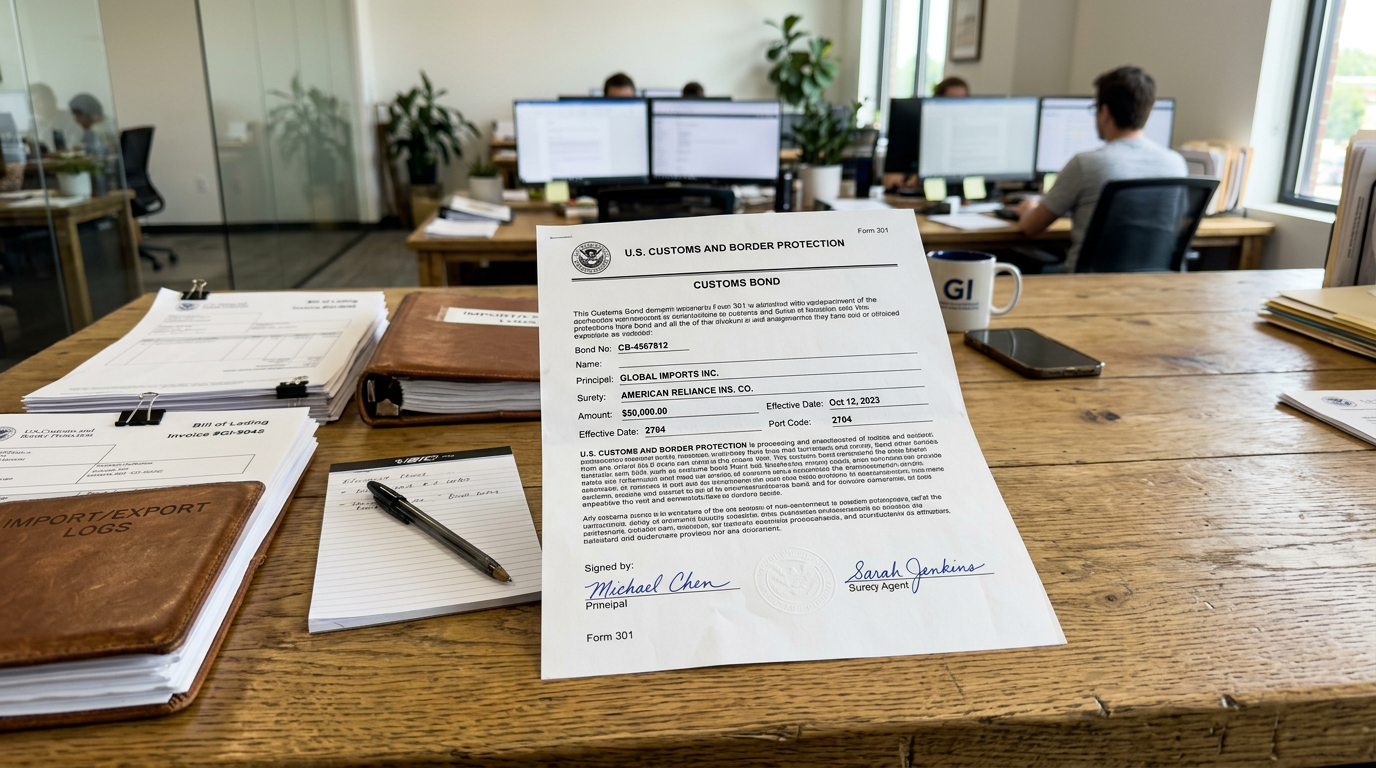
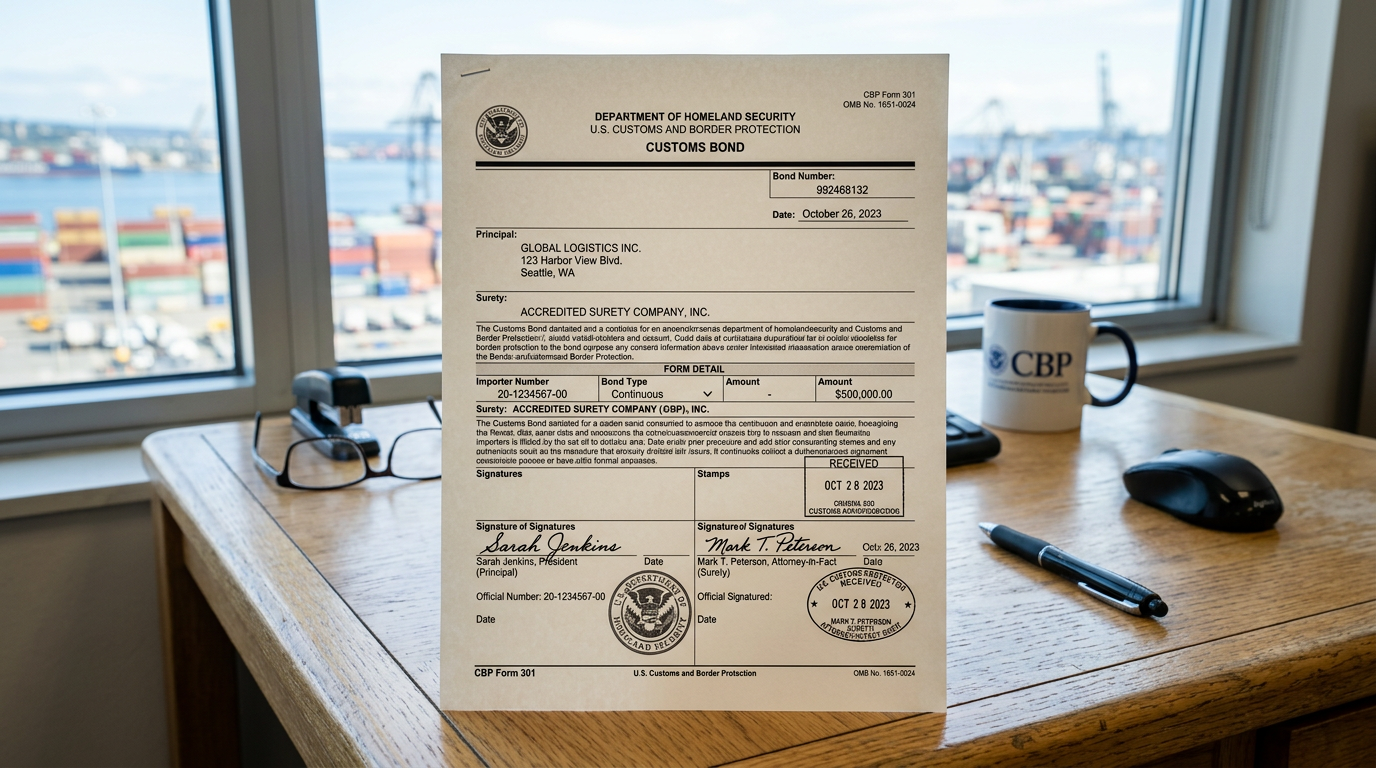
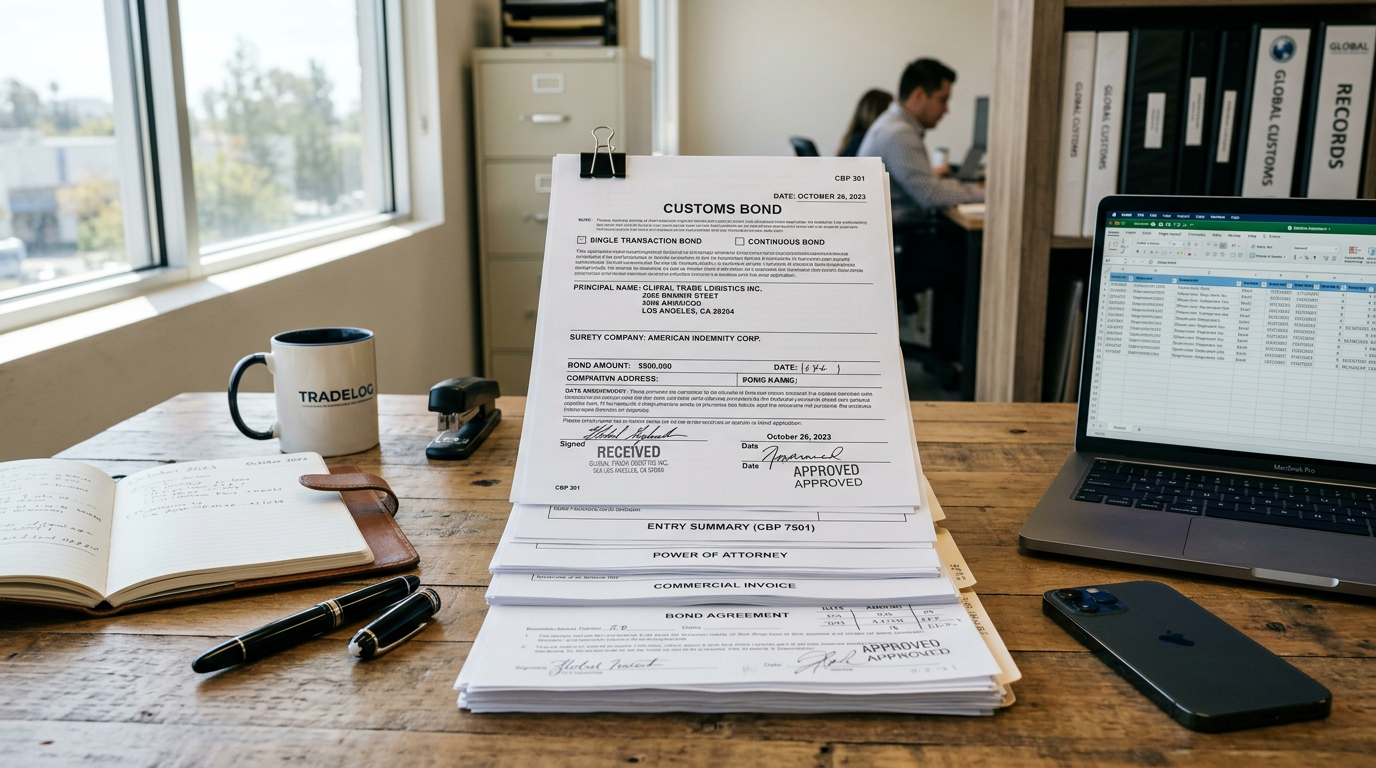
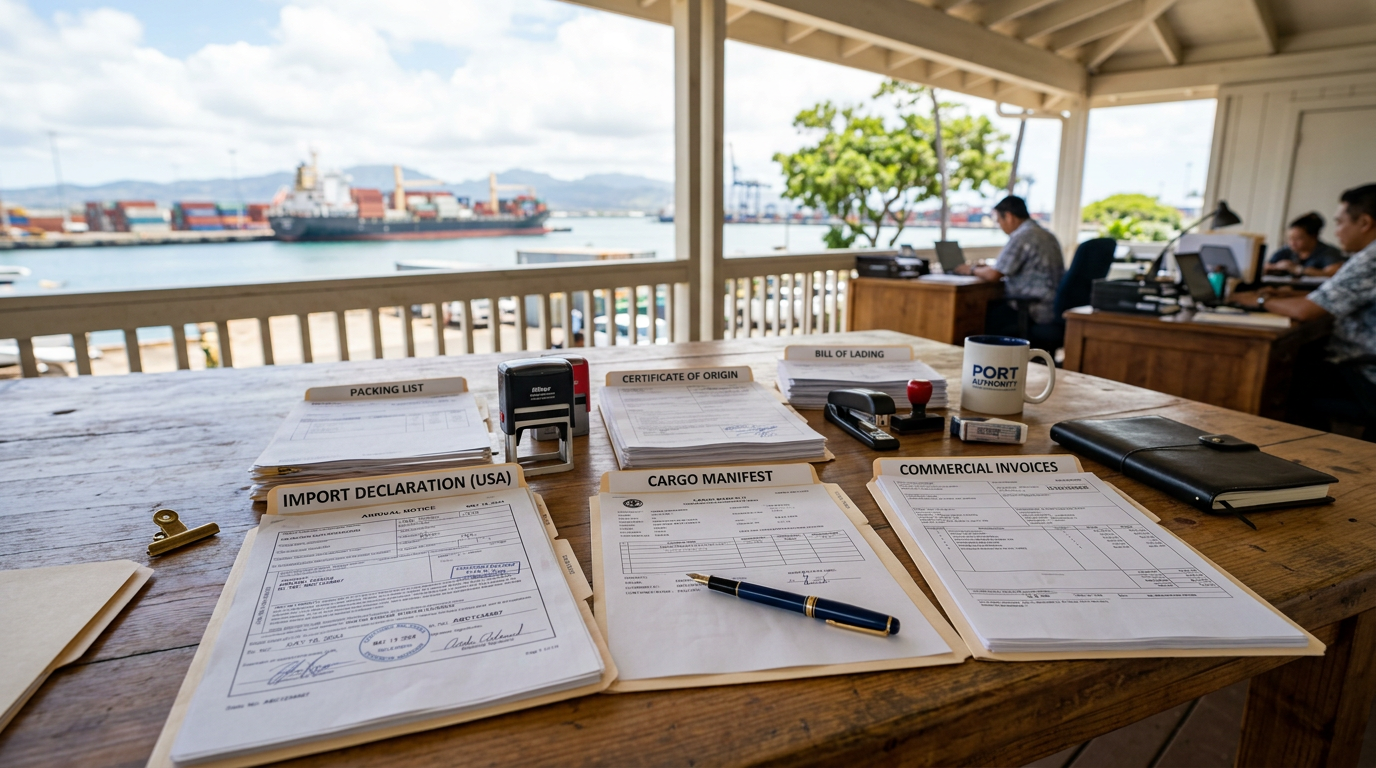
Proper documentation is vital for smooth customs clearance. Ensuring that all required documents are accurate and complete can significantly reduce the risk of delays at customs, allowing Amazon FBA sellers to maintain their inventory plans without hiccups.
- Essential documents for customs clearance:
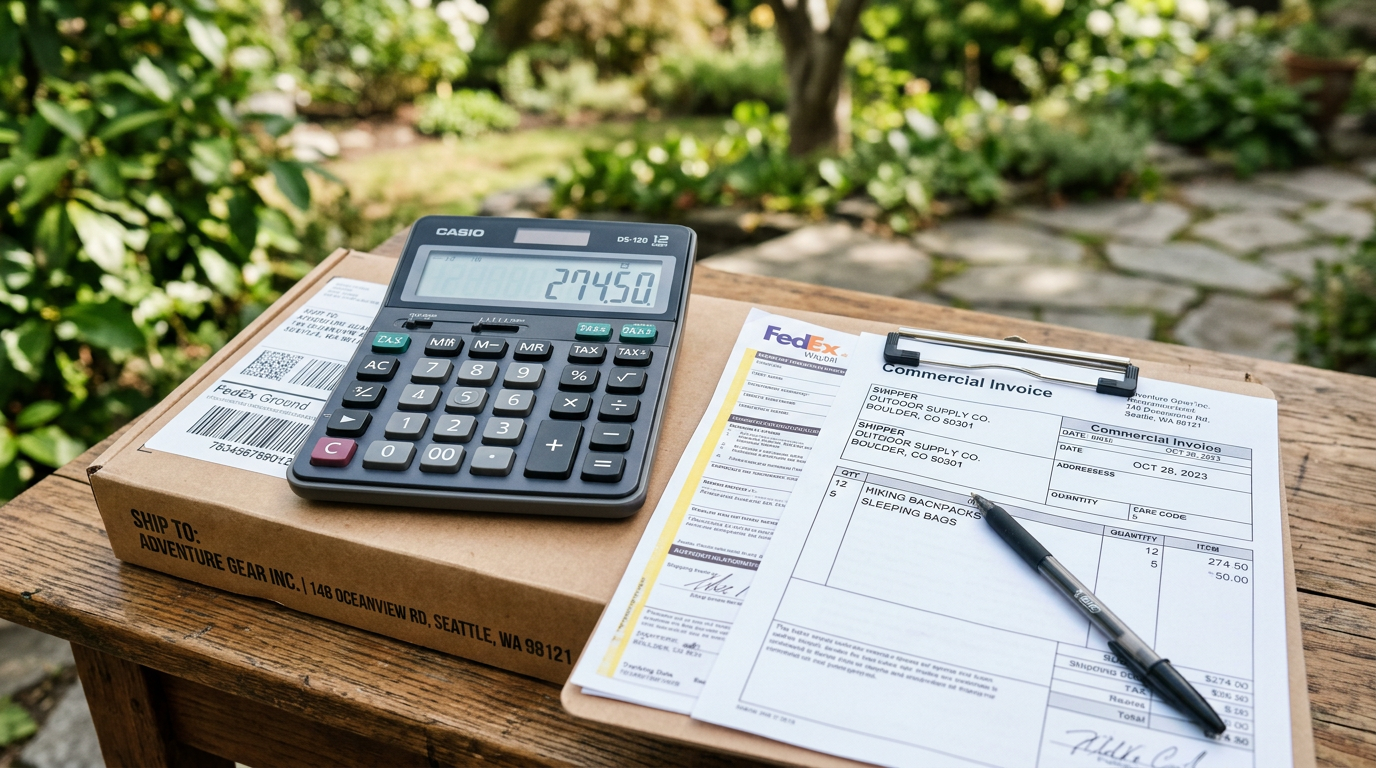
- Commercial invoice: This document outlines the transaction details, including product descriptions, quantities, and values. It serves as the primary document for customs duties assessment.
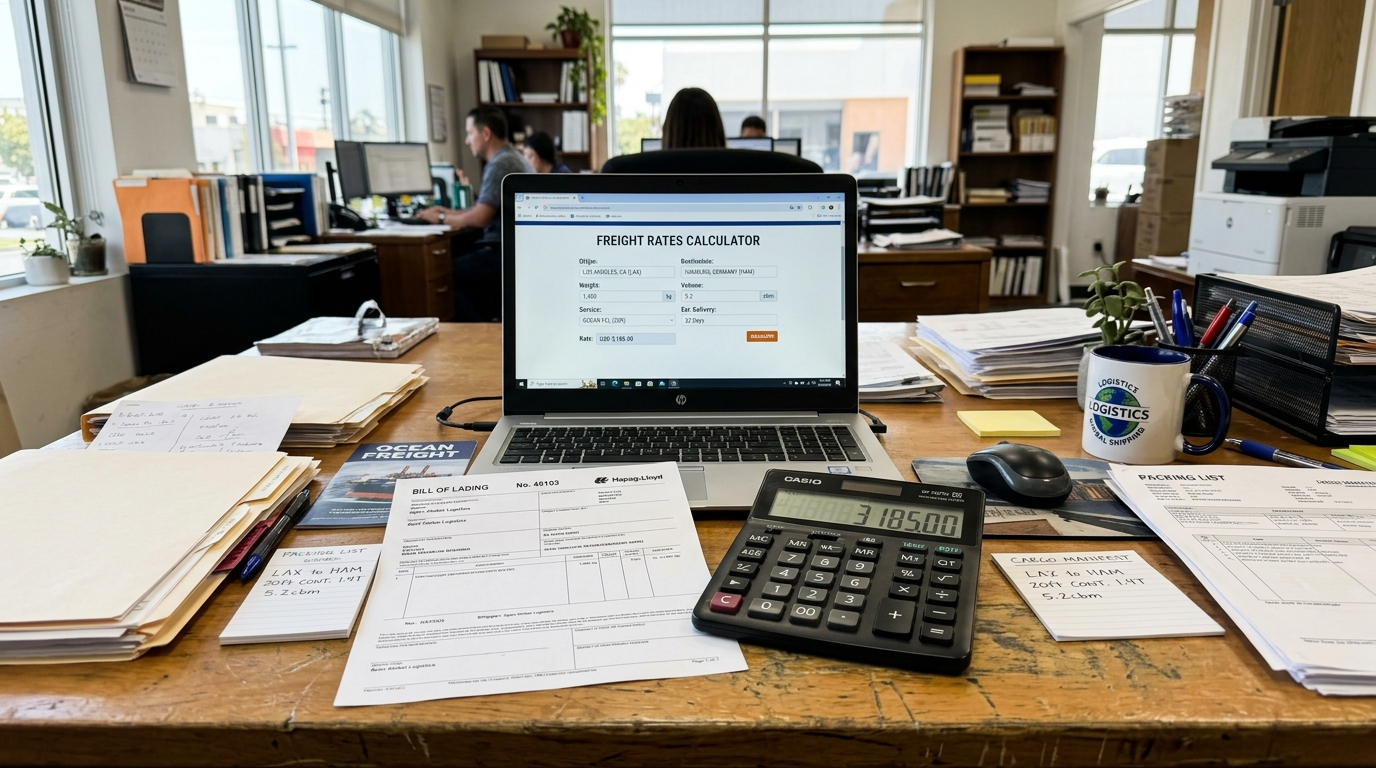
- Packing list: A detailed packing list complements the commercial invoice, providing information on the contents of each shipment, including weight and dimensions. It helps customs officials verify the shipment against declared values.
- Bill of lading: The bill of lading serves as a contract between the shipper and the carrier, detailing the shipment’s journey. It is crucial for tracking purposes and must be accurately completed to avoid delays.
- Certificates of origin: Depending on the destination country, a certificate of origin may be required to prove where the goods were manufactured. This document can affect duty rates and compliance with trade agreements.
- Common documentation mistakes to avoid:
- Missing or incorrect information: Ensure all fields on documentation are filled out accurately. Missing or inaccurate details can lead to customs holds.
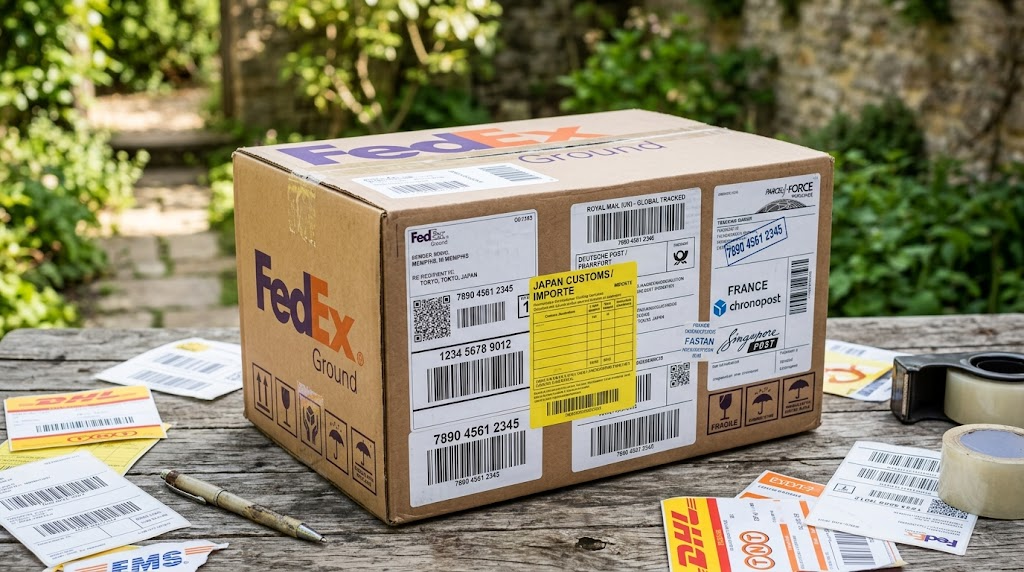
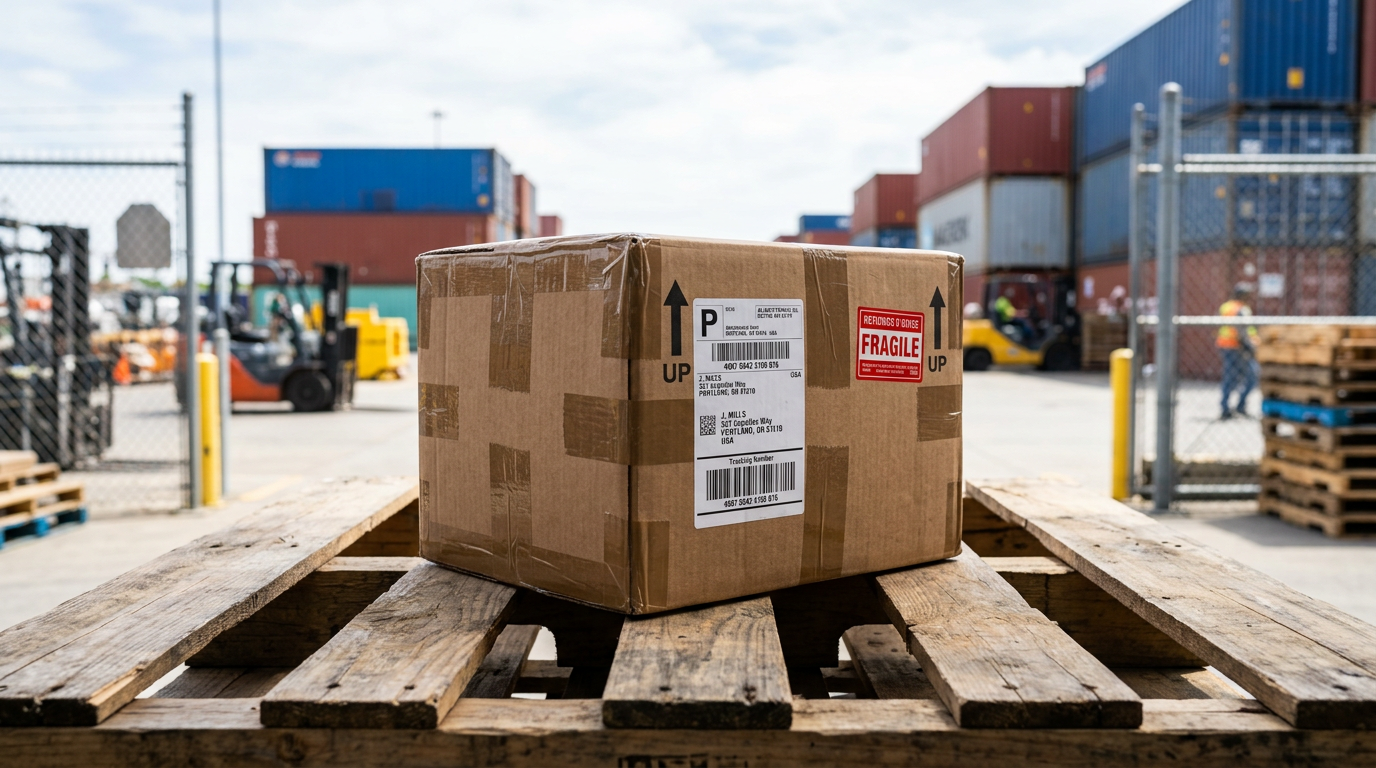
- Improper labeling of packages: Labels should clearly state contents and match the information on the commercial invoice. Inconsistencies can trigger inspections.
- Failure to provide required certificates: Research destination-specific requirements. Not including necessary certificates can lead to shipment rejection or delays.
By meticulously preparing these essential documents and avoiding common mistakes, Amazon FBA sellers can streamline their customs clearance process and keep their inventory flowing smoothly.
Choosing Reliable Shipping Partners
Selecting reliable shipping partners is crucial in preventing customs delays that can wreck Amazon FBA inventory plans. A well-chosen carrier or freight forwarder can streamline the shipping process and ensure compliance with customs requirements.
- Factors to consider when selecting a carrier:
- Shipping experience with Amazon FBA: Choose carriers familiar with Amazon’s requirements and processes. Their experience can expedite customs clearance and minimize potential issues.
- Reputation and reliability: Research the carrier’s track record. Look for reviews and testimonials from other sellers to assess their reliability and performance in handling international shipments.
- Customer service quality: Evaluate the responsiveness and support offered by the carrier. Effective communication can help resolve issues quickly, especially during customs clearance.
- The role of freight forwarders:
- Expertise in customs regulations: Freight forwarders possess in-depth knowledge of customs regulations and can guide sellers through compliance requirements, helping to avoid delays.
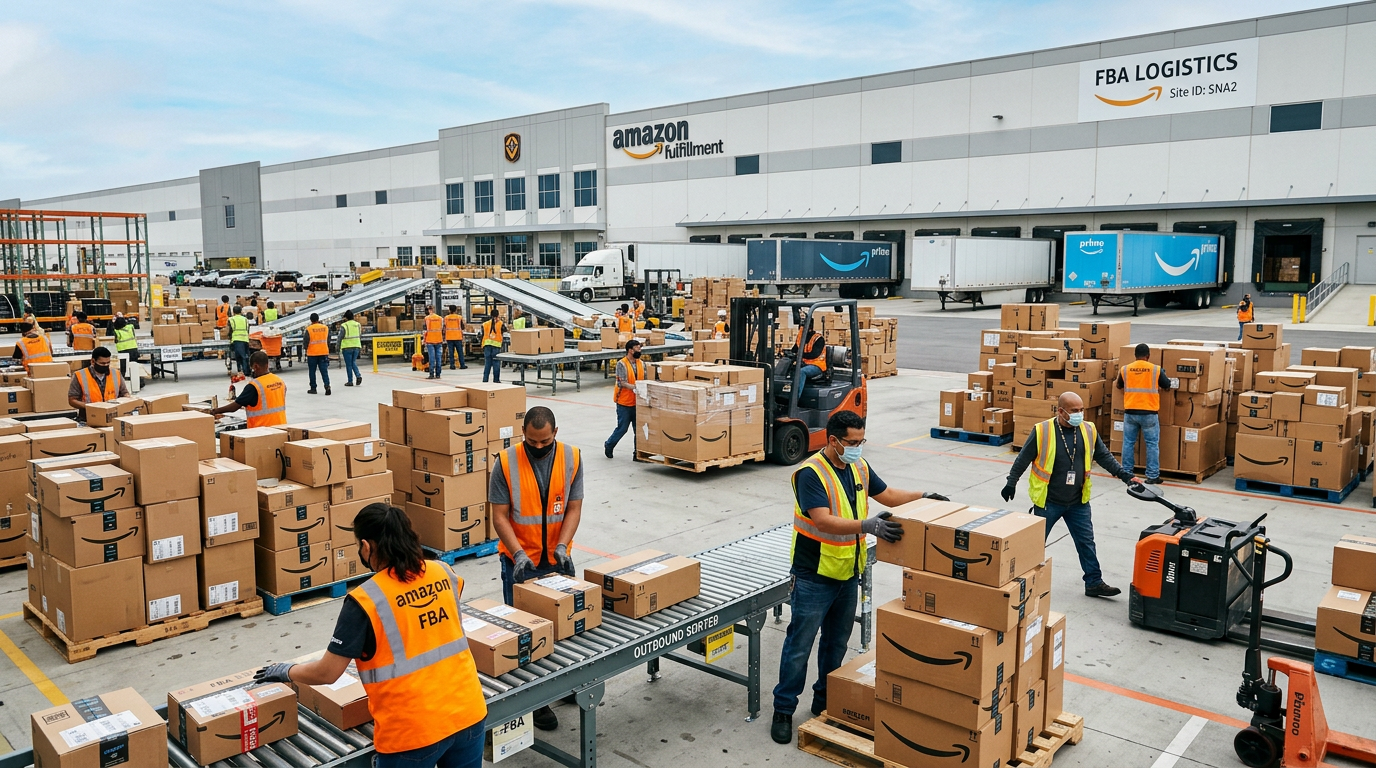
- Coordination of logistics: They manage the entire shipping process, from pickup at the factory to delivery at Amazon fulfillment centers, ensuring all logistics are efficiently handled.
- Risk management strategies: Freight forwarders can identify potential risks and implement strategies to mitigate them, such as offering cargo insurance and alternative routing solutions during peak seasons or port congestion.
Common Customs Delays and How to Avoid Them
Amazon FBA sellers frequently encounter customs delays that can significantly disrupt inventory management. Understanding these common delays and the proactive strategies to mitigate them is essential for maintaining smooth operations.
- Common customs delays:
- Incomplete documentation: Missing or inaccurate documents can lead to customs holds, delaying shipments. Sellers must ensure that all necessary paperwork is complete and accurate prior to shipment.
- Incorrect HS classification: Misclassification of goods can result in incorrect duty assessments and potential penalties. It’s critical to use the correct Harmonized System (HS) codes to avoid these complications.
- Random inspections: Customs authorities may randomly inspect shipments, which can cause unexpected delays. While this is often out of the seller’s control, being prepared can help minimize the impact.
- Proactive strategies for smooth clearance:
- Pre-clearance options: Some countries allow for pre-clearance of goods, enabling customs clearance before the shipment arrives. This can significantly reduce wait times at the port.
- Regular communication with customs authorities: Maintaining open lines of communication with customs officials can help sellers stay informed about any issues or requirements that may arise during the clearance process.
- Utilizing customs brokers for compliance: Partnering with a reputable customs broker can streamline the clearance process. Brokers possess expertise in customs regulations and can help ensure all documentation is accurate and compliant.
Case Studies
- Example 1: Delay due to incorrect documentation
A seller shipped a batch of electronics but failed to include the necessary CE marking documentation. As a result, the shipment was held for inspection, causing a delay of several weeks. The seller learned the importance of double-checking all documentation and now employs a checklist to ensure compliance.
- Example 2: Successful clearance with pre-clearance strategy
Another seller utilized pre-clearance services for a shipment of health supplements destined for Europe. By completing the clearance process before arrival, the seller avoided port congestion and received the goods at the Amazon warehouse on schedule, demonstrating the effectiveness of proactive planning in customs management.
Resources for Further Assistance
Amazon FBA sellers can utilize various resources to navigate customs processes effectively and avoid delays that can disrupt inventory plans. These resources range from professional services to online tools that enhance understanding and compliance.
- Customs support services:
- Professional customs brokers: Engaging a customs broker can help ensure that all documentation is accurate and compliant with regulations, reducing the risk of delays during clearance.
- Online consultation services: Many organizations offer online consultations with customs experts to provide tailored advice on specific shipping and compliance issues.
- Online tools and platforms:
- Customs clearance tracking systems: These systems allow sellers to monitor the status of their shipments in real-time, providing visibility into the customs process and alerting them to any potential issues.
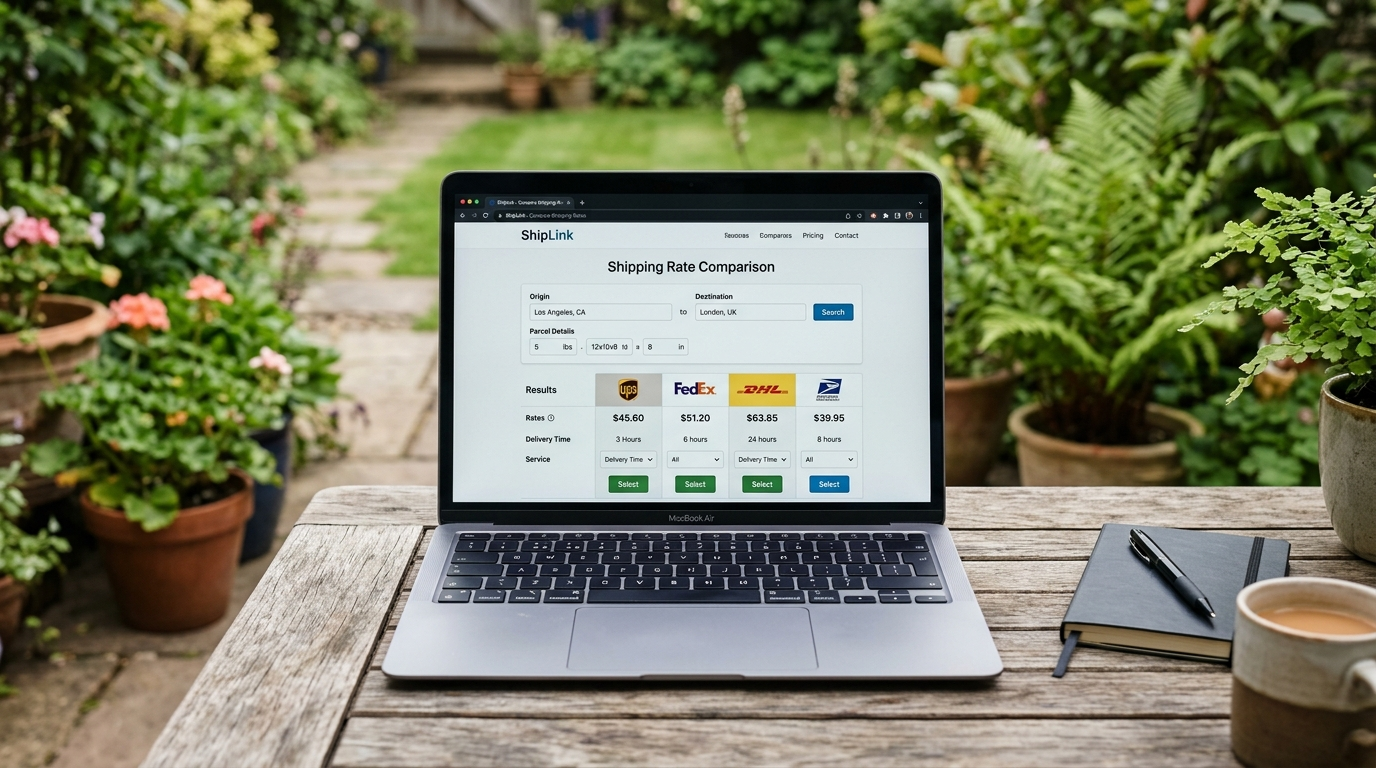
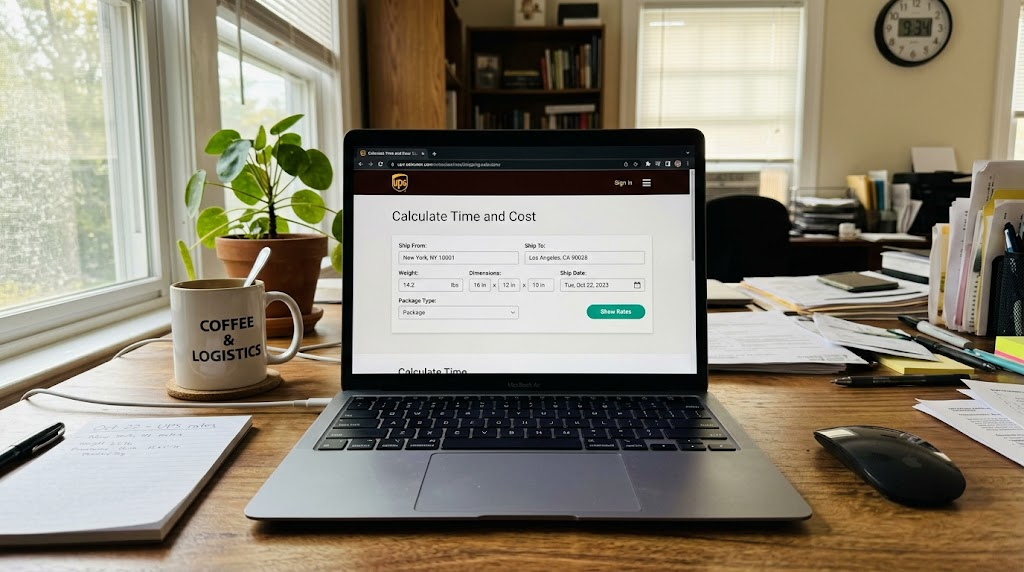
- Duty calculators: Utilizing duty calculators can help sellers estimate potential customs duties and tariffs for their products, allowing for better budgeting and pricing strategies.
- Import regulations databases: Accessing comprehensive databases that outline customs regulations for various countries assists sellers in ensuring compliance and understanding any restrictions.
- Additional Resources:
- Government websites for customs regulations: Official government websites provide detailed information on import/export regulations, helping sellers stay updated on any changes.
- Industry associations and forums for seller support: Participating in forums and industry associations allows sellers to share experiences, ask questions, and gain insights from fellow Amazon FBA sellers facing similar challenges.
Final Words
Final Words
Understanding customs regulations, preparing proper documentation, and choosing reliable shipping partners are critical for Amazon FBA sellers. Each section outlined the importance of accurate classification, essential documents, and factors influencing carrier selection.
By recognizing common customs delays and employing proactive strategies, sellers can enhance their import processes. Utilizing available resources, including customs support services and online tools, further empowers sellers to navigate complexities with confidence.
Avoiding customs delays that wreck your Amazon FBA inventory plans is achievable with the right knowledge and preparation. Embracing these practices will lead to a more efficient and successful shipping experience.
FAQ
Q: What are key import regulations for Amazon FBA sellers?
A: Amazon FBA sellers should understand tariffs and duties, import quotas, and restricted items to ensure compliance with customs regulations.
Q: Why is accurate classification of goods important?
A: Accurate classification prevents customs issues by ensuring correct HS code use, appropriate duty rates, and compliance with destination country regulations.
Q: What essential documents are required for customs clearance?
A: Required documents include the commercial invoice, packing list, bill of lading, and certificates of origin to facilitate smooth customs clearance.
Q: What common documentation mistakes should sellers avoid?
A: Sellers should avoid missing or incorrect information, improper labeling, and failure to provide necessary certificates to prevent customs delays.
Q: What factors should be considered when selecting a shipping carrier?
A: Key factors include the carrier’s experience with Amazon FBA, their reputation, reliability, and the quality of customer service they provide.
Q: What role do freight forwarders play in the shipping process?
A: Freight forwarders provide expertise in customs regulations, coordinate logistics, and implement risk management strategies to streamline shipping.
Q: What are common customs delays faced by Amazon FBA sellers?
A: Common delays arise from incomplete documentation, incorrect HS classification, and random inspections, impacting shipping timelines.
Q: What proactive strategies can sellers use to avoid customs delays?
A: Sellers can utilize pre-clearance options, maintain regular communication with customs authorities, and employ customs brokers for compliance assistance.
Q: What resources are available for customs support?
A: Resources include professional customs brokers, online consultation services, tracking systems, duty calculators, and import regulations databases for seller assistance.