Author: qghorizon

  • Rail Freight to FBA: Unlock Cost Savings and Efficiency

    Rail Freight to FBA: Unlock Cost Savings and Efficiency

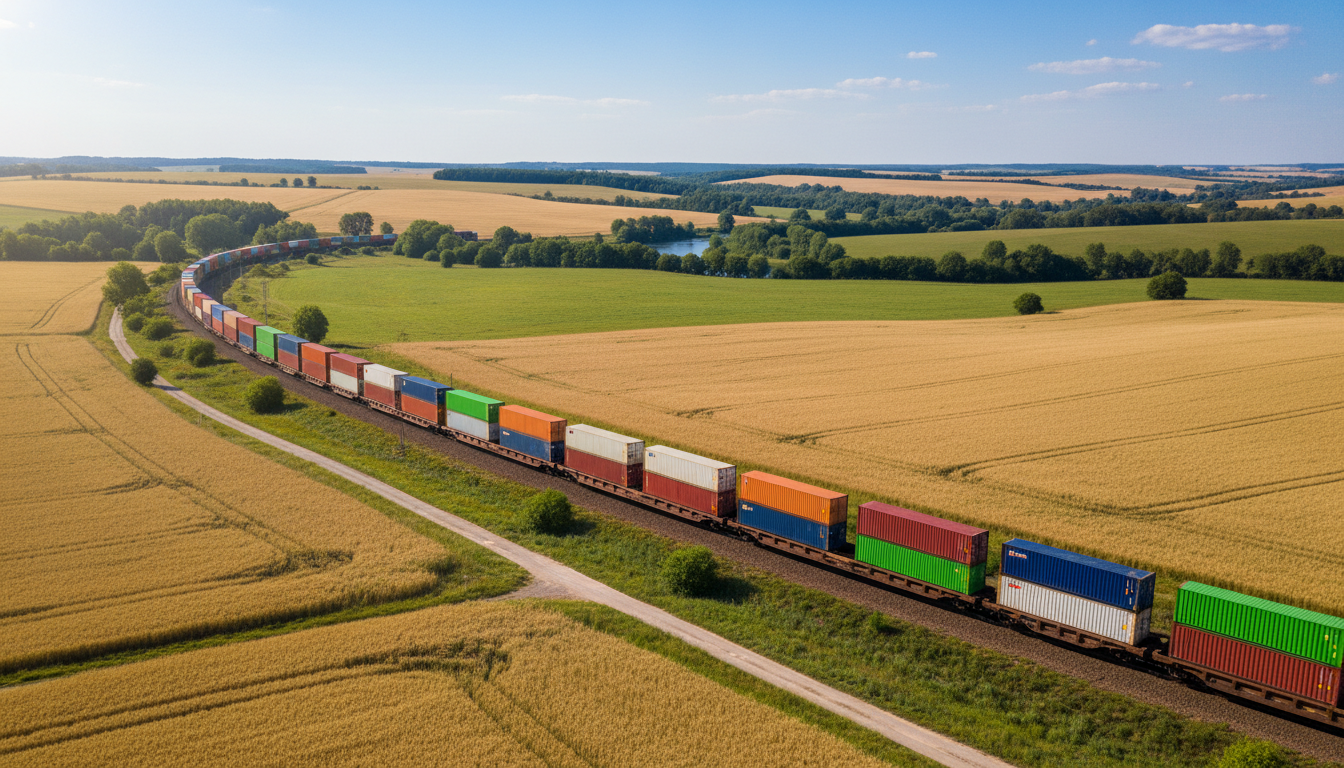
    Is rail freight the hidden gem of Amazon FBA logistics, or merely a forgotten relic of the past? As e-commerce continues to evolve, savvy sellers are discovering that rail freight offers unparalleled cost savings and efficiency, challenging traditional shipping methods. In this blog post, we’ll explore how rail freight can transform your supply chain strategy. By understanding the mechanisms of rail transport and its advantages, FBA sellers can unlock significant financial benefits while also contributing to a more sustainable future. Prepare to re-evaluate your shipping choices and harness the power of rail freight.

    ## Final Words

    ## Final Words

    In the action of optimizing logistics, rail freight emerges as a compelling option for FBA sellers. This article explored how rail freight services offer cost efficiency, environmental sustainability, and reliability, making them a strong contender against traditional transport methods.

    The advantages of rail freight are evident, particularly for bulk shipments where savings can reach 40%. As e-commerce continues to grow, understanding and leveraging rail freight will be crucial for maintaining a competitive edge.

    Embracing rail freight to FBA not only enhances operational efficiency but also contributes positively to sustainability goals, ensuring sellers can thrive in a challenging market.

    ## FAQ

    ### Q: What is rail freight shipping for FBA?

    A: Rail freight shipping involves transporting goods via train to Amazon’s Fulfillment by Amazon (FBA) centers, offering cost-effective and environmentally sustainable logistics solutions.

    ### Q: What are the key advantages of rail freight for e-commerce?

    A: Rail freight provides cost savings, reduced carbon footprint, reliable delivery schedules, and efficient handling of bulk shipments, making it ideal for e-commerce businesses, particularly FBA sellers.

    ### Q: How does rail freight compare in cost to other shipping methods?

    A: Rail freight can save FBA sellers 20%-40% compared to trucking and air freight, especially for long-distance and bulk shipments, influenced by factors like distance and cargo volume.

    ### Q: What environmental benefits does rail freight offer?

    A: Rail freight has a lower carbon footprint than trucking and air freight, contributing to sustainability initiatives in the transport industry, making it a greener choice for logistics.

    ### Q: How reliable is rail freight compared to trucking and air freight?

    A: Rail freight typically offers more reliable delivery schedules, with consistent transit times, though trucking may be faster for short distances, while air freight is the quickest but most costly.

    ### Q: What documentation is needed for rail freight shipments to FBA?

    A: Sellers must prepare customs documentation and comply with specific regulations related to FBA and rail freight, ensuring all paperwork is complete before shipment.

    ### Q: How can sellers choose the right rail freight provider?

    A: Key considerations include evaluating the provider’s reputation, service offerings, and ability to meet specific seller needs, ensuring alignment with logistics requirements.

    ### Q: What are some real-world examples of businesses using rail freight for FBA?

    A: Numerous case studies highlight companies that achieved significant cost savings and efficiency improvements by integrating rail freight into their FBA logistics strategies.

    ### Q: What challenges do businesses face when using rail freight?

    A: Common challenges include navigating regulations, managing timelines, and ensuring compliance, but successful users often share insights and best practices to overcome these obstacles.

  • Fast Boat vs Air Freight: Discover the Best Choice

    Fast Boat vs Air Freight: Discover the Best Choice

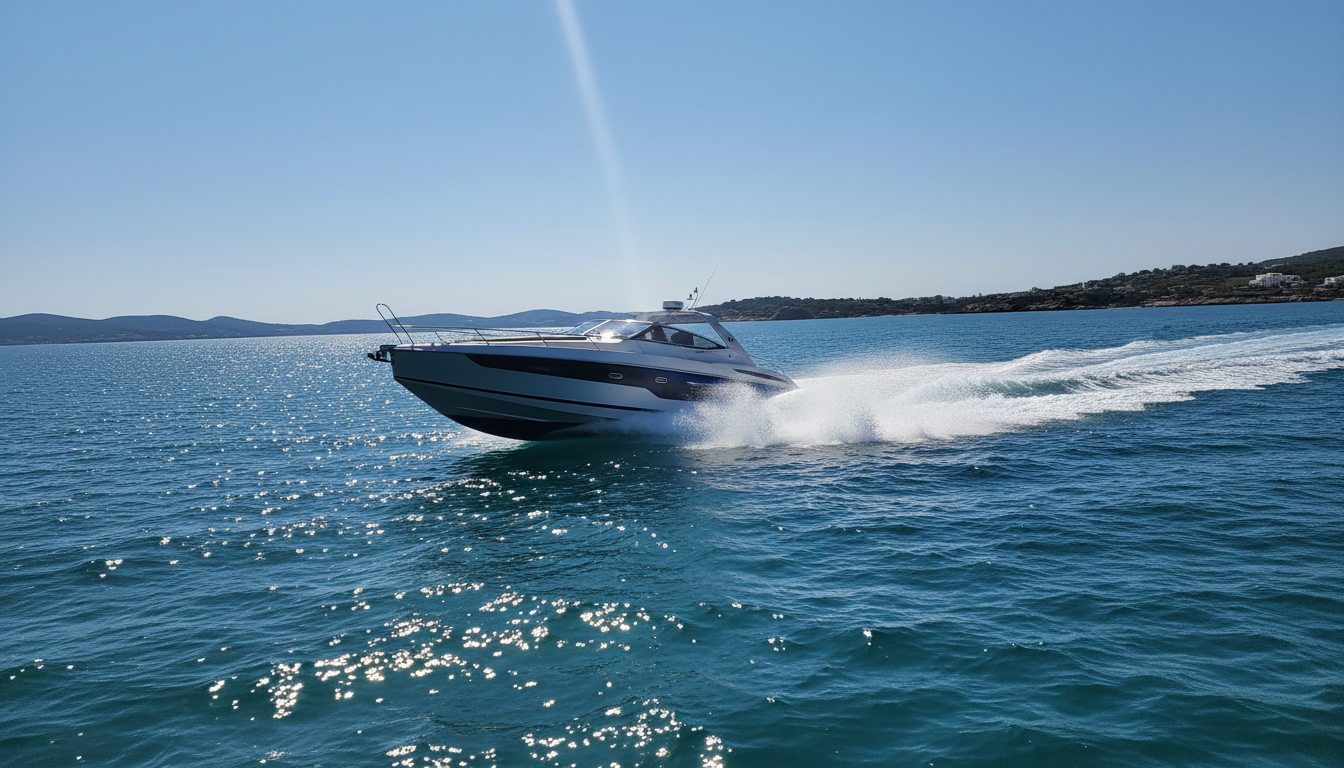
    In the competitive world of e-commerce, choosing the right shipping method can significantly impact a seller’s success. Fast boat shipping and air freight both promise speed, but which truly delivers? While air freight offers lightning-quick transit times, fast boat shipping boasts cost-effectiveness that can revolutionize logistics strategies. Understanding these options is crucial for Amazon FBA sellers looking to optimize their supply chains. This article will dissect the strengths and weaknesses of both methods, helping businesses make informed decisions that align with their operational goals and budgetary constraints.

    ## Final Words

    ## Final Words

    Understanding the nuances of fast boat shipping and air freight is crucial for optimizing logistics strategies. This article detailed key comparisons, including delivery speed, cost, reliability, and environmental impact.

    By weighing the pros and cons of each method, businesses can make informed decisions based on urgency and cargo requirements. Additionally, the environmental implications and cost analyses highlight the importance of sustainable shipping practices.

    Ultimately, the right choice between fast boat vs air freight hinges on specific business needs and operational priorities. With the right knowledge, sellers can enhance their logistics efficiency and contribute positively to their bottom line.

    ## FAQ

    ### Q: What are the key differences between fast boat shipping and air freight?
    A: Fast boat shipping typically offers cost-effectiveness, while air freight excels in speed. Delivery times and reliability metrics differ significantly, impacting overall logistics strategy.

    ### Q: What are the pros of fast boat shipping?
    A: Fast boat shipping is generally more cost-effective for larger shipments. It also has a lower environmental impact compared to air freight, making it a sustainable choice.

    ### Q: What are the cons of air freight?
    A: Air freight can be significantly more expensive than boat shipping. It may also contribute to higher carbon emissions, posing environmental concerns.

    ### Q: How should businesses choose between fast boat shipping and air freight?
    A: Businesses should consider urgency, distance, and cargo type. Case studies can provide insights into real-world applications, aiding in informed decision-making.

    ### Q: What is the environmental impact of fast boat shipping compared to air freight?
    A: Fast boat shipping generally has a smaller carbon footprint and lower resource usage than air freight. Data on emissions highlights sustainability practices for both methods.

    ### Q: How do shipping costs compare between fast boat and air freight?
    A: Cost analysis reveals that fast boat shipping often has lower rates per kilogram, but air freight may incur additional fees. A detailed breakdown helps businesses budget effectively.

    ### Q: What are typical delivery times for fast boat and air freight?
    A: Delivery times vary significantly, with air freight being faster. A comparative chart illustrates expected transit times for different cargo types and distances, aiding logistical planning.

  • Freight Forwarder Selection Made Simple and Effective

    Freight Forwarder Selection Made Simple and Effective

    Choosing the right freight forwarder can make or break an Amazon FBA seller’s logistics strategy, yet many sellers overlook this critical decision-making process. With countless options available, how can one ensure they select a partner that will enhance efficiency and reduce costs? This blog post simplifies freight forwarder selection by breaking down essential criteria, evaluating services, and highlighting common pitfalls. By understanding the intricacies of freight forwarding and implementing best practices, sellers can make informed choices that lead to streamlined operations and increased profitability.

    ## Final Words

    ## Final Words

    Effective freight forwarder selection is crucial for optimizing supply chain efficiency. Key criteria include industry experience, service offerings, and customer feedback. Evaluating freight forwarding services ensures that businesses choose providers that excel in customs clearance and additional logistics support.

    Understanding cost structures and negotiating effectively can lead to significant savings. Analyzing a freight forwarder’s reputation through customer reviews offers insight into reliability and service quality.

    Avoiding common mistakes during the selection process further enhances decision-making. By implementing best practices, sellers can confidently navigate freight forwarder selection, paving the way for a smoother import experience. Emphasizing the importance of thorough evaluation ensures the right freight forwarder selection, ultimately contributing to business success.

    ## FAQ

    ### Q: What are the key criteria for selecting a freight forwarder?
    A: Sellers should evaluate industry experience, service offerings, customer reviews, market expertise, and reputation when selecting a freight forwarder.

    ### Q: How can freight forwarding services be compared effectively?
    A: Comparing freight forwarding services involves assessing customs clearance capabilities, transportation modes, and additional offerings like insurance and warehousing.

    ### Q: What factors influence freight forwarding costs?
    A: Freight forwarding costs are influenced by weight, dimensions, routing, service type, and any ancillary services required during shipping.

    ### Q: Why is analyzing freight forwarder reputation important?
    A: A freight forwarder’s reputation provides insights into their reliability and service quality, which is critical for ensuring smooth logistics operations.

    ### Q: What common mistakes should businesses avoid when selecting a freight forwarder?
    A: Businesses should avoid failing to vet credentials, asking insufficient questions, overlooking service agreements, and neglecting to compare multiple providers.

    ### Q: What best practices should be followed for selecting a freight forwarder?
    A: Best practices include a structured selection process, clear criteria definition, thorough vetting, and maintaining ongoing communication throughout the partnership.

  • China to FBA Shipping Guide for Successful Sellers

    China to FBA Shipping Guide for Successful Sellers

    Shipping from China to Amazon FBA can be a daunting task, but what if it doesn’t have to be? Many sellers struggle with the complexities of logistics, only to find that their shipping choices can make or break their business. Understanding the FBA shipping process is not just beneficial; it’s essential for success in the competitive e-commerce landscape. This guide will demystify the shipping process, laying out clear steps and strategies to navigate the intricacies of China to FBA logistics. By mastering these fundamentals, sellers can streamline their operations and seize opportunities for growth.

    ## Final Words

    ## Final Words

    Navigating the FBA shipping process from China involves key steps, from sourcing products to understanding customs requirements. Proper documentation and adherence to packaging guidelines play a critical role in ensuring seamless compliance with Amazon’s standards.

    Recognizing common pitfalls can save time and reduce costs, allowing sellers to optimize their logistics effectively. By leveraging available resources and tools, sellers can enhance their shipping strategies and confidence.

    As this China to FBA Shipping Guide illustrates, mastering the intricacies of shipping can significantly impact business success. Embrace the process, and the benefits will follow.

    ## FAQ

    ### Q: What is the importance of understanding FBA shipping from China?
    A: Understanding FBA shipping from China is crucial for sellers to leverage Amazon’s logistics network, ensuring efficient order fulfillment and effective supply chain management.

    ### Q: What are the steps involved in the FBA shipping process?
    A: The FBA shipping process includes sourcing products, choosing a freight forwarder, and preparing necessary documentation for shipment to Amazon fulfillment centers.

    ### Q: What customs requirements are essential for FBA shipments?
    A: Essential customs requirements for FBA shipments include understanding tariffs, duties, and preparing necessary documentation such as commercial invoices and packing lists to ensure smooth clearance.

    ### Q: What are the packaging guidelines for FBA shipments?
    A: FBA shipments must adhere to specific packaging standards and labeling requirements, ensuring products are packaged correctly for compliance with Amazon’s fulfillment policies.

    ### Q: What are common shipping pitfalls sellers should avoid?
    A: Common shipping pitfalls include delays and non-compliance with FBA policies. Sellers can avoid these by maintaining proper documentation and monitoring shipping timelines closely.

    ### Q: What resources and tools can help with FBA shipping?
    A: Useful resources for FBA shipping include software for shipment tracking, relevant guides, and visual aids like charts or infographics summarizing key shipping points.