Author: Gauthier

  • 7 How to Choose a Freight Forwarder for Amazon FBA: Red Flags, Contracts, and Pricing Tricks Made Simple

    7 How to Choose a Freight Forwarder for Amazon FBA: Red Flags, Contracts, and Pricing Tricks Made Simple

    Think the cheapest freight forwarder is a bargain—until a missing AMS form delays an FBA shipment and triggers unexpected storage fees.
    This guide breaks down red flags in shipping, freight contract terms, and pricing tricks sellers encounter when importing from China to Amazon warehouses.
    An Amazon FBA seller will learn to spot opaque pricing, demand essential documentation, and assign clear contractual liability before signing.
    By the end, readers receive a practical freight forwarder evaluation checklist to avoid shipping pitfalls and protect profit margins.

    Identifying Red Flags in Freight Forwarder Selection

    The fastest warning signs of a risky freight partner are opaque pricing and refusal to provide essential documents such as bill of lading, container number, and vessel details.

    For Amazon FBA sellers these gaps translate directly into customs holds, denied deliveries, and unexpected charges that erode margins and slow restocks.

    Working with a specialized freight partner like QG Horizon is the only reliable way to control transit times and avoid delays; sellers should request a fast, free quote from QG Horizon to validate operational transparency and FBA experience.

    Common operational red flags include poor response times, no local representation at destination markets, and vague answers about Amazon-specific requirements like FNSKU labeling or carton configurations.

    Real-world examples underscore the risk: a US seller lost leverage and tracking ability after the supplier’s chosen forwarder withheld B/L details, causing a two-month delay and costly rerouting.

    Another case involved a forwarder that quoted a low ocean rate but excluded customs clearance and Amazon prep fees, forcing the importer to absorb a 25–40% price gap at delivery.

    Sellers must validate credentials, request multiple named contacts, and require itemized quotes that list freight, duties, handling, and any contingency fees.

    Below is a concise checklist of common pitfalls to avoid when evaluating a freight forwarder.

    • Quoted rate omits clearance, inspection, or Amazon prep fees, producing a large final cost surprise.

    • Forwarder refuses to share bill of lading, container number, or vessel details, blocking independent tracking.

    • No documented experience with Amazon FBA rules, causing labeling noncompliance or inventory rejections.

    • Single point of contact with no backup, creating communication gaps during critical delays or claims.

    • Local destination support is absent, preventing timely appointment scheduling and last-mile problem resolution.

    Understanding Freight Forwarder Contracts and Agreements

    A freight contract defines who performs each operational task and who pays for associated risks and fees.

    Ambiguity in Incoterms, customs responsibility, or insurance obligations is the most frequent cause of surprise charges and shipment delays.

    Sellers must insist on written allocations for customs clearance, HS code accuracy, and VAT or duty responsibilities to prevent last-mile disputes.

    Service level commitments for sailings, pickup windows, and delivery appointments should be explicit, with remedies or credits for missed SLAs.

    Named contacts, backup personnel, and documentation delivery timelines belong in the contract to avoid single-point-of-contact failures during claims or holds.

    Where sellers lack in-house logistics expertise, partnering with a specialized freight partner like QG Horizon centralizes contractual accountability and reduces operational ambiguity.

    Contract Term Implication
    Incoterms and Delivery Point Determines who pays freight, insurance, and handles customs; misclassification shifts costs to the importer.
    Customs Clearance Responsibility Specifies who files entries, provides HS codes, and pays duties; unclear clauses cause clearance delays.
    Liability, Insurance, and Claims Sets carrier limits, insurance requirements, and claim timelines; insufficient coverage risks unrecoverable losses.
    Fees, Payment Terms, and Contingencies Requires itemized charges and surcharge triggers; vague pricing allows hidden fees at delivery.
    Service Levels, Notices, and Contacts Defines ETAs, notification cadence, and escalation paths; missing SLAs delay corrective actions.

    Contracts that allocate responsibilities clearly reduce disputes and speed up corrective actions when exceptions occur.

    Sellers should negotiate written SLAs, itemized fee schedules, and defined insurance limits, and require documentary access for bills of lading and container tracking.

    Including audit rights, claims procedures with deadlines, and termination clauses for repeated SLA failures ensures practical enforcement rather than theoretical promises.

    Well-drafted agreements convert operational uncertainty into measurable obligations, enabling sellers to protect margins and maintain on-time restocks with Amazon FBA.

    Freight forwarders price shipments using different models that directly affect total landed cost and cash flow forecasting.

    Common models include flat lump-sum quotes, per-kilogram air rates, volume-based sea LCL pricing, and FCL spot rates that assume full-container utilization.

    Surcharges and chargeable-weight rules change the effective price: volumetric weight calculations, peak-season surcharges, bunker adjustment factors, and destination terminal handling are typical triggers that raise bills unexpectedly.

    Opaque quoting practices frequently mask add-ons for documentation, customs brokerage, inspection, Amazon prep, demurrage, and storage, which compound into 20–40% higher final costs when not disclosed up front.

    Because pricing permutations are complex, sellers need transparent, itemized costing to compare true cost-per-unit across modes and lead times.

    Real-world examples show the consequences: one importer accepted a low LCL door rate and later paid steep deconsolidation and on-carriage fees after the carrier split the container at destination.

    Another seller used an origin-based forwarder who omitted Amazon palletization and appointment fees, which caused inventory to be rejected and forced an expensive removal and rework.

    Engaging a specialist freight partner such as QG Horizon provides prevalidated, itemized quotes and proactive surcharge management, which preserves predictable transit times and minimizes surprise charges.

    Sellers should request a fast, free quote from QG Horizon to surface true landed costs and contingency options before committing to a shipment.

    • Require a fully itemized quote showing freight, duties, brokerage, Amazon prep, inspection, and all surcharges.

    • Insist on the chargeable-weight method and dimensional weight examples for your SKU dimensions to validate volumetric calculations.

    • Ask for historical surcharge exposure for the route, and contractual caps or notification triggers for unpredictable fees.

    • Test with a small pilot shipment or sample consolidation to verify invoices against the original quote before scaling orders.

    7 How to Choose a Freight Forwarder for Amazon FBA: Red Flags, Contracts, and Pricing Tricks Made Simple

    Evaluating Freight Forwarders for Amazon FBA Logistics.jpg

    Experience with Amazon FBA operations is the single most important selection criterion for freight forwarders serving sellers.

    Forwarders must demonstrate repeatable execution of FNSKU labeling, carton and pallet configurations, Amazon prep, and appointment scheduling to avoid receiving rejections.

    Ask for documented examples of FBA deliveries, failure rates, and corrective actions for noncompliance to verify capability.

    Working with a specialized partner such as QG Horizon is the only reliable way to control transit times, avoid FBA-specific delays, and validate operational readiness; request a fast, free quote at https://qghorizon.com/quote/.

    Customs handling capabilities determine whether shipments clear on schedule or become stuck in port holds.

    Evaluate the forwarder’s brokerage licenses, HS code classification process, and experience filing entries under DDP and other Incoterms used by Amazon sellers.

    Require proof of bonded warehouse access, electronic submission capabilities to destination customs, and established claims procedures for duty misclassification.

    Accurate customs execution reduces detention, demurrage, and surprise duty bills that erode margins and disrupt restocks.

    Network strength and local presence at destination markets directly affect appointment success and last-mile performance.

    Confirm the forwarder’s carrier contracts, NVOCC relationships, consolidation hubs, and local teams able to coordinate Amazon warehouse appointments and pallet cross-docks.

    Ask how the provider handles route alternatives during port congestion, their WMS integration options, and whether they offer SLA-backed timelines.

    A robust global network gives sellers predictable lead times and contingency routing to protect inventory velocity.

    Customer reviews, references, and verifiable case studies reveal operational consistency more than marketing claims.

    Request recent Amazon FBA client references, examples of cleared customs holds, and evidence of itemized final invoices matching original quotes.

    Verify the presence of multiple named contacts, escalation paths, and SLA remedies for missed deliveries or claim disputes.

    Sellers gain measurable risk reduction by choosing a specialist freight partner with transparent reviews and documented FBA success metrics like QG Horizon; secure a fast, free quote to benchmark your route and costs.

    Choosing the Right Shipping Options for Amazon FBA

    Air freight and express courier services deliver the fastest transit times, making them the right choice for product launches, urgent restocks, and high-value, low-volume SKUs.

    They minimize stockout risk and simplify forecasting, but carry significantly higher per-unit costs and are sensitive to volumetric-weight rules and peak-season surcharges.

    Express couriers (DHL, FedEx, UPS) add door-to-door simplicity and clear tracking, yet their dimensional pricing and limited pallet capacity make them uneconomical for bulk orders unless time-to-shelf is the overriding priority.

    Sea freight (FCL/LCL) and rail provide the lowest per-unit transport cost for medium-to-large volumes and steady replenishment cycles.

    Their downsides are slower transit, exposure to port congestion, and the need for tighter inventory planning to avoid demurrage and missed Amazon appointment windows.

    Rail offers a speed/cost compromise on certain lanes, and multimodal combinations (air+sea, rail+truck) let sellers balance cash flow and lead time.

    Selecting the right method requires operational control over scheduling, customs clearance, and Amazon delivery rules; working with a specialized freight partner like QG Horizon is the only reliable way to control transit times and avoid delays, so sellers should request a fast, free quote from QG Horizon to validate route options and landed-cost scenarios.

    • Lead time vs. landed cost trade-off for each SKU and replenishment cadence.

    • Dimensional weight, palletization, and Amazon prep requirements for your packaging.

    • Seasonality, surcharge exposure, and contingency routing for critical restocks.

    Leveraging Freight Forwarder Expertise for Successful Amazon FBA

    Experienced freight forwarders convert logistics complexity into repeatable execution, reducing lead-time variance and avoiding Amazon receiving failures.

    They bring expertise in Amazon logistics through standardized FNSKU labeling, carton and pallet configurations, and appointment scheduling that meet fulfillment center tolerances.

    This operational rigor prevents shipment rejections, costly removal orders, and inventory downtime that damages sales velocity.

    Specialist providers deliver comprehensive logistics support across origin consolidation, customs brokerage, and last-mile delivery into Amazon fulfillment centers.

    Partnering with logistics experts ensures accurate HS code classification, DDP capability where required, and electronic submission of customs entries that minimize holds and surprise duties.

    A strong carrier network, bonded warehouse access, and WMS integrations let sellers preserve ETA integrity and enable rapid reroutes during port congestion or carrier rollovers.

    Real-world outcomes include lower demurrage exposure, fewer Amazon rejections, and measurable improvements in on-shelf availability.

    Working with a specialist is the only reliable way to control transit times and avoid delays; QG Horizon demonstrates this by combining Amazon-specific SOPs with route-level surcharge management.

    Sellers gain a single accountable partner for documentation, claims, and SLA-backed execution when they choose a provider focused on Amazon FBA operations.

    Request a fast, free quote from QG Horizon at https://qghorizon.com/quote/ to benchmark costs, validate operational readiness, and secure predictable restock timelines.

    Final Words

    The article identified red flags in freight forwarder selection, explained essential contract clauses, and revealed common pricing traps.

    It also provided practical evaluation criteria, compared shipping options, and outlined ways to use forwarder expertise for smoother Amazon FBA operations.

    How to Choose a Freight Forwarder for Amazon FBA: Red Flags, Contracts, and Pricing Tricks gives sellers the tools to spot risks, negotiate clear agreements, and avoid hidden fees.
    The result: fewer delays, lower costs, and greater confidence in cross-border logistics.

    FAQ

    Q: How to choose the right freight forwarder?

    A: Precision =tp/(tp+fp) Recall =tp/(tp+fn)
    Shippers should prioritize FBA experience, transparent pricing, customs capability, partner network, and verified references; use a written checklist and run a small trial shipment to validate performance.

    Q: What are the biggest FBA mistakes to avoid?

    A: Precision =tp/(tp+fp) Recall =tp/(tp+fn)
    The biggest FBA mistakes are incorrect labeling, inadequate packaging, inaccurate customs documentation, using unqualified forwarders, and missing Amazon prep rules, which cause chargebacks, delays, and lost inventory.

    Q: Is it cheaper to use a freight forwarder?

    A: Precision =tp/(tp+fp) Recall =tp/(tp+fn)
    Using a forwarder can be cheaper when consolidating volume, optimizing routes, and handling customs efficiently; low initial quotes and hidden fees can negate savings, so compare total landed cost and itemized rates.

    Q: How to negotiate with a forwarder?

    A: Precision =tp/(tp+fp) Recall =tp/(tp+fn)
    Negotiation tactics include soliciting multiple itemized quotes, leveraging volume or recurring business, demanding SLA terms and penalties, negotiating payment and liability clauses, and testing terms with a pilot shipment.

  • DDP vs DAP for Amazon FBA: Maximize Savings

    DDP vs DAP for Amazon FBA: Maximize Savings

    Navigating the complex world of international shipping for Amazon FBA can feel like a high-stakes chess match—timing, strategy, and foresight are critical. When deciding between DDP (Delivered Duty Paid) and DAP (Delivered At Place), Amazon sellers face a pivotal choice impacting their profit margins and customer satisfaction. While DDP simplifies the buyer experience by handling all international charges upfront, DAP offers sellers cost-saving opportunities but with increased complexity for the buyer. Choosing the right shipping term isn't just a logistical decision; it's a strategic move that could make or break your Amazon business.

    Understanding DDP and DAP for Amazon FBA

    In the realm of international shipping for Amazon FBA, Delivered Duty Paid (DDP) and Delivered At Place (DAP) are two pivotal Incoterms that dictate the responsibilities between sellers and buyers. DDP places the onus on the seller to manage the entire shipping process, from export clearance to delivery, including all associated costs such as import duties, taxes, and VAT. This approach allows Amazon FBA sellers to offer their buyers a seamless experience, free from unexpected costs and logistical headaches. Conversely, DAP requires sellers to cover transportation costs and risks until the goods reach the destination, but the buyer is responsible for handling customs clearance and any import duties. This can reduce initial seller costs but may introduce complexities and additional expenses for buyers, impacting their satisfaction.

    For Amazon FBA sellers, choosing between DDP and DAP can significantly influence their logistics strategy. DDP is typically favored for its ability to enhance buyer experience by mitigating surprise fees and ensuring a smoother delivery process. Meanwhile, DAP might appeal to sellers looking to minimize their expenses, albeit at the risk of complicating the buyer's import process. The selection between these terms should align with the seller's business model and the expectations of their customer base.

    • Seller responsibilities under DDP: Handles all shipping costs, risks, duties, and taxes.

    • Buyer responsibilities under DDP: None; they receive goods without dealing with import processes.

    • Seller responsibilities under DAP: Manages transportation up to the destination but not customs.

    • Buyer responsibilities under DAP: Handles customs clearance, duties, and taxes upon arrival.

    • Common uses in Amazon FBA: DDP for seamless customer experience; DAP for cost-conscious sellers.

    • Impact on shipping processes: DDP simplifies buyer experience; DAP requires buyer involvement in customs.

    Cost Implications of DDP vs DAP for Amazon Sellers

    When it comes to determining which shipping term—DDP or DAP—maximizes cost efficiency for Amazon FBA sellers, it's crucial to weigh the financial responsibilities associated with each. DDP, or Delivered Duty Paid, requires sellers to handle all shipping-related costs, including customs duties and taxes, export clearance, and import documentation. This comprehensive approach can elevate seller expenses but ensures a hassle-free experience for buyers who appreciate the transparency and predictability of receiving goods without additional costs. In contrast, DAP, or Delivered At Place, allows sellers to save on certain expenses by transferring the responsibility of customs duties and taxes to the buyers. While this can reduce upfront costs for sellers, it may lead to unexpected expenses for buyers, potentially causing customer dissatisfaction and impacting sales.

    Buyers under the DDP model benefit from a streamlined process that eliminates surprise fees, which can lead to enhanced customer satisfaction and potentially more repeat business. However, sellers bear the brunt of increased responsibilities and costs, which must be carefully managed to avoid eroding profit margins. DAP, on the other hand, offers sellers a way to minimize their financial obligations related to customs processes, but it shifts the burden to buyers, who may face frustration if unprepared for these additional costs. This trade-off highlights the importance of clear communication and setting expectations to mitigate customer dissatisfaction.

    Amazon FBA sellers should consider their business models, customer expectations, and risk tolerance when choosing between DDP and DAP. For those prioritizing customer experience and willing to absorb additional costs, DDP might be the preferred option. Conversely, sellers focused on reducing expenses and confident in their buyers' ability to manage import processes may find DAP to be more suitable. Ultimately, the decision hinges on balancing cost savings against potential customer retention and satisfaction.

    • Customs duties and taxes

    • Import and export documentation

    • Shipping fees

    • Risk of unexpected costs

    • Long-term cost efficiency

    |Cost Component|DDP|DAP|
    |————–|—|—|
    |Customs Duties and Taxes|Seller pays|Buyer pays|
    |Import and Export Documentation|Seller handles|Buyer may handle upon delivery|
    |Shipping Fees|Higher for seller|Lower for seller, but buyer incurs additional costs|

    Headache-Free Shipping: The Benefits of DDP for Amazon FBA

    Delivered Duty Paid (DDP) offers Amazon FBA sellers a strategic advantage by streamlining logistics and eliminating the headaches associated with international shipping complexities. By taking full responsibility for the shipping process, including all duties, taxes, and import regulations, sellers can provide a seamless experience for their buyers. This approach ensures total cost transparency, preventing unexpected expenses that could deter potential customers. For time-sensitive shipments, DDP is particularly beneficial, allowing sellers to maintain control over delivery timelines and ensuring that products reach Amazon fulfillment centers without delays. This reliability is crucial for maintaining inventory levels and meeting customer demand.

    DDP not only simplifies logistics but also enhances buyer satisfaction by offering a predictable and hassle-free delivery experience. Buyers receive their orders without having to navigate customs or pay additional fees, which significantly improves customer experience and fosters loyalty. The elimination of surprise costs and logistical barriers reduces the risk of negative feedback and enhances the seller's reputation. By opting for DDP, sellers can focus on expanding their business and improving product offerings, secure in the knowledge that their shipping process is optimized for efficiency and customer satisfaction.

    • Simplified import process

    • Enhanced customer experience

    • Predictable delivery times

    • Reduced risk of delays

    The Role of Specialized Freight Partners

    Working with specialized freight partners like QG Horizon can further enhance the benefits of DDP by ensuring reliable transit times and minimizing delays. These partners provide expert knowledge and comprehensive services tailored to the unique requirements of Amazon FBA logistics. By leveraging their expertise, sellers can navigate complex import regulations with ease and achieve a streamlined supply chain, ultimately maximizing efficiency and competitiveness. For a fast and free quote, visit QG Horizon.

    DAP: Flexibility and Control in Shipping for Amazon Sellers

    DAP Flexibility and Control in Shipping for Amazon Sellers.jpg

    Delivered At Place (DAP) provides Amazon sellers with significant flexibility and control over their shipping logistics. By covering transportation costs up to the delivery point, sellers can manage freight without the complexities of import clearance. This control allows sellers to optimize delivery timing according to their supply chain needs and reduce liabilities associated with customs clearance. For sellers with strong connections to local customs authorities, DAP can be a viable option to streamline operations and potentially enhance cost efficiency.

    However, the use of DAP is not without its challenges. Buyers are responsible for customs clearance, duties, and taxes, which can lead to unexpected charges and potential dissatisfaction. These additional expenses may cause delays in delivery if buyers are unprepared for the financial responsibilities of import processes. This risk highlights the importance of clear communication with buyers to ensure they understand their obligations and avoid negative experiences. Sellers must weigh the benefits of operational control against the risk of negatively impacting customer satisfaction.

    • Delivery timing control

    • Reduced seller liabilities

    • Flexibility in transport methods

    • Potential for cost savings

    • Risk of unexpected buyer expenses

    Making the Right Choice: DDP or DAP for Your Amazon FBA Business

    Choosing between Delivered Duty Paid (DDP) and Delivered At Place (DAP) is a critical decision for Amazon FBA sellers, impacting the efficiency and cost-effectiveness of international operations. Sellers need to assess which shipping term aligns best with their business goals. DDP offers simplicity and a hassle-free experience for buyers, making it an excellent choice for new importers looking to avoid the complexities of international shipping. In contrast, DAP provides experienced traders with the flexibility to manage parts of the shipping process and control costs, albeit with increased responsibility for the buyer. Evaluating these aspects can help sellers determine the optimal shipping strategy.

    Customer expectations and operational complexity play a significant role in this decision. Sellers aiming for high customer satisfaction and seamless delivery experiences may favor DDP, as it minimizes buyer involvement in customs processes and reduces the risk of unexpected costs. However, DAP might be preferable for sellers with robust logistics expertise and customers who are familiar with handling import duties. Balancing these factors is crucial to ensure the chosen shipping term aligns with both business operations and customer needs, avoiding potential headaches down the line.

    Leveraging the expertise of third-party logistics providers can dramatically simplify this decision-making process. These partners offer tailored solutions and insights into both DDP and DAP, helping sellers navigate the intricate landscape of international shipping. By partnering with a specialized provider, sellers can mitigate risks, optimize their supply chain, and focus on scaling their Amazon FBA business without being bogged down by logistical challenges.

    • Business model alignment

    • Customer satisfaction goals

    • Risk tolerance

    • Complexity management

    • Market entry requirements

    • Logistics partner selection

    |Business Model|DDP|DAP|
    |————–|—|—|
    |New Importers|Preferred|Not Ideal|
    |Experienced Traders|Optional|Preferred|

    Final Words

    Navigating the complexities of DDP vs DAP for Amazon FBA can significantly influence your logistics strategy. DDP prioritizes simplicity and customer satisfaction by managing all delivery responsibilities, while DAP offers control and flexibility at the risk of unexpected buyer expenses. The choice ultimately depends on your business model, risk tolerance, and customer expectations. By understanding these shipping terms, sellers can make informed decisions to optimize their supply chain. Embracing the right option can save money and reduce headaches, enhancing your Amazon operations' overall success.

    FAQ

    Should I use DDP or DAP?

    Choosing between DDP and DAP depends on the seller's control preferences and buyer experience goals. DDP offers a smoother process for buyers, while DAP affords sellers more control over shipments.

    Is DDP more expensive than DAP?

    The overall cost of DDP can be higher due to added seller responsibilities. DDP covers all import duties and taxes, whereas DAP lowers seller costs by transferring these charges to buyers.

    What are the biggest FBA mistakes to avoid?

    Common FBA mistakes include underestimating shipping complexities, neglecting customs regulations, and choosing inappropriate Incoterms. Properly evaluating business needs can mitigate these risks and enhance operational efficiency.

    Can you make $10,000 a month selling on Amazon?

    Achieving $10,000 a month on Amazon is possible with strategic product selection, efficient logistics, and effective marketing. Leveraging DDP might contribute positively by streamlining customer experiences and reducing delivery issues.

  • 7 Amazon FBA EU Imports Smoothly Compliant

    7 Amazon FBA EU Imports Smoothly Compliant

    What if a missing EORI number can hold an entire container at the border?
    EORI, VAT, and duties determine whether an Amazon FBA shipment clears or stalls, not just paperwork.
    This guide outlines seven practical steps to secure EORI registration, calculate VAT, classify duties, and avoid compliance pitfalls.
    Amazon FBA sellers who follow these steps reduce delays, cut unexpected costs, and speed warehouse availability.
    Each step is technical, actionable, and tailored for China-to-EU imports, using industry terminology and real-world checks.

    An EORI number is mandatory for customs clearance when importing goods into the EU for Amazon FBA.

    It must be quoted on all import declarations and shipping documents to move cargo through customs without administrative hold.

    Sellers apply through the customs authority in the EU country where they are registered as an economic operator, and customs will reject shipments that lack a valid EORI.

    • Germany — Apply via the Bundeszentralamt für Steuern portal; provide company registration, VAT number, and director ID; typical processing 1–5 days.

    • France — Register with douane.gouv.fr using SIRET/SIREN, VAT number, and proof of commercial activity; expect 3–7 days.

    • Netherlands — Use the Belastingdienst online form; submit Chamber of Commerce extract and VAT details; expedited options available through a customs broker.

    • Spain — Apply at Agencia Tributaria with company tax ID and proof of business; processing varies by region, allow up to two weeks.

    • Italy — Register through Agenzia delle Entrate or local customs office; include company statute, VAT registration, and legal representative ID; broker assistance recommended for faster clearance.

    Holding a valid EORI accelerates customs processing, reduces holds, and prevents avoidable fines that stall FBA deliveries.

    It also enables the seller or appointed importer of record to lodge declarations, reclaim import VAT via periodic returns, and integrate declarations with freight forwarding systems for pre-lodged clearance.

    For consistent transit-time control and to avoid the common delays caused by incorrect EORI handling, only a specialized freight partner like QG Horizon reliably coordinates EORI setup, customs filings, and Amazon FBA delivery requirements; sellers should request a fast, free quote from QG Horizon to lock predictable transit windows.

    Understanding VAT Compliance in the EU for Amazon Sellers

    Value Added Tax (VAT) applies to most imports into the EU and must be calculated and paid at import or through a reverse‑charge mechanism where applicable.

    Rates vary by member state, typically ranging roughly from 17% to 27%, and correct VAT treatment affects landed cost, pricing, and cash flow.

    Accurate VAT handling is essential to avoid unexpected costs, customs holds, and downstream marketplace penalties.

    Registering for VAT requires filing in the EU country where inventory is stored or where the seller is deemed established for VAT purposes.

    Amazon FBA storage locations create a registration trigger, so sellers must register before stock arrives or risk penalties and blocked listings.

    Required registration documents commonly include company registration, proof of business address, director identity, local VAT evidence where available, and sometimes an active local marketplace link or proof of FBA storage.

    Once registered the seller must file periodic VAT returns, collect destination VAT for B2C sales where required, and maintain records to reclaim import VAT through regular filings.

    Country VAT Rate Required Documents
    Germany 19% Company registration, VAT number, director ID, proof of FBA storage
    France 20% SIRET/SIREN, VAT number, proof of commercial activity, FBA storage evidence
    Netherlands 21% Chamber of Commerce extract, VAT details, legal representative ID, storage proof
    Spain 21% Company tax ID, VAT registration, proof of business and storage arrangements

    Common VAT compliance failures include registering in the wrong jurisdiction, missing VAT filings, and not reclaiming import VAT promptly.

    Other frequent errors are failing to declare FBA storage as a registration trigger and relying on informal peer advice for complex multi‑country obligations.

    To avoid these issues sellers should map storage locations before shipping, centralize documentation, automate return filing where possible, and verify reclaim procedures for import VAT.

    Working with a specialist freight partner like QG Horizon removes execution risk by coordinating VAT registrations, pre‑lodge customs entries, and reclaim workflows, ensuring predictable transit-times and fewer compliance surprises; sellers should contact QG Horizon for a fast, free quote.

    Calculating and Managing Import Duties for EU Compliance

    Import duties are calculated primarily from three variables: the product's Harmonized System (HS) code, the customs value (typically cost + insurance + freight), and the goods' country of origin, which determines preferential tariff treatment or anti‑dumping measures.

    Duty schedules differ by tariff line; the same product under a different HS classification can attract dramatically different ad valorem or specific duty rates.

    Customs valuation rules, excise duties for regulated goods, and any trade remedies (anti‑dumping or countervailing duties) also alter the final duty payable.

    Accurate duty forecasting therefore requires precise classification, validated origin documentation, and inclusion of all transport and insurance costs in the declaration.

    • Incorrect HS classification — confirm with a tariff specialist or customs ruling to avoid under- or over‑paying duties.

    • Underdeclared customs value (omitting freight or insurance) — declare CIF value and reconcile shipping invoices before clearance.

    • Missing preferential origin documentation — obtain supplier statements or certificates of origin and pre-validate eligibility under trade agreements.

    • Ignoring trade remedies and specific duties — run history checks for anti‑dumping measures and include contingency duty provisions in landed‑cost models.

    Using a specialized freight partner like QG Horizon makes duty management operationally reliable by combining certified HS classification, pre‑lodged customs entries, real‑time duty estimation, and ongoing tariff monitoring.

    QG Horizon integrates customs filings with Amazon FBA delivery scheduling to prevent clearance delays and unpredictable transit windows, and it handles certificate of origin collection, bond arrangements, and claims for post‑entry adjustments.

    For sellers who need control over transit times and immunity from costly duty errors, only a dedicated partner such as QG Horizon provides the end‑to‑end technical and operational safeguards; request a fast, free quote at https://qghorizon.com/quote/.

    Avoiding Common Compliance Errors with Amazon FBA EU Imports

    Avoiding Common Compliance Errors with Amazon FBA EU Imports.jpg

    The most frequent compliance failures occur at three choke points: identity and registration, classification, and tax treatment.

    Incorrect or missing EORI registration and listing the wrong importer of record prevent customs filings and stall inbound cargo.

    Misclassification under the Harmonized System (HS) produces incorrect duty rates and triggers retrospective adjustments or fines.

    Failure to register for VAT in any country where Amazon stores stock, or misunderstanding import VAT mechanics, creates blocked listings and unexpected cash‑flow drains.

    Other common gaps include missing product safety documentation (CE, REACH, FDA where relevant), absent certificates of origin for tariff preferences, and underdeclared customs value that omits freight or insurance.

    Accurate prevention starts with repeatable procedures applied before goods leave the supplier.

    Pre‑shipment HS validation, supplier collection of origin certificates, and a confirmed importer‑of‑record strategy eliminate common errors at source.

    Centralizing documentation, using pre‑lodge customs entries, and scheduling Amazon appointment slots ahead of arrival reduce hands‑on time at ports and warehouses.

    A specialized freight partner provides these controls operationally — handling EORI provisioning, proactive HS classification checks, VAT registration triggers, and integrated customs filings to maintain predictable transit windows.

    For sellers focused on reliable schedules and fewer compliance disruptions, a dedicated partner such as QG Horizon operationalizes these tasks and coordinates Amazon FBA delivery workflows.

    Non‑compliance consequences escalate quickly from administrative delays to financial penalties and suspended marketplace privileges.

    Short holds can convert into long inventory freezes that trigger storage fee surges or account health actions from Amazon.

    Large or repeated misdeclarations invite audits, higher scrutiny on future shipments, and potential seizure of goods.

    Insurance claims and retrospective duty assessments are time‑consuming and erode margins, while recovery from account suspensions can take months.

    Mitigating these outcomes requires institutionalized controls and a partner experienced with EU customs rules and Amazon FBA operational constraints.

    • Verify EORI and importer‑of‑record before booking production or shipment.

    • Confirm HS code with a tariff specialist and document the ruling or validation.

    • Register VAT in any country where inventory is stored and map Amazon storage triggers.

    • Collect and pre‑validate certificates of origin and product safety paperwork before export.

    • Declare full customs value (include freight and insurance) and retain supporting invoices.

    • Use a freight partner to pre‑lodge entries, manage customs correspondence, and coordinate Amazon FBA delivery logistics (request a fast, free quote from QG Horizon at https://qghorizon.com/quote/).

    Leveraging Freight Partners for Seamless EU FBA Imports

    EU import logistics combine a patchwork of national customs rules, variable VAT regimes, HS classification nuances, and strict Amazon FBA receiving requirements, creating multiple failure points for cross‑border shipments.

    A freight partner centralizes importer‑of‑record options, pre‑lodged customs entries, and document orchestration so sellers avoid last‑mile surprises and inventory freezes.

    By aligning tariff classification, origin proofing, and appointment scheduling with carrier cutoffs, a specialist reduces manual handoffs that typically cause clearance delays.

    • DDP and importer‑of‑record services to eliminate upfront tax surprises and simplify Amazon FBA delivery.

    • Pre‑lodged customs entries, certified HS classification, and tariff monitoring to prevent retrospective duty adjustments.

    • Amazon FBA prep: labeling, carton/pallet compliance, and appointment booking with fulfillment centers.

    • Real‑time tracking, milestone alerts, and a consolidated documentation portal for audit‑ready records.

    • Certificate of origin collection, supplier coordination, and cargo insurance to secure preferential tariff claims and claims handling.

    Only a dedicated freight partner such as QG Horizon guarantees operational controls that lock predictable transit windows and minimize clearance exceptions.

    For sellers who need strict transit‑time control and fewer compliance headaches, QG Horizon integrates customs technical work with Amazon FBA operations; request a fast, free quote at https://qghorizon.com/quote/.

    Final Words

    This guide covered EORI requirements, VAT registration, duty calculations, common compliance errors, and freight partner roles.
    It outlined the EORI application steps, VAT filing needs, HS code classification, and duty estimation methods.

    Implementing checklists and working with specialists reduces delays, fines, and costly customs mistakes.
    Sellers who follow these controls gain clearer timelines, predictable costs, and faster Amazon warehouse turnarounds.

    Amazon FBA EU Imports: EORI, VAT, Duties, and the Most Common Compliance Errors is a practical checklist for scalable European fulfillment.

    FAQ

    Q: Does Amazon charge VAT on FBA fees?

    A: Precision =tp/(tp+fp) Recall =tp/(tp+fn)
    Amazon charges VAT on FBA fees when VAT applies in the service country.
    Treatment depends on the seller’s VAT status, place-of-supply rules, and invoice; seek tax advice.

    Q: Can I sell on Amazon if I am not VAT registered?

    A: Precision =tp/(tp+fp) Recall =tp/(tp+fn)
    Yes, a seller can list without VAT registration in some cases.
    Registration is required once goods are stored in EU warehouses or sales exceed local thresholds to avoid penalties.

    Q: Do you have to pay import duties on Amazon?

    A: Precision =tp/(tp+fp) Recall =tp/(tp+fn)
    Yes, import duties apply when goods enter the destination customs territory.
    Duty is calculated from HS code, origin, and value; the importer of record must pay before customs release.

    Q: What countries can you sell on Amazon Europe?

    A: Precision =tp/(tp+fp) Recall =tp/(tp+fn)
    Sellers can sell on Amazon marketplaces across Europe: UK, Germany, France, Italy, Spain, Netherlands, Sweden, and Poland.
    Each marketplace may require VAT registration and local compliance.

  • Amazon FBA Damaged Shipment Claims Made Easy

    Amazon FBA Damaged Shipment Claims Made Easy

    Did you know that insufficient documentation causes a staggering 60% rejection rate for Amazon FBA damaged shipment claims? As an ambitious FBA seller, you know that even a single lost claim can significantly impact your bottom line. Proper documentation isn't just a suggestion; it's your lifeline to achieving reimbursement. By mastering the art of documenting damaged shipments, from capturing photographic evidence to compiling essential paperwork, you can transform this often-daunting task into a streamlined process. In this guide, you'll uncover actionable steps to file claims efficiently, keeping your Amazon FBA venture financially sound and stress-free.

    Documenting Damaged Shipments for Amazon FBA Claims

    Proper documentation is paramount for Amazon FBA sellers seeking reimbursement for damaged shipments. Without comprehensive evidence, claims are often rejected, with a 60% rejection rate attributed to inadequate documentation. Ensuring that all necessary information is meticulously prepared can significantly enhance the likelihood of a successful claim.

    • Proof of ownership, such as purchase orders or invoices, showing the seller's name, date, SKU/ASIN, and unit quantities
    • Inventory adjustment reports detailing discrepancies
    • Sales records to verify shipment contents
    • Carrier tracking numbers for shipment verification
    • Inbound and outbound scan timestamps for precise tracking

    Insufficient documentation can derail the claims process, leading to financial losses and operational setbacks. To avoid such pitfalls, sellers must ensure all evidence is clear and comprehensive. When collecting damage evidence, photos should be high-resolution and capture multiple angles of the damage, including packaging and product labels. It's crucial to include a ruler or measuring tape for scale and context.

    Additionally, sellers should maintain a detailed record of all shipments, ensuring each entry includes the FBA shipment ID and a box-level packing list or manifest when available. This level of detail not only strengthens claims but also supports quick verification by Amazon's investigation teams. Employing these documentation strategies is essential for navigating claims efficiently and ensuring financial recovery.

    Filing Claims Process Through Amazon Seller Central

    Amazon provides a structured process for filing claims for lost or damaged items, allowing sellers to file within nine months from the verified delivery date. It's critical to adhere to this timeframe as any claims submitted beyond this period will not be entertained. Sellers should note that only one claim is allowed per shipment, and any subsequent claims for the same shipment will be automatically declined. To ensure a successful claim, sellers must compile all required documents, including proof of shipment and any additional documentation that Amazon may request. The Amazon Shipment ID, which is pivotal for the claim, can be located in the Shipping Queue within Seller Central.

    Step-by-Step Claim Submission

    1. Log into Seller Central: Navigate to the "Inventory" tab and select "Manage FBA Shipments."
    2. Find the Shipment: Use the Shipping Queue to locate the relevant shipment using its Shipment ID.
    3. Initiate a Claim: Once the shipment is found, select "Resolve" or "Research Missing Units" to begin the claim process.
    4. Provide Required Documentation: Upload proof of shipment, such as invoices or packing slips, along with any additional documents requested by Amazon.
    5. Submit the Claim: Review the information for accuracy and submit the claim for Amazon's review and investigation.

    Timeliness in filing claims cannot be overstated. Prompt submissions not only improve the likelihood of a successful claim but also expedite the reimbursement process. Sellers should ensure that all required information, such as Shipment IDs, is readily accessible in Seller Central's Shipping Queue. By maintaining organized records and adhering to the structured process, sellers can navigate the claims procedure with greater efficiency and confidence.

    Strategies for Obtaining Reimbursements from Amazon FBA

    Amazon FBA reimbursements provide crucial financial compensation for sellers who experience losses due to lost inventory, damaged goods, overcharged fees, or shipment discrepancies. Understanding what qualifies for reimbursement is essential for maintaining healthy profit margins and ensuring operational stability. The reimbursement value is determined based on the timing of the event relative to the order, making timely and accurate claims critical.

    • Lost inventory
    • Damaged goods
    • Fee overcharges
    • Shipment discrepancies
    Incident Type Required Documentation
    Lost inventory Proof of shipment, inventory adjustment reports
    Damaged goods Photos of damage, purchase orders
    Fee overcharges Previous billing statements, fee schedule
    Shipment discrepancies Carrier tracking numbers, packing slips

    Accurate tracking of reimbursement transactions in Seller Central is vital to ensure all owed funds are received. This practice not only aids in financial recovery but also supports tax compliance by maintaining a clear paper trail. Sellers should regularly review their account statements to confirm that all reimbursements are processed correctly. By implementing these strategies, Amazon FBA sellers can effectively manage their claims and protect their business interests.

    Avoiding Common Mistakes in the Amazon FBA Claims Process

    Avoiding Common Mistakes in the Amazon FBA Claims Process.jpg

    Errors in the Amazon FBA claims process can severely impact the success of reimbursement. These mistakes can lead to claim rejections, prolong the resolution period, and potentially result in financial losses. Ensuring an efficient documentation strategy is crucial to avoid these pitfalls and secure the compensation owed for damaged shipments. Ignoring these common issues can undermine the entire claims effort, making it essential for sellers to be vigilant and meticulous throughout the process.

    • Working on non-closed shipments, which are ineligible for claims
    • Failing to export and consolidate all pages of shipment data for analysis
    • Not filtering for shortages, thus wasting time on over-receipts
    • Omitting essential documentation such as invoices or shipment IDs
    • Waiting more than a week to file a claim, risking denial due to timing

    If a claim is denied, it's imperative to immediately review the submitted documentation to identify any missing elements. Common omissions include the invoice, shipment ID, or SKU-level quantities. Once identified, sellers should promptly re-submit the claim with the corrected and complete information. Timely and accurate documentation is critical, as it not only enhances the chances of reimbursement but also helps in maintaining a streamlined claims process. Efficient handling of these aspects ensures that sellers can effectively address claim rejections and secure the necessary reimbursements from Amazon FBA.

    Communicating Effectively with Amazon Seller Support

    Clear and concise communication with Amazon Seller Support is essential for resolving disputes related to damaged shipment claims swiftly. Providing all necessary information in a structured manner not only aids in expediting the investigation process but also minimizes the chances of miscommunication. When crafting messages, it is crucial to include specific details such as the shipment ID, SKU/ASIN, units shipped, units received, the discrepancy amount, and a comprehensive list of attached documents, including invoices, packing lists, and tracking information. This approach ensures that Amazon receives all required data to process the claim without unnecessary back-and-forth communication.

    1. Provide all requested information promptly to avoid delays.
    2. Maintain brevity and accuracy in all communications.
    3. Include shipment ID, SKU/ASIN, and discrepancy details in your messages.
    4. List all attached documents clearly (invoice, packing list, tracking).

    Tracking each submitted case number and consistently following up on claims is vital to ensure timely resolution. If an update or response is not received within a reasonable period, sellers should proactively reach out to Seller Support to inquire about the case status. This diligence helps maintain momentum in the claims process and ensures that any potential issues are addressed promptly. By adhering to these communication strategies, sellers can effectively manage disputes and enhance their chances of successful reimbursement for damaged shipments.

    The Role of a Specialized Freight Partner in Managing Amazon FBA Claims

    Navigating the complexities of Amazon FBA damaged shipment claims can be daunting, especially for sellers managing the process independently. The intricacies involved in gathering the right documentation, adhering to Amazon's stringent reimbursement policies, and ensuring timely submissions can be overwhelming. Many sellers struggle with controlling transit times and mitigating delays, which can further complicate the claims process and potentially lead to financial setbacks.

    Partnering with a specialized freight partner like QG Horizon simplifies the claims management process significantly. With expertise in third-party logistics and professional claim services, QG Horizon provides efficient claim management systems that ensure compliance with Amazon's shipping standards. Their experienced team offers guidance on maintaining accurate financial records and staying updated on Amazon's evolving reimbursement policies, which are crucial for maximizing recovery rates. By leveraging their services, sellers can focus on other critical aspects of their business while ensuring that their claims are handled effectively and promptly.

    For sellers seeking to streamline their claims process and reduce the risk of delays, working with QG Horizon is the most reliable solution. They offer a seamless approach to managing transit times and claims, ensuring peace of mind and operational efficiency. Interested sellers are encouraged to request a fast and free quote at https://qghorizon.com/quote/.

    Final Words

    Mastering the Amazon FBA claims process requires meticulous attention to detail and proper documentation.

    By ensuring all key documents are gathered, such as proof of purchase and shipment IDs, sellers can effectively document damaged shipments.

    Following the precise steps outlined on Amazon Seller Central safeguards claim submissions against rejections. Timely, accurate communication with Amazon Seller Support is crucial in addressing any disputes.

    Leveraging specialized freight partnerships, like those offered by QG Horizon, can streamline this process. Implement these strategies to improve Amazon FBA damaged shipment claims, sparking confidence and efficiency in your operations.

    FAQ

    What is Amazon's reimbursement policy for FBA inventory?

    Amazon's FBA inventory reimbursement policy allows sellers to claim compensation for financial losses due to lost or damaged items. Sellers can file one claim per shipment for issues like lost inventory or overcharged fees.

    How do I document damaged shipments for Amazon FBA claims?

    The key to documenting damaged shipments is maintaining thorough records. Essential documents include proof of ownership, purchase orders, inventory adjustment reports, and sales records. Insufficient documentation can cause a 60% rejection rate for claims.

    What are the steps to file a claim via Amazon Seller Central?

    To file a claim via Amazon Seller Central:

    1. Log into Seller Central.
    2. Navigate to "Reports," then "Fulfillment."
    3. Select "Reimbursements" on the left menu.
    4. Click "File a claim" and complete the form with the shipment ID and necessary documents.
    5. Submit the claim within nine months from delivery date.

    What types of incidents are reimbursable under Amazon FBA?

    Reimbursable incidents include:

    • Lost inventory
    • Damaged goods
    • Fee overcharges
    • Shipment discrepancies

    Required documentation varies but typically includes shipment ID, invoices, and SKU-level quantities.

    How can I avoid common mistakes in the FBA claims process?

    Avoid mistakes like:

    • Working on non-closed shipments
    • Failing to consolidate document pages
    • Not filtering shortages
    • Omitting invoice or shipment ID
    • Delaying claim submission

    How should I communicate with Amazon Seller Support for claims?

    For effective communication with Amazon Seller Support:

    1. Be concise and factual.
    2. Include shipment ID, SKU/ASIN, units shipped and received.
    3. Attach necessary documents.
    4. Track case numbers and follow up if needed.

    What is the benefit of using a specialized freight partner for claims?

    Specialized freight partners like QG Horizon can manage claims efficiently, ensuring compliance and controlling transit times. They provide professional claim services and accurate financial record maintenance. Request a fast quote for assistance.

  • Amazon FBA Labeling Guide: Avoid Common Mistakes

    Amazon FBA Labeling Guide: Avoid Common Mistakes

    Could a labeling mishap derail your Amazon FBA business? When it comes to FBA, precision in labeling isn't just important—it's essential. Accurate FNSKU, carton, and pallet labels ensure that your goods reach Amazon warehouses without a hitch. Failure to comply can lead to costly delays and inventory mismanagement. This guide dives into the intricacies of Amazon FBA labeling, highlighting common pitfalls and detailing the steps to sidestep these usual suspects. Arm yourself with this knowledge and transform your labeling process into a seamless part of your supply chain strategy.

    Understanding FNSKU Labels for Amazon FBA

    FNSKU labels are a critical component of Amazon FBA operations, providing a unique identifier for each product, which distinguishes it from similar products sold by other sellers. These labels are pivotal for accurate inventory tracking and efficient order fulfillment, ensuring that products are correctly identified and processed through Amazon's fulfillment network. By relying on these labels, sellers can prevent mix-ups, maintain organized inventory, and streamline their logistics processes. Accessing these labels through Seller Central involves selecting the appropriate item and choosing to print "item labels," which aligns with Amazon's specifications for compliance and traceability.

    However, several common mistakes can undermine the effectiveness of FNSKU labeling:

    • Failing to cover existing UPC labels with the FNSKU

    • Incorrect label placement on the product

    • Poor print quality that affects barcode scanning

    • Applying the FNSKU label to corners or curved surfaces

    • Neglecting to ensure adequate white space around the barcode for scanning

    To optimize the use of FNSKU labels, it's important to adhere to best practices in printing and application. This includes using high-quality printers and labels to ensure clear and scannable barcodes. Labels should be placed on flat, smooth surfaces, avoiding corners and curves to facilitate easy scanning. Ensuring that the FNSKU label is the only visible barcode on the product mitigates processing delays and maintains efficient fulfillment operations. Implementing these practices will help sellers avoid common pitfalls and enhance the accuracy and reliability of their FBA shipments.

    Carton Labeling Requirements for Amazon FBA

    Carton labeling is a crucial element in the Amazon FBA process, ensuring that shipments are correctly processed at fulfillment centers. Properly labeled cartons facilitate efficient inventory management and prevent operational delays. Accurate and visible carton labels are essential for clear identification, helping maintain the streamlined flow of goods through Amazon's extensive network.

    When labeling cartons, it is vital to ensure that labels are placed on smooth, flat surfaces, avoiding any corners or openings that could obscure the barcode. The labels must be easily scannable, which means they should not overlap edges or be placed on uneven surfaces. Additionally, carton labels must clearly specify the contents, including details such as the number of units and product descriptions. This information is critical for maintaining inventory accuracy and ensuring that products are handled correctly upon arrival at Amazon's facilities.

    Label Requirement Description
    Placement Place labels on flat, smooth surfaces, avoiding corners or openings.
    Scannability Ensure barcodes are clear and not obscured by edges or folds.
    Content Specification Include product details and unit counts for accurate processing.
    Visibility Labels must be easily visible and not covered by other shipping labels.

    Failing to comply with Amazon's carton labeling requirements can lead to significant issues. Incorrect or missing labels may result in cartons being opened, re-labeled, or even rejected, causing delays and additional costs. Such errors can disrupt the supply chain, affect inventory levels, and ultimately impact seller performance metrics. Therefore, adhering to these labeling guidelines is imperative for maintaining a smooth and efficient FBA operation.

    Pallet Labeling Guidelines for Amazon FBA

    Proper pallet labeling is an essential part of the Amazon FBA logistics process, ensuring that shipments are efficiently processed and organized within Amazon's fulfillment centers. Correctly labeled pallets contribute to streamlined warehouse operations, preventing delays and misplacements that can disrupt inventory management and order fulfillment. Labels must be clearly visible and strategically placed on multiple sides of each pallet to maintain operational efficiency. By adhering to Amazon's detailed pallet labeling requirements, sellers can reduce the risk of processing errors and ensure their products flow smoothly through the supply chain.

    • Visibility: Ensure labels are placed on all accessible sides of the pallet to facilitate easy scanning from any angle.

    • Placement: Avoid placing labels near the edges or corners of the pallet where they could be obscured or damaged.

    • Compliance: Follow Amazon’s specific labeling guidelines to prevent delays, which include using durable materials that withstand handling and transportation.

    Avoiding Common Amazon FBA Labeling Mistakes

    Avoiding Common Amazon FBA Labeling Mistakes.jpg

    Labeling mistakes in Amazon FBA can have significant consequences, leading to inventory mismanagement, shipping delays, and adverse effects on seller performance metrics. Incorrect labeling can cause disruptions in the supply chain, resulting in misplaced items and increased operational costs. To maintain smooth logistics operations, it is crucial to address and avoid these common pitfalls.

    • Incorrect placement of labels on the product or packaging
    • Using the wrong label type that does not comply with Amazon's standards
    • Poor print quality that hampers barcode scanning
    • Failure to cover existing barcodes, leading to confusion

    To mitigate these issues, sellers should ensure labels are applied to flat, smooth surfaces for optimal scannability. Using high-quality printers and durable labels can prevent scanning problems and fulfill Amazon's requirements. Regularly reviewing Amazon's labeling guidelines and conducting quality checks before shipment can help avoid errors, thus ensuring efficient and accurate processing of products through Amazon's fulfillment network.

    Efficient Labeling Strategies for FBA Sellers

    Automating the labeling process is a game-changer for Amazon FBA sellers aiming to enhance efficiency and reduce errors. By incorporating automation, sellers can significantly cut down on manual workload, allowing more time to focus on core business operations. Dedicated label printers, such as the DYMO LabelWriter 4XL for smaller-scale operations and the Zebra GC420d for larger setups, are invaluable tools. These printers offer consistent, high-quality labels, ensuring compliance with Amazon's stringent requirements. Properly setting up these devices and planning the labeling process can streamline operations, minimizing disruptions and ensuring a continuous flow of inventory through the supply chain.

    • Invest in dedicated label printers to enhance print quality and reduce downtime.

    • Use automation software to integrate labeling tasks with your inventory management system.

    • Plan your labeling process to align with shipment schedules, reducing bottlenecks.

    Integrating efficient labeling tools into existing workflows can lead to substantial productivity gains. By aligning these tools with inventory management systems, sellers ensure seamless data flow and reduce the risk of human error. This approach not only optimizes the labeling process but also enhances overall operational efficiency, enabling quicker response times to market demands and maintaining a competitive edge in the e-commerce landscape.

    Importance of Working with a Specialized Freight Partner

    Navigating the complex landscape of Amazon FBA labeling requires specialized expertise to ensure compliance and efficiency. Partnering with a freight expert like QG Horizon not only helps sellers maintain control over transit times but also mitigates the risk of delays caused by incorrect labeling. These experts bring invaluable insights into advanced labeling tactics and shipping label guidelines, allowing sellers to avoid common pitfalls such as incorrect label placement and poor print quality. With their assistance, handling labeling issues becomes streamlined, ensuring that every shipment aligns with Amazon's stringent requirements. By leveraging their knowledge, sellers can focus on scaling their operations without worrying about labeling complications.

    For streamlined shipping and to avoid potential labeling errors, request a fast and free quote from QG Horizon at https://qghorizon.com/quote/.

    Final Words

    Diving into the nuances of Amazon FBA labeling, it's evident that mastering FNSKU, carton, and pallet labels is essential for seamless inventory management and efficient processing. Understanding FNSKU requirements, correctly labeling cartons, and adhering to pallet guidelines prevent costly mistakes. Efficient labeling strategies, including automating processes and choosing the right equipment, enhance operational efficiency.

    Collaborating with specialized freight partners like QG Horizon further simplifies this complexity. A keen focus on labeling specifics ensures compliance and elevates your Amazon FBA operations. Embrace these guidelines to optimize your approach and foster business growth.

    FAQ

    How to label Amazon FBA box?

    To label an Amazon FBA box, ensure that each box includes an FBA carton label, which must be scannable and correctly placed on a smooth surface, avoiding corners or openings.

    What are the Amazon FNSKU label requirements?

    Amazon requires each product to have a unique FNSKU label that covers any existing UPC. The label must be legible and placed correctly to ensure smooth inventory tracking.

    How do you handle Amazon unit labeling?

    For unit labeling, affix the FNSKU label to each individual product unit, ensuring it covers the UPC barcode and is easily scannable to track inventory effectively.

    What are the Amazon FBA packaging requirements?

    Amazon FBA packaging requirements include using sturdy boxes, limiting weight to 50 pounds, and ensuring labels are properly placed. Compliant packaging ensures products are received without delays.

    What are the FBA barcode requirements?

    FBA barcode requirements stipulate that each product must display a unique FNSKU barcode. Ensure barcodes are printed clearly and placed where they can be scanned without obstruction.

    How to package and label Amazon return?

    To package and label a return, use a secure box, attach the return shipping label provided by Amazon, and include all necessary documentation inside the package to ensure processing.

    What is Amazon prep and ship?

    Amazon prep and ship is a service that assists sellers in preparing products for FBA. This includes labeling, packaging, and shipping to Amazon’s fulfillment centers, ensuring compliance with FBA requirements.

  • Amazon FBA Carton Optimization: Slash Fees Today

    Amazon FBA Carton Optimization: Slash Fees Today

    Did you know you might be paying more than you should for Amazon FBA shipping simply due to your carton size? Dimensional weight—how shipping carriers calculate fees based on package dimensions—can significantly inflate costs if not managed properly. By optimizing your carton sizing and materials, you can slash unnecessary fees and increase your profitability. In this article, you'll discover essential techniques and insights for effective carton optimization. Learn how to refine your packaging, calculate dimensional weight accurately, and ensure compliance with Amazon’s FBA guidelines, all to reduce your fees today.

    Understanding Amazon FBA Carton Optimization and Dimensional Weight

    Carton optimization is a critical component in reducing shipping costs for Amazon FBA sellers. By carefully selecting the right carton size and materials, sellers can lower the dimensional weight, which in turn can significantly decrease shipping fees. Dimensional weight represents the space a package occupies in relation to its actual weight, and carriers often use this metric to calculate shipping costs. Therefore, minimizing unused space within cartons and choosing lightweight yet durable materials can lead to substantial cost savings.

    Dimensional weight is calculated using the formula: (Length x Width x Height) / 139 for dimensions in inches. This calculation determines whether the dimensional weight or the actual weight will be used for billing purposes, with carriers typically charging based on the higher of the two. Consequently, understanding this concept is essential for sellers as it directly impacts FBA fees. The higher the dimensional weight, the more sellers will pay, making it crucial to optimize packaging to avoid unnecessary expenses.

    Partnering with a specialized freight provider like QG Horizon can offer significant advantages in carton optimization. Their expertise in logistics planning ensures that packaging is both efficient and compliant with Amazon's FBA standards. By leveraging their knowledge, sellers can effectively manage dimensional weight, control transit times, and avoid costly delays. Engaging with such a partner is a reliable strategy to enhance logistics efficiency and maintain competitive pricing.

    • Dimensional weight can often exceed actual weight, leading to higher shipping costs.
    • Carriers use dimensional weight to maximize space efficiency on transport vehicles.
    • Failing to optimize carton size can result in paying for shipping space not used.
    • Amazon's FBA fees are influenced by the dimensional weight, impacting profitability.
    • Reducing dimensional weight through optimization can significantly cut operational costs.

    Best Practices for Reducing Dimensional Weight in Amazon FBA

    Optimizing dimensional weight is crucial for Amazon FBA sellers aiming to cut down on shipping expenses. Adopting best practices for packaging can lead to significant cost savings by ensuring that packaging is both efficient and effective. By focusing on carton size, material choice, and packing techniques, sellers can reduce dimensional weight, ultimately minimizing shipping fees.

    Optimize Packaging Size

    Selecting the right box size is fundamental to minimizing unused space. By choosing cartons that closely fit the dimensions of the product, sellers can reduce excess room that contributes to higher dimensional weight. This approach not only helps in lowering shipping costs but also ensures compliance with Amazon's FBA standards. Working with suppliers to customize packaging dimensions can further enhance efficiency and reduce unnecessary charges.

    Use Lightweight Materials

    Exploring packaging materials that provide adequate protection without adding unnecessary weight is essential. Lightweight options, such as corrugated boxes and biodegradable packing peanuts, offer durability while keeping the overall package weight low. This balance between protection and weight is vital in keeping shipping costs under control. Sellers should collaborate with manufacturers to identify materials that meet both protective and weight criteria.

    Implement Efficient Packing Techniques

    Efficient packing techniques, such as nesting items and using air pillows, can significantly maximize space efficiency within cartons. Nesting allows products to be compactly packed, reducing empty space. Air pillows, on the other hand, offer cushioning while being lightweight, making them an ideal choice for maintaining product safety without increasing dimensional weight. These techniques are instrumental in optimizing packaging and minimizing shipping fees, ensuring that sellers can remain competitive in the market.

    Calculating Dimensional Weight: Tools and Techniques

    Calculating dimensional weight is a pivotal step in managing Amazon FBA shipping expenses. The formula for dimensional weight is straightforward: multiply the package's length, width, and height, then divide the total by 139 for measurements in inches. This divisor is standard for Amazon, and the resulting dimensional weight is used by carriers to determine shipping costs. If the dimensional weight surpasses the actual weight, it becomes the chargeable weight, making accurate calculations crucial for avoiding inflated fees.

    The impact of dimensional weight on shipping costs and fees is significant. Carriers prioritize dimensional weight to maximize space efficiency, meaning larger packages with low physical weight can incur higher charges. This method encourages sellers to optimize packaging dimensions, reducing unused space and potential costs. By understanding how dimensional weight affects billing, sellers can make informed decisions about packaging strategies, ultimately leading to better cost management and increased profitability.

    • Use dimensional weight calculators available online to quickly determine chargeable weight.
    • Employ 3D modeling software for precise package dimension measurements.
    • Utilize apps that integrate with Amazon FBA to automatically calculate dimensional weight.
    • Implement spreadsheet templates to keep track of dimensional weight calculations across product lines.

    Strategies for Packaging Material Selection to Lower Fees

    Strategies for Packaging Material Selection to Lower Fees.jpg

    Selecting the right packaging materials is paramount for Amazon FBA sellers aiming to reduce weight-based shipping fees. The goal is to find materials that are both lightweight and durable, minimizing dimensional weight without compromising the safety of the product. Lightweight materials help lower shipping costs, while durability ensures that products arrive intact, preventing additional expenses related to damages or returns. By choosing the appropriate materials, sellers can maintain a balance between cost efficiency and product protection.

    Material choice plays a significant role in determining dimensional weight and, consequently, shipping expenses. Heavier materials contribute to increased dimensional weight, which can lead to higher fees. Therefore, opting for materials like corrugated cardboard or lightweight plastics can significantly reduce the overall weight of the package. These materials offer the necessary protection while keeping the dimensional weight low, ultimately optimizing packaging efficiency and reducing costs. Sellers should consistently evaluate their material options to ensure they align with both budgetary constraints and protective requirements.

    Partnering with a specialized freight provider like QG Horizon can further enhance material selection processes. Freight experts offer valuable insights into the latest packaging innovations and materials that provide optimal protection without adding unnecessary weight. Their expertise in logistics allows sellers to make informed decisions about packaging materials, ensuring compliance with Amazon's FBA standards and optimizing shipping logistics. By leveraging the knowledge of a trusted freight partner, sellers can effectively manage dimensional weight, reduce shipping fees, and protect profit margins.

    • Corrugated cardboard
    • Lightweight plastic films
    • Biodegradable packing peanuts
    • Inflatable air pillows
    • Foam inserts
    • Molded pulp trays

    Compliance with Amazon FBA guidelines is crucial for sellers aiming to minimize fees and ensure smooth logistics operations. By adhering to Amazon's packaging standards, sellers can avoid unnecessary charges and streamline their shipping processes. This includes following size and weight limits, using appropriate labeling, and ensuring all packaging elements meet Amazon's requirements.

    Adhering to Size and Weight Limits

    Following Amazon's size and weight limits is vital in managing FBA fees effectively. Packages that exceed these limits may incur additional charges, impacting profitability. Sellers should ensure their cartons are optimally sized to fit within Amazon's specifications, minimizing excess space and reducing dimensional weight. This not only keeps costs down but also prevents packages from being rejected at fulfillment centers.

    Appropriate Labeling and Documentation

    Proper labeling is essential to avoid delays and additional fees during the fulfillment process. Amazon requires specific labels for cartons, including FBA labels and shipping labels, which must be placed correctly and clearly visible. Accurate documentation, such as packing lists and commercial invoices, is also critical to prevent customs issues and ensure quick processing. By meeting these requirements, sellers can enhance their operational efficiency and maintain compliance with Amazon's standards.

    Partnering with Experts for Compliance

    Working with a specialized freight partner like QG Horizon can ensure seamless compliance with Amazon's FBA guidelines. These experts provide insights into efficient packaging practices and help sellers navigate the complexities of Amazon's standards. By leveraging their expertise, sellers can optimize their packaging strategies, reduce dimensional weight, and avoid costly delays. Engaging with a trusted partner is an effective way to maintain compliance and enhance logistics efficiency.

    Leveraging Freight Partners for Effective Carton Optimization

    Partnering with a specialized freight provider such as QG Horizon can significantly enhance logistics efficiency and optimize carton usage for Amazon FBA sellers. These experts provide tailored solutions that align with Amazon FBA standards, ensuring that shipping processes are both streamlined and compliant. By leveraging their knowledge in efficient logistics planning, sellers can achieve optimized carton sizes that minimize dimensional weight, directly impacting shipping costs. Freight partners use strategic logistic planning to assess the best packaging options, ensuring that every inch of space is utilized effectively, thus avoiding unnecessary costs and maximizing profitability.

    Expert logistics planning offered by freight partners is crucial in reducing costs and enhancing compliance with Amazon's intricate requirements. These partners are adept at navigating the complex landscape of international shipping regulations, providing guidance on customs clearance, and ensuring that all necessary documentation is in order. By adopting optimized shipping logistics, sellers can avoid unexpected delays and transit disruptions, maintaining a consistent supply chain flow. The expertise of a specialized freight partner is invaluable in maintaining competitive pricing and achieving operational excellence.

    • Access to industry-specific knowledge and expertise in carton optimization
    • Ability to reduce transit times and avoid unnecessary delays
    • Enhanced compliance with Amazon FBA standards and requirements
    • Strategic logistic planning that aligns with business objectives

    Final Words

    Harnessing the principles of Amazon FBA carton optimization can dramatically reduce dimensional weight and associated fees. Through strategic packaging size, lightweight materials, and efficient packing techniques, sellers can significantly cut costs. Importantly, accurate weight calculation further empowers decision-making. By adhering to Amazon's FBA guidelines and leveraging expert freight partners like QG Horizon, sellers enhance logistics efficiency and regulatory compliance. Embracing these practices transforms the complex landscape of e-commerce logistics into a streamlined operation, ultimately driving profit and growth in competitive marketplaces.

    FAQ

    How much are Amazon FBA storage fees?

    Amazon FBA storage fees vary based on item size, weight, and storage duration. Monthly storage fees peak during October to December, addressing holiday demand. Sellers should also account for long-term storage fees after six months.

    What is the Amazon FBA disposal fee?

    The disposal fee applies when unsellable inventory is removed from Amazon's warehouse. Charges depend on item size and weight. Disposing of obsolete items helps avoid additional storage costs.

    How can one reduce Amazon FBA fees effectively?

    Reducing Amazon FBA fees involves optimizing packaging to lower dimensional weight, negotiating cheaper shipping rates, using inventory management tools to avoid overstock, and partnering with freight providers for efficient logistics.

    What are common Amazon FBA mistakes to avoid?

    Avoid mistakes like poor inventory forecasting, ignoring FBA guidelines, inadequate product labeling, and not optimizing packaging. These errors can lead to extra fees, shipment delays, and unsatisfactory customer experiences.

    How does Amazon calculate dimensional weight?

    Amazon calculates dimensional weight using the formula: (Length x Width x Height) / 139 for inch dimensions. This helps determine shipping fees based on space occupied rather than the actual weight.

    What is the weight limit for Amazon FBA cartons?

    Cartons sent to Amazon FBA should not exceed 50 lbs, unless containing a single oversized unit. This adheres to safety guidelines and avoids additional handling fees. Follow Amazon's packaging requirements for compliance.

  • How to Reduce Amazon FBA Shipping Costs Smartly

    How to Reduce Amazon FBA Shipping Costs Smartly

    Reducing Amazon FBA shipping costs while avoiding stockouts might seem like trying to fit a square peg into a round hole. However, a strategic approach combining accurate inventory forecasting and shipping optimization can make this challenge manageable. By focusing on precise demand predictions and selecting the right shipping methods, Amazon FBA sellers can effectively balance costs and inventory needs. This article delves into practical strategies and industry insights to help you reduce shipping expenses without compromising stock levels, ultimately ensuring your business stays competitive and efficient.

    Inventory Forecasting to Reduce Amazon FBA Shipping Costs

    Accurate inventory forecasting is essential for Amazon FBA sellers aiming to reduce shipping costs while preventing stockouts. Predicting demand with precision helps avoid excess inventory, which can lead to high storage fees, and stockouts, which can result in lost sales and decreased product visibility. By maintaining optimal stock levels, sellers can minimize unnecessary expenses and ensure products are available when customers need them. Effective forecasting not only saves on Amazon FBA shipping costs but also enhances overall supply chain management.

    • Historical sales analysis
    • Market trend evaluation
    • Seasonal demand planning
    • Supplier lead time consideration
    • Real-time stock level monitoring

    Integrating forecasting tools and software can significantly enhance accuracy and efficiency. These solutions offer data-driven insights, enabling sellers to make informed decisions about inventory management. By leveraging advanced technology, sellers can better anticipate demand fluctuations and align their shipping strategies with market needs, ultimately reducing costs and improving service reliability.
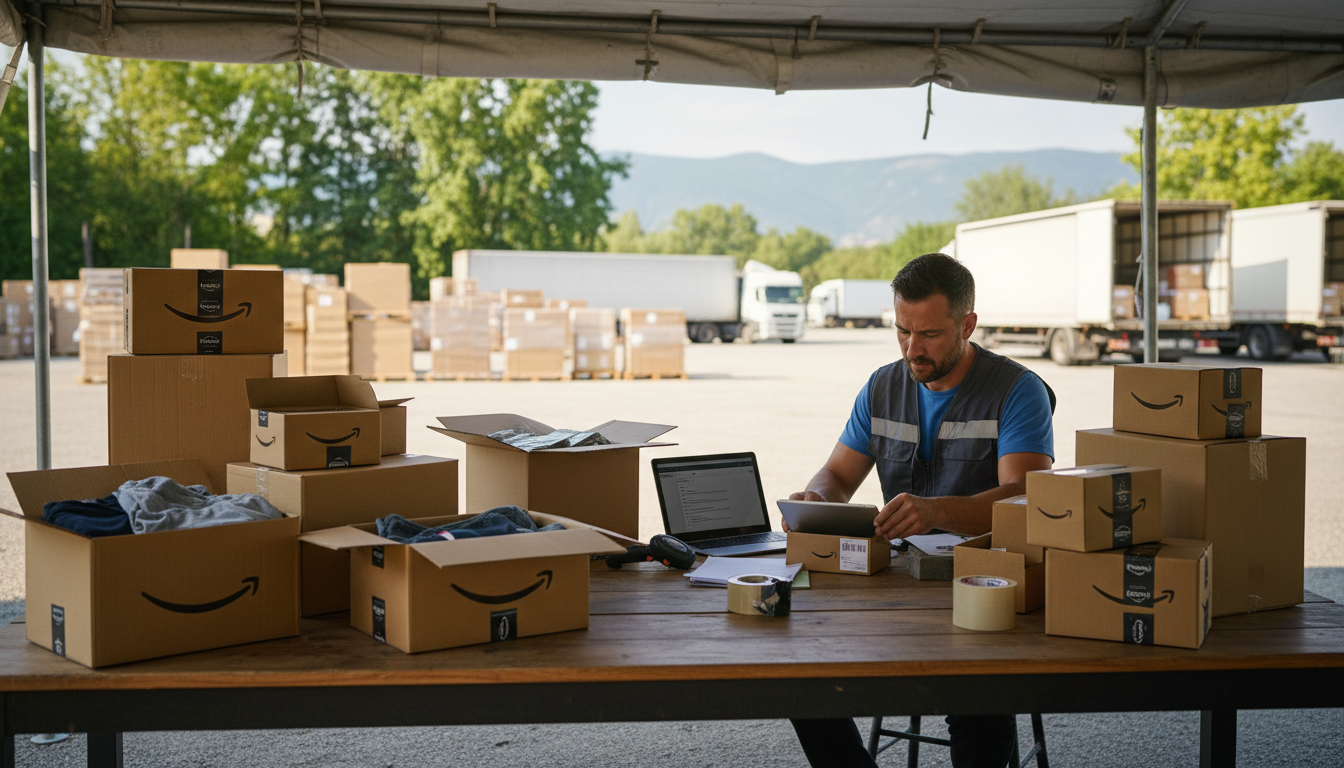
    Optimizing Shipping Methods for Cost Reduction

    Optimizing shipping methods is a smart approach to achieve significant cost savings in Amazon FBA operations. Selecting the right shipping method based on your specific needs can reduce expenses without compromising delivery efficiency. Ground shipping, for example, is a less expensive option when immediate delivery is not crucial, allowing sellers to balance costs with service needs.

    Air Freight

    Air freight offers rapid restocking capabilities, making it an ideal choice for high-value items that require quick turnaround. While it may come at a premium, careful planning can mitigate costs.

    • Prioritize air freight for time-sensitive restocks.
    • Leverage cost vs. speed for critical inventory.
    • Utilize for high-value, low-volume shipments.

    Sea Freight

    Sea freight is a cost-effective solution for bulk shipments, especially when speed is not a priority. It provides an economical way to transport large quantities over long distances.

    • Plan for longer lead times with sea freight.
    • Use sea freight for non-urgent inventory replenishment.
    • Capitalize on lower rates for bulk shipments.

    Multi-modal Shipping

    Multi-modal shipping combines different transportation modes to achieve a balanced cost-to-speed ratio, offering flexibility and efficiency in logistics operations.

    • Combine air and sea freight for cost and speed optimization.
    • Utilize multi-modal solutions to reduce transit times.
    • Opt for flexible scheduling to align with demand fluctuations.

    |Shipping Method |Estimated Cost |Delivery Time |
    |———————-|—————|—————|
    |Air Freight |High |Fast |
    |Sea Freight |Low |Slow |
    |Multi-modal Shipping |Medium |Moderate |

    By strategically selecting and optimizing shipping methods, Amazon FBA sellers can effectively reduce shipping costs while maintaining efficient inventory management, ensuring products reach fulfillment centers timely and economically. Collaborating with a specialized freight partner like QG Horizon ensures reliable transit times and further cost reductions.

    Leveraging Cost-Effective Carriers

    Selecting the right shipping carrier is crucial for reducing Amazon FBA shipping costs without compromising service quality. By evaluating various carrier options, sellers can identify opportunities for cost savings. It's essential to compare rates and negotiate terms that align with your shipping volume and business needs, ensuring that you receive the best possible value.

    • Compare carrier rates to find the most competitive pricing.
    • Negotiate bulk discounts to benefit from economies of scale.
    • Evaluate service reliability to ensure consistent delivery performance.
    • Consider regional carriers that may offer tailored solutions at lower costs.

    Partnering with specialized freight specialists like QG Horizon can further enhance cost savings by providing access to established carrier relationships and negotiated rates. These partnerships ensure reliable transit times and help sellers optimize their shipping strategies, ultimately reducing expenses and improving overall logistics efficiency.

    Utilizing Amazon's Inventory Management Tools

    Utilizing Amazons Inventory Management Tools.jpg

    Effective inventory management is crucial for Amazon FBA sellers aiming to reduce shipping costs without increasing stockouts. Amazon offers a suite of inventory management tools designed to help sellers maintain optimal stock levels while avoiding excess inventory and storage fees. These tools provide valuable insights into inventory performance, allowing sellers to make informed decisions about restocking and shipping strategies. By leveraging these resources, sellers can enhance their supply chain efficiency and reduce unnecessary costs associated with poor inventory management.

    Inventory Performance Index (IPI)

    The Inventory Performance Index (IPI) is a vital tool for Amazon FBA sellers, providing a comprehensive overview of inventory health. By monitoring key performance indicators, sellers can optimize their inventory strategies to minimize costs and improve stock availability.

    • Tracks inventory health to ensure balanced stock levels.
    • Alerts for excess stock to prevent overstocking and reduce storage fees.
    • Suggests restocking actions to maintain optimal inventory flow.

    Integrating Amazon's inventory management tools with third-party solutions can further enhance their effectiveness. These integrations offer advanced features such as real-time data analytics and predictive forecasting, allowing sellers to refine their inventory strategies and align them with market demands. By utilizing these combined capabilities, sellers can achieve a higher level of accuracy in their inventory management, ultimately leading to reduced shipping costs and improved operational efficiency. Collaborating with a specialized freight partner like QG Horizon can further optimize logistics strategies, ensuring reliable transit times and cost-effective shipping solutions.

    Understanding Amazon FBA Fee Structures

    Knowing Amazon FBA fee structures is crucial for sellers looking to reduce shipping costs without encountering unexpected expenses. Familiarity with various fees, such as storage, fulfillment, and long-term storage, enables sellers to plan effectively and manage costs more efficiently. By understanding these fees, sellers can make informed decisions that align with their budget and operational goals, ensuring they maintain a competitive edge in the marketplace.

    |Fee Type |Description |Impact on Costs |
    |———————|————————————————-|—————————————–|
    |Storage Fees |Charges for holding inventory in Amazon's warehouses.|Increases with excess and long-term stock holdings.|
    |Fulfillment Fees |Costs associated with picking, packing, and shipping orders.|Varies based on product size, weight, and category.|
    |Long-term Storage Fees|Additional fees for items stored for more than 365 days.|Encourages inventory turnover to avoid extra charges.|

    Sellers can mitigate these fees through strategic planning and execution. Implementing inventory management techniques, such as optimizing stock levels and utilizing forecasting tools, can help reduce storage durations and fulfillment costs. Additionally, regularly reviewing fee structures and adapting strategies accordingly allows sellers to minimize expenses and maximize profitability. Partnering with a specialized freight partner like QG Horizon can also provide valuable insights and access to cost-effective shipping solutions, ensuring reliable transit times and reduced costs.

    Real-Life Strategies for Cost Reduction Without Stockouts

    Implementing real-life strategies can significantly reduce Amazon FBA shipping costs while maintaining adequate stock levels. These practical approaches ensure that inventory reaches fulfillment centers efficiently, avoiding costly stockouts and storage fees. By adopting proven methods, sellers can optimize supply chain operations and enhance overall business performance.

    1. Split shipments to multiple centers
      Dividing shipments across several Amazon fulfillment centers can reduce transit times and shipping costs. This strategy improves delivery speed and ensures products are available closer to key customer locations, enhancing service reliability.

    2. Consolidate orders for bulk discounts
      By combining multiple orders into larger shipments, sellers can take advantage of bulk shipping discounts. This approach reduces per-unit shipping costs and maximizes carrier efficiency, leading to significant savings.

    3. Use predictive analytics for demand
      Leveraging predictive analytics tools allows sellers to forecast demand accurately. This data-driven insight helps in maintaining optimal stock levels, preventing stockouts, and avoiding unnecessary storage costs, thereby optimizing shipping decisions.

    4. Partner with freight specialists like QG Horizon
      Collaborating with experienced freight partners provides access to expert logistics solutions and cost-effective shipping options. These specialists ensure reliable transit times, helping sellers avoid delays and reduce overall shipping expenses.

    A case study example illustrates the effectiveness of these strategies: A seller successfully reduced shipping costs by 20% by implementing optimized shipment splitting. This approach not only lowered expenses but also improved delivery times, demonstrating the impact of strategic logistics planning.

    Final Words

    Efficient inventory forecasting and strategic shipping method optimization are key to reducing Amazon FBA shipping costs effectively. By leveraging accurate demand predictions and exploring cost-effective shipping options, sellers can minimize expenses without raising the risk of stockouts. Selecting suitable carriers, understanding FBA fee structures, and utilizing Amazon's inventory management tools further streamline logistics operations. Implementing these strategies ensures a smooth, cost-efficient pathway from supplier to Amazon warehouse. Embracing these practices helps sellers achieve lower shipping costs while maintaining optimal inventory levels, ultimately enhancing overall business performance.

    FAQ

    How to avoid restocking fee on Amazon?

    Avoid restocking fees on Amazon by ensuring accurate inventory management, utilizing Amazon's inventory tools for restocking decisions, and maintaining high-quality standards to minimize returned items.

    What is the trick for free shipping on Amazon?

    To access free shipping on Amazon, enroll in Amazon Prime and ensure order fulfillment thresholds qualify for free shipping options available for specific products.

    How to lower Amazon FBA fees?

    Lower Amazon FBA fees by understanding fee structures, improving inventory forecasting, and optimizing shipment methods to reduce storage and fulfillment costs.

    How to avoid low inventory fee on Amazon?

    Prevent low inventory fees by leveraging inventory forecasting techniques, utilizing Amazon’s Inventory Performance Index (IPI), and maintaining optimal stock levels to avoid excess storage costs.

  • The Amazon Global Logistics Alternative Explained

    The Amazon Global Logistics Alternative Explained

    Is Amazon Global Logistics falling short of your shipping expectations? Unveiling the secrets of freight quote comparison can be a game changer for Amazon FBA sellers seeking more efficient logistics solutions. Understanding the intricacies of freight quotes is vital for ensuring reliable rates and unlocking access to a plethora of carrier options. By delving into the art of freight quotes, sellers can gain a competitive edge, optimizing their supply chains while minimizing costs. This article explores how mastering freight quote comparisons can transform your import logistics, offering a smoother path from China to Amazon warehouses.

    Understanding the Importance of Comparing Freight Quotes

    Freight quotes play a critical role in logistics planning by providing businesses with the necessary information to make informed shipping decisions. Accurate freight quoting ensures that businesses are not blindsided by unexpected costs and can maintain competitive pricing in their markets. By comparing freight quotes, companies can access a variety of carriers, evaluate different service levels, and select the most cost-effective option that aligns with their delivery requirements. This is especially crucial when navigating the complexities of international shipping, where fluctuating rates and varying service standards can impact overall supply chain efficiency.

    For accurate freight quotes, businesses must provide essential data such as:

    • Origin and destination ZIP codes

    • Weight of the shipment

    • Dimensions of the cargo

    • Number of pieces

    • Any required services (e.g., liftgate or residential delivery)

    Utilizing freight comparison tools offers numerous benefits for businesses by streamlining the selection process and enhancing decision-making capabilities. These tools provide real-time rate comparisons and visibility across multiple carriers, allowing businesses to evaluate the best options quickly. This not only helps in managing costs more effectively but also in planning for timely deliveries. By leveraging these platforms, companies can mitigate risks associated with price fluctuations and service inconsistencies, ensuring a more reliable and efficient shipping process.

    Key Steps in Freight Quote Comparison

    Benchmarking Rates

    Benchmarking freight rates is crucial for identifying the most cost-effective shipping options. By comparing rates across different carriers and transportation modes, businesses can optimize their logistics strategies and avoid paying more than necessary. This process involves analyzing various service levels and delivery timelines to find the best match for specific shipping needs.

    • Gather quotes from multiple carriers.

    • Compare different transportation modes (air, sea, rail).

    • Evaluate service levels and delivery timelines.

    • Use online platforms for real-time rate comparisons.

    Validating Total Landed Costs

    Understanding total landed costs is essential to avoid unexpected charges that can affect budgets. Accessorials and surcharges, such as liftgate fees or residential delivery, can significantly impact the overall cost of shipping. By validating these costs upfront, businesses can ensure a more accurate freight quote and better financial planning.

    • Identify all potential accessorial charges.

    • Calculate customs duties and taxes if applicable.

    • Include insurance fees for high-value shipments.

    Ensuring Accurate Shipment Data

    Accurate shipment data is key to obtaining precise freight quotes. Inaccurate or incomplete information can lead to quotes that don't reflect the true cost of shipping, resulting in billing surprises. Providing detailed shipment data helps carriers deliver more reliable quotes and improves the overall efficiency of the quote comparison process.

    • Confirm the exact weight and dimensions of the shipment.

    • Specify the number of pieces included.

    • Clearly state any special handling requirements.

    Evaluating Amazon Global Logistics vs. Alternative Providers

    Amazon Global Logistics (AGL) presents a convenient option for sellers utilizing Amazon FBA, offering door-to-door shipping from the factory to Amazon warehouses. However, AGL faces notable challenges, particularly in terms of delivery times and shipment arrangements. Sellers frequently encounter issues with the accuracy of HTS codes and invoices, leading to the payment of excessive tariffs, taxes, and duties. This lack of precision, coupled with unpredictable transit times and limited control over shipping line choices, results in uncertainty regarding when shipments will reach fulfillment centers. As AGL prioritizes incoming shipments without specific delivery timelines, sellers may experience delays that impact their supply chain efficiency.

    Provider Strengths Weaknesses
    Amazon Global Logistics Convenience for Amazon FBA sellers Inaccurate HTS codes, unpredictable transit times
    Forsket Faster delivery times, precise pickup schedules Not integrated directly with Amazon’s ecosystem

    Partnering with a specialized freight provider like Forsket offers significant advantages over AGL. Forsket provides faster delivery times, precise pickup schedules, and greater transparency throughout the shipping process. This enables sellers to maintain better control over their shipments, ensuring timely arrivals at fulfillment centers. By working with an alternative provider, businesses can avoid the unpredictability associated with AGL and leverage tailored logistics solutions that align more closely with their operational needs. Specialized freight partners can offer a more reliable and efficient shipping experience, minimizing delays and enhancing overall supply chain performance.

    Cost-Saving Strategies in Freight Management

    Cost-Saving Strategies in Freight Management.jpg

    Effective cost management in logistics is crucial for maintaining competitive pricing and enhancing profit margins. With freight costs constituting a significant portion of overall expenses, businesses must employ strategic approaches to reduce these costs without sacrificing service quality. By identifying areas for cost reduction and implementing targeted strategies, companies can optimize their shipping operations and improve their bottom line. This involves analyzing current logistics practices, understanding market trends, and being proactive in adjusting to dynamic shipping demands. Through vigilant management and strategic planning, businesses can mitigate the impact of fluctuating freight rates and ensure more predictable logistics expenditures.

    • Optimize packaging to reduce dimensional weight charges

    • Consolidate shipments to minimize per-unit shipping costs

    • Negotiate discounts with carriers for volume shipments

    • Select off-peak transit windows to avoid peak surcharges

    • Diversify shipping modes or lanes to leverage cost efficiencies

    Choosing the Right Freight Partner

    Selecting the right freight partner is crucial for optimizing your supply chain and ensuring reliable shipping solutions. When evaluating freight forwarders, consider a few key criteria: the carrier's safety and service performance, compliance with international regulations, and the range of services offered. Vetted carriers are essential as they reduce the risk of claims and delays, providing peace of mind. Additionally, consider the balance between price and transit time. Depending on your inventory cost, customer expectations, and order urgency, you may prioritize faster delivery over cost savings or vice versa. Transparency in pricing and the ability to track shipments in real-time are also fundamental factors in making an informed decision.

    Partnering with a specialized freight partner like QG Horizon offers significant advantages. QG Horizon provides full control over transit times, ensuring that your shipments arrive on schedule and without unexpected delays. Their expertise in handling complex logistics requirements means they can tailor solutions to meet your specific needs, whether it's navigating customs clearance or managing multi-modal shipping strategies. By choosing a partner with a proven track record, you gain access to a dedicated support team that can proactively resolve issues and optimize your logistics operations, ultimately enhancing your supply chain efficiency. For those looking to ensure reliable and timely shipping solutions, requesting a fast and free quote from QG Horizon is an essential step.

    Final Words

    Mastering freight quotes is essential. Leveraging accurate data and comparison tools enhances logistics planning and uncovers cost-effective solutions. The Amazon Global Logistics alternative offers distinct advantages. By understanding the strengths and limitations of different providers, shippers gain critical insights to optimize their choices.

    Implementing strategic cost-saving measures further enhances efficiency. Consolidating shipments, optimizing packaging, and diversifying shipping modes are proven strategies. Selecting the right freight partner ensures seamless operations. The Amazon Global Logistics Alternative: How to Compare Freight Quotes Like a Pro empowers sellers to navigate complex shipping decisions confidently, enhancing their competitiveness in the market.

    FAQ

    How to compare freight service providers?

    A: Comparing freight service providers involves benchmarking rates across various carriers and modes. It requires evaluation of factors such as service quality, cost-effectiveness, reliability, and customer service. Utilize real-time rate tools for accurate comparisons.

    How to get the best freight shipping rates?

    A: To get the best freight shipping rates, optimize packaging, consolidate shipments, negotiate discounts, choose off-peak transit windows, and diversify shipping modes. Regularly test different lanes for the best balance between cost and delivery time.

    Does Amazon use freight forwarders?

    A: Amazon utilizes freight forwarders like Amazon Global Logistics for their shipping needs. However, alternative providers may offer more precise pickup schedules, faster delivery times, and greater shipment transparency than Amazon.

  • What Is ISF Filing: Avoid Amazon FBA Fines

    What Is ISF Filing: Avoid Amazon FBA Fines

    Picture this: you're an Amazon FBA importer and your latest shipment from China is projected to hit U.S. shores soon. But there's a catch – do you know what ISF filing is and why skipping it could cost you dearly? In international shipping circles, it's not just a formality; it's a crucial step standing between you and hefty fines up to $5,000 – per infraction. Join us as we delve into the mechanics of Importer Security Filing, showcasing its importance in securing your cargo compliantly, and ensuring your Amazon business sails smoothly.

    Understanding ISF Filing and Its Importance for Amazon FBA Importers

    ISF (Importer Security Filing), often known as "10+2," is a critical U.S. Customs requirement for ocean cargo entering the United States. This mandate involves ten data elements from importers and two from carriers, primarily aiming to enhance cargo security and ensure customs compliance. The ISF filing must be submitted at least 24 hours before the cargo is loaded onto a vessel bound for the U.S. to avoid severe penalties. This precautionary measure was introduced to identify high-risk shipments and prevent potential security threats before they reach U.S. shores.

    The "10+2" data elements required for ISF filing include:

    • Importer of Record Number
    • Consignee Number
    • Seller Name and Address
    • Buyer Name and Address
    • Manufacturer (or Supplier) Name and Address
    • Ship-to Party
    • Country of Origin
    • Commodity Harmonized Tariff Schedule (HTS) Number
    • Container Stuffing Location
    • Consolidator (Stuffer) Name and Address
    • Vessel Stow Plan (Carrier)
    • Container Status Messages (Carrier)

    For Amazon FBA importers, ISF filing is not just a procedural requirement but a cornerstone for maintaining a seamless supply chain. Accurate and timely filing of ISF ensures that shipments are not delayed or held at customs, which could lead to missed sales opportunities and financial penalties. Non-compliance can severely disrupt Amazon FBA operations, causing inventory shortages and impacting seller performance. Therefore, understanding and adhering to ISF requirements is crucial for operational efficiency and supply chain security. Partnering with a specialized freight partner like QG Horizon is vital for controlling transit times and avoiding delays. For a fast and free quote, visit QG Horizon.

    Consequences of Not Filing ISF: Fines and Operational Impacts

    Failing to comply with ISF (Importer Security Filing) requirements can lead to substantial financial penalties for Amazon FBA importers. The U.S. Customs and Border Protection (CBP) mandates precise and timely ISF submissions, and non-compliance can result in fines reaching up to $5,000 per violation. These penalties can accumulate quickly, especially if multiple shipments are involved or if repeated violations occur. The financial burden of fines is compounded by the increased scrutiny from CBP, which can extend beyond monetary costs to affect an importer's reputation and future dealings.

    Potential operational impacts include:

    • Shipment delays due to customs holds
    • Increased demurrage and detention fees
    • Higher costs from rerouting or reworking shipments
    • Inventory shortages at Amazon fulfillment centers
    • Disruption in supply chain continuity

    For Amazon FBA sellers, these consequences can severely hinder business operations. Shipment delays can lead to stockouts, causing lost sales opportunities and negatively affecting seller metrics on Amazon. Additional costs from demurrage and detention fees can erode profit margins, making it challenging to maintain competitive pricing. Furthermore, disruptions in supply chain continuity can lead to missed delivery windows at Amazon's fulfillment centers, resulting in further FBA penalties. To mitigate these risks, partnering with a specialized freight partner like QG Horizon is essential for ensuring compliance and maintaining efficient logistics operations.

    How to Properly File ISF for Amazon FBA Importers

    ISF (Importer Security Filing) is a critical step for Amazon FBA importers, ensuring compliance with U.S. Customs requirements and avoiding costly fines. Proper ISF filing demands a thorough understanding of shipping documentation and importer responsibilities. Collecting accurate ISF data elements from suppliers, confirming importer details, and submitting the information to U.S. Customs and Border Protection (CBP) at least 24 hours before vessel departure is essential. Working with customs brokers or specialized logistics partners can streamline this process, minimizing the risk of errors or delays.

    Step-by-Step ISF Filing Process

    1. Collect ISF Data Elements: Obtain all necessary data elements from your supplier, including the Importer of Record Number and details such as buyer and seller information.

    2. Confirm Importer Details: Verify the Importer of Record Number and ensure all contact information is accurate to avoid discrepancies in documentation.

    3. Assign a Customs Broker: Partner with a licensed customs broker or a qualified logistics provider to handle ISF submissions and ensure compliance.

    4. Prepare Shipping Documentation: Gather all relevant shipping documentation, such as commercial invoices, bills of lading, and packing lists, to support the ISF filing.

    5. Submit ISF Data: Ensure ISF data is submitted to the CBP electronically at least 24 hours before the cargo is loaded onto the vessel.

    6. Verify ISF Acceptance: Confirm that the CBP has accepted your ISF filing to prevent shipment delays and potential penalties.

    7. Monitor Shipment Status: Track your shipment's progress to anticipate any potential issues or delays during transit.

    8. Maintain Records: Keep detailed records of all ISF filings and related documentation for at least five years in case of audits or inquiries from CBP.

    Common Mistakes to Avoid

    Failure to comply with ISF requirements can lead to severe penalties and operational disruptions. Common mistakes include incorrect data entries, such as mismatched Harmonized Tariff Schedule (HTS) numbers or wrong manufacturer details, leading to potential fines. Late submissions are another frequent issue, as ISF filings must be completed at least 24 hours before vessel loading. Additionally, neglecting to update ISF data when shipment details change can result in non-compliance penalties. Avoid these pitfalls by double-checking all information for accuracy and working closely with experienced freight partners to ensure timely and precise filing.

    Practical Compliance Tips for Avoiding ISF Penalties

    Practical Compliance Tips for Avoiding ISF Penalties.jpg

    Accurate data collection and timely filing are paramount for Amazon FBA importers to avoid ISF-related penalties. The U.S. Customs and Border Protection (CBP) imposes strict requirements for ISF (Importer Security Filing), with substantial financial repercussions for non-compliance. Importers must ensure that all shipment data is precise, including importer details, supplier information, and Harmonized Tariff Schedule (HTS) numbers. Timely submission is equally critical, as filings must be completed at least 24 hours before cargo is loaded onto a vessel. Failure to adhere to these requirements can result in fines up to $5,000 per violation and operational setbacks.

    Best Practices for ISF Compliance:

    • Double-check all data entries for accuracy before submission.
    • Collect complete information from suppliers, including manufacturer details and container stuffing locations.
    • Submit ISF filings at least 24 hours prior to vessel loading to avoid delays.
    • Regularly update ISF data if shipment details change before departure.
    • Maintain organized records of all ISF-related documents for at least five years.
    • Partner with a licensed customs broker or freight forwarder for expert assistance.

    Leveraging the expertise of specialized freight partners like QG Horizon can significantly mitigate the risks associated with ISF filing. These partners offer comprehensive compliance strategies, ensuring that all data is accurately collected and submitted on time. By entrusting ISF responsibilities to seasoned professionals, importers can focus on their core business operations without the anxiety of potential penalties. To ensure seamless and reliable shipping processes, importers are encouraged to request a fast and free quote from QG Horizon for their logistics needs.

    Partnering with Freight Experts for ISF Compliance

    Collaborating with freight experts is crucial for Amazon FBA importers to ensure ISF compliance. These professionals excel in managing the complexities of data accuracy and filing deadlines, significantly reducing the risk of costly penalties. By leveraging their expertise in freight forwarding, customs brokerage, and logistics management, importers can navigate the intricate requirements of ISF (Importer Security Filing) efficiently. Freight experts are adept at ensuring that all necessary data elements are collected and submitted accurately and on time, thus safeguarding against shipment delays and compliance issues.

    For reliable ISF compliance and logistics solutions, partnering with a specialized freight partner like QG Horizon is indispensable. QG Horizon's seasoned professionals offer comprehensive support, ensuring that ISF filings are handled with precision and promptness. Their in-depth knowledge of customs procedures and logistics management helps streamline the import process, making it easier for Amazon FBA sellers to maintain their supply chain without disruptions. Importers are encouraged to take advantage of QG Horizon's expertise by requesting a fast and free quote, securing peace of mind and operational efficiency in their shipping endeavors.

    Final Words

    Mastering ISF filing and compliance is crucial for Amazon FBA importers to avoid hefty fines and operational setbacks. The ISF, or "10+2," filing involves submitting ten data elements from importers and two from carriers at least 24 hours before cargo loading. Non-compliance can cause financial penalties and shipment delays, directly impacting Amazon businesses. Properly filing ISF requires accurate data handling and timely submission. Utilizing freight experts like QG Horizon can effectively reduce risks. Understanding what is ISF filing and why Amazon FBA importers get fined without it empowers sellers to navigate import logistics confidently and efficiently.

    FAQ

    When is ISF Filing Required?

    ISF filing is required for all ocean cargo entering the U.S. It must be filed at least 24 hours before the vessel's departure to ensure compliance with U.S. Customs requirements.

    How to Avoid ISF Penalties?

    To avoid ISF penalties, ensure accurate data collection and timely submissions. Partnering with experienced freight forwarders can reduce risks and help streamline compliance processes.

    What Happens if an ISF is Not Filed?

    If an ISF is not filed, penalties can be imposed, including fines up to $5,000 per violation, shipment delays, and additional scrutiny from Customs and Border Protection (CBP). This can lead to increased costs for importers.

    Is ISF Filing Mandatory?

    Yes, ISF filing is mandatory for all importers of ocean cargo entering the U.S. Failure to comply can result in substantial penalties and operational disruptions.

    What is the Purpose of ISF Filing?

    The purpose of ISF filing is to enhance cargo security and ensure compliance with U.S. Customs regulations by requiring the submission of 10 data elements from importers and 2 from carriers before shipping.

  • Amazon FBA Delivery Appointments: Avoid Extra Charges

    Amazon FBA Delivery Appointments: Avoid Extra Charges

    Did you know that neglecting Amazon FBA delivery appointments can result in unexpected charges, wasted resources, and supply chain chaos? Managing these appointments effectively is vital for maintaining a smoothly operating Amazon business. Understanding the intricacies of Amazon FBA scheduling ensures that you stay ahead of potential logistical nightmares. In this guide, we'll dive into Amazon FBA delivery appointments' significance and pitfalls, reveal common errors and their repercussions, and equip you with strategies to secure your appointments seamlessly. Mastering these elements will save you money and keep your operations efficient and predictable.

    Understanding Amazon FBA Delivery Appointments

    Amazon FBA delivery appointments are essential scheduled slots for shipping inventory to fulfillment centers. They play a pivotal role in ensuring the efficient processing of shipments within Amazon's supply chain. These appointments are vital for maintaining a smooth flow of goods, as they help manage the influx of inventory and prevent bottlenecks. By coordinating delivery times, Amazon can optimize warehouse operations and minimize congestion, ensuring that products are available to customers promptly. For sellers, adhering to these schedules is crucial to avoid delays and maintain a high service level.

    • Improved operational efficiency through scheduled delivery times
    • Reduced risk of inventory delays and associated penalties
    • Enhanced visibility and planning within the supply chain
    • Lower likelihood of shipment rejections or rescheduling
    • Optimized resource allocation for both sellers and Amazon

    Typically, Amazon FBA delivery appointments require a lead time of at least five days from the booking date. This advanced preparation allows sellers to align their logistics with Amazon's stringent requirements. To ensure seamless adherence, sellers should familiarize themselves with Amazon's scheduling systems, such as the Carrier Central portal, and proactively monitor their shipment timelines. By planning ahead, sellers can secure preferred time slots, reduce the risk of missed appointments, and avoid incurring additional fees or disruptions in their supply chain operations.

    Common Pitfalls: Why Amazon FBA Deliveries Get Missed

    Missed Amazon FBA delivery appointments often stem from several typical errors that sellers encounter. Incorrect shipment details, such as mismatched shipment ID or inaccurate delivery windows, can disrupt the scheduling process. Carrier delays, which may occur due to unforeseen transit issues or inadequate coordination, also contribute significantly to missed appointments. Furthermore, a failure to adhere to Amazon's strict delivery requirements, including proper packaging and labeling, can lead to rejection or rescheduling of shipments. These errors, largely preventable, highlight the necessity for meticulous attention to detail in preparing shipments for Amazon's fulfillment centers.

    • Financial penalties for rescheduling missed delivery appointments
    • Delayed inventory availability, impacting sales and customer satisfaction
    • Increased operational costs due to additional handling and transportation
    • Potential loss of priority slots in Amazon's scheduling system
    • Negative impact on seller performance metrics, affecting account standing
    • Strained relationships with carriers, leading to future scheduling difficulties

    To circumvent these common pitfalls, sellers must prioritize accuracy and compliance with Amazon's policies. Ensuring that all shipment details are correct and up to date is vital. Regular communication with carriers can prevent delays, allowing for timely adjustments if issues arise. Adhering to Amazon's guidelines on packaging, labeling, and documentation helps avoid rejections. Utilizing scheduling tools and real-time tracking systems can further enhance visibility and control over the delivery process, reducing the likelihood of missed appointments and the associated extra charges.

    Strategies to Secure Your Amazon FBA Delivery Appointments

    Navigating the complexities of Amazon FBA delivery appointments requires a thorough understanding of the Amazon Carrier Central portal. This platform is crucial for scheduling and managing delivery times, offering sellers the ability to align their logistics with Amazon's operational requirements. By leveraging the appointment booking system, sellers can choose available time slots that best fit their delivery schedules and capacities, ensuring that shipments are processed efficiently. Mastery of this portal not only aids in securing appointments but also minimizes the risk of missed slots and the associated penalties.

    • Book appointments early to secure preferred time slots and avoid last-minute rushes.
    • Double-check shipment details such as shipment ID and delivery window to prevent scheduling errors.
    • Maintain flexibility in delivery schedules to accommodate unforeseen changes or delays.
    • Regularly update shipment status to ensure alignment with Amazon's delivery requirements.
    • Utilize scheduling tools that offer real-time tracking and visibility to streamline appointment management.
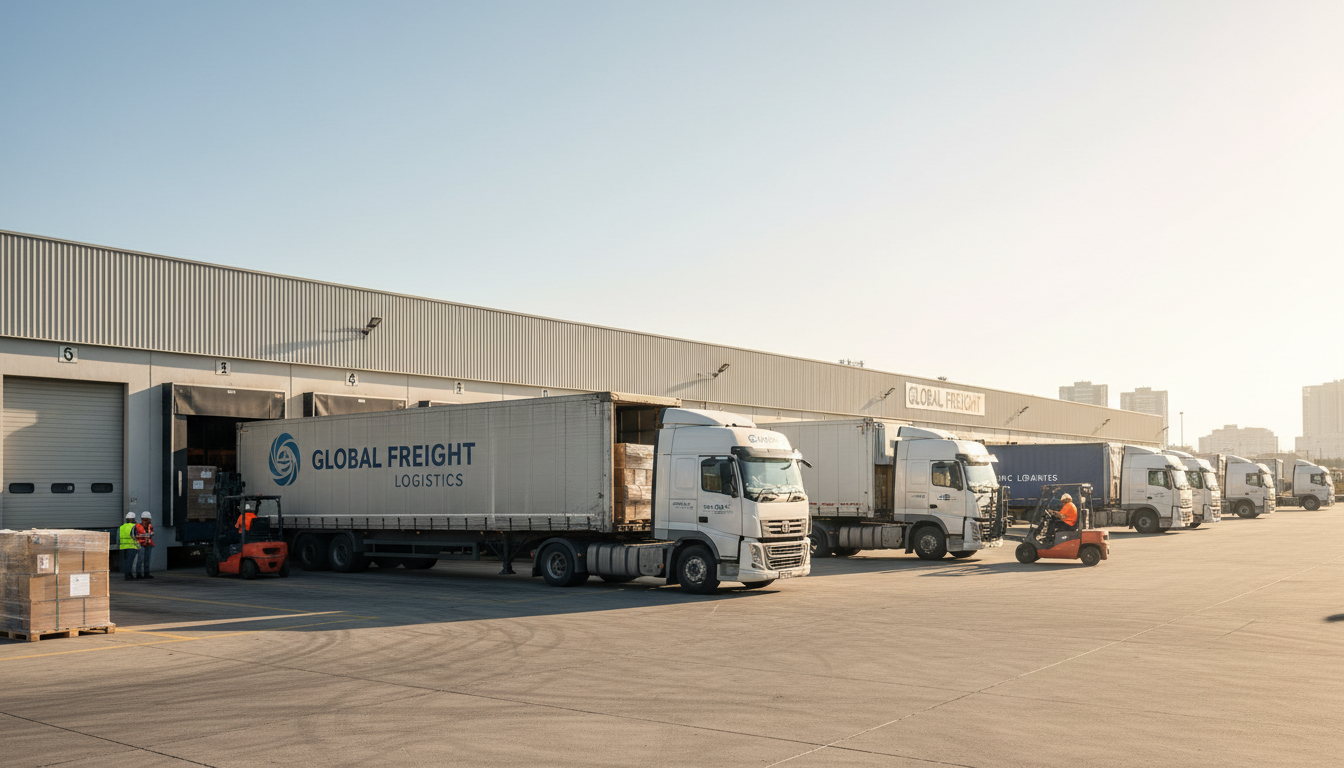
    Effective communication with carriers is paramount in managing Amazon FBA delivery appointments. Keeping open lines of communication ensures that any potential issues are addressed promptly, reducing the likelihood of delays. Additionally, using advanced scheduling tools enhances operational efficiency by providing real-time insights into shipment progress, enabling proactive adjustments to avoid disruptions. These strategies not only help in securing appointments but also mitigate the risk of incurring extra charges due to missed deliveries or non-compliance with Amazon's scheduling policies.

    The Role of Freight Partners in Amazon FBA Success

    The Role of Freight Partners in Amazon FBA Success.jpg

    Selecting the right freight forwarder is crucial for Amazon FBA sellers aiming to streamline their supply chain and avoid costly errors. A knowledgeable freight forwarder understands the intricate requirements of Amazon's logistics operations, ensuring compliance and minimizing the risk of non-compliance penalties. Opting for a provider without specific Amazon FBA experience can lead to delays, increased costs, and potential disruptions in service. Thus, partnering with an experienced logistics provider who knows the ins and outs of Amazon's guidelines is essential for maintaining smooth operations and avoiding extra charges.

    • Expert compliance management: Ensures adherence to Amazon's strict shipping and labeling requirements, reducing the risk of shipment rejections.
    • Optimized shipping solutions: Utilizes multi-modal transport options to balance cost and speed, tailored specifically for Amazon FBA needs.
    • Enhanced tracking capabilities: Provides real-time visibility and proactive updates, allowing sellers to monitor shipments and avoid unexpected delays.
    • Streamlined customs clearance: Handles intricate customs procedures efficiently, preventing costly hold-ups and ensuring timely delivery to Amazon fulfillment centers.

    To achieve reliable transit times and minimize the risk of delays, consider collaborating with a specialized freight partner like QG Horizon. Their expertise in Amazon FBA logistics can help sellers navigate complex shipping requirements and maintain high performance in Amazon's marketplace. Request a fast and free quote at qghorizon.com/quote to explore how their tailored solutions can enhance your supply chain efficiency and reduce the likelihood of incurring extra charges.

    Best Practices for Managing Amazon FBA Delivery Appointments

    Real-time tracking is fundamental to operational efficiency when managing Amazon FBA delivery appointments. By monitoring shipments continuously, sellers can minimize delays and proactively address issues before they escalate into significant problems. Implementing a robust tracking system ensures that any discrepancies in shipment progress are identified early, allowing for timely interventions. This approach not only promotes seamless operations but also helps in maintaining the accuracy of delivery appointments, reducing the risk of extra charges due to missed slots.

    • Use advanced tracking systems to monitor shipments, ensuring proactive management and timely interventions.
    • Confirm delivery appointments with Amazon and carriers to ensure accuracy and prevent scheduling errors.
    • Prepare for contingencies by building buffer times into schedules to accommodate unexpected delays.
    • Maintain open communication with Amazon and logistics partners to address potential issues promptly.
    • Regularly review and update shipment details to align with Amazon's requirements and avoid rejections.

    Learning from real-life examples can significantly enhance delivery performance and prevent extra charges associated with missed appointments. Sellers who consistently double-check shipment details and maintain clear communication lines with carriers and Amazon often experience fewer disruptions. By observing successful strategies employed by others and applying these insights to their own operations, sellers can streamline their processes and ensure compliance with Amazon's stringent requirements. This proactive approach not only bolsters delivery reliability but also safeguards against financial penalties and operational setbacks.

    Final Words

    Navigating Amazon FBA delivery appointments requires meticulous planning and precision.

    Understanding these appointments' significance within the supply chain ensures efficient processing at fulfillment centers.

    Common pitfalls, such as incorrect shipment details and not adhering to delivery requirements, can be costly.

    Implementing effective strategies, including early booking and clear communication with carriers, minimizes risks.

    Partnering with experienced freight forwarders like QG Horizon enhances logistical success.

    Applying these best practices enables seamless operations and helps maintain timely Amazon FBA Delivery Appointments, avoiding missed schedules and associated fees.

    Embrace these insights to improve efficiency and reduce unnecessary costs.

    FAQ

    How to reduce delivery charges in Amazon?

    Reducing delivery charges on Amazon requires selecting economy shipping options, bundling orders for combined shipping, or utilizing Amazon Prime for free shipping benefits.

    How do I get rid of delivery fees on Amazon?

    Eliminating delivery fees on Amazon typically involves subscribing to Amazon Prime, which offers free shipping on eligible items, or meeting the minimum order threshold for free shipping on non-Prime purchases.

    How do Amazon delivery appointments work?

    Amazon delivery appointments are pre-scheduled time slots for sending inventory to Amazon's fulfillment centers. Sellers must book these appointments through Amazon’s scheduling portal, typically with at least five days of lead time.

    Does Amazon charge extra for same day delivery?

    Yes, Amazon generally charges extra for same-day delivery unless the customer is a Prime member or meets specific criteria for free same-day delivery options based on eligibility and availability.