Blog

  • Peak Season FBA Shipping: Avoid Q4 Surcharges Today

    Peak Season FBA Shipping: Avoid Q4 Surcharges Today

    As the holiday season approaches, many Amazon FBA sellers face a critical dilemma: how to navigate the chaotic Q4 shipping landscape without incurring costly surcharges or running out of stock. With demand at an all-time high, failing to adequately prepare can lead to inventory shortages, missed sales opportunities, and inflated shipping fees. This blog will explore proactive inventory management strategies tailored for peak season, equipping sellers with the knowledge to prevent stockouts and minimize expenses. By implementing these best practices, sellers can ensure a smooth shipping experience and thrive during the busiest time of the year.

    Peak Season FBA Shipping: Avoid Q4 Surcharges Today

    • Proactive Inventory Management:
    • Assess inventory levels early; aim for a minimum of 30-60 days of stock.
    • Analyze historical sales data to identify trends and anticipate demand spikes.
    • Implement automated inventory tracking systems for real-time visibility.
    • Surcharge Awareness:
    • Understand the types of surcharges applicable during Q4, including peak season fees and dimensional weight surcharges.
    • Monitor carrier communications for updates on potential additional costs.
    • Early Shipment Planning:
    • Initiate shipment preparations at least 12 weeks before Q4 to avoid last-minute rushes.
    • Schedule shipments based on Amazon’s lead times and warehouse capacity constraints.
    • Utilize cost-effective shipping methods, such as sea freight for bulk shipments, to minimize expenses.
    • Utilize Consolidation Services:
    • Combine multiple orders into a single shipment to reduce per-unit costs.
    • Leverage freight forwarders specializing in FBA to optimize shipping routes and reduce delays.
    • Maintain Flexible Shipping Strategies:
    • Be prepared to pivot shipping methods based on real-time demand and cost fluctuations.
    • Utilize express services for urgent restocks while balancing speed and expense.

    Action Item Timeline
    Inventory Assessment 12 weeks before Q4
    Order Placement 8 weeks before Q4
    Finalize Shipment Preparations 4 weeks before Q4
    • Regular Review and Adjustment:
    • Continuously assess inventory levels and shipping performance throughout the season.
    • Adjust order quantities and shipping schedules based on real-time sales data.
    • Keep an eye on competitor actions and market trends to remain agile.

    Understanding Q4 Surcharges

    • Types of Surcharges:
    • Peak Season Fees: Carriers often implement peak season fees to manage increased volume. These can significantly inflate shipping costs during the holiday season.
    • Dimensional Weight Surcharges: These charges apply when the size of a package exceeds its weight. Carriers calculate shipping costs based on the dimensional weight, leading to higher fees for larger items.
    • Additional Handling Charges: Certain shipments may incur extra fees based on packaging, weight, or shipping method. Understanding these criteria helps in minimizing costs.
    • How to Avoid Surcharges:
    • Plan Shipments Early: Start preparing shipments at least 12 weeks before peak season. This allows for adequate lead time to avoid rush charges and ensures your inventory meets Amazon’s fulfillment requirements.
    • Utilize Cost-Effective Shipping Methods: Consider sea freight for bulk shipments or use freight consolidation to reduce per-unit costs. Evaluate the trade-offs between speed and cost to find the best balance for your products.
    • Monitor Carrier Updates: Stay informed about potential surcharges by regularly checking carrier communications. This proactive approach helps in adjusting shipping strategies and avoiding unexpected fees.

    Surcharge Type Description
    Peak Season Fees Additional charges during high-demand periods to manage increased shipping volume.
    Dimensional Weight Surcharges Fees based on the size of the package, applicable when dimensional weight exceeds actual weight.
    Additional Handling Charges Extra fees for shipments requiring special handling due to size, weight, or packaging.
    Peak Season FBA Shipping: Avoid Q4 Surcharges Today

    Effective Shipment Planning

    • Best Practices for Shipment Preparation:
    • Organize Inventory to Meet FBA Requirements: Ensure that all products are compliant with Amazon’s packaging and labeling guidelines. This helps avoid delays and additional fees during the receiving process.
    • Utilize Palletization and Carton Packaging: Properly palletize your goods according to Amazon’s specifications to maximize shipping efficiency and minimize handling fees. Use appropriate carton sizes to reduce dimensional weight charges.
    • Schedule Deliveries in Advance: Coordinate with your freight forwarder to book shipping slots well ahead of time. This proactive approach helps secure better rates and ensures that your inventory arrives on time.
    • Timeline for Shipping Preparation:

    Action Item Timeline
    Inventory Assessment 12 weeks before Q4
    Order Placement 8 weeks before Q4
    Finalize Shipment Preparations 4 weeks before Q4
    • 12 Weeks Before Q4: Inventory Assessment: Evaluate current stock levels and identify which products need to be replenished. Use historical sales data to predict demand and avoid stockouts.
    • 8 Weeks Before Q4: Order Placement: Place orders with suppliers, ensuring lead times are accounted for. This timeframe allows for any potential delays from manufacturers or shipping disruptions.
    • 4 Weeks Before Q4: Final Shipment Preparations: Double-check that all products are packaged and labeled correctly. Schedule shipments to Amazon fulfillment centers, ensuring they align with Amazon’s receiving windows.

    Implementing these practices and adhering to the timeline will streamline shipment processes and mitigate risks associated with surcharges and stock shortages during the busy Q4 season.

    Demand Forecasting Techniques

    • Tools for Demand Forecasting:
    • Inventory Management Software: Utilize advanced software solutions that integrate with Amazon to track sales patterns and stock levels in real-time.
    • Historical Sales Data Analysis: Review past sales data to identify trends and patterns that can inform future inventory needs during the Q4 season.
    • Market Trend Reports: Access industry reports that highlight seasonal trends, competitor performance, and consumer behavior to refine forecasting accuracy.
    • Techniques for Accurate Forecasting:
    • Seasonal Trend Analysis: Examine historical data from previous Q4 periods to understand typical sales spikes and adjust inventory levels accordingly.
    • Customer Behavior Monitoring: Leverage analytical tools to monitor customer engagement and purchasing behavior, enabling sellers to anticipate demand fluctuations.
    • Adjusting for Promotions and Sales Spikes: Plan inventory around planned promotions, discounts, or holiday events to ensure adequate stock during peak shopping times.

    Forecasting Method Description
    Inventory Management Software Tracks real-time sales and stock levels, providing alerts for low inventory.
    Historical Sales Data Analysis Analyzes past sales data to identify trends and inform future inventory needs.
    Market Trend Reports Highlights seasonal trends and consumer behavior insights for better forecasting.
    • Implementing these forecasting techniques enables Amazon sellers to maintain optimal inventory levels, minimizing the risk of stockouts and reducing the potential for costly surcharges during the Q4 peak season.
    Peak Season FBA Shipping: Avoid Q4 Surcharges Today

    Case Studies from Successful Sellers

    • Seller A: Early Stock Replenishment
    • This seller began their Q4 preparation in July, conducting a thorough inventory assessment to identify popular products with high sales velocity.
    • They placed bulk orders with suppliers early, ensuring that they had at least 60 days of stock on hand before the peak season.
    • Result: They maintained consistent stock levels throughout Q4, avoiding stockouts and capitalizing on holiday sales.
    • Seller B: Utilizing Inventory Management Tools
    • By employing advanced inventory management software, this seller gained insights into real-time sales data and inventory levels.
    • They automated reorder alerts, ensuring timely restocking and minimizing the risk of overstocking or stockouts.
    • Result: Their data-driven approach allowed for precise inventory control, leading to a 20% increase in sales compared to the previous year.
    • Seller C: Strategies for Handling Peak Demand
    • To manage increased demand, this seller implemented a multi-channel fulfillment strategy, using both FBA and FBM (Fulfillment by Merchant) methods.
    • They prepped additional inventory for FBA and maintained a backup stock for FBM, ensuring they could fulfill orders quickly regardless of FBA capacity constraints.
    • Result: They effectively met customer demands during peak shopping days without incurring excessive FBA fees.
    • Key Takeaways from Case Studies:
    • Importance of Early Stock Replenishment: Starting early allows sellers to secure enough inventory to meet holiday demand without incurring last-minute rush fees.
    • Effective Use of Tools for Inventory Management: Leveraging technology can streamline inventory processes and enhance visibility into stock levels, reducing stockout risks.
    • Strategies for Handling Peak Demand Efficiently: Adopting a multi-channel approach ensures sellers can fulfill orders swiftly, optimizing their operational efficiency during peak times.

    Seller Strategy Results
    Seller A Early Stock Replenishment Consistent stock levels, avoided stockouts
    Seller B Inventory Management Tools 20% sales increase, improved stock control
    Seller C Multi-Channel Fulfillment Met demand efficiently, reduced FBA fees

    Managing Excess Inventory

    • Strategies for Managing Excess Inventory:
    • Utilize Promotions to Accelerate Sales:
    • Run targeted promotions or discounts during peak season to boost sales velocity.
    • Employ flash sales or limited-time offers to create urgency among buyers.
    • Implement Dynamic Pricing Strategies:
    • Adjust prices based on market demand, competitor pricing, and inventory levels.
    • Use pricing software to automate adjustments and maximize profitability while clearing excess stock.
    • Offer Bundled Products to Increase Volume:
    • Create product bundles that combine slower-moving items with bestsellers.
    • Encourage customers to purchase more by providing discounts on bundled products.
    • Monitoring Inventory Levels:
    • Set Up Alerts for Low Stock:
    • Implement inventory management systems that send notifications when stock falls below a predefined threshold.
    • Ensure timely reordering of products to avoid stockouts during critical sales periods.
    • Review Inventory Turnover Rates Regularly:
    • Analyze turnover ratios to identify slow-moving items and adjust purchasing strategies accordingly.
    • Conduct periodic reviews to ensure that inventory levels align with projected sales, minimizing excess stock.

    Action Item Frequency
    Inventory Review Weekly
    Set Low Stock Alerts Immediately upon inventory system setup
    Dynamic Pricing Adjustments Daily
    Promotion Planning Monthly
    Peak Season FBA Shipping: Avoid Q4 Surcharges Today

    Final Words

    Final Words

    Effective management of FBA shipping during peak season is crucial for maintaining stock levels and minimizing costs. Proactively planning shipments, understanding Q4 surcharges, and employing demand forecasting techniques can significantly enhance operational efficiency.

    Successful Amazon sellers demonstrate the importance of early stock replenishment and strategic inventory management to navigate seasonal challenges. By adopting these practices, sellers can avoid stockouts and keep expenses in check.

    Optimizing logistics during this critical time not only safeguards against Q4 surcharges but also positions sellers for sustained success. Embrace the strategies outlined in “Peak Season FBA Shipping: How to Avoid Q4 Surcharges and Never Run Out of Stock” to thrive in the competitive landscape.

    FAQ

    Q: What is peak season FBA shipping?

    A: Peak season FBA shipping refers to the heightened demand for shipping services during Q4, requiring sellers to optimize inventory management and shipping strategies to avoid stock shortages.

    Q: What are common Q4 surcharges?

    A: Common Q4 surcharges include peak season fees, dimensional weight surcharges, and additional handling charges that can inflate shipping costs if not managed properly.

    Q: How can sellers avoid shipping surcharges?

    A: Sellers can avoid shipping surcharges by planning shipments early, utilizing cost-effective shipping methods, and closely monitoring carrier updates for potential changes.

    Q: What are best practices for effective shipment planning?

    A: Best practices include organizing inventory to meet FBA requirements, utilizing palletization and carton packaging, and scheduling deliveries well in advance of peak season.

    Q: What’s the timeline for shipping preparation before Q4?

    A: The timeline includes inventory assessment 12 weeks prior, order placement 8 weeks prior, and final shipment preparations 4 weeks before Q4.

    Q: What tools assist in demand forecasting?

    A: Tools for demand forecasting include inventory management software, historical sales data analysis, and market trend reports to predict stock requirements.

    Q: What techniques enhance accurate demand forecasting?

    A: Techniques for accurate forecasting involve seasonal trend analysis, customer behavior monitoring, and adjusting for anticipated promotions and sales spikes.

    Q: What can be learned from successful sellers’ case studies?

    A: Key takeaways include the importance of early stock replenishment, effective inventory management tools, and strategies for efficiently handling peak demand.

    Q: How can sellers manage excess inventory during Q4?

    A: Sellers can manage excess inventory by utilizing promotions, implementing dynamic pricing strategies, and offering bundled products to boost sales volume.

    Q: What should sellers monitor to prevent stockouts?

    A: Sellers should set up alerts for low stock levels and regularly review inventory turnover rates to ensure adequate stock availability during peak season.

  • Amazon FBA Shipping Costs from China to USA: 2026 Rates Revealed

    Amazon FBA Shipping Costs from China to USA: 2026 Rates Revealed

    Are Amazon FBA sellers bracing for a shipping cost shock in 2026? As the global supply chain evolves, understanding shipping expenses from China to the USA has become crucial for maintaining profitability. In an era marked by fluctuating rates and shifting regulations, sellers must be equipped with the latest insights to navigate this complex landscape. This blog post reveals the real shipping costs you can expect in 2026, breaking down essential factors and providing actionable strategies to optimize your logistics. By grasping these dynamics, sellers can turn challenges into opportunities for growth.

    Amazon FBA Shipping Costs from China to USA: 2026 Rates Revealed

    Shipping costs for Amazon FBA sellers importing from China to the USA in 2026 have become increasingly complex due to various factors. Understanding these costs is crucial for effective budgeting and pricing strategies.

    In 2026, sellers can expect to see significant variation in shipping rates depending on the chosen method.

    Key Shipping Methods and Costs:

    • Air Freight: Offers the fastest service for urgent shipments. Rates typically range from $6 to $10 per kilogram, depending on the carrier and service level.
    • Sea Freight: More cost-effective for bulk shipments. Full Container Load (FCL) rates average between $1,500 to $3,000 per container, while Less than Container Load (LCL) can range from $350 to $1,200 depending on volume.

    Importance of Cost Awareness:

    • Budgeting: Accurate knowledge of shipping rates is essential for maintaining profit margins.
    • Product Pricing: Sellers must factor in shipping costs when determining retail prices to remain competitive.
    • Supply Chain Decisions: Understanding costs helps in selecting the most efficient shipping methods based on product type and urgency.

    Summary of Estimated Shipping Costs:

    Shipping Method Estimated Cost Transit Time
    Air Freight $6 – $10 per kg 3 – 7 days
    Sea Freight (FCL) $1,500 – $3,000 per container 20 – 40 days
    Sea Freight (LCL) $350 – $1,200 20 – 45 days

    In conclusion, sellers must stay informed about the evolving shipping landscape and adapt their strategies accordingly to optimize costs and enhance competitiveness in the marketplace.

    Breakdown of Shipping Costs

    Shipping costs for Amazon FBA sellers importing from China to the USA in 2026 vary significantly based on the shipping method chosen. Sellers need to consider both air and sea freight options to determine the most effective approach for their product needs.

    • Shipping Methods:
    • Air Freight: Ideal for urgent shipments, air freight is faster but generally more expensive.
    • Sea Freight: More economical for bulk shipments, but slower in transit time.

    Cost Differences

    • Air Freight: Typically costs between $6 to $10 per kilogram, making it suitable for high-value or low-volume products that require quick delivery.
    • Sea Freight: Costs can range from $1,500 to $3,000 for Full Container Load (FCL) and $350 to $1,200 for Less than Container Load (LCL), depending on the volume. This method is more suitable for larger shipments of lower-value items.

    Transit Times

    • Air Freight: Generally takes 3 to 7 days.
    • Sea Freight: Transit times range from 20 to 45 days, depending on shipping routes and port congestion.

    Suitability by Product Type

    • Air Freight works best for:
    • High-value electronics
    • Fashion items in seasonal demand
    • Sea Freight is more suitable for:
    • Large quantities of household goods
    • Bulk commodities

    Carrier Name Shipping Method Estimated Cost Transit Time
    DHL Air Freight $8 per kg 5 days
    FedEx Air Freight $7.50 per kg 4 days
    Maersk Sea Freight (FCL) $2,000 per container 30 days
    Cosco Sea Freight (LCL) $800 25 days

    Additional Fees

    • Customs Duties: Typically calculated based on the product’s HS code and value, these fees can significantly impact total shipping costs.
    • Handling Fees: Often incurred at ports or warehouses, these can vary based on the service provider and complexity of the shipment.
    Amazon FBA Shipping Costs from China to USA: 2026 Rates Revealed

    Factors Affecting Shipping Rates

    Shipping rates for Amazon FBA sellers importing from China to the USA in 2026 are influenced by several key factors that can significantly impact logistics budgets. Sellers must understand these elements to effectively manage costs and optimize their supply chain.

    • Fuel Prices: Fluctuations in fuel prices directly affect shipping costs. Higher fuel prices can lead to increased freight charges, as carriers must pass on these costs to maintain profitability. Sellers should monitor fuel trends to anticipate potential rate changes.
    • Seasonal Demand: Shipping costs often rise during peak seasons, such as holidays or promotional events, due to increased demand for transportation services. Carriers may implement surcharges or raise rates during these periods, making it essential for sellers to plan shipments well in advance to avoid higher charges.
    • Customs and Duties: Customs regulations and duties vary by country and can impact shipping costs significantly. Sellers need to be aware of tariffs applicable to their products and ensure compliance with all import regulations to avoid unexpected fees.

    Understanding these factors will enable FBA sellers to make informed decisions regarding shipping methods, timing, and cost management strategies.

    Summary of Factors

    | Factor | Impact on Shipping Costs |

    |———————|———————————————————-|

    | Fuel Prices | Higher fuel costs lead to increased freight charges. |

    | Seasonal Demand | Increased demand during peak seasons raises rates. |

    | Customs and Duties | Tariffs and compliance costs can add unexpected fees. |

    Real Examples and Case Studies

    In 2026, Amazon FBA sellers can navigate their shipping costs from China to the USA more effectively by examining real examples and case studies. These insights highlight the practical implications of shipping rates and methods.

    Shipping Rate Comparisons

    Below is a chart displaying various shipping rates based on real-time data for 2026, illustrating the differences in costs and transit times across different carriers and shipping methods.

    Shipping Method Cost Carrier Transit Time
    Air Freight $8 per kg DHL 5 days
    Sea Freight (FCL) $2,200 per container Maersk 30 days
    Sea Freight (LCL) $600 Hanjin Shipping 25 days
    Express Courier $12 per kg FedEx 3 days

    Case Studies

    • Case Study 1: Electronics Seller
    • Product Type: Smartphones
    • Shipping Method: Air Freight
    • Costs Incurred: $8,000 for 1,000 kg
    • Outcomes: Fast delivery allowed for timely product launch, but high shipping costs affected profit margins.
    • Case Study 2: Home Goods Seller
    • Product Type: Kitchen Appliances
    • Shipping Method: Sea Freight (FCL)
    • Costs Incurred: $2,200 for one container
    • Outcomes: Economical choice, allowed for bulk purchasing; longer transit time led to careful inventory planning.
    • Case Study 3: Fashion Apparel Seller
    • Product Type: Clothing
    • Shipping Method: Sea Freight (LCL)
    • Costs Incurred: $600 for 2 cubic meters
    • Outcomes: Lower shipping costs enabled competitive pricing; moderate transit time was acceptable for seasonal products.

    These examples illustrate the diverse strategies sellers can employ based on their product types and market needs, emphasizing the importance of selecting the right shipping method to balance costs and delivery timelines.

    Amazon FBA Shipping Costs from China to USA: 2026 Rates Revealed

    Tips for Optimizing Shipping Costs

    FBA sellers can implement several strategies to effectively manage and reduce shipping costs when importing products from China to the USA in 2026.

    • Choosing the Right Shipping Method:
    • Assess the urgency and volume of shipments to select between air freight for speed or sea freight for cost savings.
    • Factor in product type and value when determining the most suitable method.
    • Utilizing Freight Forwarders:
    • Partner with experienced freight forwarders who specialize in Amazon FBA logistics.
    • They can provide insights on cost-effective routes, handling customs clearance, and optimizing shipment schedules.
    • Consolidating Shipments:
    • Combine multiple orders into a single shipment to reduce per-unit shipping costs.
    • This is particularly effective for sellers with varied product lines that can be shipped together.
    • Monitoring Rates Regularly:
    • Stay updated on shipping rates from different carriers to capitalize on competitive pricing.
    • Utilize rate alerts and comparison tools to ensure the best shipping deals.

    Technology Tools for Cost Management

    • Shipment Tracking Software: Enables real-time visibility into shipping status and alerts on any delays.
    • Cost Estimation Tools: Helps sellers calculate shipping costs based on weight, dimensions, and shipping methods.
    • Inventory Management Systems: Assists in forecasting inventory needs and optimizing shipment timing to avoid rush shipping fees.
    • Freight Comparison Platforms: Allows sellers to compare shipping rates from various carriers easily, ensuring informed decisions.

    Implementing these strategies can significantly enhance cost efficiency in the shipping process, enabling sellers to maintain competitive pricing while maximizing profit margins.

    Future Trends in Shipping Costs

    Anticipated changes in the shipping landscape for Amazon FBA sellers importing from China to the USA in 2026 include several key trends that may impact logistics costs.

    • Increased Automation in Logistics: The logistics industry is increasingly adopting automation technologies to streamline operations. This shift can lead to reduced labor costs and improved efficiency, which may help lower shipping rates over time.
    • Fluctuations Due to Geopolitical Events: Global political climates can significantly affect shipping costs. Tariffs, trade agreements, and international relations will continue to influence shipping rates, potentially leading to unexpected increases or decreases based on current events.
    • Emerging Shipping Technologies: Innovations such as blockchain for supply chain transparency and AI-driven logistics management systems are expected to emerge. These technologies may offer enhanced tracking capabilities and improved cost management for FBA sellers, ultimately impacting shipping expenses.

    These trends suggest that Amazon FBA sellers should remain vigilant and adaptable to changes in the logistics landscape. Proactively adjusting strategies in response to these anticipated shifts can enhance cost efficiency and competitiveness.

    Year Expected Cost Changes Key Influencing Factors
    2026 Moderate decrease in shipping costs due to automation Increased efficiency from automation
    2026 Potential increases due to geopolitical tensions Tariffs and trade agreements
    2026 Variable impact from emerging technologies Adoption of AI and blockchain
    Amazon FBA Shipping Costs from China to USA: 2026 Rates Revealed

    Final Words

    Final Words

    Understanding Amazon FBA shipping costs in 2026 is crucial for sellers aiming to navigate the complexities of sourcing from China. This article provided a comprehensive breakdown of shipping methods, highlighted factors influencing rates, and offered real-world examples to illustrate current trends.

    Optimizing shipping strategies can significantly impact profitability. By leveraging the insights shared, sellers can make informed decisions and adapt to future changes in the logistics landscape.

    Awareness of these dynamics ultimately enhances the shipping experience and contributes to overall business success. Embracing this knowledge empowers sellers to manage Amazon FBA shipping costs from China to the USA: Real 2026 Rates Compared effectively.

    FAQ

    Q: What are the Amazon FBA shipping costs in 2026?

    A: In 2026, Amazon FBA shipping costs will vary significantly based on shipping methods, product types, and carrier choices, requiring sellers to stay informed for optimal budget management.

    Q: How do air freight and sea freight compare for Amazon FBA?

    A: Air freight offers faster transit times but at higher costs, while sea freight is more economical for bulk shipping, making it suitable for different product needs and budgets.

    Q: What factors can influence shipping rates for Amazon FBA sellers?

    A: Key factors affecting shipping rates include fluctuating fuel prices, seasonal demand patterns, and customs regulations, which sellers should actively monitor to manage costs effectively.

    Q: Can you provide examples of current shipping costs for Amazon sellers?

    A: Current shipping rates in 2026 can be illustrated through case studies and charts, showcasing specific costs, methods, and outcomes to help sellers gauge potential expenses.

    Q: What tips can help optimize shipping costs for Amazon FBA?

    A: To optimize shipping costs, sellers should choose appropriate shipping methods, utilize freight forwarders, consolidate shipments, and regularly monitor shipping rates for better management.

    Q: What future trends might impact shipping costs for Amazon sellers?

    A: Future trends include increased automation in logistics, potential cost fluctuations due to geopolitical events, and the adoption of emerging shipping technologies, affecting sellers’ strategies.

  • Amazon Rejected Your FBA Shipment? Prevent Future Issues

    Amazon Rejected Your FBA Shipment? Prevent Future Issues

    Have you ever wondered why your meticulously prepared FBA shipment was suddenly rejected by Amazon? This frustrating scenario can derail even the most well-planned logistics, leaving sellers scrambling for answers. Understanding the root causes of these rejections is crucial for any Amazon FBA seller aspiring to streamline their supply chain. In this post, we’ll delve into the common reasons behind shipment rejections and provide actionable strategies to prevent future issues. By mastering these elements, sellers can enhance their operational efficiency and maintain compliance with Amazon’s stringent requirements.

    Amazon Rejected Your FBA Shipment? Prevent Future Issues

    • Labeling Errors

    Incorrect labels can lead to significant delays or outright rejections. Common mistakes include missing barcodes, incorrect SKU numbers, or labels not placed correctly on the packaging. Ensure that all products are labeled according to Amazon’s FBA requirements.

    • Packaging Issues

    Amazon has specific packaging guidelines that must be followed. Inadequate packaging can cause damage during transit, resulting in rejection. Common issues include improper sealing, lack of cushioning material, or using prohibited packaging materials. Always refer to Amazon’s packaging requirements to avoid these pitfalls.

    • Non-compliance with Amazon Policies

    Each product category has unique compliance standards. Failing to adhere to these policies can result in shipment rejections. Sellers must familiarize themselves with Amazon’s regulations regarding hazardous materials, restricted items, and product-specific guidelines to ensure compliance.

    • Inaccurate Product Information

    Discrepancies between what is listed in Seller Central and what is sent can lead to rejections. This includes differences in product descriptions, quantities, and condition. Double-check all product details before shipment to ensure alignment with your FBA listing.

    • Inadequate Documentation

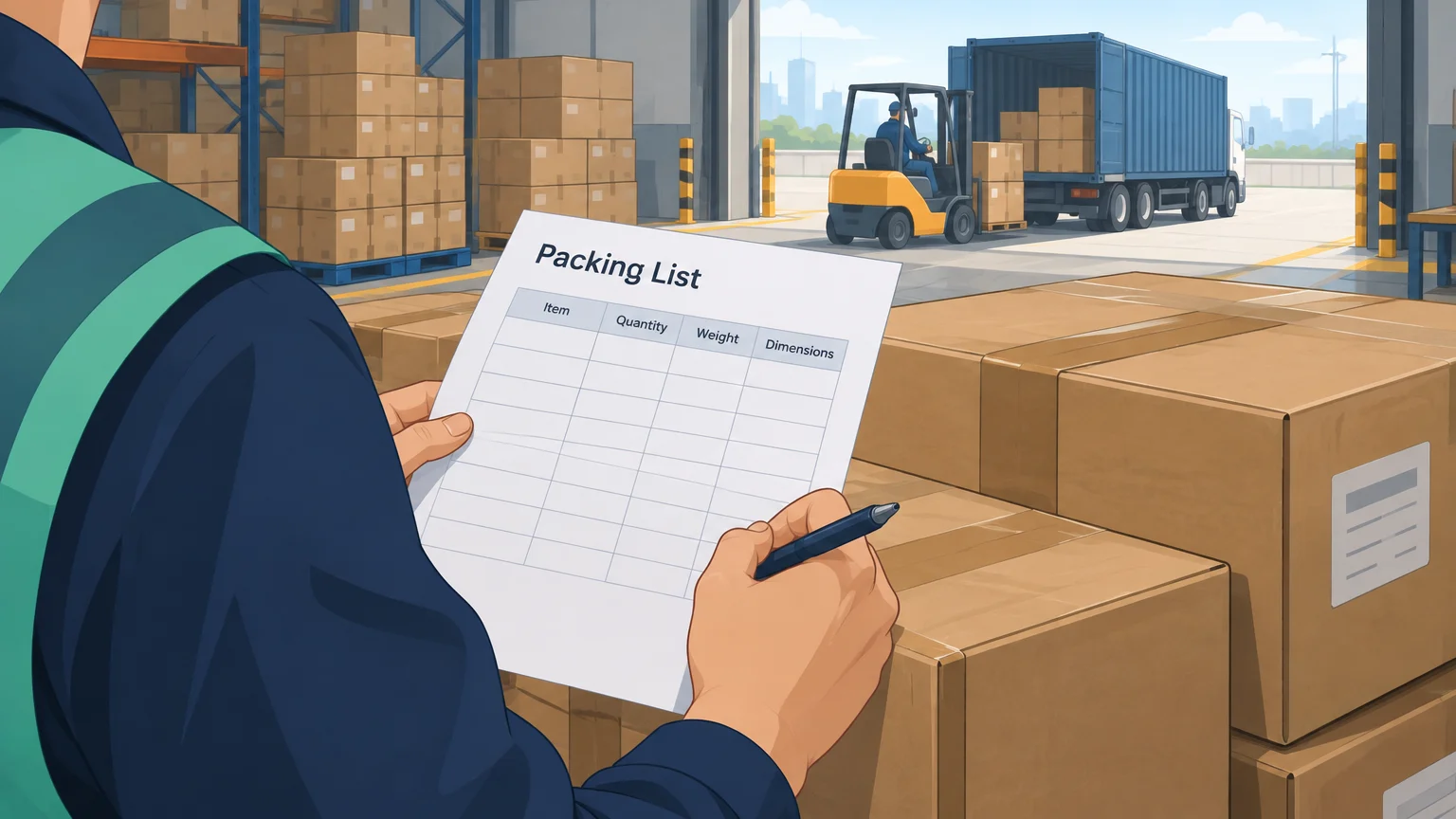
    Missing or incorrect documentation can halt the shipment process. Essential documents include commercial invoices, packing lists, and any required certificates. Ensure that all necessary paperwork is included and accurately filled out to facilitate smooth customs clearance and compliance checks.

    How to Prevent Shipment Rejections

    • Ensuring Proper Labeling

    Accurate labeling is crucial for FBA shipments. Confirm that all products have the correct barcodes and SKUs, and that labels are affixed securely to the packaging. Utilize Amazon’s FBA Label Service if needed, as it helps ensure compliance with their labeling standards.

    • Packaging Best Practices

    Follow Amazon’s packaging guidelines meticulously. Use appropriate materials to protect items during transit, such as bubble wrap or foam padding. Ensure all packages are sealed correctly and that contents are not shifting within the box. Labels should be visible and not obstructed by tape or other materials.

    • Compliance Checklist

    Create a compliance checklist that includes all necessary requirements for your product category. Verify that products meet Amazon’s compliance standards, including safety regulations and any necessary certifications. Regularly update the checklist to reflect any changes in Amazon’s policies.

    • Regular Staff Training

    Conduct training sessions for staff involved in the shipping process. Training should cover Amazon’s requirements, best practices for labeling and packaging, and common reasons for shipment rejections. Regular refreshers can help maintain a high level of compliance and reduce errors.

    • Verification Processes

    Implement a verification process to double-check shipments before they leave the warehouse. This can include cross-referencing packing lists with actual items, validating the accuracy of labels, and ensuring that all required documentation is included. Using a second set of eyes can catch mistakes that may lead to rejections.

    These proactive measures can significantly reduce the chances of FBA shipment rejections, streamline the shipping process, and enhance overall compliance with Amazon’s requirements.

    Amazon Rejected Your FBA Shipment? Prevent Future Issues

    Troubleshooting Steps if Your Shipment is Rejected

    • Immediate Actions to Take

    Upon receiving notice of a shipment rejection, sellers should first assess the reasons provided by Amazon. Quickly gather all shipment documents, including packing lists and invoices, to verify the issues. If applicable, initiate corrective actions, such as re-labeling or repackaging items according to Amazon’s guidelines.

    • Communication with Amazon

    Reach out to Amazon Seller Support for clarification on the rejection. Provide detailed information about your shipment and any corrective actions taken. Maintaining clear communication can expedite the resolution process. Use the Seller Central messaging system to keep a record of all interactions.

    • Learning from Mistakes

    Treat each rejection as a learning opportunity. Analyze the reasons behind the rejection and identify specific areas for improvement. Adjust internal processes accordingly to prevent future occurrences. Document these insights for future reference, creating a knowledge base for your team.

    • Documentation Review

    Conduct a thorough review of all documentation associated with the shipment. Ensure that all required documents are complete and accurate. Check for missing invoices, incorrect product descriptions, or other discrepancies that could lead to rejection. Implement a checklist for future shipments to enhance accuracy.

    • Root Cause Analysis

    Perform a root cause analysis to identify the underlying issues contributing to the rejection. Consider factors such as labeling, packaging, and compliance with Amazon policies. Develop and implement corrective action plans targeting these root causes to minimize the risk of future rejections. Regularly revisit and refine these processes to align with evolving Amazon requirements.

    Case Studies and Testimonials

    • Success Stories from FBA Sellers

    Many FBA sellers have faced shipment rejections but successfully navigated these challenges. For example, a seller specializing in kitchen gadgets encountered multiple rejections due to labeling errors. By investing in professional labeling services and adopting a stringent quality control process, they reduced rejections by 75% and improved their shipment efficiency.

    • Lessons Learned from Rejection Experiences

    A seller of beauty products realized that their packaging did not meet Amazon’s guidelines, leading to frequent shipment issues. After receiving feedback from Amazon, they revised their packaging strategy to comply with standards. This not only lessened rejections but also enhanced product presentation, leading to increased customer satisfaction.

    • Strategies Implemented

    An electronics seller faced significant delays because of inaccurate product information. They implemented a double-check system where team members cross-verify product details against the FBA listings before shipping. This strategy significantly decreased errors and streamlined the overall shipping process.

    • Impact on Business Growth

    A health supplement seller shared that after addressing their shipment rejections through improved compliance training, they experienced a 30% increase in sales. By reducing the time spent on resolving shipment issues, they were able to focus more on marketing and expanding their product line.

    • Community Insights

    Many sellers actively participate in online forums to share their experiences with FBA shipment rejections. These communities provide valuable insights and practical tips for compliance, labeling, and packaging. Sellers often report that learning from others’ mistakes has been an essential part of their growth and success in the Amazon marketplace.

    Amazon Rejected Your FBA Shipment? Prevent Future Issues

    Final Words

    Final Words

    Understanding the common reasons for FBA shipment rejections is crucial for any Amazon seller. Addressing labeling errors, packaging issues, and non-compliance with policies can prevent costly delays.

    Implementing proactive strategies, such as using compliance checklists and providing staff training, enhances adherence to Amazon’s guidelines.

    When faced with rejection, following a clear troubleshooting process transforms setbacks into valuable learning opportunities.

    By prioritizing these practices, sellers can minimize risks and streamline their operations. Remember, if Amazon rejected your FBA shipment, knowing how to prevent it in the future will keep your business on a positive trajectory.

    FAQ

    Q: What are the common reasons for FBA shipment rejections?

    A: Common reasons include labeling errors, packaging issues, non-compliance with Amazon policies, inaccurate product information, and inadequate documentation.

    Q: How can sellers prevent FBA shipment rejections?

    A: Sellers can prevent rejections by ensuring proper labeling, adhering to packaging best practices, utilizing a compliance checklist, and implementing regular staff training.

    Q: What immediate actions should be taken if a shipment is rejected?

    A: Immediate actions include reviewing the rejection notice, assessing the shipment for issues, and preparing necessary documentation for communication with Amazon.

    Q: How should sellers communicate with Amazon after a shipment rejection?

    A: Sellers should clearly outline the issue, provide relevant documentation, and inquire about specific steps for resolution to ensure effective communication.

    Q: What can sellers learn from shipment rejections?

    A: Sellers can analyze the root causes of rejections, refine processes, and implement changes to avoid future issues, turning setbacks into learning opportunities.

    Q: Are there real-world examples of overcoming FBA shipment rejections?

    A: Yes, case studies highlight FBA sellers who faced rejections, detailing their challenges, implemented strategies, and resulting business growth from learned lessons.

  • 7 Costly FBA Shipping Mistakes Impacting Your Margins

    7 Costly FBA Shipping Mistakes Impacting Your Margins

    Are your Amazon FBA margins slipping through your fingers like sand? Many sellers unknowingly commit shipping mistakes that can erode profits faster than they can imagine. From misunderstandings of FBA fees to neglecting packaging requirements, these costly errors often go unaddressed, leading to significant financial losses. In this post, we will dissect seven common FBA shipping blunders that impact your bottom line and provide actionable solutions to help you reclaim control over your margins. By recognizing and rectifying these pitfalls, sellers can enhance profitability and ensure a smoother shipping experience.

    1. Not Understanding FBA Fees

    Understanding the structure of FBA fees is crucial as it can significantly impact profit margins. Sellers often overlook various fees such as storage fees, fulfillment fees, and referral fees.

    • Types of FBA Fees
    • Storage Fees: Charged monthly based on the amount of space your products occupy in Amazon’s warehouse. Higher fees apply during peak seasons.
    • Fulfillment Fees: Charges for picking, packing, and shipping your products. This fee varies based on the size and weight of the item.
    • Referral Fees: A percentage of the sale price for each item sold, varying by category.
    • Impact on Margins
    • Example of Fee Calculation: If a seller has a product priced at $30, and the fulfillment fee is $5, the storage fee is $2, and the referral fee is $3, the total fees amount to $10. This results in a 33% reduction in profit margins.
    • Case Study: A seller unaware of these fees saw their margins drop from 20% to 5% after calculating all associated costs, leading to unsustainable business operations.
    • Solution
    • Conduct Regular Fee Audits: Periodically review FBA fees to identify any unexpected charges that could be mitigated.
    • Tools for Fee Tracking: Use tools such as Amazon’s FBA calculator or third-party software to keep track of all fees accurately, enabling better pricing strategies.

    2. Ignoring Packaging Requirements

    Proper packaging ensures compliance with Amazon’s guidelines and helps prevent additional fees. Non-compliance can lead to damaged products and increased costs.

    • Importance of Proper Packaging
    • Protecting Products During Transit: Adequate packaging minimizes the risk of damage, ensuring products arrive in sellable condition.
    • Meeting Amazon’s Standards: Amazon has specific packaging requirements that sellers must adhere to, or risk penalties and product returns.
    • Costs of Non-compliance
    • Potential Fines and Penalties: Sellers can incur fees for improperly packaged items, leading to unexpected financial burdens.
    • Examples of Lost Revenue Due to Packaging Issues: A seller may face a 20% loss in revenue if a large shipment is rejected by Amazon due to inadequate packaging, as it may require repackaging and reshipping.
    • Solution
    • Review Amazon’s Packaging Guidelines: Regularly consult Amazon’s official packaging requirements to ensure compliance.
    • Conduct a Packaging Audit: Assess current packaging practices to identify areas for improvement, reducing the risk of non-compliance and enhancing product protection.

    Packaging Requirement Consequence of Non-compliance
    Proper cushioning materials Product damage during transit
    Correct labeling Increased chances of misdelivery
    Sealed cartons Exposure to environmental damage
    Dimension and weight accuracy Unexpected shipping fees
    7 Costly FBA Shipping Mistakes Impacting Your Margins

    3. Overlooking Shipping Methods

    Selecting the right shipping method is essential to balance cost and speed. Many sellers default to a single method without considering alternatives, leading to unnecessary expenses.

    • Comparison of Shipping Options
    • Air Freight: Fastest option for urgent shipments, ideal for new product launches or restocks. Higher costs due to fuel and handling fees.
    • Sea Freight: More economical for bulk shipments but significantly slower. Suitable for larger shipments where time is less critical.
    • Express Courier Services: Great for small, urgent deliveries. Providers like DHL, FedEx, and UPS offer reliable services but at a premium cost.
    • Cost Implications
    • Cost Analysis of Each Method:
    • Air freight can cost 4-6 times more than sea freight for the same weight.
    • Sea freight costs are generally calculated based on FCL (Full Container Load) or LCL (Less than Container Load).
    • Express courier services often charge per kilogram, making them unsuitable for heavy or bulky items.
    • Example of Shipping Cost Breakdown:

    | Shipping Method | Cost per kg | Typical Transit Time | Best Use Case |

    |———————|————-|———————-|——————————–|

    | Air Freight | $5 – $10 | 1-5 days | Urgent restocks |

    | Sea Freight (FCL) | $1 – $3 | 20-30 days | Bulk shipments |

    | Sea Freight (LCL) | $2 – $5 | 20-40 days | Smaller quantities |

    | Express Courier | $10 – $20 | 1-3 days | Samples or urgent orders |

    • Solution
    • Utilize Multi-Modal Shipping: Combine different shipping methods to optimize both cost and delivery speed. For example, air freight to the nearest port followed by sea freight for further distribution.
    • Tools for Comparing Shipping Options: Use logistics software or shipping calculators to analyze costs and transit times based on product weight, destination, and urgency, ensuring better decision-making for each shipment.

    4. Failing to Track Inventory Levels

    Inadequate inventory tracking can lead to stockouts or overstocks, significantly impacting sales and incurring extra fees. Many Amazon FBA sellers underestimate the importance of maintaining accurate inventory levels, which can lead to detrimental financial consequences.

    • Consequences of Stockouts and Overstocks
    • Lost Sales During Stockouts: When inventory runs out, sales opportunities vanish. Customers may turn to competitors, leading to a loss of market share.
    • Increased Storage Fees for Overstocks: Excess inventory incurs higher storage fees, especially during peak seasons. This can quickly erode profit margins, as sellers may pay for space they do not utilize effectively.
    • Impact on Sales and Fees
    • Real-World Examples: A seller who relies on manual inventory tracking discovered that they lost $3,000 in sales over two months due to stockouts. This not only affected revenue but also harmed their seller ranking.
    • Case Study: Another seller faced a 35% increase in storage fees because of excess inventory that lingered for over 90 days. This unnecessary expense severely impacted their overall profitability.
    • Solution
    • Implement Inventory Management Software: Utilize tools like Restock Pro or SellerActive to gain real-time insights into inventory levels and sales trends. This enables proactive stock management.
    • Set Up Automated Tracking Systems: Use automated systems to receive notifications when inventory levels reach a predetermined threshold, prompting timely restocking and preventing stockouts.

    Inventory Issue Consequence
    Stockouts Lost sales and customers
    Overstocks Increased storage fees
    Poor tracking Inaccurate forecasting
    7 Costly FBA Shipping Mistakes Impacting Your Margins

    5. Not Utilizing Amazon’s Shipping Services

    Many sellers miss out on potential savings by not using Amazon’s own shipping services, which are often more cost-effective.

    • Benefits of Amazon Shipping
    • Cost Savings: Amazon’s shipping services frequently offer lower rates due to their bulk shipping agreements, allowing sellers to save on logistics costs.
    • Streamlined Process: Leveraging Amazon’s shipping can simplify the logistics chain, as it integrates directly with the FBA process, reducing administrative burdens for sellers.
    • Potential Savings
    • Case Study: A seller previously using external freight services switched to Amazon’s shipping solutions and reported a 15% reduction in shipping costs. This change not only improved margins but also led to faster delivery times, enhancing customer satisfaction.
    • Solution
    • Evaluate Amazon’s Shipping Options: Sellers should regularly assess Amazon’s shipping services for their products. This includes checking rates, delivery times, and any promotional shipping programs offered.
    • Compare with External Shipping Providers: Conduct a cost-benefit analysis comparing Amazon’s shipping rates against those of third-party logistics providers. This practice ensures sellers choose the most economical option for their specific shipping needs.

    Shipping Option Cost Comparison Delivery Time
    Amazon Shipping Lower rates due to bulk shipping Faster delivery to FBA
    Third-Party Logistics Higher rates, variable costs Variable delivery times

    6. Miscalculating Shipping Costs

    Accurate shipping cost estimation is crucial for setting competitive prices. Miscalculations can lead to reduced margins and unexpected financial strain, undermining the overall profitability of an Amazon FBA business.

    • Importance of Accurate Cost Estimation
    • Impact on Pricing Strategy: Incorrect shipping costs can result in pricing products too low, leading to losses, or too high, resulting in decreased sales.
    • Examples of Miscalculations: A seller may underestimate shipping costs due to not considering weight dimensional factors, leading to a 15% increase in actual shipping expenses compared to initial estimates.
    • Effect on Pricing Strategy
    • Case Study: A seller priced their item at $25, assuming shipping costs to be $3. However, actual costs were $6 due to miscalculations. This error reduced margins from 20% to 12%, making the business less competitive and unsustainable.
    • Solution
    • Use Shipping Calculators: Implement shipping calculators to accurately estimate costs based on weight, dimensions, and shipping method. This helps in setting realistic product prices.
    • Regularly Review Cost Estimations: Periodically reassess shipping costs as market rates change, ensuring that pricing strategies remain aligned with actual expenses.

    Shipping Cost Calculation Factors Common Errors
    Dimensional Weight Ignoring volume versus actual weight
    Shipping Zones Overlooking distance and destination impacts
    Service Type Assuming all shipping methods have the same costs
    7 Costly FBA Shipping Mistakes Impacting Your Margins

    7. Neglecting to Review Shipping Data

    Regular analysis of shipping data can uncover inefficiencies and improve long-term profitability for Amazon FBA sellers. Many sellers overlook this crucial aspect, leading to missed opportunities for cost savings and margin enhancement.

    • Value of Analyzing Shipping Performance
    • Identifying Trends and Patterns: Monitoring shipping data helps identify recurring issues such as delays, high costs, or increased fees, allowing sellers to make informed decisions.
    • Example of Insights Gained from Data Analysis: A seller who reviews shipping data may discover that a specific shipping method incurs higher costs during peak seasons, prompting a shift to a more cost-effective option during those times.
    • Long-term Effects on Profitability
    • Real-world Implications of Neglecting Data: Ignoring shipping performance data can result in continually rising costs and inefficiencies, ultimately squeezing profit margins. For instance, a seller who fails to address recurring shipping delays may lose customer trust, leading to decreased sales over time.
    • Solution
    • Set Up Regular Data Reviews: Establish a routine for reviewing shipping performance metrics, such as delivery times, costs, and customer feedback, to identify areas needing improvement.
    • Use Tools for Data Analytics: Leverage analytics tools or software that can provide insights into shipping performance, helping to streamline operations and enhance profitability.

    Shipping Metric Potential Insight
    Delivery Times Identify frequent delays and adjust shipping methods accordingly
    Cost per Shipment Highlight cost increases and prompt exploration of alternative carriers
    Customer Feedback Reveal areas for improvement in shipping experience

    Final Words

    Final Words

    Addressing the seven costly FBA shipping mistakes is essential for protecting profit margins. Sellers must grasp FBA fees, adhere to packaging requirements, and choose the right shipping methods to enhance efficiency.

    Inventory management plays a crucial role in avoiding stock issues, while leveraging Amazon’s shipping services can yield significant savings. Accurate cost estimation and regular analysis of shipping data are vital for long-term success.

    By implementing these strategies, sellers can effectively mitigate risks and optimize their logistics operations. Awareness of “7 Costly FBA Shipping Mistakes That Are Eating Your Margins (And How to Fix Them)” will empower sellers to improve their overall performance.

    FAQ

    Q: What are the types of FBA fees?

    A: FBA fees include storage fees, fulfillment fees, and referral fees, each impacting profit margins. Understanding these fees is essential for effective cost management.

    Q: How do FBA fees impact profit margins?

    A: FBA fees can significantly reduce profit margins. For example, a seller unaware of these fees may experience unexpected drops in profitability due to unanticipated costs.

    Q: What strategies can optimize FBA costs?

    A: Regular fee audits and utilizing fee tracking tools can help sellers analyze and optimize their FBA costs effectively.

    Q: Why is proper packaging important for FBA?

    A: Proper packaging ensures compliance with Amazon’s guidelines, protects products during transit, and prevents additional costs associated with non-compliance.

    Q: What are the costs of ignoring packaging requirements?

    A: Ignoring packaging requirements can lead to potential fines, penalties, and lost revenue due to damaged products during shipping.

    Q: How can sellers ensure compliance with packaging guidelines?

    A: Sellers should review Amazon’s packaging guidelines and conduct regular packaging audits to maintain compliance and protect their products.

    Q: What shipping methods should FBA sellers consider?

    A: Sellers should compare various shipping options, including air freight, sea freight, and express courier services, to balance cost and speed.

    Q: What are the cost implications of different shipping methods?

    A: Each shipping method has distinct cost implications. A thorough cost analysis can help sellers determine the most economical choice for their needs.

    Q: How can sellers optimize their shipping choices?

    A: Utilizing multi-modal shipping options and using tools to compare shipping methods can enhance shipping strategies and reduce costs.

    Q: What are the consequences of poor inventory management?

    A: Poor inventory management can lead to stockouts and overstocks, resulting in lost sales and increased storage fees for sellers.

    Q: How does inventory management affect sales and fees?

    A: Inadequate inventory tracking can cause significant revenue losses due to stockouts, demonstrating the need for effective inventory management solutions.

    Q: What tools can help manage inventory effectively?

    A: Implementing inventory management software and automated tracking systems can streamline inventory processes and minimize errors.

    Q: Why should sellers utilize Amazon’s shipping services?

    A: Amazon’s shipping services often provide cost savings and streamlined processes, making them a beneficial choice for many sellers.

    Q: How can sellers evaluate Amazon’s shipping options?

    A: Sellers should compare Amazon’s shipping services with those of external providers to identify potential savings and efficiency improvements.

    Q: What is the importance of accurate shipping cost estimation?

    A: Accurate shipping cost estimation is crucial for setting competitive prices. Miscalculations can lead to reduced profit margins and pricing errors.

    Q: How do miscalculations affect pricing strategy?

    A: Incorrect shipping cost estimates can significantly harm a seller’s profits, underscoring the importance of accuracy in cost analysis.

    Q: What solutions can improve shipping cost estimation?

    A: Using shipping calculators and regularly reviewing cost estimations can help sellers maintain accurate pricing strategies.

    Q: Why is reviewing shipping data valuable for sellers?

    A: Analyzing shipping performance data helps identify inefficiencies, uncover trends, and improve long-term profitability for sellers.

    Q: What are the long-term effects of neglecting shipping data analysis?

    A: Neglecting shipping data can lead to missed opportunities for cost savings and profitability enhancements, impacting overall business performance.

    Q: How can sellers implement regular data reviews?

    A: Setting up regular data reviews and utilizing analytical tools can help sellers monitor performance and make informed decisions.

  • DDP Shipping for Amazon FBA Boosts Seller Profits

    DDP Shipping for Amazon FBA Boosts Seller Profits

    Are you still handling customs duties yourself? It’s time to rethink that strategy. DDP shipping, or Delivered Duty Paid, offers Amazon FBA sellers a streamlined approach to logistics that eliminates the headache of unexpected customs costs. By pre-paying all associated duties and taxes, sellers can focus on growth rather than compliance. This blog post will explore how DDP shipping not only simplifies the import process but also enhances profitability, making it a must-have tool in every seller’s logistics arsenal.

    DDP Shipping for Amazon FBA Boosts Seller Profits

    DDP (Delivered Duty Paid) shipping provides a strategic advantage for Amazon FBA sellers by ensuring that all customs duties and taxes are prepaid before the shipment arrives at its destination. This approach effectively removes the uncertainty associated with customs fees, allowing sellers to focus on their core business operations. The benefits of DDP shipping for Amazon FBA sellers include:

    • Cost Predictability: Sellers avoid unexpected charges upon delivery, allowing for better budget management and financial forecasting.
    • Streamlined Logistics: DDP simplifies the import process, as sellers do not need to handle customs clearance themselves. This is especially valuable for those without logistics experience.
    • Regulatory Compliance: By using DDP, sellers ensure that shipments comply with destination country regulations, reducing the risk of delays or penalties.
    • Increased Cash Flow: Prepaying customs duties means that sellers can reinvest their capital into inventory and marketing rather than holding funds for potential customs fees.
    • Enhanced Customer Experience: By ensuring that products arrive without additional customs delays or charges, sellers improve the overall customer experience, which is crucial for maintaining positive seller ratings on Amazon.

    Implementing DDP shipping not only streamlines the logistics process but also directly contributes to boosting profits by minimizing unexpected costs and enhancing operational efficiency for Amazon FBA sellers.

    The Role of Third-Party Services

    Third-party logistics providers and freight forwarders are essential for Amazon FBA sellers utilizing DDP shipping. These experts manage customs duties and ensure all necessary paperwork is completed accurately, which alleviates the complexities of customs compliance. By leveraging these services, sellers can avoid delays and additional costs that arise from improper documentation or misclassification of goods.

    • How Freight Forwarders Simplify Customs
    • Handling customs clearance: Freight forwarders ensure all customs procedures are followed, minimizing the risk of shipment delays.
    • Preparing necessary import documentation: They handle critical documents, such as commercial invoices and packing lists, ensuring compliance with regulations.
    • Providing guidance on HS code classification: Freight forwarders help sellers classify products correctly, which is vital for accurate duty assessment and compliance with local laws.
    • Offering VAT and duty management services: They manage Value Added Tax (VAT) and duty calculations, preventing unexpected charges for sellers.
    • Choosing the Right Logistics Partner
    • Experience with Amazon FBA: A logistics partner with experience in Amazon’s requirements can navigate specific challenges more effectively.
    • Range of services offered: Opt for providers that offer comprehensive services, including customs clearance, storage, and freight management, to meet diverse shipping needs.
    • Customer reviews and testimonials: Investigate previous client experiences to assess reliability and service quality, ensuring a trustworthy partnership.

    Utilizing third-party services in DDP shipping not only streamlines the logistics process but also empowers Amazon FBA sellers to focus on their core business activities, leading to enhanced profitability and reduced operational stress.

    DDP Shipping for Amazon FBA Boosts Seller Profits

    DDP Shipping for Amazon FBA Boosts Seller Profits

    Implementing DDP (Delivered Duty Paid) shipping can lead to significant cost savings for Amazon FBA sellers by eliminating the need to pay customs duties upon receipt of goods. This strategic approach not only enhances cash flow but also reduces financial risks associated with unexpected fees. Here are key cost-saving strategies and common misconceptions about DDP shipping:

    • Avoiding Direct Customs Payments
    • Utilizing DDP to have customs duties pre-paid: By opting for DDP, sellers ensure that all customs duties are settled before the shipment reaches the destination, preventing unexpected costs.
    • Collaborating with freight forwarders for bulk shipments: Freight forwarders can negotiate better rates for bulk shipments, further lowering shipping costs for sellers.
    • Avoiding peak season shipping rates through early planning: Planning shipments in advance helps sellers avoid costly surcharges associated with peak shipping seasons.
    • Common Misconceptions Addressed
    • DDP does not mean sellers pay customs directly: Instead, DDP ensures that all costs are covered upfront, relieving sellers from handling customs payments themselves.
    • All fees are included in the shipping quote: Sellers can have peace of mind, knowing that the quoted price encompasses all duties, taxes, and fees, eliminating surprise charges upon delivery.
    • DDP simplifies customs processes, not complicates them: By using DDP, sellers streamline their import procedures, allowing them to focus on sales rather than logistics.
    • It is not only for large shipments; small sellers can benefit too: DDP shipping is advantageous for sellers of all sizes, providing equal access to cost-saving benefits and simplified customs processes.

    By leveraging these strategies and dispelling common myths, Amazon FBA sellers can maximize their profits while minimizing customs-related costs.

    Practical Tips for Sellers

    To maximize the benefits of DDP shipping, Amazon FBA sellers should focus on optimizing their logistics processes, ensuring compliance, and learning from real-life examples of successful DDP implementations. Here are practical tips to enhance your DDP shipping experience:

    • Streamlining Your Logistics
    • Schedule shipments during off-peak times: Planning shipments to avoid peak seasons can significantly reduce costs and expedite transit times.
    • Use advanced tracking and visibility tools: Implementing real-time tracking systems allows sellers to monitor shipments closely, reducing uncertainty and improving response times to any issues that may arise.
    • Maintain clear communication with your logistics partner: Regular updates and open lines of communication with freight forwarders can prevent misunderstandings and ensure that all parties are aligned on shipment status and compliance requirements.
    • Real-Life Examples of Successful DDP Use
    • Example of a seller who reduced costs by 20% using DDP: A seller in the electronics niche switched to DDP shipping, allowing them to manage customs duties upfront. This led to a reduction in unexpected fees, achieving a 20% cost savings on their overall shipping expenses.
    • Case study of a seller who avoided customs delays through proper planning: An apparel seller implemented DDP shipping and worked closely with their logistics partner to prepare all necessary documentation in advance. This proactive approach helped them avoid customs holds, ensuring timely delivery to Amazon warehouses and maintaining high seller ratings.

    Implementing these strategies not only streamlines logistics but also enhances overall profitability for Amazon FBA sellers utilizing DDP shipping.

    DDP Shipping for Amazon FBA Boosts Seller Profits

    Final Words

    Final Words

    DDP shipping revolutionizes the import process for Amazon FBA sellers by pre-paying customs duties, thereby eliminating unexpected costs upon delivery. Third-party logistics providers enhance this model, ensuring compliance and managing necessary paperwork, enabling sellers to focus on growth.

    Cost-saving strategies, such as utilizing DDP and collaborating with freight forwarders, empower sellers to minimize customs fees effectively. Misconceptions surrounding DDP are clarified, emphasizing its accessibility for sellers of all sizes.

    By adopting practical tips and learning from successful implementations, sellers can navigate the complexities of DDP shipping confidently. Embracing DDP shipping for Amazon FBA: Why Smart Sellers Never Pay Customs Themselves will streamline operations and foster long-term success.

    FAQ

    Q: What is DDP shipping for Amazon FBA?

    A: DDP (Delivered Duty Paid) shipping ensures that all customs duties and taxes are pre-paid, simplifying logistics for Amazon FBA sellers and avoiding unexpected costs upon delivery.

    Q: What are the advantages of DDP shipping?

    A: DDP shipping streamlines the import process, ensures compliance with regulations, and helps sellers avoid delays and additional fees by managing customs duties upfront.

    Q: How do third-party logistics providers assist with DDP shipping?

    A: Third-party logistics providers manage customs duties, prepare import documentation, classify HS codes, and offer VAT and duty management services, easing the burden on sellers.

    Q: What should sellers consider when choosing a logistics partner?

    A: Sellers should evaluate a logistics partner’s experience with Amazon FBA, range of services offered, and customer reviews to ensure effective collaboration.

    Q: How can sellers minimize customs fees using DDP shipping?

    A: Sellers can minimize customs fees by utilizing DDP for pre-paid duties, collaborating with freight forwarders for bulk shipments, and planning shipments to avoid peak season rates.

    Q: What are common misconceptions about DDP shipping?

    A: Misconceptions include that DDP requires direct customs payments, all fees are included in quotes, and it complicates customs processes, which is untrue as it simplifies them.

    Q: What tips can sellers use to optimize DDP shipping?

    A: Sellers should schedule shipments during off-peak times, use advanced tracking tools, and maintain clear communication with logistics partners for better efficiency.

    Q: Can you provide examples of successful DDP shipping implementations?

    A: Successful examples include a seller reducing costs by 20% through DDP and another avoiding customs delays by planning shipments effectively.

  • Amazon Killed FBA Prep Services — Master Labeling in 2026

    Amazon Killed FBA Prep Services — Master Labeling in 2026

    In 2026, Amazon’s recent crackdown on FBA prep services has left many sellers reeling, prompting the question: is this the end of hassle-free fulfillment? With essential prep services disappearing, sellers must now grapple with new labeling requirements and the complexities of product preparation. This seismic shift demands a proactive approach to ensure compliance and efficiency. Mastering labeling in this evolving landscape isn’t just beneficial; it’s essential for survival in the competitive Amazon marketplace. This guide will equip sellers with actionable strategies to adapt and thrive amidst these changes.

    Amazon Killed FBA Prep Services — Master Labeling in 2026

    • Discontinuation of specific FBA prep services, including labeling and packaging assistance.
    • Introduction of new, stricter requirements for labeling and product preparation.
    • Significant implications for inventory management and fulfillment processes.

    Summary of FBA Prep Services Discontinuation

    Amazon has eliminated certain FBA prep services that previously assisted sellers in labeling and preparing products for fulfillment. These changes are effective immediately and will require sellers to adapt quickly. Key services no longer available include:

    • Labeling assistance for products.
    • Packaging support that ensured compliance with Amazon’s standards.
    • Prep services that managed product bundling and kitting.

    Sellers must now handle these tasks independently, which may necessitate investing in new tools or resources to ensure compliance.

    Impact on Sellers

    The discontinuation of FBA prep services presents several challenges for sellers. They must now take on the full responsibility of ensuring their products meet Amazon’s updated labeling and prep standards. Potential impacts include:

    • Increased workload for sellers, requiring better time and resource management.
    • Risk of non-compliance, leading to potential delays or penalties in FBA fulfillment.
    • Need for enhanced understanding of Amazon’s labeling guidelines to avoid shipment rejections.

    Sellers must proactively adjust their operations to maintain efficiency and compliance in light of these significant policy changes.

    Strategies for Effective Labeling and Prep

    • Understanding new labeling requirements.
    • Best practices for product preparation.

    Understanding New Labeling Requirements

    Sellers must familiarize themselves with Amazon’s updated labeling requirements to avoid shipment rejections and maintain compliance. Key aspects of these requirements include:

    • Labeling Format: Ensure labels are printed in the correct format and size as specified by Amazon.
    • Barcodes: Utilize Amazon’s FNSKU barcodes for inventory tracking, ensuring they are scannable and placed correctly on products.
    • Product Information: Include accurate product details, including SKU and ASIN, to prevent errors during the fulfillment process.
    • Label Placement: Position labels clearly on the packaging, ensuring they do not cover important information or barcodes.

    Best Practices for Product Preparation

    Proper product preparation is crucial for successful FBA fulfillment. Implement these best practices:

    • Packaging Materials: Use high-quality, durable packaging materials to protect products during transit.
    • Sealing: Ensure all packages are securely sealed to prevent damage or tampering.
    • Quantity Counts: Double-check quantity counts before shipment to match the shipment plan submitted to Amazon.
    • Bundle and Kitting: If applicable, prepare bundled products according to Amazon’s guidelines, ensuring that they are labeled as a single unit.
    • Documentation: Maintain accurate records of all shipments, including tracking numbers and prep details, for future reference.

    By effectively understanding labeling requirements and implementing best practices for preparation, sellers can navigate the changes brought by Amazon’s discontinuation of FBA prep services and ensure smooth operations.

    Amazon Killed FBA Prep Services — Master Labeling in 2026

    Alternative Solutions for Sellers

    • Tools and software for compliance.
    • Utilizing third-party prep services.

    Tools and Software for Compliance

    Sellers can leverage various tools and software solutions to streamline their labeling and prep processes, ensuring compliance with Amazon’s updated requirements. Key options include:

    • Inventory Management Software: Programs like Sellbrite or Skubana help sellers manage inventory levels, ensuring that labeling and packaging meet Amazon standards.
    • Label Printing Solutions: Software such as BarTender or Dymo Label Software allows for efficient printing of labels that adhere to Amazon’s specifications.
    • Shipping and Fulfillment Software: Platforms like ShipStation or Easyship provide comprehensive solutions that include label generation and tracking, simplifying the shipping process.
    • Barcode Scanning Apps: Utilizing apps that can scan and verify barcodes helps confirm that products are correctly labeled before shipment.

    Utilizing Third-party Prep Services

    Engaging third-party prep services can significantly ease the burden on sellers, allowing for efficient compliance with Amazon’s labeling and prep standards. Benefits of these services include:

    • Expertise in Compliance: Third-party prep centers are familiar with Amazon’s requirements, reducing the risk of errors and shipment rejections.
    • Time Savings: Outsourcing prep work allows sellers to focus on other aspects of their business, such as marketing and product development.
    • Scalability: As sellers grow, third-party services can easily adapt to increased volume, ensuring consistent compliance without the need for additional resources.
    • Quality Control: Many prep services offer quality checks, ensuring that products are packaged correctly and meet Amazon’s standards before shipment.

    By utilizing these tools and third-party services, sellers can navigate the new landscape of FBA prep requirements with greater efficiency and confidence.

    Final Words

    Final Words

    Amazon’s 2026 policy changes have significantly impacted FBA prep services, discontinuing specific offerings and introducing new labeling requirements. Sellers must adapt quickly to these changes, focusing on inventory management and compliance to maintain operational efficiency.

    To navigate these challenges, implementing effective labeling strategies and exploring alternative solutions, such as third-party prep services, is essential. By leveraging the right tools and best practices, sellers can ensure a smooth transition amidst these updates.

    Embracing these adjustments will empower sellers to thrive in the evolving landscape of Amazon Killed FBA Prep Services — Here’s How to Handle Labeling & Prep in 2026.

    FAQ

    Q: What are the key changes to Amazon FBA prep services in 2026?

    A: Key changes include the discontinuation of specific FBA prep services, new labeling and product prep requirements, and implications for inventory management that sellers must navigate.

    Q: Which FBA prep services are discontinued?

    A: Specific prep services that are no longer available will be detailed, along with the timeline for these changes, impacting sellers’ operations moving forward.

    Q: How do these changes affect sellers?

    A: Sellers may face challenges in adapting to the new requirements, necessitating adjustments in their operations and inventory management strategies to ensure compliance.

    Q: What are the new labeling requirements for Amazon FBA?

    A: Updated labeling requirements include specific guidelines sellers must follow to ensure compliance, which are essential for maintaining efficient operations.

    Q: What are best practices for product preparation for FBA?

    A: Best practices include effective packing techniques, accurate labeling, and adherence to Amazon’s guidelines to streamline the preparation process and minimize errors.

    Q: What tools and software can help with compliance?

    A: Various tools and software options are available that assist sellers in managing labeling and preparation processes, thereby ensuring compliance with the new requirements.

    Q: How can third-party prep services assist sellers?

    A: Third-party prep services offer benefits such as expert handling of compliance issues, efficient preparation processes, and the ability to scale operations without the administrative burden.

  • How to Ship from China to Amazon FBA in 2026 Efficiently

    How to Ship from China to Amazon FBA in 2026 Efficiently

    Shipping products from China to Amazon FBA can feel like navigating a minefield. With evolving regulations, fluctuating costs, and a myriad of shipping methods, how can sellers ensure a seamless process in 2026? This guide aims to demystify the complexities of international shipping for Amazon FBA sellers, providing actionable insights and clear strategies. By understanding the latest shipping options, legal requirements, and cost considerations, sellers can streamline their logistics and enhance their competitive edge. Prepare to transform your shipping experience with this comprehensive roadmap tailored for the dynamic landscape of 2026.

    How to Ship from China to Amazon FBA in 2026: Shipping Methods

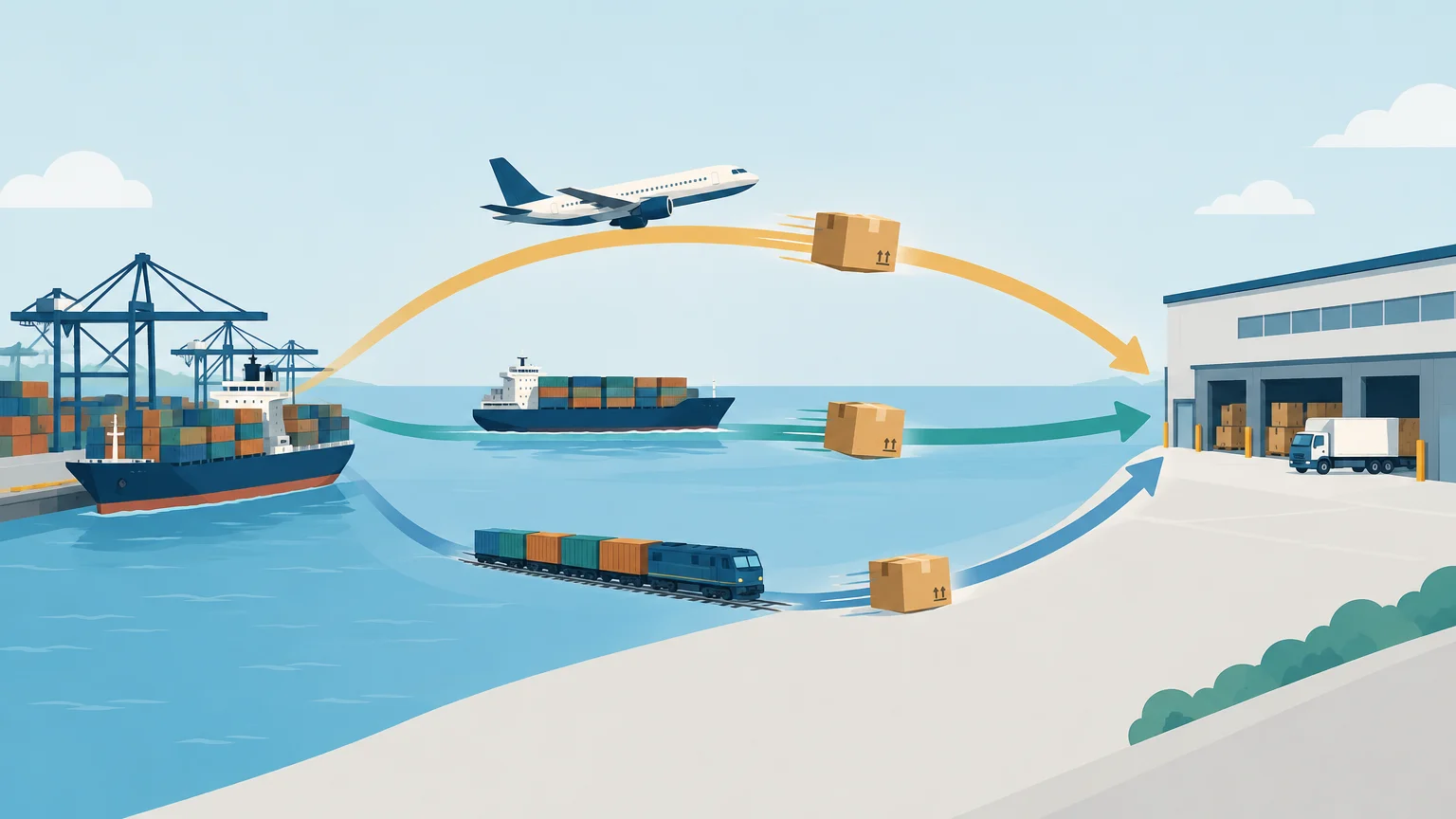
    Shipping from China to Amazon FBA involves selecting the most suitable transportation method based on product type, urgency, and cost considerations. The primary shipping methods include:

    • Air Freight
    • Sea Freight
    • Rail Freight

    Each method has distinct advantages and disadvantages that can impact a seller’s logistics strategy.

    Shipping Method Estimated Transit Time Cost Efficiency Best For
    Air Freight 3-7 days High Urgent shipments
    Sea Freight 20-40 days Low Bulk shipments
    Rail Freight 10-20 days Medium Balance of speed and cost

    Air freight is ideal for urgent shipments requiring fast delivery but incurs higher costs. Sea freight, while more economical, has significantly longer transit times, making it suitable for bulk shipments where timing is less critical. Rail freight offers a middle ground, providing quicker transit than sea freight at a lower cost than air freight, making it suitable for certain product categories. By understanding these shipping options, sellers can make informed decisions that align with their operational needs and budget constraints.

    How to Ship from China to Amazon FBA in 2026: Legal Regulations and Compliance

    Understanding legal regulations and compliance requirements is crucial for Amazon FBA sellers when shipping from China. Adhering to these guidelines minimizes the risk of penalties and shipment delays. The following are key customs documents required for successful shipping:

    • Commercial Invoice
    • Packing List
    • Bill of Lading
    • Customs Declaration

    Import Duties and VAT Management

    Import duties are taxes imposed by the government on goods entering a country, calculated based on the product’s value. The calculation methods can vary, but they typically involve a percentage of the declared value of the goods. For 2026, sellers must be aware of current VAT regulations that may affect their shipments, particularly when shipping to the EU and the UK. VAT is charged at the point of sale, and the rates differ by country. Sellers must ensure compliance by registering for VAT where required and accurately reporting it to avoid fines.

    • Definition of Duties: Taxes levied on imports based on product classification and value.
    • Calculation Methods: Usually a percentage of the total value of goods, including shipping costs.
    • Current VAT Regulations for 2026: Updated rates and compliance requirements must be monitored, especially for cross-border transactions.

    Certain regions have unique regulations that sellers need to navigate:

    • EU countries
    • UK post-Brexit considerations
    • US customs regulations

    Familiarizing oneself with these legal requirements is essential for efficient shipping and maintaining compliance, ultimately ensuring a smoother entry of products into Amazon fulfillment centers.

    How to Ship from China to Amazon FBA in 2026 Efficiently

    How to Ship from China to Amazon FBA in 2026: Cost Breakdown

    Shipping costs from China to Amazon FBA can vary significantly based on various factors, including shipping methods, product types, and additional services. Understanding the cost components is crucial for sellers to budget effectively and avoid unexpected expenses.

    Cost Type Description Average Cost
    Freight Charges Cost of transportation Varies by method
    Customs Duties Government taxes on imports 0-20% of value
    Handling Fees Charges for loading/unloading $100-$200
    Insurance Protection against loss or damage 1-3% of value
    Storage Fees Costs if goods remain in storage Varies

    To manage costs more effectively, sellers can employ the following strategies:

    • Consolidate shipments: Combine multiple orders into one shipment to reduce per-unit shipping costs.
    • Choose cost-effective shipping methods: Analyze the trade-off between speed and cost to select the most suitable option.
    • Plan shipments during off-peak seasons: Avoid peak shipping times to benefit from lower freight rates and reduce delays.

    By understanding these cost components and implementing cost-saving strategies, sellers can optimize their shipping budget and improve profitability when shipping to Amazon FBA.

    How to Ship from China to Amazon FBA in 2026 Efficiently

    Shipping products from China to Amazon FBA requires a systematic approach to ensure efficiency and compliance. The following step-by-step process outlines the critical actions sellers should take:

    1. Choose a reliable freight forwarder
    • Select a freight forwarder experienced in Amazon FBA logistics to facilitate smooth shipping and customs clearance.
    1. Prepare products according to Amazon guidelines
    • Ensure products are packaged, labeled, and prepped per Amazon’s requirements to avoid delays and penalties.
    1. Complete necessary customs documentation
    • Prepare all required documents to comply with import regulations, including invoices and declarations.
    1. Schedule shipment with selected carrier
    • Coordinate with your freight forwarder to book shipping space and arrange for pick-up from the supplier.
    1. Track shipment to ensure timely delivery
    • Use tracking tools provided by the carrier to monitor shipment status and respond proactively to any delays.
    1. Confirm receipt at Amazon fulfillment center
    • Verify that the shipment has arrived at the designated Amazon warehouse and that all items are accounted for.

    Common documentation requirements include:

    • Shipping labels
    • FBA packing slips
    • Product compliance documents
    • Customs forms

    Following this structured approach allows sellers to navigate the complexities of international shipping efficiently, ensuring that products arrive at Amazon fulfillment centers on time and in compliance with all regulations.

    How to Ship from China to Amazon FBA in 2026 Efficiently

    How to Ship from China to Amazon FBA in 2026: Best Practices for Shipping

    To optimize shipping from China to Amazon FBA, sellers should adopt a series of best practices that enhance logistics efficiency, ensure compliance, and manage costs effectively.

    • Utilize DDP shipping for hassle-free customs clearance
    • Implement inventory management systems
    • Regularly review shipping partners for reliability
    • Schedule shipments well in advance
    • Incorporate quality inspections before shipping

    These practices help streamline the shipping process, reduce potential delays, and maintain compliance with Amazon’s requirements, ultimately leading to smoother operations and improved profitability.

    Compliance Area Checklist Item
    Customs HS code classification
    Packaging FBA packaging requirements
    Documentation Required shipping documents
    Quality Control Pre-shipment inspections

    By focusing on these best practices and adhering to compliance checklists, Amazon FBA sellers can significantly improve their shipping processes and enhance overall operational efficiency.

    How to Ship from China to Amazon FBA in 2026: Common Challenges and Solutions

    Shipping from China to Amazon FBA presents several challenges that sellers must navigate to ensure a smooth process. Understanding these challenges and implementing effective solutions can significantly enhance shipping efficiency.

    Common Challenges:

    • Customs holds and inspections
    • Shipping delays due to weather or congestion
    • Unexpected tariff changes
    • Documentation errors leading to fines
    • Miscommunication with freight forwarders

    Solutions to Common Challenges:

    1. Maintain open communication with freight forwarders: Establishing clear lines of communication can help address issues early and facilitate quick resolutions. Regular updates from the freight forwarder about shipment status can prevent misunderstandings.
    1. Stay updated on regulatory changes: Keeping abreast of changes in customs regulations, tariffs, and taxes is crucial. Sellers should subscribe to industry newsletters or join relevant trade groups to receive timely updates.
    1. Utilize tracking tools for better visibility: Implementing real-time shipment tracking allows sellers to monitor their shipments and proactively manage any delays. Many freight forwarders provide tracking systems that can help in this regard.
    1. Prepare contingency plans for delays: Anticipating potential delays and having backup plans can mitigate disruptions. This could include alternative shipping routes or pre-emptive inventory management strategies.
    1. Regularly review shipping contracts for hidden fees: Sellers should carefully examine their shipping agreements to identify any potential hidden costs. Understanding the terms and conditions can aid in better budgeting and prevent unexpected expenses.

    By addressing these common challenges with proactive solutions, sellers can enhance their shipping processes, reduce delays, and maintain compliance with regulations, ultimately leading to a more efficient operation.

    How to Ship from China to Amazon FBA in 2026 Efficiently

    How to Ship from China to Amazon FBA in 2026 Efficiently

    Staying updated on the latest shipping regulations and industry trends is essential for Amazon FBA sellers. In 2026, several key updates have emerged that can significantly impact logistics strategies:

    • New import regulations in the EU and UK: Stricter compliance measures have been introduced, requiring detailed documentation for all shipments.
    • Changes to Section 301 tariffs in the US: Modifications in tariffs may affect cost structures for imported goods, necessitating careful evaluation of product pricing.
    • Advancements in shipping technology: The integration of AI and blockchain technology enhances tracking and transparency, providing real-time data for better decision-making.
    • Trends in sustainable shipping practices: Increasing pressure on businesses to adopt eco-friendly shipping methods is leading to a rise in carbon-neutral logistics solutions.

    Regulation Type Old Requirement New Requirement
    Customs Documentation Standard forms Enhanced digital formats
    Import Duties Fixed rates Variable rates based on product type
    Shipping Labels Basic info QR codes for tracking
    Tax Compliance General VAT Country-specific VAT

    By understanding these updates, sellers can adapt their shipping strategies, ensure compliance, and capitalize on the opportunities presented by technological advancements and regulatory changes.

    Final Words

    Final Words

    Understanding how to efficiently ship from China to Amazon FBA in 2026 is critical for sellers aiming to optimize their logistics. This guide covered various shipping methods, from air to sea and rail, highlighting their respective advantages and considerations.

    Navigating legal regulations and compliance requirements, including essential customs documentation, is vital to avoid delays. Additionally, a detailed cost breakdown helps sellers budget effectively, while best practices ensure streamlined shipping processes.

    By addressing common challenges and staying updated with 2026 shipping regulations, sellers can enhance their operations. Mastering how to ship from China to Amazon FBA in 2026 will ultimately lead to a more successful business.

    FAQ

    Q: What are the main shipping methods from China to Amazon FBA in 2026?

    A: The primary shipping methods include Air Freight, Sea Freight, and Rail Freight, each with distinct speed, cost, and suitability for various products.

    Q: How does Air Freight compare to other shipping methods?

    A: Air Freight offers the fastest transit time of 3-7 days but is the most expensive option, ideal for urgent shipments.

    Q: What are the benefits of using Sea Freight?

    A: Sea Freight is the most cost-effective method, taking 20-40 days, making it suitable for bulk shipments.

    Q: What should sellers know about Rail Freight?

    A: Rail Freight provides a medium cost and speed option, with transit times of 10-20 days, balancing efficiency for various shipment sizes.

    Q: What legal regulations must sellers comply with when shipping to Amazon FBA?

    A: Sellers must prepare customs documents like Commercial Invoices, Packing Lists, and Customs Declarations to ensure compliance and avoid delays.

    Q: How are import duties and VAT calculated?

    A: Import duties are based on product value, ranging from 0-20%, while VAT regulations vary by country and must be adhered to for compliance.

    Q: What common shipping costs should sellers anticipate?

    A: Sellers should budget for Freight Charges, Customs Duties, Handling Fees, Insurance, and Storage Fees when planning shipments.

    Q: How can sellers reduce shipping costs effectively?

    A: Strategies include consolidating shipments, choosing cost-effective shipping methods, and planning during off-peak seasons.

    Q: What is the step-by-step process for shipping to Amazon FBA?

    A: The process includes selecting a freight forwarder, preparing products, completing customs documentation, scheduling the shipment, tracking it, and confirming receipt.

    Q: What documentation is required for shipping to Amazon FBA?

    A: Required documents include shipping labels, FBA packing slips, product compliance documents, and customs forms to ensure smooth processing.

    Q: What are the best practices for optimizing shipping from China to Amazon FBA?

    A: Best practices include using DDP shipping, implementing inventory management systems, reviewing shipping partners, scheduling shipments in advance, and conducting quality inspections.

    Q: What common challenges do sellers face when shipping from China?

    A: Challenges include customs holds, shipping delays, unexpected tariffs, documentation errors, and miscommunication with freight forwarders.

    Q: How can sellers overcome shipping challenges?

    A: Solutions involve maintaining communication with freight forwarders, staying updated on regulations, utilizing tracking tools, preparing for delays, and reviewing shipping contracts for hidden fees.

    Q: What are the latest updates in shipping regulations for 2026?

    A: Key updates include new EU and UK import regulations, changes to Section 301 tariffs in the US, advancements in logistics technology, and trends in sustainable shipping practices.

    Q: How have shipping regulations changed in 2026?

    A: New regulations require enhanced digital customs documentation, variable import duties, QR codes for shipping labels, and country-specific VAT compliance.

  • 7 Ways to Reduce Your Amazon FBA Freight Costs Effectively

    7 Ways to Reduce Your Amazon FBA Freight Costs Effectively

    Are your Amazon FBA freight costs eating into your profits? Many sellers overlook critical strategies that could significantly lower these expenses. With rising shipping rates and increasing competition, understanding how to manage logistics effectively has never been more crucial. This post will explore seven actionable methods to reduce your freight costs without sacrificing quality. By implementing these strategies, sellers can not only streamline their shipping processes but also enhance overall profitability. Get ready to uncover cost-effective shipping solutions that can transform your Amazon business.

    7 Ways to Reduce Your Amazon FBA Freight Costs

    • Optimize Your Packaging: Use lightweight, smaller packaging to minimize dimensional weight charges. Tailor packaging to product size and weight, achieving potential savings of up to 30% on shipping costs.
    • Take Advantage of Bulk Shipping: Consolidate shipments to reduce per-unit shipping costs. Utilize Full Container Load (FCL) shipping for larger orders, potentially saving thousands compared to Less than Container Load (LCL) options.
    • Utilize Freight Forwarders: Partner with freight forwarders who can leverage their network for better rates. These experts streamline logistics, potentially reducing shipping costs by 10-20%.
    • Compare Shipping Rates: Regularly obtain multiple quotes from different carriers. Utilize online comparison tools to ensure competitive pricing, potentially identifying savings of 15-25% on freight costs.
    • Leverage Amazon’s Partnered Carrier Program: Enroll in Amazon’s partnered carrier program for discounted shipping rates. This can lead to lower costs and improved delivery times.
    • Monitor and Adjust Inventory Levels: Implement effective inventory management to avoid overstocking. Accurate forecasting can minimize unnecessary shipping expenses, achieving savings of up to 20%.
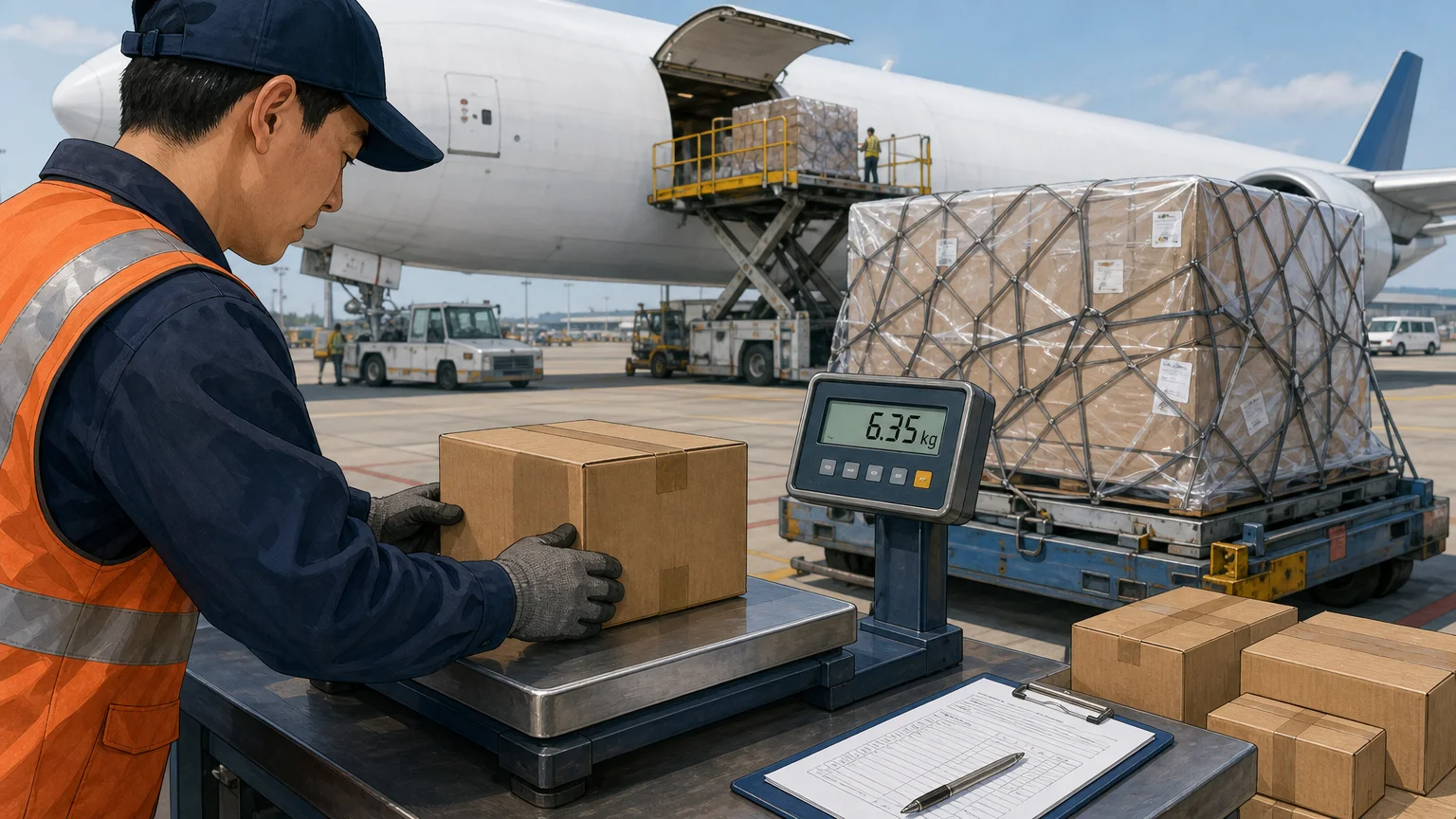
    • Use Technology and Tools for Cost Analysis: Employ software that analyzes shipping costs and logistics efficiency. These tools help identify inefficiencies, leading to potential cost reductions of 10-15%.

    Optimize Your Packaging

    Using lighter and smaller packaging can significantly lower shipping costs for Amazon FBA sellers by reducing dimensional weight. Dimensional weight pricing is calculated based on the package size rather than its actual weight, leading to higher shipping charges for bulky items. Therefore, optimizing packaging is a critical strategy for cost reduction.

    Here are effective packaging optimization tactics:

    • Select Appropriate Box Sizes: Use the smallest box that can safely hold the product. Avoid excess space which contributes to dimensional weight. For instance, shipping a 2-pound product in a large box could incur charges as if it were 5 pounds.
    • Use Lightweight Materials: Opt for materials that provide adequate protection without adding unnecessary weight. For example, using bubble mailers instead of boxes for small, non-fragile items can save significantly on shipping costs.
    • Design Efficient Inserts: Reduce the use of filler materials by designing custom inserts that securely hold products in place. This minimizes the need for additional cushioning while ensuring the product reaches customers intact.
    • Test Packaging Variants: Experiment with different packaging types and sizes to find the most cost-effective solution. A simple switch from a regular box to a flat mailer can yield substantial savings.

    The following table summarizes potential cost savings based on different packaging strategies:

    Packaging Type Weight Savings Estimated Cost Reduction per Shipment
    Standard Box 0 lbs $0
    Lightweight Mailer 1 lb $3
    Custom Insert 0.5 lbs $2
    Bubble Wrap 1 lb $4

    By implementing these packaging optimization strategies, sellers can minimize freight costs, improve shipping efficiency, and ultimately enhance their profit margins.

    7 Ways to Reduce Your Amazon FBA Freight Costs Effectively

    Take Advantage of Bulk Shipping

    Consolidating shipments through bulk shipping is one of the most effective strategies for Amazon FBA sellers to reduce per-unit freight costs. By taking advantage of Full Container Load (FCL) shipping compared to Less than Container Load (LCL), sellers can realize substantial savings.

    Key benefits of bulk shipping include:

    • Lower Per-Unit Costs: FCL shipping allows sellers to fill an entire container, minimizing the cost per unit. This is particularly beneficial for larger shipments where fixed costs are spread over more units.
    • Reduced Handling Fees: Shipping full containers typically incurs fewer handling fees compared to LCL, where multiple shipments are consolidated. This reduces additional costs associated with multiple touchpoints.
    • Faster Transit Times: FCL shipments often have more direct routes with fewer stops, resulting in faster delivery times. This is crucial for inventory management and meeting Amazon’s customer expectations.
    • Better Predictability in Shipping Costs: With FCL, sellers can better estimate shipping expenses, avoiding the volatility associated with LCL shipments, which can fluctuate based on cargo volume and demand.

    Potential savings from using FCL instead of LCL can be illustrated in the following table:

    Shipping Method Cost per Unit Handling Fees Average Transit Time
    FCL $1.00 $200 (fixed) 10 days
    LCL $1.50 $300 (variable) 15 days

    In this example, a seller shipping 1,000 units would pay $1,000 for FCL compared to $1,500 for LCL. Handling fees also showcase a significant difference, highlighting the additional costs associated with LCL shipping.

    By considering bulk shipping options and consolidating shipments, Amazon FBA sellers can effectively lower their overall freight expenses and enhance their profitability.

    Utilize Freight Forwarders

    Freight forwarders play a crucial role in helping Amazon FBA sellers reduce shipping costs through their industry expertise and established relationships with carriers. By leveraging their knowledge, sellers can optimize their logistics and achieve significant savings.

    Key advantages of using freight forwarders include:

    • Negotiated Rates: Freight forwarders often have negotiated contracts with various carriers, allowing them to secure lower shipping rates that individual sellers may not access. This can lead to cost savings of up to 20% compared to standard shipping rates.
    • Streamlined Shipping Process: Freight forwarders manage the entire shipping process from start to finish, ensuring compliance with regulations and handling documentation. This reduces the administrative burden on sellers and minimizes the risk of delays or customs issues.
    • Consolidation Services: Forwarders can consolidate shipments from multiple suppliers into a single container, reducing per-unit shipping costs. This is particularly beneficial for sellers sourcing from different manufacturers in China.
    • Expertise in Customs Clearance: Freight forwarders possess in-depth knowledge of customs regulations, facilitating smoother customs clearance and reducing the chances of costly holds or fines.
    • Flexible Solutions: They offer a range of shipping options, including air, sea, and rail freight, allowing sellers to choose the most cost-effective method based on their timeline and budget.
    • Inventory Management Support: Some freight forwarders provide additional services such as warehousing and inventory management, enabling sellers to optimize their stock levels and shipping schedules effectively.

    The table below illustrates potential savings when utilizing freight forwarders compared to direct shipping methods:

    Shipping Method Cost Per Shipment Potential Savings with Freight Forwarder
    Direct Shipping $1,200 N/A
    Freight Forwarder $960 20% Savings

    By partnering with a reliable freight forwarder, Amazon FBA sellers can effectively manage shipping costs while ensuring a smoother logistics process.

    7 Ways to Reduce Your Amazon FBA Freight Costs Effectively

    Compare Shipping Rates

    Obtaining multiple shipping quotes is crucial for Amazon FBA sellers seeking to minimize freight costs. By actively comparing rates, sellers can identify the most cost-effective options tailored to their specific shipping needs.

    Key strategies for effective rate comparison include:

    • Use Online Comparison Tools: Leverage platforms like Freightos or ShipStation that aggregate quotes from various carriers. These tools simplify the process, allowing sellers to view multiple options side-by-side.
    • Request Quotes from Multiple Carriers: Don’t limit to one carrier. Reach out to several freight companies, including traditional and express services. This step can uncover significant price variations.
    • Analyze Total Costs, Not Just Rates: Ensure that quoted prices include all potential surcharges, such as fuel surcharges, handling fees, and customs duties. This comprehensive view ensures a more accurate comparison.
    • Consider Different Shipping Methods: Evaluate various shipping methods—air, sea, and ground. While air freight may be faster, sea freight could offer substantial savings for larger shipments.
    • Negotiate Rates: Engage in negotiations with carriers, especially if volume discounts apply. Many companies are willing to adjust rates based on shipment frequency or order size.

    The following table illustrates potential savings based on comparing shipping rates from different carriers:

    Carrier Quote for 500 lbs Delivery Time
    Carrier A $1,200 5 days
    Carrier B $1,000 7 days
    Carrier C $1,400 3 days

    By implementing these strategies, Amazon FBA sellers can effectively lower their freight costs while ensuring timely deliveries.

    Leverage Amazon’s Partnered Carrier Program

    Amazon’s Partnered Carrier Program offers Amazon FBA sellers the opportunity to benefit from discounted shipping rates, which can significantly reduce freight costs. This program provides access to pre-negotiated rates with reputable carriers, ensuring sellers can save money on shipping while maintaining reliable service levels.

    Key benefits of using the Partnered Carrier Program include:

    • Cost Savings: Sellers can save up to 30% on shipping costs compared to standard rates. The discounts apply to both inbound shipments to Amazon fulfillment centers and outbound shipments to customers.
    • Simplified Process: The program streamlines the shipping process. Sellers can easily create shipping labels directly from their Amazon Seller Central account, reducing administrative burdens and saving time.
    • Reliable Service: Partnered carriers are vetted by Amazon, ensuring that they meet the company’s service standards. This reliability helps sellers avoid delays and maintain customer satisfaction.
    • Flexible Options: The program offers various shipping options, including ground and air services, allowing sellers to choose the best method based on their specific needs and budget.

    To enroll in the Partnered Carrier Program, sellers must follow these steps:

    1. Access Seller Central: Log in to your Amazon Seller Central account.
    1. Create a Shipment: Start the shipment process for either inbound to Amazon or outbound to customers.
    1. Select Partnered Carrier: During the shipment creation process, choose the Partnered Carrier option when prompted.
    1. Review Rates: Compare the discounted rates provided by partnered carriers against other shipping options.
    1. Complete Shipment: Finalize the shipment and print the shipping labels directly from Seller Central.

    The following table illustrates potential savings when utilizing Amazon’s Partnered Carrier Program compared to standard shipping rates.

    Shipping Method Standard Rate Partnered Carrier Rate Potential Savings
    Ground Shipping (5 lbs) $15.00 $10.50 $4.50
    Air Shipping (5 lbs) $40.00 $28.00 $12.00
    International Shipping (5 lbs) $60.00 $42.00 $18.00

    Utilizing Amazon’s Partnered Carrier Program not only enhances shipping efficiency but also contributes significantly to overall cost reductions for Amazon FBA sellers.

    7 Ways to Reduce Your Amazon FBA Freight Costs Effectively

    Monitor and Adjust Inventory Levels

    Maintaining optimal inventory levels is crucial for Amazon FBA sellers to prevent overstocking, which can lead to unnecessary shipping costs and increased storage fees. Effective inventory management not only enhances shipping efficiency but also contributes to overall cost reduction.

    To manage inventory proactively, consider the following strategies:

    • Use Inventory Management Software: Implement tools that provide real-time tracking of stock levels. These systems can help predict sales trends and automate reorder points, ensuring that products are replenished just in time.
    • Analyze Sales Data: Regularly review sales history to identify trends and seasonal fluctuations. By understanding which products sell quickly and when, sellers can adjust their inventory accordingly, avoiding excess stock.
    • Implement Just-in-Time (JIT) Inventory: Adopt a JIT approach to minimize holding costs by ordering goods only as needed. This strategy reduces the risk of overstock and keeps shipping costs in check.
    • Set Minimum and Maximum Stock Levels: Establish thresholds for each product to maintain an ideal inventory range. This practice prevents both stockouts and overstock situations, allowing for better cash flow management.
    • Regularly Audit Inventory: Conduct periodic audits to assess stock accuracy and identify slow-moving items. This process helps in making informed decisions about which products to discount or phase out.

    The following table illustrates potential cost implications of poor inventory management:

    Inventory Issue Potential Cost Impact
    Overstocking Increased storage fees, up to 30% of shipping costs
    Stockouts Lost sales opportunities, potential revenue loss of 20%
    Slow-Moving Inventory Discounting and clearance costs, reducing profit margins

    By effectively monitoring and adjusting inventory levels, Amazon FBA sellers can significantly minimize shipping-related expenses while ensuring that products remain available for customers.

    Use Technology and Tools for Cost Analysis

    Leveraging technology and specialized software tools can significantly enhance an Amazon FBA seller’s ability to analyze shipping costs and optimize logistics strategies. These tools allow sellers to gain insights into their freight expenses, identify inefficiencies, and implement data-driven decisions to reduce costs.

    Key technology solutions include:

    • Freight Management Software: These platforms provide real-time analytics on shipping rates, carrier performance, and delivery timelines. By comparing multiple carriers, sellers can select the most cost-effective options. For instance, using Freightos, sellers can compare quotes from various freight forwarders in seconds, leading to potential savings of 10-15%.
    • Inventory Management Systems: Tools like TradeGecko or Skubana help sellers maintain optimal inventory levels, preventing overstocking and unnecessary shipping costs. These systems provide analytics that inform sellers when to reorder based on sales velocity and lead times.
    • Cost Analysis Tools: Software such as ShipStation enables sellers to track shipping costs across different orders and carriers. By analyzing historical shipping data, sellers can identify patterns and make informed choices about their shipping strategies.
    • Data Visualization Tools: Platforms like Tableau can help sellers visualize shipping data, leading to better understanding and decision-making. By presenting data in an easy-to-digest format, sellers can quickly spot trends and anomalies that affect costs.
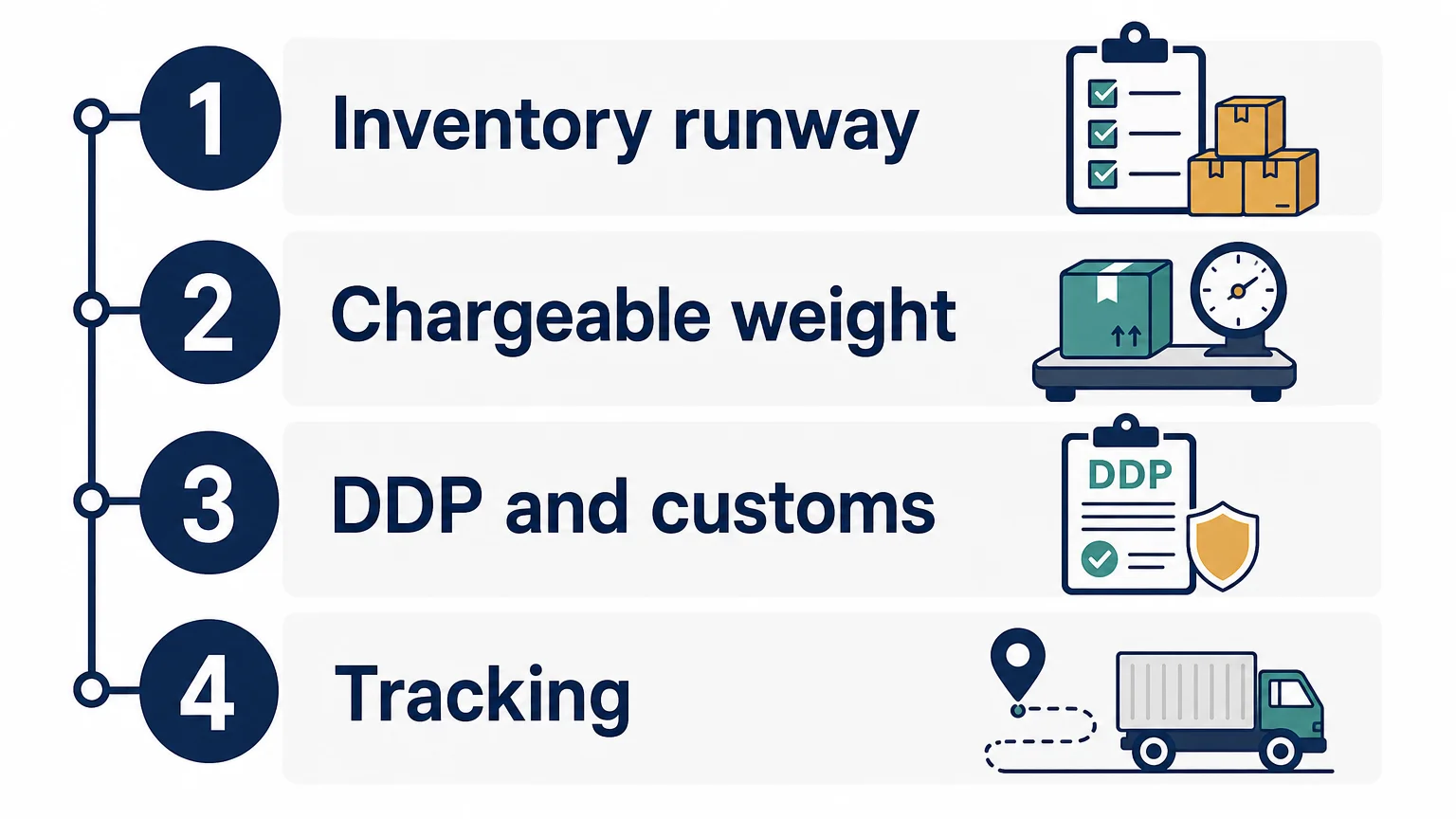
    The following table illustrates a case study of a seller who implemented these tools and the resulting cost reductions:

    Tool Used Initial Shipping Cost Post-Implementation Cost Percentage Savings
    Freight Management Software $10,000 $8,500 15%
    Inventory Management System $9,000 $7,200 20%
    Cost Analysis Tool $12,000 $10,800 10%

    By adopting these technologies, Amazon FBA sellers can streamline their logistics processes, leading to substantial reductions in freight costs while enhancing operational efficiency.

    7 Ways to Reduce Your Amazon FBA Freight Costs Effectively

    Final Words

    Final Words

    Implementing the seven strategies outlined can significantly reduce freight costs for Amazon FBA sellers. By optimizing packaging, leveraging bulk shipping, and utilizing freight forwarders, sellers can achieve substantial savings. Additionally, comparing shipping rates, enrolling in Amazon’s Partnered Carrier Program, and monitoring inventory levels further enhance cost management.

    Embracing technology and analytical tools can streamline logistics processes and identify additional savings opportunities.

    By applying these actionable insights, sellers can create a more efficient shipping experience while keeping freight costs in check. The journey to lower shipping expenses starts here with these 7 Ways to Reduce Your Amazon FBA Freight Costs.

    FAQ

    Q: What are some effective ways to reduce Amazon FBA freight costs?

    A: Sellers can optimize packaging, utilize bulk shipping, leverage freight forwarders, compare shipping rates, use Amazon’s partnered carrier program, monitor inventory levels, and employ technology for cost analysis.

    Q: How does packaging optimization impact freight costs?

    A: Using lighter, smaller packaging reduces dimensional weight, leading to lower shipping costs. For example, switching to poly bags instead of boxes can yield significant savings.

    Q: What are the benefits of bulk shipping for Amazon sellers?

    A: Consolidating shipments through full container load (FCL) versus less than container load (LCL) can drastically lower per-unit shipping costs, enhancing cost-efficiency.

    Q: How can freight forwarders help reduce shipping costs?

    A: Freight forwarders negotiate better rates and streamline shipping processes. Partnering with them can lead to substantial savings and improved logistics management.

    Q: Why is it important to compare shipping rates?

    A: Obtaining multiple shipping quotes ensures sellers find the best rates. Utilizing rate comparison tools can significantly reduce transportation costs.

    Q: What advantages does Amazon’s partnered carrier program offer?

    A: This program provides discounted shipping rates for sellers. Enrolling can lead to considerable savings on shipping expenses.

    Q: How can managing inventory levels help reduce freight costs?

    A: Maintaining optimal inventory prevents overstocking and unnecessary shipping costs. Effective forecasting can minimize freight-related expenses.

    Q: What technology tools can assist in freight cost analysis?

    A: Software tools for cost analysis can optimize logistics strategies. Implementing these technologies has proven successful for various sellers in managing expenses.

  • How to Choose the Right Carrier for Your Amazon FBA Shipments

    How to Choose the Right Carrier for Your Amazon FBA Shipments

    Choosing the right carrier for Amazon FBA shipments can make or break a seller’s success. With numerous shipping options available, many sellers find themselves overwhelmed and unsure of where to start. Understanding the nuances of air, sea, and express courier services is crucial for optimizing shipping efficiency and cost. This guide will not only clarify how to evaluate various carriers but will also provide actionable insights into selecting the most suitable option for your specific needs. By making informed decisions, sellers can enhance their logistics strategy, streamline operations, and ultimately boost profitability.

    Understanding Amazon FBA Shipping Carriers

    Amazon FBA sellers have various shipping carriers at their disposal, each catering to different needs and shipment types. Understanding these options can significantly streamline operations and enhance efficiency.

    • Air Freight: Fast shipping method suitable for urgent restocks and product launches. Ideal for high-value or time-sensitive products.
    • Sea Freight: Cost-effective solution for bulk shipments, perfect for large orders where delivery speed is less critical. Commonly used for importing goods from overseas suppliers.
    • Express Courier: Best suited for sending samples or urgent deliveries. Services like DHL, FedEx, and UPS provide quick transit times, making them favorable for last-minute needs.

    Carrier Type Speed Cost Best Use Case
    Air Freight 1-5 days High Urgent restocks, new product launches
    Sea Freight 15-30 days Low Cost-effective bulk shipments
    Express Courier 1-3 days Medium-High Samples, time-sensitive deliveries

    Key Factors in Choosing a Carrier for Amazon FBA

    Selecting the right shipping carrier for Amazon FBA shipments involves careful consideration of several key factors. Each of these elements can significantly impact the efficiency and cost-effectiveness of your logistics operations.

    • Cost: Analyze shipping rates from different carriers while keeping an eye out for hidden fees. Understanding the total cost, including surcharges, is crucial for accurate budgeting.
    • Speed: Evaluate delivery timelines for each shipping method. Choose a carrier that aligns with your urgency—whether you need fast restocks or can accommodate longer transit times.
    • Reliability: Research carriers by reviewing their performance metrics and customer feedback. A reliable carrier ensures timely deliveries and minimizes complications.
    • Service Types: Assess the additional services offered by carriers, such as shipment tracking, customer support, and insurance options. These services can enhance your shipping experience and provide peace of mind.

    Common mistakes to avoid when choosing a carrier for FBA:

    1. Not comparing multiple carriers before making a decision.
    2. Overlooking hidden fees that can inflate shipping costs.
    3. Ignoring delivery speed in favor of low cost, which can lead to stockouts.
    4. Failing to consider the carrier’s reputation and reliability.
    5. Neglecting to evaluate service options that could enhance shipment visibility.

    By carefully considering these factors, sellers can make informed decisions that optimize their shipping processes for Amazon FBA.

    How to Choose the Right Carrier for Your Amazon FBA Shipments

    Comparing Popular Carriers for Amazon FBA

    Selecting the appropriate shipping carrier is crucial for Amazon FBA sellers. Here’s a comparative analysis of major carriers, focusing on their strengths and weaknesses to aid decision-making.
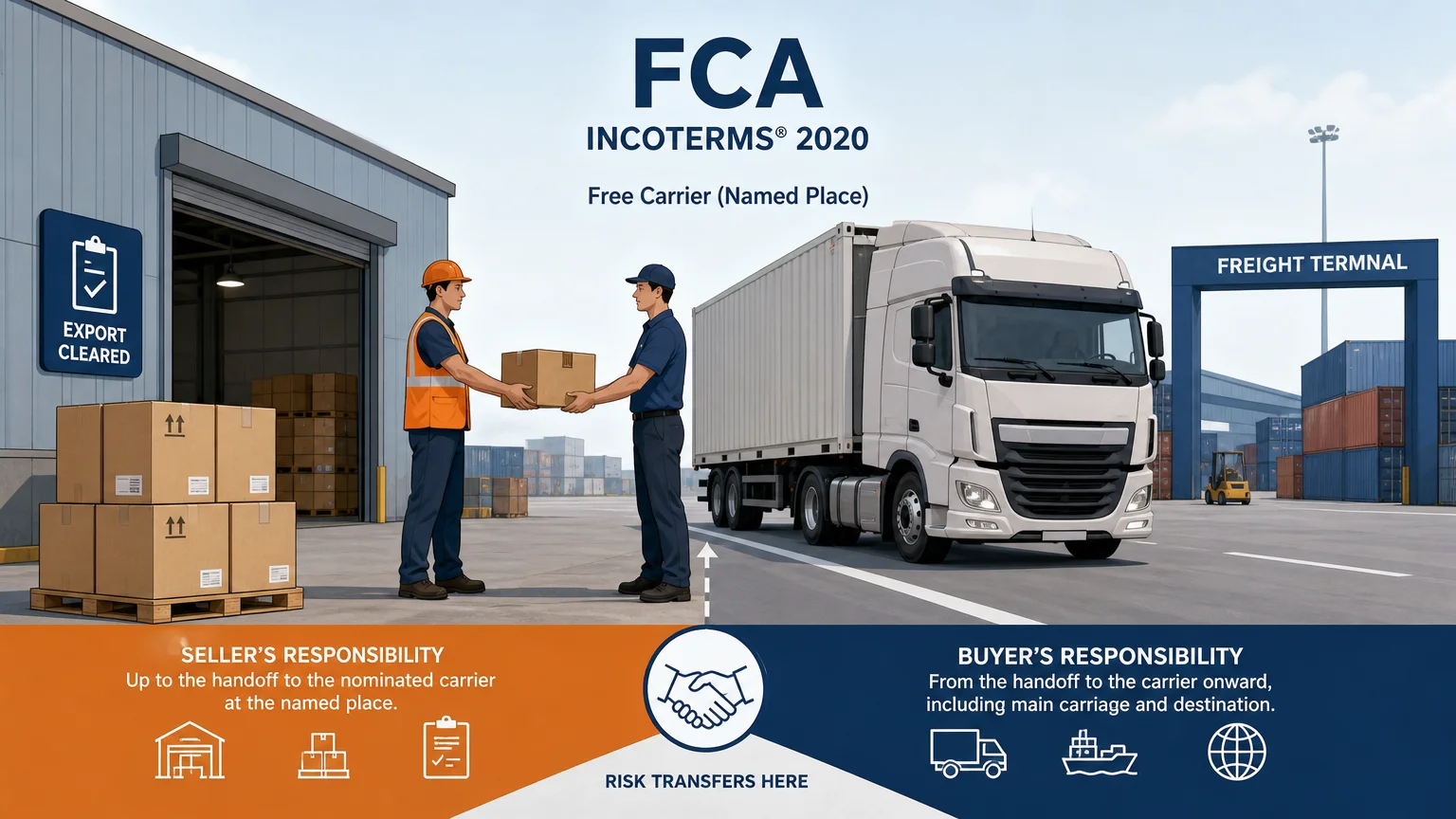
    Carrier Cost Speed Reliability Service Types
    UPS Medium 1-5 days (domestic) High Ground, air, freight
    FedEx Medium-High 1-3 days (express) High Express, ground, freight
    DHL High 2-7 days (international) High Express, air freight
    • UPS: Strong for domestic shipping, offering reliable ground and air services. They provide extensive tracking options and have a solid reputation for timely deliveries.
    • FedEx: Known for excellent tracking services, FedEx is preferred for express shipments. Their expedited options make them a top choice for urgent FBA needs, though costs can be higher.
    • DHL: Best suited for international shipments, offering quick transit times worldwide. They excel in global logistics and have a strong network for cross-border deliveries, albeit at a premium price.

    By analyzing these carriers based on cost, speed, reliability, and service types, Amazon FBA sellers can make informed choices that align with their shipping requirements.

    Evaluating Carrier Performance for FBA Shipments

    Evaluating the performance of shipping carriers is essential for Amazon FBA sellers to ensure timely and efficient delivery of products. Key metrics can provide insights into how well a carrier can meet business needs.

    • On-time Delivery Rates: Check historical data on how often the carrier meets their promised delivery timelines. Reliable carriers should have high on-time delivery percentages.
    • Customer Feedback: Analyze reviews and ratings from other sellers regarding their experiences with the carrier. This can reveal insights about service quality and reliability.
    • Shipment Tracking: Ensure that the carrier provides real-time visibility into shipment status. Effective tracking systems reduce uncertainty and allow for proactive management of potential delays.

    Tools and resources for monitoring carrier performance:

    1. Carrier Scorecards: Utilize scorecards to assess carrier performance based on key metrics such as delivery times and customer service responsiveness.
    2. Shipping Analytics Software: Implement software that aggregates shipping data to help analyze trends and performance across multiple carriers.
    3. Customer Review Platforms: Leverage platforms that aggregate user feedback and reviews to gauge overall satisfaction with various carriers.
    4. Internal Performance Metrics: Track your own shipping metrics, such as delivery times and customer complaints, to evaluate carrier effectiveness over time.
    5. Benchmarking Reports: Consult industry reports that benchmark carrier performance against competitors to identify potential improvements.

    By systematically evaluating these metrics and utilizing available tools, sellers can make informed decisions about their shipping carriers, enhancing their FBA operations.

    How to Choose the Right Carrier for Your Amazon FBA Shipments

    Understanding Amazon’s Shipping Requirements

    Amazon has specific shipping requirements that FBA sellers must adhere to in order to ensure successful delivery and compliance. Familiarity with these requirements is essential for maintaining operational efficiency and avoiding penalties.

    • Labeling: All products must meet Amazon’s FBA labeling standards. Each item should have a scannable barcode that matches the product listing in the seller’s Amazon account. Ensure that labels are clear and correctly applied.
    • Packaging: Adhere to guidelines for carton size and weight. Cartons should be sturdy enough to protect products during transit. Additionally, items must be packed in a manner that minimizes movement within the box to prevent damage.
    • Delivery Timelines: Sellers must comply with Amazon’s expected delivery dates to fulfillment centers. Timely shipments are crucial for maintaining inventory levels and ensuring products are available for customers.

    Requirement Type Description Compliance Tips
    Labeling Products must have scannable barcodes matching Amazon listings. Use Amazon’s labeling services if unsure; double-check barcode quality.
    Packaging Follow guidelines for carton dimensions and weight limits. Use sturdy boxes; avoid overpacking to prevent damage.
    Delivery Timelines Shipments must arrive by designated dates set by Amazon. Plan shipments in advance; consider potential delays.

    Tips for Reducing Shipping Costs with FBA

    Reducing shipping costs is essential for Amazon FBA sellers to maximize their profit margins while maintaining service quality. Implementing the following strategies can lead to significant savings.

    • Consolidation: Combine multiple shipments into one to reduce per-unit shipping costs. This approach is particularly effective when shipping large quantities or when delivery timelines allow for flexibility.
    • Seasonal Planning: Identify off-peak shipping periods to avoid higher rates associated with peak seasons. Planning shipments during quieter times can significantly lower costs and enhance delivery reliability.
    • Negotiate Rates: Engage with carriers to negotiate shipping rates. Many carriers are willing to offer discounted rates based on shipment volume or long-term partnerships, leading to potential savings.

    Cost reduction strategies specific to different shipping methods:

    1. Air Freight: Utilize volume discounts for bulk shipments and consider using a freight forwarder to access better rates.
    2. Sea Freight: Opt for Less than Container Load (LCL) shipments when appropriate to avoid paying for unused space in Full Container Loads (FCL).
    3. Express Courier: Leverage account-based discounts with providers like DHL, FedEx, or UPS for frequent, urgent shipments to lower costs.

    By implementing these strategies, Amazon FBA sellers can effectively minimize their shipping expenses, enhancing their overall profitability.

    How to Choose the Right Carrier for Your Amazon FBA Shipments

    FAQs on Choosing the Right Carrier for FBA

    Amazon sellers often have questions regarding carrier selection and FBA shipping. Addressing these common inquiries can clarify doubts and assist in making informed decisions.
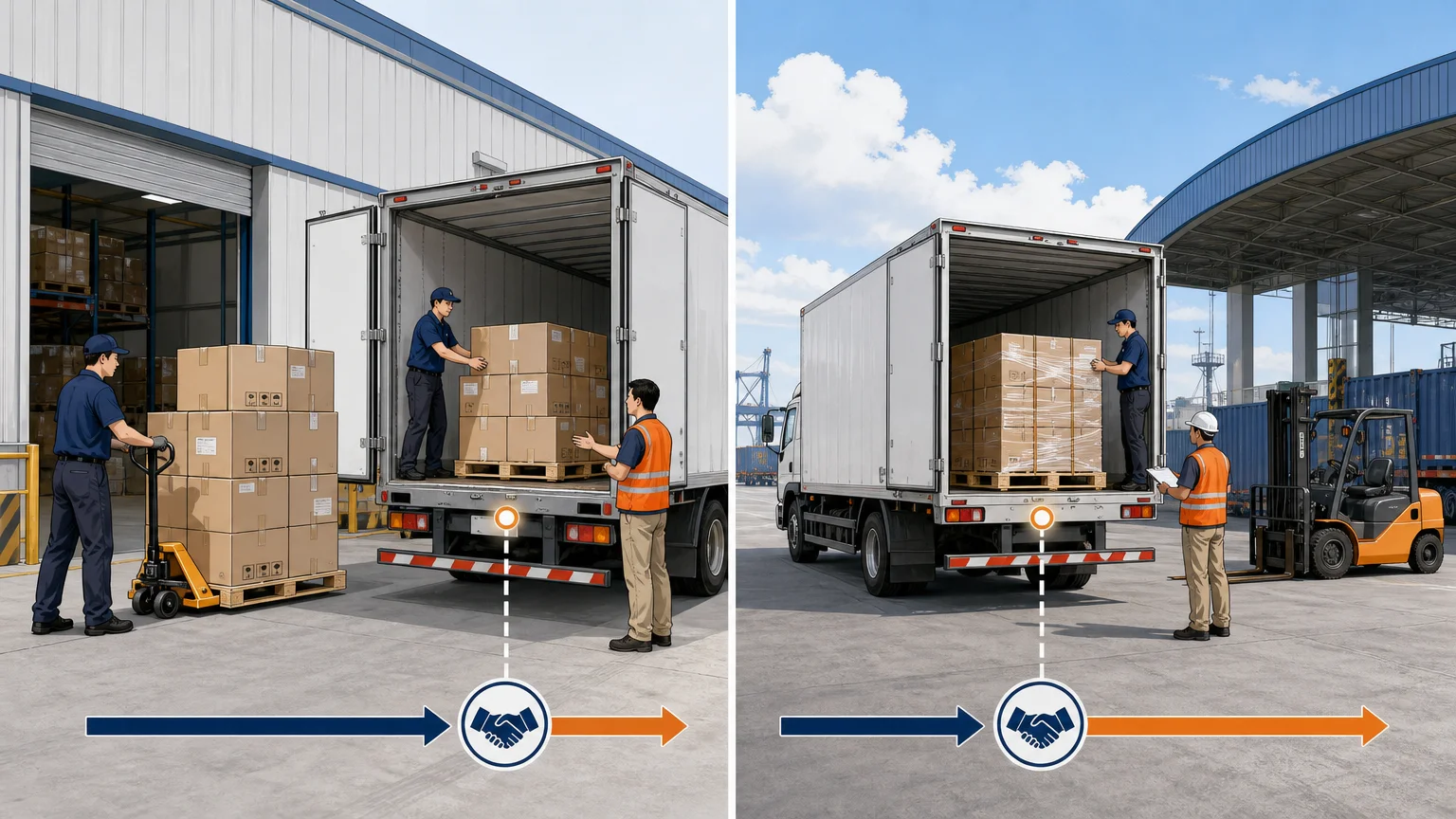
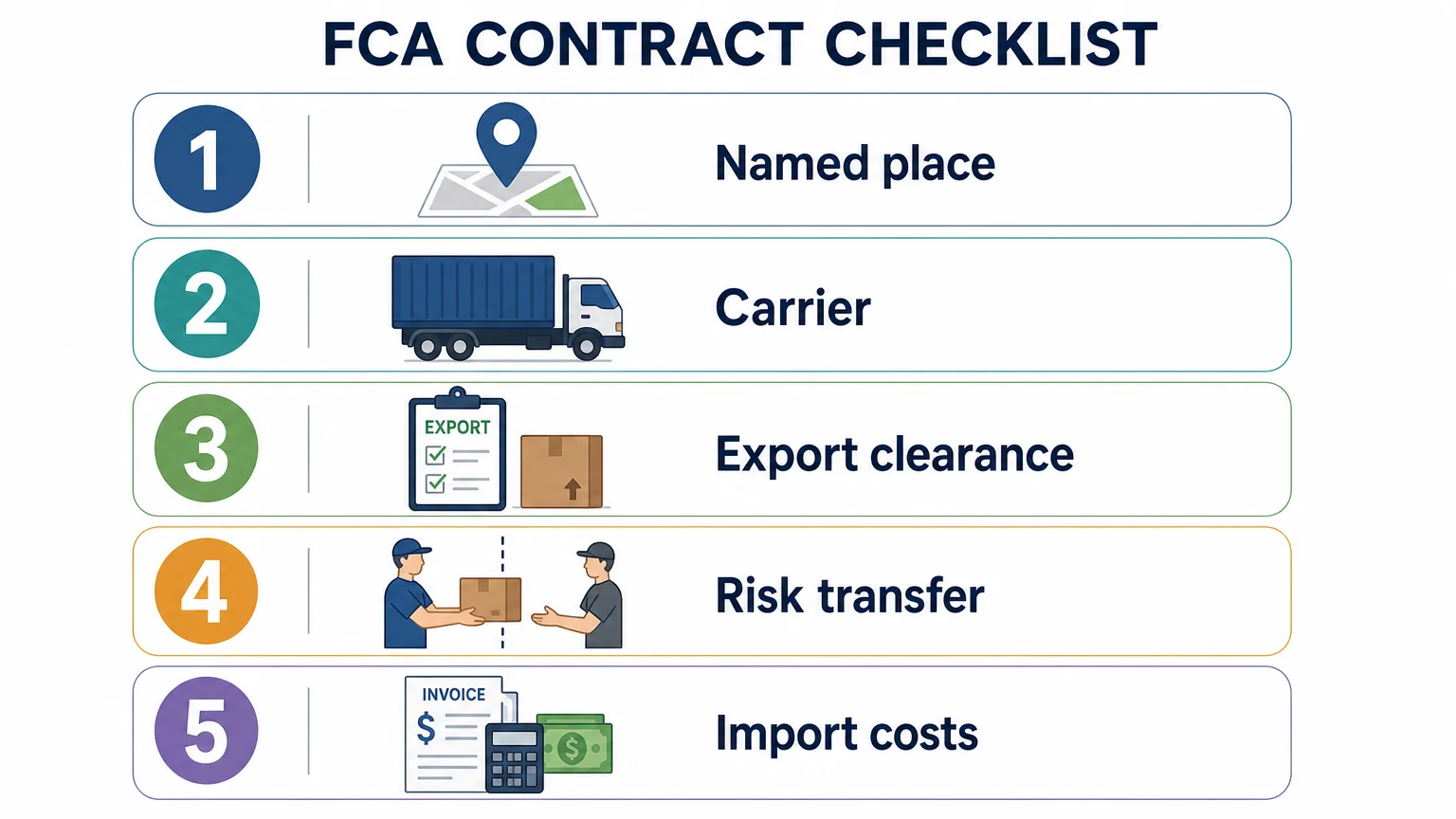
    • What factors affect shipping rates?

    Shipping rates can be influenced by several factors, including the shipping method (air, sea, or courier), shipment weight and dimensions, distance to the destination, and any additional fees such as customs duties or surcharges.

    • How do I track my shipments?

    Most carriers provide tracking numbers that allow sellers to monitor their shipments in real-time. These tracking numbers can be accessed through the carrier’s website or mobile app, offering updates on the shipment’s status and estimated delivery date.

    • What are the penalties for non-compliance with Amazon’s shipping requirements?

    Non-compliance can lead to penalties such as delays in receiving inventory, additional fees, or even the suspension of seller accounts. It’s crucial to adhere to Amazon’s guidelines, including proper labeling and packaging.

    Resources for further information on FBA shipping:

    1. Amazon Seller Central Help Center
    2. Freight Forwarders and Logistics Providers
    3. Online forums and seller communities
    4. Shipping carrier websites and resources
    5. Industry webinars and workshops

    Final Words

    Final Words

    Understanding the intricacies of Amazon FBA shipping carriers is crucial for optimizing import logistics. This article detailed various carrier options, including air, sea, and express services, each tailored for specific shipment needs.

    Key factors such as cost, speed, and reliability guide the selection process, while a comparative analysis of popular carriers like UPS, FedEx, and DHL aids in informed decision-making.

    By evaluating carrier performance and adhering to Amazon’s shipping requirements, sellers can enhance compliance and efficiency. Implementing these strategies will empower sellers to confidently navigate the complexities of logistics. Mastering how to choose the right carrier for your Amazon FBA shipments can significantly impact operational success.

    FAQ

    Q: What factors affect shipping rates for Amazon FBA?

    A: Shipping rates are influenced by carrier choice, shipment size, weight, distance, and any additional services required, such as tracking or insurance.

    Q: How can sellers track their shipments?

    A: Sellers can track shipments through carrier websites or logistics platforms, utilizing tracking numbers provided during the shipping process for real-time updates.

    Q: What are the penalties for non-compliance with Amazon’s shipping requirements?

    A: Non-compliance can lead to delays in processing, additional fees, or potential removal of inventory from Amazon’s warehouses, affecting seller performance metrics.

    Q: What are the best practices for selecting an FBA carrier?

    A: Evaluate cost, speed, reliability, and service types. Avoid common mistakes such as overlooking hidden fees and neglecting to read carrier reviews.

    Q: What tools can help monitor carrier performance?

    A: Effective tools include shipment tracking software, carrier performance dashboards, and customer feedback platforms to assess delivery success and satisfaction.

  • How Much Does a Customs Broker Cost in 2026? Discover Now

    How Much Does a Customs Broker Cost in 2026? Discover Now

    How much should Amazon FBA sellers budget for customs broker services in 2026? With rising global trade complexities and shifting regulations, understanding customs broker costs has never been more crucial. In this landscape, the average customs broker fee ranges from $300 to $500 per shipment, influenced by factors like shipment size, goods complexity, and destination country. This blog post will demystify the costs associated with hiring a customs broker in 2026, providing essential insights for e-commerce businesses navigating the import process. Prepare to gain clarity on your logistics expenses and make informed decisions for your Amazon operations.

    How Much Does a Customs Broker Cost in 2026? Discover Now

    • Average customs broker fees in 2026 are expected to range from $300 to $500 per shipment.
    • Factors influencing these costs include:
    • Shipment Size: Larger shipments may incur higher fees due to increased handling and documentation requirements.
    • Complexity of Goods: Items with special regulations or compliance requirements can lead to additional costs.
    • Destination Country: Different countries have varying customs regulations and tariffs that can impact broker fees.
    • Breakdown of average costs:
    • Standard Shipments: Typically fall within the lower end of the range ($300 – $350).
    • Medium Complexity Shipments: Generally range from $350 to $450, often involving additional compliance checks.
    • High Complexity or Large Shipments: Can exceed $450, depending on the specific requirements of the goods being shipped.
    • Importers should prepare for potential variations in costs based on these factors to ensure accurate budgeting for customs brokerage services.
    • Certain scenarios may also lead to additional service fees, such as expedited processing or specialized handling.
    • It is advisable for businesses to consult with customs brokers to obtain tailored quotes based on their unique shipping needs.
    • Understanding these costs upfront can facilitate smoother logistics planning and compliance with import regulations.

    Shipment Type Average Cost Complexity Level
    Standard Shipments $300 – $350 Low
    Medium Complexity Shipments $350 – $450 Medium
    High Complexity Shipments Exceeds $450 High

    Comparison to Previous Years

    • Customs broker costs have experienced notable changes from 2023 to 2026, with an average increase of approximately 15%.
    • Key trends influencing these cost variations include:
    • Changes in Demand: An uptick in e-commerce and global trade has led to higher demand for customs brokerage services, pushing prices upwards.
    • Shipping Volumes: Increased logistics activities and shipments have further contributed to cost escalations.
    • Historical averages for context:
    • In 2023, customs broker fees typically ranged from $250 to $400 per shipment.
    • By 2026, the expected average costs are projected between $300 to $500, reflecting the overall increase in service pricing.
    • The rising complexity of international trade compliance has also played a role in driving costs higher, as brokers adjust their pricing structures to account for additional services required in navigating regulatory landscapes.
    • Importers should consider these trends when budgeting for customs brokerage fees and adjust their logistics strategies accordingly.

    Year Average Cost Range Percentage Increase
    2023 $250 – $400 N/A
    2026 $300 – $500 15%
    How Much Does a Customs Broker Cost in 2026? Discover Now

    Regulatory Changes Impacting Pricing

    • Significant regulatory changes are anticipated to occur in early 2026, which may directly affect customs broker pricing.
    • Key upcoming regulatory changes include:
    • New Import/Export Laws: These laws are expected to introduce stricter compliance requirements that customs brokers will need to navigate, leading to potential increases in service fees.
    • Adjustments to Tariff Structures: Changes in tariffs could result in new duties and fees that brokers must manage, impacting overall costs associated with customs brokerage services.
    • Potential effects on customs broker costs due to these regulatory changes:
    • Increased Compliance Costs: As customs brokers adapt to new regulations, they may incur higher operational costs, which will likely be passed on to clients.
    • Variations in Service Fees: Brokers may implement tiered pricing structures to accommodate the varying complexity of compliance associated with different types of shipments.
    • Importers must prepare for these changes by consulting with their customs brokers to understand how new regulations may impact their specific shipping scenarios, ensuring proper budgeting for customs brokerage services in 2026.

    Regulatory Change Impact on Customs Broker Costs
    New Import/Export Laws Higher service fees due to increased compliance requirements
    Adjustments to Tariff Structures Potential increase in duties and additional broker management fees

    Market Trends and Predictions

    • Market trends indicate that customs brokerage fees are likely to see further increases due to several economic factors.
    • Key economic factors influencing pricing include:
    • Inflation Rates: Rising inflation can elevate operational costs for customs brokers, leading to higher service fees.
    • Supply Chain Disruptions: Ongoing disruptions can create additional complexities in logistics, impacting broker pricing as they work to navigate these challenges.
    • Predictions for customs broker fees in 2026 suggest:
    • An expected increase of 5% to 10% by year-end, reflecting adjustments to accommodate rising costs and market demands.
    • Variations in fees will likely depend on service level and complexity of shipments; for example, specialized handling or expedited services may incur higher costs.
    • Businesses should prepare for these potential increases when budgeting for customs brokerage services, ensuring they remain compliant and competitive in the evolving international trade landscape.

    Economic Factor Impact on Customs Broker Fees
    Inflation Rates Higher fees due to increased operational costs
    Supply Chain Disruptions Increased complexity leading to varied pricing
    How Much Does a Customs Broker Cost in 2026? Discover Now

    Case Studies and Examples

    • Real-world examples illustrate how customs broker costs vary significantly based on the type of goods being shipped and the complexity of the customs clearance process.
    • Example 1: Importing Electronics
    • Average cost: $450
    • Complexity factor: High
    • Electronics often require strict compliance with safety regulations and certifications, leading to higher broker fees due to the additional paperwork and inspections involved.
    • Example 2: Shipping Textiles
    • Average cost: $350
    • Complexity factor: Medium
    • Textiles may require specific documentation related to trade agreements and import quotas, resulting in moderate broker fees.
    • Example 3: Small Package Shipping
    • Average cost: $250
    • Complexity factor: Low
    • Smaller shipments generally incur lower fees as they involve less detailed documentation and fewer compliance requirements.

    Commodity Type Average Cost Complexity Level
    Electronics $450 High
    Textiles $350 Medium
    Small Packages $250 Low
    • These examples highlight the importance of understanding the specific requirements associated with each type of commodity when assessing customs broker costs.

    Final Words

    Final Words

    Understanding customs broker costs in 2026 is crucial for effective import planning. The average fees range from $300 to $500 per shipment, influenced by shipment size, complexity, and destination. Compared to previous years, costs have risen by approximately 15%, driven by increased demand and regulatory changes.

    As new import/export laws emerge, compliance costs may further impact pricing strategies. The market outlook suggests potential increases of 5% to 10% by the end of 2026. With this knowledge, sellers can better navigate the complexities of customs brokerage and efficiently budget for their logistics. Ultimately, being informed about how much a customs broker costs in 2026 will empower sellers to optimize their operations.

    FAQ

    Q: What is the average customs broker cost in 2026?

    A: Average customs broker fees in 2026 range from $300 to $500 per shipment, influenced by shipment size, complexity of goods, and destination country.

    Q: How do customs broker costs in 2026 compare to previous years?

    A: Customs brokerage costs have increased by approximately 15% from 2023 to 2026, with 2023 averages ranging from $250 to $400.

    Q: What regulatory changes are expected to impact customs broker pricing in 2026?

    A: Significant regulatory changes in early 2026 include new import/export laws and adjusted tariff structures, likely increasing compliance costs and service fees.

    Q: What market trends may affect customs broker fees in 2026?

    A: Economic factors such as inflation rates and supply chain disruptions may lead to a 5% to 10% increase in customs brokerage fees by year-end 2026.

    Q: Can you provide examples of customs broker costs for different commodities?

    A: Yes, for electronics, the average cost is $450 (high complexity); textiles average $350 (medium complexity); and small packages average $250 (low complexity).