Blog

  • Air Freight Cost Per Kg From China: Essential Insights

    Air Freight Cost Per Kg From China: Essential Insights

    When it comes to importing goods from China, many Amazon FBA sellers face a critical question: how much should they expect to pay for air freight? With costs typically ranging from $4 to $8 per kilogram, the nuances of air freight pricing can dramatically impact profitability. This blog post will delve into the complex factors influencing air freight costs, providing essential insights to help sellers navigate their shipping decisions. By understanding these dynamics, sellers can optimize their logistics strategies and maximize their bottom line.

    Understanding Air Freight Costs

    Air freight costs from China typically range from $4 to $8 per kg, influenced by several factors that can affect pricing and overall shipping expenses.

    • Factors Influencing Pricing
    • Shipping routes: The distance and the specific air routes taken can significantly impact costs. Direct routes usually incur lower charges than those requiring multiple stops.
    • Cargo weight and volume: Heavier and bulkier shipments may incur higher fees due to weight and volumetric calculations. Carriers often use the greater of actual weight or volumetric weight to determine charges.
    • Seasonal demand fluctuations: Peak shipping seasons, particularly before major holidays, can lead to increased demand and higher prices.
    • Service provider reputation: Established carriers with a strong track record may charge premium rates compared to lesser-known operators, reflecting their reliability and service quality.
    • Cost Breakdown Per Kilogram
    • Average rates for express vs. standard air freight include:
    • Express shipping: $6 – $10 per kg
    • Standard shipping: $4 – $8 per kg

    Service Type Average Cost Range (per kg)
    Express Shipping $6 – $10
    Standard Shipping $4 – $8

    Understanding these costs and factors is crucial for Amazon FBA sellers when planning shipments from China to ensure budget adherence and timely delivery.

    Comparison of Different Carriers

    Major air freight service providers play a critical role in determining the costs associated with shipping from China. Each carrier has its own pricing structures, service types, and delivery timelines, which can significantly impact overall logistics costs for Amazon FBA sellers.

    • Major Air Freight Service Providers
    • DHL: Known for its extensive global network and express service options, DHL is often preferred for time-sensitive shipments.
    • FedEx: Offers a variety of shipping solutions, including express and economy services, making it a flexible choice for different cargo types.
    • UPS: Provides reliable shipping with a focus on logistics management, suitable for both small and large shipments.
    • Cost Analysis by Carrier

    Carrier Name Service Type Cost Range per kg
    DHL Express Shipping $5 – $9
    FedEx Express Shipping $6 – $10
    UPS Standard Shipping $5.50 – $8.50

    The cost ranges above reflect average charges and can vary based on shipment specifics, such as destination, weight, and service level chosen. Understanding these differences allows Amazon FBA sellers to make informed decisions about which carrier best suits their shipping needs and budget constraints.

    Air Freight Cost Per Kg From China: Essential Insights

    Additional Charges Explained

    Air freight costs are not limited to the base rate per kilogram; additional charges can significantly affect the total shipping expenses. Understanding these extra fees is crucial for Amazon FBA sellers to accurately budget for international shipments.

    • Insurance Costs
    • Average insurance fees typically range from 1% to 3% of the cargo value. This percentage can vary depending on the service provider and the specific coverage options chosen.
    • Insuring high-value items is particularly important, as it protects against potential loss or damage during transit. Sellers should evaluate the value of their goods and consider comprehensive insurance plans to mitigate financial risks.
    • Customs and Duties
    • Customs duties are taxes imposed by governments on imported goods, which vary based on destination and product type. Understanding these fees is essential for effective cost management.
    • Estimated customs fees for key markets include:
    • United States: Duties can range from 0% to 37.5%, depending on the product classification.
    • European Union: Duties typically range from 0% to 12%, again influenced by the specific HS code assigned to the product.
    • Accurate HS code classification is vital for calculating duties correctly and avoiding unexpected charges. Misclassification can lead to delays and additional fees that impact overall shipping costs.

    Market Estimated Customs Fees
    United States 0% – 37.5%
    European Union 0% – 12%

    By accounting for these additional charges, sellers can better anticipate total shipping costs and avoid surprises upon delivery.

    Choosing the Right Air Freight Service

    Selecting the right air freight service is crucial for Amazon FBA sellers as it directly impacts shipping costs and delivery efficiency. Balancing cost and reliability is key to making informed logistics decisions.

    • Cost vs. Reliability
    • Comparing service quality ratings: Evaluate carriers based on customer feedback and industry ratings. Higher-rated services may come at a premium but can save time and reduce the risk of delays.
    • Evaluating delivery times and performance metrics: Analyze each carrier’s track record for on-time deliveries and responsiveness. Understanding their typical transit times helps set realistic expectations for inventory management.
    • Tips for Selecting a Carrier
    • Compare quotes from multiple providers: Obtain estimates from various freight forwarders to gauge the market rate. This comparison should include not just base rates but also factors like fuel surcharges and peak season pricing.
    • Check for hidden fees: Scrutinize contracts for additional charges such as handling fees, customs clearance costs, and insurance. Transparency in pricing can prevent budget overruns.
    • Read customer reviews: Investigate online reviews and testimonials to assess the reliability and service quality of potential carriers. Look for recurring themes in customer experiences that highlight strengths or weaknesses.
    • Understand transit times and service reliability: Know the average transit times for different services and how they align with your shipping schedule. Reliability metrics can inform whether a carrier can meet urgent shipment needs.

    Carrier Selection Criteria Considerations
    Cost Compare quotes and look for hidden fees
    Service Quality Check ratings and read reviews
    Delivery Times Evaluate historical performance metrics
    Reliability Understand service consistency and responsiveness

    By carefully considering these factors and following the outlined tips, Amazon FBA sellers can select the most cost-effective and reliable air freight service tailored to their specific shipping needs.

    Air Freight Cost Per Kg From China: Essential Insights

    Final Words

    Final Words

    Understanding air freight costs is crucial for optimizing logistics from China. This article delved into the pricing factors such as shipping routes, cargo weight, and seasonal demand that influence air freight costs.

    Different carriers like DHL, FedEx, and UPS were compared, showcasing their pricing structures and service quality. Additional charges, including insurance and customs duties, can significantly affect total shipping expenses, emphasizing the need for careful planning.

    Ultimately, choosing the right air freight service is about balancing cost and reliability. With the insights provided, sellers can make informed decisions, ensuring a smooth shipping experience. Knowledge of air freight cost per kg from China: a complete breakdown will empower sellers to navigate this vital aspect of their e-commerce operations effectively.

    FAQ

    Q: What are the key factors influencing air freight pricing?

    A: Air freight pricing is influenced by shipping routes, cargo weight and volume, seasonal demand fluctuations, and the reputation of the service provider.

    Q: What is the cost breakdown per kilogram for air freight?

    A: Average air freight costs range from $4 to $10 per kg, with express shipping priced between $6 and $10, while standard shipping is typically $4 to $8.

    Q: Which air freight carriers are the most prominent?

    A: Major air freight carriers include DHL, FedEx, and UPS, each offering different pricing structures and service options for shipping needs.

    Q: How do air freight rates compare among different carriers?

    A: Carrier rates vary: DHL charges $5 to $9, FedEx ranges from $6 to $10, and UPS offers $5.50 to $8.50 per kg for air freight services.

    Q: What additional charges should be considered in air freight?

    A: Additional charges can include insurance fees, averaging 1% to 3% of cargo value, and customs duties based on destination, impacting total shipping costs.

    Q: How can customs duties affect air freight costs?

    A: Customs duties vary by destination, and accurate HS codes are crucial for calculating these fees to avoid unexpected costs during shipping.

    Q: What should be considered when choosing an air freight service?

    A: Selecting an air freight service requires balancing cost and reliability, evaluating service quality ratings, delivery times, and performance metrics.

    Q: What tips can help in selecting the right air freight carrier?

    A: To select a carrier, compare quotes, check for hidden fees, read customer reviews, and understand transit times and service reliability.

  • Ocean Freight vs Air Freight: The Best Choice for FBA Sellers

    Ocean Freight vs Air Freight: The Best Choice for FBA Sellers

    When it comes to shipping products from China to Amazon warehouses, the debate between ocean freight and air freight often leaves FBA sellers questioning their best option. Each method presents unique advantages and challenges, influencing costs, delivery times, and overall reliability. As sellers weigh their choices, understanding the implications of each shipping method becomes crucial. This post will dissect the core differences, ultimately guiding sellers toward the most effective shipping solution tailored to their business needs. By the end, FBA sellers will be equipped to make informed decisions that enhance their operational efficiency.

    Cost Analysis: Ocean Freight vs Air Freight

    FBA sellers must carefully evaluate the cost implications of choosing between ocean freight and air freight. Understanding the financial aspects of each option can significantly impact profit margins and overall business viability.

    Ocean Freight Costs:

    • Generally more cost-effective for large shipments.
    • Pricing is influenced by factors like distance, shipment size, and fuel costs.
    • Additional fees may include terminal handling, customs clearance, and documentation fees.

    Air Freight Costs:

    • Faster delivery comes at a higher price.
    • Costs are driven by weight, volume, and urgency of shipment.
    • Additional fees often encompass fuel surcharges, customs duties, and handling charges.

    The table below summarizes the average costs associated with both shipping methods, illustrating the financial considerations for FBA sellers:

    Shipping Method Average Cost per kg Additional Fees (customs, handling)
    Ocean Freight $0.10 – $0.30 $100 – $300 per shipment
    Air Freight $3.00 – $10.00 $50 – $150 per shipment

    FBA sellers should conduct a detailed analysis based on their specific shipping needs, taking into account shipment size and urgency to determine the most cost-effective solution.

    Delivery Times: Ocean Freight vs Air Freight

    FBA sellers must consider delivery timelines when choosing between ocean freight and air freight. The urgency of restocking inventory or launching new products can significantly influence the shipping method selected.

    • Ocean Freight:
    • Average delivery time is typically 20-40 days, including customs clearance.
    • Air Freight:
    • Average delivery time ranges from 3-7 days, also including customs clearance.

    Factors that can affect delivery times include:

    • Customs Delays:
    • Both methods can experience delays during the customs clearance process.
    • Seasonal Traffic:
    • Peak shipping seasons may lead to longer transit times, particularly for ocean freight due to port congestion.
    • Shipment Size:
    • Larger shipments may take longer to process, especially in ocean freight scenarios.

    FBA sellers should assess their inventory needs and shipping timelines to make informed decisions, balancing speed against cost.

    Ocean Freight vs Air Freight: The Best Choice for FBA Sellers

    Reliability: Ocean Freight vs Air Freight

    Reliability is a crucial factor for FBA sellers when deciding between ocean freight and air freight. Each method presents unique challenges that can impact delivery timelines and overall logistics.

    Ocean Freight Reliability:

    • Weather Conditions:
    • Ocean freight is susceptible to delays caused by adverse weather, such as storms or rough seas, which can lead to rerouting or port closures.
    • Port Congestion:
    • Major ports can experience congestion, especially during peak seasons, resulting in longer wait times for loading and unloading cargo.
    • Customs Delays:
    • Ocean shipments are subject to customs inspections, which can delay delivery if documentation is not in order or if there are compliance issues.

    Air Freight Reliability:

    • Flight Cancellations:
    • Air freight is affected by flight cancellations due to weather, technical issues, or operational disruptions, leading to potential delays.
    • Security Checks:
    • Rigorous security protocols at airports can add time to the shipping process, especially for international shipments that require additional inspections.
    • Customs Inspections:
    • Similar to ocean freight, air freight also faces customs inspections, which can cause delays if there are discrepancies in paperwork or product compliance.

    Both shipping methods have their reliability challenges, and FBA sellers must weigh these factors against their urgency and inventory needs when choosing a shipping solution.

    Suitability for Different Types of Products: Ocean Freight vs Air Freight

    FBA sellers must assess the nature of their products when deciding between ocean freight and air freight. The characteristics of the items being shipped can significantly influence the choice of shipping method.

    Heavy and Bulky Items

    Ocean freight is particularly suited for heavy and bulky items. This shipping method offers several advantages for FBA sellers dealing with larger shipments:

    • Capacity: Ocean freight vessels can accommodate large volumes and weights, making it ideal for bulk shipments of heavy products like furniture, machinery, or construction materials.
    • Cost-Effectiveness: The cost per unit decreases significantly when shipping large quantities, as ocean freight typically charges based on container space rather than weight. This makes it a more economical option for sellers who need to transport large quantities of goods.
    • Load Flexibility: Ocean freight allows for the stacking of pallets and containers, maximizing space utilization, which is beneficial for sellers with oversized items.

    Urgent and Perishable Items

    Air freight is the preferred choice for urgent and perishable items due to its speed and efficiency. Here are the key reasons why FBA sellers should consider air freight for time-sensitive products:

    • Speed: Air freight drastically reduces transit times, with deliveries typically ranging from 3 to 7 days. This is crucial for sellers needing to restock quickly or launch new products.
    • Freshness: For perishable goods such as food, flowers, or pharmaceuticals, air freight ensures that products remain fresh and viable upon arrival. The shorter shipping duration minimizes spoilage and waste.
    • High-Value Electronics: Items like smartphones and laptops benefit from air freight as well, as sellers often need rapid delivery to meet consumer demand and avoid stockouts.

    FBA sellers should evaluate their product characteristics, shipping urgency, and cost constraints to determine the most suitable shipping method for their logistics needs.

    Ocean Freight vs Air Freight: The Best Choice for FBA Sellers

    Environmental Impact: Ocean Freight vs Air Freight

    When evaluating the best shipping method, FBA sellers must consider the environmental impact of ocean freight and air freight. Understanding the carbon emissions associated with each option can guide sellers toward more sustainable logistics decisions.

    • Ocean Freight:
    • Ocean freight has lower carbon emissions per unit transported, making it a more environmentally friendly option for bulk shipments.
    • The average carbon footprint for ocean freight is significantly reduced due to the efficiency of large vessels, which can carry vast quantities of goods.
    • Air Freight:
    • Air freight contributes significantly to higher carbon footprints because of the fuel-intensive nature of air travel.
    • The emissions associated with air freight are substantially greater per unit of weight, resulting in a less sustainable option for shipping.
    • Sustainability Initiatives:
    • The shipping industry is increasingly adopting sustainability initiatives within ocean freight, such as investing in cleaner vessels and improved fuel efficiency.
    • Innovations like retrofitting older ships with advanced technologies and utilizing alternative fuels aim to further reduce the environmental impact of ocean shipping.

    FBA sellers aiming for eco-conscious logistics should prioritize ocean freight for larger shipments, thereby minimizing their overall carbon footprint while still meeting their supply chain needs.

    Practical Advice for FBA Sellers: Choosing Between Ocean Freight and Air Freight

    FBA sellers must assess their unique logistics needs to determine whether ocean freight or air freight is the best option for their business model. Key factors to consider include shipping volume, urgency, costs, and product characteristics.

    Considerations for Choosing Freight Method:

    • Shipping Volume and Weight:
    • Evaluate the total weight and volume of the shipment. Larger shipments generally benefit from the lower per-unit costs associated with ocean freight.
    • Urgency and Delivery Time Requirements:
    • Determine how quickly you need the products to reach the Amazon fulfillment center. If speed is critical, air freight may be the better choice despite the higher costs.
    • Cost Considerations:
    • Conduct a cost analysis based on shipment size and method. Ocean freight is typically cheaper for bulk shipments, while air freight incurs higher costs for smaller volumes.
    • Product Type and Characteristics:
    • Consider the nature of the products. Perishable items or time-sensitive goods should lean towards air freight, while durable goods can be shipped via ocean freight.

    Decision-Making Flowchart: Choosing Your Freight Method

    Step Decision
    1 Determine Shipping Volume
    2 Is the shipment large (over 100 kg)?
    Yes → Consider Ocean Freight
    No → Go to Step 3
    3 Is the shipment urgent (needs delivery within 7 days)?
    Yes → Consider Air Freight
    No → Go to Step 4
    4 Is the product heavy or bulky?
    Yes → Consider Ocean Freight
    No → Consider Air Freight

    FBA sellers should utilize this framework to make informed logistics decisions that align with their operational needs and business goals.

    Ocean Freight vs Air Freight: The Best Choice for FBA Sellers

    Final Words

    Final Words

    In the action of assessing shipping methods, FBA sellers must weigh the costs, delivery times, reliability, product suitability, and environmental impact of ocean freight versus air freight.

    Each method has distinct advantages: ocean freight is ideal for bulky items and cost efficiency, while air freight excels in urgency and handling perishable goods. Understanding these factors enables sellers to make informed decisions tailored to their logistics needs.

    By focusing on these elements, Amazon FBA sellers can enhance their shipping strategies. Ultimately, choosing the right method—whether it’s ocean freight or air freight—can lead to improved efficiency and profitability in their business operations.

    FAQ

    Q: What are the average costs associated with ocean and air freight for FBA sellers?

    A: Ocean freight typically costs less per kg compared to air freight. Average costs vary based on shipment size, distance, and additional fees such as customs and handling.

    Q: How long does ocean freight take compared to air freight for delivery?

    A: Ocean freight usually takes 20-40 days, while air freight takes 3-7 days, including customs clearance. Factors like customs delays and seasonal traffic can affect these timelines.

    Q: What factors impact the reliability of ocean and air freight?

    A: Reliability is influenced by external factors. Ocean freight may face weather conditions, port congestion, and customs delays. Air freight reliability can be affected by flight cancellations, security checks, and customs inspections.

    Q: Which shipping method is better for heavy and bulky items?

    A: Ocean freight is ideal for heavy and bulky items due to its capacity and cost-effectiveness, making it suitable for large shipments.

    Q: How does air freight benefit urgent and perishable items?

    A: Air freight is advantageous for urgent and perishable items, such as food and electronics, because it offers fast delivery, ensuring time-sensitive goods reach their destination quickly.

    Q: What is the environmental impact of ocean freight compared to air freight?

    A: Ocean freight has lower carbon emissions per unit transported, while air freight significantly contributes to higher carbon footprints. Sustainability initiatives are emerging in ocean freight, such as cleaner vessels.

    Q: What practical advice can FBA sellers use to choose between ocean and air freight?

    A: FBA sellers should consider shipping volume, urgency, cost, and product characteristics. A decision-making flowchart can guide them through evaluating their logistics needs for optimal shipping choices.

  • How to Calculate Freight Costs for Amazon FBA in 2026

    How to Calculate Freight Costs for Amazon FBA in 2026

    How can a simple miscalculation in freight costs derail an Amazon FBA seller’s entire profit margin? As e-commerce grows increasingly competitive, understanding how to accurately calculate freight costs has never been more crucial. In 2026, with fluctuating shipping rates and evolving logistics strategies, Amazon sellers must refine their cost-calculation skills to ensure profitability. This guide will provide essential insights into freight cost calculation for Amazon FBA, equipping sellers with the knowledge to navigate complexities and make informed decisions. By mastering these calculations, sellers can enhance their supply chain efficiency and bolster their bottom line.

    How to Calculate Freight Costs for Amazon FBA in 2026

    Freight cost calculation for Amazon FBA involves several critical components that sellers must understand to optimize their shipping expenses. Accurate calculations ensure budget management and enhance profitability.

    • Steps to Calculate Freight Costs:
    • Determine the weight and dimensions of the product: Weigh the product in pounds (lbs) and measure its dimensions in inches (length, width, height). This data is essential for calculating freight charges accurately.
    • Choose the shipping method: Select between air, sea, or rail based on urgency and budget. Each method has distinct cost structures and delivery timelines.
    • Calculate freight based on weight:
    • Actual weight: The physical weight of the cargo.
    • Volumetric weight: Calculated using the dimensions of the shipment, often using the formula:
    Volumetric Weight (lbs) = (Length (in) × Width (in) × Height (in)) / (139)
    • Freight rates will usually apply to the greater of the actual or volumetric weight.
    • Important Factors:
    • Shipping distance: Longer distances typically incur higher freight costs.
    • Service level: Express shipping options are faster but generally cost more than standard services.
    • Fuel surcharges: Fluctuations in fuel prices can significantly impact overall shipping costs, so consider this when estimating expenses.

    Shipping Method Cost Factor
    Air Freight Higher cost, faster delivery
    Sea Freight Lower cost, slower delivery
    Rail Freight Moderate cost, balanced speed

    Analyzing 2026 Amazon Shipping Rates

    Amazon FBA sellers must stay informed about the expected shipping rates in 2026 to optimize their logistics budgets effectively. Several key factors will influence these rates, leading to either increases or decreases in shipping expenses.

    • Key Influences on Shipping Rates:
    • Market demand and capacity: As e-commerce continues to grow, fluctuations in demand can lead to capacity constraints, which may drive up shipping costs.
    • Fuel price fluctuations: Changes in global fuel prices directly impact freight costs. Higher fuel prices generally result in increased shipping rates across all modes of transport.
    • Changes in regulations and tariffs: New regulations or tariffs, especially in key markets like the EU and the US, could affect shipping costs, particularly for goods subject to additional duties.
    • List of Expected Rate Changes:
    • Air freight costs: Anticipated to increase due to demand spikes and capacity limitations.
    • Sea freight pricing trends: Rates may stabilize or decrease as shipping lanes become more efficient and competition increases.
    • Estimated impact of fuel prices on shipping rates: Projections indicate that if fuel prices rise significantly, shippers may pass these costs onto sellers, leading to higher overall freight expenses.

    Shipping Method Expected Rate Change
    Air Freight Increase
    Sea Freight Stabilization or Decrease
    Rail Freight Moderate increase anticipated
    How to Calculate Freight Costs for Amazon FBA in 2026

    Utilizing an Amazon FBA Freight Cost Estimator

    Amazon FBA sellers can greatly benefit from utilizing freight cost estimators to streamline their shipping cost calculations. These tools provide insights into estimated shipping expenses, allowing sellers to make informed decisions on logistics.

    • Types of Freight Cost Estimators:
    • Online tools provided by freight forwarders: Many freight forwarders offer proprietary calculators that provide instant quotes based on input parameters.
    • Amazon’s own shipping calculators: Amazon has built-in calculators that help sellers estimate shipping costs specifically for FBA, ensuring compatibility with Amazon’s requirements.
    • Third-party logistics software: Various logistics platforms offer comprehensive freight cost estimation tools that can integrate with multiple shipping carriers for accurate comparisons.
    • Steps to Use a Freight Estimator:
    • Input product dimensions and weight: Accurate measurements are crucial. Enter the length, width, height, and total weight of the shipment to receive an accurate quote.
    • Select shipping origin and destination: Specify where the shipment is coming from and where it will be delivered. This will affect the overall cost.
    • Review estimated costs and adjust variables as needed: After generating the initial quote, sellers can experiment with different shipping methods or carriers to see how changes affect costs.
    • Benefits of Using an Estimator:
    • Accurate budgeting: Estimators provide realistic cost projections, assisting sellers in financial planning and ensuring that unexpected costs do not disrupt cash flow.
    • Comparison of different shipping options: Sellers can quickly compare costs across various carriers and shipping methods, enabling them to choose the most cost-effective solution.
    • Time-saving in cost analysis: Automating the cost calculation process reduces the time needed for sellers to analyze shipping options, allowing them to focus on other critical aspects of their business.

    Estimator Type Key Features
    Freight Forwarder Tools Instant quotes, carrier options
    Amazon Shipping Calculator FBA compatibility, standard rates
    Third-Party Software Integration with multiple carriers, advanced analytics

    Best Practices for Reducing Freight Costs for FBA

    Amazon FBA sellers can implement several strategies to effectively minimize freight costs while ensuring efficiency in their shipping operations. Understanding these best practices can lead to significant savings in logistics expenses.
    • List of Cost-Saving Strategies:
    • Consolidate shipments to lower per-unit costs: By combining multiple orders into a single shipment, sellers can take advantage of bulk shipping rates, reducing the overall cost per unit.
    • Utilize multi-modal shipping options: Employing combinations of air, sea, and rail freight can help optimize shipping costs based on urgency and budget. Selecting the right mode for each leg of the journey can balance speed and expense.
    • Plan shipments during off-peak seasons: Shipping during less busy times can lead to lower rates and reduced surcharges. Sellers should analyze seasonal trends to determine the best times to ship.
    • Examples of Cost Reduction:
    • Comparing quotes from multiple freight forwarders: Sellers should solicit estimates from various logistics providers to find the best rates and services tailored to their needs.
    • Leveraging bulk shipping discounts: Many freight companies offer discounts for larger volume shipments. Sellers should negotiate these rates when planning larger purchases.
    • Implementing efficient inventory management practices: By accurately forecasting inventory needs, sellers can reduce the frequency of shipments, leading to lower overall freight costs.

    Shipping Method Cost Comparison
    Air Freight Higher cost but faster delivery
    Sea Freight Lower cost, slower delivery
    Rail Freight Moderate cost, balanced speed
    How to Calculate Freight Costs for Amazon FBA in 2026

    Understanding the Impact of Fuel Prices on FBA Shipping

    Fluctuations in fuel prices significantly influence overall shipping costs for Amazon FBA sellers. Understanding this relationship is essential for sellers to anticipate changes in their shipping expenses and adjust accordingly.

    • Key Points:
    • Historical trends of fuel prices and shipping rates: Over the past few years, there has been a direct correlation between rising fuel prices and increasing freight rates. As fuel costs surge, logistics providers often pass these expenses onto sellers.
    • Anticipated fuel price changes in 2026: Analysts project potential increases in fuel prices due to geopolitical tensions and supply chain disruptions, which could drive up shipping costs across all modes of transport.
    • Strategies to mitigate fuel cost impacts: Sellers can adopt several strategies to minimize the effects of rising fuel prices, such as:
    • Utilizing consolidated shipments to maximize load efficiency.
    • Opting for slower, more cost-effective shipping methods when time sensitivity allows.
    • Monitoring fuel price trends to time shipments strategically.

    Shipping Method Current Rate Estimated Rate Increase
    Air Freight $5.00/lb 15%
    Sea Freight $1,200/20ft container 10%
    Rail Freight $1,000/40ft container 8%

    Freight Forwarding Solutions for Amazon Sellers

    Freight forwarders play a crucial role in optimizing shipping for Amazon FBA sellers, providing invaluable support throughout the logistics process. Their expertise can simplify complex shipping requirements and lower overall costs.

    • Benefits of Using a Freight Forwarder:
    • Expertise in logistics and compliance: Freight forwarders are knowledgeable about international shipping regulations, customs procedures, and compliance requirements, ensuring smooth operations.
    • Access to better freight rates: Due to established relationships with carriers, freight forwarders can negotiate competitive rates that individual sellers may not achieve on their own.
    • Comprehensive shipping solutions: They offer end-to-end services, managing everything from factory pickup to delivery at Amazon fulfillment centers, streamlining the entire process.
    • Steps to Select a Freight Forwarder:
    • Assess experience with Amazon FBA: Look for forwarders who specialize in Amazon logistics, as they understand specific requirements and challenges.
    • Compare service offerings and costs: Evaluate different forwarders based on the services they provide and their pricing structures to find the best fit for your needs.
    • Check references and reviews: Research past customer experiences to gauge reliability and performance.
    • List of Questions to Ask a Freight Forwarder:
    • What services do you provide?
    • How do you handle customs clearance?
    • Can you offer cost estimates for multiple shipping methods?

    Benefit Description
    Expertise Knowledge of logistics and compliance requirements
    Better Rates Negotiated rates through established carrier relationships
    Comprehensive Solutions End-to-end management from factory to Amazon warehouse
    How to Calculate Freight Costs for Amazon FBA in 2026

    Final Words

    Final Words

    Understanding freight cost calculation for Amazon FBA in 2026 is crucial for optimizing logistics. This article detailed the steps for calculating freight costs, analyzing expected shipping rates, and utilizing freight cost estimators effectively.

    Implementing best practices to reduce freight costs, while considering the impact of fuel prices, ensures sellers maintain profitability. Leveraging freight forwarding solutions can further streamline shipping processes.

    With the right strategies in place, sellers can confidently manage their shipping expenses. Knowledge of how to calculate freight costs for Amazon FBA in 2026 will empower sellers to navigate this complex landscape successfully.

    FAQ

    Q: What factors influence freight cost calculations for Amazon FBA?

    A: Freight cost calculations depend on product weight, dimensions, shipping methods, distance, service level, and fuel surcharges.

    Q: How can sellers calculate freight costs accurately?

    A: Sellers should determine product weight and dimensions, choose a shipping method, and calculate freight based on actual or volumetric weight.

    Q: What are the expected shipping rates for Amazon FBA in 2026?

    A: Expected shipping rates in 2026 will be influenced by market demand, fuel prices, and changes in regulations and tariffs.

    Q: What types of freight cost estimators are available for Amazon FBA sellers?

    A: Sellers can use online tools from freight forwarders, Amazon’s shipping calculators, and third-party logistics software for estimating costs.

    Q: How do sellers effectively use a freight cost estimator?

    A: Sellers should input product dimensions and weight, select shipping origin and destination, then review and adjust estimated costs as needed.

    Q: What are best practices for reducing freight costs for Amazon FBA?

    A: Sellers can consolidate shipments, utilize multi-modal shipping options, and plan shipments during off-peak seasons to minimize costs.

    Q: How do fuel prices impact FBA shipping costs?

    A: Fluctuations in fuel prices directly affect shipping costs, with historical trends indicating a correlation that sellers should monitor.

    Q: What benefits do freight forwarders offer to Amazon sellers?

    A: Freight forwarders provide logistics expertise, better freight rates, and comprehensive shipping solutions from the factory to the Amazon warehouse.

    Q: What should sellers consider when selecting a freight forwarder?

    A: Sellers should assess the forwarder’s experience with Amazon FBA, compare service offerings and costs, and check references and reviews.

    Q: What questions should sellers ask a freight forwarder?

    A: Sellers should inquire about provided services, customs clearance handling, and cost estimates for various shipping methods.

  • Rail Freight to FBA: Unlock Cost Savings and Efficiency

    Rail Freight to FBA: Unlock Cost Savings and Efficiency

    Is rail freight the hidden gem of Amazon FBA logistics, or merely a forgotten relic of the past? As e-commerce continues to evolve, savvy sellers are discovering that rail freight offers unparalleled cost savings and efficiency, challenging traditional shipping methods. In this blog post, we’ll explore how rail freight can transform your supply chain strategy. By understanding the mechanisms of rail transport and its advantages, FBA sellers can unlock significant financial benefits while also contributing to a more sustainable future. Prepare to re-evaluate your shipping choices and harness the power of rail freight.

    ## Final Words

    ## Final Words

    In the action of optimizing logistics, rail freight emerges as a compelling option for FBA sellers. This article explored how rail freight services offer cost efficiency, environmental sustainability, and reliability, making them a strong contender against traditional transport methods.

    The advantages of rail freight are evident, particularly for bulk shipments where savings can reach 40%. As e-commerce continues to grow, understanding and leveraging rail freight will be crucial for maintaining a competitive edge.

    Embracing rail freight to FBA not only enhances operational efficiency but also contributes positively to sustainability goals, ensuring sellers can thrive in a challenging market.

    ## FAQ

    ### Q: What is rail freight shipping for FBA?

    A: Rail freight shipping involves transporting goods via train to Amazon’s Fulfillment by Amazon (FBA) centers, offering cost-effective and environmentally sustainable logistics solutions.

    ### Q: What are the key advantages of rail freight for e-commerce?

    A: Rail freight provides cost savings, reduced carbon footprint, reliable delivery schedules, and efficient handling of bulk shipments, making it ideal for e-commerce businesses, particularly FBA sellers.

    ### Q: How does rail freight compare in cost to other shipping methods?

    A: Rail freight can save FBA sellers 20%-40% compared to trucking and air freight, especially for long-distance and bulk shipments, influenced by factors like distance and cargo volume.

    ### Q: What environmental benefits does rail freight offer?

    A: Rail freight has a lower carbon footprint than trucking and air freight, contributing to sustainability initiatives in the transport industry, making it a greener choice for logistics.

    ### Q: How reliable is rail freight compared to trucking and air freight?

    A: Rail freight typically offers more reliable delivery schedules, with consistent transit times, though trucking may be faster for short distances, while air freight is the quickest but most costly.

    ### Q: What documentation is needed for rail freight shipments to FBA?

    A: Sellers must prepare customs documentation and comply with specific regulations related to FBA and rail freight, ensuring all paperwork is complete before shipment.

    ### Q: How can sellers choose the right rail freight provider?

    A: Key considerations include evaluating the provider’s reputation, service offerings, and ability to meet specific seller needs, ensuring alignment with logistics requirements.

    ### Q: What are some real-world examples of businesses using rail freight for FBA?

    A: Numerous case studies highlight companies that achieved significant cost savings and efficiency improvements by integrating rail freight into their FBA logistics strategies.

    ### Q: What challenges do businesses face when using rail freight?

    A: Common challenges include navigating regulations, managing timelines, and ensuring compliance, but successful users often share insights and best practices to overcome these obstacles.

  • Fast Boat vs Air Freight: Discover the Best Choice

    Fast Boat vs Air Freight: Discover the Best Choice

    In the competitive world of e-commerce, choosing the right shipping method can significantly impact a seller’s success. Fast boat shipping and air freight both promise speed, but which truly delivers? While air freight offers lightning-quick transit times, fast boat shipping boasts cost-effectiveness that can revolutionize logistics strategies. Understanding these options is crucial for Amazon FBA sellers looking to optimize their supply chains. This article will dissect the strengths and weaknesses of both methods, helping businesses make informed decisions that align with their operational goals and budgetary constraints.

    ## Final Words

    ## Final Words

    Understanding the nuances of fast boat shipping and air freight is crucial for optimizing logistics strategies. This article detailed key comparisons, including delivery speed, cost, reliability, and environmental impact.

    By weighing the pros and cons of each method, businesses can make informed decisions based on urgency and cargo requirements. Additionally, the environmental implications and cost analyses highlight the importance of sustainable shipping practices.

    Ultimately, the right choice between fast boat vs air freight hinges on specific business needs and operational priorities. With the right knowledge, sellers can enhance their logistics efficiency and contribute positively to their bottom line.

    ## FAQ

    ### Q: What are the key differences between fast boat shipping and air freight?
    A: Fast boat shipping typically offers cost-effectiveness, while air freight excels in speed. Delivery times and reliability metrics differ significantly, impacting overall logistics strategy.

    ### Q: What are the pros of fast boat shipping?
    A: Fast boat shipping is generally more cost-effective for larger shipments. It also has a lower environmental impact compared to air freight, making it a sustainable choice.

    ### Q: What are the cons of air freight?
    A: Air freight can be significantly more expensive than boat shipping. It may also contribute to higher carbon emissions, posing environmental concerns.

    ### Q: How should businesses choose between fast boat shipping and air freight?
    A: Businesses should consider urgency, distance, and cargo type. Case studies can provide insights into real-world applications, aiding in informed decision-making.

    ### Q: What is the environmental impact of fast boat shipping compared to air freight?
    A: Fast boat shipping generally has a smaller carbon footprint and lower resource usage than air freight. Data on emissions highlights sustainability practices for both methods.

    ### Q: How do shipping costs compare between fast boat and air freight?
    A: Cost analysis reveals that fast boat shipping often has lower rates per kilogram, but air freight may incur additional fees. A detailed breakdown helps businesses budget effectively.

    ### Q: What are typical delivery times for fast boat and air freight?
    A: Delivery times vary significantly, with air freight being faster. A comparative chart illustrates expected transit times for different cargo types and distances, aiding logistical planning.

  • Freight Forwarder Selection Made Simple and Effective

    Freight Forwarder Selection Made Simple and Effective

    Choosing the right freight forwarder can make or break an Amazon FBA seller’s logistics strategy, yet many sellers overlook this critical decision-making process. With countless options available, how can one ensure they select a partner that will enhance efficiency and reduce costs? This blog post simplifies freight forwarder selection by breaking down essential criteria, evaluating services, and highlighting common pitfalls. By understanding the intricacies of freight forwarding and implementing best practices, sellers can make informed choices that lead to streamlined operations and increased profitability.

    ## Final Words

    ## Final Words

    Effective freight forwarder selection is crucial for optimizing supply chain efficiency. Key criteria include industry experience, service offerings, and customer feedback. Evaluating freight forwarding services ensures that businesses choose providers that excel in customs clearance and additional logistics support.

    Understanding cost structures and negotiating effectively can lead to significant savings. Analyzing a freight forwarder’s reputation through customer reviews offers insight into reliability and service quality.

    Avoiding common mistakes during the selection process further enhances decision-making. By implementing best practices, sellers can confidently navigate freight forwarder selection, paving the way for a smoother import experience. Emphasizing the importance of thorough evaluation ensures the right freight forwarder selection, ultimately contributing to business success.

    ## FAQ

    ### Q: What are the key criteria for selecting a freight forwarder?
    A: Sellers should evaluate industry experience, service offerings, customer reviews, market expertise, and reputation when selecting a freight forwarder.

    ### Q: How can freight forwarding services be compared effectively?
    A: Comparing freight forwarding services involves assessing customs clearance capabilities, transportation modes, and additional offerings like insurance and warehousing.

    ### Q: What factors influence freight forwarding costs?
    A: Freight forwarding costs are influenced by weight, dimensions, routing, service type, and any ancillary services required during shipping.

    ### Q: Why is analyzing freight forwarder reputation important?
    A: A freight forwarder’s reputation provides insights into their reliability and service quality, which is critical for ensuring smooth logistics operations.
    ### Q: What common mistakes should businesses avoid when selecting a freight forwarder?
    A: Businesses should avoid failing to vet credentials, asking insufficient questions, overlooking service agreements, and neglecting to compare multiple providers.

    ### Q: What best practices should be followed for selecting a freight forwarder?
    A: Best practices include a structured selection process, clear criteria definition, thorough vetting, and maintaining ongoing communication throughout the partnership.

  • China to FBA Shipping Guide for Successful Sellers

    China to FBA Shipping Guide for Successful Sellers

    Shipping from China to Amazon FBA can be a daunting task, but what if it doesn’t have to be? Many sellers struggle with the complexities of logistics, only to find that their shipping choices can make or break their business. Understanding the FBA shipping process is not just beneficial; it’s essential for success in the competitive e-commerce landscape. This guide will demystify the shipping process, laying out clear steps and strategies to navigate the intricacies of China to FBA logistics. By mastering these fundamentals, sellers can streamline their operations and seize opportunities for growth.

    ## Final Words

    ## Final Words

    Navigating the FBA shipping process from China involves key steps, from sourcing products to understanding customs requirements. Proper documentation and adherence to packaging guidelines play a critical role in ensuring seamless compliance with Amazon’s standards.

    Recognizing common pitfalls can save time and reduce costs, allowing sellers to optimize their logistics effectively. By leveraging available resources and tools, sellers can enhance their shipping strategies and confidence.

    As this China to FBA Shipping Guide illustrates, mastering the intricacies of shipping can significantly impact business success. Embrace the process, and the benefits will follow.

    ## FAQ

    ### Q: What is the importance of understanding FBA shipping from China?
    A: Understanding FBA shipping from China is crucial for sellers to leverage Amazon’s logistics network, ensuring efficient order fulfillment and effective supply chain management.

    ### Q: What are the steps involved in the FBA shipping process?
    A: The FBA shipping process includes sourcing products, choosing a freight forwarder, and preparing necessary documentation for shipment to Amazon fulfillment centers.

    ### Q: What customs requirements are essential for FBA shipments?
    A: Essential customs requirements for FBA shipments include understanding tariffs, duties, and preparing necessary documentation such as commercial invoices and packing lists to ensure smooth clearance.

    ### Q: What are the packaging guidelines for FBA shipments?
    A: FBA shipments must adhere to specific packaging standards and labeling requirements, ensuring products are packaged correctly for compliance with Amazon’s fulfillment policies.

    ### Q: What are common shipping pitfalls sellers should avoid?
    A: Common shipping pitfalls include delays and non-compliance with FBA policies. Sellers can avoid these by maintaining proper documentation and monitoring shipping timelines closely.

    ### Q: What resources and tools can help with FBA shipping?
    A: Useful resources for FBA shipping include software for shipment tracking, relevant guides, and visual aids like charts or infographics summarizing key shipping points.

  • Amazon FBA Delivery Appointments: Avoid Extra Charges

    Amazon FBA Delivery Appointments: Avoid Extra Charges

    Did you know that neglecting Amazon FBA delivery appointments can result in unexpected charges, wasted resources, and supply chain chaos? Managing these appointments effectively is vital for maintaining a smoothly operating Amazon business. Understanding the intricacies of Amazon FBA scheduling ensures that you stay ahead of potential logistical nightmares. In this guide, we'll dive into Amazon FBA delivery appointments' significance and pitfalls, reveal common errors and their repercussions, and equip you with strategies to secure your appointments seamlessly. Mastering these elements will save you money and keep your operations efficient and predictable.

    Understanding Amazon FBA Delivery Appointments

    Amazon FBA delivery appointments are essential scheduled slots for shipping inventory to fulfillment centers. They play a pivotal role in ensuring the efficient processing of shipments within Amazon's supply chain. These appointments are vital for maintaining a smooth flow of goods, as they help manage the influx of inventory and prevent bottlenecks. By coordinating delivery times, Amazon can optimize warehouse operations and minimize congestion, ensuring that products are available to customers promptly. For sellers, adhering to these schedules is crucial to avoid delays and maintain a high service level.

    • Improved operational efficiency through scheduled delivery times
    • Reduced risk of inventory delays and associated penalties
    • Enhanced visibility and planning within the supply chain
    • Lower likelihood of shipment rejections or rescheduling
    • Optimized resource allocation for both sellers and Amazon

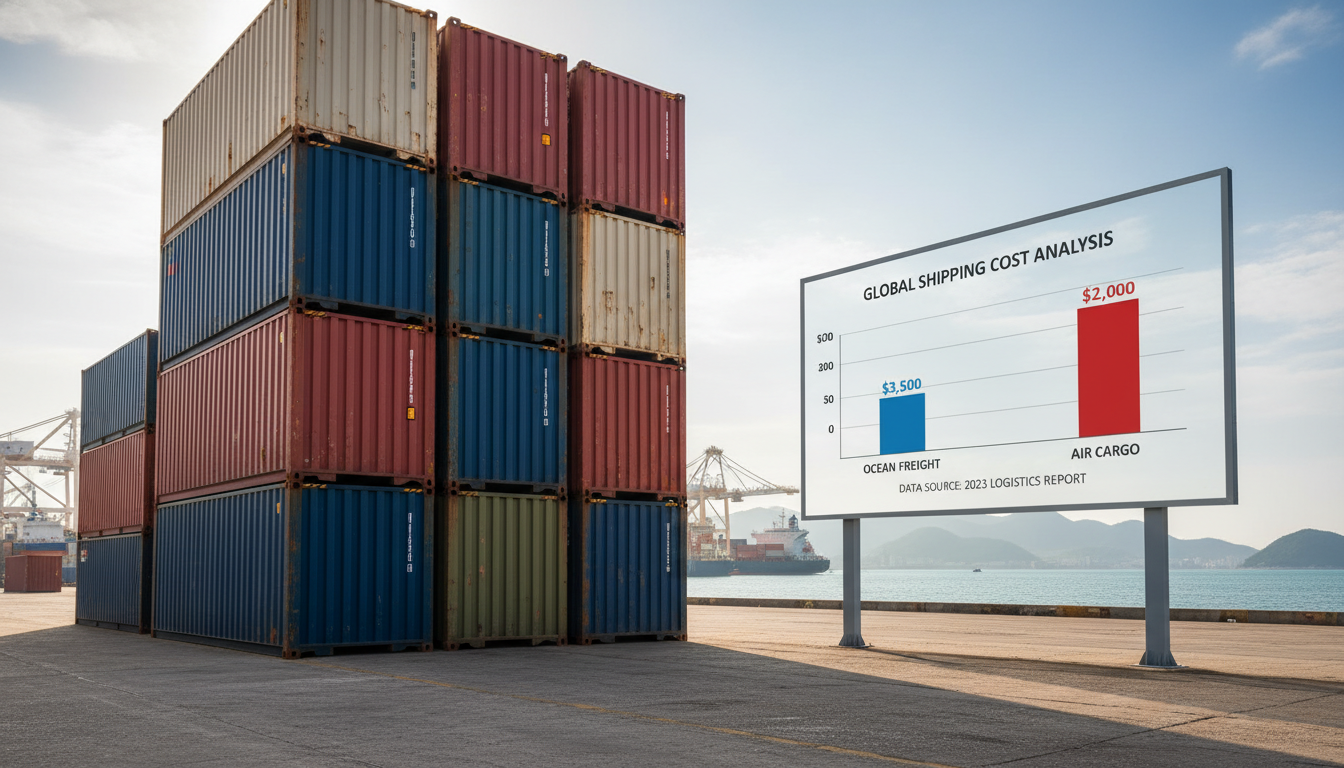
    Typically, Amazon FBA delivery appointments require a lead time of at least five days from the booking date. This advanced preparation allows sellers to align their logistics with Amazon's stringent requirements. To ensure seamless adherence, sellers should familiarize themselves with Amazon's scheduling systems, such as the Carrier Central portal, and proactively monitor their shipment timelines. By planning ahead, sellers can secure preferred time slots, reduce the risk of missed appointments, and avoid incurring additional fees or disruptions in their supply chain operations.
    Common Pitfalls: Why Amazon FBA Deliveries Get Missed

    Missed Amazon FBA delivery appointments often stem from several typical errors that sellers encounter. Incorrect shipment details, such as mismatched shipment ID or inaccurate delivery windows, can disrupt the scheduling process. Carrier delays, which may occur due to unforeseen transit issues or inadequate coordination, also contribute significantly to missed appointments. Furthermore, a failure to adhere to Amazon's strict delivery requirements, including proper packaging and labeling, can lead to rejection or rescheduling of shipments. These errors, largely preventable, highlight the necessity for meticulous attention to detail in preparing shipments for Amazon's fulfillment centers.

    • Financial penalties for rescheduling missed delivery appointments
    • Delayed inventory availability, impacting sales and customer satisfaction
    • Increased operational costs due to additional handling and transportation
    • Potential loss of priority slots in Amazon's scheduling system
    • Negative impact on seller performance metrics, affecting account standing
    • Strained relationships with carriers, leading to future scheduling difficulties

    To circumvent these common pitfalls, sellers must prioritize accuracy and compliance with Amazon's policies. Ensuring that all shipment details are correct and up to date is vital. Regular communication with carriers can prevent delays, allowing for timely adjustments if issues arise. Adhering to Amazon's guidelines on packaging, labeling, and documentation helps avoid rejections. Utilizing scheduling tools and real-time tracking systems can further enhance visibility and control over the delivery process, reducing the likelihood of missed appointments and the associated extra charges.

    Strategies to Secure Your Amazon FBA Delivery Appointments

    Navigating the complexities of Amazon FBA delivery appointments requires a thorough understanding of the Amazon Carrier Central portal. This platform is crucial for scheduling and managing delivery times, offering sellers the ability to align their logistics with Amazon's operational requirements. By leveraging the appointment booking system, sellers can choose available time slots that best fit their delivery schedules and capacities, ensuring that shipments are processed efficiently. Mastery of this portal not only aids in securing appointments but also minimizes the risk of missed slots and the associated penalties.

    • Book appointments early to secure preferred time slots and avoid last-minute rushes.
    • Double-check shipment details such as shipment ID and delivery window to prevent scheduling errors.
    • Maintain flexibility in delivery schedules to accommodate unforeseen changes or delays.
    • Regularly update shipment status to ensure alignment with Amazon's delivery requirements.
    • Utilize scheduling tools that offer real-time tracking and visibility to streamline appointment management.

    Effective communication with carriers is paramount in managing Amazon FBA delivery appointments. Keeping open lines of communication ensures that any potential issues are addressed promptly, reducing the likelihood of delays. Additionally, using advanced scheduling tools enhances operational efficiency by providing real-time insights into shipment progress, enabling proactive adjustments to avoid disruptions. These strategies not only help in securing appointments but also mitigate the risk of incurring extra charges due to missed deliveries or non-compliance with Amazon's scheduling policies.

    The Role of Freight Partners in Amazon FBA Success

    The Role of Freight Partners in Amazon FBA Success.jpg

    Selecting the right freight forwarder is crucial for Amazon FBA sellers aiming to streamline their supply chain and avoid costly errors. A knowledgeable freight forwarder understands the intricate requirements of Amazon's logistics operations, ensuring compliance and minimizing the risk of non-compliance penalties. Opting for a provider without specific Amazon FBA experience can lead to delays, increased costs, and potential disruptions in service. Thus, partnering with an experienced logistics provider who knows the ins and outs of Amazon's guidelines is essential for maintaining smooth operations and avoiding extra charges.

    • Expert compliance management: Ensures adherence to Amazon's strict shipping and labeling requirements, reducing the risk of shipment rejections.
    • Optimized shipping solutions: Utilizes multi-modal transport options to balance cost and speed, tailored specifically for Amazon FBA needs.
    • Enhanced tracking capabilities: Provides real-time visibility and proactive updates, allowing sellers to monitor shipments and avoid unexpected delays.
    • Streamlined customs clearance: Handles intricate customs procedures efficiently, preventing costly hold-ups and ensuring timely delivery to Amazon fulfillment centers.

    To achieve reliable transit times and minimize the risk of delays, consider collaborating with a specialized freight partner like QG Horizon. Their expertise in Amazon FBA logistics can help sellers navigate complex shipping requirements and maintain high performance in Amazon's marketplace. Request a fast and free quote at qghorizon.com/quote to explore how their tailored solutions can enhance your supply chain efficiency and reduce the likelihood of incurring extra charges.

    Best Practices for Managing Amazon FBA Delivery Appointments

    Real-time tracking is fundamental to operational efficiency when managing Amazon FBA delivery appointments. By monitoring shipments continuously, sellers can minimize delays and proactively address issues before they escalate into significant problems. Implementing a robust tracking system ensures that any discrepancies in shipment progress are identified early, allowing for timely interventions. This approach not only promotes seamless operations but also helps in maintaining the accuracy of delivery appointments, reducing the risk of extra charges due to missed slots.

    • Use advanced tracking systems to monitor shipments, ensuring proactive management and timely interventions.
    • Confirm delivery appointments with Amazon and carriers to ensure accuracy and prevent scheduling errors.
    • Prepare for contingencies by building buffer times into schedules to accommodate unexpected delays.
    • Maintain open communication with Amazon and logistics partners to address potential issues promptly.
    • Regularly review and update shipment details to align with Amazon's requirements and avoid rejections.

    Learning from real-life examples can significantly enhance delivery performance and prevent extra charges associated with missed appointments. Sellers who consistently double-check shipment details and maintain clear communication lines with carriers and Amazon often experience fewer disruptions. By observing successful strategies employed by others and applying these insights to their own operations, sellers can streamline their processes and ensure compliance with Amazon's stringent requirements. This proactive approach not only bolsters delivery reliability but also safeguards against financial penalties and operational setbacks.

    Final Words

    Navigating Amazon FBA delivery appointments requires meticulous planning and precision.

    Understanding these appointments' significance within the supply chain ensures efficient processing at fulfillment centers.

    Common pitfalls, such as incorrect shipment details and not adhering to delivery requirements, can be costly.

    Implementing effective strategies, including early booking and clear communication with carriers, minimizes risks.

    Partnering with experienced freight forwarders like QG Horizon enhances logistical success.

    Applying these best practices enables seamless operations and helps maintain timely Amazon FBA Delivery Appointments, avoiding missed schedules and associated fees.

    Embrace these insights to improve efficiency and reduce unnecessary costs.

    FAQ

    How to reduce delivery charges in Amazon?

    Reducing delivery charges on Amazon requires selecting economy shipping options, bundling orders for combined shipping, or utilizing Amazon Prime for free shipping benefits.

    How do I get rid of delivery fees on Amazon?

    Eliminating delivery fees on Amazon typically involves subscribing to Amazon Prime, which offers free shipping on eligible items, or meeting the minimum order threshold for free shipping on non-Prime purchases.

    How do Amazon delivery appointments work?

    Amazon delivery appointments are pre-scheduled time slots for sending inventory to Amazon's fulfillment centers. Sellers must book these appointments through Amazon’s scheduling portal, typically with at least five days of lead time.

    Does Amazon charge extra for same day delivery?

    Yes, Amazon generally charges extra for same-day delivery unless the customer is a Prime member or meets specific criteria for free same-day delivery options based on eligibility and availability.

  • Amazon FBA Damaged Shipment Claims Made Easy

    Amazon FBA Damaged Shipment Claims Made Easy

    Did you know that insufficient documentation causes a staggering 60% rejection rate for Amazon FBA damaged shipment claims? As an ambitious FBA seller, you know that even a single lost claim can significantly impact your bottom line. Proper documentation isn't just a suggestion; it's your lifeline to achieving reimbursement. By mastering the art of documenting damaged shipments, from capturing photographic evidence to compiling essential paperwork, you can transform this often-daunting task into a streamlined process. In this guide, you'll uncover actionable steps to file claims efficiently, keeping your Amazon FBA venture financially sound and stress-free.

    Documenting Damaged Shipments for Amazon FBA Claims

    Proper documentation is paramount for Amazon FBA sellers seeking reimbursement for damaged shipments. Without comprehensive evidence, claims are often rejected, with a 60% rejection rate attributed to inadequate documentation. Ensuring that all necessary information is meticulously prepared can significantly enhance the likelihood of a successful claim.

    • Proof of ownership, such as purchase orders or invoices, showing the seller's name, date, SKU/ASIN, and unit quantities
    • Inventory adjustment reports detailing discrepancies
    • Sales records to verify shipment contents
    • Carrier tracking numbers for shipment verification
    • Inbound and outbound scan timestamps for precise tracking

    Insufficient documentation can derail the claims process, leading to financial losses and operational setbacks. To avoid such pitfalls, sellers must ensure all evidence is clear and comprehensive. When collecting damage evidence, photos should be high-resolution and capture multiple angles of the damage, including packaging and product labels. It's crucial to include a ruler or measuring tape for scale and context.

    Additionally, sellers should maintain a detailed record of all shipments, ensuring each entry includes the FBA shipment ID and a box-level packing list or manifest when available. This level of detail not only strengthens claims but also supports quick verification by Amazon's investigation teams. Employing these documentation strategies is essential for navigating claims efficiently and ensuring financial recovery.

    Filing Claims Process Through Amazon Seller Central

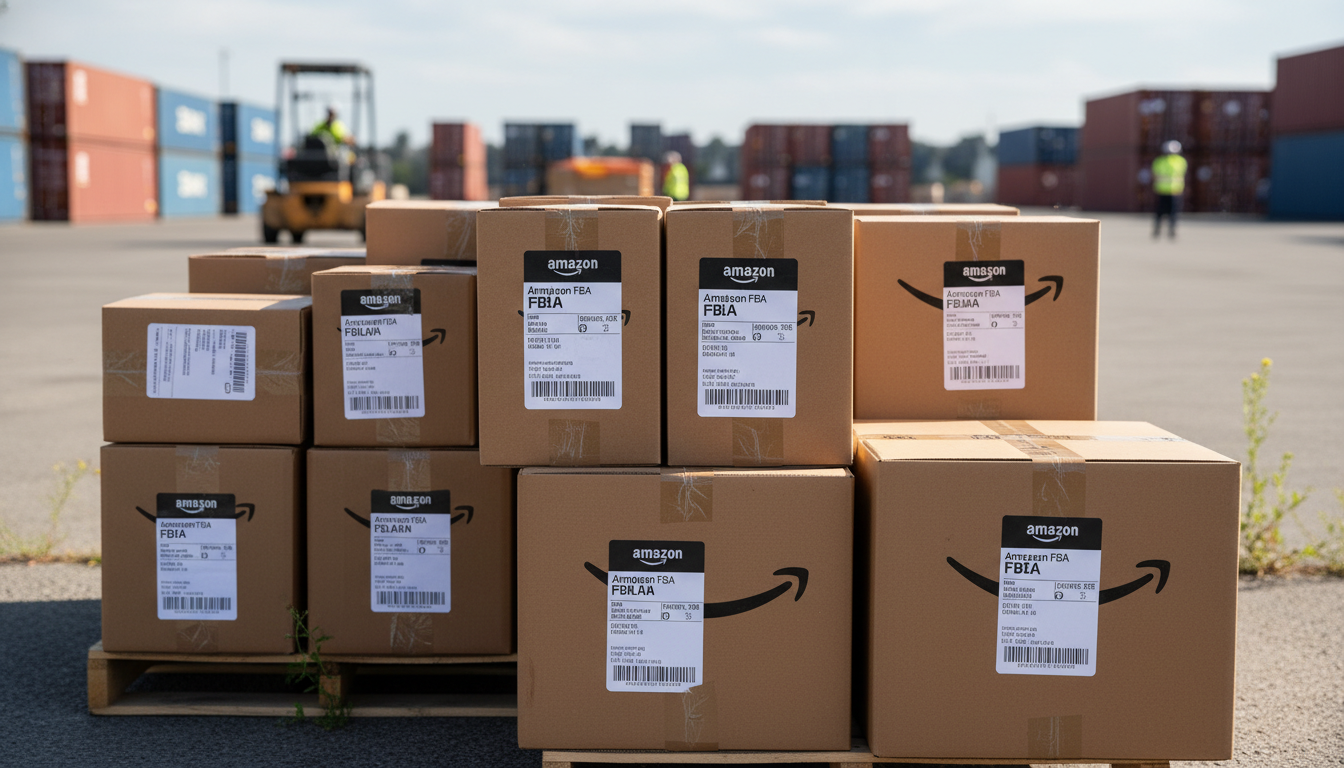
    Amazon provides a structured process for filing claims for lost or damaged items, allowing sellers to file within nine months from the verified delivery date. It's critical to adhere to this timeframe as any claims submitted beyond this period will not be entertained. Sellers should note that only one claim is allowed per shipment, and any subsequent claims for the same shipment will be automatically declined. To ensure a successful claim, sellers must compile all required documents, including proof of shipment and any additional documentation that Amazon may request. The Amazon Shipment ID, which is pivotal for the claim, can be located in the Shipping Queue within Seller Central.

    Step-by-Step Claim Submission

    1. Log into Seller Central: Navigate to the "Inventory" tab and select "Manage FBA Shipments."
    2. Find the Shipment: Use the Shipping Queue to locate the relevant shipment using its Shipment ID.
    3. Initiate a Claim: Once the shipment is found, select "Resolve" or "Research Missing Units" to begin the claim process.
    4. Provide Required Documentation: Upload proof of shipment, such as invoices or packing slips, along with any additional documents requested by Amazon.
    5. Submit the Claim: Review the information for accuracy and submit the claim for Amazon's review and investigation.

    Timeliness in filing claims cannot be overstated. Prompt submissions not only improve the likelihood of a successful claim but also expedite the reimbursement process. Sellers should ensure that all required information, such as Shipment IDs, is readily accessible in Seller Central's Shipping Queue. By maintaining organized records and adhering to the structured process, sellers can navigate the claims procedure with greater efficiency and confidence.

    Strategies for Obtaining Reimbursements from Amazon FBA

    Amazon FBA reimbursements provide crucial financial compensation for sellers who experience losses due to lost inventory, damaged goods, overcharged fees, or shipment discrepancies. Understanding what qualifies for reimbursement is essential for maintaining healthy profit margins and ensuring operational stability. The reimbursement value is determined based on the timing of the event relative to the order, making timely and accurate claims critical.

    • Lost inventory
    • Damaged goods
    • Fee overcharges
    • Shipment discrepancies
    Incident Type Required Documentation
    Lost inventory Proof of shipment, inventory adjustment reports
    Damaged goods Photos of damage, purchase orders
    Fee overcharges Previous billing statements, fee schedule
    Shipment discrepancies Carrier tracking numbers, packing slips

    Accurate tracking of reimbursement transactions in Seller Central is vital to ensure all owed funds are received. This practice not only aids in financial recovery but also supports tax compliance by maintaining a clear paper trail. Sellers should regularly review their account statements to confirm that all reimbursements are processed correctly. By implementing these strategies, Amazon FBA sellers can effectively manage their claims and protect their business interests.

    Avoiding Common Mistakes in the Amazon FBA Claims Process

    Avoiding Common Mistakes in the Amazon FBA Claims Process.jpg

    Errors in the Amazon FBA claims process can severely impact the success of reimbursement. These mistakes can lead to claim rejections, prolong the resolution period, and potentially result in financial losses. Ensuring an efficient documentation strategy is crucial to avoid these pitfalls and secure the compensation owed for damaged shipments. Ignoring these common issues can undermine the entire claims effort, making it essential for sellers to be vigilant and meticulous throughout the process.

    • Working on non-closed shipments, which are ineligible for claims
    • Failing to export and consolidate all pages of shipment data for analysis
    • Not filtering for shortages, thus wasting time on over-receipts
    • Omitting essential documentation such as invoices or shipment IDs
    • Waiting more than a week to file a claim, risking denial due to timing

    If a claim is denied, it's imperative to immediately review the submitted documentation to identify any missing elements. Common omissions include the invoice, shipment ID, or SKU-level quantities. Once identified, sellers should promptly re-submit the claim with the corrected and complete information. Timely and accurate documentation is critical, as it not only enhances the chances of reimbursement but also helps in maintaining a streamlined claims process. Efficient handling of these aspects ensures that sellers can effectively address claim rejections and secure the necessary reimbursements from Amazon FBA.

    Communicating Effectively with Amazon Seller Support

    Clear and concise communication with Amazon Seller Support is essential for resolving disputes related to damaged shipment claims swiftly. Providing all necessary information in a structured manner not only aids in expediting the investigation process but also minimizes the chances of miscommunication. When crafting messages, it is crucial to include specific details such as the shipment ID, SKU/ASIN, units shipped, units received, the discrepancy amount, and a comprehensive list of attached documents, including invoices, packing lists, and tracking information. This approach ensures that Amazon receives all required data to process the claim without unnecessary back-and-forth communication.

    1. Provide all requested information promptly to avoid delays.
    2. Maintain brevity and accuracy in all communications.
    3. Include shipment ID, SKU/ASIN, and discrepancy details in your messages.
    4. List all attached documents clearly (invoice, packing list, tracking).

    Tracking each submitted case number and consistently following up on claims is vital to ensure timely resolution. If an update or response is not received within a reasonable period, sellers should proactively reach out to Seller Support to inquire about the case status. This diligence helps maintain momentum in the claims process and ensures that any potential issues are addressed promptly. By adhering to these communication strategies, sellers can effectively manage disputes and enhance their chances of successful reimbursement for damaged shipments.

    The Role of a Specialized Freight Partner in Managing Amazon FBA Claims

    Navigating the complexities of Amazon FBA damaged shipment claims can be daunting, especially for sellers managing the process independently. The intricacies involved in gathering the right documentation, adhering to Amazon's stringent reimbursement policies, and ensuring timely submissions can be overwhelming. Many sellers struggle with controlling transit times and mitigating delays, which can further complicate the claims process and potentially lead to financial setbacks.

    Partnering with a specialized freight partner like QG Horizon simplifies the claims management process significantly. With expertise in third-party logistics and professional claim services, QG Horizon provides efficient claim management systems that ensure compliance with Amazon's shipping standards. Their experienced team offers guidance on maintaining accurate financial records and staying updated on Amazon's evolving reimbursement policies, which are crucial for maximizing recovery rates. By leveraging their services, sellers can focus on other critical aspects of their business while ensuring that their claims are handled effectively and promptly.

    For sellers seeking to streamline their claims process and reduce the risk of delays, working with QG Horizon is the most reliable solution. They offer a seamless approach to managing transit times and claims, ensuring peace of mind and operational efficiency. Interested sellers are encouraged to request a fast and free quote at https://qghorizon.com/quote/.

    Final Words

    Mastering the Amazon FBA claims process requires meticulous attention to detail and proper documentation.

    By ensuring all key documents are gathered, such as proof of purchase and shipment IDs, sellers can effectively document damaged shipments.

    Following the precise steps outlined on Amazon Seller Central safeguards claim submissions against rejections. Timely, accurate communication with Amazon Seller Support is crucial in addressing any disputes.

    Leveraging specialized freight partnerships, like those offered by QG Horizon, can streamline this process. Implement these strategies to improve Amazon FBA damaged shipment claims, sparking confidence and efficiency in your operations.
    FAQ

    What is Amazon's reimbursement policy for FBA inventory?

    Amazon's FBA inventory reimbursement policy allows sellers to claim compensation for financial losses due to lost or damaged items. Sellers can file one claim per shipment for issues like lost inventory or overcharged fees.

    How do I document damaged shipments for Amazon FBA claims?

    The key to documenting damaged shipments is maintaining thorough records. Essential documents include proof of ownership, purchase orders, inventory adjustment reports, and sales records. Insufficient documentation can cause a 60% rejection rate for claims.

    What are the steps to file a claim via Amazon Seller Central?

    To file a claim via Amazon Seller Central:

    1. Log into Seller Central.
    2. Navigate to "Reports," then "Fulfillment."
    3. Select "Reimbursements" on the left menu.
    4. Click "File a claim" and complete the form with the shipment ID and necessary documents.
    5. Submit the claim within nine months from delivery date.

    What types of incidents are reimbursable under Amazon FBA?

    Reimbursable incidents include:

    • Lost inventory
    • Damaged goods
    • Fee overcharges
    • Shipment discrepancies

    Required documentation varies but typically includes shipment ID, invoices, and SKU-level quantities.

    How can I avoid common mistakes in the FBA claims process?

    Avoid mistakes like:

    • Working on non-closed shipments
    • Failing to consolidate document pages
    • Not filtering shortages
    • Omitting invoice or shipment ID
    • Delaying claim submission

    How should I communicate with Amazon Seller Support for claims?

    For effective communication with Amazon Seller Support:

    1. Be concise and factual.
    2. Include shipment ID, SKU/ASIN, units shipped and received.
    3. Attach necessary documents.
    4. Track case numbers and follow up if needed.

    What is the benefit of using a specialized freight partner for claims?

    Specialized freight partners like QG Horizon can manage claims efficiently, ensuring compliance and controlling transit times. They provide professional claim services and accurate financial record maintenance. Request a fast quote for assistance.

  • How Long to Ship From China to Amazon FBA in 2026

    How Long to Ship From China to Amazon FBA in 2026

    Are shipping delays from China to your Amazon FBA warehouse causing sleepless nights? You're not alone. Many Amazon sellers grapple with unpredictable delivery timeframes, with shipping methods ranging from express to ocean freight each offering different advantages and challenges. In 2026, understanding these options isn't just important—it's crucial for your business's success. This article dives into the shipping landscape to equip you with the knowledge needed to optimize your supply chain. Expect insights on estimated delivery dates, factors causing delays, and potential logistics improvements that'll keep your goods moving smoothly and efficiently.

    Understanding Shipping Times from China to Amazon FBA in 2026

    Shipping times from China to Amazon FBA warehouses in 2026 will vary significantly depending on the method chosen by sellers. Express shipping remains the fastest option, delivering goods within 1 to 5 days, ideal for urgent restocks or product launches. Air freight offers a balance, with estimated delivery times ranging from 5 to 12 days, suitable for moderately time-sensitive shipments. On the other hand, sea freight, the most cost-effective for bulk shipments, takes between 20 to 45 days depending on whether the destination is on the East or West Coast of the United States. Despite its longer lead time, sea freight is favored for cost savings on large shipments.

    Several factors can significantly impact shipping times and should be carefully considered:

    • Customs clearance delays

    • Port congestion

    • Seasonal demand spikes

    • Weather conditions

    • Documentation errors

    Looking ahead to 2026, advancements in logistics infrastructure and technology are expected to streamline shipping processes. Enhanced tracking systems and more efficient port operations may contribute to slightly reduced shipping times. Furthermore, improvements in customs procedures could minimize delays, making international shipping for Amazon FBA sellers more predictable. To navigate these complexities efficiently, partnering with a specialized freight forwarder like QG Horizon is crucial for maintaining reliable transit times and avoiding unexpected delays. Sellers are encouraged to request a fast and free quote at qghorizon.com/quote.

    Choosing the Right Shipping Method for 2026

    For Amazon FBA sellers, selecting the appropriate shipping method from China is crucial for balancing cost, time, and inventory needs. The decision impacts logistics efficiency and ultimately affects the bottom line. Understanding the nuances of each shipping mode and its suitability for different scenarios allows sellers to optimize their supply chain management effectively. Whether it's prioritizing speed for time-sensitive launches or maximizing cost savings for larger shipments, choosing the right freight forwarding option is key to successful Amazon FBA operations.
    Air and Express Shipping

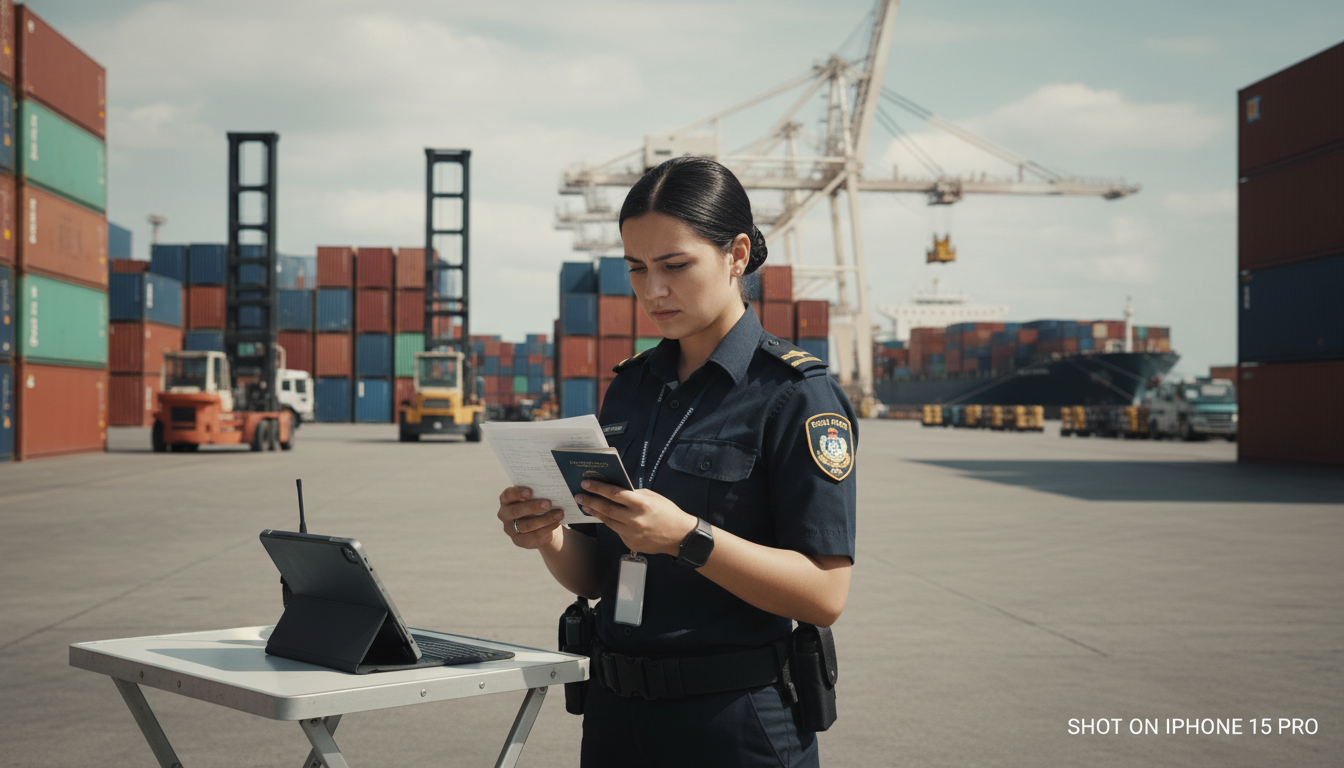
    Air and express shipping are the fastest methods available, making them ideal for urgent restocks or small shipments where time is of the essence. These options provide rapid transit times, generally between 1 to 5 days for express and 5 to 12 days for standard air freight. However, this speed comes at a premium, with costs typically around $7 per kilogram. Despite higher expenses, the reliability and quick turnaround make air freight and express services indispensable for managing tight deadlines and ensuring products are available on Amazon FBA as needed.

    Sea Freight

    Sea freight is the go-to choice for cost-effective transportation of bulk shipments. While it offers significant savings, it requires longer lead times, with transit durations spanning 25 to 45 days. This method is best suited for shipments where cost efficiency outweighs the urgency of delivery. For sellers with larger volumes or those planning well in advance, sea freight provides the most economical solution. The ability to move large quantities at lower rates makes it a preferred option for maintaining healthy profit margins when shipping to Amazon FBA.

    Rail Freight

    Offering a middle ground, rail freight provides a balanced alternative for those seeking moderate cost and transit time. With delivery times ranging from 15 to 25 days, rail freight is particularly useful for shipments that require a compromise between speed and budget. Often routed through Europe or Central Asia, this method allows for greater flexibility and predictability compared to sea freight. For sellers looking to optimize their logistics strategy, rail freight can be an effective component of a diversified transportation plan.

    | Shipping Method | Cost | Time | Best Use |
    |——————–|—————|—————–|————————————–|
    | Air and Express | $7 per kg | 1-12 days | Urgent or small shipments |
    | Sea Freight | Economical | 25-45 days | Bulk shipments, cost-effective |
    | Rail Freight | Moderate | 15-25+ days | Balanced cost and time, flexible |

    Partnering with a specialized freight forwarder like QG Horizon ensures that sellers can navigate these options efficiently, maintaining control over transit times and avoiding unexpected delays. For those seeking tailored guidance and cost-effective solutions, requesting a fast and free quote at qghorizon.com/quote is a practical step toward enhanced supply chain management.

    Managing Customs and Regulations for 2026 Shipments

    In 2026, shipping from China to Amazon FBA involves navigating a complex customs clearance process due to significant regulatory changes. The removal of the de minimis exemption means that every shipment is now subject to full tariffs and duties, regardless of value. This shift necessitates comprehensive customs processing, impacting both timeframes and cost structures for sellers. Direct shipping remains a preferred option for many, delivering inventory straight from suppliers to Amazon FBA with minimal delay. However, indirect shipping, which involves an intermediary, can add 1-2 weeks to lead times but may offer additional flexibility and control over compliance aspects. Understanding these changes is crucial for sellers aiming to maintain efficient supply chain operations.
    Sellers must focus on several important tasks to navigate these complexities effectively:

    • Accurate HS Code classification

    • Proper documentation preparation

    • Tariff and duty management

    • Understanding direct vs. indirect shipping implications

    • Navigating the removal of the de minimis rule

    • Using DDP for minimizing risks

    To manage customs smoothly, sellers should establish robust strategies that include leveraging Delivered Duty Paid (DDP) shipping solutions to cover all duties and taxes upfront, reducing the risk of unexpected fees. Collaborating with experienced freight partners like QG Horizon can ensure compliance with current import regulations and optimize the customs clearance process. These partnerships offer valuable expertise in tariff management and document preparation, which are essential for avoiding delays and penalties. By proactively addressing these aspects, sellers can enhance their logistics efficiency and maintain a competitive edge in the Amazon marketplace.

    Optimizing Your Supply Chain for Faster Shipping Times

    Optimizing Your Supply Chain for Faster Shipping Times.jpg

    Supply chain optimization is essential for Amazon FBA sellers aiming to expedite shipping times from China. With the complexities of international logistics, ensuring a seamless flow of goods requires strategic planning and execution. Efficient supply chain management not only reduces transit times but also minimizes risks associated with delays and unexpected costs. By fine-tuning each element of the supply chain, sellers can maintain a competitive edge in the fast-paced e-commerce landscape.

    • Diversifying carriers and routes

    • Maintaining inventory buffers

    • Using alternative ports

    • Planning shipments in advance

    • Clear supplier communication

    Working with specialized freight partners like QG Horizon offers significant advantages in optimizing supply chains. These experts provide tailored solutions to ensure reliable transit times and minimize potential delays. By leveraging their industry knowledge and logistical capabilities, sellers can navigate the complexities of international shipping with confidence. Partnering with a specialized freight forwarder not only enhances operational efficiency but also helps prevent the pitfalls that can disrupt timely deliveries to Amazon FBA warehouses. Sellers are encouraged to request a fast and free quote at qghorizon.com/quote.

    Final Words

    Navigating shipping from China to Amazon FBA in 2026 requires understanding diverse shipping methods, choosing the right approach for your business, and managing customs efficiently. With express, air, and sea shipping each offering distinct benefits and challenges, selecting the best method depends on urgency, cost, and shipment size.

    Streamlined customs processes and strategic supply chain optimization can mitigate delays. Effective communication and collaboration with specialized partners like QG Horizon further enhance efficiency.

    Mastering these elements will ensure a smoother and more predictable shipping experience, letting sellers thrive in a dynamic marketplace.

    FAQ

    Amazon Shipping to China: Is Amazon Delivering Today?

    Amazon's shipping operations are subject to logistics and weather conditions, so delivery today depends on location and service tier. Monitoring the tracking system provides the most accurate update.

    Amazon Saturday Delivery Times

    Amazon provides weekend deliveries under Prime membership, usually between 9 AM and 8 PM. Delivery time varies based on location and available logistics support.

    Is Amazon Not Shipping This Week?

    Occasional shipping delays may occur due to factors like supply chain disruptions or adverse weather. Checking the Order Details page offers current shipment status.

    What is Going on with Amazon Shipping Times?

    Shipping times are impacted by global logistics challenges, including increased demand and disrupted supply chains. Service updates and estimated delivery dates are available in customer order details.

    Why is Amazon International Shipping So Expensive?

    International shipping costs reflect customs duties, logistics complexities, and handling charges. Choosing cost-effective methods like sea freight may help reduce expenses.

    Amazon Shipping Information and Weekend Delivery

    Amazon offers comprehensive shipping details via customer accounts. Weekend delivery is an option for some locations and orders, utilized more extensively for Prime members.

    How Long Does Amazon Take to Ship from China?

    The estimated delivery period for Amazon shipments from China to the USA ranges from 1-45 days, depending on the shipping method: Express, air, or sea freight.

    Can You Make $10,000 a Month Selling on Amazon?

    Making $10,000 a month is feasible with strategic product selection, effective marketing, and efficient inventory management. Profits rely on choosing high-demand products and optimizing operational costs.

    What Are the Biggest FBA Mistakes to Avoid?

    Key FBA pitfalls include poor inventory management, inadequate product research, overestimating demand, overlooking Amazon fees, and neglecting customer feedback. Planning and monitoring can mitigate these issues.

    How Long Does It Take to Ship Products from China to the USA?

    Shipping from China to the USA typically takes 1–45 days. Express deliveries range from 1–5 days, air freight takes 5–12 days, and ocean freight lasts 20–45 days, pending customs clearance.