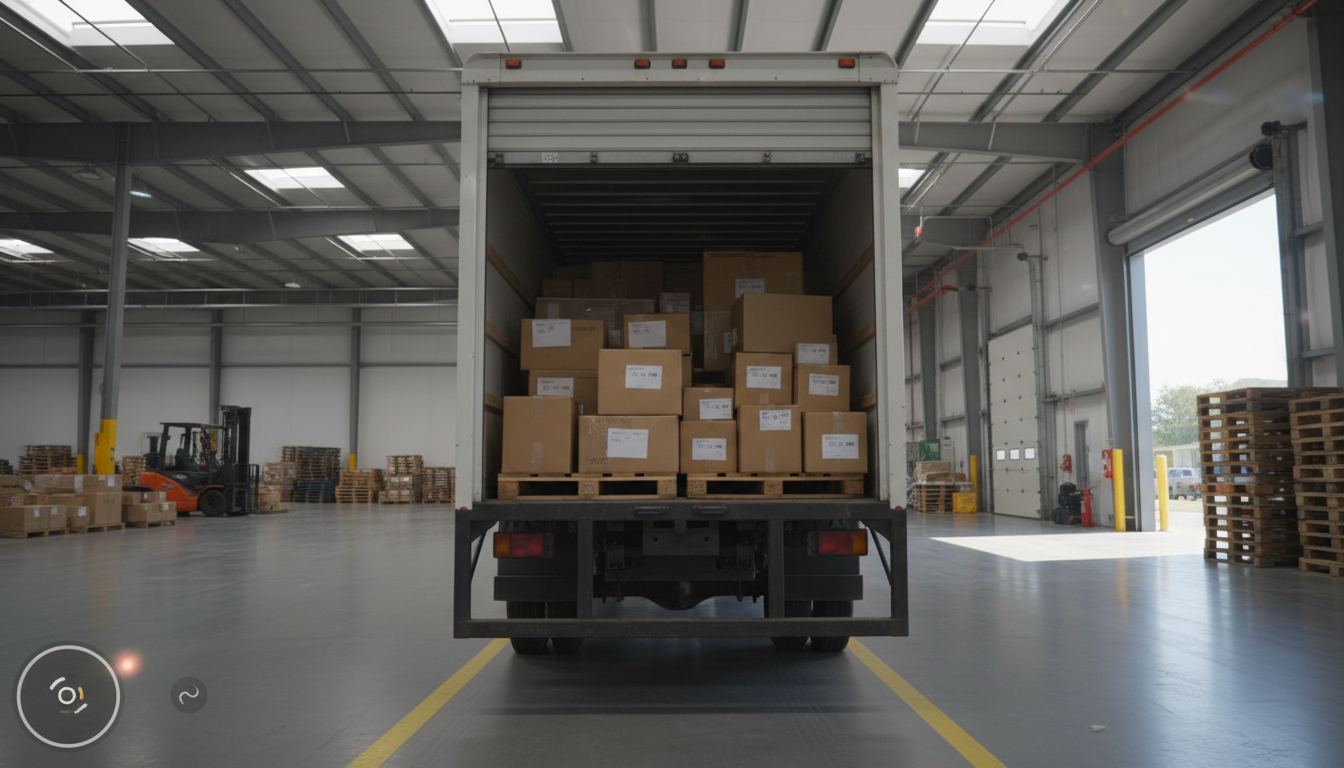
What if there was a way for Amazon FBA sellers to cut shipping costs without sacrificing efficiency? Enter LTL freight, a game-changing logistics solution that combines multiple smaller shipments into one truckload. This method is particularly relevant in today’s e-commerce landscape, where managing inventory costs is crucial for profitability. In this guide, we will demystify LTL freight, explore its significance, and clarify the key terms every seller should know to optimize their shipping operations. Understanding LTL freight could be the pivotal advantage that enables sellers to streamline their logistics while maximizing their bottom line.
What Is LTL Freight? Essential Insights for Amazon FBA Sellers
LTL freight, or Less Than Truckload freight, refers to a shipping method that consolidates multiple smaller shipments into a single truckload. This approach is particularly advantageous for Amazon FBA sellers who frequently need to ship smaller quantities of goods without incurring the higher costs associated with full truckload (FTL) shipping. By utilizing LTL freight, sellers can effectively manage their shipping expenses while ensuring that their products reach fulfillment centers in a timely manner. This method not only reduces costs but also optimizes warehouse space and inventory management, allowing sellers to balance their logistics more efficiently.
In the context of e-commerce logistics, LTL freight plays a crucial role in enabling sellers to scale their operations. It offers the flexibility to ship varying quantities based on demand, which is essential for maintaining competitive pricing and inventory levels. By leveraging LTL freight, Amazon FBA sellers can streamline their supply chain processes, reduce waste, and enhance overall efficiency. Understanding the key terminologies associated with LTL freight is vital for sellers to navigate the shipping landscape effectively.
- Freight Class: A classification that determines shipping costs based on the type of goods, their density, and other factors.
- Bill of Lading: A legal document outlining the terms of the shipment, including the carrier’s responsibilities and shipment details.
- Accessorial Charges: Additional fees for services beyond standard transportation, such as liftgate service or residential delivery.
- Shipment Tracking: The process of monitoring the location and status of a shipment in real-time, providing visibility throughout transit.
Importance of LTL Freight for Amazon FBA Sellers
LTL freight is a game-changer for Amazon FBA sellers when it comes to managing shipping costs and logistics. One of the most significant benefits of using LTL freight is the cost savings it provides. Unlike full truckload shipping, which requires a seller to fill an entire truck, LTL allows for shipping smaller quantities. This means sellers only pay for the space their goods occupy, significantly reducing shipping expenses. For businesses that frequently have fluctuating inventory levels, LTL freight offers a more economical solution, allowing sellers to allocate their budgets more effectively.
Moreover, the flexibility of LTL freight is essential for e-commerce sellers. As businesses grow, their shipping needs can change rapidly. LTL freight accommodates these variations, enabling sellers to scale their shipping volume as required without committing to the higher costs of FTL shipping. This adaptability is crucial for managing seasonal demand and inventory turnover, allowing sellers to respond quickly to market changes while maintaining efficient operations.
- Reduced Shipping Costs: Pay only for the space occupied, leading to significant savings compared to full truckload shipping.
- Ability to Ship Smaller Quantities: Ideal for sellers with fluctuating inventory, allowing for more precise order fulfillment.
- Ease of Inventory Management: Provides flexibility to adjust shipping volumes based on demand, improving overall operational efficiency.
Advantages of Using LTL Freight
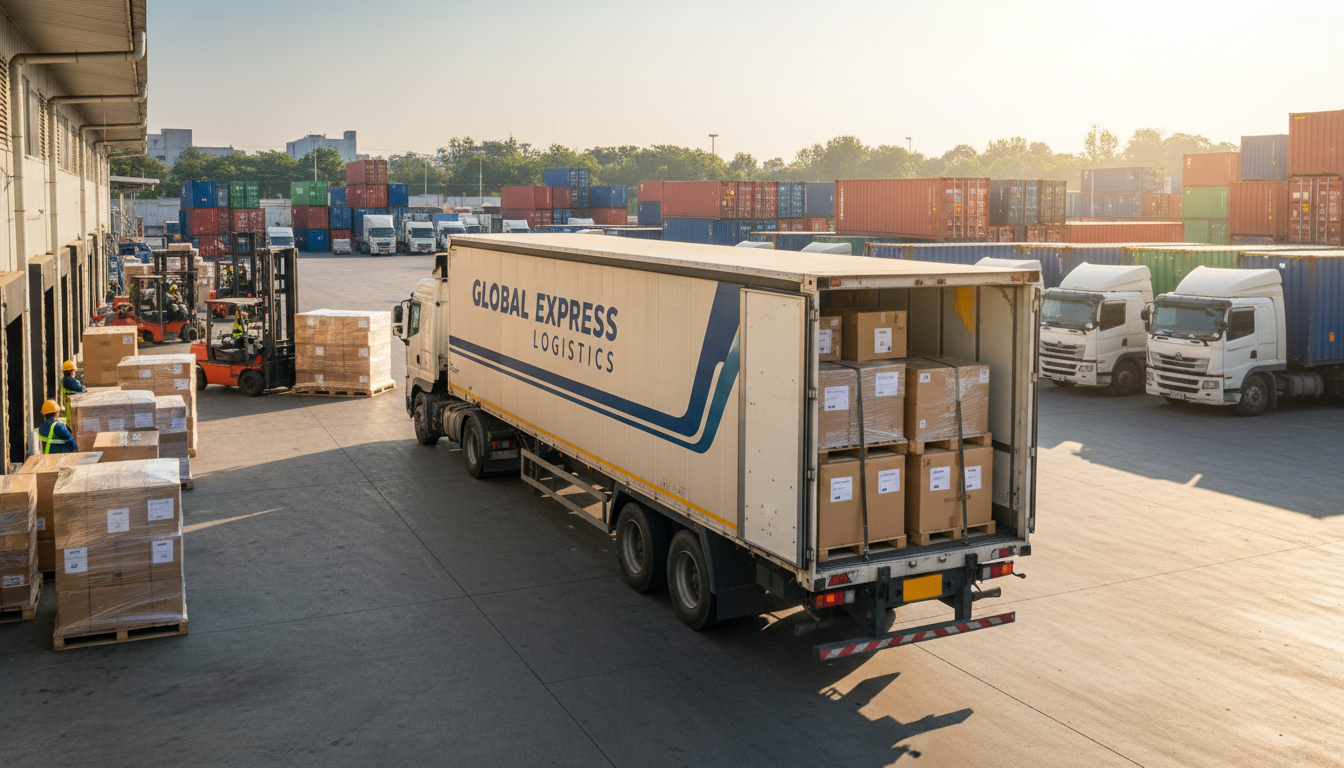
LTL freight provides several compelling advantages for Amazon FBA sellers looking to optimize their shipping strategies. One of the most significant benefits is cost efficiency. By shipping smaller quantities of goods, sellers can avoid the high expenses associated with full truckload (FTL) shipping. This allows sellers to only pay for the space their goods occupy on the truck, making it a more economical choice, especially for businesses with fluctuating inventory levels. The ability to manage shipping costs effectively can lead to improved profit margins, which is crucial in the competitive e-commerce landscape.
In addition to cost savings, LTL freight contributes to reduced waste and a lower environmental impact. By consolidating multiple shipments into one truckload, LTL shipping maximizes truck capacity, leading to fewer trips and reduced carbon emissions. This approach not only supports sustainability efforts but also aligns with the growing consumer preference for eco-friendly practices. As Amazon FBA sellers increasingly focus on efficient logistics, leveraging LTL freight can enhance their operational effectiveness while contributing positively to environmental goals.
- Cost Efficiency: Lower shipping costs for smaller shipments compared to FTL.
- Minimal Waste: Consolidation of shipments reduces the number of trips needed, leading to less fuel consumption.
- Flexibility in Shipping Schedules: Ability to adjust shipping volumes based on demand without incurring high costs.
- Support for Small Businesses: Allows smaller sellers to compete by providing affordable shipping options that fit their needs.
Disadvantages of LTL Freight
While LTL (Less Than Truckload) freight offers numerous advantages for Amazon FBA sellers, it is essential to consider the potential drawbacks associated with this shipping method. One significant disadvantage of LTL freight is the potential for longer transit times. Since LTL shipments consolidate multiple loads from various shippers, the delivery process may involve multiple stops and transfers. This can lead to extended shipping durations compared to full truckload (FTL) options, which typically provide direct routing. As a result, sellers may face challenges in meeting tight deadlines or ensuring timely restocks for their products.
Another concern with LTL freight is the higher risk of damage to goods during transit. With multiple shipments being loaded and unloaded at various points along the route, the likelihood of mishandling increases. While carriers take precautions to secure loads, the nature of LTL shipping means that products are often less protected than in FTL scenarios. This risk can be particularly worrisome for sellers dealing with fragile or high-value items. Additionally, sellers may encounter extra costs in the form of accessorial charges or fees for services that might not be included in the base rate, further complicating budgeting and cost management.
- Potential for Longer Transit Times: Due to multiple stops and transfers, LTL shipments may take longer to reach their destination compared to FTL freight.
- Risk of Freight Damage: The consolidation of various shipments increases the chances of mishandling and damage to goods during transit.
- Possible Additional Fees: Sellers may incur extra charges for services beyond standard transport, impacting overall shipping costs.
Practical Tips for Using LTL Freight
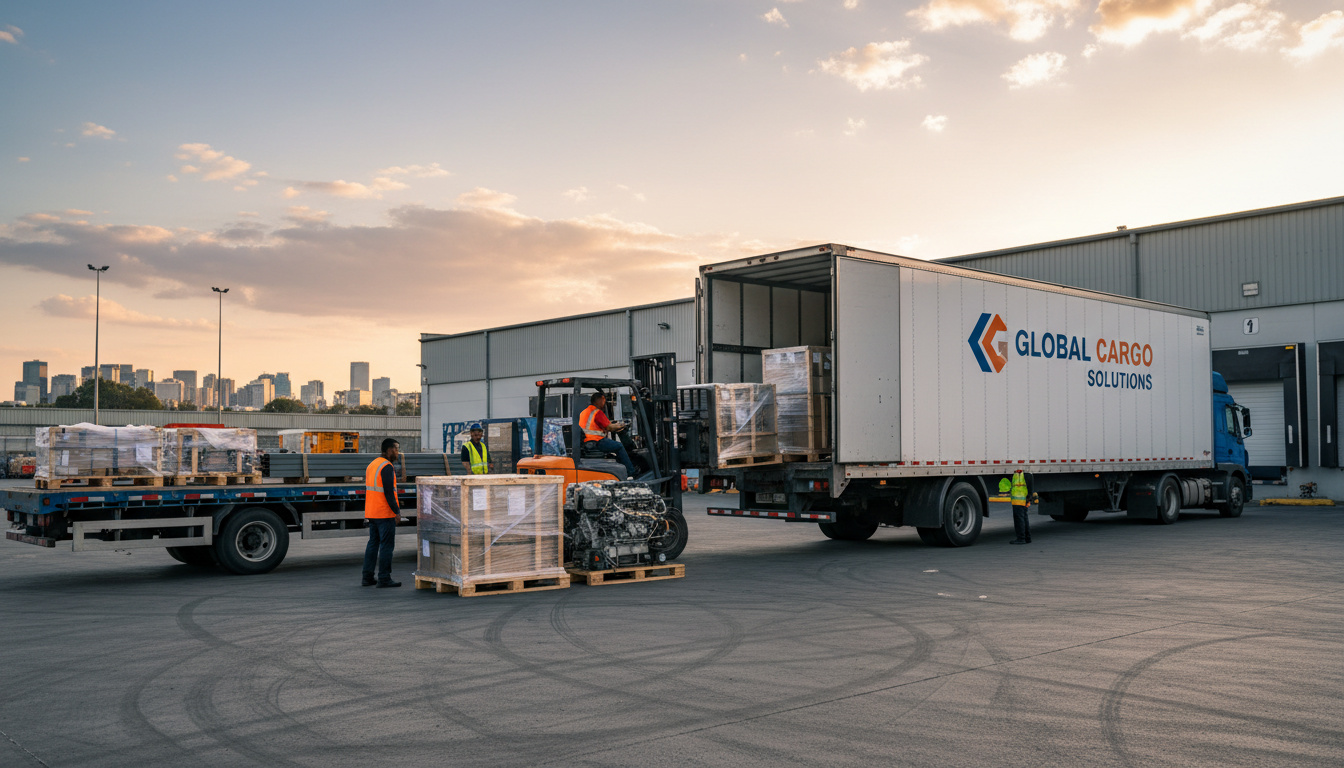
To optimize the LTL freight process, Amazon FBA sellers must focus on selecting reliable carriers and implementing effective packaging practices. Choosing the right carrier can significantly impact shipping efficiency and cost. Sellers should research various carriers based on their service offerings, transit times, and customer reviews. It’s essential to evaluate factors like reliability, access to tracking systems, and responsiveness to inquiries. A well-established carrier can provide not only competitive rates but also ensure timely delivery, which is crucial for maintaining customer satisfaction.
Effective packaging is equally important in the LTL freight process. Proper packaging helps prevent damage during transit, which can lead to costly delays and loss of inventory. Sellers should utilize appropriate palletization techniques, ensuring that goods are securely stacked and wrapped. Additionally, accurate weight measurements are vital as they affect shipping costs. Overestimating or underestimating weight can lead to unexpected fees or logistical challenges. Labeling shipments correctly is also key to facilitating smooth handling and delivery. Clear and accurate labels help carriers identify packages quickly and reduce the chances of misdelivery.
- Research Carriers: Compare different carriers to find the best service and pricing for your needs.
- Utilize Proper Palletization: Ensure goods are securely stacked and wrapped to prevent damage during transit.
- Ensure Accurate Weight Measurements: Measure product weight correctly to avoid unexpected fees.
- Label Shipments Correctly: Use clear and accurate labels to facilitate smooth handling and delivery.
- Maintain Communication with Carriers: Keep open lines of communication for updates and assistance throughout the shipping process.
Frequently Asked Questions About LTL Freight
Amazon FBA sellers often have numerous questions concerning LTL freight to streamline their shipping processes. A common inquiry relates to the factors that influence LTL freight costs. These costs can vary based on several elements, including the freight class, shipment weight, dimensions, and distance. The combination of these factors helps carriers determine the most accurate pricing for the shipment, ensuring that sellers are charged fairly based on the specifics of their cargo.
Another frequent question involves tracking LTL shipments. Most reputable LTL carriers provide tracking services that allow sellers to monitor their shipments in real-time. This feature is essential for maintaining visibility and ensuring that products arrive at Amazon fulfillment centers on schedule. Additionally, sellers must consider the average delivery times associated with LTL freight, which can vary based on the route and carrier. Generally, LTL shipments may take longer than expedited shipping options but provide a cost-effective solution for many sellers.
- What factors affect LTL freight costs?
- How do I track my LTL shipment?
- What is the average delivery time for LTL freight?
- What should I include in the shipping documentation?
Final Words
Final Words
Understanding LTL freight is crucial for optimizing shipping logistics as an Amazon FBA seller. This guide outlined what LTL freight is, its significance, and key terminology, emphasizing the cost savings and flexibility it offers.
The advantages, including reduced shipping costs and minimized environmental impact, position LTL freight as a viable option for growing e-commerce businesses. However, it’s essential to weigh potential disadvantages like longer transit times and damage risks.
By implementing practical tips for using LTL freight, sellers can enhance their shipping strategies. Embracing these insights can lead to a more efficient and cost-effective logistics process. Understanding “What Is LTL Freight? A Plain-English Guide for Amazon FBA Sellers” can empower sellers to make informed decisions for their businesses.
FAQ
Q: What is LTL freight?
A: LTL freight, or Less-than-Truckload freight, combines multiple smaller shipments into one truckload, optimizing shipping costs and efficiency for e-commerce sellers, particularly Amazon FBA sellers.
Q: Why is LTL freight important for Amazon FBA sellers?
A: LTL freight provides cost savings and flexibility, allowing Amazon FBA sellers to manage shipping expenses effectively while scaling their business as inventory demands grow.
Q: What are the advantages of using LTL freight?
A: Using LTL freight results in lower shipping costs, reduced environmental impact, and efficient inventory management, all while supporting small businesses during growth phases.
Q: What are the disadvantages of LTL freight?
A: Disadvantages of LTL freight include longer transit times, increased risk of damage to goods, and potential additional fees, which can affect delivery timelines and costs.
Q: How can Amazon FBA sellers optimize their LTL freight process?
A: Sellers can optimize their LTL freight by selecting reliable carriers, ensuring proper packaging, and following best practices for managing shipments and communication with carriers.
Q: What factors affect LTL freight costs?
A: LTL freight costs are influenced by shipment weight, distance, freight class, and any accessorial charges incurred during the shipping process.
Q: How do I track my LTL shipment?
A: Amazon FBA sellers can track LTL shipments using the tracking number provided by the carrier, enabling real-time updates on the shipment’s status and location.
Q: What is the average delivery time for LTL freight?
A: The average delivery time for LTL freight varies but generally ranges from 3 to 7 business days, depending on distance and carrier efficiency.
Q: What should I include in the shipping documentation?
A: Essential shipping documentation includes the bill of lading, packing list, commercial invoice, and any necessary customs paperwork for international shipments.
Leave a Reply