Category: Blog

Your blog category

  • How to Succeed as an Amazon Seller in 2026: Full Guide

    How to Succeed as an Amazon Seller in 2026: Full Guide

    Summary: An Amazon seller in 2026 faces a consolidating marketplace where third-party sellers drive 61% of paid units, yet over 100,000 sellers now surpass one million dollars in annual revenue.

    In Q4 2025, about 61% of paid units sold on Amazon came from third-party sellers. That single data point tells you everything about the opportunity ahead: selling on Amazon remains one of the most scalable paths into e-commerce, but the rules of the game have shifted. Whether you are launching your first product or scaling an established catalog, navigating this marketplace profitably requires the right strategy for logistics, advertising, and fulfillment. For sellers sourcing from China, working with a reliable freight forwarder is a critical first step; our Amazon Seller Central complete guide walks you through the operational foundations.

    Active sellers dropped from 2.4 million in 2021 to 1.65 million by the end of 2025, while the revenue per seller continues to climb. The marketplace is consolidating: fewer participants, but each one capturing a larger share of a growing pie. Understanding the numbers, fees, and logistics behind a successful Amazon seller account is no longer optional. It is the difference between profitability and margin erosion.

    The State of the Amazon Marketplace in 2026

    Amazon reported $716.9 billion in 2025 revenue, with strong growth in advertising and increasing third-party seller contribution. For context, Amazon accounted for about 40.4% of US e-commerce sales in 2025, far ahead of the nearest competitor. The platform is not just large; it is the default shopping destination for over 310 million estimated global users in 2026.

    For third-party sellers specifically, the macro trend is clear: consolidation is accelerating. Amazon registered just 165,000 new sellers in 2025, the lowest number in a decade, down 44% from 2024. Fewer new entrants does not mean less money circulating. Over 100,000 sellers now generate one million dollars or more annually, up from 60,000 in 2021.

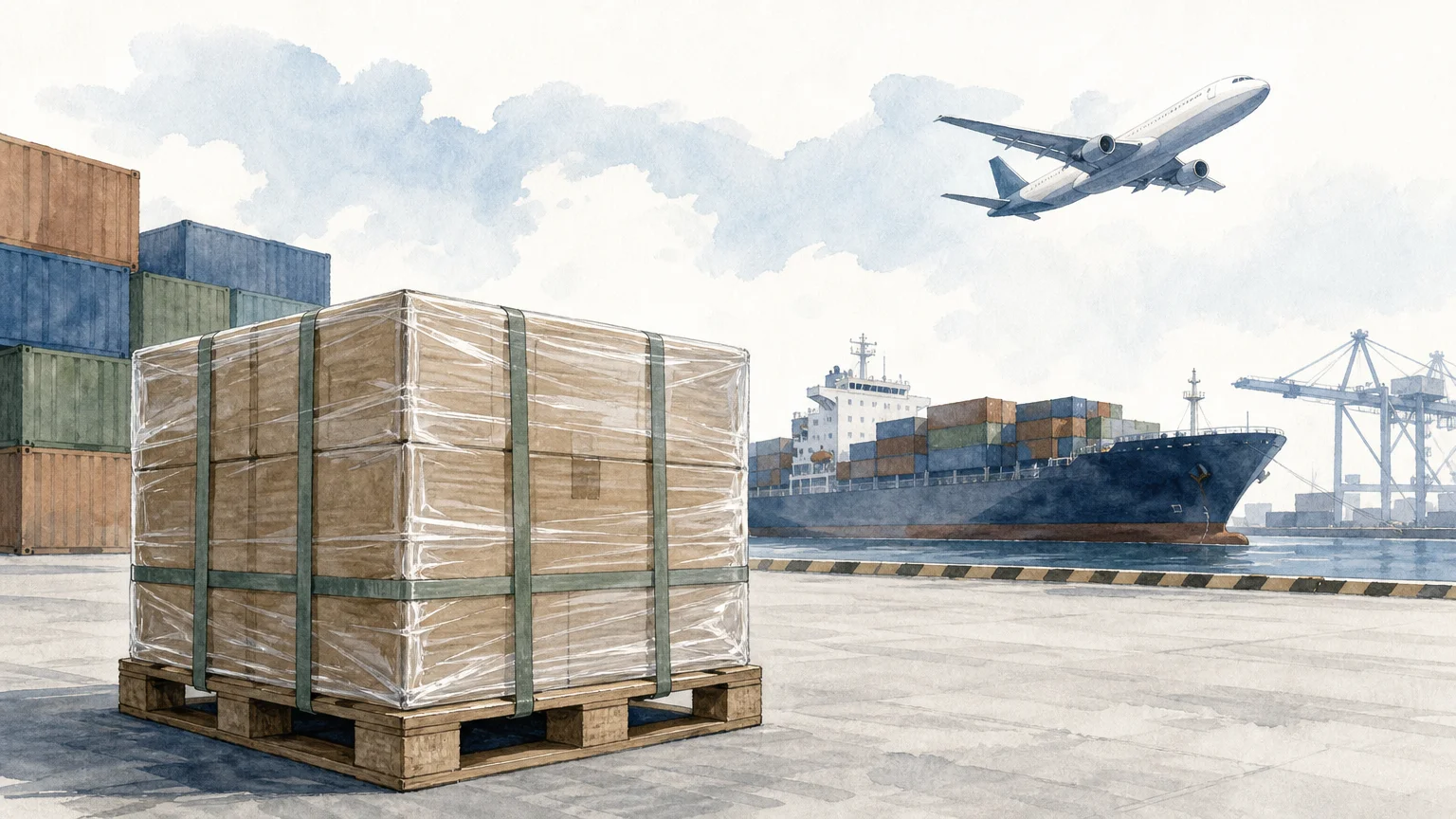
    Professional ecommerce workspace with analytics dashboard and shipping boxes for Amazon sellers

    What does this mean for you? The barrier to entry is rising, but the reward for those who clear it is higher than ever. Traffic per active seller increased 31% since 2021, and data from early 2026 suggests that roughly 1% of sellers now control nearly 50% of the marketplace volume. The path to the top requires operational excellence, not just a good product idea.

    Why FBA Remains the Dominant Fulfillment Model

    78% of sellers prefer FBA for Prime eligibility and convenience. That figure is not surprising when you consider what Prime means to buyers: fast, free shipping and a trust badge that dramatically improves conversion rates. FBA delivers 5.2 times better first-year earnings compared to merchant-fulfilled alternatives, according to recent marketplace data.

    Yet FBA is not without trade-offs. Fulfillment fees increased by an average of $0.08 per unit in 2026, and for a seller moving 10,000 units a month, that translates to nearly $1,000 off the bottom line. Inbound placement fees, the new margin concern of 2026, range from $0.13 to $2.05 per unit when you do not split shipments across multiple regions yourself. Understanding hidden Amazon FBA shipping fees before they appear on your statement is essential for protecting your margins.

    A growing number of experienced sellers are adopting a hybrid fulfillment model: FBA for fast-moving, lightweight products and merchant fulfillment (FBM) for heavier or slower items. This approach balances the Prime badge advantage with tighter cost control.

    Shipping from China: The Logistics Advantage That Separates Winners

    For the majority of US-based Amazon sellers sourcing products from Chinese manufacturers, the supply chain between the factory and the Amazon warehouse is where margins are won or lost. Choosing the right shipping method, managing customs documentation, and avoiding delays at the port of entry are non-negotiable competencies.

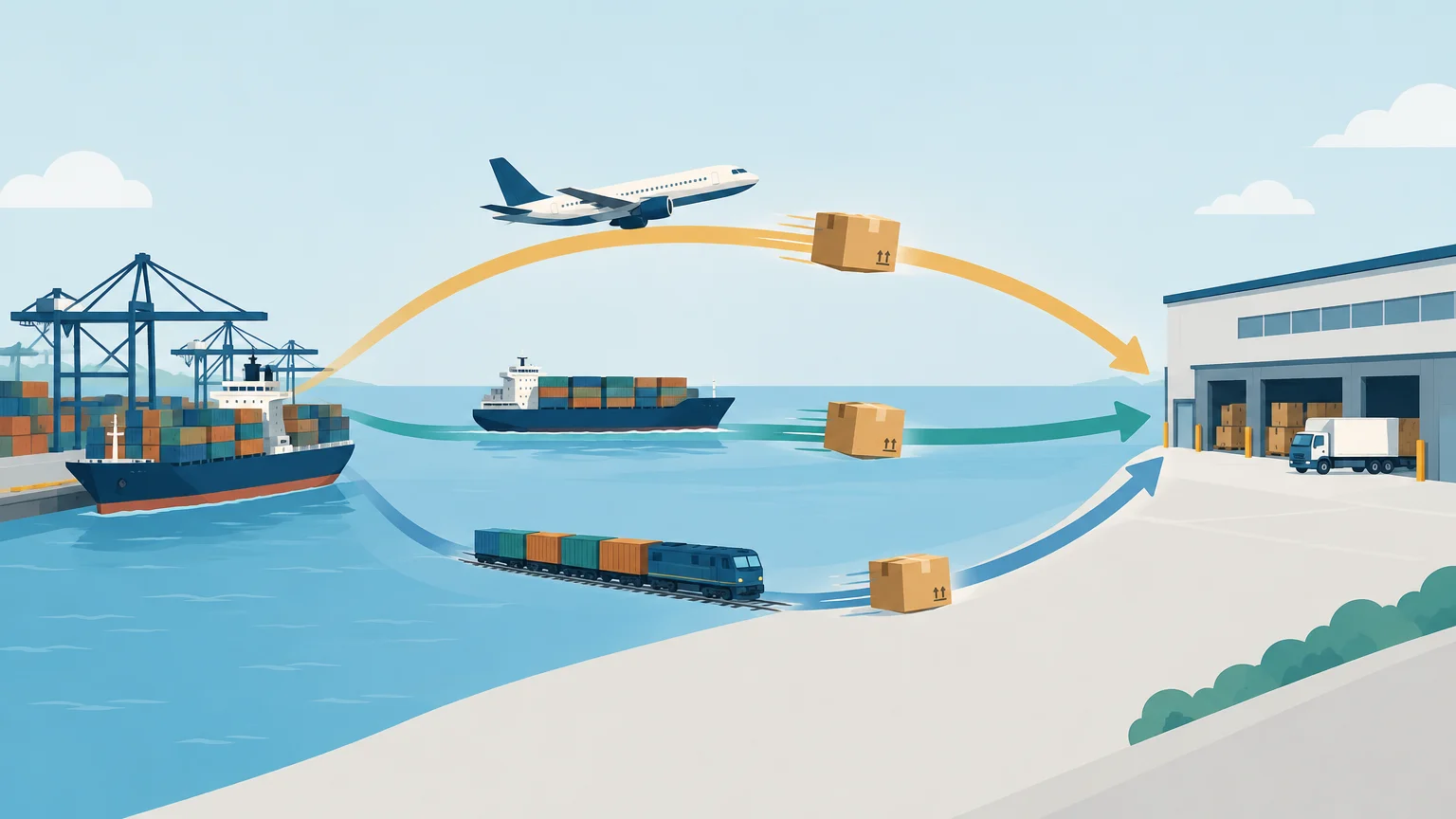
    Four primary routes connect Chinese suppliers to US fulfillment centers: air freight (typically five to nine days), express ocean (22 to 28 days), rail (20 to 25 days), and standard ocean (30 to 40 days). Each option carries distinct cost and speed profiles. Selecting the wrong one for your product velocity can erode margins or leave you out of stock during peak demand. Our complete Amazon FBA shipping checklist helps first-time private label sellers plan each shipment step by step.

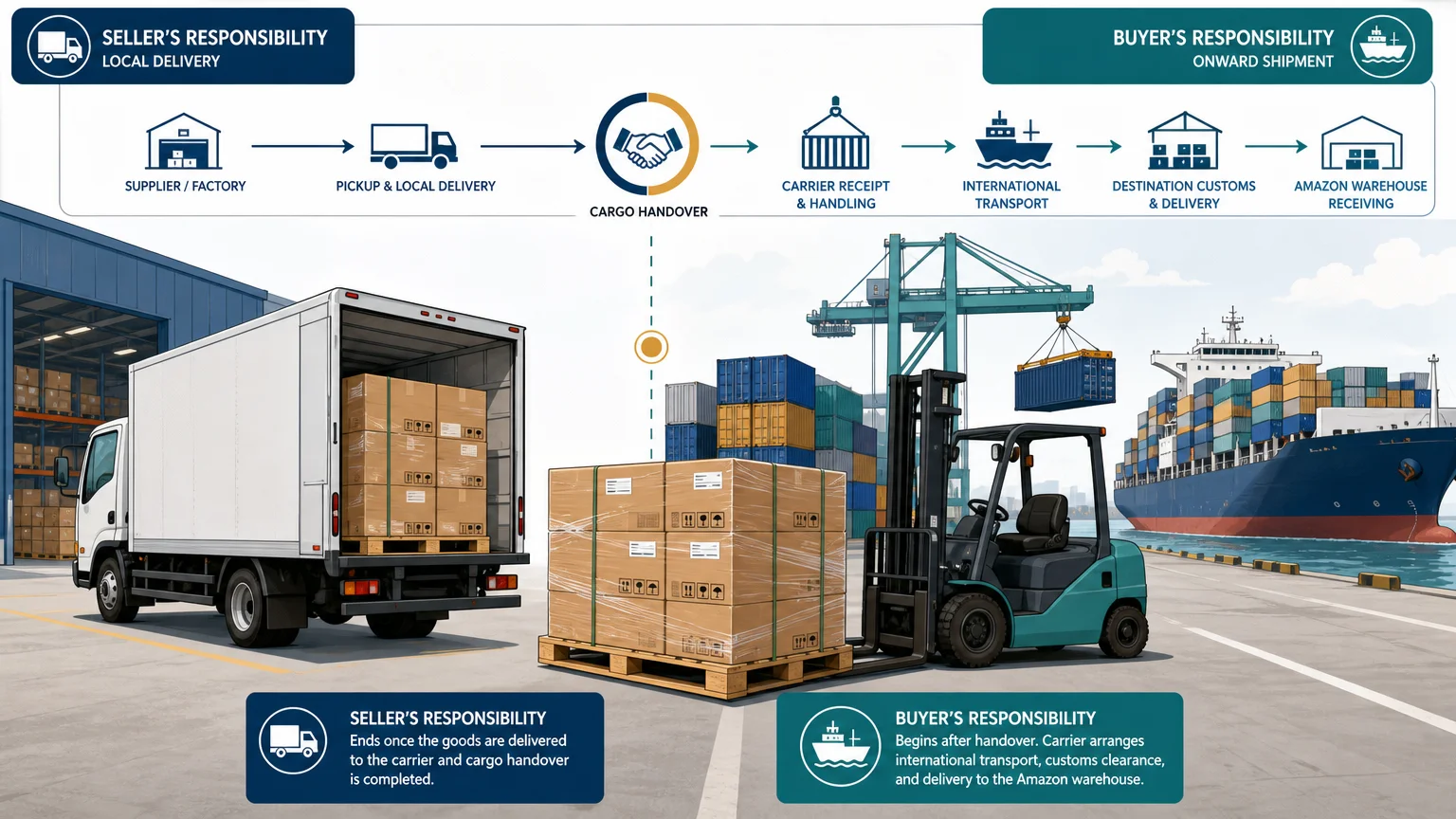
    With Amazon eliminating prep services in March 2026, sellers now need a third-party logistics partner regardless of their fulfillment model. A dedicated freight forwarder that handles pickup, international transport, DDP customs clearance, and final delivery to the Amazon warehouse removes friction from a process that would otherwise demand significant time and expertise. For sellers unfamiliar with customs clearance documents for Amazon sellers, partnering with a specialist can prevent costly delays at the border.

    Illustration of international shipping route from Asia to US Amazon fulfillment warehouse

    Understanding Amazon Fees and Protecting Your Margins

    Operating expenses now consume 88% of revenue for the average Amazon seller, according to marketplace analysis from early 2026. That number includes referral fees, FBA fulfillment charges, storage costs, advertising spend, and inbound placement fees. Maintaining profitability requires tracking every line item.

    Monthly storage fees for standard-size items sit at roughly $0.78 per cubic foot, but they jump to $2.40 during the Q4 peak season. Sellers who do not plan inventory flow around these seasonal spikes risk watching their margins evaporate. Learning about costly FBA shipping mistakes to avoid is one of the fastest ways to reclaim lost profit.

    Despite rising costs, more than 55% of small-to-mid-size Amazon businesses still report profit margins above 15%. 58% of sellers achieve profitability within 12 months, and 22% reach profitability in under three months. The sellers who hit these benchmarks share one trait: they treat cost management as a strategic discipline, not an afterthought.

    Advertising: The Cost of Visibility

    Advertising on Amazon is no longer optional; it is the cost of doing business. Amazon’s ad business grew 22% in Q4 2025, and annual ad revenue exceeded $68 billion in 2025. For sellers, this growth reflects the reality that organic visibility alone rarely drives enough sales to sustain a product launch or maintain ranking.

    Average cost-per-click is projected at $1.18 to $1.25 in 2026, with category ranges from $0.89 in fashion to $2.50 to $7.00 or more in supplements and competitive health categories. A well-managed Sponsored Products campaign can deliver strong returns, but only when paired with conversion-optimized listings. A target ACoS of 15% to 25% and a TACoS of 10% to 15% are widely considered benchmarks for profitable campaigns.

    The key takeaway: allocate advertising budget from day one. Sellers who launch without an ad strategy lose critical early momentum that is difficult to recover later.

    Building a Brand on the Marketplace

    Brand Registry is now used by over 800,000 brands in 2026. Enrollment is free, and it unlocks access to A+ Content, Sponsored Brands campaigns, and intellectual property protection tools. Brands that combine FBA with A+ Content are seeing an average 8% sales lift in 2026, demonstrating that logistics and branding work best as a unified strategy.

    For private label sellers importing from China, brand building begins before the product reaches the customer. Consistent packaging, compliant labeling, and reliable delivery timelines all contribute to the customer experience. In 2026, Amazon’s algorithm heavily weights feedback from the last 30 to 60 days over legacy review histories, which means ongoing operational quality matters more than ever.

    International Expansion and Cross-Border Opportunity

    The US marketplace generates the highest revenue per seller, but international markets offer less competition and significant growth. The UK and EU marketplaces are less saturated in many categories than the US, particularly for private label brands entering with proper localization. Amazon now operates 22 global stores, with Ireland launching in 2025.

    Around 60% of new sellers in the US make their first sale within the first year, compared with roughly 42% in Germany and 33% in the United Kingdom, according to Marketplace Pulse data analyzed by Seller Assistant. These differences highlight the importance of marketplace selection. However, for sellers already optimized in the US, expanding into Europe or Asia Pacific can diversify revenue streams and reduce dependence on a single market.

    Cross-border logistics is the operational backbone of international expansion. A freight forwarder experienced in multi-country delivery, DDP documentation, and Amazon warehouse requirements across regions simplifies what would otherwise be an overwhelming compliance burden.

    What Sets Profitable Amazon Sellers Apart

    Competition on Amazon is becoming more professional. While the number of active sellers has declined in recent years, the number of million-dollar sellers continues to rise, meaning success increasingly depends on strong product sourcing, pricing strategies, and operational efficiency. The sellers who thrive in 2026 share several characteristics.

    First, they treat their supply chain as a competitive advantage. Negotiating better freight rates, reducing lead times, and avoiding customs delays are not back-office tasks; they are margin-generating activities. Second, they invest in advertising strategically, scaling campaigns that deliver positive returns while cutting spend that does not convert. Third, they monitor fees relentlessly. Many Amazon FBA sellers in 2026 still report profit margins above 15%, and Amazon’s Perfect Order Percentage metric suggests top sellers maintain 95% or higher performance.

    Finally, the most successful sellers choose partners who understand the Amazon ecosystem from end to end. From factory pickup in Shenzhen to final delivery at a US fulfillment center, having a single point of contact for logistics removes complexity and allows you to focus on growth.

    Selling on Amazon in 2026 rewards operators who combine data-driven decisions with disciplined cost management. The marketplace is consolidating, but for prepared sellers, the opportunity per participant has never been larger. With third-party sellers generating over 60% of all paid units and over 100,000 sellers surpassing one million dollars in annual revenue, the ceiling is high for those who build the right foundation. A freight partner that manages your entire supply chain from China, including DDP customs clearance and final-mile delivery to Amazon warehouses, eliminates one of the largest operational headaches in the business. To get started, explore our complete FBA shipping checklist and request a free quote today.

    Frequently Asked Questions

    How much does it cost to start selling on Amazon in 2026?

    A Professional selling account costs $39.99 per month plus selling fees. Most sellers start with less than $5,000 in total investment, covering inventory, initial advertising, and account fees. Working with a DDP freight forwarder like our team at QG Horizon can help you budget shipping costs upfront so there are no surprises.

    Is Amazon FBA still worth it for new sellers?

    Yes. FBA remains the preferred fulfillment method for approximately 78% of sellers because it provides Prime eligibility and significantly higher first-year earnings. However, you should account for rising fulfillment and inbound placement fees when calculating your product margins.

    How long does it take to become profitable on Amazon?

    According to marketplace data, 58% of sellers achieve profitability within 12 months, and 22% reach it in under three months. Profitability timelines depend on product selection, advertising strategy, and how efficiently you manage your supply chain and shipping costs.

  • Avoiding Customs Delays That Wreck Your Amazon FBA Plans

    Avoiding Customs Delays That Wreck Your Amazon FBA Plans

    Customs delays can feel like a black hole for Amazon FBA sellers, sucking time and profits into an abyss of red tape. With inventory plans derailed and sales opportunities lost, the stakes have never been higher. Understanding customs regulations, preparing proper documentation, and selecting reliable shipping partners are critical to avoiding these costly setbacks. This post will explore actionable strategies to navigate the customs landscape, ensuring smooth clearance and uninterrupted inventory flow. By mastering these elements, sellers can safeguard their operations and maintain a competitive edge in the fast-paced e-commerce arena.

    Understanding Customs Regulations

    Understanding customs regulations is critical for Amazon FBA sellers to avoid delays. Compliance with these regulations ensures that shipments proceed smoothly through customs, minimizing the risk of unexpected holdups.

    • Key import regulations to know:
    • Tariffs and duties: Be aware of applicable tariffs and duties for your products, as these costs can significantly impact your overall pricing and profitability.
    • Import quotas: Some products may be subject to quantity restrictions. Knowing these limits helps in planning your shipments effectively.
    • Restricted items: Familiarize yourself with items that may be prohibited or restricted in the destination country to avoid costly returns or confiscations.
    • Importance of accurate classification:
    • Correct HS code usage: The Harmonized System (HS) code determines the tariff classification of goods. Using the correct HS code is essential for accurate duty calculation and compliance.
    • Duty rate implications: Misclassification can lead to incorrect duty payments, impacting your bottom line and potentially resulting in penalties.
    • Compliance with destination country regulations: Each country has specific customs regulations. Ensuring that your products meet these requirements is vital to prevent delays.

    By thoroughly understanding these regulations and the importance of accurate classification, Amazon FBA sellers can significantly reduce the risk of customs delays that disrupt inventory plans.

    Preparing Proper Documentation

    Proper documentation is vital for smooth customs clearance. Ensuring that all required documents are accurate and complete can significantly reduce the risk of delays at customs, allowing Amazon FBA sellers to maintain their inventory plans without hiccups.

    • Essential documents for customs clearance:
    • Commercial invoice: This document outlines the transaction details, including product descriptions, quantities, and values. It serves as the primary document for customs duties assessment.
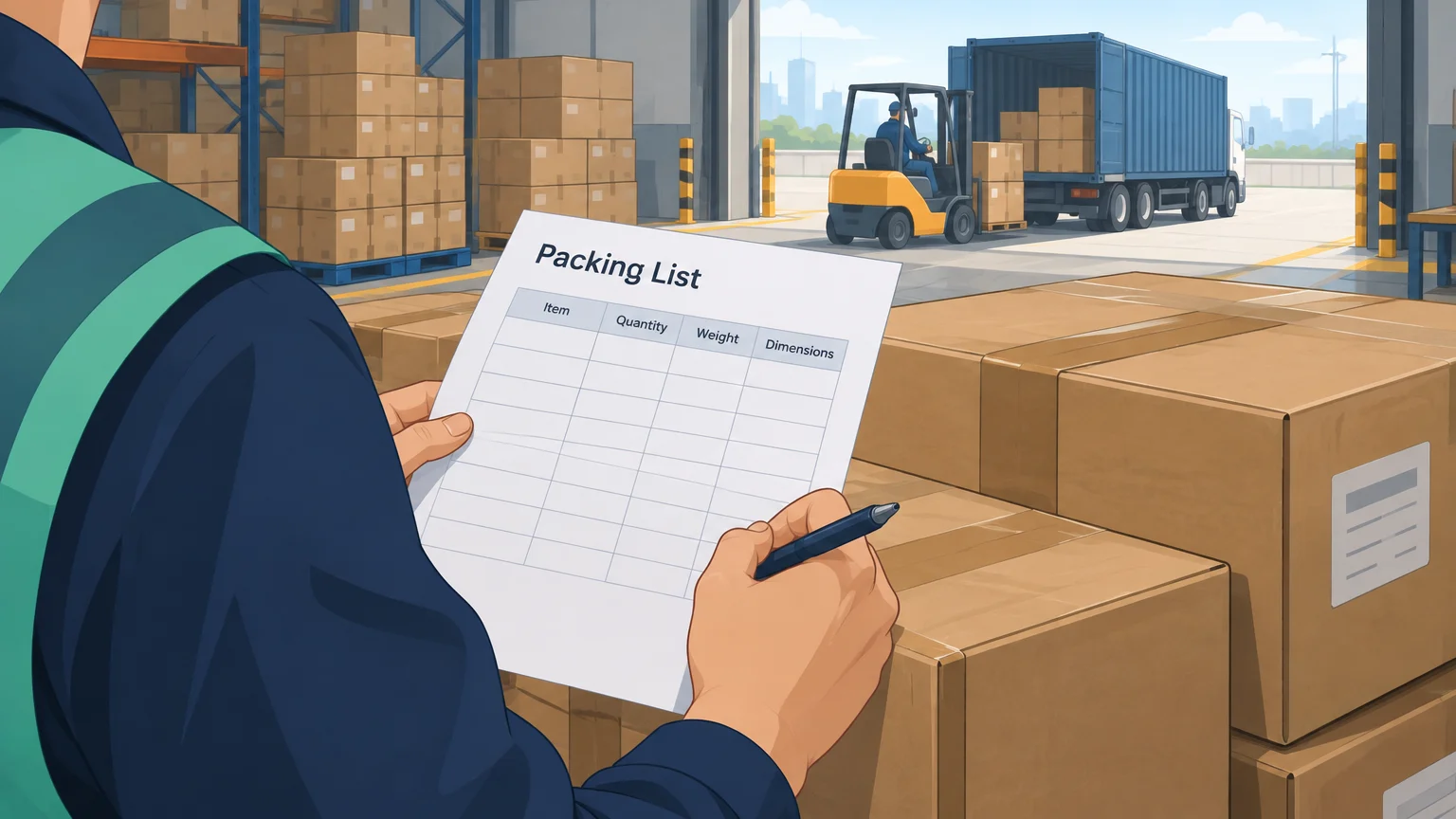
    • Packing list: A detailed packing list complements the commercial invoice, providing information on the contents of each shipment, including weight and dimensions. It helps customs officials verify the shipment against declared values.
    • Bill of lading: The bill of lading serves as a contract between the shipper and the carrier, detailing the shipment’s journey. It is crucial for tracking purposes and must be accurately completed to avoid delays.
    • Certificates of origin: Depending on the destination country, a certificate of origin may be required to prove where the goods were manufactured. This document can affect duty rates and compliance with trade agreements.
    • Common documentation mistakes to avoid:
    • Missing or incorrect information: Ensure all fields on documentation are filled out accurately. Missing or inaccurate details can lead to customs holds.
    • Improper labeling of packages: Labels should clearly state contents and match the information on the commercial invoice. Inconsistencies can trigger inspections.
    • Failure to provide required certificates: Research destination-specific requirements. Not including necessary certificates can lead to shipment rejection or delays.

    By meticulously preparing these essential documents and avoiding common mistakes, Amazon FBA sellers can streamline their customs clearance process and keep their inventory flowing smoothly.

    Avoiding Customs Delays That Wreck Your Amazon FBA Plans

    Choosing Reliable Shipping Partners

    Selecting reliable shipping partners is crucial in preventing customs delays that can wreck Amazon FBA inventory plans. A well-chosen carrier or freight forwarder can streamline the shipping process and ensure compliance with customs requirements.

    • Factors to consider when selecting a carrier:
    • Shipping experience with Amazon FBA: Choose carriers familiar with Amazon’s requirements and processes. Their experience can expedite customs clearance and minimize potential issues.
    • Reputation and reliability: Research the carrier’s track record. Look for reviews and testimonials from other sellers to assess their reliability and performance in handling international shipments.
    • Customer service quality: Evaluate the responsiveness and support offered by the carrier. Effective communication can help resolve issues quickly, especially during customs clearance.
    • The role of freight forwarders:
    • Expertise in customs regulations: Freight forwarders possess in-depth knowledge of customs regulations and can guide sellers through compliance requirements, helping to avoid delays.
    • Coordination of logistics: They manage the entire shipping process, from pickup at the factory to delivery at Amazon fulfillment centers, ensuring all logistics are efficiently handled.
    • Risk management strategies: Freight forwarders can identify potential risks and implement strategies to mitigate them, such as offering cargo insurance and alternative routing solutions during peak seasons or port congestion.

    Common Customs Delays and How to Avoid Them

    Amazon FBA sellers frequently encounter customs delays that can significantly disrupt inventory management. Understanding these common delays and the proactive strategies to mitigate them is essential for maintaining smooth operations.

    • Common customs delays:
    • Incomplete documentation: Missing or inaccurate documents can lead to customs holds, delaying shipments. Sellers must ensure that all necessary paperwork is complete and accurate prior to shipment.
    • Incorrect HS classification: Misclassification of goods can result in incorrect duty assessments and potential penalties. It’s critical to use the correct Harmonized System (HS) codes to avoid these complications.
    • Random inspections: Customs authorities may randomly inspect shipments, which can cause unexpected delays. While this is often out of the seller’s control, being prepared can help minimize the impact.
    • Proactive strategies for smooth clearance:
    • Pre-clearance options: Some countries allow for pre-clearance of goods, enabling customs clearance before the shipment arrives. This can significantly reduce wait times at the port.
    • Regular communication with customs authorities: Maintaining open lines of communication with customs officials can help sellers stay informed about any issues or requirements that may arise during the clearance process.
    • Utilizing customs brokers for compliance: Partnering with a reputable customs broker can streamline the clearance process. Brokers possess expertise in customs regulations and can help ensure all documentation is accurate and compliant.

    Case Studies

    • Example 1: Delay due to incorrect documentation

    A seller shipped a batch of electronics but failed to include the necessary CE marking documentation. As a result, the shipment was held for inspection, causing a delay of several weeks. The seller learned the importance of double-checking all documentation and now employs a checklist to ensure compliance.

    • Example 2: Successful clearance with pre-clearance strategy

    Another seller utilized pre-clearance services for a shipment of health supplements destined for Europe. By completing the clearance process before arrival, the seller avoided port congestion and received the goods at the Amazon warehouse on schedule, demonstrating the effectiveness of proactive planning in customs management.

    Avoiding Customs Delays That Wreck Your Amazon FBA Plans

    Resources for Further Assistance

    Amazon FBA sellers can utilize various resources to navigate customs processes effectively and avoid delays that can disrupt inventory plans. These resources range from professional services to online tools that enhance understanding and compliance.

    • Customs support services:
    • Professional customs brokers: Engaging a customs broker can help ensure that all documentation is accurate and compliant with regulations, reducing the risk of delays during clearance.
    • Online consultation services: Many organizations offer online consultations with customs experts to provide tailored advice on specific shipping and compliance issues.
    • Online tools and platforms:
    • Customs clearance tracking systems: These systems allow sellers to monitor the status of their shipments in real-time, providing visibility into the customs process and alerting them to any potential issues.
    • Duty calculators: Utilizing duty calculators can help sellers estimate potential customs duties and tariffs for their products, allowing for better budgeting and pricing strategies.
    • Import regulations databases: Accessing comprehensive databases that outline customs regulations for various countries assists sellers in ensuring compliance and understanding any restrictions.
    • Additional Resources:
    • Government websites for customs regulations: Official government websites provide detailed information on import/export regulations, helping sellers stay updated on any changes.
    • Industry associations and forums for seller support: Participating in forums and industry associations allows sellers to share experiences, ask questions, and gain insights from fellow Amazon FBA sellers facing similar challenges.

    Final Words

    Final Words

    Understanding customs regulations, preparing proper documentation, and choosing reliable shipping partners are critical for Amazon FBA sellers. Each section outlined the importance of accurate classification, essential documents, and factors influencing carrier selection.

    By recognizing common customs delays and employing proactive strategies, sellers can enhance their import processes. Utilizing available resources, including customs support services and online tools, further empowers sellers to navigate complexities with confidence.

    Avoiding customs delays that wreck your Amazon FBA inventory plans is achievable with the right knowledge and preparation. Embracing these practices will lead to a more efficient and successful shipping experience.

    FAQ

    Q: What are key import regulations for Amazon FBA sellers?

    A: Amazon FBA sellers should understand tariffs and duties, import quotas, and restricted items to ensure compliance with customs regulations.

    Q: Why is accurate classification of goods important?

    A: Accurate classification prevents customs issues by ensuring correct HS code use, appropriate duty rates, and compliance with destination country regulations.

    Q: What essential documents are required for customs clearance?

    A: Required documents include the commercial invoice, packing list, bill of lading, and certificates of origin to facilitate smooth customs clearance.

    Q: What common documentation mistakes should sellers avoid?

    A: Sellers should avoid missing or incorrect information, improper labeling, and failure to provide necessary certificates to prevent customs delays.

    Q: What factors should be considered when selecting a shipping carrier?

    A: Key factors include the carrier’s experience with Amazon FBA, their reputation, reliability, and the quality of customer service they provide.

    Q: What role do freight forwarders play in the shipping process?

    A: Freight forwarders provide expertise in customs regulations, coordinate logistics, and implement risk management strategies to streamline shipping.

    Q: What are common customs delays faced by Amazon FBA sellers?

    A: Common delays arise from incomplete documentation, incorrect HS classification, and random inspections, impacting shipping timelines.

    Q: What proactive strategies can sellers use to avoid customs delays?

    A: Sellers can utilize pre-clearance options, maintain regular communication with customs authorities, and employ customs brokers for compliance assistance.

    Q: What resources are available for customs support?

    A: Resources include professional customs brokers, online consultation services, tracking systems, duty calculators, and import regulations databases for seller assistance.

  • Customs Bond for Amazon FBA: Essential for Success

    Customs Bond for Amazon FBA: Essential for Success

    Navigating the complexities of international shipping can feel like walking a tightrope for Amazon FBA sellers. One misstep—like neglecting a customs bond—could send your profits tumbling. A customs bond isn’t just a bureaucratic hurdle; it’s a crucial safeguard that ensures compliance with U.S. regulations and protects your business from costly penalties. This post will unravel the essential role of customs bonds in your Amazon FBA venture, clarifying when they’re required and how they can shield you from unforeseen challenges. Understanding this can be the difference between smooth sailing and a stormy import process.

    Customs Bond for Amazon FBA: Essential for Success

    A customs bond is a contract mandated by U.S. Customs and Border Protection (CBP) that ensures compliance with customs regulations when importing goods into the United States. This bond serves as a guarantee that all duties, taxes, and penalties accrued during the importation process will be paid.

    There are two primary types of customs bonds relevant to Amazon FBA sellers:

    • Single-Entry Bond: This type covers one specific shipment and is ideal for sellers making infrequent imports. It is typically used for one-time shipments valued at over $2,500.
    • Continuous Bond: This bond is beneficial for sellers who frequently import goods, as it covers all shipments over the course of a year. It streamlines the import process and eliminates the need for multiple bonds for each entry.

    Understanding the nuances of customs bonds is crucial for Amazon FBA sellers, as failing to secure the necessary bond can lead to significant delays, penalties, and compliance issues. It’s essential to choose the right type of customs bond based on individual shipping needs and frequency to ensure smooth operations and avoid disruptions in the supply chain.

    Importance of Customs Bonds for Amazon FBA

    Customs bonds are essential for Amazon FBA sellers to ensure compliance with U.S. Customs regulations. Without a proper customs bond, sellers risk facing significant obstacles, including shipment delays, increased scrutiny from customs, and potential legal penalties.

    Key reasons why customs bonds are crucial include:

    • Regulatory Compliance: A customs bond guarantees that all duties, taxes, and potential penalties will be paid, thus ensuring adherence to U.S. import regulations.
    • Avoiding Shipment Delays: Without a customs bond, shipments may be held at customs, causing delays that can impact inventory levels and sales performance on Amazon.
    • Protection Against Legal Issues: Customs bonds provide a layer of protection against legal repercussions that could arise from non-compliance or failure to pay necessary tariffs.
    • Facilitating Smooth Importation: Having a customs bond streamlines the import process, allowing for faster clearance and reduced risk of customs audits.
    • Building Credibility: Maintaining compliance with customs regulations enhances a seller’s reputation, making them more appealing to logistics partners and potential customers.

    The risks of not having a customs bond include:

    • Legal penalties and fines for non-compliance
    • Increased likelihood of customs inspections
    • Financial losses due to shipment delays
    • Difficulty in re-establishing a solid operational reputation

    In summary, customs bonds are not just a regulatory requirement; they are a fundamental aspect of running a successful Amazon FBA business. Ensuring compliance through a customs bond protects sellers from various risks while facilitating smoother operations and enhancing overall business credibility.

    Customs Bond for Amazon FBA: Essential for Success

    When is a Customs Bond Required?

    A customs bond is a necessary requirement for Amazon FBA sellers under specific conditions.

    • Value of Goods: A customs bond is mandated when importing goods valued over $2,500. This threshold applies to the total value of the shipment, including all associated costs like shipping and insurance.
    • Repeated Shipments: For sellers who import goods frequently, a continuous customs bond may be more practical. This type of bond covers all shipments over a one-year period, streamlining the import process and reducing the need for multiple single-entry bonds.
    • High-Risk Products: Certain categories of products, such as those subject to anti-dumping duties or special tariffs, may require a customs bond regardless of their value. Sellers dealing with high-risk items must be particularly diligent in ensuring compliance.
    • Customs Broker Recommendations: Often, customs brokers will advise sellers on the necessity of a customs bond based on the nature of their products and shipping frequency. Following their guidance can help sellers avoid compliance issues.
    • Special Circumstances: Other scenarios, such as shipping to multiple Amazon fulfillment centers or when importing products that may raise concerns with U.S. Customs, may also necessitate a customs bond.

    In summary, Amazon FBA sellers need to secure a customs bond when importing goods above the $2,500 threshold, for regular shipments, or when dealing with high-risk products. Understanding these requirements is crucial for successful compliance and efficient operations.

    How to Obtain a Customs Bond

    Acquiring a customs bond is a critical step for Amazon FBA sellers to ensure compliance with U.S. customs regulations. Here is a step-by-step guide on how to obtain a customs bond:

    1. Determine the Type of Bond Needed:
    • Single-Entry Bond: Ideal for infrequent importers covering one specific shipment.
    • Continuous Bond: Suitable for frequent importers, covering all shipments over a year.
    1. Gather Required Documentation:

    Sellers will need to prepare specific documentation, which may include:

    • Business identification information (EIN or SSN)
    • Importer Security Filing (ISF)
    • Commercial invoices
    • Purchase orders
    1. Select a Customs Broker:

    Partnering with a licensed customs broker can streamline the process. Brokers help in:

    • Understanding bond types and requirements
    • Managing paperwork and compliance issues
    1. Complete the Application:

    The customs broker will assist in filling out the bond application, which typically includes:

    • Information about the importer
    • Type of bond selected
    • Estimated value of the goods being imported
    1. Payment of Fees:

    Fees for customs bonds vary based on the type and provider. Average costs are:

    • Single-Entry Bond: $100 to $300 per shipment
    • Continuous Bond: $300 to $500 annually
    1. Receive the Customs Bond:

    Once the application is approved and fees are paid, the customs broker will issue the customs bond. This bond must be kept on file for compliance checks.

    1. Renewal Process:

    Continuous bonds require annual renewal. Sellers should keep track of renewal dates to avoid lapses in compliance.

    By following these steps, Amazon FBA sellers can efficiently obtain a customs bond, ensuring smooth operations and compliance with U.S. customs regulations.

    Customs Bond for Amazon FBA: Essential for Success

    Costs of Customs Bonds

    The costs associated with obtaining a customs bond for Amazon FBA can vary significantly based on several factors. On average, customs bonds typically range from $300 to $500 annually.

    Key factors influencing the cost of customs bonds include:

    • Bond Type:
    • Single-Entry Bond: Generally more expensive per shipment, suitable for infrequent importers.
    • Continuous Bond: More cost-effective for frequent importers, covering multiple shipments throughout the year.
    • Shipment Frequency:
    • Sellers with higher shipping volumes may benefit from lower per-shipment costs due to the continuous bond option.
    • Risk Assessment:
    • Higher-risk shipments may incur additional fees, impacting the overall cost of the bond.
    • Broker Fees:
    • Working with customs brokers to obtain a bond may involve additional service fees, increasing the overall cost.
    • Insurance Considerations:
    • Some sellers opt for additional insurance coverage, which can also contribute to total costs.

    Here’s a simple breakdown of potential costs associated with customs bonds:

    Bond Type Average Annual Cost Notes
    Single-Entry Bond $300 – $500 Costs apply per shipment; ideal for occasional importers
    Continuous Bond $400 – $600 Covers all shipments for a year; better for frequent importers

    Understanding these costs is crucial for Amazon FBA sellers to budget effectively and ensure compliance with customs regulations.

    Consequences of Not Having a Customs Bond

    Failure to secure a customs bond can have serious repercussions for Amazon FBA sellers, impacting their ability to import goods efficiently and legally. The following consequences highlight the importance of obtaining a customs bond:

    • Legal Penalties: Without a customs bond, sellers may face fines and sanctions imposed by U.S. Customs and Border Protection (CBP) for non-compliance with import regulations. These penalties can escalate quickly, leading to substantial financial burdens that affect overall profitability.
    • Shipment Delays: Customs bonds facilitate the smooth clearance of goods through customs. Without one, shipments are likely to be held for inspection or clearance, resulting in delays that can disrupt inventory levels and negatively impact sales on Amazon. Delayed shipments can lead to stockouts, hurting seller ratings and customer trust.
    • Increased Scrutiny: Sellers without a customs bond may attract more attention from customs authorities. This heightened scrutiny can lead to further inspections, which prolongs the import process and adds additional costs and complications.
    • Additional Fees: Not having a customs bond can lead to unforeseen expenses, including storage fees for goods held at customs and potential re-inspection fees. These costs can quickly accumulate, undermining profit margins.
    • Operational Disruptions: Consistent issues with customs due to the absence of a bond can create instability in the supply chain. Operational disruptions can hinder a seller’s ability to fulfill orders promptly, impacting customer satisfaction and overall business reputation.

    In conclusion, the implications of not having a customs bond are significant and can threaten the viability of an Amazon FBA business. By securing a customs bond, sellers can mitigate risks, ensure compliance, and maintain smooth operations.

    Customs Bond for Amazon FBA: Essential for Success

    FAQs about Customs Bonds for Amazon FBA

    Common questions arise regarding customs bonds and their relevance for Amazon FBA sellers. Understanding these FAQs can clarify the necessity and management of customs bonds.

    • Do foreign sellers need a customs bond?

    Yes, foreign sellers importing goods into the U.S. must secure a customs bond if their shipments exceed $2,500 in value. This bond ensures compliance with U.S. customs regulations.

    • How do I manage customs bond renewals?

    Continuous customs bonds typically require annual renewal. Sellers should track expiration dates and renew the bond in advance to avoid disruptions in their import processes.

    • What happens if I don’t have a customs bond?

    Without a customs bond, shipments may be held up at customs, leading to delays, fines, and potential legal issues. It is critical for sellers to obtain the necessary bond to ensure smooth importation.

    • Can I change my customs bond type?

    Yes, sellers can switch between single-entry and continuous bonds based on their import frequency. Consulting with a customs broker can help determine the best option for specific needs.

    • What are some tips for avoiding customs bond issues?
    • Ensure accurate documentation and compliance with regulations.
    • Maintain open communication with customs brokers to address any concerns.
    • Keep records of all transactions and bond-related paperwork for reference.

    By addressing these common inquiries, Amazon FBA sellers can better navigate the complexities of customs bonds, ensuring compliance and facilitating smoother shipping operations.

    Final Words

    Final Words

    Understanding customs bonds is essential for Amazon FBA sellers to ensure compliance with U.S. regulations. These bonds function as a guarantee for customs duties and can prevent shipment delays and penalties. It’s crucial to know when a customs bond is required, typically for imports over $2,500.

    Acquiring a customs bond involves selecting the appropriate type and collaborating with a customs broker, with annual costs ranging from $300 to $500. Failing to secure a customs bond can lead to significant operational setbacks.

    Navigating customs bonds effectively can streamline the import process and enhance business success. Recognizing the importance of a customs bond for Amazon FBA can lead to a smoother shipping experience.

    FAQ

    Q: What is a customs bond?

    A: A customs bond is a contract with U.S. Customs and Border Protection that ensures compliance with customs regulations during importation.

    Q: Why are customs bonds important for Amazon FBA sellers?

    A: Customs bonds are essential for compliance with U.S. Customs regulations, helping Amazon FBA sellers avoid shipment delays and penalties.

    Q: When is a customs bond required for Amazon FBA?

    A: A customs bond is required for importing goods valued over $2,500 or in cases of repeated shipments and high-risk products.

    Q: How can an Amazon FBA seller obtain a customs bond?

    A: To obtain a customs bond, sellers must choose the bond type, work with a customs broker, and provide required documentation and fees.

    Q: What are the costs associated with customs bonds?

    A: Customs bonds typically cost between $300 and $500 annually, influenced by bond type and shipment frequency.

    Q: What are the consequences of not having a customs bond?

    A: Not securing a customs bond can result in legal penalties, shipment delays, and additional fees, negatively affecting business operations.

    Q: What common FAQs exist about customs bonds for Amazon FBA?

    A: Common FAQs include the necessity of customs bonds for foreign sellers, bond renewal management, and tips for avoiding bond-related issues.

  • How Import Duties Work for Amazon FBA Sellers Shipping from China

    How Import Duties Work for Amazon FBA Sellers Shipping from China

    Navigating the complexities of import duties can feel like walking a tightrope for Amazon FBA sellers shipping from China. With varying tax rates and strict compliance requirements, understanding these duties is not just a formality; it’s a necessity that can make or break a seller’s profitability. Import duties are taxes imposed on goods entering a country, and their impact on shipping costs is significant. This post aims to demystify import duties, outlining their definitions, importance, and calculation methods, equipping sellers with the knowledge to optimize their logistics and pricing strategies effectively.

    Understanding Import Duties

    • Definition of Import Duties
    • Import duties are taxes levied on goods coming into a country.
    • They are calculated based on the total value of the shipment.
    • Different products have different duty rates, determined by classification under the Harmonized System (HS) code.
    • Importance for Amazon FBA Sellers
    • Crucial for cost management in pricing strategies, as higher duties can significantly increase the cost of goods sold.
    • Affect profitability and competitive pricing on Amazon; sellers must incorporate these duties into their pricing models to maintain margins.
    • Non-compliance can lead to delays in customs clearance, fines, and potentially the seizure of goods, which can disrupt inventory flow and sales.

    Product Type Typical Duty Rate
    Electronics 0-10%
    Clothing 10-30%
    Toys 0-15%
    Household Goods 5-20%

    How Import Duties are Calculated

    • Determining the Value of Goods
    • The total value of goods includes the invoice value, shipping costs, and insurance.
    • Accurate classification using HS codes is crucial for determining the correct duty rate and ensuring compliance with customs regulations.
    • Duty Rates and Tariffs
    • Duty rates vary significantly by product category and are established by the destination country’s customs authority.
    • Sellers should refer to the tariff schedules provided on official customs websites to determine applicable rates for their specific products.
    • Additional Fees to Consider
    • Sellers should also account for handling fees, VAT, and any other associated customs charges that may arise during importation.
    • Understanding these additional fees helps in accurately forecasting total shipping costs and avoiding unexpected expenses.

    Fee Type Description Typical Amount
    Handling Fee Charge by customs for processing the shipment. $50 – $200
    VAT Value-added tax imposed on imported goods. 0% – 25% depending on the country
    Customs Bond Fee Fee for securing the customs bond required for imports. $100 – $500
    Brokerage Fee Fee charged by customs brokers for handling customs clearance. $100 – $300
    How Import Duties Work for Amazon FBA Sellers Shipping from China

    Steps to Calculate Import Duties for Your Shipments

    • Step-by-Step Calculation Guide
    1. Identify the Total Value of Your Shipment
    • This includes the purchase price of the goods, shipping costs, and any insurance fees associated with the shipment.
    1. Determine the Applicable Duty Rate Based on the HS Code
    • Use the Harmonized System (HS) code to classify your product accurately.
    • Refer to the relevant customs tariff schedule to find the corresponding duty rate.
    1. Calculate VAT or Other Additional Fees, If Applicable
    • Depending on the destination country, you may need to calculate VAT or additional customs fees.
    • Check local regulations for any specific fees that may apply.
    1. Sum These Values for the Total Import Duty Cost
    • Add the calculated duty and any additional fees to determine the total import duty cost for your shipment.
    • Useful Tools and Calculators
    • Online duty calculators can simplify the process of calculating import duties.
    • Recommended software tools designed for Amazon sellers can help track and calculate import duties efficiently.
    • When using these tools, ensure you have accurate product information and HS codes to get reliable estimates.

    Tool Type Description

    Online Duty Calculator Web-based tools that calculate import duties based on product value and HS code.
    Customs Brokerage Software Platforms that assist with customs documentation and duty calculations.
    Inventory Management Tools Software that integrates with Amazon to provide duty estimates and track costs.

    Compliance and Regulations

    • Required Documentation for Customs
    • Commercial Invoice: A detailed document that includes the seller’s and buyer’s information, product descriptions, quantities, and pricing.
    • Packing List: Outlines the contents of each package, including weights and dimensions, to facilitate customs inspection.
    • Bill of Lading: A legal document between the shipper and carrier detailing the type, quantity, and destination of the goods being carried.
    • Importance of Accurate HS Code Classification: HS codes are crucial for determining the applicable duty rates. Accurate classification ensures compliance and avoids delays due to incorrect duty assessments.
    • Tips for Ensuring Compliance
    • Verify Product Compliance with Local Regulations: Ensure that the products meet safety and regulatory standards of the destination country, such as CE marking or FDA approval.
    • Maintain Accurate Records of Shipments and Duties Paid: Keep organized records of all customs documents, invoices, and payment receipts to streamline the customs process and resolve any disputes.
    • Engage Customs Brokerage Services for Complex Shipments: Utilize customs brokers to navigate intricate regulations, especially for high-value or restricted items, which can simplify the clearance process and reduce the risk of penalties.
    • Checklist of Compliance Steps for Sellers
    • Documentation: Ensure all necessary documents are prepared and accurate.
    • Product Compliance: Verify that products adhere to local laws and regulations.
    • Record Keeping: Maintain thorough records of all transactions and communications with customs.
    • Brokerage Services: Consider hiring a customs broker for assistance with complex shipments.

    Document Type Description
    Commercial Invoice Details seller and buyer information, product details, and pricing.
    Packing List Outlines the contents and specifics of each shipment package.
    Bill of Lading Legal document confirming the carriage of goods and their destination.
    How Import Duties Work for Amazon FBA Sellers Shipping from China

    Impact on Pricing and Profit Margins

    • Adjusting Your Pricing Strategy
    • Amazon FBA sellers should incorporate import duties into their overall pricing model to avoid eroding profit margins.
    • Conduct a competitive pricing analysis to ensure that prices remain attractive while still covering the added costs associated with duties. This can involve adjusting the base price or exploring alternative sourcing strategies to mitigate duty impacts.
    • Case Studies of Duty Impact on Products
    • For example, electronics often carry a duty rate between 0-10%. If a seller imports a smartphone valued at $300 with a 5% duty, the total cost before shipping would be $315. This adjustment must be reflected in the selling price to maintain profitability.
    • In contrast, clothing items, which can have duty rates of 10-30%, significantly affect the final pricing. A $50 shirt with a 25% duty would cost $62.50 before shipping, necessitating careful consideration in setting the retail price to ensure sales viability.

    Product Category Duty Rate Price Impact
    Electronics 0-10% Increases total cost by $15 (for a $300 item at 5% duty)
    Clothing 10-30% Increases total cost by $12.50 (for a $50 item at 25% duty)
    Toys 0-15% Increases total cost by $7.50 (for a $50 item at 15% duty)
    Household Goods 5-20% Increases total cost by $10 (for a $50 item at 20% duty)
    • Understanding the impact of import duties on product pricing is essential for Amazon FBA sellers. By strategically adjusting prices and accounting for these costs, sellers can ensure they remain competitive while protecting their profit margins.

    Resources for Amazon FBA Sellers

    • Links to Official Customs Websites
    • U.S. Customs and Border Protection (CBP)
    • European Commission Taxation and Customs Union
    • Canada Border Services Agency (CBSA)
    • Customs authorities of key importing countries should be regularly consulted for updates on tariff changes and import regulations.
    • Recommended Tools for Managing Duties
    • Duty Calculation Software: Tools like SimplyDuty or DutyCalculator can help sellers accurately estimate import duties based on product classification and country of origin.
    • Community Forums: Amazon Seller Central forums and Reddit groups are useful for sharing experiences and strategies regarding import duties.
    • Educational Resources: E-books and webinars focused on international shipping and compliance provide in-depth knowledge about import duties and best practices for managing them.
    • Summary of Key Resources
    • Customs Websites: Ensure compliance and stay informed on regulations.
    • Duty Calculators: Tools to estimate duties ahead of shipping.
    • Seller Community Forums: Platforms for advice and shared experiences.
    • Educational Materials: Resources for continuous learning about import duties and customs regulations.

    Resource Type Description
    Customs Websites Official sites for regulations and updates on tariffs.
    Duty Calculators Tools for estimating import duties based on product specifics.
    Seller Community Forums Online platforms for collaboration and advice among sellers.
    Educational Materials Webinars and e-books providing insights into import duties and logistics.
    How Import Duties Work for Amazon FBA Sellers Shipping from China

    Final Words

    Final Words

    Understanding import duties is essential for Amazon FBA sellers shipping from China. The process involves calculating duties, knowing compliance regulations, and adjusting pricing strategies to maintain profitability.

    Import duties directly impact shipping costs, making it crucial to grasp their implications. By following a structured approach to calculate these duties, sellers can avoid delays and penalties.

    Utilizing resources such as customs websites and duty calculators will enhance confidence in managing international shipments. Mastering how import duties work for Amazon FBA sellers shipping from China ultimately leads to a smoother logistics experience and greater business success.

    FAQ

    Q: What are import duties?

    A: Import duties are taxes imposed on goods entering a country, calculated based on the total shipment value, varying by product type and origin.

    Q: Why are import duties important for Amazon FBA sellers?

    A: Import duties are crucial for cost management, affecting pricing strategies, profitability, and compliance. Non-compliance can lead to delays and fines.

    Q: How are import duties calculated?

    A: Duties are calculated based on the value of goods, specific duty rates, and additional fees such as VAT and handling charges.

    Q: What factors determine the value of goods for duty calculation?

    A: The value includes the invoice price, shipping costs, and insurance, requiring accurate HS codes for proper classification.

    Q: What additional fees should sellers consider when calculating import duties?

    A: Sellers should account for handling fees, VAT, and other customs charges, often summarized in a table for clarity.

    Q: What are the steps to calculate import duties for shipments?

    A: Steps include identifying shipment value, determining applicable duty rates, calculating VAT, and summing these for total duty costs.

    Q: What tools can assist in calculating import duties?

    A: Online duty calculators and software tools are available to track import duties, enhancing accuracy and simplifying the calculation process.

    Q: What documentation is required for customs clearance?

    A: Essential documents include the commercial invoice, packing list, and bill of lading, with accurate HS code classification being vital.

    Q: How can sellers ensure compliance with customs regulations?

    A: Sellers should verify product compliance, maintain accurate records, and engage customs brokerage services for complex shipments.

    Q: How do import duties impact pricing strategies for Amazon sellers?

    A: Sellers should incorporate duties into pricing models, conducting competitive analysis to ensure pricing remains attractive while covering costs.

    Q: What resources are available for Amazon FBA sellers regarding import duties?

    A: Resources include official customs websites, duty calculators, community forums, and educational materials to help manage import duties effectively.

  • DDP vs DDU for Amazon FBA: Save Money and Stress

    DDP vs DDU for Amazon FBA: Save Money and Stress

    Navigating the shipping landscape can feel like walking a tightrope—choose the wrong method, and it could cost you time and money. For Amazon FBA sellers, understanding the differences between Delivered Duty Paid (DDP) and Delivered Duty Unpaid (DDU) is crucial. While DDP promises a hassle-free experience with all duties included, DDU lures sellers in with its seemingly lower upfront costs. This blog post will dissect these two shipping methods, revealing which one offers genuine savings and less stress, empowering sellers to make informed decisions in their import logistics.

    Understanding DDP and DDU

    DDP (Delivered Duty Paid) and DDU (Delivered Duty Unpaid) are two crucial shipping methods for Amazon FBA sellers, each with distinct implications for cost and logistics.

    • DDP: This method includes all duties and taxes in the shipping cost, meaning that sellers pay upfront for customs duties. The responsibility for customs clearance lies with the seller, ensuring a smoother delivery process without unexpected fees upon arrival. This simplifies logistics, especially for sellers unfamiliar with international shipping regulations.
    • DDU: In contrast, DDU leaves customs duties unpaid until the shipment arrives at the destination. This method may appeal to sellers looking to minimize initial shipping costs. However, it can lead to complications such as unexpected fees or delays during customs clearance, as the buyer is responsible for settling duties and taxes.

    Key Differences:

    | Feature | DDP | DDU |

    |—————————-|——————————–|——————————–|

    | Duties and Taxes | Paid upfront | Paid upon delivery |

    | Customs Clearance | Seller handles | Buyer handles |

    | Risk of Unexpected Fees | Minimal | Significant |

    | Complexity for Sellers | Lower | Higher |

    | Ideal for | New sellers or those seeking simplicity | Cost-conscious sellers familiar with customs |

    Understanding these differences allows Amazon FBA sellers to make informed decisions based on their logistical capabilities and financial considerations. DDP generally offers a less stressful experience by eliminating uncertainties, while DDU may require more involvement and awareness of potential costs.

    Cost Implications

    When evaluating DDP (Delivered Duty Paid) versus DDU (Delivered Duty Unpaid) for Amazon FBA shipments, understanding the cost implications is essential for making an informed decision.

    • DDP Costs: While DDP may initially appear more expensive due to the inclusion of all duties and taxes in the shipping cost, it offers a clear financial advantage by eliminating unexpected fees. Sellers know their total expenses upfront, which aids in budgeting and financial planning. This predictability is crucial for sellers who want to avoid surprises that can disrupt their cash flows.
    • DDU Costs: DDU might seem attractive due to its lower initial shipping costs; however, the potential for hidden fees can lead to a higher total cost. Since customs duties are paid upon delivery, sellers may face additional charges that were not accounted for in their initial calculations. These fees can include import duties, customs handling fees, and storage costs if the shipment gets held up at customs.
    • Total Cost Comparison: The overall financial impact becomes clearer when analyzing both methods.

    Shipping Method Initial Costs Potential Hidden Fees Total Cost Predictability
    DDP Higher upfront None High
    DDU Lower upfront Possible (customs duties, handling fees) Low

    Choosing DDP allows sellers to streamline their budgeting process, while DDU can complicate financial projections with unexpected costs. Ultimately, DDP provides a more straightforward approach, saving sellers from potential headaches associated with hidden fees and compliance issues during customs clearance.

    DDP vs DDU for Amazon FBA: Save Money and Stress

    Customs Responsibilities

    Understanding customs responsibilities is crucial for Amazon FBA sellers when choosing between DDP (Delivered Duty Paid) and DDU (Delivered Duty Unpaid). Each method has distinct implications regarding who manages customs clearance and the potential complications that may arise.

    • DDP Responsibilities: Under DDP, the seller assumes full responsibility for customs clearance. This means that the seller handles all import duties, taxes, and paperwork necessary for the shipment to clear customs. By managing these aspects, DDP minimizes the risk of delays and unexpected fees. Sellers with limited logistics experience benefit from this streamlined process, as they avoid the complexities of dealing with customs authorities.
    • DDU Responsibilities: In contrast, DDU places the customs clearance burden on the buyer. This means that once the shipment arrives at the destination, the buyer is responsible for paying all applicable duties and taxes. The buyer must also navigate the customs process, which can lead to significant challenges. Delays may occur if the buyer is unprepared or unaware of the necessary documentation and fees. Such complications can disrupt inventory flow and lead to increased costs.

    Key Risks Associated with DDU:

    | Risk | Description |

    |—————————-|——————————————————————–|

    | Unexpected Fees | Buyers may face additional costs that were not initially budgeted. |

    | Delays in Customs Clearance| Lack of experience can lead to hold-ups, impacting delivery times. |

    | Paperwork Complexity | Buyers must manage all required documentation, increasing their workload. |

    By clarifying these responsibilities, Amazon FBA sellers can make informed decisions that align with their logistical capabilities and risk tolerance. Choosing DDP can significantly reduce stress and ensure a more predictable shipping experience, allowing sellers to focus on growing their businesses.

    DDP vs DDU for Amazon FBA: Save Money and Stress

    When considering DDP (Delivered Duty Paid) and DDU (Delivered Duty Unpaid) for Amazon FBA shipments, it’s essential to evaluate the pros and cons of each method. This analysis assists sellers in making informed decisions that can save both money and headaches.

    Pros of DDP:

    • All-Inclusive Costs: DDP includes all duties and taxes in the shipping price, providing clarity on total costs.
    • Simplified Customs Process: The seller manages customs clearance, reducing the risk of complications at the destination.
    • Reduced Risk of Delays: With duties pre-paid, shipments are less likely to be held up at customs, ensuring a smoother delivery to Amazon fulfillment centers.
    • Better Budgeting: Sellers can plan their finances more effectively, as there are no unexpected expenses after shipment.
    • Ideal for Inexperienced Sellers: DDP is suitable for sellers who may not be familiar with international shipping and customs regulations.

    Cons of DDP:

    • Higher Upfront Costs: DDP may seem more expensive initially, which could deter budget-conscious sellers.
    • Less Flexibility: Once the shipment is sent, there are fewer options for adjusting costs or duties.

    Pros of DDU:

    • Lower Initial Shipping Costs: DDU may present a more budget-friendly option upfront, appealing to cost-sensitive sellers.
    • Potential for Savings: If duties are lower than expected, sellers could save money compared to DDP.

    Cons of DDU:

    • Unpredictable Costs: DDU can lead to unexpected fees and expenses that arise during customs clearance, complicating budgeting.
    • Increased Complexity: The buyer is responsible for customs duties, which can result in logistical headaches and delays.
    • Higher Risk of Delays: Shipments may be held up at customs if duties aren’t paid promptly, impacting delivery timelines.

    Summary Table:

    Shipping Method Pros Cons
    DDP
    • All-inclusive costs
    • Simplified customs process
    • Reduced risk of delays
    • Better budgeting
    • Ideal for inexperienced sellers
    • Higher upfront costs
    • Less flexibility
    DDU
    • Lower initial shipping costs
    • Potential for savings
    • Unpredictable costs
    • Increased complexity
    • Higher risk of delays

    Evaluating these pros and cons enables Amazon FBA sellers to make strategic decisions about which shipping method best aligns with their operational needs and risk tolerance.

    DDP vs DDU for Amazon FBA: Save Money and Stress

    DDP vs DDU for Amazon FBA: Save Money and Stress

    Selecting between DDP (Delivered Duty Paid) and DDU (Delivered Duty Unpaid) shipping methods is pivotal for Amazon FBA sellers aiming to minimize both costs and logistical complications. Here are practical tips to guide sellers in making the best choice:

    • Evaluate Shipping Needs: Assess your product type, destination, and urgency. DDP is often better for high-value goods or when speed is essential, as it simplifies customs processes.
    • Understand Cost Structures: Analyze the total costs associated with each method. Factor in potential hidden fees with DDU that can occur during customs clearance. DDP is generally more predictable, which aids in budgeting.
    • Consult Logistics Experts: Seek advice from freight forwarders or logistics professionals familiar with DDP and DDU. Their insights can help identify the most cost-effective and least stressful shipping option tailored to your business.
    • Plan for Customs Compliance: If opting for DDU, ensure you or your designated agent is well-versed in customs regulations and duties for your target market. This knowledge will help avoid delays and additional costs.

    | Tip | DDP Advantage | DDU Advantage |

    |——————————|———————————–|———————————–|

    | Shipping Need Evaluation | Simplifies process for urgent shipments | Cost-effective for lower-value goods |

    | Cost Structure Understanding | Predictable total costs | Lower initial costs available |

    | Expert Consultation | Reduces risks of customs issues | Can leverage cost-saving opportunities |

    | Customs Compliance Planning | Seller handles all duties upfront | Buyer has more control over duties |

    By implementing these strategies, Amazon FBA sellers can effectively navigate the complexities of international shipping while minimizing headaches and optimizing their logistics operations.

    Final Words

    Final Words

    Navigating the complexities of DDP and DDU shipping methods for Amazon FBA requires careful consideration. Understanding the differences between DDP and DDU is essential, as DDP minimizes unforeseen costs while DDU may introduce hidden fees. Furthermore, customs responsibilities vary significantly between these two options, impacting sellers’ experiences.

    Ultimately, DDP offers a streamlined process with fewer headaches, making it a preferable choice for many sellers. By evaluating shipping needs and adhering to practical tips, sellers can optimize their logistics and enhance their operations. DDP vs DDU for Amazon FBA: Which Saves You More Headaches? The answer lies in assessing individual circumstances and making informed decisions.

    FAQ

    Q: What is DDP in the context of Amazon FBA?

    A: DDP (Delivered Duty Paid) means that all duties and taxes are included in the shipping cost, ensuring seamless delivery for sellers and buyers.

    Q: What is DDU in the context of Amazon FBA?

    A: DDU (Delivered Duty Unpaid) leaves customs duties unpaid until the shipment arrives, creating potential complications for the buyer.

    Q: What are the key differences between DDP and DDU?

    A: DDP simplifies shipping by covering all costs, while DDU places the responsibility for customs duties on the buyer, potentially leading to unexpected fees.

    Q: How do DDP and DDU costs compare?

    A: DDP may seem more expensive upfront but usually avoids hidden fees, whereas DDU can incur unexpected costs, increasing total shipping expenses.

    Q: Who is responsible for customs clearance with DDP?

    A: With DDP, the seller manages all customs duties, simplifying the process; DDU requires the buyer to handle customs clearance, which can complicate deliveries.

    Q: What are the pros of using DDP?

    A:

    • All costs, including duties, are covered.
    • Simplifies customs processes.
    • Reduces risk of unexpected fees.
    • Enhances buyer satisfaction.

    Q: What are the cons of using DDP?

    A:

    • Potentially higher upfront costs.
    • Less flexibility in shipping options.
    • May reduce negotiation power on duties.

    Q: What are the pros of using DDU?

    A:

    • Lower initial shipping costs.
    • Greater buyer control over duty payments.
    • Flexibility in payment timing.

    Q: What are the cons of using DDU?

    A:

    • Risk of unexpected fees upon arrival.
    • Complicated customs clearance for buyers.
    • Can lead to delivery delays.

    Q: What practical tips should Amazon FBA sellers consider?

    A:

    • Assess specific shipping needs before choosing.
    • Understand the complexities and risks of each method.
    • Consult with logistics experts for tailored advice.
    • Plan for potential hidden costs with DDU.
  • Calculate Freight Costs by Mode: Air, Sea, Rail, Fast Boat

    Calculate Freight Costs by Mode: Air, Sea, Rail, Fast Boat

    How much is your shipping really costing you? Many Amazon FBA sellers overlook the significant differences in freight costs across various transport modes, resulting in lost profits and inefficiencies. Understanding the nuances of air, sea, fast boat, and rail shipping is crucial for optimizing logistics. This post will break down the freight cost structures associated with each mode, enabling sellers to make informed decisions that align with their business needs. By comparing these costs, sellers can identify the most cost-effective and efficient shipping strategies, enhancing their overall import process.

    Calculate Freight Costs by Mode: Air, Sea, Fast Boat, and Rail Compared

    Understanding freight costs is crucial for making informed shipping decisions as businesses scale. Each mode of transport—air, sea, fast boat, and rail—has distinct cost structures influenced by various factors.

    • Air Freight: Costs typically range from $1.50 to $5.00 per kg. This mode is best for urgent shipments but comes at a premium price.
    • Sea Freight: Offers a cost-effective solution, with prices between $0.10 to $0.50 per kg. Ideal for bulk shipments, it requires longer transit times.
    • Fast Boat Freight: Priced around $1.00 to $3.00 per kg, it balances speed and cost, making it suitable for urgent, but not critical, shipments.
    • Rail Freight: Average costs range from $0.20 to $0.80 per kg, primarily used for bulk land transport, offering a middle ground between cost and speed.

    A comparative analysis of these costs allows businesses to choose the most appropriate shipping method based on their specific needs, timelines, and budget constraints.

    Mode of Transport Cost Range (per kg) Speed Ideal Use Cases
    Air Freight $1.50 – $5.00 Fast Urgent shipments
    Sea Freight $0.10 – $0.50 Slow Bulk shipments
    Fast Boat Freight $1.00 – $3.00 Moderate Urgent deliveries
    Rail Freight $0.20 – $0.80 Moderate Bulk land transport

    Air Freight Cost Calculation

    Air freight is a popular choice for businesses needing quick delivery of goods. Costs for air freight typically range from $1.50 to $5.00 per kg, influenced by various factors.

    • Cost Overview:
    • Typical price range: $1.50 to $5.00 per kg.
    • Average costs may vary based on service level (express vs. standard).
    • Factors Influencing Costs:
    • Weight: Heavier shipments often incur higher costs.
    • Size: Dimensional weight may apply, where larger packages are charged based on volume.
    • Distance: Longer distances generally lead to higher costs due to fuel and operational expenses.
    • Urgency: Expedited services command a premium price, while standard options are more economical.
    • Pros and Cons:
    • Pros:
    • Fastest shipping option, suitable for urgent and time-sensitive deliveries.
    • Ideal for high-value goods that require quick replenishment.
    • Cons:
    • Higher cost compared to sea or rail freight.
    • Limited capacity for bulky items, leading to potential restrictions on larger shipments.

    Air freight provides an efficient solution for businesses prioritizing speed, although it comes at a higher cost. Understanding these factors helps sellers make informed decisions based on their shipping needs and budget constraints.

    Cost Range (per kg) Typical Delivery Time Ideal Use Cases
    $1.50 – $5.00 1-3 days Urgent shipments, high-value items
    Calculate Freight Costs by Mode: Air, Sea, Rail, Fast Boat

    Sea Freight Cost Calculation

    Sea freight is a widely utilized shipping method for businesses looking to transport large volumes of goods at a low cost. Costs typically range from $0.10 to $0.50 per kg, making it an attractive option for bulk shipments.

    • Cost Overview:
    • Typical cost range: $0.10 to $0.50 per kg.
    • Pricing varies based on shipping method (Full Container Load – FCL, or Less than Container Load – LCL).
    • Factors Influencing Costs:
    • Volume: Larger shipments benefit from economies of scale, reducing the per kg cost.
    • Route: Shipping routes can significantly impact costs; less congested routes may be cheaper.
    • Shipping Method:
    • FCL: More cost-effective for large shipments as a full container is utilized.
    • LCL: More suitable for smaller shipments, but may incur additional handling fees.
    • Pros and Cons:
    • Pros:
    • Cost-effective solution for transporting large quantities of goods.
    • Environmentally friendly option compared to air freight.
    • Cons:
    • Slower transit times, which can delay delivery schedules.
    • Potential for additional fees such as terminal handling charges and customs duties.

    Understanding the costs associated with sea freight allows sellers to strategically plan their shipments, ensuring they maximize cost-efficiency while balancing delivery timelines.

    Shipping Method Cost Range (per kg) Ideal Use Cases
    FCL $0.10 – $0.30 Large volume shipments
    LCL $0.30 – $0.50 Smaller shipments

    Fast Boat Freight Cost Calculation

    Fast boat freight is an efficient shipping option for businesses that require timely deliveries without the high costs associated with air freight. Costs for fast boat shipping typically range from $1.00 to $3.00 per kg, making it a suitable choice for urgent shipments.

    • Cost Overview:
    • Pricing structures vary based on service level and shipping distance.
    • Average costs generally fall between $1.00 to $3.00 per kg.
    • Factors Influencing Costs:
    • Urgency: Faster delivery times usually command higher prices.
    • Distance: Longer shipping routes may increase costs due to fuel and operational expenses.
    • Pros and Cons:
    • Pros:
    • Provides a balance between speed and cost, making it a practical option for time-sensitive shipments.
    • Suitable for goods that do not require the fastest possible delivery but still need to arrive promptly.
    • Cons:
    • More expensive than sea freight, though cheaper than air freight.
    • Limited capacity for larger or bulkier items compared to sea freight options.

    Fast boat freight offers a flexible solution for businesses looking to expedite their shipping processes while managing costs effectively.

    Cost Range (per kg) Delivery Speed Ideal Use Cases
    $1.00 – $3.00 Moderate Urgent shipments
    Calculate Freight Costs by Mode: Air, Sea, Rail, Fast Boat

    Rail Freight Cost Calculation

    Rail freight costs typically range from $0.20 to $0.80 per kg for standard cargo. This mode of transport is particularly suitable for bulk shipments over land, making it an economical choice for certain types of goods.

    • Cost Overview:
    • Average costs: $0.20 to $0.80 per kg.
    • Cost efficiency increases with larger shipment volumes.
    • Factors Influencing Costs:
    • Bulk Size: Larger shipments benefit from economies of scale, reducing the per-unit cost.
    • Distance: Longer hauls may incur higher costs due to fuel and infrastructure usage.
    • Route: Specific rail routes may have varying operational costs based on terrain and logistical challenges.
    • Pros and Cons:
    • Pros:
    • Cost-effective for transporting large quantities of goods.
    • Environmentally friendly option compared to road transport.
    • Cons:
    • Slower transit times compared to air freight, making it less suitable for urgent shipments.
    • Limited flexibility, as rail transport requires access to established rail networks.

    Rail freight offers a viable solution for businesses focusing on bulk shipments, particularly for inland transportation where speed is not the primary concern.

    Cost Range (per kg) Speed Ideal Use Cases
    $0.20 – $0.80 Moderate Bulk land transport

    Comparative Analysis of Freight Costs

    A comparative analysis of freight costs across air, sea, fast boat, and rail transport is essential for sellers to make informed shipping decisions. Each mode of transport has distinct cost structures and operational characteristics that impact overall logistics strategy.

    • Air Freight:
    • Cost Range: $1.50 – $5.00 per kg.
    • Speed: Fastest option available.
    • Ideal Use Cases: Urgent and time-sensitive shipments, high-value products requiring quick replenishment.
    • Sea Freight:
    • Cost Range: $0.10 – $0.50 per kg.
    • Speed: Slowest among the options.
    • Ideal Use Cases: Bulk shipments where cost savings are prioritized over speed, large inventories.
    • Fast Boat Freight:
    • Cost Range: $1.00 – $3.00 per kg.
    • Speed: Moderate delivery speed.
    • Ideal Use Cases: Urgent deliveries that are not critical enough for air freight, often used for shorter distances.
    • Rail Freight:
    • Cost Range: $0.20 – $0.80 per kg.
    • Speed: Moderate, slower than air but faster than sea for overland transport.
    • Ideal Use Cases: Bulk shipments over land, especially for industries requiring regular restocking.

    Mode of Transport Cost Range (per kg) Speed Ideal Use Cases
    Air Freight $1.50 – $5.00 Fast Urgent shipments
    Sea Freight $0.10 – $0.50 Slow Bulk shipments
    Fast Boat Freight $1.00 – $3.00 Moderate Urgent deliveries
    Rail Freight $0.20 – $0.80 Moderate Bulk land transport

    This comparison highlights the trade-offs between cost, speed, and ideal applications for each transportation mode. Sellers can leverage this information to align their shipping strategies with their business needs.

    Calculate Freight Costs by Mode: Air, Sea, Rail, Fast Boat

    Scenarios for Optimal Use of Freight Modes

    Choosing the right freight mode is critical for optimizing shipping costs and efficiency. Here are practical scenarios where each mode excels:

    • Air Freight:
    • Best suited for urgent, high-value items that require quick delivery.
    • Ideal for time-sensitive products like electronics, fashion items, or perishables.
    • Recommended for businesses that need to replenish stock rapidly to meet sudden demand spikes.
    • Sea Freight:
    • Ideal for large volumes of goods with flexible timelines, such as bulk consumer products or raw materials.
    • Suitable for shipments with a longer lead time, allowing businesses to take advantage of lower rates.
    • Commonly used for international trade where cost savings are prioritized over speed.
    • Fast Boat:
    • Suitable for urgent deliveries that don’t necessitate air freight pricing, such as seasonal merchandise or promotional items.
    • Effective for shorter distances where speed is essential but costs must be managed.
    • Often used for shipments to nearby islands or countries requiring quicker transit than traditional sea freight.
    • Rail Freight:
    • Best for bulk shipments over land, particularly in regions with established rail networks.
    • Cost-effective for transporting large quantities of heavy products, like construction materials or agricultural goods.
    • Ideal for companies that require a balance between cost and speed, especially for inland logistics.

    Understanding these scenarios helps businesses choose the most appropriate freight mode based on their specific shipment needs and constraints.

    Freight Mode Optimal Use Case
    Air Freight Urgent, high-value items
    Sea Freight Large volumes with flexible timelines
    Fast Boat Urgent deliveries that don’t require air freight
    Rail Freight Bulk shipments over land

    Final Words

    Final Words

    Understanding freight costs across different transport modes is essential for optimizing shipping strategies. This article explored the cost calculations for air, sea, fast boat, and rail freight, highlighting the unique advantages and limitations of each method.

    Readers gained insight into how factors like urgency, shipment volume, and distance influence costs. By comparing these elements, businesses can make informed decisions tailored to their specific needs.

    Calculating freight costs by mode—air, sea, fast boat, and rail—enables sellers to enhance their logistics efficiency. Embracing these insights fosters greater confidence in managing international shipments, ultimately contributing to smoother operations and improved profitability.

    FAQ

    Q: How are freight costs calculated by mode?

    A: Freight costs vary by mode, including air, sea, fast boat, and rail, influenced by factors such as weight, distance, and urgency. Understanding these differences is crucial for informed shipping decisions.

    Q: What are the typical costs for air freight?

    A: Air freight costs generally range from $1.50 to $5.00 per kg, influenced by shipment weight, dimensions, distance, and urgency, offering a balance of speed and cost.

    Q: How do sea freight costs compare?

    A: Sea freight costs typically range from $0.10 to $0.50 per kg, affected by factors like shipment volume, route, and shipping method, making it cost-effective for bulk shipments.

    Q: What should I know about fast boat freight costs?

    A: Fast boat freight costs range from $1.00 to $3.00 per kg, ideal for urgent shipments, balancing speed and cost-effectiveness depending on urgency and distance.

    Q: What are the costs associated with rail freight?

    A: Rail freight costs generally range from $0.20 to $0.80 per kg, influenced by bulk size, distance, and route, making it suitable for inland transportation of standard cargo.

    Q: How can I visually compare freight costs?

    A: A comparative analysis chart outlines costs, speed, and ideal use cases for each transport mode, aiding sellers in making quick, informed decisions based on their specific needs.

    Q: What scenarios are best for different freight modes?

    A:

    • Air Freight: Urgent, high-value items.
    • Sea Freight: Large volumes with flexible timelines.
    • Fast Boat: Urgent deliveries not requiring air.
    • Rail Freight: Bulk shipments over land.
  • FedEx International Shipping Calculator Boosts Amazon FBA Success

    FedEx International Shipping Calculator Boosts Amazon FBA Success

    How much is that international shipment really going to cost? For Amazon FBA sellers, the answer can mean the difference between profit and loss. The FedEx International Shipping Calculator is not just a tool; it’s a game-changer that provides critical insights into shipping costs, allowing sellers to make informed decisions. By simplifying logistics management and offering precise estimates based on weight, dimensions, and destination, this calculator empowers sellers to optimize their supply chains. Understanding its significance can dramatically enhance shipping strategies and ultimately, boost overall success in the competitive FBA landscape.

    FedEx International Shipping Calculator Boosts Amazon FBA Success

    The FedEx International Shipping Calculator is a critical tool for Amazon FBA sellers aiming to enhance their shipping efficiency and cost management. By providing precise shipping cost estimates based on multiple factors, it empowers sellers to make informed decisions. Key features include:

    • User-Friendly Interface: Simplifies the process of entering shipment details such as weight, dimensions, and destination.
    • Accurate Cost Estimation: Calculates real-time shipping rates, helping sellers budget effectively and avoid unexpected expenses.
    • Shipping Options Comparison: Offers various service levels (e.g., express, standard) to suit different needs and timelines.

    Utilizing the calculator enables sellers to:

    • Optimize Shipping Strategies: By understanding cost implications, sellers can choose the most economical methods tailored to their product types.
    • Enhance Pricing Competitiveness: Accurate shipping cost projections allow sellers to set competitive prices, improving their market positioning.
    • Streamline Logistics Planning: Clear visibility into shipping costs assists in overall supply chain management, fostering timely inventory replenishment.

    In summary, the FedEx International Shipping Calculator equips Amazon FBA sellers with essential insights and tools for successful international shipping, driving growth and profitability.

    Feature Benefit
    User-Friendly Interface Simplifies data entry for quick calculations
    Accurate Cost Estimation Avoids unexpected shipping expenses
    Shipping Options Comparison Helps select the best service level for needs
    Optimize Shipping Strategies Tailors methods to product types for cost efficiency
    Enhance Pricing Competitiveness Improves market positioning with accurate projections
    Streamline Logistics Planning Fosters timely inventory replenishment and management

    Accessing the FedEx International Shipping Calculator

    Accessing the FedEx International Shipping Calculator is a straightforward process that Amazon FBA sellers can utilize to estimate shipping costs effectively. The following step-by-step guide outlines how to navigate the FedEx website for this purpose:

    1. Visit the FedEx Website

    Go to the official FedEx homepage at www.fedex.com.

    1. Select “Shipping” from the Main Menu

    Locate the navigation bar at the top of the page and click on the “Shipping” tab to reveal shipping options.

    1. Choose “International Shipping”

    From the dropdown menu, select “International Shipping” to access tools specifically designed for international shipments.

    1. Click on “Get Rates & Transit Times”

    Find the option labeled “Get Rates & Transit Times,” which leads to the shipping calculator interface.

    1. Input Necessary Shipment Details

    Fill in the required fields, including:

    • Weight: Enter the total weight of your package.
    • Dimensions: Input the dimensions (length, width, height) of the package.
    • Destination: Specify the destination country and postal code.

    Following these steps will provide sellers with accurate shipping cost estimates based on their specific shipment parameters. This tool is invaluable for budgeting purposes and making informed shipping decisions.

    Step Action
    1 Visit the FedEx website
    2 Select “Shipping” from the main menu
    3 Choose “International Shipping”
    4 Click on “Get Rates & Transit Times”
    5 Input necessary shipment details
    FedEx International Shipping Calculator Boosts Amazon FBA Success

    Understanding Shipping Cost Estimates

    Shipping cost estimates are crucial for Amazon FBA sellers utilizing the FedEx International Shipping Calculator. Several key factors influence these estimates, enabling sellers to make informed shipping decisions:

    • Package Weight: Heavier packages typically incur higher shipping costs. Sellers must weigh products accurately to avoid unexpected charges.
    • Package Dimensions: The size of the package affects shipping rates. FedEx calculates costs based on dimensional weight, which takes into account both weight and volume.
    • Destination Country: Shipping rates vary significantly depending on the destination. International shipping to countries with higher tariffs may lead to increased costs.
    • Shipping Speed: Different service levels, such as express and standard shipping, also impact prices. Express services are faster but generally cost more than standard options.

    To illustrate how these factors affect shipping costs, consider the following examples:

    Package Weight Shipping Method Destination Estimated Cost
    10 lb Express Germany $150
    10 lb Standard Germany $80
    5 lb Express Canada $75
    5 lb Standard Canada $40

    These examples demonstrate how varying weight, shipping methods, and destinations can lead to significant differences in costs. For Amazon FBA sellers, understanding these variables and utilizing the FedEx International Shipping Calculator effectively can lead to better budgeting and cost management in their logistics strategy. By carefully analyzing shipping estimates, sellers can optimize their shipping choices to enhance profitability and operational efficiency.

    Comparing FedEx with Other Shipping Options

    When evaluating shipping methods, Amazon FBA sellers often weigh FedEx against other providers like UPS and DHL. Each option presents unique advantages and drawbacks, making it essential for sellers to choose the right fit for their logistics needs.

    Pros of FedEx:

    • Reliable Tracking: FedEx offers robust tracking systems that provide real-time updates, ensuring sellers can monitor their shipments closely.
    • Time-Definite Delivery: FedEx excels in time-sensitive deliveries, offering guaranteed delivery windows that align with urgent restock needs.
    • Extensive International Reach: With a vast global network, FedEx is capable of reaching numerous countries efficiently, making it suitable for international Amazon sellers.

    Cons of FedEx:

    • Potentially Higher Costs: While FedEx provides premium services, shipping rates can be higher compared to competitors, particularly for certain routes and service levels.

    Alternatives:

    • UPS: Known for competitive rates, UPS may offer more cost-effective solutions for bulk shipments. Their tracking services are also reliable, catering to sellers who prioritize budget over speed.
    • DHL: This option focuses on expedited international shipping, making it ideal for sellers needing swift delivery times. DHL has a strong presence in Europe and Asia, which can benefit sellers targeting those markets.

    By understanding the strengths and weaknesses of FedEx in comparison to UPS and DHL, Amazon FBA sellers can make informed shipping choices that align with their business objectives and customer expectations.

    Shipping Provider Pros Cons
    FedEx Reliable tracking, time-definite delivery, extensive international reach Potentially higher costs
    UPS Competitive rates, reliable tracking Longer delivery times for some services
    DHL Fast international shipping, strong global presence Limited domestic options in some regions
    FedEx International Shipping Calculator Boosts Amazon FBA Success

    Tips for Optimizing International Shipping

    To maximize the efficiency and cost-effectiveness of international shipping for Amazon FBA sellers, consider the following best practices:

    • Proper Packaging: Use lightweight materials and appropriate box sizes to minimize shipping weight and dimensions. This helps reduce shipping costs and avoid dimensional weight charges.
    • Understanding Customs Regulations: Familiarize yourself with the customs regulations of the destination country. Proper documentation, including accurate product descriptions and classifications, can prevent delays and additional fees during customs clearance.
    • Utilizing FedEx Tracking Services: Leverage FedEx’s tracking capabilities to monitor shipments in real-time. This allows sellers to stay informed about shipment status, anticipate potential delays, and proactively address any issues that may arise during transit.
    • Consolidate Shipments: When possible, consolidate multiple orders into a single shipment to reduce per-unit shipping costs. This strategy can help optimize shipping expenses while ensuring timely delivery.
    • Schedule Shipments Strategically: Plan shipments around peak seasons to avoid surcharges and delays. Understanding seasonal demand patterns can help sellers time their shipments effectively.

    Implementing these strategies not only enhances shipping efficiency but also contributes to a smoother overall logistics process for Amazon FBA sellers.

    Tip Benefit
    Proper Packaging Reduces shipping costs and avoids dimensional charges
    Understanding Customs Regulations Prevents delays and additional fees
    Utilizing FedEx Tracking Services Enhances shipment visibility and issue resolution
    Consolidate Shipments Lowers per-unit shipping costs
    Schedule Shipments Strategically Avoids peak season surcharges and delays

    Common Challenges in Shipping Logistics

    Amazon FBA sellers encounter several common challenges in shipping logistics that can impact their operations and profitability. Understanding these challenges is crucial for effective management and mitigation. Key issues include:

    • Delays Due to Customs Clearance

    Customs procedures can vary significantly by country, leading to delays that affect inventory availability. Sellers must be aware of destination country regulations and documentation requirements to minimize clearance times.

    • Unexpected Shipping Costs

    Fluctuating shipping rates and additional fees, such as customs duties or handling charges, can lead to budget overruns. Accurate forecasting using tools like the FedEx International Shipping Calculator is essential for anticipating total shipping expenses.

    • Damaged Goods During Transit

    Products can be damaged en route due to inadequate packaging or mishandling. Ensuring proper packaging and utilizing FedEx’s tracking services can help sellers monitor shipments and address issues proactively.

    To address these challenges, Amazon FBA sellers can implement the following solutions:

    • Utilizing FedEx’s Customs Support Services

    FedEx offers resources and expertise to navigate customs regulations and streamline the clearance process. Engaging these services can reduce delays significantly.

    • Maintaining Clear Communication with Suppliers

    Effective communication with suppliers helps ensure that shipping timelines and packaging standards are met, minimizing the risk of delays or damage.

    • Investing in Cargo Insurance

    Protecting high-value shipments with cargo insurance mitigates the financial impact of potential loss or damage during transit.

    Challenge Solution
    Delays Due to Customs Clearance Utilize FedEx’s customs support services
    Unexpected Shipping Costs Use the FedEx International Shipping Calculator for accurate forecasting
    Damaged Goods During Transit Ensure proper packaging and utilize tracking services
    Communication Gaps with Suppliers Maintain clear and consistent communication
    Financial Risk of Loss/Damage Invest in cargo insurance for high-value shipments
    FedEx International Shipping Calculator Boosts Amazon FBA Success

    Final Words

    Final Words

    Efficient shipping is crucial for Amazon FBA sellers, and the FedEx International Shipping Calculator serves as a vital tool in this process. By providing accurate cost estimates based on weight, dimensions, and destination, it simplifies logistics management significantly.

    Understanding shipping costs and comparing FedEx with other carriers helps sellers make informed decisions. Implementing best practices and addressing common challenges can further optimize international shipping processes.

    Embracing the FedEx International Shipping Calculator: An Amazon FBA Seller’s Perspective not only enhances logistical efficiency but also contributes to overall business success.

    FAQ

    Q: What is the FedEx International Shipping Calculator?

    A: The FedEx International Shipping Calculator helps Amazon FBA sellers estimate shipping costs based on package weight, dimensions, and destination, streamlining logistics management.

    Q: How can one access the FedEx International Shipping Calculator?

    A: Access the FedEx calculator by visiting the FedEx website, selecting “Shipping,” then “International Shipping,” and clicking “Get Rates & Transit Times” to input shipment details.

    Q: What factors influence shipping cost estimates?

    A: Shipping costs depend on package weight, dimensions, destination country, and chosen shipping speed, such as express or standard options.

    Q: How does FedEx compare to other shipping options?

    A: FedEx offers reliable tracking and time-definite delivery but may be costlier for certain routes. Alternatives like UPS and DHL provide competitive rates and faster international options.

    Q: What are some tips for optimizing international shipping?

    A: Optimize international shipping by using proper packaging, understanding customs regulations, and utilizing FedEx tracking services for real-time shipment updates.

    Q: What common challenges do Amazon FBA sellers face in shipping?

    A: Common challenges include customs clearance delays, unexpected shipping costs, and damaged goods. Solutions include utilizing FedEx’s customs support, maintaining supplier communication, and investing in cargo insurance.

  • Freight Cost Calculation Simplified for Amazon FBA Sellers

    Freight Cost Calculation Simplified for Amazon FBA Sellers

    Are you losing profits because you don’t understand how to calculate freight costs for your Amazon FBA business? Many sellers underestimate this crucial aspect of their operations, leading to budget miscalculations and reduced margins. Accurate freight cost calculation is not just a financial necessity; it’s a strategic advantage that can significantly impact your bottom line. This post will demystify the process, guiding Amazon FBA sellers through the essential steps of freight cost calculation, ensuring effective budgeting and more informed financial planning.

    Freight Cost Calculation Simplified for Amazon FBA Sellers

    Accurate freight cost calculation is crucial for Amazon FBA sellers to maximize profit margins and ensure effective budgeting. The shipping costs can significantly impact the overall cost structure of selling on Amazon. Understanding these costs allows sellers to make informed decisions regarding pricing, inventory management, and supplier negotiations.

    Key considerations for calculating freight costs include:

    • Shipping Method: Choose between air freight, sea freight, or express courier services based on urgency and budget.
    • Weight and Dimensions: Calculate both actual weight and volumetric weight to identify the applicable charges. Carriers often charge based on the greater of the two.
    • Freight Classifications: Understand the classification of products, as different categories may have varying rates.
    • Additional Fees: Account for customs duties, taxes, and other potential surcharges that may arise during the shipping process.

    For effective financial planning, sellers should consider the following formula for calculating freight costs:

    | Factor | Description |

    |—————————|—————————————————————|

    | Base Freight Cost | Cost per weight unit or container (FCL/LCL) |

    | Additional Charges | Customs duties, taxes, handling fees, insurance, etc. |

    | Total Freight Cost | Base Freight Cost + Additional Charges |

    By accurately assessing these factors, Amazon FBA sellers can optimize their freight costs, improving profitability and cash flow management. Calculating freight costs effectively leads to better pricing strategies and competitive advantages in the marketplace.

    Steps to Calculate Freight Costs for Amazon FBA

    Calculating freight costs accurately is essential for Amazon FBA sellers to maintain profitability. This section outlines a straightforward, step-by-step guide to simplify the freight cost calculation process.

    • Step 1: Gather Required Information

    Sellers need to collect specific details before calculating freight costs:

    • Product weight (in pounds or kilograms)
    • Dimensions (length, width, height)
    • Shipping destination (including any specific regional considerations)
    • Chosen shipping method (air, sea, or express courier)
    • Any additional services required (insurance, handling, etc.)
    • Step 2: Understand Freight Classifications

    Freight classification directly impacts shipping rates. Different products belong to specific classifications based on factors like density, value, and risk. Sellers should:

    • Research the applicable freight class for their products, as this can vary by carrier.
    • Consult with shipping providers to confirm classifications and related costs.
    • Be aware of any surcharges associated with specific classifications, such as hazardous materials or oversized items.
    • Step 3: Use the Right Formula for Calculation

    To calculate freight costs, sellers should apply the following formula:

    Factor Description
    Base Freight Cost Cost per weight unit or container (FCL/LCL)
    Additional Charges Customs duties, taxes, handling fees, insurance, etc.
    Total Freight Cost Base Freight Cost + Additional Charges

    For example, if a seller has a base freight cost of $200 for a shipment and incurs an additional $50 in customs duties and handling fees, the total freight cost would be:

    Total Freight Cost = $200 (Base Freight Cost) + $50 (Additional Charges) = $250

    By following these steps, Amazon FBA sellers can simplify the freight cost calculation process, enabling them to make informed decisions that enhance their profitability.

    Freight Cost Calculation Simplified for Amazon FBA Sellers

    Example Calculations for Amazon FBA

    Understanding how to calculate freight costs is vital for Amazon FBA sellers. Here are two practical examples that illustrate the freight cost determination process.

    Example 1: Standard Freight Calculation

    Consider a shipment of 100 units of a product that weighs 10 pounds each and measures 12 x 8 x 6 inches. The seller opts for sea freight to ship from China to the US.

    1. Calculate Total Weight:

    Total weight = 100 units x 10 pounds/unit = 1,000 pounds

    1. Determine Freight Rate:

    Assume the freight rate is $0.80 per pound.

    Freight cost = Total weight x Freight rate

    Freight cost = 1,000 pounds x $0.80/pound = $800

    1. Total Freight Cost:

    The total freight cost for this shipment would be $800.

    Example 2: Calculating Costs with Additional Fees

    Suppose a seller is shipping 50 units of a product weighing 5 pounds each from China to the US via air freight. The shipment also incurs several additional fees.

    1. Calculate Total Weight:

    Total weight = 50 units x 5 pounds/unit = 250 pounds

    1. Determine Freight Rate:

    Assume the freight rate for air shipping is $1.50 per pound.

    Freight cost = Total weight x Freight rate

    Freight cost = 250 pounds x $1.50/pound = $375

    1. Identify Additional Fees:

    Common additional fees may include:

    • Customs duties: $50
    • Insurance: $30
    • Handling fees: $20
    1. Total Additional Fees:

    Total additional fees = $50 + $30 + $20 = $100

    1. Total Freight Cost:

    Total freight cost = Freight cost + Total additional fees

    Total freight cost = $375 + $100 = $475

    By using these examples, Amazon FBA sellers can visualize how to calculate their freight costs effectively. Understanding the breakdown allows for better budgeting and financial planning for their operations.

    Cost-Saving Strategies for Amazon FBA Sellers

    Optimizing shipping costs is essential for Amazon FBA sellers to enhance their shipping budget and improve profit margins. Here are effective strategies to achieve cost savings:

    • Negotiating with Carriers

    Negotiation can significantly reduce shipping costs:

    • Request quotes from multiple carriers to compare rates and services.
    • Leverage shipping volume to negotiate better rates; consistent shipping patterns can lead to discounts.
    • Inquire about loyalty programs or long-term contracts that may offer cost reductions.
    • Discuss specific needs with carriers to identify potential cost-saving options tailored to your business.
    • Utilizing Freight Forwarders

    Freight forwarders can streamline the shipping process and reduce costs:

    • Partnering with experienced freight forwarders can provide access to better shipping rates and routing options.
    • They can manage logistics, documentation, and customs clearance, saving time and reducing errors.
    • Many freight forwarders offer consolidation services, allowing sellers to combine shipments for lower per-unit costs.
    • Assess the freight forwarder’s reputation and service offerings to ensure they align with your shipping needs.
    • Leveraging Amazon’s Shipping Discounts

    Amazon provides shipping discounts for FBA sellers:

    • Enroll in the FBA program to access discounted shipping rates through Amazon’s partnered carriers.
    • Use Amazon’s own logistics services, which may offer competitive pricing for FBA shipments.
    • Regularly review Amazon’s updated shipping policies and promotions to take advantage of available discounts.
    • Monitor shipping costs through Amazon Seller Central to evaluate potential savings and adjust strategies accordingly.

    By implementing these cost-saving strategies, Amazon FBA sellers can effectively manage their freight expenses, resulting in enhanced profitability and a more competitive edge in the marketplace.

    Freight Cost Calculation Simplified for Amazon FBA Sellers

    Tools and Resources for Freight Cost Calculation

    Amazon FBA sellers can leverage various tools and resources to accurately calculate freight costs, enhancing efficiency and financial planning. Here are some recommended options:

    • Freight Cost Calculators

    Several online calculators can provide instant freight cost estimates based on input parameters. Notable tools include:

    • Freightos: Offers a user-friendly interface to compare rates across multiple carriers for different shipping methods.
    • ShipBob: Provides a shipping calculator that factors in dimensions, weight, and shipping routes.
    • Easyship: Includes an interactive tool that estimates shipping costs and delivery times for various carriers.
    • Infographics for Quick Reference

    Infographics can simplify complex freight calculations into digestible visuals. Useful resources include:

    • Shipping Cost Breakdown Infographic: Illustrates the various components that contribute to total shipping costs, helping sellers understand what to include.
    • Dimensional Weight Guide: Provides a visual representation of how to calculate volumetric weight, essential for cost assessments.
    • Links to Additional Resources

    Access to comprehensive guides and resources can further assist sellers:

    • Amazon Seller Central: Offers shipping guidelines and resources specifically for FBA sellers, including rate charts and best practices.
    • Freight Forwarder Websites: Many freight forwarders provide educational content regarding shipping costs, customs requirements, and regulatory compliance.

    Utilizing these tools and resources enables Amazon FBA sellers to streamline their freight cost calculations, leading to more informed decision-making and improved profitability.

    Final Words

    Final Words

    Understanding freight cost calculation is crucial for Amazon FBA sellers aiming to boost their profit margins. By following a structured approach, including gathering necessary information and utilizing the right formulas, sellers can simplify the process.

    Real-life examples illustrate the calculations involved, while cost-saving strategies demonstrate how to enhance shipping budgets. Leveraging tools and resources like freight cost calculators streamlines these tasks, making them more manageable.

    With accurate calculations and effective strategies, Amazon FBA sellers can optimize their logistics. Freight cost calculation simplified is essential for achieving financial success in a competitive market.

    FAQ

    Q: Why is freight cost calculation important for Amazon FBA sellers?

    A: Understanding freight cost calculation is crucial for Amazon FBA sellers to maximize profit margins and ensure effective budgeting and financial planning.

    Q: What are the steps to calculate freight costs for Amazon FBA?

    A: The steps include gathering required information, understanding freight classifications, and using the appropriate formula for calculation.

    Q: Can you provide an example of freight cost calculation for Amazon FBA?

    A: Yes, examples include standard freight calculations with a breakdown of costs and situations involving additional fees, illustrating different scenarios.

    Q: What are some cost-saving strategies for Amazon FBA sellers?

    A: Effective strategies include negotiating with carriers, utilizing freight forwarders, and leveraging Amazon’s shipping discounts to optimize costs.

    Q: What tools can help with freight cost calculation for Amazon FBA?

    A: Recommended tools include freight cost calculators, infographics for quick reference, and links to additional resources that assist in accurate calculations.

  • Compare Shipping Rates for Amazon FBA: 5 Essential Tools

    Compare Shipping Rates for Amazon FBA: 5 Essential Tools

    Are you losing profits to skyrocketing shipping costs? For Amazon FBA sellers, comparing shipping rates isn’t just a smart move; it’s a necessity. With the right tools, sellers can uncover significant savings and streamline their logistics, directly impacting their bottom line. This blog post explores five essential tools that equip sellers to effectively compare shipping rates, highlighting their unique features and benefits. By leveraging these tools, Amazon FBA sellers can optimize their shipping strategies and enhance their overall profitability.

    Compare Shipping Rates for Amazon FBA: 5 Essential Tools

    Effective shipping rate comparison is crucial for Amazon FBA sellers aiming to manage costs and optimize profit margins. As logistics expenses can significantly impact the bottom line, utilizing specialized tools for shipping rate comparison can streamline decision-making processes and enhance overall efficiency.

    Sellers face several challenges, including fluctuating shipping rates, varying carrier options, and the complexity of international shipping logistics. By employing dedicated tools, sellers can analyze multiple shipping options, making informed choices that align with their specific needs. These tools serve as vital resources for determining the most cost-effective and timely solutions for product delivery.

    Key Benefits of Utilizing Shipping Rate Comparison Tools

    • Cost Management: Identify the most affordable shipping solutions, reducing overall logistics costs.
    • Time Efficiency: Quickly compare rates from multiple carriers, saving time on manual calculations.
    • Market Insights: Gain valuable insights into shipping trends and pricing changes, enabling better forecasting.
    • Customizable Solutions: Tailor shipping options based on product type, destination, and urgency.
    • Enhanced Decision Making: Empower sellers with data-driven decisions that positively influence profit margins.

    By leveraging these essential tools, Amazon FBA sellers can navigate the complexities of shipping logistics more effectively, ultimately enhancing their competitive advantage in the e-commerce marketplace.

    Comparison Table of Essential Tools

    Tool Name Features Pricing Pros Cons
    Tool 1 Real-time rate comparison, multiple carrier options Free trial, subscription-based model User-friendly interface, detailed analytics Limited integration with third-party services
    Tool 2 Automated shipping label generation, cost tracking Pay-as-you-go pricing Automation saves time, excellent customer support Higher fees for low-volume shippers
    Tool 3 Shipping calculator, discount rates Flat monthly fee Transparent pricing, multiple shipping options Less robust reporting features
    Tool 4 Multi-carrier support, performance tracking Tiered pricing based on volume In-depth performance metrics, scalable Complex setup process
    Tool 5 API integration, bulk rate comparisons Custom pricing available Highly customizable, strong API capabilities May require technical expertise for setup

    Overview of the Five Shipping Rate Comparison Tools

    Amazon FBA sellers can benefit significantly from using tools designed to compare shipping rates. The following five tools have been evaluated based on their features, pricing, and user experiences, providing sellers with a clear understanding of their options.

    Tool 1: ShipBob

    • Features: Real-time rate comparison, inventory management, multi-carrier support.
    • Pricing: Subscription-based model with a tiered pricing structure.
    • Pros: User-friendly interface, efficient order fulfillment.
    • Cons: Limited shipping destinations outside the U.S.

    Tool 2: Easyship

    • Features: Automated shipping label generation, tax and duty calculator, extensive carrier network.
    • Pricing: Pay-as-you-go pricing with discounts for higher volumes.
    • Pros: Excellent customer support, comprehensive shipping solutions.
    • Cons: Complexity in setup for new users.

    Tool 3: ShipStation

    • Features: Shipping calculator, customizable workflows, integration with multiple e-commerce platforms.
    • Pricing: Flat monthly fee based on the number of shipments.
    • Pros: Transparent pricing, robust reporting features.
    • Cons: Higher costs for businesses with low shipping volumes.

    Tool 4: Pirate Ship

    • Features: Free shipping software, discounted USPS rates, bulk label printing.
    • Pricing: No monthly fees, pay only for postage.
    • Pros: Easy to use, ideal for small businesses.
    • Cons: Limited international shipping options.

    Tool 5: ShippingEasy

    • Features: Multi-carrier support, inventory management, real-time tracking.
    • Pricing: Tiered pricing based on the number of orders processed.
    • Pros: Scalable solution, excellent analytics.
    • Cons: Complex interface for beginners.

    Comparison Table of Five Shipping Rate Tools

    Tool Name Features Pricing Pros Cons
    ShipBob Real-time rate comparison, inventory management, multi-carrier support Subscription-based model with tiered pricing User-friendly interface, efficient order fulfillment Limited shipping destinations outside the U.S.
    Easyship Automated shipping label generation, tax and duty calculator, extensive carrier network Pay-as-you-go pricing with volume discounts Excellent customer support, comprehensive shipping solutions Complexity in setup for new users
    ShipStation Shipping calculator, customizable workflows, multi-platform integration Flat monthly fee based on shipments Transparent pricing, robust reporting Higher costs for low-volume shippers
    Pirate Ship Free shipping software, discounted USPS rates, bulk label printing No monthly fees, pay only for postage Easy to use, ideal for small businesses Limited international shipping options
    ShippingEasy Multi-carrier support, inventory management, real-time tracking Tiered pricing based on orders processed Scalable solution, excellent analytics Complex interface for beginners
    Compare Shipping Rates for Amazon FBA: 5 Essential Tools

    Tool 1: ShipBob

    Shipping Rate Analysis for Amazon FBA

    ShipBob is a leading logistics and fulfillment platform specifically designed for e-commerce businesses, including Amazon FBA sellers. It offers a comprehensive solution that streamlines the shipping process while optimizing costs.

    • Features
    • Real-time shipping rate comparison across multiple carriers
    • Automated shipping label generation and tracking
    • Inventory management tools integrated with Amazon FBA
    • Fulfillment center network to reduce shipping times
    • Analytics dashboard for performance monitoring
    • Pricing
    • No monthly fees; pay-as-you-go model based on order volume
    • Shipping rates vary by destination, package size, and carrier choice
    • Additional fees for storage and fulfillment services
    • Pros
    • User-friendly interface that simplifies the shipping process
    • Fast shipping options with multiple carrier integrations
    • Robust analytics offering insights into shipping performance
    • Excellent customer support available via chat and phone
    • Cons
    • Higher costs for low-volume sellers compared to other options
    • Limited international shipping services compared to some competitors
    • Dependency on ShipBob’s fulfillment centers may limit flexibility
    • User Reviews
    • Users praise ShipBob for its ease of use and integration capabilities with Amazon FBA.
    • Many reviews highlight the efficiency of the shipping process and responsive customer service.
    • Some users note the cost can be prohibitive for new sellers with limited budgets.

    This analysis provides a detailed understanding of ShipBob, enabling sellers to assess whether it meets their specific shipping needs within the Amazon FBA framework.

    Tool 2: EasyShip

    EasyShip is a popular tool among Amazon FBA sellers for comparing shipping rates across multiple carriers. Its user-friendly interface and robust features make it an appealing choice for those looking to streamline their shipping process.

    • Features
    • Automated shipping label generation
    • Real-time rate comparison from various carriers
    • Cost tracking and reporting
    • Integration with Amazon and other e-commerce platforms
    • Customs documentation generation for international shipments
    • Pricing
    • Pay-as-you-go pricing model
    • No monthly fees, charges based on shipment volume
    • Discounts available for high-volume shippers
    • Pros
    • Easy to use with a straightforward setup process
    • Offers automation to save time on manual tasks
    • Excellent customer support and onboarding assistance
    • Provides detailed insights into shipping costs and performance
    • Cons
    • Higher fees for low-volume shippers compared to other tools
    • Limited features in the free version
    • User Reviews
    • Generally positive feedback highlighting ease of use and automation benefits
    • Some users mention higher costs as a drawback for low-frequency shippers
    • Many appreciate the integration capabilities with their existing platforms

    Overall, EasyShip provides a comprehensive solution for Amazon FBA sellers looking to optimize their shipping rates while managing logistics efficiently.

    Compare Shipping Rates for Amazon FBA: 5 Essential Tools

    Practical Tips for Selecting a Shipping Rate Comparison Tool

    1. Identify Specific Shipping Needs

    Understand your shipping requirements, including the types of products, destinations, and urgency of delivery. This will help narrow down tools that cater specifically to your needs, ensuring you select a solution that provides relevant shipping options.

    1. Assess the Tool’s User Interface

    Choose a tool with an intuitive and user-friendly interface. A streamlined experience allows for quicker comparisons and decision-making, reducing the learning curve and enabling sellers to focus on their core business activities.

    1. Evaluate Integration Options with Other Software

    Look for tools that seamlessly integrate with your existing logistics and inventory management systems. Integration capabilities can enhance efficiency and reduce manual data entry, making the overall shipping process smoother and more automated.

    1. Check Customer Support Availability

    Ensure the tool offers robust customer support, including live chat, email, or phone assistance. Responsive customer service is crucial for resolving issues quickly, especially during critical shipping periods or when unexpected challenges arise.

    1. Consider Pricing Structures and Hidden Fees

    Analyze the pricing models of each tool, including subscription fees, pay-as-you-go options, and any additional costs. Transparency in pricing is essential to avoid unexpected fees that can erode profit margins, so ensure you fully understand the cost structure before committing.

    Case Studies and Real-Life Examples

    This section presents case studies illustrating the successful use of each shipping rate comparison tool in real-world scenarios. These examples showcase how different sellers improved their shipping efficiency and reduced costs by utilizing these tools, providing evidence of their effectiveness and practical application.

    • Case Study 1: Seller A’s Experience with Tool 1

    Seller A, a small e-commerce business owner, utilized Tool 1 to compare shipping rates from multiple carriers. By leveraging the tool’s real-time rate analysis, Seller A identified a major carrier offering significant discounts for bulk shipments. This strategic choice enabled Seller A to reduce shipping costs by 25%, allowing for increased profit margins.

    • Case Study 2: Seller B’s Insights Using Tool 2

    Seller B, a medium-sized seller specializing in consumer electronics, implemented Tool 2 to automate shipping label generation. The time saved on manual shipping processes allowed Seller B to focus on scaling operations. As a result, shipping efficiency improved by 30%, and customer satisfaction ratings increased due to faster delivery times.

    • Case Study 3: Seller C’s Results with Tool 3

    Seller C, who primarily sells home goods, used Tool 3 to analyze shipping options for seasonal products. By leveraging the tool’s discount rates and shipping calculator, Seller C was able to optimize shipping costs during peak seasons, achieving a 15% reduction in shipping expenses and ensuring timely delivery of products.

    • Case Study 4: Seller D’s Feedback on Tool 4

    Seller D, an established seller with high shipping volume, adopted Tool 4 for its multi-carrier support and performance tracking functionalities. By integrating this tool, Seller D was able to monitor shipping performance metrics and identify inefficiencies. This led to a 20% reduction in shipping times and improved overall logistics management.

    • Case Study 5: Seller E’s Analysis of Tool 5

    Seller E, focusing on niche products, utilized Tool 5 for its API integration capabilities. The ability to compare bulk rates seamlessly allowed Seller E to optimize shipping for various product types. As a result, Seller E enhanced flexibility in shipping options and reduced overall logistics costs by 18%, significantly boosting profitability.

    These case studies demonstrate the tangible benefits each tool offers for Amazon FBA sellers, highlighting their potential to improve shipping logistics and reduce costs.

    Compare Shipping Rates for Amazon FBA: 5 Essential Tools

    Final Words

    Final Words

    Utilizing shipping rate comparison tools is essential for Amazon FBA sellers aiming to enhance their logistics efficiency. The overview of five specialized tools highlights their features, pricing, and user experiences, enabling informed decisions. Practical tips emphasize the importance of selecting a tool tailored to unique shipping needs, ensuring optimal cost management. Real-life case studies illustrate how these tools can significantly reduce shipping costs while improving operational performance. Embracing these solutions will foster greater confidence in managing imports and achieving profitability. Compare Shipping Rates for Amazon FBA: A 5-Tool Breakdown empowers sellers to streamline their logistics process effectively.

    FAQ

    Q: Why is comparing shipping rates important for Amazon FBA sellers?

    A: Comparing shipping rates is crucial for Amazon FBA sellers to manage costs effectively, optimize profit margins, and enhance overall logistics efficiency.

    Q: What are the best tools for comparing Amazon FBA shipping rates?

    A: Five specialized tools offer effective shipping rate comparisons, each varying in features, pricing, and user experiences, aiding sellers in making informed decisions.

    Q: What features should I look for in a shipping rate comparison tool?

    A: Key features include ease of use, pricing transparency, integration capabilities, real-time tracking, and responsive customer support to optimize shipping costs.

    Q: How can I select the right shipping rate comparison tool for my needs?

    A: Sellers should identify specific shipping needs, evaluate user interfaces, assess integration options, check customer support availability, and consider pricing structures.

    Q: Are there real-life examples of sellers benefiting from shipping rate tools?

    A: Yes, case studies demonstrate how various sellers improved shipping efficiency and reduced costs through the strategic use of different shipping rate comparison tools.

  • Freight Rates Calculator: 4 Key Factors Impacting FBA Pricing

    Freight Rates Calculator: 4 Key Factors Impacting FBA Pricing

    Are rising freight rates squeezing your Amazon FBA profits? Understanding the factors behind freight pricing is crucial for sellers who want to remain competitive in the e-commerce landscape. In this post, we will dissect the four key variables that impact freight costs: weight, dimensions, shipping distance, and freight class. By mastering these elements, sellers can make informed decisions that directly affect their pricing strategies and overall profitability. Get ready to unlock the secrets of freight rates and optimize your FBA business for success.

    Freight Rates Calculator: 4 Key Factors Impacting FBA Pricing

    • Weight of the Shipment
    • Heavier shipments typically incur higher freight costs due to the increased handling and transportation expenses.
    • Carriers often charge based on actual weight or dimensional weight, whichever is greater.
    • Dimensions of the Package
    • The size of the package can significantly affect shipping rates. Larger packages may require more space in transport and incur additional charges.
    • Dimensional weight calculations (length x width x height) can lead to higher costs if the dimensional weight exceeds actual weight.
    • Shipping Distance
    • The farther the shipment needs to travel, the higher the freight rates will be. Distance is a critical factor for both air and sea freight.
    • Regional shipping can minimize costs, while international shipping often involves additional fees such as customs and tariffs.
    • Freight Class Explained
    • Freight class is a standardized classification used to determine shipping rates based on the nature of the goods being shipped.
    • Factors affecting freight class include density, value, and liability. Products with low density but high value may be classified differently, impacting overall shipping rates.

    Factor Description
    Weight Heavier shipments generally incur higher costs; charges based on actual or dimensional weight.
    Dimensions Larger packages may incur additional charges; dimensional weight calculations can increase costs.
    Distance Longer shipping distances lead to higher freight rates; regional shipping can reduce costs.
    Freight Class Classifications determine shipping rates based on the nature of goods; low density and high value impact classification.

    The 4 Key Variables Driving Freight Pricing

    • Weight of the Shipment
    • Heavier shipments often result in higher freight costs. Carriers charge based on either the actual weight or the dimensional weight, depending on which is greater. For example, a shipment weighing 100 lbs may be charged differently than a 100 lbs shipment that occupies a larger space due to its dimensions.
    • Dimensions of the Package
    • The size of the package directly influences shipping rates. Larger packages may incur additional costs because they require more space in the carrier’s vehicle or vessel. Dimensional weight (calculated as length x width x height divided by a dimensional factor) can lead to higher charges if it exceeds the actual weight. For instance, a small, heavy item might ship for less than a large, lightweight item due to dimensional weight calculations.
    • Shipping Distance
    • The distance from the origin to the destination is a crucial factor in determining freight rates. Longer distances typically lead to higher costs due to increased fuel and handling expenses. For example, shipping from California to New York will generally cost more than shipping within California. Additionally, international shipments often incur extra fees such as customs duties.
    • Freight Class Explained
    • Freight class is a standardized classification that determines shipping rates based on the characteristics of the goods. It includes factors like density, value, and liability. For example, a product classified as a high-value item may have a different freight class than a similarly sized but lower-value item, impacting the overall cost. Accurate classification is essential to avoid unexpected charges and ensure compliance with freight regulations.

    Factor Description
    Weight Heavier shipments generally incur higher costs; charges based on actual or dimensional weight.
    Dimensions Larger packages may incur additional charges; dimensional weight calculations can increase costs.
    Distance Longer shipping distances lead to higher freight rates; regional shipping can reduce costs.
    Freight Class Classifications determine shipping rates based on the nature of goods; low density and high value impact classification.
    Freight Rates Calculator: 4 Key Factors Impacting FBA Pricing

    Using a Freight Rates Calculator

    A freight rates calculator is an essential tool for Amazon FBA sellers to accurately estimate shipping costs. Understanding how to use this calculator effectively can optimize budget planning and enhance profitability. The primary factors influencing freight rates include:

    • Weight of the Shipment
    • Input the actual weight in pounds. The calculator will compare this with the dimensional weight to determine the applicable charge.
    • Dimensions of the Package
    • Enter the dimensions (length, width, height) in inches. The calculator computes the dimensional weight, which may affect pricing if it exceeds the actual weight.
    • Shipping Distance
    • Specify the origin and destination zip codes. This information is crucial for calculating the distance and determining the corresponding rate.
    • Freight Class
    • Select the appropriate freight class based on the nature of the goods. This classification impacts the overall shipping cost depending on the product’s density and value.

    Factor Description
    Weight Input the actual weight; the calculator compares it with dimensional weight.
    Dimensions Enter dimensions; the calculator calculates dimensional weight affecting costs.
    Distance Input zip codes; this determines the shipping distance and applicable rates.
    Freight Class Select based on product type; this affects pricing due to classification rules.

    By inputting these variables into the freight rates calculator, sellers can obtain a detailed estimate of their shipping costs, allowing for better financial planning and decision-making.
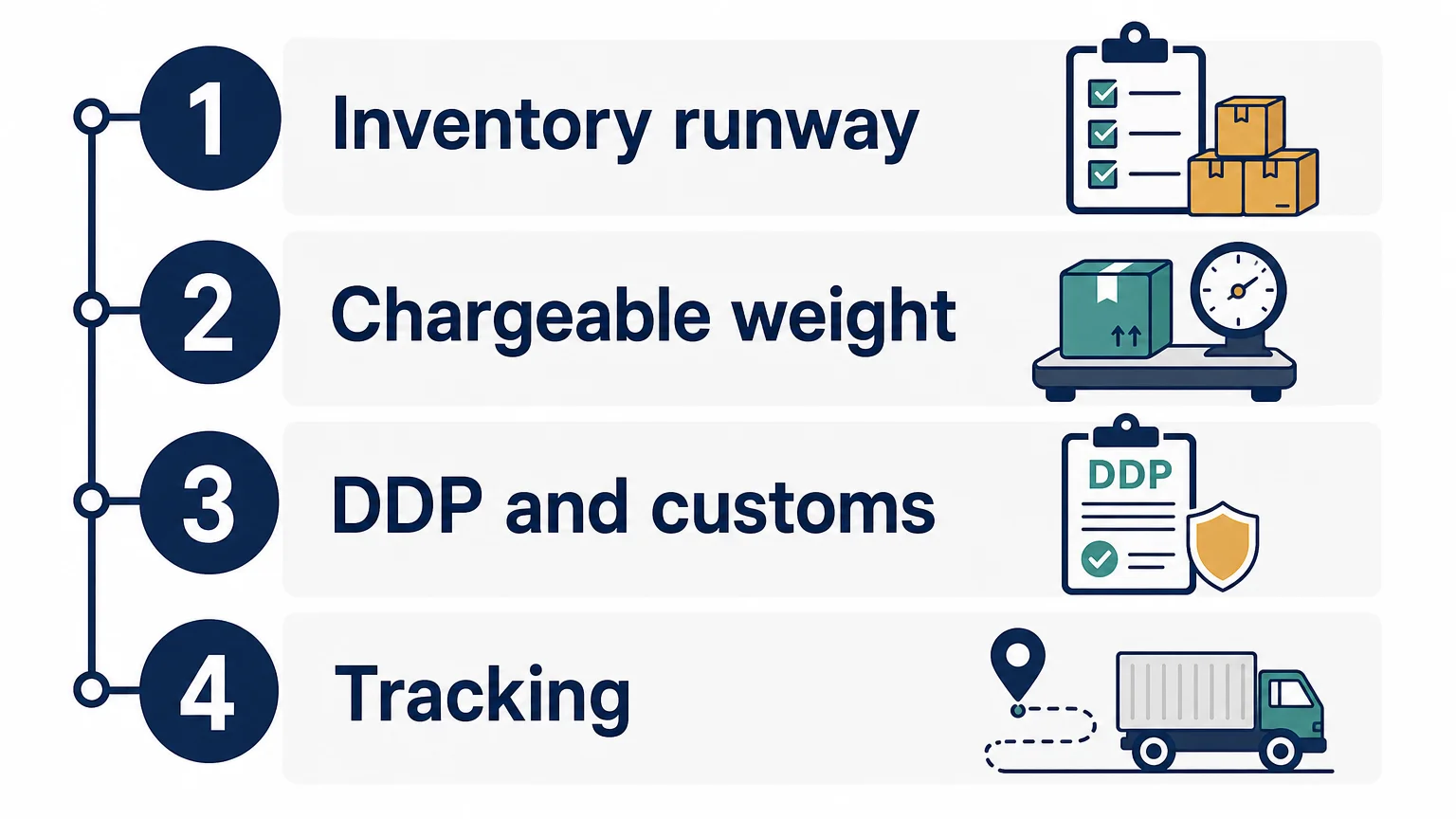
    Freight Rates Calculator: 4 Key Factors Impacting FBA Pricing

    • Consolidating Shipments
    • Combine multiple orders into one larger shipment to reduce per-unit shipping costs. This strategy takes advantage of lower rates associated with bulk shipping.

    • Use freight forwarders who offer consolidation services to streamline the shipping process and maximize savings.
    • Choosing the Right Freight Option
    • Assess the urgency of the shipment to determine whether air freight or sea freight is more suitable. Air freight is faster but more expensive, while sea freight is cost-effective for larger shipments.
    • Evaluate multi-modal shipping options that combine different modes of transportation to balance cost and speed.
    • Negotiating Freight Rates
    • Building relationships with carriers can lead to better rates and discounts. Regular shipping volumes can provide leverage in negotiations.
    • Consider using a freight broker who can help negotiate favorable terms and find the best rates based on specific shipping needs.
    • Regularly Reviewing Shipping Agreements
    • Periodically assess shipping contracts for any changes in rates or services. Regular reviews can reveal opportunities for cost savings.
    • Stay informed about market trends and fluctuations that may influence freight rates to adjust shipping strategies accordingly.

    Factor Description
    Consolidating Shipments Combine multiple orders into one shipment to reduce per-unit costs.
    Choosing Freight Options Assess urgency to choose between air or sea freight; consider multi-modal shipping.
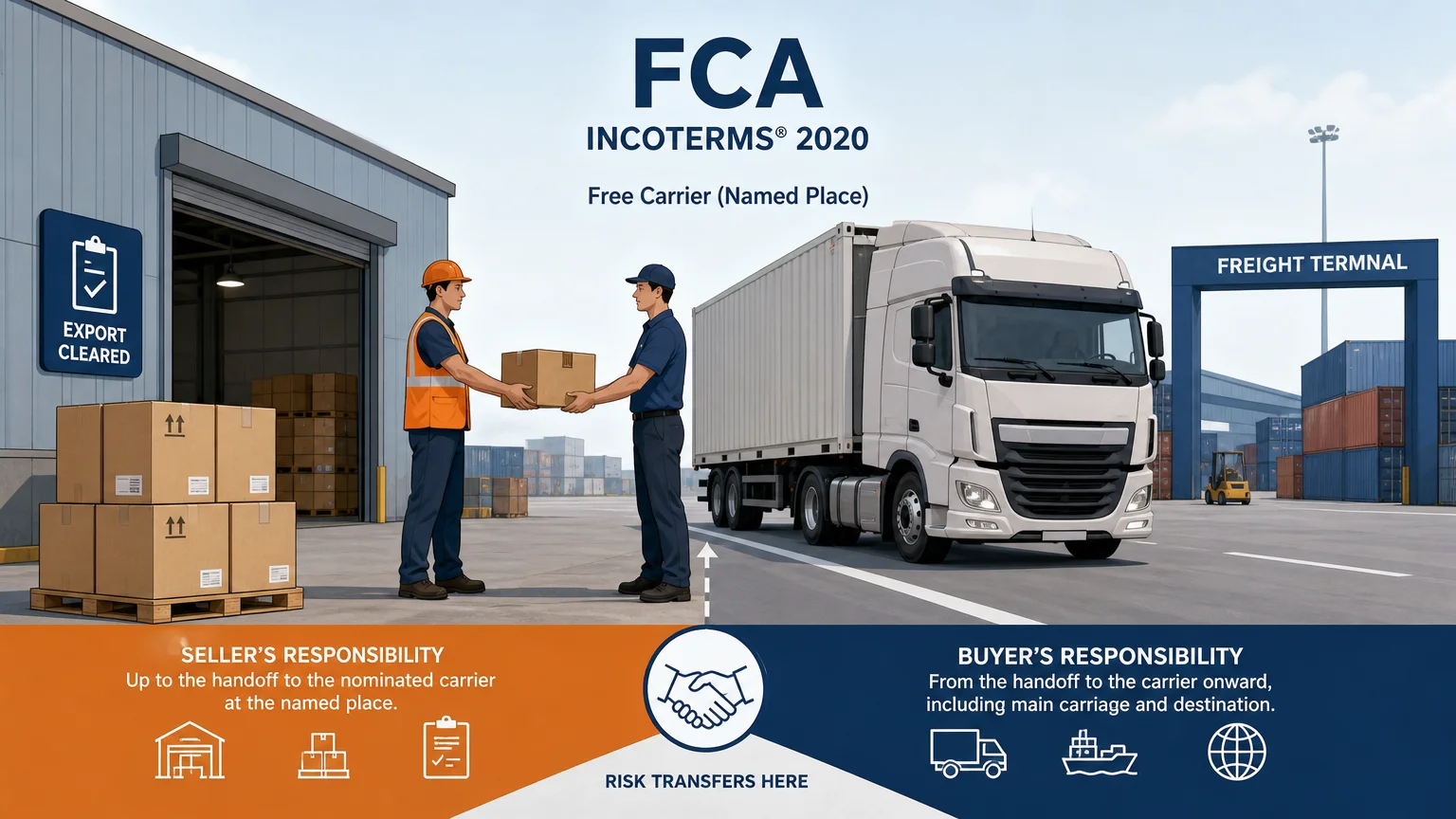
    Negotiating Rates Build relationships with carriers for better rates; use freight brokers to negotiate.
    Reviewing Agreements Regularly assess shipping contracts for cost-saving opportunities.
    Freight Rates Calculator: 4 Key Factors Impacting FBA Pricing

    Freight Rates Calculator: 4 Key Factors Impacting FBA Pricing

    • Weight of the Shipment
    • The weight of the shipment is a primary factor in determining freight rates. Carriers often calculate costs based on either the actual weight or dimensional weight, using the greater of the two. For instance, a shipment weighing 200 lbs may have a different cost structure than a shipment that occupies significant space despite a lower actual weight.
    • Dimensions of the Package
    • Package dimensions significantly influence freight costs. Larger packages may incur additional fees due to the increased space they occupy in transport. Dimensional weight calculations take into account length, width, and height, which can lead to higher shipping charges for items that are large but lightweight. For example, a box that is 48 inches long and 24 inches wide will likely be charged higher rates compared to a smaller box of the same weight.
    • Shipping Distance
    • The distance from the origin to the destination plays a crucial role in freight pricing. Longer distances typically result in higher costs due to increased fuel and handling expenses. For example, shipping from Los Angeles to New York will generally be more expensive than shipping within California. Additionally, international shipments often incur additional costs related to customs and tariffs.
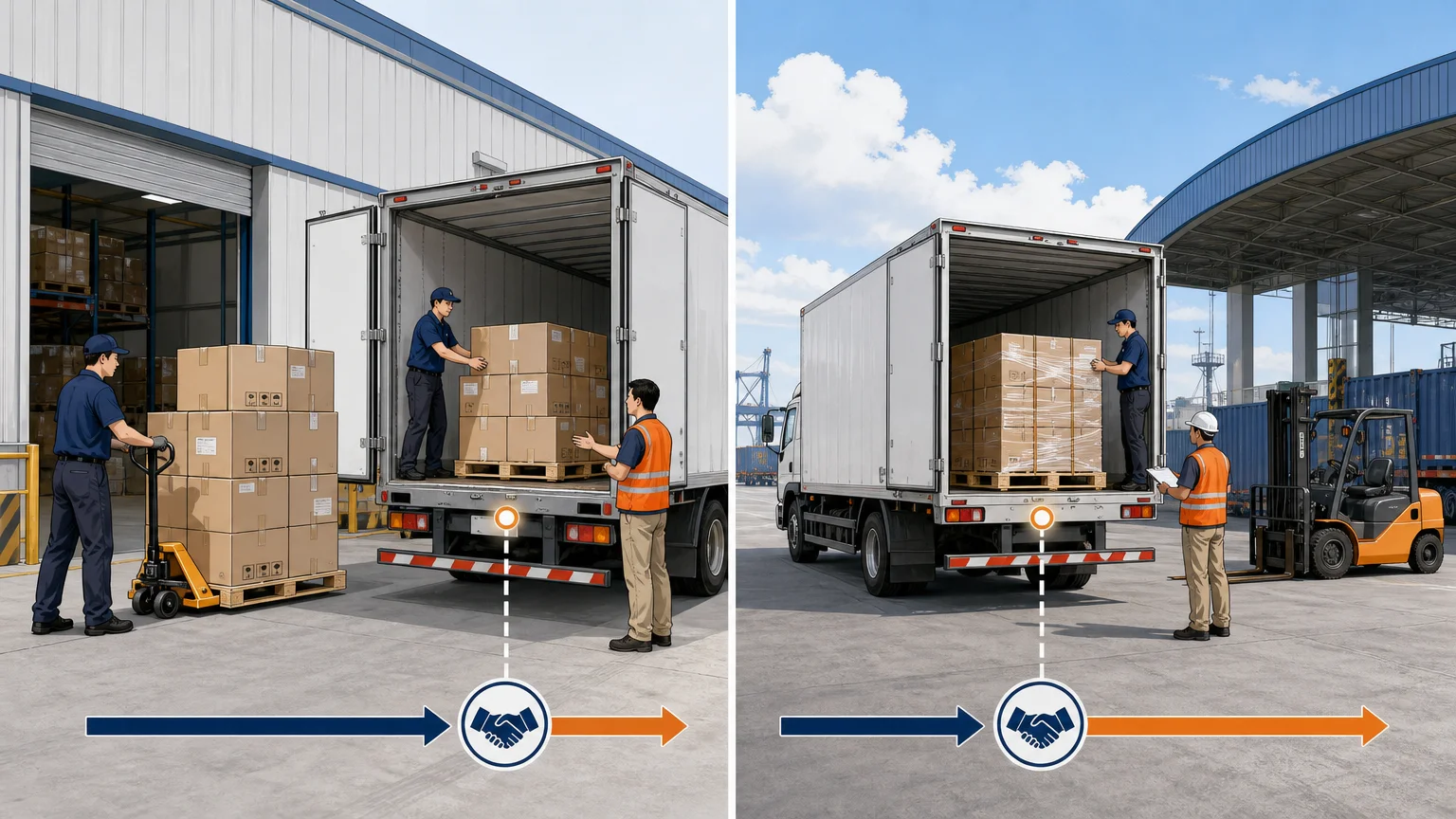
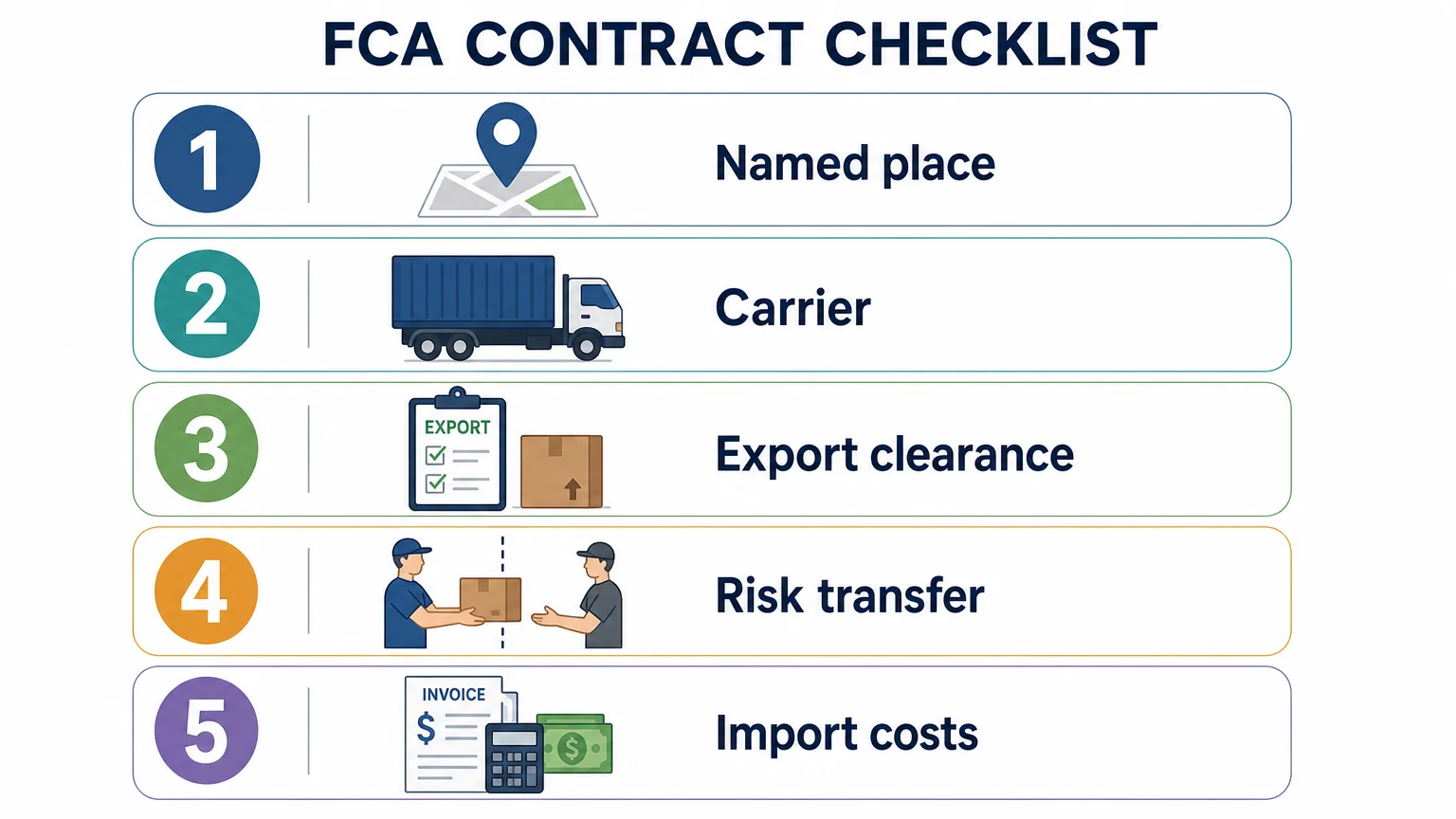
    • Freight Class Explained
    • Freight class is a standardized classification system used to determine shipping rates based on the characteristics of the goods being transported. Factors such as density, value, and liability influence freight class. For example, high-value items with low density may be classified differently, affecting the overall shipping rates. The correct classification ensures accurate duty calculations and helps avoid unexpected charges.

    Factor Description
    Weight Higher weights typically incur increased costs; based on actual or dimensional weight.
    Dimensions Larger packages may lead to additional charges; dimensional calculations can impact pricing.
    Distance Longer distances result in higher freight rates; regional shipping minimizes costs.
    Freight Class Classifications affect shipping rates; based on density, value, and liability of goods.

    Final Words

    Final Words

    Understanding freight rates is crucial for Amazon FBA sellers aiming for profitability. By analyzing the four key variables—weight, dimensions, shipping distance, and freight class—sellers can effectively manage their shipping costs. Utilizing a freight rates calculator simplifies this process, providing clarity on expenses.

    Implementing strategies like consolidating shipments and choosing the right freight options further optimizes costs. By comparing air and sea freight, sellers can make informed decisions that balance speed and expense.

    Mastering these elements will enhance profitability and streamline the import process, ensuring a smoother shipping experience. Embrace the insights from the Freight Rates Calculator: The 4 Variables That Drive Amazon FBA Pricing to elevate your logistics strategy.

    FAQ

    Q: What are freight rates in the context of Amazon FBA?

    A: Freight rates refer to the costs associated with shipping goods, essential for Amazon FBA sellers to understand for maintaining profitability.

    Q: What factors influence freight pricing?

    A: The four main variables driving freight pricing include weight, dimensions, shipping distance, and freight class, all crucial for determining overall shipping costs.

    Q: How can a freight rates calculator assist sellers?

    A: A freight rates calculator helps sellers estimate shipping costs based on weight, dimensions, distance, and class, streamlining the pricing process.

    Q: What are effective strategies for optimizing freight costs?

    A: Sellers can optimize freight costs by consolidating shipments and selecting suitable freight options, which can lead to significant savings and enhanced profitability.

    Q: How do air freight and sea freight compare?

    A: Air freight is faster but more expensive, while sea freight is economical yet slower. A cost-benefit analysis aids sellers in selecting the best option.