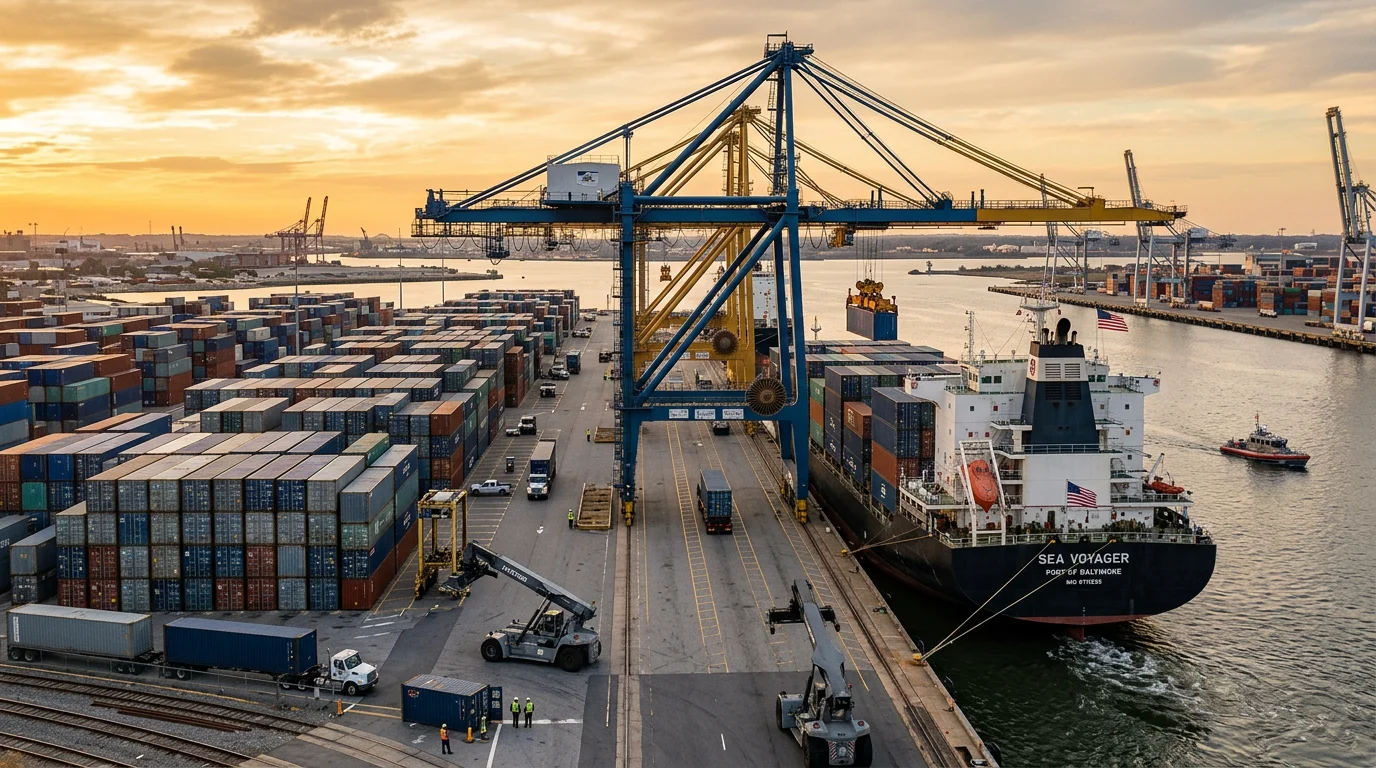
Summary: FCA, or Free Carrier, is an Incoterms 2020 rule where the seller clears goods for export and delivers them to a carrier nominated by the buyer at a named place. Risk and cost transfer to the buyer at that handover point. It works for any transport mode and gives buyers strong control over main carriage.
Roughly four in ten international trade contracts now rely on a single flexible rule to define who carries the risk and who foots the bill. That rule is the Free Carrier (FCA) Incoterm, and understanding it protects your margins on every cross-border shipment. If you want a plain-language primer before reading further, our guide to FCA transport terms lays out the essentials.
The stakes are practical. A misread delivery point can leave you paying for freight you never agreed to, or holding risk before goods leave the origin country. According to International Chamber of Commerce data, FCA accounts for approximately 40% of global shipments, which makes fluency in its mechanics a competitive advantage rather than a technicality.
What FCA Means in Shipping
When people ask what fca in shipping actually involves, the answer is a clean division of duties. FCA stands for Free Carrier, one of the eleven rules published by the International Chamber of Commerce. Trade Finance Global explains that the seller is generally responsible for loading, delivery to the agreed point, and export duties and taxes, though the exact contract can adjust these details.
The transfer of risk is the heart of the rule. The seller clears the goods for export and hands them to a carrier the buyer has nominated. At that moment, both risk and cost pass to the buyer. From there, the buyer arranges and pays for the main carriage, terminal handling, insurance, and onward delivery to the final destination.
The Two Delivery Points Under FCA
FCA is not a single scenario. It splits into two situations, and the named place you write into the contract decides which one applies. The distinction changes who loads, who unloads, and where your liability begins.
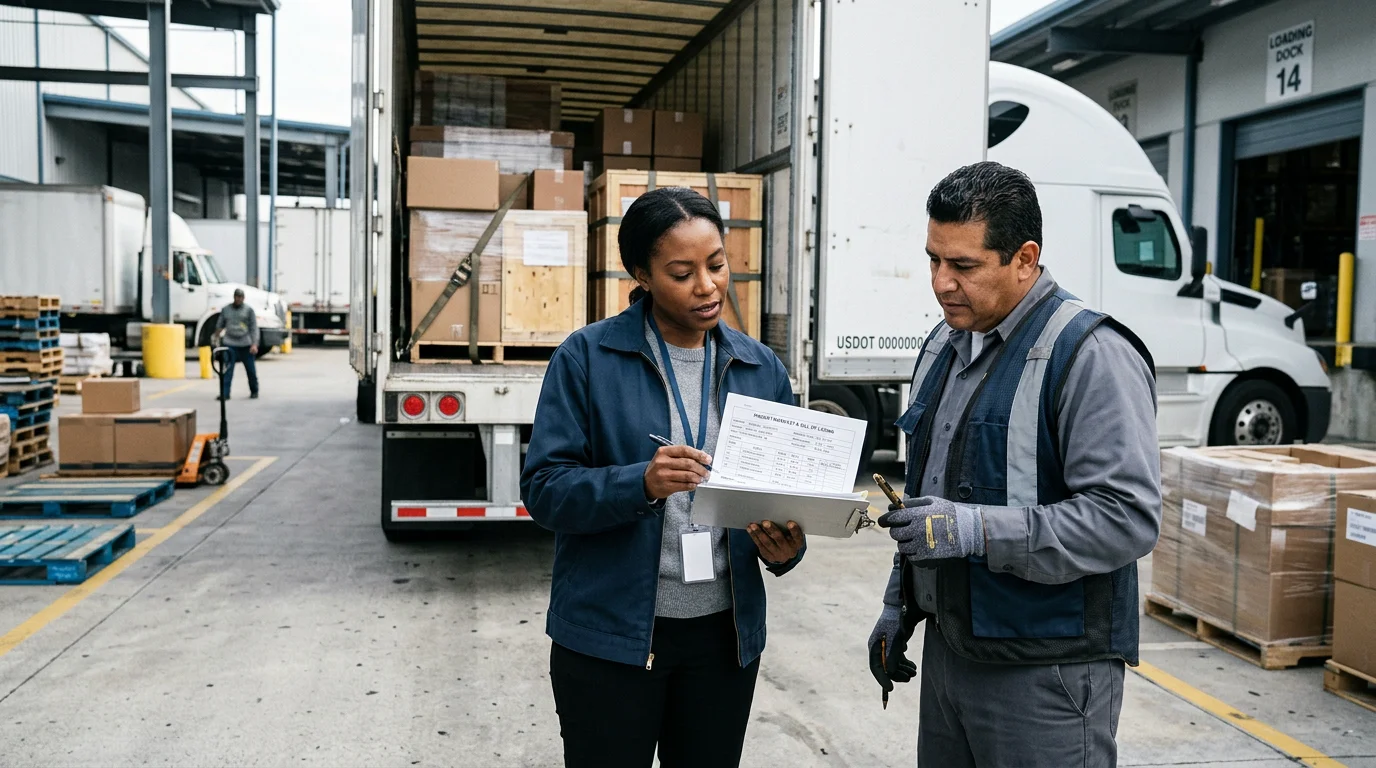
- Seller’s premises: The goods are delivered to the carrier at the seller’s own location. Here the seller is responsible for loading them onto the buyer’s transport.
- An external named place: The seller transports the goods to a forwarder’s warehouse or a terminal. The goods are considered delivered when made available for unloading, which becomes the buyer’s responsibility.
Precision matters enormously. You must name the exact point of delivery in the contract of sale, because that single line determines when the risk of loss or damage shifts. Our explainer on the FCA definition in shipping walks through how to phrase this clause correctly.
Who Pays for What: Seller and Buyer Obligations
The cleanest way to avoid disputes is to map every task before signing. Under FCA, the seller carries the origin-side burden up to the handover, and the buyer takes everything downstream. GoFreight notes that the buyer pays the main freight, terminal handling, insurance, and import duty once the seller has delivered to the named place.
| Responsibility | Seller | Buyer |
|---|---|---|
| Export packaging and documentation | Yes | No |
| Export clearance and licenses | Yes | No |
| Delivery to named place | Yes | No |
| Main carriage (freight) | No | Yes |
| Insurance during transit | Optional | Optional |
| Import formalities and duties | No | Yes |
Insurance is worth a note. Neither party is obligated to insure the cargo under FCA. Because the buyer assumes risk earlier than under many other rules, arranging coverage from the delivery point onward is a prudent step rather than a legal requirement.
The Incoterms 2020 Change That Redefined FCA
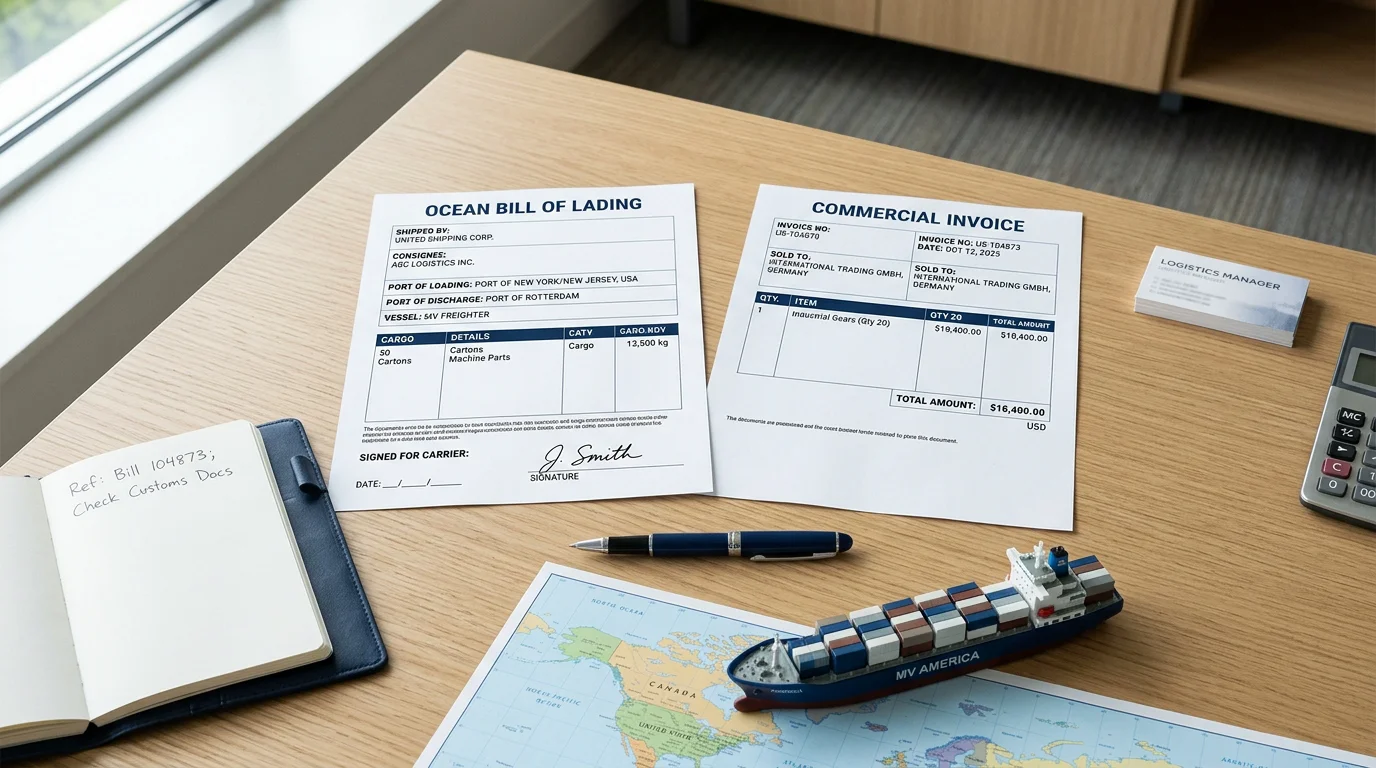
The most consequential update in the latest revision targeted FCA directly. For years, sellers using FCA struggled to obtain a bill of lading with an on-board notation, a document banks often demand for letter of credit payments. Because the buyer controlled the carrier, the seller had no reliable way to secure it.
The rule now offers a fix. As ShipBob describes, buyer and seller can agree that the buyer instructs its carrier to issue an on-board bill of lading to the seller. This removed a longstanding incentive for exporters to misapply FOB to container shipments. One caution remains: the carrier is not legally bound to comply, so timing delays can still occur. Our breakdown of the FCA freight term covers how to document this in your sales contract.
FCA Compared With EXW, FOB, and CPT
FCA rarely stands alone in a decision. Buyers weigh it against neighboring rules, and the differences are subtle but expensive when overlooked.
- Versus EXW: Both leave the buyer arranging transport, yet the buyer carries more under Ex Works. With EXW the buyer handles all export formalities and loading, while FCA places export clearance and loading (at the seller’s premises) on the seller.
- Versus FOB: FOB transfers risk only when goods are loaded onto the vessel, a point buyers rarely control. FCA shifts risk earlier at the named place, which is why it is widely recommended for containerized cargo.
- Versus CPT: Both pass risk at the first carrier. The gap is cost. Under FCA the buyer pays main freight; under CPT the seller pays it.
For American importers managing supplier relationships abroad, this comparison is more than academic. Choosing FCA over FOB for container freight can remove a genuine mismatch between where risk transfers and where the goods physically sit. For a deeper contract-level view, consult our reference on FCA terms of shipment.
When FCA Is the Right Choice, and When It Is Not
FCA rewards buyers who have logistics competence in the origin country, or who work with a forwarder who does. It suits containerized cargo destined directly for an export terminal, and it works when your supplier also prefers it over FAS or FOB.
There are real downsides for less experienced parties. Shipping Solutions observes that, as of 2026, FCA still carries pitfalls including letter of credit delays, unfamiliar forwarders, and diversion risk. If you lack knowledge of export requirements in the seller’s country, a rule that shifts more responsibility onto the seller, such as DDP, is often more practical. The right term depends on your control preferences, your risk appetite, and the maturity of your supply chain.
Making FCA Work for Your Supply Chain
The strength of the Free Carrier rule lies in balance: sellers own the export side, buyers command the main carriage, and risk transfers at a clearly named point. That clarity only holds when the contract states the exact delivery location and the documentation terms in writing. Match the rule to your logistics capability, insure from the handover point, and confirm your letter of credit arrangements before goods move. Treated with that discipline, FCA becomes one of the cleanest and most adaptable terms in international trade.
Take action with QG Horizon
Understanding FCA is one thing; executing a shipment from a Chinese supplier to an Amazon warehouse without customs delays is another. If you sell on Amazon FBA and need a single partner to manage collection, clearance, and delivery, the right forwarding setup removes the guesswork from every leg.
We are Amazon sellers ourselves, based in Shenzhen, and we move goods from your supplier straight to Amazon warehouses. You receive a quote within 24 hours with three route options, DDP clearance with duties and taxes included, real-time tracking, and responsive WhatsApp support seven days a week. Explore our Amazon FBA shipping services to see how a tested route can save you 10 to 20% per shipment.
Frequently Asked Questions
What does FCA mean in shipping?
FCA stands for Free Carrier. The seller clears the goods for export and delivers them to a carrier nominated by the buyer at a named place. Risk and cost transfer to the buyer at that handover point.
Who pays the freight under FCA?
The buyer pays the main freight under FCA. Once the seller delivers the goods to the named place, the buyer arranges and pays for main carriage, terminal handling, insurance, and onward inland delivery.
Is FCA better than FOB for containers?
For containerized cargo, FCA is generally recommended over FOB because risk transfers at the named place rather than only when goods are loaded onto the vessel. This aligns liability with where the goods actually are, giving buyers clearer control.
Does FCA require insurance?
No, FCA does not require either party to insure the cargo. Because the buyer assumes risk from the delivery point, arranging coverage from that moment onward is strongly advisable even though it is optional.
How does FCA fit an Amazon FBA import?
Under FCA, the buyer manages everything after the supplier hands goods to the carrier, which suits sellers who use a forwarder. Our DDP service takes over that downstream leg, handling clearance and delivery to the Amazon warehouse under one point of contact.
Leave a Reply