Blog

  • Do You Need a Customs Broker for Your FBA Imports?

    Do You Need a Customs Broker for Your FBA Imports?

    Is hiring a customs broker a necessity for your FBA imports, or is it an unnecessary expense? Many Amazon sellers grapple with this question, weighing the costs against the complexities of international shipping. The reality is that navigating customs regulations can be a daunting task, fraught with risks that could jeopardize your business. This blog post will explore the critical role of customs brokers in facilitating smooth FBA imports, highlighting their responsibilities and the myriad benefits they offer. Understanding when and why to engage a customs broker could save you from costly pitfalls and enhance your import efficiency.

    Do You Need a Customs Broker for Your FBA Imports?

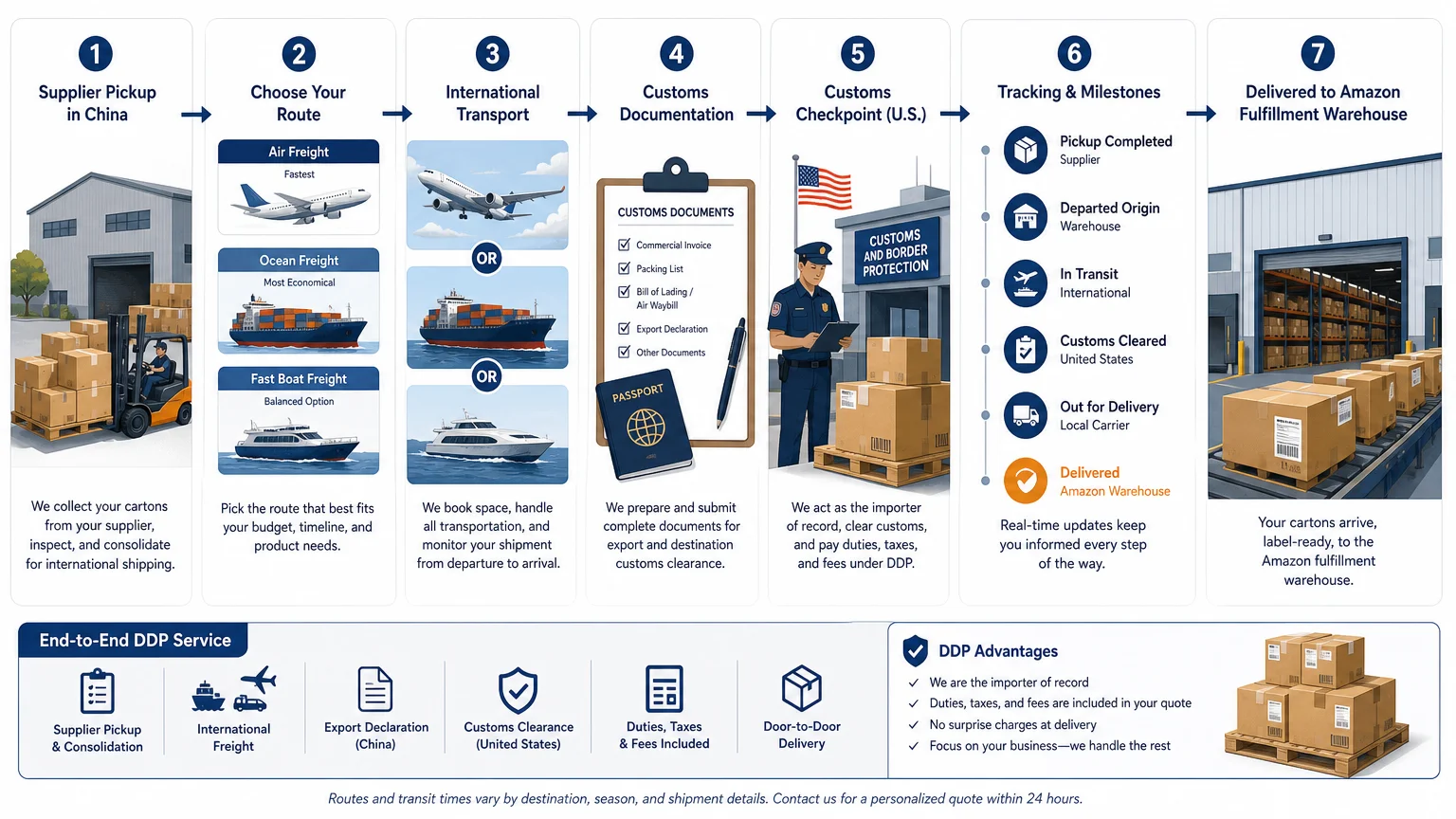
    Customs brokers are licensed professionals who facilitate the importation of goods through customs. They serve as intermediaries between importers and customs authorities, ensuring that all regulatory requirements are met. This is particularly crucial for Amazon FBA sellers who must navigate complex customs regulations to avoid operational disruptions.

    Responsibilities of customs brokers include:

    • Preparing and submitting necessary documentation for customs clearance.
    • Classifying goods and calculating duties and taxes.
    • Communicating with customs officials on behalf of the importer.
    • Ensuring compliance with all relevant laws and regulations.

    For FBA sellers, the importance of a customs broker cannot be overstated. The intricacies of international shipping, especially when dealing with various countries and products, can result in delays and unexpected costs if not handled correctly.

    Benefits of using a customs broker for FBA imports include:

    • Streamlining customs clearance: Brokers navigate the complexities of customs procedures, expediting the process and reducing the likelihood of delays.
    • Reducing delays and penalties: By ensuring all documentation is accurate and complete, customs brokers help avoid costly penalties and shipment holds.
    • Ensuring compliance with regulations: They provide expertise in the ever-changing landscape of import regulations, which is essential for maintaining compliance and avoiding legal issues.

    Utilizing a customs broker can significantly enhance the efficiency and effectiveness of the import process for FBA sellers, allowing them to focus on growing their business rather than dealing with regulatory hurdles.

    Legal Implications of Not Using a Customs Broker

    Failing to hire a customs broker can expose FBA sellers to significant legal risks. Non-compliance with customs regulations can lead to various challenges that affect the import process.

    Risks of Non-Compliance with Customs Regulations:

    • Customs Holds: Shipments may be detained for further inspection, leading to delays.
    • Inaccurate Documentation: Errors in paperwork can result in shipment rejection or additional scrutiny.

    Examples of Potential Financial Penalties:

    • Fines: Customs authorities may impose hefty fines for incorrect declarations or missing documents.
    • Duties and Taxes: Underpayment can lead to back payments, interest, and penalties on owed amounts.

    Legal Ramifications for Importers Without a Broker:

    • Liability: Importers are legally responsible for compliance, potentially leading to lawsuits or sanctions.
    • Increased Scrutiny: A lack of proper representation may lead to heightened scrutiny from customs, complicating future shipments.

    Importance of Compliance in the FBA Context:

    • Compliance is critical for maintaining seller performance metrics on Amazon.
    • Repeated violations can result in account suspension or bans, severely impacting business operations.

    In summary, not utilizing a customs broker can result in various risks, penalties, and legal challenges that may ultimately hinder an FBA seller’s ability to operate effectively.

    Do You Need a Customs Broker for Your FBA Imports?

    When is a Customs Broker Necessary?

    Hiring a customs broker becomes critical in specific scenarios that involve complexity or high shipping volumes. FBA sellers should consider engaging a customs broker under the following circumstances:

    • Complex Import Scenarios:
    • Unique products may have specific regulatory requirements.
    • Multiple regulations can apply, especially when importing goods into various countries.
    • Products classified under different HS codes may involve varying duty rates and compliance checks.
    • High Shipping Volumes:
    • Increased shipment frequency can lead to logistical challenges.
    • Higher volumes often require more streamlined processes to maintain efficiency and avoid delays.
    • Brokers can manage multiple shipments simultaneously, ensuring timely delivery and compliance.
    • Unfamiliarity with Customs Processes:
    • New sellers may lack experience navigating customs regulations and documentation.
    • Understanding tariff classifications, duties, and taxes can be daunting without expert guidance.
    • A customs broker provides necessary knowledge and resources to facilitate the import process.
    • Potential Benefits of Using a Broker:
    • Reduces the risk of customs holds and penalties, ensuring smoother operations.
    • Offers peace of mind, allowing sellers to focus on other aspects of their business.
    • Provides tailored solutions based on specific product needs and shipping requirements.

    Choosing the Right Customs Broker

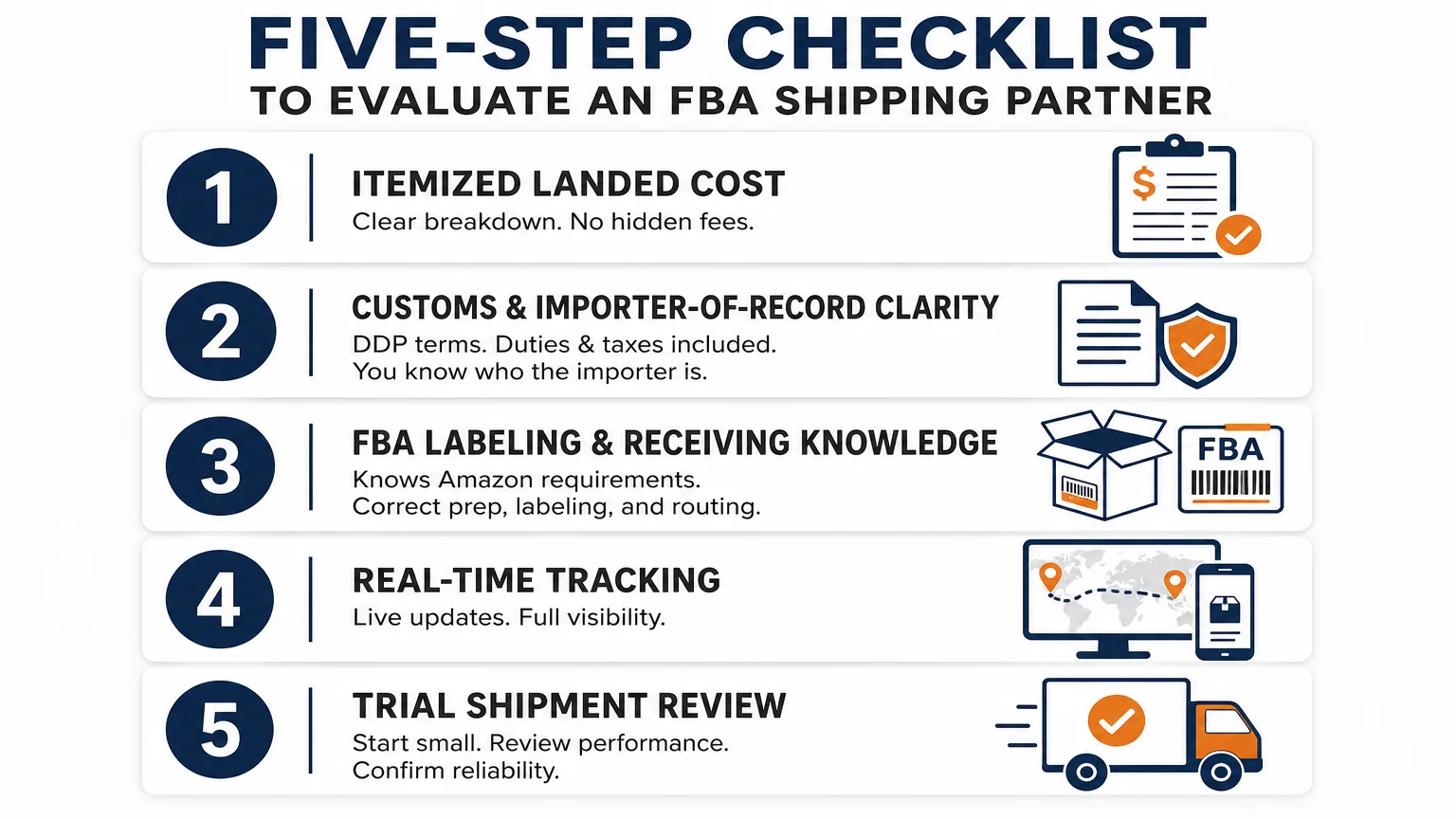
    Selecting a qualified customs broker is essential for FBA sellers to navigate the complexities of international shipping effectively. When assessing potential brokers, consider the following key qualities:

    • Experience with FBA Imports: Look for brokers who specialize in FBA and understand the specific requirements and challenges associated with Amazon’s fulfillment process.
    • Licensing and Certifications: Ensure the broker is licensed by the appropriate customs authorities and holds relevant certifications that demonstrate their expertise in customs procedures.
    • Communication and Responsiveness: A reliable customs broker should maintain open lines of communication, providing timely updates and addressing any concerns promptly.

    Questions to Ask Potential Brokers

    • What is your experience with FBA shipments?
    • Can you provide references from other Amazon sellers?
    • How do you handle customs compliance issues?
    • What is your process for updating clients on shipment status?

    Resources for Finding Reliable Customs Brokers

    • Industry Associations: Organizations such as the National Customs Brokers & Forwarders Association of America (NCBFAA) can provide lists of reputable brokers.
    • Online Directories: Platforms like Freightos and uShip offer tools to compare customs brokers and their services.

    Importance of Comparing Fees and Services

    Before making a decision, it’s crucial to compare fees and services offered by different brokers. Understanding the cost structure will help sellers avoid unexpected charges and ensure they receive the necessary support for their specific shipping needs.

    Do You Need a Customs Broker for Your FBA Imports?

    Final Words

    Final Words

    Understanding the intricacies of customs brokers is crucial for efficient FBA imports. This article delved into their roles and responsibilities, highlighting the importance of compliance and the benefits they offer, such as streamlining customs clearance and preventing penalties.

    Ignoring the necessity of a customs broker can lead to severe legal implications and financial risks. Recognizing when to engage a customs broker, especially in complex scenarios or high shipping volumes, can safeguard your business.

    Choosing the right customs broker is essential; prioritize experience and communication. Ultimately, a reliable customs broker can be a vital asset in ensuring your FBA imports run smoothly. Do you need a customs broker for your FBA imports? The answer is likely yes, as it can significantly enhance your logistics strategy.

    FAQ

    Q: What is a customs broker?

    A: A customs broker is a licensed professional who assists importers in clearing goods through customs, ensuring compliance with laws and regulations.

    Q: What are the responsibilities of customs brokers?

    A: Customs brokers handle documentation, calculate duties, and ensure compliance with customs regulations, facilitating smooth import processes for businesses.

    Q: Why are customs brokers important for FBA sellers?

    A: Customs brokers streamline the import process, reduce delays and penalties, and ensure compliance with regulations, which is crucial for FBA sellers.

    Q: What are the benefits of using a customs broker for FBA imports?

    A: Benefits include expedited customs clearance, minimized risk of delays, and enhanced regulatory compliance, ultimately improving operational efficiency for FBA sellers.

    Q: What are the legal implications of not using a customs broker?

    A: Not using a customs broker can result in customs holds, fines, and potential legal actions, exposing importers to significant risks and financial penalties.

    Q: What are the risks of non-compliance with customs regulations?

    A: Risks include customs holds, financial penalties, and legal ramifications, which can severely impact business operations and profitability.

    Q: When is a customs broker necessary?

    A: A customs broker is advisable for complex import scenarios, high shipping volumes, or unfamiliarity with customs processes, ensuring compliance and efficiency.

    Q: What complex import scenarios require a customs broker?

    A: Scenarios include unique products with multiple regulations and high shipping volumes, where expert guidance is essential for smooth customs clearance.

    Q: How do I choose the right customs broker?

    A: Look for experience with FBA imports, proper licensing, and strong communication skills. Compare fees, services, and ask relevant questions to assess suitability.

    Q: What key qualities should I look for in a customs broker?

    A: Key qualities include industry experience, appropriate licenses, effective communication, and responsiveness to client needs, ensuring reliable service.

    Q: What questions should I ask potential customs brokers?

    A: Ask about their experience with FBA imports, licensing, fees, and their process for handling documentation and compliance issues.

    Q: Where can I find reliable customs brokers?

    A: Resources for finding customs brokers include industry associations, online directories, and recommendations from other FBA sellers or business networks.

  • Freight Cost Calculation: Master It with Ease

    Freight Cost Calculation: Master It with Ease

    Have you ever wondered why shipping costs can feel like an unpredictable roller coaster? For beginners in e-commerce, mastering freight cost calculation is not just an option; it’s a necessity. Understanding the intricacies of freight costs can mean the difference between a profitable venture and financial strain. This guide demystifies the freight cost calculation process, equipping sellers with key terms and actionable steps. By the end of this post, readers will be empowered to navigate shipping expenses with confidence and clarity, setting the stage for a smoother importing experience.

    Freight Cost Calculation: Master It with Ease

    Understanding freight costs is crucial for anyone involved in shipping, especially beginners. By mastering freight cost calculation, sellers can optimize their shipping expenses and improve their overall business profitability. Key terms in freight cost calculation include:

    • Freight Rate: The charge for transporting goods, typically based on weight, volume, or distance.
    • Accessorial Charges: Additional fees incurred for special services, such as liftgate service or inside delivery.
    • Freight Class: A classification system used for shipping goods based on their density, stowability, and liability.
    • Bill of Lading (BOL): A legal document between the shipper and carrier that outlines the type, quantity, and destination of the goods being shipped.
    • Dimensional Weight (DIM Weight): A pricing technique used by carriers that considers the volume of a package in relation to its actual weight.
    • Customs Duties: Taxes imposed by the government on imported goods, affecting total shipping costs.
    • Incoterms: International commercial terms that define the responsibilities of buyers and sellers for shipping costs and risks.

    By familiarizing themselves with these terms, beginners can navigate the complexities of freight cost calculation more effectively. This foundational knowledge helps in making informed decisions about shipping methods and costs, ultimately leading to better profit margins.

    To calculate freight costs accurately, beginners should collect all relevant data, including package dimensions, weight, destination, and any special handling requirements. Understanding these key components will streamline the entire shipping process and reduce the likelihood of unexpected expenses.

    The significance of grasping freight cost calculation cannot be understated; it lays the groundwork for effective logistics management, enabling businesses to thrive in competitive markets.

    Step-by-Step Guide to Calculating Freight Costs

    Calculating freight costs can be daunting for beginners, but following a structured approach makes it manageable. Here’s a step-by-step guide to help streamline the process.

    • Step 1: Gather Necessary Information

    Collect all relevant data before starting the calculation. Essential information includes:

    • Package dimensions (length, width, height)
    • Actual weight of the shipment
    • Shipping origin and destination
    • Type of goods being shipped
    • Required delivery speed (standard, express)
    • Step 2: Understand Freight Rates

    Familiarize yourself with the different types of freight rates. Key components include:

    • Base Rate: The standard charge for shipping goods, which varies by carrier and service level.
    • Weight Breaks: Different rates apply depending on the weight brackets; understand how these affect your costs.
    • Freight Class: Know the freight class of your goods, as this can significantly impact rates, especially for LTL (less-than-truckload) shipments.
    • Step 3: Calculate Additional Costs

    Consider any additional fees that may apply to your shipment:

    • Accessorial Charges: Fees for services like liftgate, inside delivery, or residential pickup.
    • Fuel Surcharges: Carriers may apply a fee based on fluctuating fuel prices.
    • Customs Duties: If shipping internationally, factor in any applicable import taxes and duties based on the destination country.
    • Step 4: Use a Freight Calculator

    Leverage online freight calculators or tools provided by carriers to streamline your computations. Input the gathered information and review the calculated costs, ensuring you account for all factors discussed. Most calculators will provide a detailed breakdown of costs, helping you make informed decisions.

    By following these steps methodically, beginners can demystify freight cost calculations and enhance their shipping efficiency.

    Freight Cost Calculation: Master It with Ease

    Examples of Freight Cost Scenarios

    Understanding freight cost scenarios is essential for beginners to grasp how shipping expenses can vary significantly based on multiple factors. Below are two examples that illustrate the differences in freight costs for domestic and international shipping.

    Domestic Shipping Example

    A seller is shipping a 100-pound package from Los Angeles, CA, to New York, NY. The shipment is classified under freight class 100, and the carrier offers a base rate of $0.50 per pound. Additional accessorial charges include a $50 liftgate service fee.

    • Base Freight Cost:

    100 lbs x $0.50 = $50.00

    • Accessorial Charges:

    $50.00 (liftgate service)

    • Total Domestic Freight Cost:

    $50.00 + $50.00 = $100.00

    International Shipping Example

    A seller is exporting a 200-kilogram package from Shanghai, China, to Toronto, Canada. The shipment is subject to customs duties and requires a freight forwarder. The base freight rate is $2.00 per kilogram, and estimated customs duties are 5% of the product’s total value, which is $500.

    • Base Freight Cost:

    200 kg x $2.00 = $400.00

    • Customs Duties:

    5% of $500 = $25.00

    • Total International Freight Cost:

    $400.00 + $25.00 = $425.00

    These examples highlight how various factors—such as weight, distance, accessorial charges, and customs duties—impact the overall freight costs. Understanding these scenarios enables sellers to better anticipate shipping expenses and optimize their logistics strategies.

    Tips for Beginners in Freight Cost Calculation

    Navigating freight cost calculations can be challenging for beginners. Here are practical tips to help avoid common pitfalls and enhance understanding.

    • Common Mistakes to Avoid
    • Neglecting Additional Costs: Many beginners forget to include accessorial charges, like fuel surcharges or customs fees, causing underestimation of total costs.
    • Incorrect Weight Measurements: Ensure accurate measurements of both actual and dimensional weight; incorrect data can significantly affect freight rates.
    • Ignoring Freight Classes: Misclassification of goods can lead to higher shipping costs. Review the National Motor Freight Classification (NMFC) to ensure accuracy.
    • Failing to Compare Quotes: Relying on a single freight quote may lead to missed savings. Always compare multiple carriers and services to find the best rate.
    • Overlooking Insurance Needs: High-value shipments should always have insurance coverage; neglecting this can result in significant financial loss.
    • Resources for Further Learning
    • Freight Calculators: Utilize online freight calculators to quickly estimate shipping costs based on specific inputs.
    • Industry Blogs and Forums: Engage with logistics communities online to share experiences and learn from others’ insights.
    • Webinars and Workshops: Attend sessions hosted by logistics companies to gain deeper knowledge on freight cost management.
    • Books and eBooks: Look for resources focused on logistics and supply chain management to enhance foundational knowledge.
    • Carrier Training Programs: Some shipping companies offer training programs that help users understand their specific pricing structures and services.
    Freight Cost Calculation: Master It with Ease

    Understanding Freight Quotes and Pricing Strategies

    Freight quotes are essential for determining shipping costs, and their formation involves multiple elements that influence the overall price. Understanding these components helps beginners make informed decisions when selecting freight services. Key elements of a freight quote include:

    • Base Rate: The fundamental charge for transporting goods, which varies by carrier and service level.
    • Accessorial Charges: Additional costs for specific services, such as inside delivery, liftgate service, or residential delivery.
    • Distance: The mileage from the pickup point to the delivery location, directly impacting the quote.
    • Weight and Dimensions: The actual weight and dimensional weight (DIM weight) of the package, which affect pricing based on how carriers charge for space.
    • Freight Class: A classification based on the nature of the goods, density, and stowability, influencing the base rate.
    • Fuel Surcharge: An extra charge reflecting fluctuating fuel prices, often a percentage added to the base rate.
    • Market Demand: Supply and demand dynamics can lead to increased rates during peak shipping seasons.

    To interpret freight quotes effectively, beginners should consider the following strategies:

    • Compare Quotes from Multiple Carriers: Gather quotes from different providers to identify competitive pricing.
    • Analyze Accessorial Charges: Evaluate any additional fees and determine their necessity for the shipment.
    • Understand Rate Validity: Check how long quotes are valid, as rates may change based on market conditions.
    • Review Terms and Conditions: Familiarize yourself with the carrier’s policies, including cancellation fees and service guarantees.

    By grasping these elements and strategies, beginners can navigate freight quotes more confidently, ensuring they select the most cost-effective shipping solutions for their needs.

    Final Words

    Final Words

    Mastering freight cost calculation is essential for beginners in e-commerce, particularly those engaging in Amazon FBA. This guide provided foundational insights into key terms and a step-by-step process, enabling sellers to assess their shipping expenses effectively.

    Real-world scenarios illustrated how costs can fluctuate based on various factors, while practical tips helped avoid common pitfalls. Understanding freight quotes and pricing strategies further empowers sellers to make informed decisions.

    By embracing these concepts, beginners can streamline logistics and optimize costs. Freight Cost Calculation: The Step-by-Step Guide for Beginners is a significant step toward ensuring a smooth import experience.

    FAQ

    Q: What is freight cost calculation?

    A: Freight cost calculation involves determining the total expenses associated with shipping goods, including shipping rates and additional fees.

    Q: Why is understanding freight costs important for beginners?

    A: Understanding freight costs helps beginners manage shipping budgets effectively and optimize supply chain operations.

    Q: How do you calculate freight costs step-by-step?

    A: Freight costs can be calculated by gathering information, understanding freight rates, calculating additional costs, and using freight calculators.

    Q: What are the key components needed to gather for freight cost calculation?

    A: Essential components include shipment weight, dimensions, origin, destination, and any special handling requirements.

    Q: What are common additional costs in freight shipping?

    A: Common additional costs include fuel surcharges, customs duties, insurance, and handling fees.

    Q: Can you provide examples of freight cost scenarios?

    A: Yes, examples include domestic shipping costs based on weight and distance, and international shipping costs that factor in customs and tariffs.

    Q: What are tips for beginners in freight cost calculation?

    A: Beginners should avoid common mistakes, utilize freight calculators, and continuously educate themselves on freight terminology and pricing strategies.

    Q: How are freight quotes determined?

    A: Freight quotes are determined by factors such as shipment size, weight, distance, and service level required.

    Q: What elements are included in a freight quote?

    A: Key elements include base rate, additional surcharges, estimated delivery time, and terms of service.

    Q: How can beginners interpret freight pricing strategies?

    A: Beginners can interpret pricing strategies by analyzing the breakdown of costs and understanding market trends affecting freight rates.

  • Freight Shipping Rates Explained: Essential Insights for FBA Sellers

    Freight Shipping Rates Explained: Essential Insights for FBA Sellers

    Navigating the complexities of freight shipping rates can feel like a daunting puzzle for Amazon FBA sellers. Did you know that seemingly minor adjustments in shipping methods or package dimensions can drastically impact your bottom line? This blog post delves into the intricate world of freight shipping rates, unraveling how these costs are calculated and what factors contribute to them. By understanding these dynamics, FBA sellers can make informed decisions that not only streamline their logistics but also enhance profitability. Get ready to gain essential insights that will elevate your shipping strategy to the next level.

    Understanding Freight Shipping Rates

    Freight shipping rates are the costs associated with transporting goods from one location to another, and they play a crucial role in the profitability of FBA sellers. These rates are influenced by various factors, making it essential for sellers to grasp their implications fully.

    Key components that determine freight shipping rates include:

    • Weight and Dimensions: Heavier and larger packages typically incur higher shipping costs. Carriers often charge based on the greater of actual weight or dimensional weight.
    • Shipping Distance: The distance between the origin and destination significantly impacts rates. Longer distances generally result in higher costs.
    • Shipping Method: The choice of shipping method—air, sea, or land—affects shipping rates. Air freight is faster but more expensive, while sea freight offers lower rates for bulk shipments.
    • Seasonal Variations: Shipping rates can fluctuate based on peak seasons, such as holidays, which may lead to increased demand and higher costs.

    Understanding these factors enables FBA sellers to make informed decisions about shipping methods and strategies. By optimizing their shipping choices, sellers can effectively manage costs, improve their bottom line, and enhance their competitiveness in the marketplace.

    Factors Affecting Freight Shipping Rates

    Freight shipping rates are influenced by several key factors that FBA sellers need to understand to manage their shipping expenses effectively.

    • Weight and Dimensions of Packages: Heavier and bulkier packages often incur higher shipping costs. Carriers calculate shipping fees based on either actual weight or dimensional weight, whichever is greater. Proper packaging can help minimize dimensional weight.
    • Distance and Shipping Routes: The distance between the shipping origin and destination has a direct impact on freight rates. Longer shipping routes typically lead to increased costs due to fuel consumption and transit times. Additionally, certain routes may have associated surcharges based on demand and congestion.
    • Shipping Method Selection: The choice of shipping method plays a crucial role in determining rates. Air freight is faster but more expensive, while ocean freight offers significant savings for bulk shipments. FBA sellers must weigh speed against cost when selecting their shipping methods.
    • Seasonal Variations in Rates: Freight shipping rates can fluctuate due to seasonal demand, especially during peak retail periods like holidays. Increased demand for shipping services can lead to higher rates and surcharges. Planning shipments outside of these peak times can help FBA sellers reduce costs.

    Understanding these factors allows FBA sellers to make informed decisions regarding their shipping strategies, ultimately optimizing costs and enhancing profitability. By evaluating package specifications, route choices, and timing, sellers can gain a competitive edge in the marketplace.

    Freight Shipping Rates Explained: Essential Insights for FBA Sellers

    Shipping Methods Comparison

    FBA sellers can choose from various shipping methods, each with its unique advantages and disadvantages. Understanding these options is crucial for optimizing costs and delivery times.

    Air Freight vs. Ocean Freight

    | Aspect | Air Freight | Ocean Freight |

    |———————–|————————————–|————————————–|

    | Speed | Fastest shipping method, ideal for urgent deliveries | Slower transit time, suitable for bulk shipments |

    | Cost | Generally more expensive per weight unit | More cost-effective, especially for large volumes |

    | Volume | Limited capacity, best for smaller shipments | High capacity, suitable for larger shipments |

    | Tracking | Offers real-time tracking capabilities | Tracking available but may be less precise |

    | Environmental Impact | Higher carbon footprint due to fuel consumption | Lower carbon impact per unit shipped |

    Air freight is the go-to option for sellers needing quick restocks or launching new products, despite its higher costs. It is advantageous for time-sensitive shipments, allowing sellers to respond rapidly to market demands. However, the notable expense makes it less feasible for large bulk orders.

    Conversely, ocean freight provides a cost-effective solution for transporting larger quantities of goods. It is ideal for FBA sellers who can plan shipments in advance, as the longer transit time can accommodate bulk inventory needs at a lower cost per unit. However, sellers must be prepared for potential delays caused by port congestion or customs clearance.

    LTL (Less Than Truckload) vs. FTL (Full Truckload)

    | Aspect | LTL (Less Than Truckload) | FTL (Full Truckload) |

    |———————–|————————————–|————————————–|

    | Cost | More economical for smaller shipments | More cost-effective for larger shipments |

    | Transit Time | Longer transit times due to multiple stops | Faster delivery as it goes directly to the destination |

    | Volume | Ideal for shipments that do not require a full truckload | Best for full truckloads of goods |

    | Handling | Increased handling, potential for damage | Less handling, reducing the risk of damage |

    LTL shipping is an excellent choice for FBA sellers with smaller loads or when inventory levels fluctuate. It allows sellers to share truck space with other shipments, thereby reducing costs. However, the trade-off is longer transit times and an increased risk of damage due to multiple handling points.

    FTL, on the other hand, is best suited for larger shipments that can fill an entire truck. This method provides faster delivery times and less handling, which minimizes the risk of damage. While it may come at a higher price point, FTL can save money in terms of efficiency for high-volume shipments.

    Understanding these comparisons allows FBA sellers to select the most appropriate shipping methods based on their specific needs and budget constraints.

    Strategies for Optimizing Shipping Costs

    FBA sellers can implement several strategies to optimize their shipping costs and enhance profitability in their logistics operations. These strategies help sellers make informed decisions that contribute to cost savings and efficiency.

    • Choosing the Right Carrier: Selecting an appropriate carrier is crucial for managing shipping costs. Different carriers offer varying rates, services, and transit times. Sellers should compare quotes from multiple carriers and consider factors such as reliability, service quality, and delivery speed. Using a freight forwarder can also provide access to competitive rates and expertise in navigating complex shipping scenarios.
    • Consolidating Shipments: Consolidating shipments involves grouping multiple orders into a single shipment, which can significantly reduce shipping costs. By maximizing the use of cargo space, sellers can lower per-unit shipping expenses. This approach is especially beneficial when shipping products that are not time-sensitive, as it enables sellers to take advantage of bulk shipping rates.
    • Utilizing Amazon’s Partnered Carrier Program: Amazon offers a Partnered Carrier Program that provides discounted shipping rates for FBA sellers. By leveraging this program, sellers can benefit from reduced shipping costs while ensuring compliance with Amazon’s fulfillment requirements. Sellers should regularly evaluate their shipping methods to determine if using the Partnered Carrier Program aligns with their overall logistics strategy.

    These strategies empower FBA sellers to optimize their shipping processes, reduce costs, and ultimately improve their bottom line. By making informed choices regarding carriers, consolidating shipments, and utilizing available programs, sellers can enhance their competitiveness in the marketplace.

    Freight Shipping Rates Explained: Essential Insights for FBA Sellers

    Common Terminologies in Freight Shipping

    Understanding common terminologies in freight shipping is crucial for FBA sellers as these terms significantly impact shipping calculations and costs.

    • Freight Class: Freight class is a classification system used by carriers to determine shipping rates based on the type of cargo being transported. It ranges from Class 50 (the least expensive) to Class 500 (the most expensive). The classification considers factors such as:
    • Density: Heavier items per cubic foot often fall into lower classes.
    • Stowability: Items that are easy to stack or store may qualify for a lower class.
    • Handling: Fragile or hazardous materials typically incur higher classes due to additional care requirements.
    • Liability: High-value items may also be classified at a higher rate due to risk factors.
    • Dimensional Weight Pricing: Dimensional weight pricing is a method used by carriers to calculate shipping costs based on the dimensions of a package rather than just its actual weight. This pricing model considers the volume of the package to determine shipping fees. The dimensional weight is calculated using the formula:

    Dimensional Weight Formula
    (Length x Width x Height) / Dimensional Divisor

    The dimensional divisor is typically set at either 166 or 139, depending on the carrier. If the dimensional weight exceeds the actual weight, the carrier will charge based on the dimensional weight. This pricing model encourages sellers to optimize packaging, reducing shipping costs by minimizing excess space in their shipments. Understanding these terms helps FBA sellers make informed decisions, ultimately enhancing their efficiency and profitability in logistics management.

    Case Studies and Examples

    Real-world case studies provide valuable insights into the effective management of freight shipping costs for FBA sellers. Analyzing these examples can help sellers understand the strategies that lead to cost savings and increased profitability.

    • Successful Cost Management Strategies:
    • Consolidation: One seller reduced shipping costs by 30% by consolidating shipments from multiple suppliers into one larger shipment. This approach decreased per-unit freight costs and improved inventory turnover.
    • Negotiating Rates: A seller who negotiated directly with freight carriers secured lower rates based on shipping volume and frequency. This strategy resulted in a significant reduction in overall logistics expenses.
    • Utilizing Multi-Modal Shipping: Another seller combined air and sea freight to balance speed and cost. By shipping non-urgent items via ocean freight and urgent items via air freight, they optimized their shipping strategy for different product categories.
    • Key Takeaways for FBA Sellers:
    • Analyze Shipping Data: Regularly reviewing shipping data can highlight trends and areas for cost reduction.
    • Explore Multiple Carriers: Engaging with various carriers can lead to competitive pricing and enhanced service options.
    • Plan Ahead: Anticipating peak seasons and adjusting shipping strategies accordingly can mitigate increased costs during high-demand periods.
    • Impact of Shipping Decisions on Overall Profitability:
    • Cost Efficiency: Effective shipping strategies directly impact profit margins. Sellers who implement cost-saving measures can reinvest savings into other business areas, such as marketing and product development.
    • Customer Satisfaction: Timely deliveries enhance customer experience, leading to positive reviews and repeat business, which is critical for long-term success on Amazon.

    By learning from these case studies, FBA sellers can adopt proven strategies to manage their freight shipping costs effectively and enhance their overall business performance.

    Freight Shipping Rates Explained: Essential Insights for FBA Sellers

    Final Words

    Final Words

    Understanding freight shipping rates is crucial for FBA sellers aiming to manage costs effectively. This article delved into the key factors influencing these rates, from package weight to seasonal demand.

    A thorough comparison of shipping methods revealed the trade-offs between speed and cost, helping sellers make informed decisions. Implementing strategies for optimizing shipping costs, such as choosing the right carrier and consolidating shipments, can significantly enhance profitability.

    Familiarity with essential freight shipping terminology further empowers sellers to navigate this complex landscape confidently. By mastering these elements, FBA sellers can achieve a more efficient import process.

    Freight Shipping Rates Explained: What Every FBA Seller Must Know.

    FAQ

    Q: What are freight shipping rates?

    A: Freight shipping rates are costs charged for transporting goods, crucial for FBA sellers to manage expenses and profitability effectively.

    Q: What factors affect freight shipping rates?

    A: Factors influencing freight shipping rates include package weight, dimensions, shipping distance, chosen methods, and seasonal demand fluctuations.

    Q: How do air freight and ocean freight compare?

    A: Air freight is faster but more expensive, while ocean freight is slower and typically more cost-effective for larger shipments.

    Q: What is the difference between LTL and FTL shipping?

    A: LTL (Less Than Truckload) is ideal for smaller loads, while FTL (Full Truckload) is more cost-effective for large shipments.

    Q: How can FBA sellers optimize shipping costs?

    A: Sellers can optimize costs by selecting the right carrier, consolidating shipments, and utilizing Amazon’s Partnered Carrier Program for discounts.

    Q: What is freight class in shipping?

    A: Freight class categorizes goods based on characteristics, significantly impacting shipping costs and pricing.

    Q: What is dimensional weight pricing?

    A: Dimensional weight pricing calculates shipping fees based on package size rather than actual weight, affecting overall freight charges.

    Q: What insights can case studies provide about freight shipping?

    A: Case studies reveal effective shipping cost management strategies, key takeaways for FBA sellers, and the impact of shipping decisions on profitability.

  • How to Get the Best Freight Shipping Quote for Amazon FBA

    How to Get the Best Freight Shipping Quote for Amazon FBA

    Are you still relying on guesswork to secure freight shipping quotes for your Amazon FBA business? The shipping landscape is more competitive than ever, and overlooking the nuances of freight cost negotiation can severely impact profitability. Understanding the intricacies of freight shipping is not just a benefit—it’s a necessity for Amazon sellers looking to maximize their margins. This guide will delve into actionable strategies for obtaining the best freight shipping quotes, ensuring that sellers can effectively navigate the logistics maze while keeping costs down and operational efficiency high.

    How to Get the Best Freight Shipping Quote for Amazon FBA

    Freight shipping is a critical component for Amazon FBA sellers as it directly impacts overall profitability and operational efficiency. With increasing competition, sellers must obtain competitive shipping quotes to minimize costs while ensuring timely delivery of their products.

    The process of acquiring the best freight shipping quote involves several key steps:

    • Analyze Shipping Needs: Understand the specifics of your shipment, including dimensions, weight, and destination. This information is essential for accurate quotes.
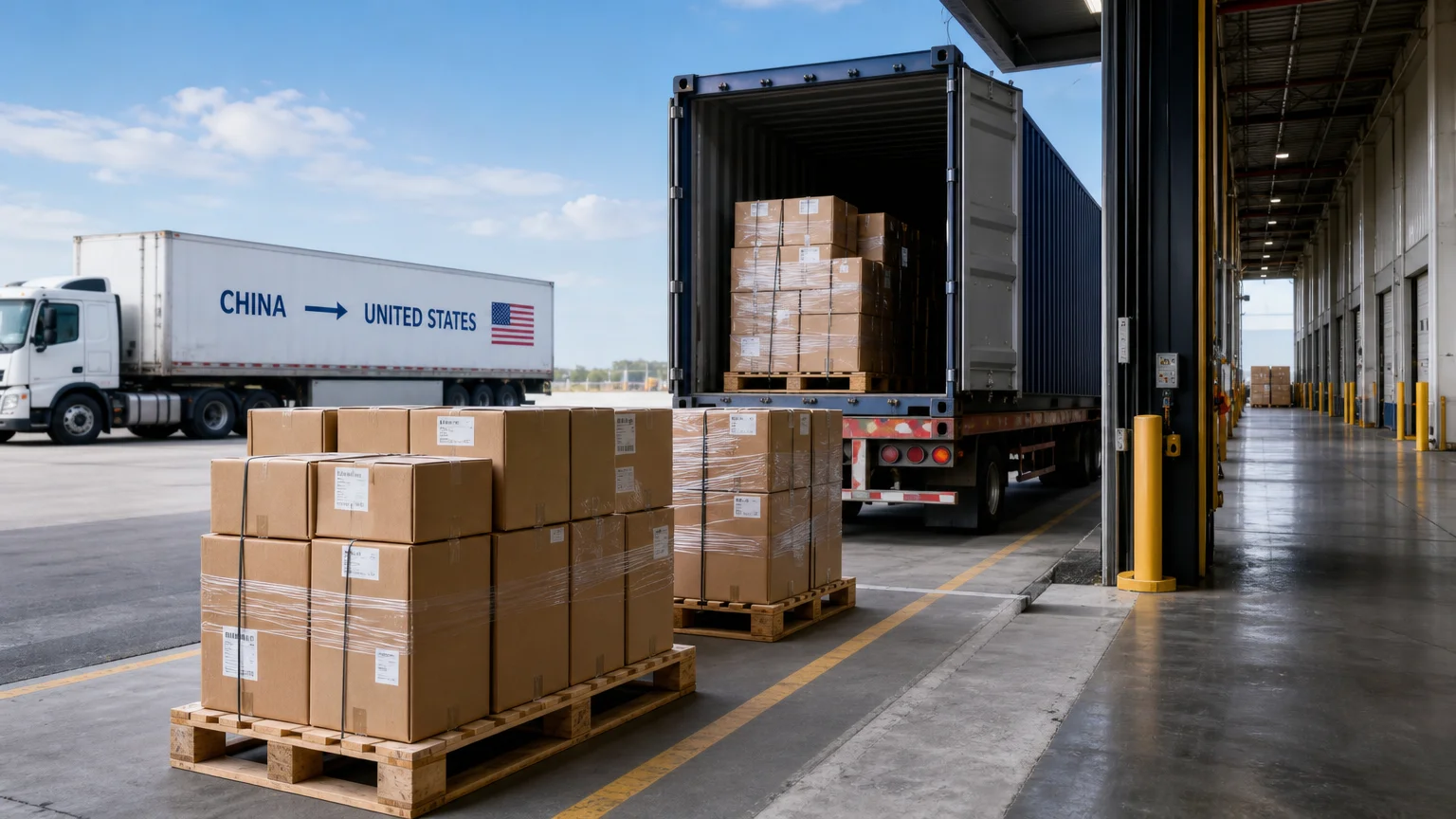
    • Research Freight Forwarders: Look for reputable freight forwarders who specialize in Amazon FBA. Compare their services, rates, and customer reviews.
    • Request Multiple Quotes: Collect quotes from at least three different freight forwarders to gauge the market rates. This not only helps in identifying the best price but also provides leverage when negotiating.
    • Review Hidden Costs: Pay attention to any extra fees that may not be included in the initial quote. These can include customs duties, taxes, and handling fees.
    • Evaluate Service Quality: Consider the freight forwarder’s service offerings, transit times, and customer support. Sometimes, a slightly higher rate may be worth it for better service and reliability.
    • Utilize Technology: Use freight shipping calculators and logistics platforms to streamline the quote comparison process. These tools can provide instant estimates and facilitate communication with multiple carriers.

    Implementing these strategies will help Amazon FBA sellers secure the most competitive freight shipping quotes, ultimately enhancing their bottom line.

    Steps to Get the Best Freight Shipping Quote

    To obtain the best freight shipping quote for Amazon FBA, sellers should follow a systematic approach that ensures they are comparing options effectively. Here’s a step-by-step process:

    • Research Reputable Freight Forwarders: Start by identifying freight forwarders that specialize in Amazon FBA shipping. Look for those with positive reviews and a proven track record in handling FBA logistics.
    • Collect Shipment Details: Gather all necessary information about your shipment, including:
    • Weight of the products
    • Dimensions of the packages
    • Destination and delivery requirements

    This data is crucial for accurate freight quotes.

    • Use Freight Shipping Cost Calculators: Leverage online freight shipping calculators to get preliminary estimates based on the shipment details collected. These tools can help you understand the range of costs you may encounter.
    • Compare at Least Three Quotes: Request quotes from multiple freight forwarders. Having at least three quotes allows for better negotiation leverage and provides a clearer picture of market rates.
    • Evaluate Service Quality: While price is important, don’t overlook the quality of service. Consider factors such as transit times, customer support, and any additional services offered, like customs clearance or tracking capabilities. A reliable forwarder may justify a higher rate through superior service.

    By following these steps, Amazon sellers can effectively evaluate freight quotes, ensuring they secure the best possible rates while maintaining high service standards.

    How to Get the Best Freight Shipping Quote for Amazon FBA

    Factors Influencing Shipping Costs

    Understanding the primary factors that influence freight shipping costs is crucial for Amazon FBA sellers aiming to optimize their shipping expenses. Several key variables can significantly affect the quotes received from freight forwarders:

    • Weight of the Shipment: Heavier shipments typically incur higher shipping costs due to increased handling and transportation expenses. Carriers often charge based on the actual weight or volumetric weight, whichever is greater.
    • Dimensions of the Package: The size of the packages can also impact shipping rates. Larger packages may require more space in transit and incur additional charges, particularly in air freight services, where dimensional weight is a critical factor.
    • Shipping Distance and Route Efficiency: The distance between the origin and destination plays a significant role in shipping costs. Longer distances generally lead to higher costs. Additionally, routes with fewer direct connections may incur extra charges for detours.
    • Type of Shipping Service (Air vs. Sea): Air freight is faster but significantly more expensive than sea freight. Sellers must choose the appropriate method based on urgency and budget constraints. Multi-modal options may also be available to balance speed and cost.
    • Time of Year and Peak Seasons: Shipping rates can fluctuate based on seasonal demand. During peak shopping seasons, such as holidays, carriers often increase rates due to higher volumes. Sellers should plan shipments accordingly to avoid premium costs.

    Factor Impact on Cost
    Weight of the Shipment Higher weight leads to increased shipping costs.
    Dimensions of the Package Larger dimensions may incur additional charges.
    Shipping Distance and Route Efficiency Longer distances and inefficient routes increase costs.
    Type of Shipping Service (Air vs. Sea) Air freight is faster but more costly than sea freight.
    Time of Year and Peak Seasons Rates may rise during peak shopping seasons.

    Tips for Negotiating Freight Rates

    Negotiating freight rates effectively can significantly lower costs for Amazon FBA sellers. Here are key strategies to consider:

    • Build Long-Term Relationships with Freight Forwarders: Establishing a rapport with freight forwarders can lead to better rates and service. A strong relationship fosters trust, which can result in more favorable terms over time.
    • Always Request Multiple Quotes: Gathering quotes from various freight providers creates competition, which can drive down prices. It also provides a benchmark to evaluate the fairness of rates offered by different carriers.
    • Be Transparent About Your Shipping Needs and Volume: Clearly communicate your shipping requirements and expected volume. Freight forwarders may offer discounts based on consistent shipping patterns or higher volumes.
    • Ask for Discounts on Bulk Shipments or Repeat Business: When placing large orders or frequently using a particular forwarder, inquire about bulk shipping discounts or loyalty programs. Many providers are willing to negotiate rates for established customers.
    • Stay Informed About Market Rates and Trends: Understanding current shipping trends and rates can empower you during negotiations. Being aware of seasonal fluctuations, fuel surcharges, or economic factors affecting shipping can help you negotiate more effectively.

    Tip Benefit
    Build Long-Term Relationships with Freight Forwarders Encourages better rates and service consistency.
    Request Multiple Quotes Creates competition and provides rate benchmarks.
    Be Transparent About Shipping Needs Potential for discounts based on volume and needs.
    Ask for Discounts on Bulk Shipments Savings on large orders or frequent shipping.
    Stay Informed About Market Rates Empowers effective negotiation strategies.
    How to Get the Best Freight Shipping Quote for Amazon FBA

    Recommended Freight Forwarders for Amazon Sellers

    Choosing the right freight forwarder is crucial for Amazon FBA sellers to ensure efficient shipping operations. Here are some reputable freight forwarders known for their expertise in handling Amazon FBA shipments:

    • Freight Forwarder A: Known for fast delivery times. They specialize in air freight services, enabling sellers to quickly restock their inventory. Their strong network of carriers ensures timely shipments, which is vital for maintaining product availability on Amazon.
    • Freight Forwarder B: Offers competitive rates for bulk shipments. This forwarder is ideal for sellers looking to maximize cost efficiency when shipping larger volumes. Their flexible pricing structures and consolidation services help reduce overall shipping costs.
    • Freight Forwarder C: Provides excellent customer service and support for FBA compliance. They assist sellers with FBA-specific requirements, such as labeling and packaging, ensuring that shipments meet Amazon’s guidelines. Their dedicated support team is available to address any logistical concerns promptly.

    Freight Forwarder Strengths
    Freight Forwarder A Fast delivery times, strong carrier network
    Freight Forwarder B Competitive rates for bulk shipments, cost efficiencies
    Freight Forwarder C Excellent customer service, FBA compliance support

    Tools and Platforms to Streamline the Process

    Amazon sellers can significantly enhance their freight shipping efficiency by utilizing various tools and platforms designed to simplify the logistics and quoting process. These digital resources help sellers obtain competitive shipping quotes and manage their logistics effectively.

    • Freight Quote Comparison Websites: These platforms allow sellers to input shipment details and receive multiple quotes from different freight forwarders, facilitating easy price comparisons.
    • Shipment Tracking Software: Real-time tracking tools provide visibility into shipment status, helping sellers monitor their cargo from origin to destination and alerting them to any delays.
    • Supply Chain Management Platforms: Comprehensive software solutions that integrate various logistics functions, enabling sellers to manage inventory, shipments, and supply chain processes in one place.
    • Freight Cost Calculators: These tools assist sellers in estimating shipping costs based on weight, dimensions, and shipping routes, allowing for better budgeting and financial planning.

    Tool/Platform Functionality
    Freightos Instant freight quotes and comparison from multiple carriers.
    Project44 Real-time shipment tracking and visibility across various transport modes.
    ShipBob Integrated supply chain management with fulfillment services.
    FreightCenter Freight cost calculators for accurate shipping estimates.

    Leveraging these tools can streamline the freight quote process, enabling Amazon sellers to focus on scaling their businesses while optimizing shipping costs and logistics efficiency.

    How to Get the Best Freight Shipping Quote for Amazon FBA

    Understanding Amazon FBA Requirements

    Amazon FBA sellers must adhere to specific requirements to ensure smooth shipping to fulfillment centers. Compliance with these guidelines is essential to avoid penalties, delays, and additional costs associated with non-compliance. Below are critical FBA requirements that sellers should be aware of:

    • Proper labeling and barcoding of products: Each product must be labeled according to Amazon’s standards. This includes using unique FNSKU barcodes that help Amazon track inventory.
    • Packaging standards that meet Amazon guidelines: Products should be packaged securely to prevent damage during transit. Amazon specifies packaging requirements, including weight limits, dimensions, and the type of materials to be used.
    • Documentation required for customs clearance: Sellers must prepare and provide all necessary documentation, such as commercial invoices and packing lists, to facilitate smooth customs processing and avoid delays.
    • Appointment scheduling for deliveries to FBA centers: Deliveries to Amazon fulfillment centers require pre-scheduled appointments. Sellers must adhere to Amazon’s guidelines for appointment scheduling to ensure timely unloading of shipments.

    Requirement Description
    Labeling Use unique FNSKU barcodes for tracking.
    Packaging Follow Amazon’s packaging standards to prevent damage.
    Customs Documentation Prepare necessary documents for customs clearance.
    Appointment Scheduling Schedule deliveries to FBA centers in advance.

    Best Practices for Efficient Shipping to Amazon FBA

    To enhance shipping operations and reduce costs, Amazon FBA sellers should adopt best practices tailored for efficient logistics management. Implementing these strategies can significantly streamline the shipping process.

    • Plan Shipments Based on Sales Forecasts: Use historical sales data to predict demand, ensuring that shipments align with expected sales trends.
    • Utilize Consolidation Services for Bulk Shipments: Combine multiple orders into a single shipment to reduce per-unit shipping costs and improve overall cost efficiency.
    • Regularly Review Shipping Routes for Cost Efficiency: Assess existing shipping routes periodically to identify any opportunities for cost savings. Optimizing routes can lead to reduced transit times and lower freight charges.
    • Maintain a Buffer Stock to Avoid Stockouts During Peak Seasons: Keeping a safety stock can prevent missed sales opportunities during high-demand periods, allowing for smoother operations during busy seasons.

    Best Practice Benefit
    Plan Shipments Based on Sales Forecasts Aligns inventory with demand, reducing excess stock.
    Utilize Consolidation Services for Bulk Shipments Lowers shipping costs through combined shipments.
    Regularly Review Shipping Routes for Cost Efficiency Identifies savings opportunities and reduces transit times.
    Maintain a Buffer Stock to Avoid Stockouts During Peak Seasons Ensures product availability during high-demand periods.
    How to Get the Best Freight Shipping Quote for Amazon FBA

    Final Words

    Final Words

    Navigating freight shipping for Amazon FBA requires strategic planning and informed decision-making. By understanding how to obtain competitive freight quotes, sellers can significantly impact their profitability.

    Key steps include researching freight forwarders, gathering shipment details, and evaluating multiple quotes. Awareness of factors influencing shipping costs, along with effective negotiation techniques, empowers sellers to secure better rates.

    Utilizing recommended freight forwarders and leveraging digital tools further streamlines the process. Adhering to FBA requirements and implementing best practices enhances operational efficiency.

    With these insights, sellers can confidently master how to get the best freight shipping quote for Amazon FBA.

    FAQ

    Q: What is the significance of freight shipping for Amazon FBA sellers?

    A: Freight shipping is crucial for Amazon FBA sellers as it directly impacts shipping costs, profitability, and overall operational efficiency.

    Q: How can Amazon sellers get the best freight shipping quote?

    A: Sellers can obtain the best freight shipping quote by researching forwarders, collecting shipment details, using cost calculators, and comparing multiple quotes.

    Q: What factors influence shipping costs for Amazon FBA?

    A: Primary factors include shipment weight, dimensions, shipping distance, service type, and seasonal demand, all of which affect freight quotes.

    Q: What strategies can sellers use to negotiate freight rates?

    A: Sellers can negotiate better rates by building relationships, requesting multiple quotes, being transparent about shipping needs, and staying updated on market trends.

    Q: Which freight forwarders are recommended for Amazon sellers?

    A: Recommended forwarders include Freight Forwarder A for fast delivery, Freight Forwarder B for bulk rates, and Freight Forwarder C for excellent customer support.

    Q: What tools can help streamline the freight shipping process?

    A: Useful tools include freight quote comparison websites, shipment tracking software, supply chain management platforms, and freight cost calculators.

    Q: What are the key Amazon FBA shipping requirements?

    A: Key requirements include proper labeling and barcoding, adherence to packaging standards, necessary customs documentation, and scheduling delivery appointments.

    Q: What best practices enhance shipping efficiency for Amazon FBA?

    A: Best practices include planning shipments based on forecasts, utilizing consolidation services, reviewing shipping routes, and maintaining buffer stock to avoid stockouts.

  • UPS Ground With Freight Pricing: Great Choice for FBA

    UPS Ground With Freight Pricing: Great Choice for FBA

    Is UPS Ground with Freight Pricing the secret weapon in the arsenal of successful Amazon FBA sellers? As businesses navigate the complexities of logistics, choosing the right shipping solution can make or break their profitability. This service, tailored specifically for FBA, promises to deliver not just packages but also peace of mind for sellers with limited logistics knowledge. By streamlining shipping processes and offering potential cost savings, it stands out in a saturated market. This blog post will explore whether UPS Ground with Freight Pricing is indeed a great choice for optimizing FBA logistics.

    UPS Ground With Freight Pricing: Great Choice for FBA

    UPS Ground with Freight Pricing is tailored for businesses leveraging Fulfillment by Amazon (FBA), providing a streamlined solution for sellers. This service simplifies shipping logistics, making it accessible even for those with limited logistics expertise.

    Key advantages of using UPS Ground for FBA shipments include:

    • Cost-Effectiveness: Competitive rates for bulk shipments help reduce overall shipping costs, enabling sellers to maximize their profit margins.
    • Reliable Delivery: UPS is known for its dependable service, ensuring timely deliveries to Amazon fulfillment centers, which is crucial for maintaining inventory levels.
    • Tracking Capabilities: Advanced tracking systems provide real-time updates on shipment status, allowing sellers to monitor their shipments closely and plan accordingly.
    • Customer Support: Dedicated support teams assist sellers in navigating the shipping process, from documentation to compliance, making it easier for newcomers to understand requirements.

    Overall, UPS Ground with Freight Pricing stands out as a practical choice for FBA sellers, optimizing their logistics operations while providing cost savings and reliability.

    Cost Analysis of UPS Ground with Freight Pricing

    The pricing structure of UPS Ground with Freight Pricing is influenced by various factors, including package weight, dimensions, and shipping distance. Understanding these elements is crucial for FBA sellers aiming to optimize their shipping costs.

    Key components of the UPS Ground pricing model include:

    • Weight: Heavier shipments incur higher costs. UPS employs a tiered pricing system based on weight brackets.
    • Dimensions: Oversized packages are subject to additional charges, emphasizing the importance of accurate packaging.
    • Distance: Shipping costs vary depending on the distance to the destination, with longer distances typically leading to higher rates.

    To provide a clearer picture of how UPS Ground compares to other shipping options, the following table outlines average shipping costs for a 100-pound shipment over a distance of 1,000 miles:

    Shipping Carrier Average Cost Delivery Time
    UPS Ground $150 3-5 Business Days
    FedEx Ground $160 3-5 Business Days
    USPS Priority Mail $180 1-3 Business Days

    From the comparison, UPS Ground presents a cost-effective solution for FBA shipments, particularly for heavier packages over longer distances. Sellers can also benefit from volume discounts and negotiated rates based on shipping frequency, further enhancing their cost savings.

    Overall, understanding the cost analysis of UPS Ground with Freight Pricing enables FBA sellers to make informed decisions, optimizing their logistics while managing expenses effectively.

    UPS Ground With Freight Pricing: Great Choice for FBA

    Benefits of Using UPS Ground for FBA

    Utilizing UPS Ground with Freight Pricing offers several advantages for FBA sellers that can significantly enhance their shipping logistics.

    Key benefits include:

    • Reliability: UPS is renowned for its dependable delivery services. FBA sellers can trust that their shipments will arrive on time at Amazon fulfillment centers, which is crucial for maintaining inventory levels and meeting customer expectations.
    • Delivery Speed: UPS Ground typically delivers shipments within a timeframe of 1-5 business days, depending on the distance. This speed ensures that restocks and product launches are executed efficiently, minimizing downtime.
    • Potential Shipping Discounts: UPS offers competitive rates, particularly for bulk shipments. FBA sellers can benefit from volume discounts and negotiated rates, further reducing overall shipping costs.
    • Comprehensive Tracking Capabilities: UPS provides advanced tracking systems that allow sellers to monitor their shipments in real-time. This transparency minimizes uncertainty and enables sellers to plan inventory management more effectively.
    • Customer Support: UPS has dedicated customer service teams available to assist sellers with any shipping-related inquiries. This support is especially valuable for those new to logistics, as it helps streamline the shipping process and ensures compliance with all necessary requirements.
    • Flexible Shipping Options: UPS Ground accommodates various shipment sizes and types, making it suitable for diverse product categories commonly sold on Amazon.

    Overall, these advantages position UPS Ground with Freight Pricing as a highly favorable option for FBA sellers aiming to optimize their shipping operations.

    Drawbacks of UPS Ground with Freight Pricing

    While UPS Ground with Freight Pricing offers numerous advantages for FBA sellers, there are some drawbacks to consider. Understanding these limitations can help sellers make informed decisions regarding their shipping options.

    Key drawbacks include:

    • Service Area Limitations: UPS Ground may not be available in all regions, particularly in more remote or rural areas. Sellers should verify service availability to ensure timely deliveries.
    • Variability in Service Quality: While UPS generally maintains high service standards, experiences can vary based on location and volume of shipments. Some sellers may encounter inconsistencies in delivery times and package handling.
    • Cost for Smaller Shipments: For smaller or lighter packages, UPS Ground’s pricing may not be as competitive compared to alternatives like USPS. Sellers should evaluate whether the cost aligns with the size and weight of their shipments.
    • Additional Fees: UPS Ground may incur extra charges for oversized packages, fuel surcharges, and other service enhancements. These fees can add up and impact overall shipping costs.
    • Complex Pricing Structure: The pricing model can be complex, with rates affected by multiple factors such as weight, dimensions, and distance. Sellers may require additional time to understand and calculate shipping costs accurately.

    By weighing these drawbacks against the benefits, FBA sellers can make a well-rounded decision on whether UPS Ground with Freight Pricing aligns with their shipping needs.

    UPS Ground With Freight Pricing: Great Choice for FBA

    Case Studies and User Testimonials

    UPS Ground with Freight Pricing has proven to be an effective shipping solution for many Fulfillment by Amazon (FBA) sellers. Real-life case studies and testimonials illustrate the tangible benefits experienced by businesses that have opted for this service.

    Case Study 1: Electronics Retailer

    An electronics seller based in California transitioned to UPS Ground for their FBA shipments. They reported a 20% reduction in shipping costs after switching from FedEx. The seller highlighted that the reliable delivery times allowed them to maintain better inventory levels, leading to improved sales. Additionally, they appreciated the tracking capabilities that provided real-time updates, enhancing their operational efficiency.

    Case Study 2: Home Goods Seller

    A home goods retailer in Texas used UPS Ground with Freight Pricing for a recent product launch. They shipped 500 units across the country, and their total shipping costs amounted to $750. In a previous launch using USPS, the same shipment would have cost approximately $1,200. This 37.5% savings allowed the seller to reinvest in marketing efforts, ultimately boosting their product visibility on Amazon.

    User Testimonials

    • “UPS Ground has transformed our shipping process. We save both time and money, and the customer service support has been invaluable.” – Sarah M., FBA Seller
    • “The tracking features are fantastic. I can keep an eye on my shipments and communicate effectively with my customers.” – James T., Electronics Seller
    • “After switching to UPS Ground, our shipping costs dropped significantly, giving us more leeway in pricing our products competitively.” – Emily R., Home Goods Seller

    These case studies and testimonials provide compelling evidence of the effectiveness of UPS Ground with Freight Pricing for FBA sellers. By emphasizing cost savings, reliability, and enhanced tracking capabilities, sellers can make informed decisions about their shipping strategies, ultimately improving their bottom line.

    Evaluating UPS Ground with Freight Pricing for FBA

    UPS Ground with Freight Pricing is a compelling option for FBA sellers seeking cost-effective shipping solutions. By providing a reliable service tailored to accommodate bulk shipments, it aligns well with the needs of sellers looking to optimize their logistics.

    Key considerations for evaluating UPS Ground include:

    • Cost Efficiency: With competitive rates, UPS Ground can significantly reduce shipping costs compared to alternatives, especially for heavier shipments. Sellers can leverage volume discounts based on shipping frequency, enhancing overall profitability.
    • Delivery Speed: UPS Ground typically offers delivery timelines of 3-5 business days. This reliability is essential for maintaining inventory levels at Amazon fulfillment centers, particularly during peak sales seasons.
    • Ease of Use: The service simplifies the shipping process for sellers, including real-time tracking capabilities and dedicated customer support. This support is invaluable for those unfamiliar with international shipping logistics.
    • Flexibility: UPS Ground accommodates various shipment sizes, enabling sellers to consolidate shipments and manage their inventory effectively.

    To summarize, UPS Ground with Freight Pricing stands out as a practical solution for FBA sellers. Its combination of cost savings, reliability, and support makes it a favorable choice in the competitive landscape of FBA shipping options.

    Evaluating individual business needs against these advantages will help sellers determine if UPS Ground is the right fit for their shipping strategy.

    UPS Ground With Freight Pricing: Great Choice for FBA

    Final Words

    Final Words

    Navigating the complexities of FBA logistics can be daunting, but UPS Ground with Freight Pricing offers a streamlined solution. The service’s cost analysis reveals competitive pricing, while its benefits highlight reliability and customer support.

    Despite some drawbacks, such as service area limitations, the case studies showcased significant cost savings and efficiencies.

    FBA sellers can evaluate UPS Ground’s suitability against their needs and operational goals. With informed decisions, leveraging UPS Ground with Freight Pricing can enhance shipping strategies. Ultimately, the value it brings makes it a worthy consideration for FBA logistics.

    FAQ

    Q: What is UPS Ground with Freight Pricing?

    A: UPS Ground with Freight Pricing is a tailored shipping solution for businesses using Fulfillment by Amazon (FBA), designed to simplify logistics and enhance shipping efficiency.

    Q: How does UPS Ground pricing compare to other carriers?

    A: UPS Ground pricing is competitive, often offering savings over FedEx and USPS. A detailed cost analysis can clarify potential benefits based on weight, dimensions, and distance.

    Q: What are the advantages of using UPS Ground for FBA shipments?

    A: Key benefits include reliability, fast delivery, shipping discounts, robust tracking capabilities, and dedicated customer service, making it an optimal choice for FBA sellers.

    Q: What are the drawbacks of UPS Ground with Freight Pricing?

    A: Limitations may include restricted service areas and variability in service quality compared to competitors, which sellers should consider when evaluating shipping options.

    Q: Are there real-life examples of cost savings with UPS Ground?

    A: Yes, case studies and user testimonials highlight significant cost savings and efficiency improvements experienced by FBA sellers using UPS Ground for their shipping needs.

    Q: How should FBA sellers evaluate UPS Ground with Freight Pricing?

    A: Sellers should assess UPS Ground’s fit within their shipping strategy by considering cost-effectiveness, service reliability, and alignment with specific business requirements.

  • Air Freight Cost Per Kg From China: Essential Insights

    Air Freight Cost Per Kg From China: Essential Insights

    When it comes to importing goods from China, many Amazon FBA sellers face a critical question: how much should they expect to pay for air freight? With costs typically ranging from $4 to $8 per kilogram, the nuances of air freight pricing can dramatically impact profitability. This blog post will delve into the complex factors influencing air freight costs, providing essential insights to help sellers navigate their shipping decisions. By understanding these dynamics, sellers can optimize their logistics strategies and maximize their bottom line.

    Understanding Air Freight Costs

    Air freight costs from China typically range from $4 to $8 per kg, influenced by several factors that can affect pricing and overall shipping expenses.

    • Factors Influencing Pricing
    • Shipping routes: The distance and the specific air routes taken can significantly impact costs. Direct routes usually incur lower charges than those requiring multiple stops.
    • Cargo weight and volume: Heavier and bulkier shipments may incur higher fees due to weight and volumetric calculations. Carriers often use the greater of actual weight or volumetric weight to determine charges.
    • Seasonal demand fluctuations: Peak shipping seasons, particularly before major holidays, can lead to increased demand and higher prices.
    • Service provider reputation: Established carriers with a strong track record may charge premium rates compared to lesser-known operators, reflecting their reliability and service quality.
    • Cost Breakdown Per Kilogram
    • Average rates for express vs. standard air freight include:
    • Express shipping: $6 – $10 per kg
    • Standard shipping: $4 – $8 per kg

    Service Type Average Cost Range (per kg)
    Express Shipping $6 – $10
    Standard Shipping $4 – $8

    Understanding these costs and factors is crucial for Amazon FBA sellers when planning shipments from China to ensure budget adherence and timely delivery.

    Comparison of Different Carriers

    Major air freight service providers play a critical role in determining the costs associated with shipping from China. Each carrier has its own pricing structures, service types, and delivery timelines, which can significantly impact overall logistics costs for Amazon FBA sellers.

    • Major Air Freight Service Providers
    • DHL: Known for its extensive global network and express service options, DHL is often preferred for time-sensitive shipments.
    • FedEx: Offers a variety of shipping solutions, including express and economy services, making it a flexible choice for different cargo types.
    • UPS: Provides reliable shipping with a focus on logistics management, suitable for both small and large shipments.
    • Cost Analysis by Carrier

    Carrier Name Service Type Cost Range per kg
    DHL Express Shipping $5 – $9
    FedEx Express Shipping $6 – $10
    UPS Standard Shipping $5.50 – $8.50

    The cost ranges above reflect average charges and can vary based on shipment specifics, such as destination, weight, and service level chosen. Understanding these differences allows Amazon FBA sellers to make informed decisions about which carrier best suits their shipping needs and budget constraints.

    Air Freight Cost Per Kg From China: Essential Insights

    Additional Charges Explained

    Air freight costs are not limited to the base rate per kilogram; additional charges can significantly affect the total shipping expenses. Understanding these extra fees is crucial for Amazon FBA sellers to accurately budget for international shipments.

    • Insurance Costs
    • Average insurance fees typically range from 1% to 3% of the cargo value. This percentage can vary depending on the service provider and the specific coverage options chosen.
    • Insuring high-value items is particularly important, as it protects against potential loss or damage during transit. Sellers should evaluate the value of their goods and consider comprehensive insurance plans to mitigate financial risks.
    • Customs and Duties
    • Customs duties are taxes imposed by governments on imported goods, which vary based on destination and product type. Understanding these fees is essential for effective cost management.
    • Estimated customs fees for key markets include:
    • United States: Duties can range from 0% to 37.5%, depending on the product classification.
    • European Union: Duties typically range from 0% to 12%, again influenced by the specific HS code assigned to the product.
    • Accurate HS code classification is vital for calculating duties correctly and avoiding unexpected charges. Misclassification can lead to delays and additional fees that impact overall shipping costs.

    Market Estimated Customs Fees
    United States 0% – 37.5%
    European Union 0% – 12%

    By accounting for these additional charges, sellers can better anticipate total shipping costs and avoid surprises upon delivery.

    Choosing the Right Air Freight Service

    Selecting the right air freight service is crucial for Amazon FBA sellers as it directly impacts shipping costs and delivery efficiency. Balancing cost and reliability is key to making informed logistics decisions.

    • Cost vs. Reliability
    • Comparing service quality ratings: Evaluate carriers based on customer feedback and industry ratings. Higher-rated services may come at a premium but can save time and reduce the risk of delays.
    • Evaluating delivery times and performance metrics: Analyze each carrier’s track record for on-time deliveries and responsiveness. Understanding their typical transit times helps set realistic expectations for inventory management.
    • Tips for Selecting a Carrier
    • Compare quotes from multiple providers: Obtain estimates from various freight forwarders to gauge the market rate. This comparison should include not just base rates but also factors like fuel surcharges and peak season pricing.
    • Check for hidden fees: Scrutinize contracts for additional charges such as handling fees, customs clearance costs, and insurance. Transparency in pricing can prevent budget overruns.
    • Read customer reviews: Investigate online reviews and testimonials to assess the reliability and service quality of potential carriers. Look for recurring themes in customer experiences that highlight strengths or weaknesses.
    • Understand transit times and service reliability: Know the average transit times for different services and how they align with your shipping schedule. Reliability metrics can inform whether a carrier can meet urgent shipment needs.

    Carrier Selection Criteria Considerations
    Cost Compare quotes and look for hidden fees
    Service Quality Check ratings and read reviews
    Delivery Times Evaluate historical performance metrics
    Reliability Understand service consistency and responsiveness

    By carefully considering these factors and following the outlined tips, Amazon FBA sellers can select the most cost-effective and reliable air freight service tailored to their specific shipping needs.

    Air Freight Cost Per Kg From China: Essential Insights

    Final Words

    Final Words

    Understanding air freight costs is crucial for optimizing logistics from China. This article delved into the pricing factors such as shipping routes, cargo weight, and seasonal demand that influence air freight costs.

    Different carriers like DHL, FedEx, and UPS were compared, showcasing their pricing structures and service quality. Additional charges, including insurance and customs duties, can significantly affect total shipping expenses, emphasizing the need for careful planning.

    Ultimately, choosing the right air freight service is about balancing cost and reliability. With the insights provided, sellers can make informed decisions, ensuring a smooth shipping experience. Knowledge of air freight cost per kg from China: a complete breakdown will empower sellers to navigate this vital aspect of their e-commerce operations effectively.

    FAQ

    Q: What are the key factors influencing air freight pricing?

    A: Air freight pricing is influenced by shipping routes, cargo weight and volume, seasonal demand fluctuations, and the reputation of the service provider.

    Q: What is the cost breakdown per kilogram for air freight?

    A: Average air freight costs range from $4 to $10 per kg, with express shipping priced between $6 and $10, while standard shipping is typically $4 to $8.

    Q: Which air freight carriers are the most prominent?

    A: Major air freight carriers include DHL, FedEx, and UPS, each offering different pricing structures and service options for shipping needs.

    Q: How do air freight rates compare among different carriers?

    A: Carrier rates vary: DHL charges $5 to $9, FedEx ranges from $6 to $10, and UPS offers $5.50 to $8.50 per kg for air freight services.

    Q: What additional charges should be considered in air freight?

    A: Additional charges can include insurance fees, averaging 1% to 3% of cargo value, and customs duties based on destination, impacting total shipping costs.

    Q: How can customs duties affect air freight costs?

    A: Customs duties vary by destination, and accurate HS codes are crucial for calculating these fees to avoid unexpected costs during shipping.

    Q: What should be considered when choosing an air freight service?

    A: Selecting an air freight service requires balancing cost and reliability, evaluating service quality ratings, delivery times, and performance metrics.

    Q: What tips can help in selecting the right air freight carrier?

    A: To select a carrier, compare quotes, check for hidden fees, read customer reviews, and understand transit times and service reliability.

  • Ocean Freight vs Air Freight: The Best Choice for FBA Sellers

    Ocean Freight vs Air Freight: The Best Choice for FBA Sellers

    When it comes to shipping products from China to Amazon warehouses, the debate between ocean freight and air freight often leaves FBA sellers questioning their best option. Each method presents unique advantages and challenges, influencing costs, delivery times, and overall reliability. As sellers weigh their choices, understanding the implications of each shipping method becomes crucial. This post will dissect the core differences, ultimately guiding sellers toward the most effective shipping solution tailored to their business needs. By the end, FBA sellers will be equipped to make informed decisions that enhance their operational efficiency.
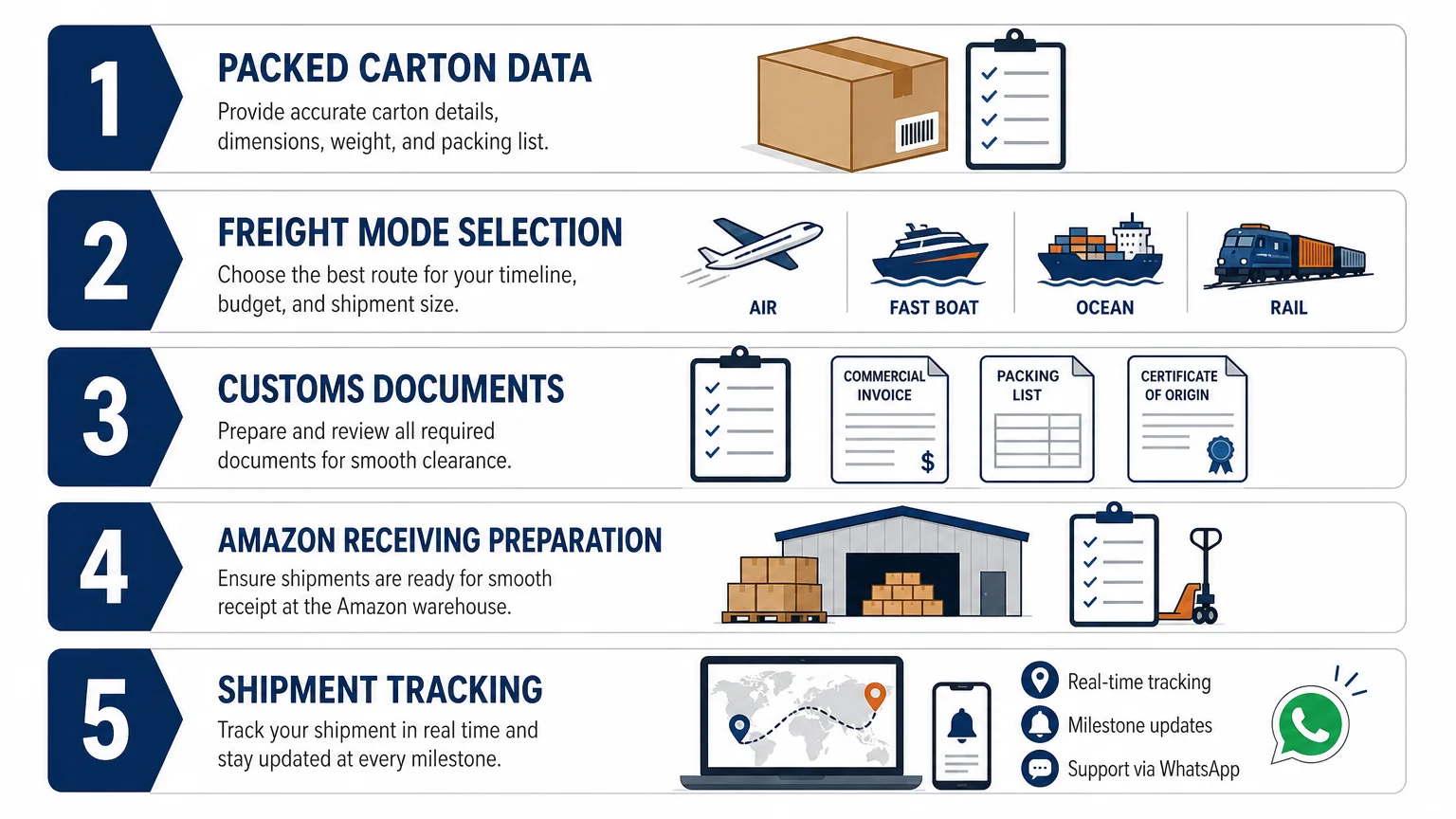
    Cost Analysis: Ocean Freight vs Air Freight

    FBA sellers must carefully evaluate the cost implications of choosing between ocean freight and air freight. Understanding the financial aspects of each option can significantly impact profit margins and overall business viability.

    Ocean Freight Costs:

    • Generally more cost-effective for large shipments.
    • Pricing is influenced by factors like distance, shipment size, and fuel costs.
    • Additional fees may include terminal handling, customs clearance, and documentation fees.

    Air Freight Costs:

    • Faster delivery comes at a higher price.
    • Costs are driven by weight, volume, and urgency of shipment.
    • Additional fees often encompass fuel surcharges, customs duties, and handling charges.

    The table below summarizes the average costs associated with both shipping methods, illustrating the financial considerations for FBA sellers:

    Shipping Method Average Cost per kg Additional Fees (customs, handling)
    Ocean Freight $0.10 – $0.30 $100 – $300 per shipment
    Air Freight $3.00 – $10.00 $50 – $150 per shipment

    FBA sellers should conduct a detailed analysis based on their specific shipping needs, taking into account shipment size and urgency to determine the most cost-effective solution.

    Delivery Times: Ocean Freight vs Air Freight

    FBA sellers must consider delivery timelines when choosing between ocean freight and air freight. The urgency of restocking inventory or launching new products can significantly influence the shipping method selected.

    • Ocean Freight:
    • Average delivery time is typically 20-40 days, including customs clearance.
    • Air Freight:
    • Average delivery time ranges from 3-7 days, also including customs clearance.

    Factors that can affect delivery times include:

    • Customs Delays:
    • Both methods can experience delays during the customs clearance process.
    • Seasonal Traffic:
    • Peak shipping seasons may lead to longer transit times, particularly for ocean freight due to port congestion.
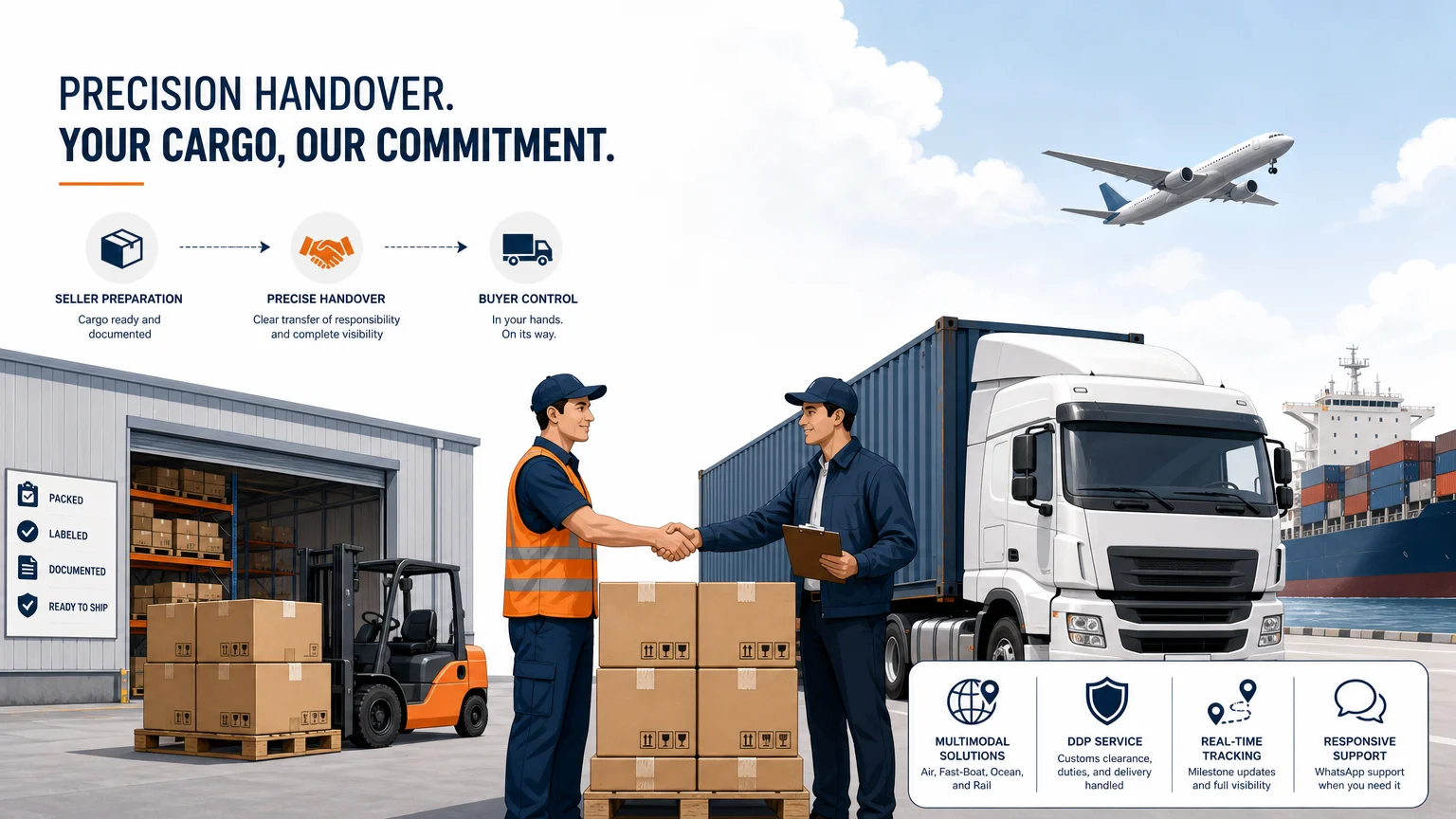
    • Shipment Size:
    • Larger shipments may take longer to process, especially in ocean freight scenarios.

    FBA sellers should assess their inventory needs and shipping timelines to make informed decisions, balancing speed against cost.

    Ocean Freight vs Air Freight: The Best Choice for FBA Sellers

    Reliability: Ocean Freight vs Air Freight

    Reliability is a crucial factor for FBA sellers when deciding between ocean freight and air freight. Each method presents unique challenges that can impact delivery timelines and overall logistics.

    Ocean Freight Reliability:

    • Weather Conditions:
    • Ocean freight is susceptible to delays caused by adverse weather, such as storms or rough seas, which can lead to rerouting or port closures.
    • Port Congestion:
    • Major ports can experience congestion, especially during peak seasons, resulting in longer wait times for loading and unloading cargo.
    • Customs Delays:
    • Ocean shipments are subject to customs inspections, which can delay delivery if documentation is not in order or if there are compliance issues.

    Air Freight Reliability:

    • Flight Cancellations:
    • Air freight is affected by flight cancellations due to weather, technical issues, or operational disruptions, leading to potential delays.
    • Security Checks:
    • Rigorous security protocols at airports can add time to the shipping process, especially for international shipments that require additional inspections.
    • Customs Inspections:
    • Similar to ocean freight, air freight also faces customs inspections, which can cause delays if there are discrepancies in paperwork or product compliance.

    Both shipping methods have their reliability challenges, and FBA sellers must weigh these factors against their urgency and inventory needs when choosing a shipping solution.
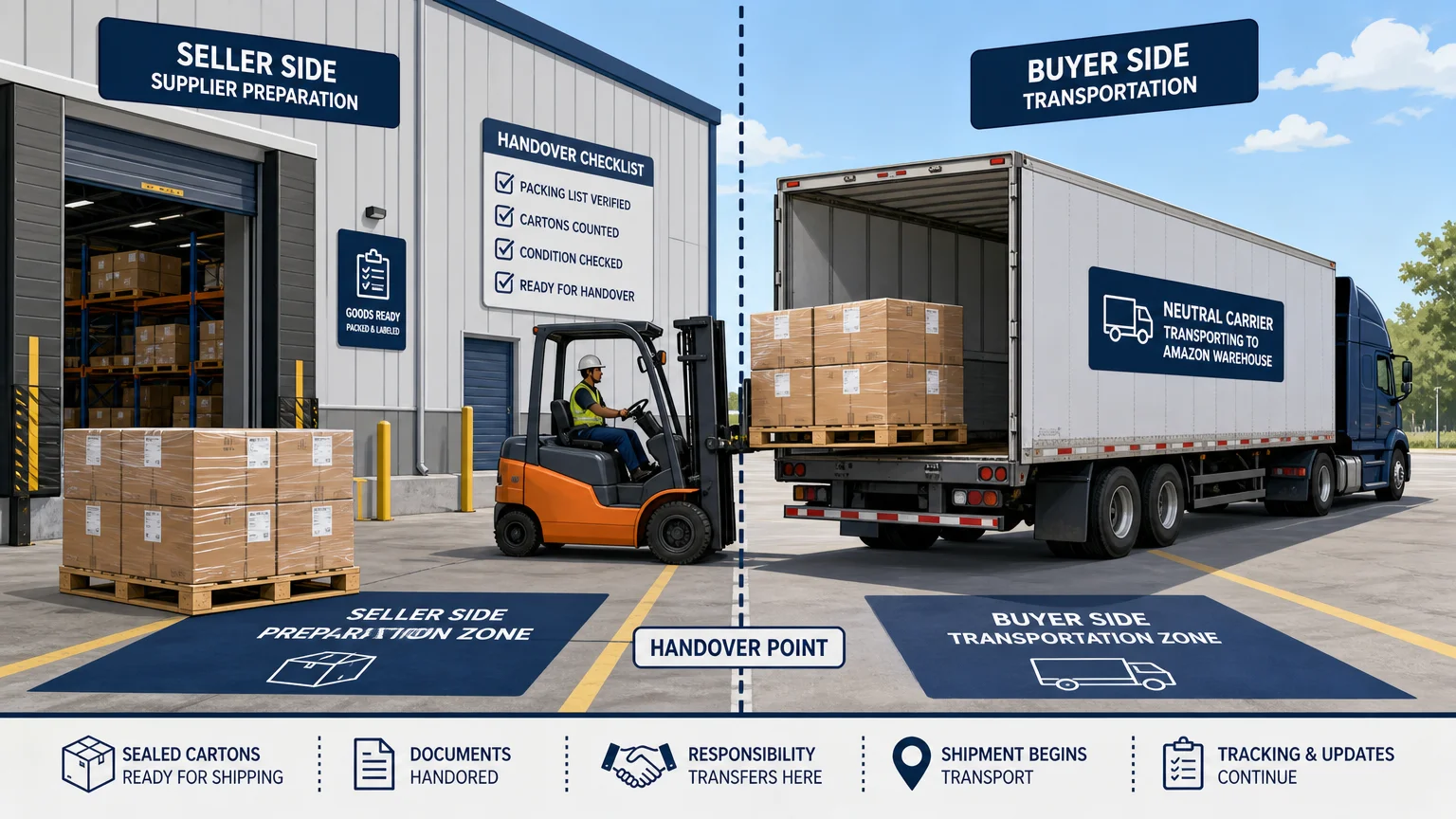
    Suitability for Different Types of Products: Ocean Freight vs Air Freight

    FBA sellers must assess the nature of their products when deciding between ocean freight and air freight. The characteristics of the items being shipped can significantly influence the choice of shipping method.
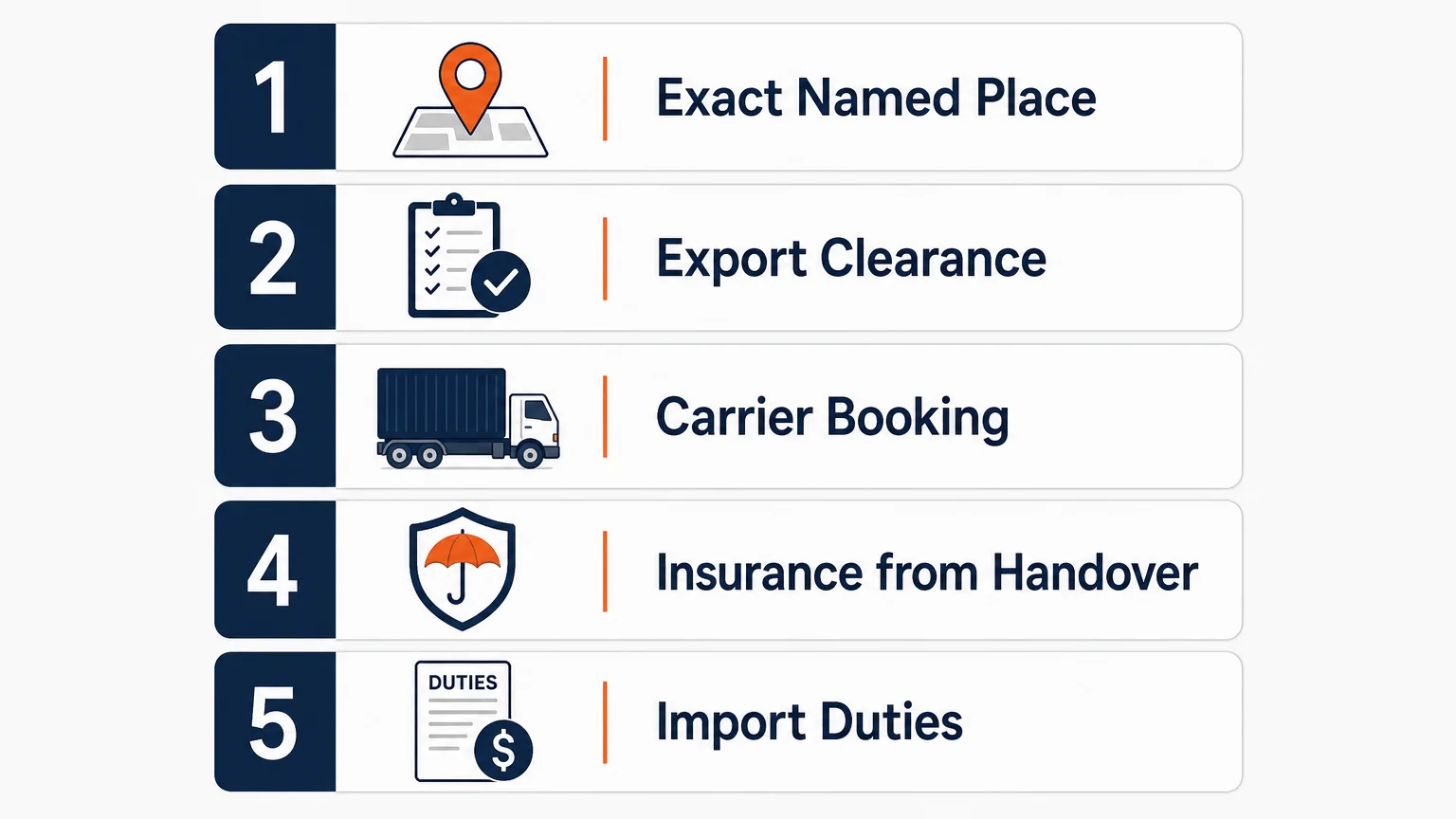
    Heavy and Bulky Items

    Ocean freight is particularly suited for heavy and bulky items. This shipping method offers several advantages for FBA sellers dealing with larger shipments:

    • Capacity: Ocean freight vessels can accommodate large volumes and weights, making it ideal for bulk shipments of heavy products like furniture, machinery, or construction materials.
    • Cost-Effectiveness: The cost per unit decreases significantly when shipping large quantities, as ocean freight typically charges based on container space rather than weight. This makes it a more economical option for sellers who need to transport large quantities of goods.
    • Load Flexibility: Ocean freight allows for the stacking of pallets and containers, maximizing space utilization, which is beneficial for sellers with oversized items.

    Urgent and Perishable Items

    Air freight is the preferred choice for urgent and perishable items due to its speed and efficiency. Here are the key reasons why FBA sellers should consider air freight for time-sensitive products:

    • Speed: Air freight drastically reduces transit times, with deliveries typically ranging from 3 to 7 days. This is crucial for sellers needing to restock quickly or launch new products.
    • Freshness: For perishable goods such as food, flowers, or pharmaceuticals, air freight ensures that products remain fresh and viable upon arrival. The shorter shipping duration minimizes spoilage and waste.
    • High-Value Electronics: Items like smartphones and laptops benefit from air freight as well, as sellers often need rapid delivery to meet consumer demand and avoid stockouts.

    FBA sellers should evaluate their product characteristics, shipping urgency, and cost constraints to determine the most suitable shipping method for their logistics needs.

    Ocean Freight vs Air Freight: The Best Choice for FBA Sellers

    Environmental Impact: Ocean Freight vs Air Freight

    When evaluating the best shipping method, FBA sellers must consider the environmental impact of ocean freight and air freight. Understanding the carbon emissions associated with each option can guide sellers toward more sustainable logistics decisions.

    • Ocean Freight:
    • Ocean freight has lower carbon emissions per unit transported, making it a more environmentally friendly option for bulk shipments.
    • The average carbon footprint for ocean freight is significantly reduced due to the efficiency of large vessels, which can carry vast quantities of goods.
    • Air Freight:
    • Air freight contributes significantly to higher carbon footprints because of the fuel-intensive nature of air travel.
    • The emissions associated with air freight are substantially greater per unit of weight, resulting in a less sustainable option for shipping.
    • Sustainability Initiatives:
    • The shipping industry is increasingly adopting sustainability initiatives within ocean freight, such as investing in cleaner vessels and improved fuel efficiency.
    • Innovations like retrofitting older ships with advanced technologies and utilizing alternative fuels aim to further reduce the environmental impact of ocean shipping.

    FBA sellers aiming for eco-conscious logistics should prioritize ocean freight for larger shipments, thereby minimizing their overall carbon footprint while still meeting their supply chain needs.

    Practical Advice for FBA Sellers: Choosing Between Ocean Freight and Air Freight

    FBA sellers must assess their unique logistics needs to determine whether ocean freight or air freight is the best option for their business model. Key factors to consider include shipping volume, urgency, costs, and product characteristics.

    Considerations for Choosing Freight Method:

    • Shipping Volume and Weight:
    • Evaluate the total weight and volume of the shipment. Larger shipments generally benefit from the lower per-unit costs associated with ocean freight.
    • Urgency and Delivery Time Requirements:
    • Determine how quickly you need the products to reach the Amazon fulfillment center. If speed is critical, air freight may be the better choice despite the higher costs.
    • Cost Considerations:
    • Conduct a cost analysis based on shipment size and method. Ocean freight is typically cheaper for bulk shipments, while air freight incurs higher costs for smaller volumes.
    • Product Type and Characteristics:
    • Consider the nature of the products. Perishable items or time-sensitive goods should lean towards air freight, while durable goods can be shipped via ocean freight.

    Decision-Making Flowchart: Choosing Your Freight Method

    Step Decision
    1 Determine Shipping Volume
    2 Is the shipment large (over 100 kg)?
    Yes → Consider Ocean Freight
    No → Go to Step 3
    3 Is the shipment urgent (needs delivery within 7 days)?
    Yes → Consider Air Freight
    No → Go to Step 4
    4 Is the product heavy or bulky?
    Yes → Consider Ocean Freight
    No → Consider Air Freight

    FBA sellers should utilize this framework to make informed logistics decisions that align with their operational needs and business goals.

    Ocean Freight vs Air Freight: The Best Choice for FBA Sellers

    Final Words

    Final Words

    In the action of assessing shipping methods, FBA sellers must weigh the costs, delivery times, reliability, product suitability, and environmental impact of ocean freight versus air freight.

    Each method has distinct advantages: ocean freight is ideal for bulky items and cost efficiency, while air freight excels in urgency and handling perishable goods. Understanding these factors enables sellers to make informed decisions tailored to their logistics needs.

    By focusing on these elements, Amazon FBA sellers can enhance their shipping strategies. Ultimately, choosing the right method—whether it’s ocean freight or air freight—can lead to improved efficiency and profitability in their business operations.

    FAQ

    Q: What are the average costs associated with ocean and air freight for FBA sellers?

    A: Ocean freight typically costs less per kg compared to air freight. Average costs vary based on shipment size, distance, and additional fees such as customs and handling.

    Q: How long does ocean freight take compared to air freight for delivery?

    A: Ocean freight usually takes 20-40 days, while air freight takes 3-7 days, including customs clearance. Factors like customs delays and seasonal traffic can affect these timelines.

    Q: What factors impact the reliability of ocean and air freight?

    A: Reliability is influenced by external factors. Ocean freight may face weather conditions, port congestion, and customs delays. Air freight reliability can be affected by flight cancellations, security checks, and customs inspections.

    Q: Which shipping method is better for heavy and bulky items?

    A: Ocean freight is ideal for heavy and bulky items due to its capacity and cost-effectiveness, making it suitable for large shipments.

    Q: How does air freight benefit urgent and perishable items?

    A: Air freight is advantageous for urgent and perishable items, such as food and electronics, because it offers fast delivery, ensuring time-sensitive goods reach their destination quickly.

    Q: What is the environmental impact of ocean freight compared to air freight?

    A: Ocean freight has lower carbon emissions per unit transported, while air freight significantly contributes to higher carbon footprints. Sustainability initiatives are emerging in ocean freight, such as cleaner vessels.

    Q: What practical advice can FBA sellers use to choose between ocean and air freight?

    A: FBA sellers should consider shipping volume, urgency, cost, and product characteristics. A decision-making flowchart can guide them through evaluating their logistics needs for optimal shipping choices.

  • How to Calculate Freight Costs for Amazon FBA in 2026

    How to Calculate Freight Costs for Amazon FBA in 2026

    How can a simple miscalculation in freight costs derail an Amazon FBA seller’s entire profit margin? As e-commerce grows increasingly competitive, understanding how to accurately calculate freight costs has never been more crucial. In 2026, with fluctuating shipping rates and evolving logistics strategies, Amazon sellers must refine their cost-calculation skills to ensure profitability. This guide will provide essential insights into freight cost calculation for Amazon FBA, equipping sellers with the knowledge to navigate complexities and make informed decisions. By mastering these calculations, sellers can enhance their supply chain efficiency and bolster their bottom line.

    How to Calculate Freight Costs for Amazon FBA in 2026

    Freight cost calculation for Amazon FBA involves several critical components that sellers must understand to optimize their shipping expenses. Accurate calculations ensure budget management and enhance profitability.

    • Steps to Calculate Freight Costs:
    • Determine the weight and dimensions of the product: Weigh the product in pounds (lbs) and measure its dimensions in inches (length, width, height). This data is essential for calculating freight charges accurately.
    • Choose the shipping method: Select between air, sea, or rail based on urgency and budget. Each method has distinct cost structures and delivery timelines.
    • Calculate freight based on weight:
    • Actual weight: The physical weight of the cargo.
    • Volumetric weight: Calculated using the dimensions of the shipment, often using the formula:
    Volumetric Weight (lbs) = (Length (in) × Width (in) × Height (in)) / (139)
    • Freight rates will usually apply to the greater of the actual or volumetric weight.
    • Important Factors:
    • Shipping distance: Longer distances typically incur higher freight costs.
    • Service level: Express shipping options are faster but generally cost more than standard services.
    • Fuel surcharges: Fluctuations in fuel prices can significantly impact overall shipping costs, so consider this when estimating expenses.

    Shipping Method Cost Factor
    Air Freight Higher cost, faster delivery
    Sea Freight Lower cost, slower delivery
    Rail Freight Moderate cost, balanced speed

    Analyzing 2026 Amazon Shipping Rates

    Amazon FBA sellers must stay informed about the expected shipping rates in 2026 to optimize their logistics budgets effectively. Several key factors will influence these rates, leading to either increases or decreases in shipping expenses.

    • Key Influences on Shipping Rates:
    • Market demand and capacity: As e-commerce continues to grow, fluctuations in demand can lead to capacity constraints, which may drive up shipping costs.
    • Fuel price fluctuations: Changes in global fuel prices directly impact freight costs. Higher fuel prices generally result in increased shipping rates across all modes of transport.
    • Changes in regulations and tariffs: New regulations or tariffs, especially in key markets like the EU and the US, could affect shipping costs, particularly for goods subject to additional duties.
    • List of Expected Rate Changes:
    • Air freight costs: Anticipated to increase due to demand spikes and capacity limitations.
    • Sea freight pricing trends: Rates may stabilize or decrease as shipping lanes become more efficient and competition increases.
    • Estimated impact of fuel prices on shipping rates: Projections indicate that if fuel prices rise significantly, shippers may pass these costs onto sellers, leading to higher overall freight expenses.

    Shipping Method Expected Rate Change
    Air Freight Increase
    Sea Freight Stabilization or Decrease
    Rail Freight Moderate increase anticipated
    How to Calculate Freight Costs for Amazon FBA in 2026

    Utilizing an Amazon FBA Freight Cost Estimator

    Amazon FBA sellers can greatly benefit from utilizing freight cost estimators to streamline their shipping cost calculations. These tools provide insights into estimated shipping expenses, allowing sellers to make informed decisions on logistics.

    • Types of Freight Cost Estimators:
    • Online tools provided by freight forwarders: Many freight forwarders offer proprietary calculators that provide instant quotes based on input parameters.
    • Amazon’s own shipping calculators: Amazon has built-in calculators that help sellers estimate shipping costs specifically for FBA, ensuring compatibility with Amazon’s requirements.
    • Third-party logistics software: Various logistics platforms offer comprehensive freight cost estimation tools that can integrate with multiple shipping carriers for accurate comparisons.
    • Steps to Use a Freight Estimator:
    • Input product dimensions and weight: Accurate measurements are crucial. Enter the length, width, height, and total weight of the shipment to receive an accurate quote.
    • Select shipping origin and destination: Specify where the shipment is coming from and where it will be delivered. This will affect the overall cost.
    • Review estimated costs and adjust variables as needed: After generating the initial quote, sellers can experiment with different shipping methods or carriers to see how changes affect costs.
    • Benefits of Using an Estimator:
    • Accurate budgeting: Estimators provide realistic cost projections, assisting sellers in financial planning and ensuring that unexpected costs do not disrupt cash flow.
    • Comparison of different shipping options: Sellers can quickly compare costs across various carriers and shipping methods, enabling them to choose the most cost-effective solution.
    • Time-saving in cost analysis: Automating the cost calculation process reduces the time needed for sellers to analyze shipping options, allowing them to focus on other critical aspects of their business.

    Estimator Type Key Features
    Freight Forwarder Tools Instant quotes, carrier options
    Amazon Shipping Calculator FBA compatibility, standard rates
    Third-Party Software Integration with multiple carriers, advanced analytics

    Best Practices for Reducing Freight Costs for FBA

    Amazon FBA sellers can implement several strategies to effectively minimize freight costs while ensuring efficiency in their shipping operations. Understanding these best practices can lead to significant savings in logistics expenses.

    • List of Cost-Saving Strategies:
    • Consolidate shipments to lower per-unit costs: By combining multiple orders into a single shipment, sellers can take advantage of bulk shipping rates, reducing the overall cost per unit.
    • Utilize multi-modal shipping options: Employing combinations of air, sea, and rail freight can help optimize shipping costs based on urgency and budget. Selecting the right mode for each leg of the journey can balance speed and expense.
    • Plan shipments during off-peak seasons: Shipping during less busy times can lead to lower rates and reduced surcharges. Sellers should analyze seasonal trends to determine the best times to ship.
    • Examples of Cost Reduction:
    • Comparing quotes from multiple freight forwarders: Sellers should solicit estimates from various logistics providers to find the best rates and services tailored to their needs.
    • Leveraging bulk shipping discounts: Many freight companies offer discounts for larger volume shipments. Sellers should negotiate these rates when planning larger purchases.
    • Implementing efficient inventory management practices: By accurately forecasting inventory needs, sellers can reduce the frequency of shipments, leading to lower overall freight costs.

    Shipping Method Cost Comparison
    Air Freight Higher cost but faster delivery
    Sea Freight Lower cost, slower delivery
    Rail Freight Moderate cost, balanced speed
    How to Calculate Freight Costs for Amazon FBA in 2026

    Understanding the Impact of Fuel Prices on FBA Shipping

    Fluctuations in fuel prices significantly influence overall shipping costs for Amazon FBA sellers. Understanding this relationship is essential for sellers to anticipate changes in their shipping expenses and adjust accordingly.

    • Key Points:
    • Historical trends of fuel prices and shipping rates: Over the past few years, there has been a direct correlation between rising fuel prices and increasing freight rates. As fuel costs surge, logistics providers often pass these expenses onto sellers.
    • Anticipated fuel price changes in 2026: Analysts project potential increases in fuel prices due to geopolitical tensions and supply chain disruptions, which could drive up shipping costs across all modes of transport.
    • Strategies to mitigate fuel cost impacts: Sellers can adopt several strategies to minimize the effects of rising fuel prices, such as:
    • Utilizing consolidated shipments to maximize load efficiency.
    • Opting for slower, more cost-effective shipping methods when time sensitivity allows.
    • Monitoring fuel price trends to time shipments strategically.

    Shipping Method Current Rate Estimated Rate Increase
    Air Freight $5.00/lb 15%
    Sea Freight $1,200/20ft container 10%
    Rail Freight $1,000/40ft container 8%

    Freight Forwarding Solutions for Amazon Sellers

    Freight forwarders play a crucial role in optimizing shipping for Amazon FBA sellers, providing invaluable support throughout the logistics process. Their expertise can simplify complex shipping requirements and lower overall costs.

    • Benefits of Using a Freight Forwarder:
    • Expertise in logistics and compliance: Freight forwarders are knowledgeable about international shipping regulations, customs procedures, and compliance requirements, ensuring smooth operations.
    • Access to better freight rates: Due to established relationships with carriers, freight forwarders can negotiate competitive rates that individual sellers may not achieve on their own.
    • Comprehensive shipping solutions: They offer end-to-end services, managing everything from factory pickup to delivery at Amazon fulfillment centers, streamlining the entire process.
    • Steps to Select a Freight Forwarder:
    • Assess experience with Amazon FBA: Look for forwarders who specialize in Amazon logistics, as they understand specific requirements and challenges.
    • Compare service offerings and costs: Evaluate different forwarders based on the services they provide and their pricing structures to find the best fit for your needs.
    • Check references and reviews: Research past customer experiences to gauge reliability and performance.
    • List of Questions to Ask a Freight Forwarder:
    • What services do you provide?
    • How do you handle customs clearance?
    • Can you offer cost estimates for multiple shipping methods?

    Benefit Description
    Expertise Knowledge of logistics and compliance requirements
    Better Rates Negotiated rates through established carrier relationships
    Comprehensive Solutions End-to-end management from factory to Amazon warehouse
    How to Calculate Freight Costs for Amazon FBA in 2026

    Final Words

    Final Words

    Understanding freight cost calculation for Amazon FBA in 2026 is crucial for optimizing logistics. This article detailed the steps for calculating freight costs, analyzing expected shipping rates, and utilizing freight cost estimators effectively.

    Implementing best practices to reduce freight costs, while considering the impact of fuel prices, ensures sellers maintain profitability. Leveraging freight forwarding solutions can further streamline shipping processes.

    With the right strategies in place, sellers can confidently manage their shipping expenses. Knowledge of how to calculate freight costs for Amazon FBA in 2026 will empower sellers to navigate this complex landscape successfully.

    FAQ

    Q: What factors influence freight cost calculations for Amazon FBA?

    A: Freight cost calculations depend on product weight, dimensions, shipping methods, distance, service level, and fuel surcharges.

    Q: How can sellers calculate freight costs accurately?

    A: Sellers should determine product weight and dimensions, choose a shipping method, and calculate freight based on actual or volumetric weight.

    Q: What are the expected shipping rates for Amazon FBA in 2026?

    A: Expected shipping rates in 2026 will be influenced by market demand, fuel prices, and changes in regulations and tariffs.

    Q: What types of freight cost estimators are available for Amazon FBA sellers?

    A: Sellers can use online tools from freight forwarders, Amazon’s shipping calculators, and third-party logistics software for estimating costs.

    Q: How do sellers effectively use a freight cost estimator?

    A: Sellers should input product dimensions and weight, select shipping origin and destination, then review and adjust estimated costs as needed.

    Q: What are best practices for reducing freight costs for Amazon FBA?

    A: Sellers can consolidate shipments, utilize multi-modal shipping options, and plan shipments during off-peak seasons to minimize costs.

    Q: How do fuel prices impact FBA shipping costs?

    A: Fluctuations in fuel prices directly affect shipping costs, with historical trends indicating a correlation that sellers should monitor.

    Q: What benefits do freight forwarders offer to Amazon sellers?

    A: Freight forwarders provide logistics expertise, better freight rates, and comprehensive shipping solutions from the factory to the Amazon warehouse.

    Q: What should sellers consider when selecting a freight forwarder?

    A: Sellers should assess the forwarder’s experience with Amazon FBA, compare service offerings and costs, and check references and reviews.

    Q: What questions should sellers ask a freight forwarder?

    A: Sellers should inquire about provided services, customs clearance handling, and cost estimates for various shipping methods.

  • Rail Freight to FBA: Unlock Cost Savings and Efficiency

    Rail Freight to FBA: Unlock Cost Savings and Efficiency

    Is rail freight the hidden gem of Amazon FBA logistics, or merely a forgotten relic of the past? As e-commerce continues to evolve, savvy sellers are discovering that rail freight offers unparalleled cost savings and efficiency, challenging traditional shipping methods. In this blog post, we’ll explore how rail freight can transform your supply chain strategy. By understanding the mechanisms of rail transport and its advantages, FBA sellers can unlock significant financial benefits while also contributing to a more sustainable future. Prepare to re-evaluate your shipping choices and harness the power of rail freight.

    ## Final Words

    ## Final Words

    In the action of optimizing logistics, rail freight emerges as a compelling option for FBA sellers. This article explored how rail freight services offer cost efficiency, environmental sustainability, and reliability, making them a strong contender against traditional transport methods.

    The advantages of rail freight are evident, particularly for bulk shipments where savings can reach 40%. As e-commerce continues to grow, understanding and leveraging rail freight will be crucial for maintaining a competitive edge.

    Embracing rail freight to FBA not only enhances operational efficiency but also contributes positively to sustainability goals, ensuring sellers can thrive in a challenging market.

    ## FAQ

    ### Q: What is rail freight shipping for FBA?

    A: Rail freight shipping involves transporting goods via train to Amazon’s Fulfillment by Amazon (FBA) centers, offering cost-effective and environmentally sustainable logistics solutions.

    ### Q: What are the key advantages of rail freight for e-commerce?

    A: Rail freight provides cost savings, reduced carbon footprint, reliable delivery schedules, and efficient handling of bulk shipments, making it ideal for e-commerce businesses, particularly FBA sellers.

    ### Q: How does rail freight compare in cost to other shipping methods?

    A: Rail freight can save FBA sellers 20%-40% compared to trucking and air freight, especially for long-distance and bulk shipments, influenced by factors like distance and cargo volume.

    ### Q: What environmental benefits does rail freight offer?

    A: Rail freight has a lower carbon footprint than trucking and air freight, contributing to sustainability initiatives in the transport industry, making it a greener choice for logistics.

    ### Q: How reliable is rail freight compared to trucking and air freight?

    A: Rail freight typically offers more reliable delivery schedules, with consistent transit times, though trucking may be faster for short distances, while air freight is the quickest but most costly.

    ### Q: What documentation is needed for rail freight shipments to FBA?

    A: Sellers must prepare customs documentation and comply with specific regulations related to FBA and rail freight, ensuring all paperwork is complete before shipment.

    ### Q: How can sellers choose the right rail freight provider?

    A: Key considerations include evaluating the provider’s reputation, service offerings, and ability to meet specific seller needs, ensuring alignment with logistics requirements.

    ### Q: What are some real-world examples of businesses using rail freight for FBA?

    A: Numerous case studies highlight companies that achieved significant cost savings and efficiency improvements by integrating rail freight into their FBA logistics strategies.

    ### Q: What challenges do businesses face when using rail freight?

    A: Common challenges include navigating regulations, managing timelines, and ensuring compliance, but successful users often share insights and best practices to overcome these obstacles.

  • Fast Boat vs Air Freight: Discover the Best Choice

    Fast Boat vs Air Freight: Discover the Best Choice

    In the competitive world of e-commerce, choosing the right shipping method can significantly impact a seller’s success. Fast boat shipping and air freight both promise speed, but which truly delivers? While air freight offers lightning-quick transit times, fast boat shipping boasts cost-effectiveness that can revolutionize logistics strategies. Understanding these options is crucial for Amazon FBA sellers looking to optimize their supply chains. This article will dissect the strengths and weaknesses of both methods, helping businesses make informed decisions that align with their operational goals and budgetary constraints.

    ## Final Words

    ## Final Words

    Understanding the nuances of fast boat shipping and air freight is crucial for optimizing logistics strategies. This article detailed key comparisons, including delivery speed, cost, reliability, and environmental impact.

    By weighing the pros and cons of each method, businesses can make informed decisions based on urgency and cargo requirements. Additionally, the environmental implications and cost analyses highlight the importance of sustainable shipping practices.

    Ultimately, the right choice between fast boat vs air freight hinges on specific business needs and operational priorities. With the right knowledge, sellers can enhance their logistics efficiency and contribute positively to their bottom line.

    ## FAQ

    ### Q: What are the key differences between fast boat shipping and air freight?
    A: Fast boat shipping typically offers cost-effectiveness, while air freight excels in speed. Delivery times and reliability metrics differ significantly, impacting overall logistics strategy.

    ### Q: What are the pros of fast boat shipping?
    A: Fast boat shipping is generally more cost-effective for larger shipments. It also has a lower environmental impact compared to air freight, making it a sustainable choice.

    ### Q: What are the cons of air freight?
    A: Air freight can be significantly more expensive than boat shipping. It may also contribute to higher carbon emissions, posing environmental concerns.

    ### Q: How should businesses choose between fast boat shipping and air freight?
    A: Businesses should consider urgency, distance, and cargo type. Case studies can provide insights into real-world applications, aiding in informed decision-making.

    ### Q: What is the environmental impact of fast boat shipping compared to air freight?
    A: Fast boat shipping generally has a smaller carbon footprint and lower resource usage than air freight. Data on emissions highlights sustainability practices for both methods.

    ### Q: How do shipping costs compare between fast boat and air freight?
    A: Cost analysis reveals that fast boat shipping often has lower rates per kilogram, but air freight may incur additional fees. A detailed breakdown helps businesses budget effectively.

    ### Q: What are typical delivery times for fast boat and air freight?
    A: Delivery times vary significantly, with air freight being faster. A comparative chart illustrates expected transit times for different cargo types and distances, aiding logistical planning.