
Many Amazon FBA sellers overlook the significance of FOB terms, but failing to negotiate these effectively can result in inflated shipping costs and compromised profit margins. Imagine losing a substantial portion of your earnings simply due to a lack of understanding in this crucial area. In this post, readers will discover how to master FOB negotiations with suppliers, enabling them to secure better terms that enhance their bottom line. By understanding the intricacies of FOB shipping, Amazon sellers can equip themselves with the knowledge necessary to optimize their import logistics and thrive in a competitive marketplace.
Understanding FOB Terms
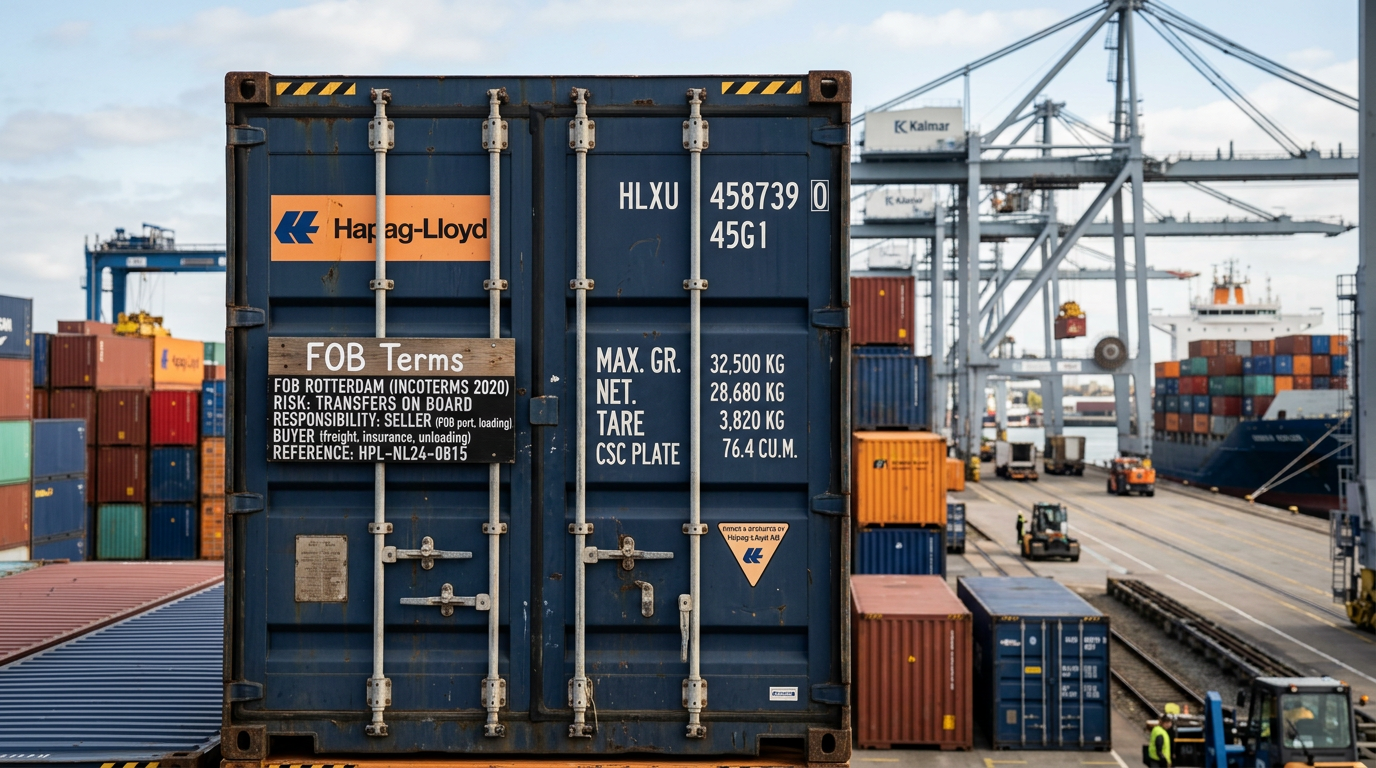
FOB, or Free on Board, is a crucial shipping term that defines the point at which the responsibility and ownership of goods transfer from the seller to the buyer. Understanding FOB terms is essential for Amazon FBA sellers, as it directly impacts shipping costs and overall profitability.
Key components of FOB include:
- Origin vs. Destination FOB:
- FOB Origin: The seller is responsible for costs and risks until the goods are loaded onto the shipping vessel. After loading, the buyer assumes responsibility.
- FOB Destination: The seller retains responsibility and bears all costs until the goods reach the buyer’s designated location.
- Shipping Costs: The chosen FOB terms can significantly affect total shipping expenses. FOB Origin often results in lower upfront costs for the seller but can lead to higher expenses if the buyer incurs additional freight charges.
- Risk Management: Understanding the transfer of risk is vital. FOB terms dictate who is liable for loss or damage during transit, influencing insurance needs and risk assessments.
- Negotiation Leverage: Sellers who grasp FOB terms can negotiate better agreements with suppliers, ensuring clarity on responsibilities and costs.
For Amazon sellers, the implications of FOB terms extend beyond simple shipping logistics. By mastering these terms, sellers can better negotiate favorable terms, minimize unexpected costs, and enhance their overall supply chain efficiency.
Key Factors to Consider in Negotiations
When negotiating FOB terms with suppliers, several critical factors can influence the outcome. Amazon FBA sellers should focus on these key components to secure favorable agreements.
- Shipping Costs:
- Obtaining multiple shipping quotes helps sellers understand the market rate and ensures competitive pricing.
- Analyze cost breakdowns to identify potential savings or hidden fees that could impact profitability.
- Supplier Reliability:
- Research supplier performance history, including delivery timelines and product quality, to assess their reliability.
- Engage in discussions regarding their operational capacity and any potential issues that could affect shipping schedules.
- Supplier Reputation:
- Investigate supplier reviews and feedback from other sellers to gauge their reputation in the industry.
- A reputable supplier is more likely to be flexible in negotiations and offer better terms due to established trust.
- Volume of Shipment:
- Leverage order volume as a negotiation tool. Higher volumes often result in lower shipping costs per unit.
- Discuss potential discounts for bulk orders, which can be beneficial in long-term agreements.
- Negotiation Flexibility:
- Prepare for various negotiation scenarios, being ready to compromise on certain terms while holding firm on key priorities.
- Establish a clear understanding of non-negotiable points, such as delivery timelines or payment terms.
- Communication Skills:
- Approach negotiations with a clear, concise communication style to avoid misunderstandings.
- Foster a collaborative atmosphere, emphasizing mutual benefits to encourage cooperation.
- Documentation:
- Ensure all agreed-upon terms are documented in contracts to prevent disputes later on.
- Review contracts thoroughly to confirm that terms reflect negotiated agreements accurately.
By focusing on these factors, Amazon FBA sellers can enhance their negotiation strategies, leading to better FOB terms that positively impact their shipping efficiency and overall business profitability.
Effective Communication Strategies
Building effective communication with suppliers is crucial for negotiating better FOB terms. Amazon FBA sellers can implement several strategies to enhance their negotiation process and foster stronger relationships.
- Establish Rapport:
- Initiate conversations with a friendly tone to build a positive relationship.
- Show genuine interest in the supplier’s business, which can create goodwill and increase their willingness to negotiate favorably.
- Be Clear and Concise:
- Articulate negotiation points clearly, avoiding jargon that may confuse the supplier.
- Prepare a list of specific terms you want to discuss, including pricing, delivery schedules, and responsibilities, to keep the conversation focused.
- Active Listening:
- Pay close attention to the supplier’s responses and concerns. This demonstrates respect and allows you to address their needs effectively.
- Summarize their points to ensure mutual understanding, which can lead to more productive discussions.
- Use Questions Effectively:
- Ask open-ended questions to encourage dialogue and gather more information about the supplier’s capabilities and limitations.
- Utilize probing questions to uncover potential areas for negotiation, such as discounts for larger orders or more favorable payment terms.
- Offer Value:
- Consider what you can offer the supplier in return for better terms, such as a long-term partnership or increased order volume.
- Highlighting mutual benefits can create a win-win scenario, making suppliers more inclined to agree to your terms.
- Follow Up:
- After initial discussions, follow up with a summary of the key points covered, reinforcing your commitment to a successful partnership.
- Regular communication can help maintain momentum in negotiations and demonstrate your professionalism.
By employing these communication strategies, Amazon FBA sellers can enhance their negotiation skills and build stronger, more collaborative relationships with their suppliers, ultimately leading to better FOB terms.
Terms to Negotiate
When negotiating FOB terms with suppliers, Amazon FBA sellers should focus on several critical elements to secure favorable agreements. Below is a checklist of specific terms that are often open for negotiation:
- Pricing Structure:
- Assess the total cost of goods and shipping to ensure competitive pricing.
- Negotiate volume discounts based on order size to reduce per-unit costs.
- Payment Terms:
- Explore flexible payment options such as partial payments or extended payment periods.
- Discuss potential discounts for upfront payments to incentivize favorable pricing.
- Delivery Schedules:
- Establish clear timelines for production and shipping to avoid delays.
- Negotiate penalties for late deliveries to ensure accountability from the supplier.
- Incoterms Clarification:
- Ensure clarity on whether the terms are FOB Origin or FOB Destination.
- Negotiate additional responsibilities or risks that may be assumed by either party during transit.
- Insurance Coverage:
- Discuss options for cargo insurance to protect against loss or damage during transit.
- Negotiate who bears the cost of insurance to avoid unexpected expenses.
- Handling Fees:
- Review any handling or packaging fees to identify opportunities for reductions.
- Negotiate the inclusion of these fees in the overall pricing to avoid surprises later.
- Returns Policy:
- Clarify the terms related to defective goods or unsold inventory.
- Negotiate a returns policy that minimizes risk and provides options for unsold products.
- Communication Protocols:
- Establish points of contact for timely updates on shipment status and potential issues.
- Negotiate frequency and methods of communication to ensure transparency.
- Customs and Compliance Responsibilities:
- Define who is responsible for customs clearance and any associated fees.
- Negotiate compliance obligations to ensure adherence to regulations in the destination country.
By focusing on these specific terms during negotiations, sellers can create agreements that align with their business needs and minimize unexpected costs.
| Term | Negotiation Focus |
|---|---|
| Pricing Structure | Volume discounts, competitive pricing |
| Payment Terms | Flexible options, discounts for upfront payments |
| Delivery Schedules | Clear timelines, penalties for delays |
| Incoterms Clarification | FOB Origin vs. FOB Destination |
| Insurance Coverage | Cost responsibility, coverage options |
| Handling Fees | Review and negotiate for reductions |
| Returns Policy | Clarify terms for defective goods |
| Communication Protocols | Establish points of contact, update frequency |
| Customs and Compliance | Responsibilities and associated fees |

Common Pitfalls to Avoid
Negotiating FOB terms can be challenging, and several common pitfalls can hinder Amazon FBA sellers from securing favorable agreements. Awareness of these mistakes can help sellers navigate negotiations more effectively.
- Overlooking Shipping Regulations:
- Failing to understand local and international shipping regulations can lead to compliance issues and costly delays. Sellers must research relevant laws affecting their products and ensure that their suppliers are compliant as well.
- Misunderstanding FOB Responsibilities:
- Misinterpretation of FOB terms can lead to disputes over responsibilities. Sellers should clarify the division of costs and liabilities during negotiations to avoid surprises later.
- Neglecting Insurance Needs:
- Many sellers underestimate the importance of cargo insurance. Not securing adequate coverage can result in significant financial loss in case of damage or loss during transit. It’s essential to discuss insurance options with suppliers.
- Ignoring Quality Control:
- Focusing solely on costs can compromise product quality. Sellers should include quality control measures in their negotiations, ensuring that suppliers adhere to agreed standards before shipment.
- Failing to Build Relationships:
- Treating negotiations solely as transactional can undermine long-term partnerships. Developing rapport with suppliers fosters trust and can lead to better terms and flexibility in future dealings.
- Not Documenting Agreements:
- Verbal agreements can lead to misunderstandings. Sellers should ensure that all negotiated terms are documented clearly in contracts to prevent disputes and ensure accountability.
By avoiding these pitfalls, sellers can enhance their negotiation strategies and secure better FOB terms with their suppliers, ultimately leading to improved profitability and supply chain efficiency.
Building Strong Supplier Relationships
Cultivating strong supplier relationships is essential for Amazon FBA sellers aiming to negotiate better FOB terms. A solid partnership can lead to more favorable agreements, improved communication, and enhanced operational efficiency.
- Trust and Reliability:
- Establishing trust with suppliers encourages open dialogue and transparency during negotiations.
- Trustworthy suppliers are more likely to offer flexible terms and accommodate special requests, such as expedited shipping or reduced rates for larger orders.
- Long-term Partnerships:
- Building long-term relationships fosters a sense of loyalty, where suppliers may prioritize your needs over one-time buyers.
- Regular communication and check-ins help maintain a rapport, ensuring that suppliers remain invested in your success and willing to negotiate better terms.
- Collaboration Opportunities:
- Strong relationships enable collaborative problem-solving, allowing both parties to address challenges such as delays or compliance issues more effectively.
- Jointly exploring cost-saving measures, such as consolidated shipments or shared logistics resources, can yield mutual benefits.
- Feedback Mechanism:
- Providing constructive feedback to suppliers creates a two-way street where both parties can improve operations and adjust practices for better outcomes.
- Suppliers who receive feedback are more likely to adapt to your needs, leading to smoother negotiations in the future.
- Informed Negotiations:
- A good relationship equips sellers with insights into the supplier’s capabilities and constraints, allowing for more realistic negotiation expectations.
- Understanding the supplier’s perspective helps in crafting proposals that align with their operational realities, increasing the likelihood of acceptance.
By investing time in building strong supplier relationships, Amazon FBA sellers can enhance their negotiating power, ultimately leading to better FOB terms and more profitable shipping arrangements.

Legal Considerations
Understanding the legal aspects of FOB terms is crucial for Amazon FBA sellers during negotiations. Several compliance issues and contractual obligations can significantly impact the negotiation process and the overall success of shipping agreements.
- Supplier Contracts:
- Sellers must thoroughly review supplier contracts to identify specific FOB terms included. This includes understanding the responsibilities of both parties regarding shipping, risks, and costs.
- Key elements to scrutinize in contracts include delivery timelines, payment terms, and liability clauses.
- Compliance with Shipping Laws:
- Sellers should ensure that their supplier complies with applicable shipping laws and regulations in both the exporting and importing countries. Non-compliance can lead to delays, additional costs, and potential legal issues.
- Verify that the supplier is aware of and adheres to safety regulations, customs procedures, and documentation requirements.
- FOB Terms and Legal Implications:
- The choice between FOB Origin and FOB Destination carries distinct legal implications. Understanding these can help sellers negotiate terms that minimize their liability and risk exposure.
- For instance, with FOB Origin, sellers may need to arrange cargo insurance, while with FOB Destination, the supplier assumes more responsibility until goods reach the final destination.
- Dispute Resolution Clauses:
- Negotiating clear dispute resolution clauses is vital. Sellers should aim for terms that outline how conflicts will be handled, including jurisdiction and arbitration methods.
- This can provide a safety net in case of disagreements related to delivery issues, product quality, or payment disputes.
- Documentation Requirements:
- Ensure all necessary documentation, such as commercial invoices, packing lists, and bills of lading, is accurately prepared and complies with legal standards.
- Incomplete or incorrect documentation can lead to customs delays or additional charges.
By addressing these legal considerations, sellers can strengthen their negotiating position and create more favorable FOB agreements, ultimately enhancing their shipping efficiency and profitability.
Final Words
Final Words
Mastering FOB terms is crucial for Amazon sellers aiming to optimize shipping costs and streamline their import logistics. The outlined key factors highlight the importance of reliable suppliers, effective communication strategies, and specific terms worth negotiating.
By avoiding common pitfalls and fostering robust supplier relationships, sellers can secure favorable agreements. Additionally, understanding legal considerations ensures compliance and mitigates risks during negotiations.
Equipped with these insights, sellers can confidently navigate the complexities of shipping. Applying these strategies will significantly enhance the negotiation process, ultimately leading to better FOB terms with their Amazon FBA supplier.
FAQ
Q: What does FOB mean in shipping terms?
A: FOB, or Free On Board, indicates the point at which the seller’s responsibility ends and the buyer’s begins, impacting overall shipping costs and liability.
Q: Why is understanding FOB important for Amazon sellers?
A: Understanding FOB terms is critical for effective negotiation, as it influences shipping costs and risk management during transportation.
Q: What key factors should Amazon sellers consider in negotiations?
A: Sellers should evaluate shipping quotes, supplier reliability, reputation, and market conditions to secure favorable FOB terms.
Q: What are effective communication strategies for supplier negotiations?
A: Building rapport and articulating negotiation points clearly can enhance supplier relationships and lead to more favorable outcomes.
Q: Which specific terms should be negotiated in FOB agreements?
A: Sellers should focus on pricing, payment options, delivery schedules, and any additional fees when negotiating FOB terms.
Q: What common pitfalls should Amazon sellers avoid during negotiations?
A: Sellers often overlook regulations and misinterpret responsibilities, leading to unfavorable terms; awareness can prevent such mistakes.
Q: How can strong supplier relationships benefit negotiations?
A: Cultivating long-term partnerships fosters trust, which can lead to better FOB terms and more advantageous negotiation outcomes.
Q: What legal considerations should sellers be aware of in negotiations?
A: Sellers must understand contract legalities, compliance with shipping laws, and how these factors impact their FOB agreements.
Leave a Reply