
Navigating the complexities of shipping can feel like deciphering a foreign language for many Amazon sellers. Did you know that nearly 20% of shipping errors stem from misunderstandings of the Bill of Lading (BOL)? This critical document is not just a formality; it is the backbone of your supply chain, acting as both a contract and proof of ownership. Understanding how to read a BOL like a pro can streamline operations and prevent costly mistakes. In this guide, we will break down the essential components of a Bill of Lading, empowering sellers with the knowledge to confidently manage their shipping logistics.
How to Read a Bill of Lading Like a Pro Seller
- Definition of a Bill of Lading
A Bill of Lading (BOL) is a legally binding document issued by a carrier to acknowledge receipt of cargo for shipment. It serves as a contract between the shipper and the carrier, detailing the terms of the transport.
- Purpose of a Bill of Lading in Shipping
The BOL provides proof of ownership and serves multiple purposes:
- Acts as a receipt for goods delivered to the carrier.
- Functions as a document of title, allowing the consignee to claim the cargo upon arrival.
- Establishes the terms and conditions for the transportation of goods.
- Types of Bills of Lading
Different types of BOLs are used depending on the shipment context:
- Straight Bill of Lading: Non-negotiable, typically used for shipments where the consignee is known.
- Negotiable Bill of Lading: Transferable ownership; allows the consignee to endorse it to another party.
- Sea Bill of Lading: Issued for maritime transport, specifically designed for ocean freight.
- Air Bill of Lading: Used for air freight, functioning similarly to a sea bill but for airborne shipments.
- Importance of BOL in the E-commerce Supply Chain
For Amazon sellers, understanding the BOL is crucial for the following reasons:
- Ensures compliance with shipping regulations, reducing the risk of delays.
- Facilitates smoother customs clearance by providing accurate documentation.
- Enhances communication with logistics providers, ensuring all parties are informed of shipment details.
| Type of Bill of Lading | Description | Use Case |
|---|---|---|
| Straight Bill of Lading | Non-negotiable document for specific consignee | When ownership does not need to be transferred |
| Negotiable Bill of Lading | Transferable document allowing ownership changes | When goods may be re-sold in transit |
| Sea Bill of Lading | Designed specifically for maritime transport | For ocean freight shipments |
| Air Bill of Lading | Document for air cargo shipments | For shipments traveling by air |
Key Components of a Bill of Lading
A Bill of Lading (BOL) is a comprehensive document essential for the successful shipment of goods. Amazon sellers must recognize its critical components to ensure smooth logistics operations.
- Shipper and Consignee Information
This section includes the names and addresses of both the shipper (the seller) and the consignee (the buyer or recipient). Accurate details are crucial for correct delivery and accountability.
- Description of Goods
Detailed descriptions of the goods being shipped are listed, including:
- Quantity of items
- Weight of the cargo
- Packaging type (boxes, pallets, etc.)
This information is vital for customs clearance and ensures the right items are delivered to the consignee.
- Terms and Conditions
The BOL specifies the terms and conditions governing the shipment, including:
- Liability limits for the carrier
- Responsibilities of the shipper and consignee
- Special handling instructions (if any)
Understanding these terms protects sellers from potential disputes or liability issues.
- Example of a BOL Template
A BOL template typically includes labeled sections to help sellers identify required information easily. Familiarity with the template structure aids in accurate documentation.
| Component | Description | Importance for Sellers |
|---|---|---|
| Shipper Information | Name, address, and contact details of the seller | Ensures proper identification and accountability |
| Consignee Information | Name, address, and contact details of the recipient | Critical for accurate delivery of goods |
| Description of Goods | Details about quantity, weight, and packaging | Essential for customs clearance and delivery accuracy |
| Terms and Conditions | Liability limits, responsibilities, and handling instructions | Protects sellers from disputes and clarifies obligations |
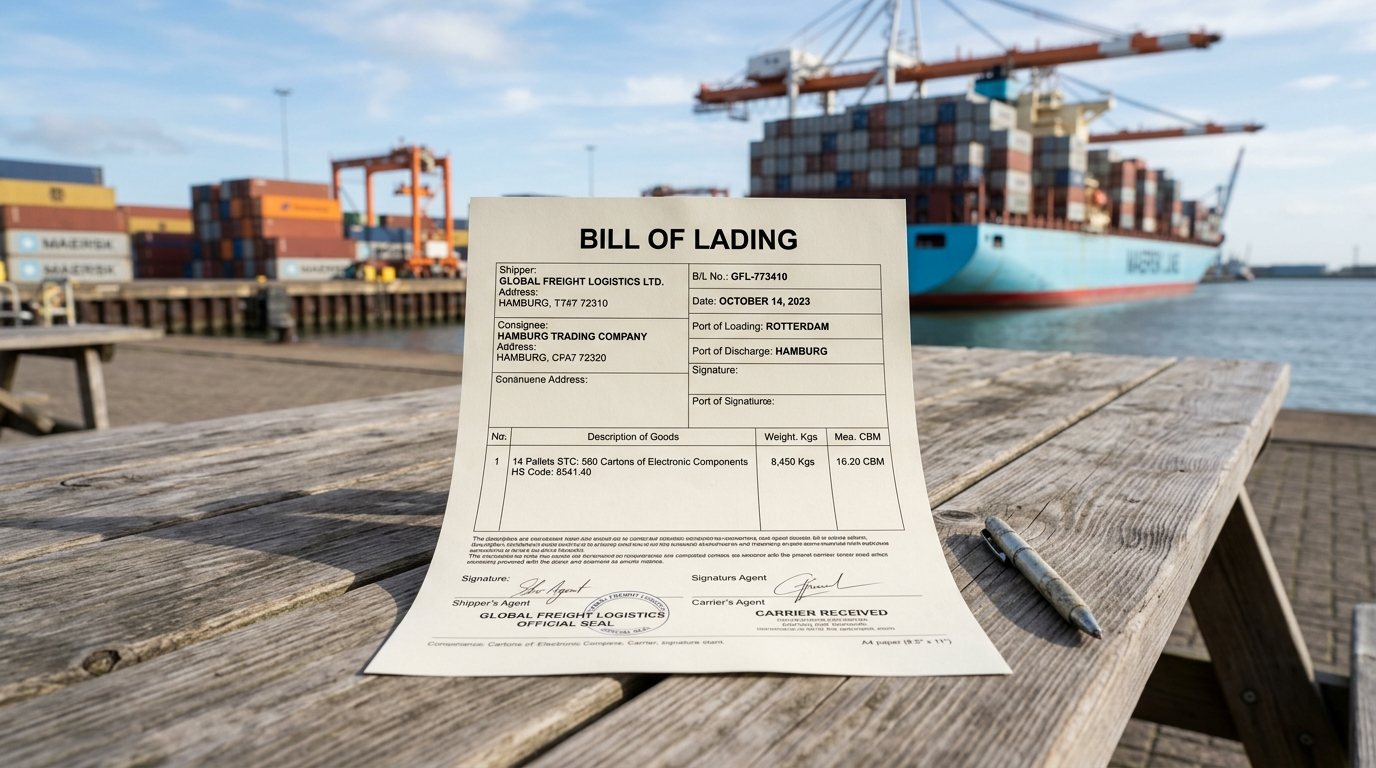
How to Read a Bill of Lading
Understanding how to read a Bill of Lading (BOL) effectively is essential for avoiding shipping errors and ensuring compliance. Here’s a step-by-step guide for Amazon sellers to accurately interpret the details of a BOL.
- Step-by-Step Guide to Reading a BOL
- Step 1: Identify Shipper and Consignee
Confirm that the names and addresses of both the shipper (you, the seller) and the consignee (the buyer or recipient) are correct. Mistakes here can lead to delivery issues.
- Step 2: Verify Description of Goods
Check that the description of the goods is accurate, including:
- Quantity
- Weight
- Packaging type (e.g., boxes, pallets)
Ensure that it matches your order and shipment details.
- Step 3: Review Terms and Conditions
Carefully read the terms and conditions outlined in the BOL. This section can include:
- Liability limits
- Transportation costs
- Claims process for loss or damage
Understanding these terms is critical for protecting your interests.
- Tips for Interpreting Details
- Always double-check for discrepancies between the BOL and your original shipping documents.
- Pay attention to special notes or handling instructions that may impact the shipment.
- If any information is unclear, reach out to your logistics provider for clarification.
- Common Abbreviations and Terminology
- BOL: Bill of Lading
- FCL: Full Container Load
- LCL: Less than Container Load
- ETA: Estimated Time of Arrival
- CIF: Cost, Insurance, and Freight
- Visual Example of a Filled-Out BOL
An annotated sample BOL can provide clarity. Below is an example to reference:
| Section | Description |
|---|---|
| Shipper Information | Name and address of the seller (you) |
| Consignee Information | Name and address of the buyer or recipient |
| Description of Goods | Details of what is being shipped, including weight and packaging |
| Terms and Conditions | Liability details, shipping costs, and claims process |
Common Pitfalls to Avoid
Misinterpretations and errors in the Bill of Lading (BOL) can significantly impact logistics efficiency for Amazon sellers. Awareness of common pitfalls is crucial to ensure smooth shipping processes.
- Common Misinterpretations of BOL
- Incorrect Consignee Details: Providing wrong names or addresses can result in delivery issues.
- Inaccurate Description of Goods: Mislabeling items can cause customs delays and additional scrutiny.
- Omitting Important Terms: Failing to state payment terms or liability clauses can lead to disputes.
- Mistakes Leading to Delays and Additional Costs
- Incomplete Documentation: Missing signatures or fields can halt the shipping process.
- Wrong HS Codes: Incorrect classification can lead to unexpected duties and customs delays.
- Failure to Review Shipping Terms: Ignoring specific shipping conditions can result in liability issues during transit.
- Do’s and Don’ts for Handling a BOL
- Do double-check all details before finalizing the BOL.
- Do keep a copy of the BOL for your records.
- Don’t underestimate the importance of clarity and accuracy.
- Don’t ignore discrepancies; address them immediately.
Double-checking BOL details before shipment is essential. This practice minimizes risks associated with misinterpretations and ensures compliance with shipping regulations, ultimately enhancing operational efficiency.
| Common Pitfall | Impact | Solution |
|---|---|---|
| Incorrect Consignee Details | Delivery issues, potential returns | Verify consignee information before shipping |
| Inaccurate Description of Goods | Customs delays, fines | Cross-check product details with shipment |
| Incomplete Documentation | Shipping process halted | Ensure all fields are filled and signed |
| Wrong HS Codes | Unexpected duties, customs issues | Consult with customs experts for correct classification |

Best Practices for Amazon Sellers
Implementing best practices for managing a Bill of Lading (BOL) is crucial for Amazon sellers to streamline their shipping operations and enhance compliance. Here are actionable strategies:
- Effective Shipping Strategies
Utilize DDP (Delivered Duty Paid) shipping to simplify the customs process. This method includes all duties and taxes in the shipping cost, minimizing unexpected fees upon delivery.
- Ensuring Compliance
Verify that all documentation adheres to local regulations, particularly HS codes. Accurate classification ensures the correct duties are paid and avoids costly delays.
- Checklist of Best Practices
- Double-check all shipper and consignee information for accuracy.
- Ensure the description of goods is detailed and matches the contents.
- Review terms and conditions to understand liability limits.
- Keep a copy of the BOL for your records and future reference.
| Practice | Benefit | Implementation Steps |
|---|---|---|
| Use DDP Shipping | Reduces unexpected fees and simplifies customs | Partner with a freight forwarder offering DDP services |
| Verify HS Codes | Ensures compliance and minimizes duty discrepancies | Consult customs resources for accurate classification |
| Double-Check Information | Avoids delays and misdeliveries | Cross-reference BOL details with shipping documents |
| Keep Records | Facilitates easier resolution of disputes | Store digital copies of all shipping documents |
Final Words
Final Words
Understanding the Bill of Lading is crucial for seamless shipping in e-commerce. This article covered the BOL’s definition, purpose, and various types, highlighting its significance in the supply chain.
Key components like shipper information and goods description are vital for successful shipments.
By mastering how to read a Bill of Lading, sellers can avoid common pitfalls and enhance compliance with effective shipping strategies.
Implementing best practices will streamline logistics processes and reduce costs, ultimately leading to a smoother experience for Amazon sellers.
With these insights, mastering how to read a Bill of Lading like a pro Amazon seller is within reach.
FAQ
Q: What is a Bill of Lading?
A: A Bill of Lading (BOL) is a crucial shipping document that serves as a contract between the shipper and carrier, a receipt for goods, and proof of ownership.
Q: What is the purpose of a Bill of Lading in shipping?
A: The Bill of Lading facilitates the legal transfer of goods, ensuring that both parties understand their responsibilities and rights throughout the shipping process.
Q: What are the different types of Bills of Lading?
A: Common types of Bills of Lading include straight, negotiable, sea, and air, each serving distinct purposes based on shipping needs.
Q: Why is the Bill of Lading important in e-commerce?
A: The Bill of Lading is vital in e-commerce as it ensures compliance, manages risk, and facilitates smooth transactions between sellers, carriers, and customers.
Q: What information is included in a Bill of Lading?
A: A Bill of Lading contains shipper and consignee information, a description of goods, and terms and conditions, essential for successful shipments.
Q: How can Amazon sellers read a Bill of Lading effectively?
A: Sellers should follow a step-by-step guide: identify shipper and consignee, verify goods description, and review terms and conditions for accuracy.
Q: What tips help in interpreting Bill of Lading details?
A: Sellers should check for discrepancies, familiarize themselves with common abbreviations, and refer to a visual example for better understanding.
Q: What are common pitfalls to avoid with a Bill of Lading?
A: Common pitfalls include incorrect consignee details and misinterpretations that lead to shipping delays or legal issues.
Q: What are some best practices for Amazon sellers using a Bill of Lading?
A: Best practices include effective shipping strategies, ensuring compliance with documentation, and maintaining a checklist for accuracy and efficiency.
Leave a Reply