Blog

  • Which Shipping Mode Protects Your Q4 Amazon FBA Inventory Best?

    Which Shipping Mode Protects Your Q4 Amazon FBA Inventory Best?

    Is your inventory prepared to withstand the chaos of Q4? As the holiday season approaches, Amazon FBA sellers face increased demand and the looming threat of shipping delays and inventory damage. With buyers eager to get their hands on top products, the stakes have never been higher. This blog post delves into the shipping modes available, analyzing their effectiveness in protecting your valuable inventory during this critical period. By understanding the nuances of each shipping option, sellers can make informed choices that safeguard their stock and ensure timely delivery.

    Which Shipping Mode Protects Your Q4 Amazon FBA Inventory Best?

    Q4 presents unique shipping challenges due to heightened consumer demand during the holiday season. Amazon FBA sellers face increased pressure to ensure their inventory arrives on time while minimizing the risk of damage or delays. Understanding the strengths and weaknesses of various shipping modes is essential for effective inventory protection.

    • Air Shipping:
    • Advantages:
    • Fast transit times, typically 1-3 days.
    • High reliability, especially for urgent restocks.
    • Disadvantages:
    • Higher costs compared to sea and ground options.
    • Limited weight and volume capacity can restrict large shipments.
    • Sea Shipping:
    • Advantages:
    • More cost-effective for bulk shipments, reducing per-unit costs.
    • Ideal for larger volumes, especially when planned well in advance.
    • Disadvantages:
    • Longer transit times, often 20-30 days or more.
    • Higher risk of delays during peak shipping seasons.
    • Ground Shipping:
    • Advantages:
    • Flexible options for regional deliveries, especially beneficial for local markets.
    • Typically lower costs for shorter distances.
    • Disadvantages:
    • Potential for delays due to weather and road conditions.
    • Variable delivery times can make inventory management difficult.

    Given the context of Q4 shipping, air shipping offers the best protection for urgent inventory needs due to its speed and reliability. However, for bulk shipments where cost is a primary concern, sea shipping may still be viable if planned appropriately. Ground shipping can complement these methods for regional deliveries but should be approached with caution regarding timing. Sellers must strategically evaluate their inventory needs, shipment timelines, and budget constraints to determine the most effective shipping mode for protecting their Q4 FBA inventory.

    Comparative Analysis of Shipping Modes

    When selecting a shipping mode for Q4, Amazon FBA sellers must evaluate options based on reliability, cost-effectiveness, and associated risks. Below is a comparative analysis of air, sea, and ground shipping, highlighting their advantages and disadvantages relevant to protecting inventory during the high-demand holiday season.

    • Air Shipping:
    • Advantages:
    • Speed: Air freight offers the quickest transit times, typically ranging from 1 to 3 days, making it ideal for urgent restocks.
    • Reliability: High likelihood of on-time delivery, crucial for maintaining inventory levels during peak sales periods.
    • Disadvantages:
    • Higher Costs: Air freight is significantly more expensive than sea or ground options, which can impact profit margins.
    • Weight Limitations: Restrictions on weight and volume can limit the size of shipments, necessitating multiple shipments for larger orders.
    • Sea Shipping:
    • Advantages:
    • Cost-Effective for Bulk: Ideal for large shipments, reducing per-unit shipping costs, especially valuable for inventory management during Q4.
    • Capacity: Ability to ship significant volumes in one go, suitable for sellers planning ahead.
    • Disadvantages:
    • Longer Transit Times: Typically 20-30 days or more, leading to potential stockouts if not scheduled in advance.
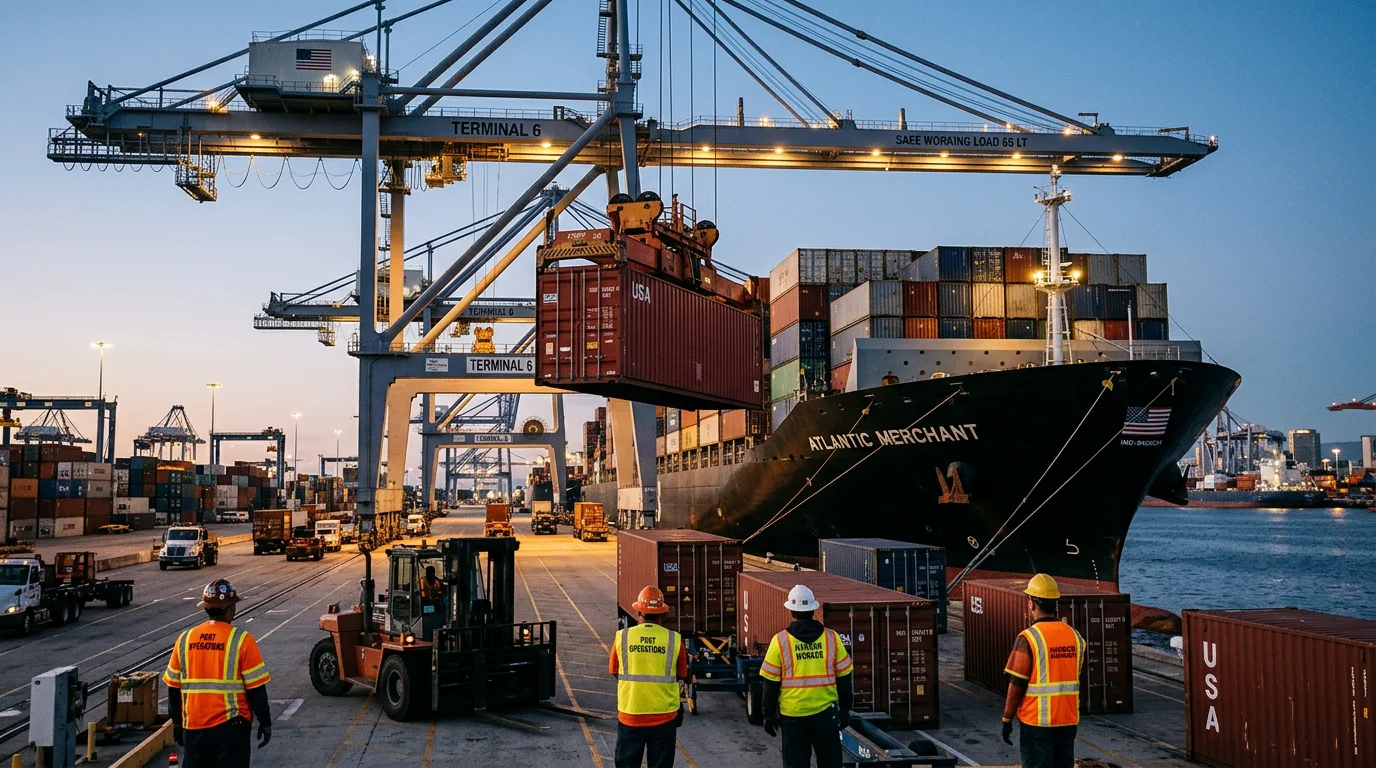
    • Risk of Delays: Increased likelihood of delays due to congestion at ports during the holiday season.
    • Ground Shipping:
    • Advantages:
    • Flexible Options: Various delivery methods available, allowing sellers to adjust based on regional demand and inventory needs.
    • Regional Coverage: Effective for local markets, enabling quicker deliveries to fulfill customer orders.
    • Disadvantages:
    • Potential Delays: Weather and traffic conditions can cause unpredictable delays, complicating inventory management.
    • Variable Costs: Pricing can fluctuate based on distance and urgency, making budgeting challenging.

    In summary, air shipping excels in speed and reliability, making it ideal for urgent needs, while sea shipping offers cost-efficiency for bulk orders. Ground shipping provides flexibility but comes with risks of delays, requiring careful planning. Sellers should weigh these factors against their inventory needs and Q4 sales strategy to choose the most effective shipping mode.

    Which Shipping Mode Protects Your Q4 Amazon FBA Inventory Best?

    Best Practices for Inventory Protection

    To effectively protect Amazon FBA inventory during the high-demand Q4 season, sellers should implement the following best practices:

    • Planning and Forecasting:
    • Importance of Demand Forecasting: Analyze historical sales data and market trends to anticipate demand spikes. This helps in determining how much inventory to ship and when.
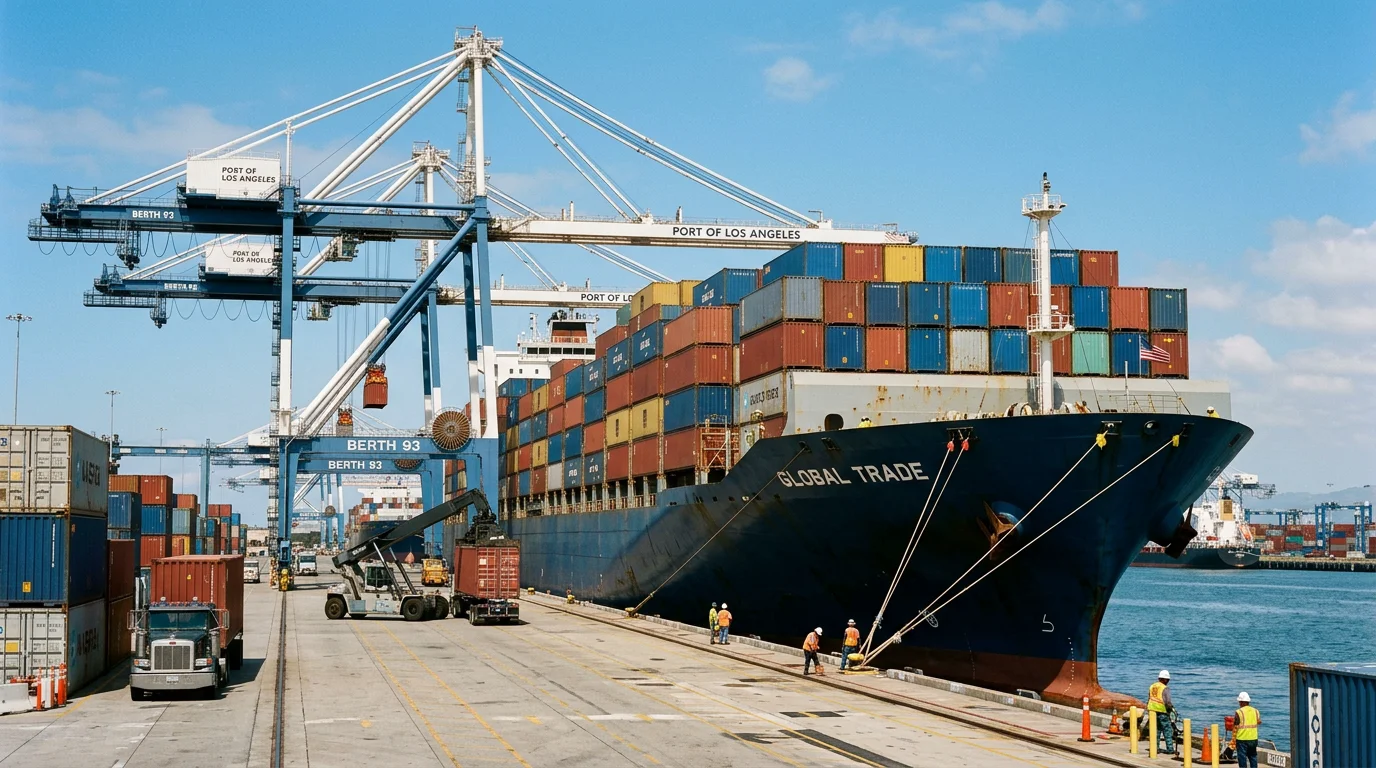
    • Timing Shipments Effectively: Schedule shipments well in advance of peak sales periods to avoid delays. Consider lead times and potential shipping disruptions during the holiday season.
    • Packaging and Labeling:
    • Use of Proper Materials: Invest in high-quality packaging materials that can withstand the rigors of shipping. This minimizes the risk of damage during transit.
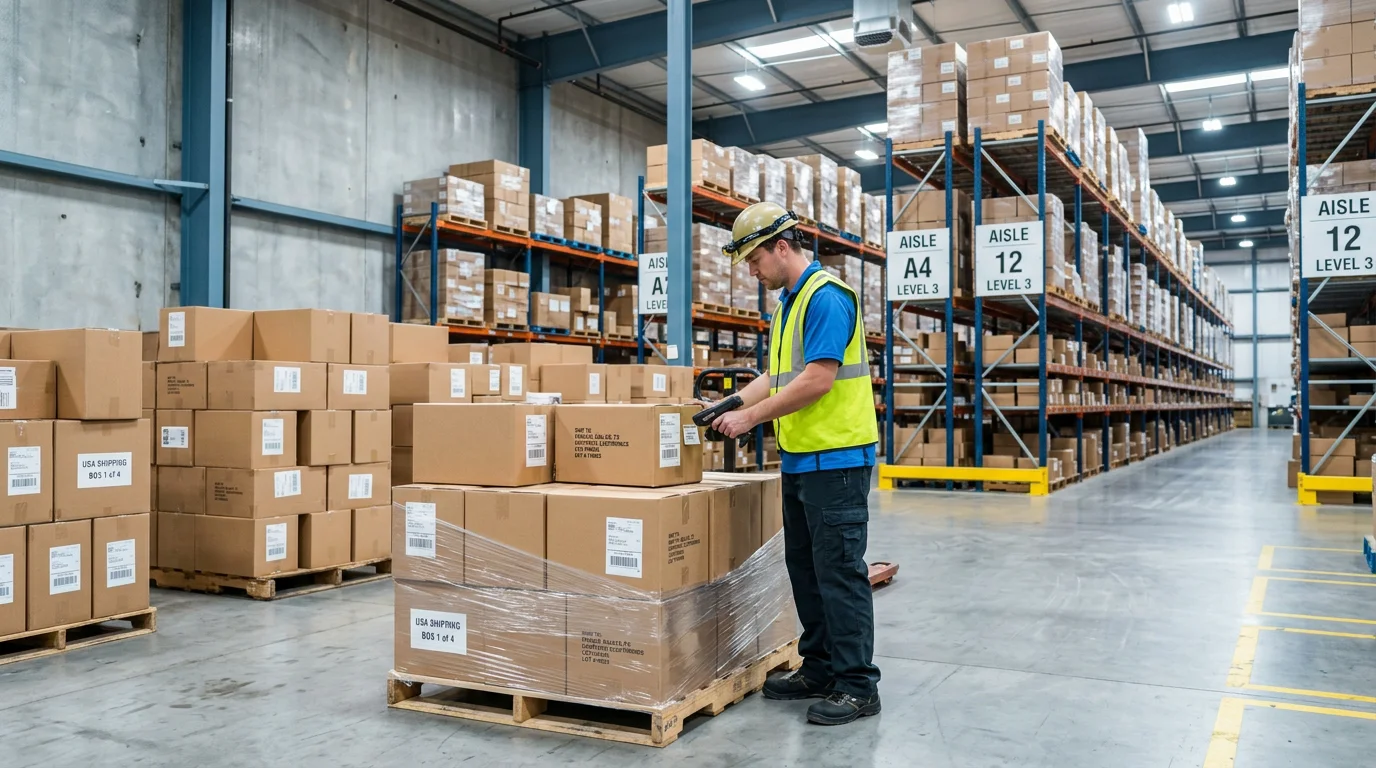
    • Adhering to Amazon Standards: Ensure all packaging and labeling meet Amazon’s guidelines. This includes correct labeling formats and barcode placements to streamline the receiving process at fulfillment centers.
    • Choosing the Right Carrier:
    • Evaluating Carrier Reliability: Research potential carriers for their on-time delivery rates and customer reviews. Select carriers known for reliability during peak shipping seasons.
    • Considering Insurance Options: Assess the value of goods being shipped and consider obtaining insurance to protect against loss or damage. This adds an extra layer of security for high-value inventory.

    Implementing these strategies will help sellers safeguard their FBA inventory and ensure timely delivery during the critical Q4 period.

    Case Studies

    Real-life examples of Amazon FBA sellers illustrate effective shipping practices and strategies that navigate the complexities of Q4. These case studies highlight successful approaches and common pitfalls, providing valuable insights for sellers aiming to protect their inventory during this peak season.

    • Successful Strategies:
    • Case Example 1: Efficient Use of Air Freight

    A seller faced low inventory levels just before the holiday rush. To ensure timely restocks, they opted for air freight despite higher costs. This decision resulted in rapid replenishment of best-selling products, leading to increased sales during Q4. The seller’s willingness to invest in speed paid off, as their inventory levels remained sufficient to meet high demand.

    • Case Example 2: Effective Inventory Forecasting

    Another seller utilized advanced forecasting tools to predict demand spikes for specific products. By analyzing past sales data and trends, they strategically scheduled shipments well in advance. This proactive approach minimized the risk of stockouts and allowed for a smooth inventory flow throughout the holiday season.

    • Common Challenges:
    • Delays in Customs

    Many sellers struggle with customs delays, particularly for international shipments. A seller experienced significant delays due to incomplete documentation, which caused inventory shortages and missed sales opportunities.

    • Damage During Transit

    Another seller faced product damage during transit due to inadequate packaging. Fragile items arrived broken, leading to returns and customer dissatisfaction.

    • Solutions:
    • Enhanced Packaging

    To combat transit damage, sellers should invest in robust packaging materials tailored to product fragility. This includes using cushioning materials and reinforced boxes to ensure items arrive intact.

    • Choosing Reliable Freight Forwarders

    Collaborating with experienced freight forwarders can mitigate customs delays. Sellers should seek partners familiar with Amazon FBA requirements and customs regulations to streamline the shipping process.

    These case studies exemplify the importance of strategic shipping decisions and highlight common challenges while providing effective solutions to enhance inventory protection during Q4.

    Which Shipping Mode Protects Your Q4 Amazon FBA Inventory Best?

    Final Words

    Final Words

    Effective shipping strategies are crucial for Amazon FBA sellers during the Q4 holiday season. The increased demand brings significant risks, including delays and inventory damage, making it essential to choose the right shipping mode.

    A comparative analysis of air, sea, and ground options reveals distinct advantages and disadvantages, emphasizing the need for careful evaluation. Best practices, such as proactive planning and selecting reliable carriers, further safeguard inventory.

    The case studies illustrate real-world successes and challenges, providing valuable insights. Ultimately, the question remains: Which shipping mode protects your Q4 Amazon FBA inventory best? Stay informed and prepared to ensure a successful season.

    FAQ

    Q: What are the main shipping challenges for Amazon sellers during Q4?

    A: Amazon sellers face increased demand, shipping delays, and inventory damage risks during Q4, necessitating strategic shipping planning to ensure timely and safe deliveries.

    Q: How do air, sea, and ground shipping compare for FBA inventory?

    A: Air shipping offers speed and reliability but is more costly. Sea shipping is cost-effective for bulk but has longer transit times. Ground shipping provides flexibility but may encounter delays.

    Q: What best practices can help protect FBA inventory during Q4?

    A: Key practices include demand forecasting, effective shipment timing, using proper packaging and labeling, and selecting reliable carriers with insurance options to mitigate risks.

    Q: Can you provide examples of successful Q4 shipping strategies?

    A: Successful strategies include efficient air freight usage and accurate inventory forecasting. Common challenges involve customs delays and transit damage, addressed through enhanced packaging and reliable freight forwarders.

  • FOB Origin Definition: Impact on Your Amazon FBA Risk Profile

    FOB Origin Definition: Impact on Your Amazon FBA Risk Profile

    Understanding the implications of FOB Origin can spell the difference between success and financial loss for Amazon FBA sellers. This shipping term, which places liability on the buyer once goods leave the seller’s dock, introduces a level of risk that many sellers overlook. As costs and responsibilities shift, a clear grasp of FOB Origin becomes essential for navigating international logistics. This post will dissect the definition and importance of FOB Origin, elucidating its significance in shaping risk profiles for Amazon FBA operations. By mastering this concept, sellers can better manage their logistics and mitigate potential pitfalls.

    FOB Origin Definition: Impact on Your Amazon FBA Risk Profile

    • Definition of FOB Origin
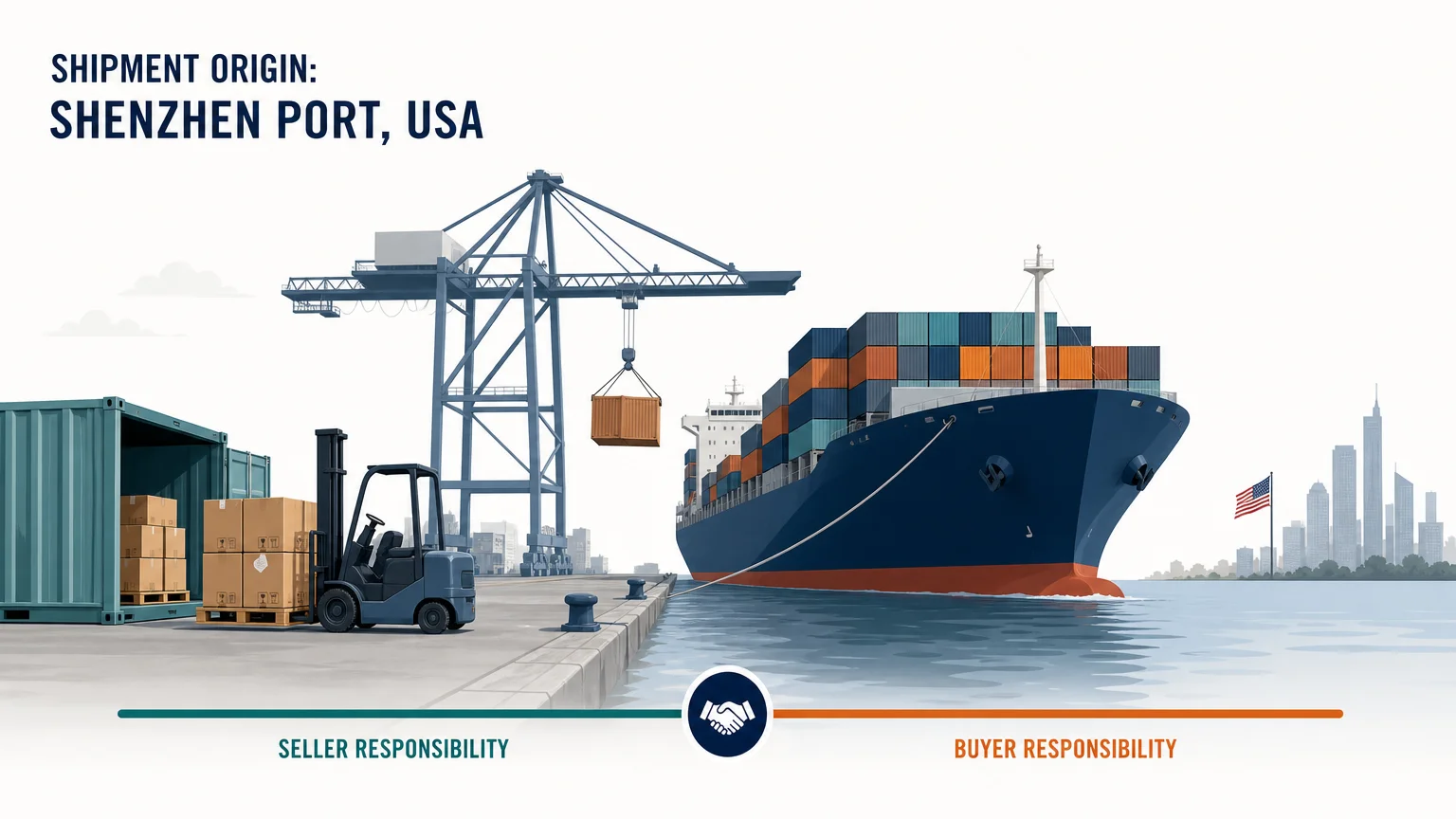
    • FOB Origin is a shipping term that indicates the seller’s responsibility for the goods ceases once they are loaded onto the shipping vessel or vehicle.
    • From that moment, the buyer assumes all risk and costs associated with the shipment, including transportation, insurance, and customs duties.
    • Importance in Shipping and Logistics
    • This term is crucial for Amazon FBA sellers, as it directly affects their cost structure and liability.
    • Since the buyer is responsible for the goods during transit, any damages or losses incurred after leaving the seller’s dock become the buyer’s financial burden.
    • Understanding FOB Origin is essential for selecting appropriate shipping methods and carriers, as sellers need to ensure that their logistics partners can handle potential risks effectively.
    • It influences risk management strategies in international shipping, highlighting the need for proper insurance coverage and carrier reliability to mitigate potential losses.
    • Risk Profile Implications for Sellers
    • Amazon FBA sellers utilizing FOB Origin must be aware of the increased risk profile associated with this shipping term.
    • The potential for damage, theft, or loss during transit can lead to significant financial implications.
    • Sellers should implement robust risk management practices, including thorough research on carriers, obtaining insurance, and maintaining accurate shipping documentation to safeguard against unforeseen issues.

    Risk Factor Implication
    Damage During Transit Financial responsibility falls to the buyer, impacting profit margins.
    Theft or Loss Potential for significant financial loss; insurance is essential.
    Carrier Reliability Choosing a dependable carrier reduces risks associated with shipping.
    Documentation Errors Inaccurate paperwork can lead to customs delays and additional costs.

    FOB Origin and Amazon FBA

    • Role in Amazon FBA Logistics
    • FOB Origin facilitates direct delivery to Amazon fulfillment centers, allowing for efficient inventory replenishment.
    • The cost structure is significantly impacted, as sellers must account for freight responsibilities from the point of loading, potentially increasing shipping expenses.
    • It influences inventory management strategies, requiring sellers to carefully plan shipment schedules to avoid stockouts or excess inventory at Amazon warehouses.
    • Risk Profile Implications for Sellers
    • Under FOB Origin terms, buyers become liable for goods during transit, which increases their risk exposure significantly.
    • Any loss or damage that occurs after the goods leave the seller’s premises becomes the buyer’s financial responsibility, necessitating robust insurance coverage.
    • Potential delays in shipping can adversely affect delivery performance metrics, impacting seller ratings and customer satisfaction on Amazon.
    • Understanding the responsibilities associated with FOB Origin is essential for managing risk effectively, as sellers must ensure they have adequate measures in place to protect their inventory during transit.

    Risk Factor Implication
    Freight Responsibility Increased shipping costs and liabilities for the buyer.
    Inventory Management Need for precise shipment timing to avoid stock issues.
    Potential Delays Negative impact on performance metrics and seller reputation.
    Insurance Necessity Essential to mitigate financial losses from damages or theft.
    FOB Origin Definition: Impact on Your Amazon FBA Risk Profile

    Risks Associated with FOB Origin

    • Potential Losses and Damages
    • When using FOB Origin, once goods leave the seller’s dock, any potential loss or damage during transit becomes the buyer’s responsibility.
    • Statistics indicate that up to 30% of shipments experience damages while in transit, highlighting the vulnerability sellers face under FOB Origin terms.
    • Common issues encountered by sellers include misrouted shipments, inadequate packaging leading to damages, and unforeseen delays that can result in lost inventory.
    • Case Studies of FOB Origin Issues
    • A seller who shipped 500 units of a high-value electronic product via FOB Origin encountered significant losses when a carrier mishandled the shipment, resulting in 100 damaged units. The seller was unable to recover costs due to a lack of insurance, emphasizing the financial risks involved.
    • In another instance, a seller failed to provide accurate shipping documentation, resulting in customs delays and additional fees. This not only delayed the shipment but also incurred unexpected costs that significantly impacted the seller’s profit margins.
    • A third case involved a seller who experienced a complete loss of a shipment due to theft during transit. The absence of adequate insurance coverage left the seller to absorb the entire loss, underscoring the crucial need for comprehensive insurance as part of risk management strategies.

    Risk Factor Implication
    Damage During Transit Financial responsibility falls to the buyer, impacting profit margins.
    Documentation Errors Inaccurate paperwork can lead to customs delays and additional costs.
    Theft or Loss High potential for financial loss; insurance is essential.
    Carrier Reliability Choosing a dependable carrier reduces risks associated with shipping.

    Mitigating Risks in FOB Origin Shipping

    • Insurance Options
    • Shipping insurance is critical for Amazon FBA sellers using FOB Origin, as it protects against potential losses during transit.
    • Types of insurance available include:
    • All-Risk Coverage: Covers most incidents, including theft and damage.
    • Named Perils Coverage: Covers specific risks outlined in the policy, which may exclude some common threats.
    • Marine Cargo Insurance: Specifically designed for goods transported over water, providing tailored coverage for maritime risks.
    • Choosing the right insurance policy involves assessing shipment value, understanding coverage limits, and considering the specific risks associated with the chosen shipping routes.
    • Choosing Reliable Carriers
    • Selecting dependable freight carriers is essential to minimize risks associated with FOB Origin. Key criteria include:
    • Carrier Reputation: Researching reviews and testimonials to gauge reliability and service quality.
    • Performance History: Analyzing metrics such as on-time delivery rates and claims history to evaluate carrier efficiency.
    • Service Offerings: Confirming that the carrier has experience handling shipments similar to those being transported.
    • Establishing strong communication with carriers can mitigate risks by ensuring clarity on shipping expectations, timelines, and any potential issues that may arise during transport.
    • Best Practices for Amazon FBA Sellers
    • Adhering to proper documentation is essential for ensuring smooth customs clearance and minimizing delays. Key documents include:
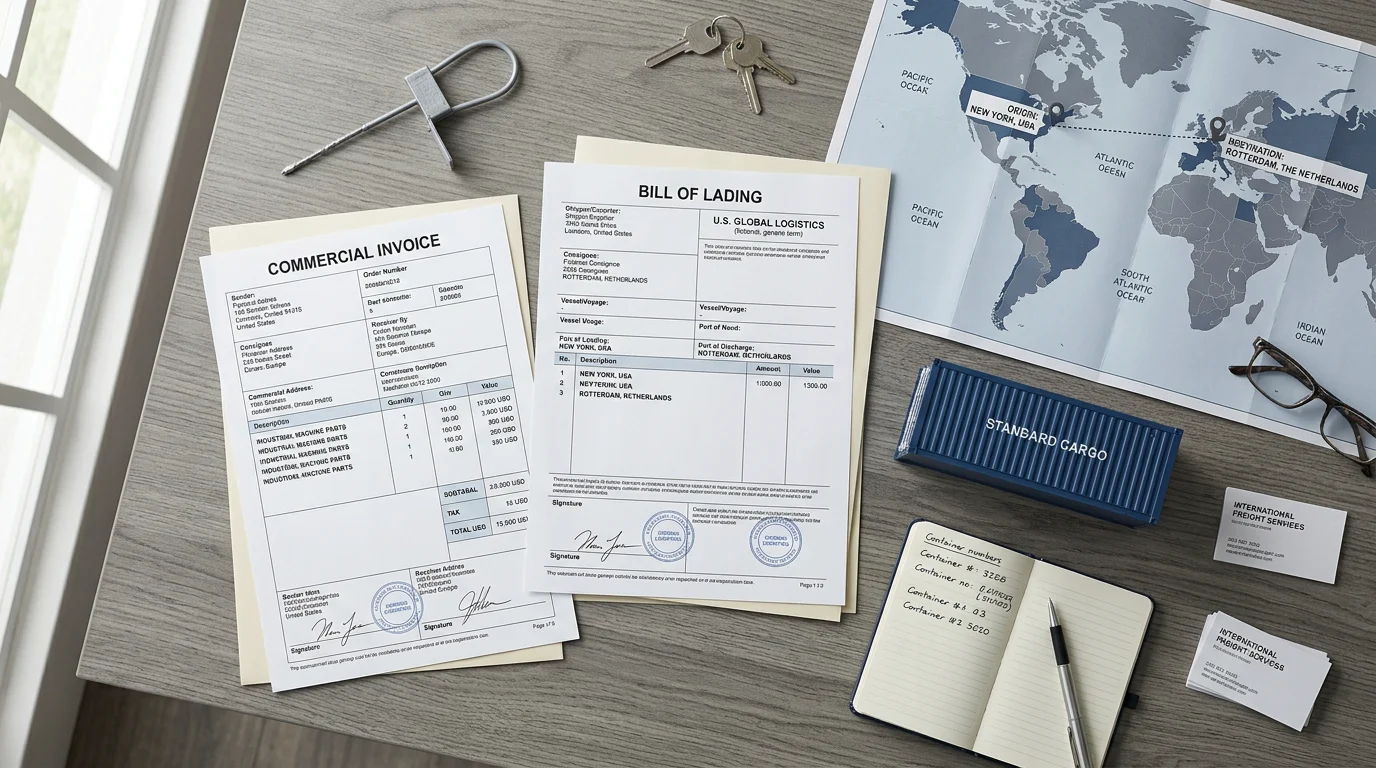
    • Commercial Invoice: Details the transaction and value of the goods.
    • Packing List: Provides a detailed account of items being shipped.
    • Bill of Lading: Serves as the contract between the seller and carrier.
    • Scheduling shipments strategically can help avoid delays and disruptions, particularly during peak shipping seasons.
    • Continuous monitoring of shipments using tracking systems allows sellers to manage risks effectively, enabling proactive responses to potential issues such as delays or customs holds.

    Strategy Details
    Insurance Options Critical to protect against losses; consider all-risk or marine cargo insurance.
    Choosing Reliable Carriers Evaluate carriers based on reputation, performance history, and service offerings.
    Best Practices Ensure proper documentation, schedule shipments strategically, and monitor shipments continuously.
    FOB Origin Definition: Impact on Your Amazon FBA Risk Profile

    Final Words

    Final Words

    Understanding FOB Origin is critical for Amazon FBA sellers navigating the complexities of international shipping. By recognizing that the seller’s responsibility ends once goods are loaded, sellers can better manage their risk profiles. The implications of FOB Origin influence logistics strategies and cost structures, necessitating effective risk assessment and carrier selection.

    To mitigate potential losses during transit, investing in insurance and adhering to best practices is essential. By mastering the FOB Origin definition and its impact on risk, sellers can enhance their operational efficiency and protect their investments. Embracing these strategies ultimately fosters a more secure and successful Amazon FBA experience.

    FAQ

    Q: What is FOB Origin?

    A: FOB Origin indicates that the seller’s responsibility ends when goods are loaded for shipment, transferring risk and costs to the buyer from that point onward.

    Q: Why is FOB Origin important in shipping?

    A: FOB Origin influences shipping costs, liabilities, and carrier selection, making it crucial for effective risk management in international trade.

    Q: How does FOB Origin affect Amazon FBA logistics?

    A: FOB Origin impacts direct deliveries to fulfillment centers, cost structures, and inventory management strategies for Amazon FBA sellers.

    Q: What risks are associated with FOB Origin?

    A: Risks include potential loss or damage during transit, with statistics indicating up to 30% of shipments may incur damages.

    Q: How can sellers mitigate risks in FOB Origin shipping?

    A: Sellers can mitigate risks by selecting reliable carriers, obtaining shipping insurance, and following best practices for documentation and shipment scheduling.

    Q: What types of insurance are available for Amazon FBA sellers?

    A: Various insurance options exist, including marine cargo insurance and transit insurance, tailored to cover potential losses based on shipment value.

    Q: What criteria should be used to select reliable carriers?

    A: Key criteria include carrier reputation, performance history, and the ability to maintain strong communication throughout the shipping process.

    Q: What best practices should Amazon FBA sellers follow?

    A: Best practices include proper documentation for customs, scheduling shipments to avoid delays, and continuous monitoring for real-time risk management.

  • Understanding FOB in Amazon FBA Supplier Contracts Benefits

    Understanding FOB in Amazon FBA Supplier Contracts Benefits

    Is your Amazon FBA business at the mercy of unclear shipping terms? Understanding the Free On Board (FOB) concept is crucial for sellers who want to maintain control over their supply chain and avoid unforeseen costs. FOB defines when ownership and risk transfer from the supplier to the seller, making it a pivotal element in supplier contracts. This blog will explore the benefits of mastering FOB in Amazon FBA supplier agreements, empowering sellers to navigate shipping logistics with confidence and optimize their import processes effectively.

    Understanding FOB in Amazon FBA Supplier Contracts Benefits

    • Clear Ownership Transfer: FOB specifies the exact point at which ownership and risk of goods transfer from the seller to the buyer, eliminating confusion regarding liability. This clarity is crucial for Amazon FBA sellers to manage potential losses and disputes effectively.
    • Cost Management: Knowing whether the terms are FOB Origin or FOB Destination helps sellers anticipate shipping costs. FOB Origin means sellers take on costs and risks until the goods are loaded, while FOB Destination places these responsibilities on the supplier until delivery.
    • Risk Mitigation: By understanding FOB terms, sellers can better assess risks associated with shipping. For instance, FOB Origin may expose sellers to more risk during transit, while FOB Destination can provide a layer of protection as the supplier bears the risk until the goods arrive.
    • Negotiation Leverage: Understanding FOB allows sellers to negotiate better terms with suppliers. Sellers can push for more favorable conditions based on their understanding of shipping logistics, potentially reducing overall shipping costs.
    • Compliance Assurance: FOB terms often include specific compliance requirements. By recognizing these terms, sellers can ensure that their products meet necessary regulations, particularly for international shipping to Amazon FBA warehouses.
    • Streamlined Logistics: Clear FOB definitions facilitate more efficient logistics planning. Sellers can coordinate their shipping strategies based on when and where responsibilities shift, leading to smoother operations and fewer delays.
    • Enhanced Supplier Relationships: A solid grasp of FOB fosters better communication with suppliers. By discussing and agreeing on terms upfront, sellers can build trust and streamline their supply chain processes.

    Benefit Explanation
    Clear Ownership Transfer Specifies when ownership and risk transfer from seller to buyer.
    Cost Management Helps anticipate and manage shipping costs effectively.
    Risk Mitigation Enables sellers to assess and manage shipping risks appropriately.
    Negotiation Leverage Provides a foundation for negotiating favorable shipping terms.
    Compliance Assurance Ensures adherence to necessary regulations for shipping.
    Streamlined Logistics Facilitates efficient logistics planning and operation.
    Enhanced Supplier Relationships Builds trust through clear communication and agreements.

    Responsibilities Under FOB Terms

    • Seller Responsibilities: Under FOB terms, sellers are responsible for the costs and risks associated with transporting goods up to the specified point. This includes:
    • Arranging freight transportation to the port of shipment.
    • Covering shipping costs until the goods are loaded on the transport vessel.
    • Handling any export documentation required for customs clearance.
    • Ensuring the goods are adequately insured during transit until the transfer point.
    • Supplier Responsibilities: Suppliers hold responsibilities once the goods reach the designated FOB point. These include:
    • Covering costs associated with shipping from the FOB point to the final destination.
    • Handling import duties and taxes upon arrival in the destination country.
    • Managing logistics and ensuring timely delivery to the Amazon FBA fulfillment center.
    • Providing necessary paperwork, such as the bill of lading and commercial invoice, to facilitate customs clearance.
    • Cost Implications: Understanding these responsibilities is crucial for accurate cost analysis. Sellers must consider:
    • The total cost of shipping, including potential additional charges from the supplier.
    • Risks associated with shipping delays or damages before the FOB point, which the seller must bear.
    • The potential for negotiating better terms to reduce shipping costs and improve profit margins.
    • Liability Considerations: Liability shifts between parties at the FOB point. Sellers need to be aware of:
    • Who is liable for damages or losses that occur during transit.
    • The importance of proper documentation to support claims for losses or damages.
    • The necessity of insurance policies to cover risks until the transfer of ownership.

    Responsibility Details
    Seller Responsibilities Arranging freight, covering costs until loading, export documentation, insurance.
    Supplier Responsibilities Covering shipping costs post-transfer, handling import duties, managing logistics.
    Cost Implications Total shipping costs, risks before FOB point, negotiation opportunities.
    Liability Considerations Understanding liability shifts, documentation for claims, insurance necessity.
    Understanding FOB in Amazon FBA Supplier Contracts Benefits

    Examples of FOB Contracts

    FOB contracts can significantly impact shipping logistics for Amazon FBA sellers. Understanding the differences between FOB Origin and FOB Destination can help sellers make informed decisions.

    • FOB Origin: Under this term, the seller’s responsibility ends once the goods are loaded onto the transport vehicle at the seller’s location. Buyers assume ownership and risk from that point forward. Key aspects include:
    • Costs: Sellers must bear freight costs up to the shipping point, while buyers are responsible for transportation and risk thereafter.
    • Liability: Any damage or loss occurring after loading is the buyer’s liability.
    • Example: If a seller ships 1,000 units of a product from China to an Amazon warehouse in the U.S. and uses FOB Origin, the seller’s responsibility ends at the port in China.
    • FOB Destination: In this scenario, the seller retains responsibility for shipping costs and risks until the goods arrive at the buyer’s specified destination. Important points include:
    • Costs: Sellers cover all shipping expenses until the goods are delivered to the buyer.
    • Liability: The seller is liable for any damage or loss until delivery is complete.
    • Example: A seller using FOB Destination for the same 1,000 units would be responsible for the safe transport until the goods are at the Amazon warehouse in the U.S.

    | Contract Type | Responsibility | Cost Implication | Risk Transfer |

    |—————|—————-|——————|—————|

    | FOB Origin | Seller to loading point | Seller pays up to loading, buyer pays thereafter | Buyer assumes risk after loading |

    | FOB Destination| Seller to delivery point | Seller pays all shipping costs | Seller retains risk until delivery |

    Understanding these terms can help sellers navigate logistics effectively, assess risk, and manage costs associated with international shipping. By choosing the appropriate FOB term, sellers can optimize their shipping strategy according to their operational needs.

    Implications of FOB on Shipping and Liability

    • Shipping Costs: The choice between FOB Origin and FOB Destination significantly influences shipping expenses. With FOB Origin, sellers assume financial responsibility once products leave the supplier’s facility, which can result in lower overall shipping costs if managed effectively. Conversely, FOB Destination transfers responsibility to the supplier until delivery, which may lead to higher costs but can provide financial predictability for sellers.
    • Risk Transfer: FOB terms define when liability for the goods shifts from the supplier to the seller. Under FOB Origin, sellers bear the risk during transit, meaning they must manage potential issues like damage or loss. In contrast, FOB Destination protects sellers from these risks until the goods reach the designated location, allowing for more controlled risk management.
    • Delivery Obligations: Understanding who is obligated to manage delivery logistics under different FOB terms is crucial. Sellers must ensure they have the necessary logistics in place if they are responsible for shipping under FOB Origin. On the other hand, under FOB Destination, sellers need to verify that the supplier adheres to delivery timelines and conditions.
    • Claims Management: In cases of damage or loss, liability is dictated by FOB terms. Sellers must be prepared to navigate claims processes based on whether they held responsibility during transit. Knowing this can help sellers allocate resources and time effectively should issues arise.

    Aspect FOB Origin FOB Destination
    Shipping Costs Sellers bear costs from the point of origin Costs covered by the supplier until delivery
    Risk Transfer Seller assumes risk during transit Supplier retains risk until delivery
    Delivery Obligations Sellers manage logistics and delivery Supplier responsible for delivery logistics
    Claims Management Sellers handle claims for damage/loss Supplier manages claims until delivery
    Understanding FOB in Amazon FBA Supplier Contracts Benefits

    Tips for Negotiating FOB Terms

    • Understand Your Needs: Assess your specific shipping requirements before entering negotiations. Determine the volume of goods, shipping frequency, and desired delivery timelines. This clarity will help in discussions and enable you to communicate effectively with suppliers.
    • Research Supplier Options: Investigate multiple suppliers and their shipping capabilities. Understanding each supplier’s strengths and weaknesses can provide leverage during negotiations, allowing you to choose terms that maximize your benefits.
    • Clarify Responsibilities: Ensure both parties have a clear understanding of responsibilities under FOB terms. Specify who covers costs up to the shipping point and who is liable for risks during transit. This clarity can prevent disputes later on.
    • Negotiate Shipping Costs: Discuss potential discounts based on order volumes or longer-term agreements. Suppliers may be willing to adjust shipping costs to secure a larger, ongoing business relationship.
    • Leverage FOB Types: Use the differences between FOB Origin and FOB Destination to your advantage. If you’re more comfortable taking on risk, you might prefer FOB Origin. Conversely, if you want the supplier to bear the risk until delivery, negotiate for FOB Destination.
    • Build Relationships: Establishing strong relationships with suppliers can lead to better negotiation outcomes. Trust and open communication can facilitate more favorable terms and smoother transactions.
    • Document Everything: After reaching an agreement, document all terms and conditions in writing. This serves as a reference point in case of future disputes and ensures both parties are held accountable.

    Tip Explanation
    Understand Your Needs Assess specific shipping requirements to communicate effectively.
    Research Supplier Options Investigate multiple suppliers to leverage negotiation power.
    Clarify Responsibilities Ensure clear understanding of cost and liability responsibilities.
    Negotiate Shipping Costs Discuss discounts based on order volumes or long-term agreements.
    Leverage FOB Types Use differences between FOB Origin and Destination to your advantage.
    Build Relationships Establish trust for better negotiation outcomes.
    Document Everything Document all terms in writing to prevent future disputes.

    Best Practices for Managing Logistics

    • Utilize Real-Time Tracking: Implement shipment tracking tools that provide real-time visibility of cargo movements. This allows sellers to monitor their shipments proactively, ensuring timely updates and minimizing uncertainties.
    • Collaborate with Freight Forwarders: Partnering with experienced freight forwarders can simplify logistics management. They bring expertise in navigating customs, optimizing shipping routes, and ensuring compliance with regulations specific to Amazon FBA.
    • Establish Clear Communication Channels: Maintain open lines of communication with suppliers and freight forwarders. Regular updates and discussions about shipping timelines, potential delays, and inventory needs help mitigate risks and foster better relationships.
    • Create a Shipping Schedule: Develop a systematic shipping schedule that aligns with inventory forecasts and Amazon FBA requirements. This ensures timely restocks and minimizes the risk of stockouts during peak sales periods.
    • Document Management: Ensure all necessary shipping documentation is prepared and organized. This includes commercial invoices, packing lists, and bills of lading. Proper documentation is essential for smooth customs clearance and compliance.
    • Plan for Contingencies: Anticipate potential disruptions in the supply chain, such as delays or customs holds. Have contingency plans in place, including alternative shipping routes or backup suppliers, to maintain operational continuity.
    • Evaluate Shipping Performance: Regularly assess shipping performance metrics, such as delivery times and costs. Use this data to identify areas for improvement and optimize logistics strategies over time.

    Best Practice Description
    Utilize Real-Time Tracking Implement tools for visibility of cargo movements, enabling proactive monitoring.
    Collaborate with Freight Forwarders Partner with experts to simplify logistics and ensure compliance.
    Establish Clear Communication Channels Maintain open lines with suppliers and freight forwarders for timely updates.
    Create a Shipping Schedule Align shipping with inventory forecasts to prevent stockouts.
    Document Management Ensure all shipping documentation is organized for smooth customs clearance.
    Plan for Contingencies Anticipate disruptions and prepare alternative solutions to maintain operations.
    Evaluate Shipping Performance Regularly assess metrics to identify improvement areas in logistics strategies.
    Understanding FOB in Amazon FBA Supplier Contracts Benefits

    Final Words

    Final Words

    Understanding FOB in Amazon FBA supplier contracts is crucial for sellers navigating international shipping. By defining FOB and outlining responsibilities, sellers can effectively manage logistics, shipping costs, and risk during transit.

    Examples of FOB contracts reveal practical implications that can influence decision-making. With strategic negotiation tips and best practices for logistics management, sellers can optimize their shipping processes.

    Ultimately, mastering FOB not only enhances operational efficiency but also contributes to a smoother import experience. Embracing this knowledge empowers sellers to thrive in the competitive Amazon marketplace.

    FAQ

    Q: What is FOB in Amazon FBA shipping?

    A: FOB, or Free On Board, is a shipping term defining when ownership and risk transfer from the seller to the buyer, crucial for managing shipping costs and responsibilities.

    Q: What responsibilities do sellers have under FOB terms?

    A: Sellers under FOB terms are responsible for shipping costs, logistics management, and risk during transit, ensuring clarity on liability and cost management between sellers and suppliers.

    Q: How do FOB agreements differ between origin and destination?

    A: FOB Origin means risk transfers at the seller’s location, while FOB Destination transfers risk at the buyer’s location, affecting liability and shipping processes significantly.

    Q: What are the implications of FOB on shipping costs?

    A: FOB impacts shipping costs by determining who bears the risk during transit, influencing overall cost calculations and risk management strategies for Amazon FBA sellers.

    Q: How can sellers negotiate better FOB terms?

    A: Sellers can negotiate favorable FOB terms by employing effective strategies, understanding key trade considerations, and focusing on securing advantageous shipping arrangements with suppliers.

    Q: What best practices should sellers follow for managing logistics under FOB?

    A: Sellers should track shipments, collaborate with freight forwarders, and implement efficient logistics management practices to optimize shipping processes under FOB agreements.

  • FOB Shipping Point vs FOB Destination: Boost Your FBA Margins

    FOB Shipping Point vs FOB Destination: Boost Your FBA Margins

    Are you leaving money on the table by not understanding FOB shipping terms? Many Amazon FBA sellers overlook the significant impact that FOB Shipping Point and FOB Destination have on their profit margins. These two seemingly simple terms dictate who bears the shipping costs and risks at various stages of transit. This blog post will dissect the key differences between FOB Shipping Point and FOB Destination, revealing how each choice can directly affect your shipping expenses and, ultimately, your bottom line. By understanding these terms, sellers can make informed decisions that enhance their profitability.

    FOB Shipping Point vs FOB Destination: Boost Your FBA Margins

    • FOB Shipping Point:
    • Responsibility transfers to the buyer once goods leave the seller’s location.
    • The buyer covers freight costs from that point onward.
    • Potential for lower upfront costs, allowing more cash flow for other business activities.
    • Buyer assumes risk of damage or loss during transit, impacting overall margins if not managed properly.
    • FOB Destination:
    • Seller retains responsibility until goods reach the buyer’s location.
    • Seller covers shipping expenses and risks during transit.
    • Greater control over shipping methods and costs, potentially improving delivery reliability.
    • Seller can factor in shipping costs into their pricing strategy, affecting profit margins positively.

    | FOB Term | Responsibility Transfer | Cost Responsibility | Risk During Transit | Impact on Margins |

    |———————–|—————————–|——————————–|——————————-|—————————–|

    | FOB Shipping Point | Buyer | Buyer | Buyer | Can lower upfront costs |

    | FOB Destination | Seller | Seller | Seller | Greater delivery control |

    Implications for Shipping Costs

    • Cost Responsibilities under FOB Shipping Point:
    • Buyer pays for shipping and assumes risk once the goods leave the seller’s location.
    • Potential for lower initial costs that can enhance cash flow for other business investments.
    • Bullet-point list of costs:
    • Freight charges incurred by the buyer, potentially varying based on shipping method and distance
    • Insurance costs that the buyer must secure to protect against loss or damage during transit
    • Duties upon arrival that the buyer must pay to customs, impacting overall expenses
    • Cost Responsibilities under FOB Destination:
    • Seller covers shipping costs until the goods are delivered to the buyer’s location.
    • Greater control over shipping methods and costs, allowing for strategic decisions that can enhance reliability.
    • Bullet-point list of costs:
    • Freight charges absorbed by the seller, which can be negotiated based on volume and shipping contracts
    • Insurance during transit, managed by the seller to mitigate financial losses
    • Import duties paid by the seller, simplifying the buyer’s financial responsibilities and enhancing profit predictability

    FOB Term Responsibility Transfer Cost Responsibility Risk During Transit Impact on Margins
    FOB Shipping Point Buyer Buyer Buyer Can lower upfront costs
    FOB Destination Seller Seller Seller Greater delivery control
    FOB Shipping Point vs FOB Destination: Boost Your FBA Margins

    Effects on FBA Margins

    • Calculation of Margins:
    • The formula for calculating FBA margins is as follows:
    • Selling Price – (Cost of Goods Sold + Shipping Costs + FBA Fees)
    • For example, consider two scenarios where the selling price of a product is $100.
    • FOB Shipping Point:
    • Cost of Goods Sold: $40
    • Shipping Costs: $10 (paid by the buyer)
    • FBA Fees: $15
    • Margin Calculation:
    • $100 – ($40 + $15) = $45 (Buyer pays shipping)
    • FOB Destination:
    • Cost of Goods Sold: $40
    • Shipping Costs: $10 (paid by the seller)
    • FBA Fees: $15
    • Margin Calculation:
    • $100 – ($40 + $10 + $15) = $35 (Seller pays shipping)
    • Case Studies of Each Term:
    • Seller A (FOB Shipping Point):
    • Seller A sources products at $40 and sells them for $100.
    • By using FOB Shipping Point, Seller A saves on upfront shipping costs, paying $10 only after the goods leave the seller’s location.
    • This strategy results in a margin of $45, allowing Seller A to reinvest in marketing or inventory.
    • Seller B (FOB Destination):
    • Seller B also sources products at $40 and sells them for $100 but opts for FOB Destination.
    • The seller incurs $10 in shipping costs, absorbing these expenses until the goods are delivered.
    • This results in a lower margin of $35. However, Seller B has more control over shipping timelines and quality, which can lead to higher customer satisfaction and repeat business.

    FOB Term Cost of Goods Sold Shipping Costs FBA Fees Calculated Margin
    FOB Shipping Point $40 $10 (Buyer) $15 $45
    FOB Destination $40 $10 (Seller) $15 $35

    Practical Tips for Amazon Sellers

    • Choosing the Right FOB Term:
    • Consider product value and shipping distance to determine which term provides the best balance of risk and cost.
    • Evaluate shipping quotes from multiple carriers to find the most cost-effective option.
    • Factors to consider:
    • Delivery timelines: Assess how quickly you need the product to arrive at the Amazon fulfillment center.
    • Risk tolerance: Determine how much risk you are willing to take regarding potential damage or delays.
    • Cost variations: Analyze how different FOB terms impact overall shipping expenses and margins.
    • Negotiating with Suppliers:
    • Importance of clear communication is crucial during negotiations to ensure both parties understand responsibilities and expectations.
    • Request FOB terms that align with your overall business goals, considering how they affect cash flow and profitability.
    • Negotiation tips:
    • Discuss freight options: Explore various shipping methods with your supplier to find the most efficient and cost-effective solution.
    • Seek volume discounts: Leverage larger orders to negotiate better rates on shipping costs.
    • Clarify responsibilities in writing: Ensure all terms are documented to prevent misunderstandings that could affect margins.

    FOB Term Considerations Negotiation Tips
    FOB Shipping Point Evaluate shipping distance and risk tolerance Discuss freight options and seek volume discounts
    FOB Destination Consider product value and delivery timelines Clarify responsibilities in writing
    FOB Shipping Point vs FOB Destination: Boost Your FBA Margins

    Final Words

    Final Words

    Understanding FOB terms is critical for Amazon FBA sellers. Distinguishing between FOB Shipping Point and FOB Destination clarifies responsibility and cost management.

    Each term has distinct implications for shipping costs and profit margins, influencing how sellers structure their business strategies. Sellers must analyze their options carefully, considering factors like risk, shipping expenses, and control over logistics.

    By leveraging the insights provided, sellers can optimize their shipping decisions and bolster their FBA margins. Embracing the nuances of FOB Shipping Point vs FOB Destination: Why It Matters for Your FBA Margins will ultimately enhance their profitability and success in the competitive e-commerce landscape.

    FAQ

    Q: What is FOB Shipping Point?

    A: FOB Shipping Point means responsibility transfers to the buyer once goods leave the seller’s location, with the buyer covering all subsequent shipping costs.

    Q: What is FOB Destination?

    A: FOB Destination indicates that the seller retains responsibility for the goods until they reach the buyer’s location, covering all shipping expenses and risks during transit.

    Q: How do shipping costs differ between FOB Shipping Point and FOB Destination?

    A: Under FOB Shipping Point, buyers pay for shipping and assume risks, resulting in potential lower initial costs. Conversely, FOB Destination requires sellers to bear shipping costs and risks until delivery.

    Q: How do FOB terms impact FBA profit margins?

    A: FOB terms affect FBA profit margins by influencing shipping costs. Sellers can optimize margins through strategic selection between FOB Shipping Point and FOB Destination based on cost structures.

    Q: How are FBA margins calculated?

    A: FBA margins are calculated using the formula: Selling Price – (Cost of Goods Sold + Shipping Costs + FBA Fees), which varies based on the chosen FOB terms.

    Q: What practical tips can sellers use for negotiating FOB terms?

    A: Sellers should evaluate product value, shipping distance, and multiple carrier quotes. Clear communication and requests for favorable FOB terms are crucial for negotiations.

    Q: What factors should sellers consider when choosing FOB terms?

    A: When selecting FOB terms, sellers should consider delivery timelines, risk tolerance, and cost variations to ensure the best shipping strategy aligns with their business goals.

  • FOB vs CIF vs DDP: Discover the Best Incoterm for Amazon FBA

    FOB vs CIF vs DDP: Discover the Best Incoterm for Amazon FBA

    Choosing the right Incoterm can make or break an Amazon FBA seller’s shipping strategy, yet many overlook its importance. With options like FOB, CIF, and DDP, navigating international shipping can feel like a high-stakes game of chess. Each term carries distinct responsibilities, costs, and risks that can significantly impact profitability and efficiency. This blog post will dissect these Incoterms, providing a comprehensive comparison to help sellers determine which option best suits their business model. Understanding the nuances of FOB, CIF, and DDP is crucial for optimizing logistics and ensuring a smooth shipping experience from China to Amazon warehouses.

    FOB vs CIF vs DDP: Discover the Best Incoterm for Amazon FBA

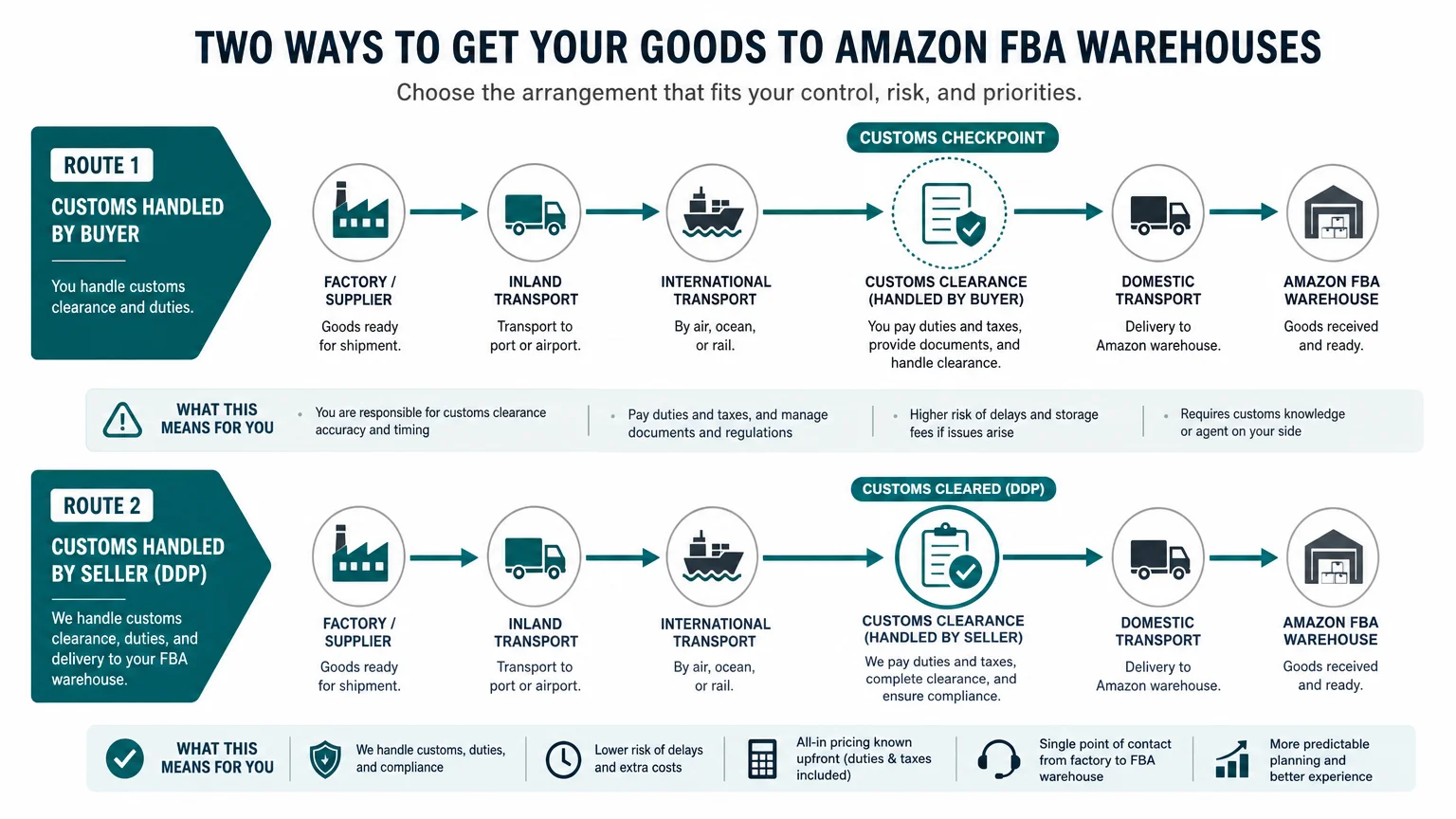
    • Incoterms are standardized international shipping terms that define the responsibilities of buyers and sellers in transactions involving goods.
    • The three Incoterms most relevant to Amazon FBA sellers are:
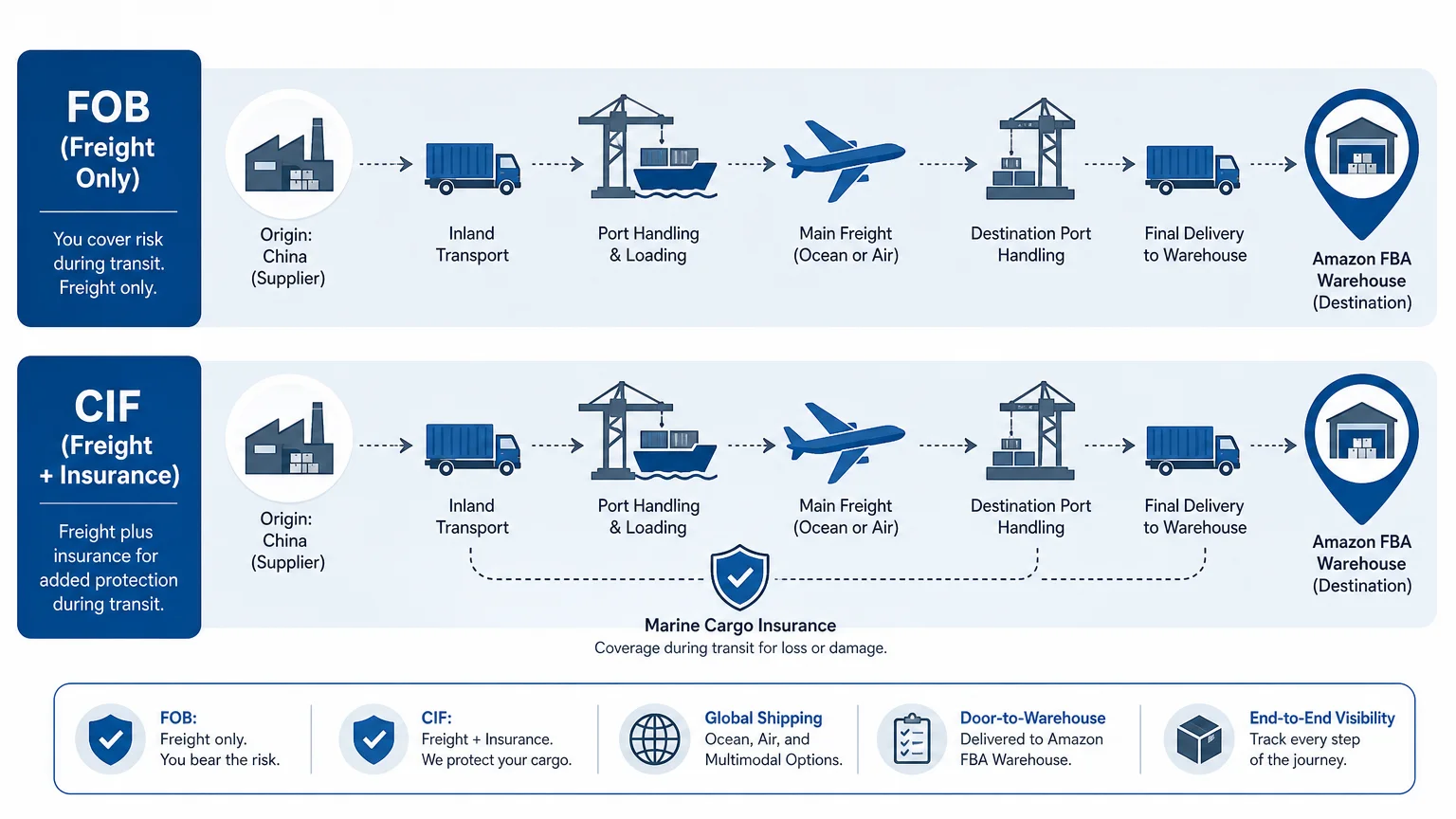
    • FOB (Free on Board): The seller is responsible for all costs and risks until the goods are loaded onto the vessel at the port of shipment. Risk transfers to the buyer at this point.
    • CIF (Cost, Insurance, and Freight): The seller covers the costs of shipping and insurance until the goods reach the destination port. Risk transfers to the buyer once the goods are loaded onto the vessel.
    • DDP (Delivered Duty Paid): The seller assumes full responsibility for all costs and risks associated with delivering the goods to the buyer’s location, including customs duties and taxes.
    • Understanding these Incoterms is crucial for Amazon FBA sellers as they directly impact shipping costs, risk management, and the logistics process.
    • Choosing the appropriate Incoterm can optimize profit margins and streamline operations, especially in the competitive e-commerce landscape.

    Understanding FOB (Free on Board)

    • FOB (Free on Board) is an Incoterm where the seller is responsible for all costs and risks associated with transporting goods until they are loaded onto the shipping vessel. Once the goods are on board, the risk transfers to the buyer.
    • Key responsibilities for the seller include:
    • Arranging transportation to the port of shipment.
    • Covering costs related to loading the goods onto the vessel.
    • Handling export customs clearance.
    • Key responsibilities for the buyer begin after the goods are loaded:
    • Taking on all risks during transit.
    • Managing freight costs and insurance from the port of shipment onward.
    • Handling import customs clearance and any associated duties.
    • Key features of FOB:
    • Seller’s responsibilities cease once the goods are loaded onto the vessel.
    • Buyer assumes risk and costs during transit after loading.
    • Requires careful coordination and communication between seller and buyer.
    • Advantages of FOB for Amazon FBA sellers:
    • Greater control over shipping logistics until the goods are loaded.
    • Potential for lower shipping costs if the buyer has negotiated favorable freight rates.
    • Seller retains control over the shipping process up to the loading point, which can lead to better quality assurance.
    • Disadvantages of FOB for Amazon FBA sellers:
    • Increased complexity in logistics management, requiring more involvement in transportation.
    • Risk of additional costs if delays occur during loading or transit.
    • Potential challenges in navigating customs procedures at the destination port.
    FOB vs CIF vs DDP: Discover the Best Incoterm for Amazon FBA

    Exploring CIF (Cost, Insurance, and Freight)

    • CIF (Cost, Insurance, and Freight) is an Incoterm where the seller is responsible for the costs of shipping and insurance until the goods reach the destination port. The risk transfers to the buyer once the goods are loaded onto the vessel.
    • Key responsibilities for the seller include:
    • Arranging and paying for shipping to the destination port.
    • Obtaining insurance coverage for the goods during transit.
    • Handling export customs clearance.
    • Key responsibilities for the buyer begin upon arrival at the destination port:
    • Managing import customs clearance and paying any associated duties.
    • Assuming risk for the goods once they are unloaded from the vessel.
    • Key features of CIF:
    • Seller covers shipping and insurance costs until the destination port.
    • Risk transfers to the buyer at the loading port.
    • Simplifies logistics for the buyer, who need only manage import duties.
    • Advantages of CIF for Amazon FBA sellers:
    • Predictable total shipping costs, as the seller includes insurance and freight.
    • Less administrative burden for the buyer, as the seller manages shipping logistics.
    • Can be cost-effective for bulk shipments, providing better rates for insurance and freight.
    • Disadvantages of CIF for Amazon FBA sellers:
    • Limited control over shipping options and routes once the goods are dispatched.
    • Potential for higher costs if the seller’s shipping rates are not competitive.
    • Risk of disputes over insurance claims if the seller is responsible for handling them.

    Analyzing DDP (Delivered Duty Paid)

    • DDP (Delivered Duty Paid) is an Incoterm where the seller assumes full responsibility for all costs and risks associated with delivering goods to the buyer’s location. This includes transportation, customs duties, taxes, and insurance until the goods are received by the buyer.
    • Key responsibilities for the seller include:
    • Covering all shipping costs until delivery at the buyer’s premises.
    • Managing customs clearance and payment of any import duties or taxes.
    • Ensuring the goods are delivered in compliance with local regulations.
    • Key responsibilities for the buyer are minimal since they only wait for the delivery:
    • Accepting the goods at their location.
    • Coordinating with the seller for any issues related to delivery.
    • Key features of DDP:
    • Seller bears all costs and risks until the buyer receives the goods.
    • Simplifies the purchasing process for the buyer, who faces no unexpected fees.
    • Requires knowledge of destination country regulations and compliance.
    • Advantages of DDP for Amazon FBA sellers:
    • Provides a hassle-free experience for buyers, potentially increasing sales.
    • Eliminates surprise fees, enhancing customer satisfaction.
    • Simplifies logistics for sellers lacking extensive shipping experience.
    • Disadvantages of DDP for Amazon FBA sellers:
    • Higher initial costs due to customs duties and taxes that the seller must cover.
    • Increased complexity in ensuring compliance with foreign regulations.
    • Potential financial risk if customs duties change unexpectedly or if goods are held at customs.

    | Key Features of DDP | Advantages of DDP for Amazon FBA Sellers | Disadvantages of DDP for Amazon FBA Sellers |

    |—————————————|——————————————|———————————————-|

    | Seller covers all costs until delivery | Hassle-free experience for buyers | Higher initial costs due to customs fees |

    | Simplified purchasing process | Eliminates surprise fees | Increased complexity in compliance |

    | Requires knowledge of local regulations| Potentially boosts sales | Financial risks from customs-related issues |

    FOB vs CIF vs DDP: Discover the Best Incoterm for Amazon FBA

    Cost Considerations for Each Incoterm

    Understanding the cost implications associated with FOB, CIF, and DDP is crucial for Amazon FBA sellers. Each Incoterm has distinct financial responsibilities that can significantly impact overall shipping expenses.

    Cost Breakdown:

    1. FOB (Free on Board)
    • Seller Costs:
    • Transportation to the port of shipment.
    • Loading costs onto the vessel.
    • Export customs clearance fees.
    • Buyer Costs:
    • Freight charges from the port of shipment.
    • Insurance costs during transit.
    • Import customs duties and clearance fees at the destination.
    1. CIF (Cost, Insurance, and Freight)
    • Seller Costs:
    • Shipping costs to the destination port.
    • Insurance coverage during transit.
    • Export customs clearance fees.
    • Buyer Costs:
    • Import customs duties upon arrival.
    • Potential additional charges for offloading and local transport.
    1. DDP (Delivered Duty Paid)
    • Seller Costs:
    • All costs associated with shipping to the buyer’s location.
    • Insurance coverage during transit.
    • Customs duties and taxes included in the delivery.
    • Buyer Costs:
    • Minimal to no additional costs at delivery, as all fees are pre-paid.

    Comparative Analysis Table:

    Incoterm Seller Costs Buyer Costs
    FOB Transport to port, loading, export clearance Freight, insurance, import duties
    CIF Shipping to destination port, insurance, export clearance Import duties and local charges
    DDP All shipping costs, insurance, customs duties Minimal (all costs included)

    In summary, the choice of Incoterm can influence not only the initial shipping costs but also the overall financial management of the Amazon FBA business. Selecting the right Incoterm is essential for optimizing profit margins and ensuring seamless logistics operations.

    Logistical Differences and Implications

    Understanding the logistical differences between FOB, CIF, and DDP is crucial for Amazon FBA sellers, as these terms dictate responsibilities for shipping and customs processes. Each Incoterm affects logistics planning and documentation requirements, impacting overall efficiency and cost management.

    Logistical Responsibilities:

    • FOB (Free on Board):
    • Seller manages transportation to the port of shipment and handles loading onto the vessel.
    • Seller is responsible for export customs clearance and associated documentation.
    • Buyer assumes responsibility for freight costs and risk during transit once goods are loaded.
    • CIF (Cost, Insurance, and Freight):
    • Seller covers shipping costs and insurance up to the destination port, managing logistics until that point.
    • Seller is responsible for export customs clearance and documentation before loading.
    • Buyer takes over risks and costs once goods are loaded but does not manage shipping logistics until delivery.
    • DDP (Delivered Duty Paid):
    • Seller is responsible for all costs and risks until goods are delivered to the buyer’s location.
    • Seller manages all customs procedures, including import duties and taxes at the destination.
    • Buyer only needs to accept delivery, simplifying logistics but transferring cost responsibilities to the seller.

    Understanding these logistical responsibilities helps Amazon FBA sellers choose the most efficient shipping method that aligns with their operational needs and risk tolerance. Proper documentation and management of customs procedures are essential for each Incoterm, ensuring compliance and timely delivery.

    FOB vs CIF vs DDP: Discover the Best Incoterm for Amazon FBA

    Practical Examples and Scenarios

    • Real-world scenarios help illustrate the practical application of FOB, CIF, and DDP for Amazon FBA sellers, highlighting their respective challenges and benefits.

    FOB Scenarios:

    • Scenario 1: Electronics Shipment

    A seller ships a bulk order of electronic gadgets from China to the U.S. They choose FOB, ensuring they handle export clearance and loading. The buyer takes responsibility for freight costs and insurance during transit, allowing the seller to maintain control until the goods are on board.

    • Scenario 2: Apparel Goods

    An apparel brand decides to use FOB for shipping its products to an Amazon fulfillment center. After negotiating favorable freight rates, the seller manages loading at the port, but faces delays that increase overall transit time and costs.

    • Scenario 3: Heavy Machinery

    A seller of heavy machinery utilizes FOB to ship equipment overseas. The complexity of logistics requires meticulous planning, but the seller benefits from better control over the shipment process, ensuring quality checks are conducted before loading.

    CIF Scenarios:

    • Scenario 1: Furniture Shipment

    A furniture seller uses CIF to ship items from Vietnam to the UK. The seller covers shipping and insurance costs up to the destination port, simplifying the process for the buyer who only needs to manage import duties upon arrival.

    • Scenario 2: Toy Manufacturing

    A toy manufacturer opts for CIF for shipping from China to Amazon warehouses in the U.S. The seller’s responsibility for insurance means lower risk for the buyer, although potential shipping delays may impact stock levels.

    • Scenario 3: Kitchen Appliances

    A seller of kitchen appliances chooses CIF, ensuring that shipping costs and insurance are covered by them. However, they must navigate customs clearance processes in the destination country, which can complicate the overall timeline.

    DDP Scenarios:

    • Scenario 1: Health Supplements

    A seller of health supplements utilizes DDP to deliver products directly to U.S. customers. This approach includes all costs and customs duties, providing a seamless experience for buyers who appreciate not having to deal with extra charges.

    • Scenario 2: Home Decor Items

    A home decor seller chooses DDP for shipping products to Europe. The seller handles all logistics and customs requirements, ensuring that the buyer receives goods without unexpected fees, enhancing customer satisfaction.

    • Scenario 3: Pet Supplies

    A pet supplies seller uses DDP to ship products to Canada. They benefit from simplified logistics and full responsibility for customs, although they must account for potential higher costs associated with duties and taxes in their pricing strategy.

    Final Words

    Final Words

    Understanding the nuances of Incoterms is vital for Amazon FBA sellers aiming to streamline their shipping processes. This article explored the critical distinctions between FOB, CIF, and DDP, emphasizing their implications on costs, responsibilities, and logistics.

    Choosing the right Incoterm can significantly impact profitability and operational efficiency. While FOB offers control, CIF provides convenience, and DDP simplifies logistics, each option carries its own pros and cons.

    By mastering “FOB vs CIF vs DDP: Which Incoterm Is Best for Amazon FBA?”, sellers can make informed shipping decisions, ultimately enhancing their business success.

    FAQ

    Q: What are Incoterms?

    A: Incoterms are standardized trade terms that define the responsibilities of sellers and buyers in international shipping, crucial for understanding shipping logistics in Amazon FBA.

    Q: Why are Incoterms important for Amazon FBA sellers?

    A: Incoterms help Amazon FBA sellers manage shipping costs, risks, and responsibilities, ensuring smoother logistics processes and compliance with international trade laws.

    Q: What does FOB stand for?

    A: FOB stands for Free on Board, indicating that the seller’s responsibility ends once the goods are loaded onto the vessel, transferring risk to the buyer.

    Q: What are the pros of using FOB?

    A: Advantages of FOB include lower shipping costs, potential for better control over logistics, and flexibility in choosing the shipping method.

    Q: What are the cons of FOB?

    A: Disadvantages of FOB include increased risk for the buyer once goods are loaded, potential delays, and limited seller responsibility for damages in transit.

    Q: What does CIF mean?

    A: CIF stands for Cost, Insurance, and Freight, meaning the seller covers shipping and insurance costs until the goods reach the destination port.

    Q: What are the advantages of CIF?

    A: Pros of CIF include comprehensive cost coverage, reduced buyer risk during transit, and simplified logistics management for the buyer.

    Q: What are the disadvantages of CIF?

    A: Cons of CIF involve higher upfront costs, dependency on seller reliability for insurance, and potential issues with customs clearance.

    Q: What does DDP mean?

    A: DDP stands for Delivered Duty Paid, which requires the seller to handle all costs and risks until delivery at the buyer’s location.

    Q: What are the benefits of using DDP?

    A: Advantages of DDP include simplified logistics for buyers, full cost transparency, and reduced risk of customs complications for sellers.

    Q: What are the drawbacks of DDP?

    A: Disadvantages of DDP include higher overall costs, potential for unexpected customs duties, and increased seller responsibility for compliance.

    Q: How do shipping costs differ among FOB, CIF, and DDP?

    A: Costs vary by Incoterm: FOB typically has lower upfront costs for buyers, CIF includes insurance and freight costs, while DDP has all-inclusive pricing but may lead to higher overall expenses.

    Q: What logistical responsibilities exist for each Incoterm?

    A:

    • FOB: Seller responsible for loading, buyer for shipping and insurance.
    • CIF: Seller covers shipping and insurance to destination port; buyer handles customs.
    • DDP: Seller manages all logistics and customs until delivery.

    Q: Can you provide examples of FOB, CIF, and DDP scenarios?

    A:

    • FOB: A seller in China ships electronics to the U.S.; risk transfers at loading.
    • CIF: A seller in Germany ships machinery to Brazil, covering freight and insurance.
    • DDP: A seller in India delivers textiles directly to a U.S. warehouse, handling all costs.
  • How Freight Forwarders Handle Amazon FBA-Specific Requirements Effectively

    How Freight Forwarders Handle Amazon FBA-Specific Requirements Effectively

    Navigating the complexities of Amazon FBA can feel like trying to assemble a puzzle with missing pieces. Many sellers are unaware that a freight forwarder can be their key to unlocking seamless logistics and compliance. Understanding Amazon’s specific requirements is crucial for success, but the intricacies of shipping, customs, and inventory management can overwhelm even seasoned sellers. This post explores how freight forwarders effectively tackle these challenges, ensuring that sellers not only meet Amazon’s stringent guidelines but also enhance their operational efficiency, ultimately driving profitability and growth.

    How Freight Forwarders Handle Amazon FBA-Specific Requirements Effectively

    • Overview of Amazon FBA Logistics
    • Amazon FBA operates on a streamlined order fulfillment process where sellers send their inventory to Amazon’s fulfillment centers.
    • Efficient inventory management is crucial as it directly impacts product availability and sales velocity.
    • Shipping timelines are critical; delays can lead to stockouts and lost sales opportunities. Freight forwarders help sellers meet these timelines by coordinating shipments effectively.
    • Compliance Standards and Regulations
    • Amazon mandates strict packaging and labeling requirements to ensure consistency and maintain quality control. Freight forwarders assist sellers in adhering to these guidelines, minimizing the risk of shipment rejections.
    • International shipping compliance is essential; freight forwarders navigate complex customs processes, ensuring all necessary documentation is prepared and submitted.
    • Understanding local regulations in target markets is vital for successful market entry. Freight forwarders provide insights into these regulations, helping sellers avoid costly compliance issues.

    | Compliance Aspect | Description | Importance |

    |—————————–|————————————————————–|—————————————————————|

    | Packaging Requirements | Specific dimensions, materials, and branding guidelines | Prevents shipment rejections and ensures product integrity |

    | Labeling Standards | Proper barcodes and labeling formats as per Amazon’s rules | Facilitates efficient processing and inventory management |

    | Customs Documentation | Preparation of commercial invoices, packing lists, etc. | Ensures smooth customs clearance and avoids delays |

    | Local Regulations | Knowledge of VAT, duties, and import restrictions | Prevents fines and ensures compliance with local laws |

    Role of Freight Forwarders in Amazon FBA

    • Responsibilities of Freight Forwarders
    • Coordination of Shipping Logistics

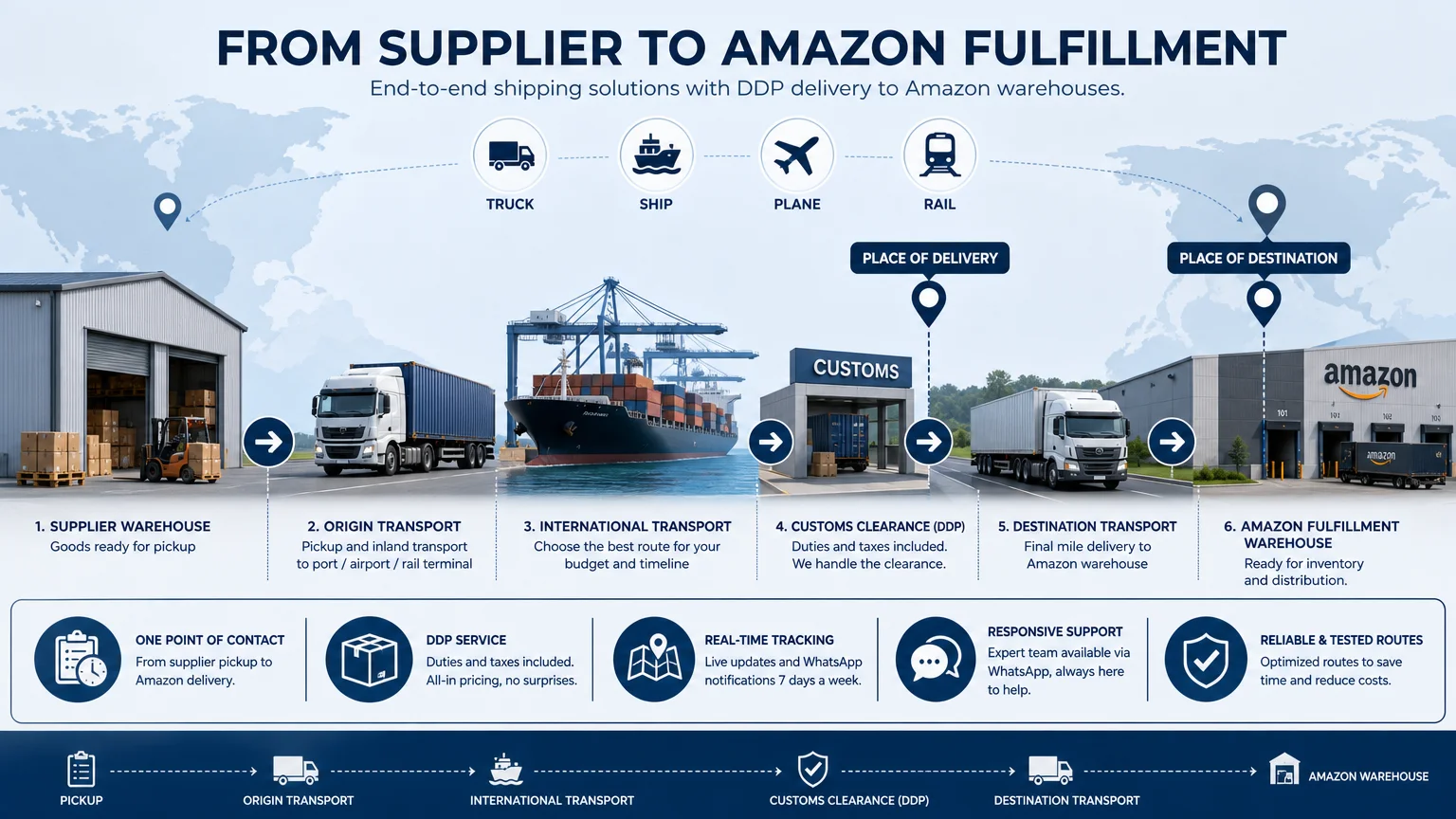
    Freight forwarders manage the entire shipping process, coordinating with multiple carriers to ensure timely delivery to Amazon fulfillment centers. They optimize routes and select the best shipping methods based on urgency and cost-efficiency.

    • Management of Customs Clearance and Compliance

    Navigating customs regulations is complex, but freight forwarders simplify this by preparing and submitting necessary documentation. They handle duties and taxes, ensuring compliance with local and international laws, which minimizes delays and penalties.

    • Providing Packaging and Labeling Services per Amazon’s Requirements

    Adhering to Amazon’s strict packaging and labeling guidelines is crucial. Freight forwarders assist sellers in properly preparing their products, ensuring that each item meets Amazon’s standards to avoid shipment rejections.

    • Custom Solutions for Amazon Sellers
    • Tailoring Shipping Methods to Seller Needs

    Freight forwarders offer flexible shipping options, whether sellers require air freight for urgent restocks or sea freight for cost-effective bulk shipments. This adaptability helps sellers meet their specific inventory needs and budget constraints.

    • Handling DDP Shipping Solutions for Smooth Entry into Markets

    Delivered Duty Paid (DDP) shipping is a valuable service provided by freight forwarders, allowing sellers to ship products with all duties and taxes prepaid. This simplifies the import process, ensuring no unexpected costs upon delivery.

    • Offering Inventory Forecasting Support for Optimal Shipment Timing

    Freight forwarders assist sellers in analyzing sales trends and inventory levels, guiding them on optimal shipment timing. This proactive approach helps prevent stockouts and maximizes sales potential during peak seasons.

    | Service Offered | Description | Benefit |

    |———————————–|——————————————————————|————————————————————–|

    | Shipping Logistics Coordination | Management of routes and carriers for timely delivery | Ensures efficient and timely shipments |

    | Customs Clearance Management | Preparation and submission of required customs documentation | Minimizes delays and ensures compliance |

    | Packaging and Labeling Services | Compliance with Amazon’s packaging and labeling guidelines | Reduces risk of shipment rejections |

    | Tailored Shipping Solutions | Custom shipping methods based on seller needs | Flexibility in meeting inventory demands |

    | DDP Shipping Solutions | All duties and taxes prepaid for seamless market entry | Simplifies import process and avoids unexpected costs |

    | Inventory Forecasting Support | Analysis of sales trends for optimal shipment timing | Prevents stockouts and enhances sales opportunities |

    How Freight Forwarders Handle Amazon FBA-Specific Requirements Effectively

    Common Challenges in FBA Shipping

    • Labeling and Packaging Issues
    • Sellers often overlook Amazon’s specific labeling and packaging requirements, leading to shipment rejections. Common mistakes include incorrect barcode formats, inadequate packaging materials, and failure to include necessary documentation.
    • Freight forwarders provide expertise in compliance by ensuring all packaging meets Amazon’s guidelines. They assist in preparing labels correctly and recommend suitable packaging materials to prevent damage during transit. This proactive approach minimizes the risk of rejected shipments and associated costs.
    • International Shipping Complexities
    • Customs clearance presents significant hurdles for sellers, with strict regulations and documentation requirements varying by country. Inadequate paperwork can lead to delays, fines, or even confiscation of goods.
    • Tariffs and duties can also impact shipping costs, especially for sellers importing goods into markets with complex import regulations. Freight forwarders help sellers navigate these complexities by managing customs documentation, calculating duties, and ensuring compliance with local laws.
    • To manage international shipping timelines effectively, freight forwarders employ strategies such as selecting optimal shipping methods, using DDP (Delivered Duty Paid) solutions to streamline customs processes, and providing real-time tracking updates. This ensures that sellers stay informed about their shipments and can plan inventory levels accordingly.

    | Challenge | Description | Freight Forwarder Solutions |

    |——————————|————————————————————-|————————————————————–|

    | Labeling and Packaging Issues | Incorrect labels and inadequate packaging lead to delays. | Expert compliance assistance for proper labeling and packaging. |

    | Customs Clearance Hurdles | Complex regulations and documentation can cause delays. | Management of customs paperwork and compliance checks. |

    | Tariffs and Duties | Import costs can fluctuate based on tariffs, affecting pricing. | Duty calculation and advice on best practices for cost management. |

    | International Shipping Timelines | Delays can occur without proper planning and communication. | Proactive shipment planning and real-time tracking updates. |

    Best Practices for Working with Freight Forwarders

    • Selecting the Right Freight Forwarder
    • Criteria to Consider
    • Experience: Choose a freight forwarder with a proven track record in handling Amazon FBA shipments.
    • Services: Ensure they offer comprehensive services including customs clearance, labeling, and packaging that meet Amazon’s requirements.
    • Compliance Knowledge: Look for a forwarder knowledgeable about Amazon’s compliance standards and international shipping regulations.
    • Importance of Checking References and Case Studies
    • Investigate past client experiences to gauge reliability and performance.
    • Request case studies that demonstrate successful handling of similar logistics challenges faced by other Amazon sellers.
    • Communication and Collaboration Tips
    • Establishing Clear Lines of Communication
    • Designate a primary point of contact within your team and with the freight forwarder for seamless communication.
    • Utilize project management tools to facilitate ongoing discussions and updates.
    • Regular Updates on Shipment Status and Issues
    • Schedule frequent check-ins to discuss shipment progress, potential delays, and any compliance issues that may arise.
    • Ensure that the forwarder provides real-time tracking updates to maintain visibility throughout the shipping process.
    • Importance of Aligning Goals and Expectations
    • Clearly outline your shipping goals, deadlines, and budget constraints to ensure everyone is on the same page.
    • Establish mutual expectations regarding service levels, response times, and handling of unforeseen issues.

    | Best Practice | Description | Benefit |

    |———————————|————————————————————–|————————————————————|

    | Selecting the Right Forwarder | Assess experience, services, and compliance knowledge | Ensures effective handling of FBA-specific requirements |

    | Checking References and Cases | Review past client experiences and success stories | Increases confidence in the forwarder’s capabilities |

    | Clear Communication | Designate contacts and utilize tools for ongoing dialogue | Enhances collaboration and reduces misunderstandings |

    | Regular Status Updates | Schedule check-ins and ensure real-time tracking | Maintains visibility and allows for timely issue resolution |

    | Aligning Goals and Expectations | Clearly outline objectives and constraints | Fosters a productive partnership focused on mutual success |

    How Freight Forwarders Handle Amazon FBA-Specific Requirements Effectively

    Case Studies and Success Stories

    • Examples of Effective Freight Forwarding
    • Case 1: Successful International Shipment Handling

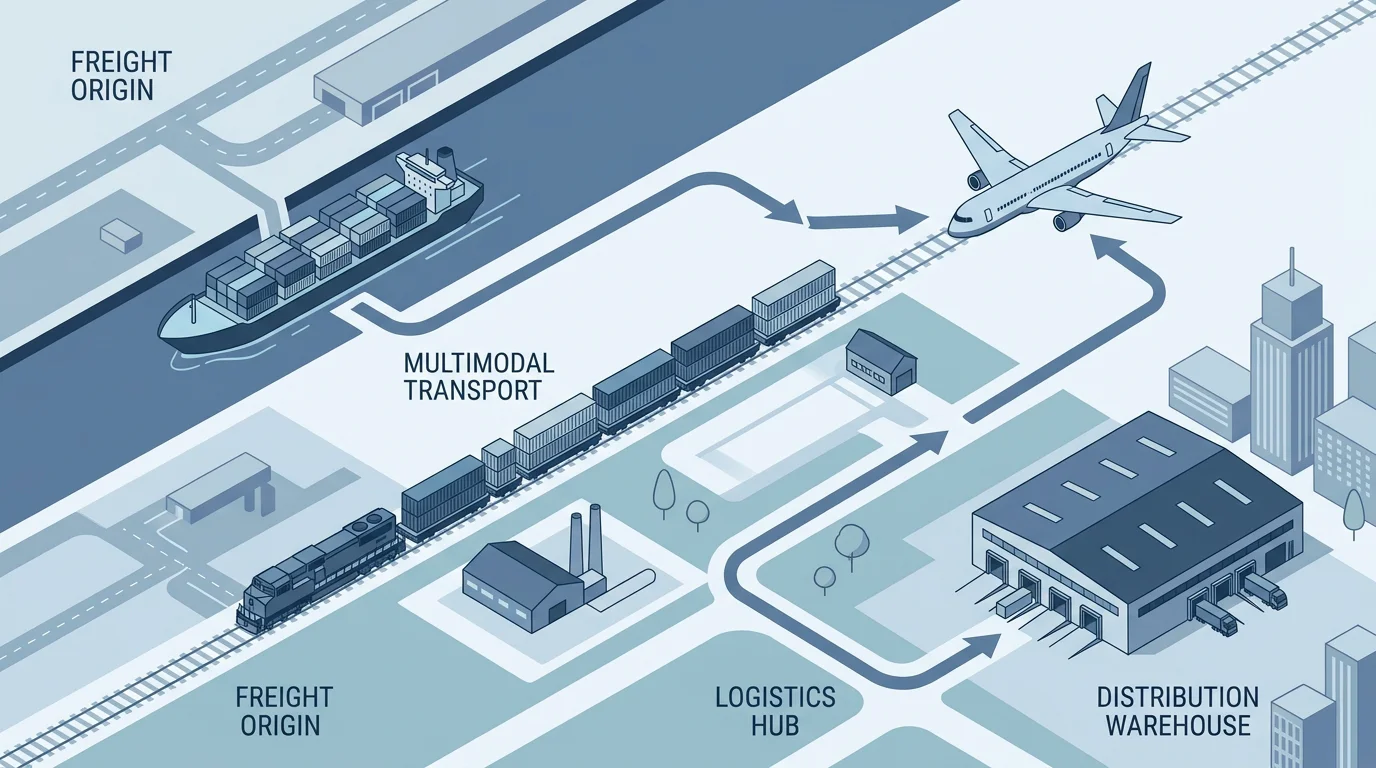
    An Amazon seller specializing in electronics faced challenges in shipping high-value products from China to multiple fulfillment centers in the US. They partnered with a freight forwarder that provided DDP shipping solutions. This approach simplified customs clearance and ensured that all duties and taxes were prepaid. The freight forwarder utilized a multi-modal shipping strategy, combining air and sea freight, which optimized cost and delivery time. As a result, the seller achieved a 40% reduction in shipping costs and improved inventory availability, leading to a significant increase in sales during the holiday season.

    • Case 2: Overcoming Compliance Challenges

    A health and beauty product seller encountered issues with compliance due to varying regulations in different countries. They enlisted a freight forwarder with expertise in international regulations. The forwarder conducted a thorough compliance assessment, ensuring that all products met FDA standards and other local requirements. They prepared comprehensive documentation, including certificates of origin and safety compliance, which facilitated smooth customs clearance. This proactive approach helped the seller avoid costly fines and delays, ultimately enhancing their reputation and operational efficiency.

    | Key Takeaways from Successful Partnerships | Description |

    |———————————————|—————————————————————|

    | Importance of Choosing the Right Partner | Selecting a freight forwarder with industry expertise prevents compliance issues and ensures smooth logistics. |

    | Proactive Communication | Regular updates and open communication channels foster trust and facilitate quicker problem resolution. |

    | Tailored Solutions | Customized shipping strategies based on product type and market entry requirements maximize efficiency. |

    | Comprehensive Compliance Knowledge | Understanding market-specific regulations can save time and avoid costly penalties. |

    • Common Pitfalls to Avoid Based on Seller Experiences
    • Underestimating the complexity of international shipping can lead to unforeseen delays and costs. Sellers should engage with freight forwarders early in the sourcing process to mitigate risks.
    • Failing to provide accurate product information can result in improper classification, leading to customs issues. Sellers must ensure that their freight forwarder has all necessary details for accurate HS coding.
    • Not scheduling shipments in advance during peak seasons can lead to delays and increased costs. Sellers should work with their freight forwarders to plan shipping timelines effectively, especially during busy periods.

    Final Words

    Final Words

    Efficient logistics management is crucial for Amazon FBA sellers. Understanding Amazon’s specific requirements, including packaging, labeling, and compliance standards, sets the foundation for successful operations. Freight forwarders play a pivotal role in navigating these complexities, streamlining shipping processes, and ensuring adherence to regulations.

    By selecting the right freight forwarder, sellers can overcome common challenges, such as customs clearance and international shipping hurdles. Implementing best practices fosters collaboration and enhances overall efficiency.

    Ultimately, leveraging the expertise of freight forwarders allows sellers to meet Amazon’s demands while optimizing their supply chain. Mastering how freight forwarders handle Amazon FBA-specific requirements empowers sellers to scale their businesses confidently.

    FAQ

    Q: What are the logistics requirements for Amazon FBA?

    A: Amazon FBA logistics require efficient inventory management, adherence to shipping timelines, and compliance with Amazon’s packaging and labeling standards.

    Q: How do freight forwarders assist with Amazon FBA compliance?

    A: Freight forwarders manage customs clearance, ensure compliance with packaging guidelines, and navigate international shipping regulations for Amazon sellers.

    Q: What challenges do sellers face when shipping to Amazon FBA?

    A: Sellers often encounter labeling mistakes, customs clearance hurdles, and complexities involving international shipping timelines and tariffs.

    Q: What best practices should sellers follow when choosing a freight forwarder?

    A: Sellers should evaluate freight forwarders based on experience, service offerings, and compliance knowledge, while also checking references.

    Q: How can sellers enhance communication with freight forwarders?

    A: Establishing clear communication channels, providing regular updates on shipments, and aligning goals can significantly improve collaboration with freight forwarders.

    Q: Can you provide examples of successful freight forwarding for Amazon FBA?

    A: Successful examples include effective management of international shipments and overcoming compliance challenges, showcasing strategic logistics management.

  • The Rise of DDP Freight Forwarders for Amazon FBA Sellers

    The Rise of DDP Freight Forwarders for Amazon FBA Sellers

    Are Amazon FBA sellers ready to embrace a shipping revolution? The rise of Delivered Duty Paid (DDP) freight forwarders is transforming the logistics landscape, offering sellers a streamlined path to success. With DDP, the burden of customs clearance and duties shifts from buyers to sellers, simplifying operations and enhancing customer satisfaction. This blog post will explore the essential components of DDP freight forwarding, its benefits, and how it compares to traditional shipping methods, empowering Amazon FBA sellers to make informed decisions in an increasingly competitive market.

    The Definition of DDP Freight Forwarding

    Delivered Duty Paid (DDP) is a logistics arrangement that places the responsibility for the entire shipping process on the seller. This includes managing all aspects of the shipment until it arrives at the buyer’s designated location. Key components of DDP freight forwarding include:

    • Full Responsibility: The seller assumes all risks and costs associated with shipping, including transportation, customs clearance, and payment of duties and taxes.
    • Customs Clearance: Sellers must ensure that all customs documentation is prepared accurately, facilitating a smooth passage through customs at the destination.
    • Tax Management: The seller is accountable for calculating and paying any applicable import duties and taxes, which can vary based on the destination country’s regulations.
    • Logistics Coordination: This encompasses managing the entire logistics chain, from the point of origin to the final delivery, ensuring compliance with international shipping standards.
    • Buyer Convenience: By opting for DDP, sellers simplify the purchasing experience for buyers, eliminating surprise costs upon delivery and enhancing customer satisfaction.

    Understanding DDP is crucial for Amazon FBA sellers, as it streamlines their supply chain and reduces the administrative burden associated with international shipping. This arrangement allows sellers to focus more on their product and marketing strategies, rather than logistics challenges.

    Advantages of DDP for Amazon FBA Sellers

    DDP shipping presents a range of advantages tailored for Amazon FBA sellers, fundamentally transforming logistics management and enhancing the overall e-commerce experience. The following benefits are particularly noteworthy:

    • Simplified Customs Clearance: DDP streamlines the customs process by placing the burden of compliance on the seller. This ensures that all necessary documentation is handled prior to shipment, reducing delays and potential customs holds.
    • Cost Predictability: With DDP, sellers can accurately calculate all shipping costs upfront, including duties and taxes. This eliminates unexpected fees upon delivery, allowing sellers to maintain better control over their budgets.
    • Enhanced Customer Satisfaction: By pre-paying duties and taxes, sellers ensure that buyers receive their products without additional charges upon delivery. This transparency fosters trust and increases the likelihood of repeat business.
    • Streamlined Logistics: DDP simplifies the logistics chain by consolidating responsibilities under one freight forwarder. This reduces the complexity of managing multiple service providers and enhances communication, leading to more efficient operations.
    • Improved Inventory Management: Predictable shipping costs and timelines allow sellers to better plan their inventory replenishment. With DDP, sellers can more accurately forecast stock levels, minimizing the risk of running out of inventory during peak sales periods.
    • Competitive Edge: As more sellers adopt DDP, those who utilize this shipping method can position themselves as reliable and customer-friendly. This competitive advantage can lead to increased sales and market share.
    • Compliance Assurance: DDP ensures that sellers adhere to import regulations, reducing the risk of penalties or shipment returns. This compliance is crucial for maintaining a reputable seller profile on Amazon.

    These advantages collectively streamline the shipping process for Amazon FBA sellers, enhancing operational efficiency and ultimately improving customer experience. By leveraging DDP, sellers can focus on growing their business while minimizing logistical headaches.

    The Rise of DDP Freight Forwarders for Amazon FBA Sellers

    Comparing DDP with Other Shipping Methods

    DDP (Delivered Duty Paid) offers distinct advantages compared to other shipping methods such as DDU (Delivered Duty Unpaid) and FOB (Free on Board). Each method has its own set of pros and cons that can significantly impact Amazon FBA sellers.

    DDP vs. DDU

    | Feature | DDP | DDU |

    |——————-|—————————————|—————————————|

    | Responsibility | Seller covers all costs, including duties and taxes. | Buyer is responsible for customs duties and taxes upon delivery. |

    | Cost Predictability | All costs are known upfront, eliminating surprises for the buyer. | Potential for unexpected fees at delivery, which can lead to buyer dissatisfaction. |

    | Customs Clearance | Seller manages customs documentation and compliance. | Buyer must handle customs procedures, which can be complicated for inexperienced sellers. |

    | Buyer Experience | Enhanced satisfaction due to no additional charges upon delivery. | Buyer may experience frustration if customs fees are unexpectedly high. |

    DDP vs. FOB

    | Feature | DDP | FOB |

    |——————-|—————————————|—————————————|

    | Responsibility | Seller assumes responsibility until delivery to the buyer’s location. | Seller’s responsibility ends once goods are loaded onto the vessel. |

    | Cost Control | Seller controls all logistics and costs, ensuring predictable expenses. | Buyer takes on risk and costs once goods are on the vessel, which can lead to variable expenses. |

    | Documentation | Seller handles all necessary customs documentation. | Buyer must manage import documentation and customs clearance after shipment. |

    | Risk Management | Lower risk for the buyer as all duties and taxes are prepaid. | Higher risk for the buyer due to potential unforeseen customs charges. |

    Understanding the differences between DDP, DDU, and FOB can help Amazon FBA sellers make informed decisions about their shipping strategies. DDP is often preferred for its comprehensive nature, while DDU and FOB may suit sellers comfortable managing customs processes and risks. Ultimately, the choice depends on the seller’s operational capabilities and the specific needs of their business.

    Case Studies of Successful DDP Implementation

    Numerous Amazon FBA sellers have adopted DDP freight forwarding, leading to remarkable improvements in their logistics operations. These case studies highlight the practical applications of DDP and the positive outcomes experienced by sellers.

    Case Study 1: Small Business Success Story

    A small artisanal craft seller faced challenges with fluctuating shipping costs and customs delays. By switching to a DDP freight forwarder, they gained upfront cost visibility and simplified customs clearance. The freight forwarder managed all duties and taxes, eliminating surprise fees for customers. As a result, the seller reported a 25% increase in customer satisfaction ratings and a 15% boost in repeat sales within six months.

    Case Study 2: Large Seller Case Study

    A well-established electronics brand struggled with high logistics costs and complex import regulations across multiple markets. They implemented a DDP solution that centralized their shipping processes. The freight forwarder handled compliance, ensuring all products met local regulations. This shift led to a 30% reduction in shipping costs and improved delivery times by 20%. The brand also noted a significant decrease in customer complaints related to customs issues.

    Case Study 3: Niche Market Expansion

    A niche health supplement company wanted to expand its market presence in Europe. By partnering with a DDP freight forwarder, they streamlined their entry into the EU market. The forwarder managed VAT registration and compliance, allowing the seller to focus on marketing strategies. This approach resulted in a successful launch, with sales exceeding projections by 40% in the first quarter.

    Case Study 4: Seasonal Product Seller

    A seasonal holiday decor seller faced difficulties managing inventory and shipping during peak periods. Utilizing DDP allowed them to pre-calculate shipping costs and coordinate shipments effectively. The freight forwarder scheduled deliveries directly to Amazon fulfillment centers, ensuring timely stock availability. This strategy resulted in a 50% increase in sales during the holiday season compared to previous years.

    These case studies demonstrate the versatility and effectiveness of DDP freight forwarding for Amazon FBA sellers, showcasing how tailored logistics solutions can lead to operational efficiencies and enhanced profitability.

    The Rise of DDP Freight Forwarders for Amazon FBA Sellers

    Potential Pitfalls of DDP Freight Forwarding

    While DDP freight forwarding offers numerous benefits for Amazon FBA sellers, several potential pitfalls must be considered to ensure a smooth shipping experience. Awareness of these challenges can help sellers prepare effectively and mitigate risks. Key concerns include:

    • Hidden Costs: Although DDP is designed to provide cost predictability, hidden fees can arise. Sellers may encounter unexpected charges related to customs, handling, or additional services not included in the initial shipping quote.
    • Complex Documentation: DDP requires comprehensive documentation to ensure compliance with customs regulations. Inaccuracies or missing documents can lead to delays in customs clearance, resulting in longer shipping times and potential penalties.
    • Compliance Issues: Different countries have varying import regulations, and failing to meet these requirements can result in costly fines or cargo seizures. Sellers must stay informed about destination country regulations and ensure their shipments comply with local laws.
    • Supplier Miscommunication: Effective communication between sellers and their suppliers is crucial. Misunderstandings regarding shipping terms or responsibilities can lead to logistical complications and increased costs.
    • Dependence on Freight Forwarders: Relying heavily on a freight forwarder’s expertise can be a double-edged sword. While they provide valuable services, any mistakes made by the forwarder can directly impact the seller’s reputation and bottom line.
    • Market Fluctuations: Changes in tariffs or shipping regulations can affect the overall cost of DDP shipments. Sellers need to remain agile and adaptable to navigate these fluctuations effectively.

    By proactively addressing these potential pitfalls, Amazon FBA sellers can leverage DDP freight forwarding while minimizing risks and enhancing their shipping strategies.

    Practical Tips for Choosing a DDP Freight Forwarder

    Selecting the right DDP freight forwarder is critical for Amazon FBA sellers aiming to streamline their shipping processes. Here are actionable tips to make an informed choice:

    • Assess Experience and Reputation: Look for freight forwarders with a proven track record in handling DDP shipments specifically for Amazon FBA sellers. Research their client testimonials, case studies, and industry reputation. Experienced providers are more likely to navigate complexities efficiently.
    • Understand Fee Structures: Request a detailed breakdown of all fees associated with their services. This should include transportation costs, customs duties, handling fees, and any additional charges. Transparent pricing helps avoid unexpected costs and ensures budget control.
    • Inquire About Services Offered: Evaluate the range of services provided by the freight forwarder. Essential offerings should include customs clearance, documentation preparation, DDP management, and tracking capabilities. A comprehensive service reduces the need for multiple providers and enhances operational efficiency.
    • Check Compliance Knowledge: Ensure the freight forwarder is well-versed in the regulatory requirements for the destination country. Knowledge of HS codes, VAT regulations, and import duties is crucial for smooth customs clearance and compliance with local laws.
    • Evaluate Technology Integration: Assess whether the forwarder offers modern tracking and visibility tools. Real-time shipment tracking and proactive notifications can significantly enhance supply chain transparency and allow sellers to respond quickly to any issues.
    • Customer Support Accessibility: Strong customer support is vital for resolving issues quickly. Ensure that the freight forwarder provides dedicated support teams that are readily available to address any concerns during the shipping process.
    • Request References: Ask for references from previous clients to gauge their satisfaction with the service provided. Direct feedback from other sellers can provide valuable insights into the forwarder’s reliability and performance.

    By following these tips, Amazon FBA sellers can select a DDP freight forwarder that aligns with their shipping needs, ultimately improving efficiency and enhancing their overall logistics operations.

    The Rise of DDP Freight Forwarders for Amazon FBA Sellers

    Final Words

    Final Words

    Understanding DDP freight forwarding is crucial for Amazon FBA sellers aiming to optimize their logistics. This article detailed the definition of DDP, its advantages, and how it compares with other shipping methods.

    Real-world case studies highlighted successful implementations, while potential pitfalls reminded sellers to be vigilant about hidden costs and compliance issues.

    By following practical tips for selecting a competent DDP freight forwarder, sellers can streamline their shipping processes and enhance customer satisfaction.

    Embracing The Rise of DDP Freight Forwarders for Amazon FBA Sellers can lead to more efficient operations and improved profitability.

    FAQ

    Q: What is DDP freight forwarding?

    A: DDP freight forwarding refers to a shipping arrangement where the seller assumes all responsibilities, including logistics, customs clearance, and duty payments, until the shipment reaches the buyer.

    Q: What advantages does DDP offer Amazon FBA sellers?

    A: DDP provides benefits such as simplified customs clearance, predictable costs, and improved customer satisfaction through pre-paid duties, enhancing the shipping process for both sellers and buyers.

    Q: How does DDP compare to other shipping methods?

    A: DDP differs from methods like DDU and FOB by placing the onus of duties and taxes on the seller, affecting cost management and logistical responsibilities.

    Q: Can you provide examples of successful DDP implementation?

    A: Successful case studies highlight how Amazon sellers leveraged DDP to streamline operations, reduce costs, and improve profitability, showcasing its practical benefits in real-world scenarios.

    Q: What are the potential pitfalls of DDP freight forwarding?

    A: DDP pitfalls include hidden costs from unexpected fees and complex documentation requirements that may lead to delays or compliance issues, posing risks for sellers.

    Q: What tips should sellers consider when choosing a DDP freight forwarder?

    A: Sellers should evaluate the freight forwarder’s experience, reputation, fee structures, and service offerings to ensure they align with their specific shipping needs for efficiency.

  • Red Flags to Avoid When Picking a Freight Forwarder for Amazon FBA

    Red Flags to Avoid When Picking a Freight Forwarder for Amazon FBA

    Choosing the right freight forwarder for Amazon FBA can make or break a seller’s success, yet many fall prey to hidden pitfalls. In an industry where transparency and reliability are paramount, overlooking critical red flags can lead to costly errors and significant delays. This article examines essential warning signs to be wary of when selecting a freight forwarder. By identifying these red flags early, sellers can safeguard their operations and ensure a seamless shipping experience from China to Amazon warehouses. Understanding these warning signals is key to making informed logistics decisions that enhance business scalability.

    Red Flags to Avoid When Picking a Freight Forwarder for Amazon FBA

    • Poor Communication
    • Delayed responses to inquiries
    • Lack of proactive updates
    • Difficulty in reaching a representative
    • Lack of Experience with Amazon FBA
    • Familiarity with Amazon’s requirements
    • Knowledge of FBA-specific processes
    • Previous experience with successful FBA shipments
    • Hidden Fees
    • Common hidden fees to watch for:
    • Fuel surcharges
    • Customs clearance fees
    • Handling fees
    • Request a detailed breakdown of costs and clarify terms regarding additional charges
    • Inadequate Insurance Coverage
    • Types of coverage to verify:
    • Cargo insurance
    • Liability insurance
    • Risks of inadequate coverage include financial loss in case of damage or loss
    • Subpar Customer Service
    • Signs of subpar customer service:
    • Lack of availability for support
    • Unhelpful or dismissive responses
    • Consequences include difficulty in troubleshooting issues and poor overall experience
    • Unclear Terms and Conditions
    • Complex or vague agreements
    • Difficulty in understanding shipping timelines and responsibilities
    • Ensure clarity on liability and compensation policies
    • Negative Reviews or Reputation
    • Check online reviews and testimonials
    • Seek feedback from other Amazon FBA sellers
    • Investigate any history of complaints or unresolved issues

    Poor Communication

    • Signs of poor communication:
    • Delayed responses to inquiries
    • Lack of proactive updates
    • Difficulty in reaching a representative
    • Consequences:
    • Increased risk of shipping delays
    • Potential miscommunication regarding shipment details

    Inadequate communication from a freight forwarder can severely impact an Amazon FBA seller’s operations. When a freight forwarder fails to respond promptly to inquiries, sellers may find themselves in the dark regarding their shipments. This lack of clarity can lead to misunderstandings about delivery timelines, which can disrupt inventory levels and affect sales performance.

    Moreover, if the freight forwarder does not provide proactive updates on the shipment status, sellers may be left unprepared for any unexpected delays or issues that arise during transit. Difficulty in reaching a representative can further exacerbate the situation, leaving sellers without the necessary support to address urgent concerns.

    The consequences of poor communication extend beyond just inconvenience; they can lead to significant financial losses. Delays in shipping can result in stockouts, negatively impacting Amazon rankings and customer satisfaction. Miscommunication regarding shipment details can also lead to compliance issues, potentially incurring additional costs or penalties. Therefore, sellers should prioritize freight forwarders that demonstrate clear, effective communication practices to mitigate these risks.

    Red Flags to Avoid When Picking a Freight Forwarder for Amazon FBA

    Lack of Experience with Amazon FBA

    Choosing a freight forwarder with specific experience in Amazon FBA is crucial for successful logistics management. A lack of this specialized expertise can lead to various logistical errors and complications that negatively impact business operations.

    • Key considerations:
    • Familiarity with Amazon’s requirements:

    A freight forwarder must understand the distinct shipping and labeling requirements of Amazon to avoid compliance issues that could delay product availability.

    • Knowledge of FBA-specific processes:

    The logistics surrounding FBA, including inventory management and shipment preparation, require a forwarder who is well-versed in handling these specific processes.

    • Previous experience with successful FBA shipments:

    A freight forwarder should have a proven track record of managing successful shipments to Amazon fulfillment centers. This experience can provide reassurance that they can navigate potential challenges effectively.

    Freight forwarders lacking Amazon-specific experience may struggle with compliance, leading to delayed shipments, additional fees, or even product returns. It is essential for Amazon FBA sellers to thoroughly vet potential forwarders to ensure they possess the necessary expertise to facilitate smooth operations.

    Hidden Fees

    The presence of hidden fees can significantly inflate shipping costs for Amazon FBA sellers and is a critical red flag to watch for when selecting a freight forwarder. Transparency in pricing is essential to ensure that sellers do not encounter unexpected expenses that could impact their profitability.

    • Common hidden fees to watch for:
    • Fuel surcharges
    • Customs clearance fees
    • Handling fees

    These charges can accumulate quickly and may not be disclosed upfront, leading to budget overruns and financial strain on the seller’s operations. Sellers should be cautious of freight forwarders that do not provide a clear and comprehensive pricing structure.

    • Tips for avoiding hidden fees:
    • Request a detailed breakdown of costs before signing any agreements. This ensures that all potential charges are disclosed and understood.
    • Clarify terms regarding additional charges, such as those that may apply under certain conditions or during peak shipping seasons.

    By remaining vigilant and proactive in discussions about pricing, Amazon FBA sellers can mitigate the risk of hidden fees, allowing for more accurate budgeting and better financial planning. A freight forwarder that prioritizes transparency in its pricing model is likely to foster a more trustworthy and effective partnership.

    Red Flags to Avoid When Picking a Freight Forwarder for Amazon FBA

    Inadequate Insurance Coverage

    • Types of coverage to verify:
    • Cargo insurance
    • Liability insurance
    • Risks of inadequate coverage:
    • Financial loss in case of damage or loss
    • Increased stress during shipping processes

    Inadequate insurance coverage is a critical red flag when selecting a freight forwarder for Amazon FBA. Sellers must ensure their chosen forwarder provides sufficient insurance to protect their goods during transit. This includes confirming the availability of cargo insurance that covers the value of the products being shipped. Without adequate cargo insurance, sellers face significant financial risks if their goods are damaged or lost in transit.

    Liability insurance is another essential component. Freight forwarders should have liability coverage that protects against potential claims related to service errors or negligence. A lack of liability insurance can leave sellers vulnerable to unforeseen costs associated with claims or damages during the shipping process.

    The risks associated with inadequate insurance coverage can lead to serious repercussions for Amazon FBA sellers. In the event of damage or loss, sellers may incur substantial financial losses, disrupting cash flow and overall business operations. Furthermore, the stress associated with navigating shipping problems without proper coverage can detract from a seller’s ability to focus on growing their business. Thus, verifying comprehensive insurance coverage is essential for a smooth and secure shipping experience.

    Subpar Customer Service

    • Signs of subpar customer service:
    • Lack of availability for support
    • Unhelpful or dismissive responses
    • Consequences:
    • Difficulty in troubleshooting issues
    • Poor overall experience leading to dissatisfaction

    Subpar customer service from a freight forwarder can significantly hinder the shipping process for Amazon FBA sellers. A freight forwarder that is not readily available for support can leave sellers feeling isolated and unsupported during crucial shipping phases. When urgent questions or issues arise, timely assistance is essential to avoid delays and ensure compliance with Amazon’s stringent requirements.

    Moreover, unhelpful or dismissive responses can exacerbate situations, leading sellers to feel undervalued and frustrated. This type of customer service can prevent effective problem resolution, resulting in unresolved shipment issues or miscommunications regarding transit details.

    The consequences of inadequate customer service extend beyond mere inconvenience. Sellers may face difficulties in troubleshooting issues that arise during shipment, which can result in costly delays and operational disruptions. A poor overall experience can sour the relationship between sellers and their freight forwarders, leading to dissatisfaction and the potential need to switch providers, further complicating logistics. Prioritizing freight forwarders with a reputation for excellent customer service is crucial for sustaining a smooth shipping process.

    Red Flags to Avoid When Picking a Freight Forwarder for Amazon FBA

    Tips for Evaluating Freight Forwarders

    • Questions to ask potential freight forwarders:
    • What is your experience with Amazon FBA?
    • Can you provide references or testimonials?
    • What are your policies regarding hidden fees?
    • How do you handle customs clearance and compliance?
    • What shipping methods do you offer, and how do they align with my needs?
    • Credentials to verify:
    • Industry certifications, such as IATA or FIATA membership
    • Licensing and insurance documentation to ensure compliance
    • Performance metrics and reviews from other clients
    • Experience in handling specific product categories relevant to your business
    • History of successful deliveries to Amazon fulfillment centers

    Evaluating freight forwarders requires thorough diligence to ensure they can meet the demands of Amazon FBA. Start by asking pointed questions that reveal their expertise and service quality. Understanding their experience with Amazon-specific processes will help identify their capabilities in navigating the unique requirements of FBA logistics.

    Additionally, request references to validate their credibility and performance. This feedback can offer insights into their reliability and customer service standards. Clarifying their policies on hidden fees is crucial, as unexpected costs can significantly impact profitability.

    Verifying credentials is equally important. Confirm industry certifications to ensure they adhere to best practices, and check their licensing and insurance coverage for added security. Performance metrics and reviews can provide a benchmark for their reliability and efficiency in managing shipments. By following these guidelines, sellers can make informed decisions and select a freight forwarder that aligns with their business goals.

    Final Words

    Final Words

    Identifying red flags when choosing a freight forwarder is crucial for Amazon FBA sellers. Poor communication, lack of Amazon FBA experience, hidden fees, inadequate insurance, and subpar customer service can lead to costly mistakes and logistical headaches.

    Diligently evaluating potential freight forwarders through targeted questions and thorough credential checks will help avoid these pitfalls.

    By staying informed and proactive in the selection process, sellers can ensure a more efficient and stress-free shipping experience. This vigilance ultimately enhances their business operations and boosts their confidence in managing logistics. Recognizing red flags to avoid when picking a freight forwarder for Amazon FBA empowers sellers for greater success.

    FAQ

    Q: What are the main red flags when choosing a freight forwarder for Amazon FBA?

    A: Key red flags include poor communication, lack of Amazon FBA experience, hidden fees, inadequate insurance coverage, and subpar customer service.

    Q: How can poor communication affect shipping processes?

    A: Poor communication can lead to misunderstandings, delays, and increased risks of shipping errors, ultimately impacting delivery timelines.

    Q: Why is experience with Amazon FBA important for freight forwarders?

    A: Experience ensures compliance with Amazon’s requirements and knowledge of FBA-specific processes, minimizing logistical errors and complications.

    Q: What are common hidden fees associated with freight forwarding?

    A: Common hidden fees include fuel surcharges, customs clearance fees, and handling fees, which can significantly inflate overall shipping costs.

    Q: What types of insurance coverage should freight forwarders provide?

    A: Freight forwarders should offer cargo and liability insurance to protect against financial loss due to damage or loss during transit.

    Q: What signs indicate subpar customer service from a freight forwarder?

    A: Signs include lack of support availability and unhelpful responses, leading to unresolved issues and overall dissatisfaction with the service.

    Q: What criteria should sellers use to evaluate potential freight forwarders?

    A: Sellers should ask about FBA experience, request references, clarify hidden fee policies, and verify credentials like licenses and industry certifications.

  • Freight Forwarders in Texas vs China-Based Forwarders: Key Insights

    Freight Forwarders in Texas vs China-Based Forwarders: Key Insights

    In the world of Amazon FBA, choosing the right freight forwarder can make or break a seller’s success. Should sellers lean towards Texas-based forwarders for their proximity to fulfillment centers, or do the cost advantages of China-based options reign supreme? This blog post explores the pros and cons of these two freight forwarding strategies, helping FBA sellers navigate the complexities of international shipping. By the end, readers will gain valuable insights into which option aligns best with their logistics goals, ensuring a streamlined import process that enhances their bottom line.

    Freight Forwarders in Texas vs China-Based Forwarders: Key Insights

    Freight forwarders serve as intermediaries between sellers and logistics providers, facilitating the movement of goods across international borders. For Amazon FBA sellers, choosing the right freight forwarder is crucial for optimizing shipping efficiency, cost-effectiveness, and compliance with regulatory requirements.

    Role of Freight Forwarders

    • Definition: Freight forwarders manage the logistics of transporting goods from the point of origin to the destination, handling various shipping methods, documentation, and customs clearance.
    • Importance for FBA Sellers:
    • Streamline supply chain operations.
    • Ensure compliance with import regulations.
    • Provide guidance on shipping methods tailored to product type and market.

    Comparative Overview

    | Factor | Texas-Based Forwarders | China-Based Forwarders |

    |—————————|——————————————————|——————————————————|

    | Cost | Generally higher due to local operational expenses. | Typically lower due to competitive pricing structures. |

    | Shipping Speed | Faster transit times to US fulfillment centers. | Longer shipping times due to distance and logistics. |

    | Supplier Access | Limited access to global suppliers. | Broader access to manufacturers and suppliers. |

    | Communication | Easier communication with local agents. | Potential language barriers and time zone differences. |

    | Customs Handling | Familiarity with US customs regulations. | Complex customs procedures may require additional documentation. |

    Understanding these key insights allows FBA sellers to weigh their options based on specific needs, budget constraints, and logistical requirements. Choosing between Texas-based and China-based freight forwarders ultimately depends on the seller’s operational priorities and market strategy.

    Pros of Freight Forwarders in Texas for FBA

    • Proximity to Fulfillment Centers:

    Texas-based freight forwarders are strategically located near major Amazon fulfillment centers. This proximity leads to shortened transit times, significantly reducing the risk of delays in shipping. Sellers can expect quicker replenishment of stock, which is crucial for maintaining inventory levels and meeting customer demand.

    • Faster Shipping Times:

    Utilizing Texas-based freight forwarders can result in an average shipping time reduction of 2-5 days compared to international alternatives. This speed is particularly beneficial during peak selling seasons or when launching new products, allowing sellers to capitalize on market trends and maximize revenue potential.

    • Better Communication:

    Collaboration with local logistics providers enhances communication and coordination throughout the shipping process. Texas-based forwarders understand regional logistics intricacies and customs requirements, facilitating smoother operations. Immediate access to local agents enables real-time problem resolution and streamlined information exchange, which is vital for maintaining supply chain efficiency.

    • Compliance with Local Regulations:

    Texas forwarders are well-versed in U.S. import regulations and compliance standards. This knowledge assists sellers in navigating the complexities of customs requirements and ensures that all documentation is accurate and timely, reducing the likelihood of customs delays or penalties.

    • Reduced Risk of Damage:

    The shorter distance and quicker transit times also minimize the risk of product damage during shipping. With less time in transit, products are less likely to be exposed to conditions that could impact their quality, thereby enhancing customer satisfaction and reducing return rates.

    | Advantage | Description |

    |———————————-|—————————————————————–|

    | Proximity to Fulfillment Centers | Shortened transit times and reduced risk of delays. |

    | Faster Shipping Times | Average shipping time reduction by 2-5 days. |

    | Better Communication | Enhanced collaboration with local logistics providers. |

    | Compliance with Local Regulations | Expertise in U.S. import regulations and customs requirements. |

    | Reduced Risk of Damage | Less time in transit minimizes potential product damage. |

    Freight Forwarders in Texas vs China-Based Forwarders: Key Insights

    Cons of Freight Forwarders in Texas for FBA

    • Higher Costs:

    Texas-based freight forwarders typically charge higher fees, often 10-20% more than their China-based counterparts. This cost differential arises from local operational expenses, including labor and infrastructure. For Amazon FBA sellers, these increased shipping costs can significantly impact profit margins, especially for products with lower price points.

    • Limited Supplier Access:

    Texas freight forwarders often have fewer sourcing options compared to those based in China. While they may offer reliable shipping services, the limited access to a broader range of manufacturers can hinder sellers’ ability to diversify their product offerings. This restriction may force sellers to compromise on quality or pricing, ultimately affecting competitiveness in the marketplace.

    • Dependence on Local Market:

    Sellers utilizing Texas-based forwarders may find themselves reliant on the local market for sourcing, which can lead to challenges in product availability or innovation. The dynamic nature of international trade means that sellers could miss out on emerging trends or cost-effective products sourced from China.

    • Potential for Delayed Shipments:

    While Texas-based forwarders provide proximity to U.S. fulfillment centers, they may still face delays due to domestic logistics issues or increased demand. Such delays can disrupt inventory management strategies, leading to stockouts and potential loss of sales on the Amazon platform.

    | Disadvantage | Description |

    |—————————–|——————————————————————-|

    | Higher Costs | Fees can be 10-20% more than China-based options. |

    | Limited Supplier Access | Fewer sourcing options compared to Chinese suppliers. |

    | Dependence on Local Market | Reliance on the local market may hinder product diversity. |

    | Potential for Delayed Shipments | Domestic logistics issues may still cause delays. |

    Pros of China-Based Forwarders for FBA

    • Lower Costs:

    China-based freight forwarders typically offer shipping rates that are 30-50% cheaper than their Texas counterparts. This cost advantage stems from lower operational expenses, competitive pricing, and the ability to leverage economies of scale when dealing with international shipments. For FBA sellers focused on maximizing profit margins, this is a significant consideration.

    • Access to Suppliers:

    China is home to thousands of manufacturers across various industries, providing a vast pool of sourcing options for FBA sellers. This access allows sellers to find competitive pricing and diverse product offerings, enabling them to scale their inventory quickly. With the right freight forwarder, sellers can easily coordinate shipments from multiple suppliers, streamlining the sourcing process.

    • Established Relationships:

    Many China-based freight forwarders have established relationships with local manufacturers, which can lead to more reliable and efficient shipping processes. These relationships often result in better communication, smoother negotiations, and priority handling of shipments. Sellers can benefit from the freight forwarder’s expertise in navigating local customs and logistics challenges, ensuring a more seamless import experience.

    • Comprehensive Service Offerings:

    Many China-based freight forwarders provide a range of services beyond just transportation, including cargo insurance, quality inspections, and customs clearance assistance. This comprehensive approach helps reduce the burden on FBA sellers, especially those who may lack experience in international logistics. By consolidating services with a single provider, sellers can simplify their supply chain management.

    • Flexibility in Shipping Options:

    China-based forwarders often offer various shipping methods tailored to specific needs, such as air freight for urgent deliveries or sea freight for cost-effective bulk shipments. This flexibility allows sellers to choose the most suitable option based on their inventory management strategy and market demands.

    | Advantages | Description |

    |——————————–|———————————————————–|

    | Lower Costs | Shipping rates 30-50% cheaper than Texas-based options. |

    | Access to Suppliers | Thousands of manufacturers available for diverse products.|

    | Established Relationships | Built-in trust and reliability with local manufacturers. |

    | Comprehensive Services | Cargo insurance, quality inspections, and customs support.|

    | Flexibility in Shipping | Various shipping methods to suit different business needs. |

    Freight Forwarders in Texas vs China-Based Forwarders: Key Insights

    Cons of China-Based Forwarders for FBA

    • Longer Shipping Times:

    When utilizing China-based freight forwarders, average shipping times can increase by 10-14 days compared to domestic alternatives. This extended transit period can significantly impact inventory levels and order fulfillment for FBA sellers, particularly during high-demand seasons when rapid restocking is critical.

    • Language Barriers:

    Communication can be a challenge with China-based freight forwarders due to language differences. Misunderstandings may arise, leading to errors in shipping instructions, documentation, or compliance requirements. These issues can further complicate the logistics process and create delays.

    • Complex Customs Processes:

    Navigating the customs landscape can be daunting when working with China-based forwarders. The required documentation, such as commercial invoices and packing lists, must be precise to avoid shipment holds. Failure to comply with customs regulations may lead to additional fees, delays, or even shipment rejections, creating uncertainty and potential financial loss for sellers.

    • Time Zone Differences:

    The time zone difference between the U.S. and China can hinder timely communication and responsiveness. This delay in feedback can slow down decision-making processes, affecting shipment schedules and overall efficiency.

    • Increased Risk of Damage or Loss:

    Longer transit times and complex logistics increase the risk of cargo damage or loss. Managing claims for lost or damaged goods can be a cumbersome process, further complicating the supply chain for FBA sellers.

    | Challenge | Impact on FBA Sellers |

    |—————————|——————————————————|

    | Longer Shipping Times | Delayed inventory replenishment and potential stockouts. |

    | Language Barriers | Increased risk of miscommunication and errors. |

    | Complex Customs Processes | Risk of delays, additional fees, or shipment rejections. |

    | Time Zone Differences | Slower communication and decision-making. |

    | Increased Risk of Damage or Loss | Complicated claims process and potential financial losses. |

    Key Considerations for FBA Sellers

    Inventory Management

    Effective inventory management is critical for Amazon FBA sellers to maintain optimal stock levels and avoid stockouts or overstock situations. Sellers should implement inventory forecasting tools that analyze sales trends and seasonality to plan shipments accordingly. Utilizing a just-in-time inventory strategy can help reduce storage fees at Amazon fulfillment centers while ensuring products are readily available when demand peaks.

    Shipping Efficiency

    Balancing cost and speed is vital for FBA sellers. Choosing the right freight method based on product type and market demand can optimize shipping efficiency. For instance, air freight may be preferred for high-demand items requiring rapid restocks, while sea freight is more suitable for bulk shipments of lower-cost products. Sellers should also consider multi-modal shipping options to leverage the strengths of both air and ocean freight, allowing for flexible responses to market fluctuations without compromising on delivery speed.

    Case Studies

    Examining real-world examples can provide valuable insights for FBA sellers evaluating freight forwarders. For instance, a seller focusing on seasonal products used a Texas-based forwarder to ensure timely shipments during peak holiday seasons, significantly increasing sales due to rapid replenishment. Conversely, another seller opted for a China-based forwarder to capitalize on lower costs when launching a new product line, despite longer transit times. These case studies illustrate the importance of aligning freight forwarding choices with specific business needs and operational strategies.

    | Consideration | Texas-Based Forwarders | China-Based Forwarders |

    |—————————–|——————————————————|——————————————————|

    | Inventory Management | Faster restock capabilities, reducing out-of-stock risks. | Lower shipping costs can affect cash flow management. |

    | Shipping Efficiency | Quicker transit times, ideal for high-demand products. | More cost-effective for bulk shipments, but slower. |

    | Case Studies | Successful seasonal strategy with faster logistics. | Cost-saving strategies with longer lead times. |

    By carefully considering these factors, FBA sellers can make informed decisions when selecting freight forwarders that align with their business goals and operational requirements.

    Freight Forwarders in Texas vs China-Based Forwarders: Key Insights

    Final Words

    Final Words

    Understanding the dynamics between freight forwarders in Texas and their China-based counterparts is crucial for optimizing FBA logistics. Texas forwarders offer faster shipping and improved communication, yet they come with higher costs and limited supplier access. Conversely, China-based forwarders provide cost advantages and a wider selection of manufacturers, but may introduce longer shipping times and complex customs processes.

    FBA sellers must weigh these pros and cons carefully. By considering factors like inventory management and shipping efficiency, they can make informed decisions that enhance their supply chain. Ultimately, selecting the right freight forwarder is vital for achieving a smooth and successful import process. Embracing the right logistics strategy can significantly improve operational efficiency and profitability in the competitive Amazon marketplace.

    FAQ

    Q: What is the role of freight forwarders for FBA sellers?

    A: Freight forwarders facilitate the shipment of goods for FBA sellers, managing logistics, customs clearance, and transportation to ensure efficient delivery to Amazon fulfillment centers.

    Q: What advantages do Texas-based freight forwarders offer for FBA?

    A: Texas freight forwarders provide proximity to fulfillment centers, faster shipping times, and improved communication with local logistics providers, enhancing overall operational efficiency.

    Q: What are the potential drawbacks of using Texas freight forwarders?

    A: Disadvantages include higher costs, which can be 10-20% more than China-based options, and limited access to a broader range of global suppliers.

    Q: What benefits do China-based freight forwarders provide for FBA sellers?

    A: China-based forwarders offer lower shipping costs, access to a wide variety of suppliers, and established relationships with manufacturers, which can enhance sourcing efficiency.

    Q: What challenges do FBA sellers face when using China-based freight forwarders?

    A: Challenges include longer shipping times, potential language barriers causing miscommunication, and complex customs processes that require detailed documentation.

    Q: What key considerations should FBA sellers keep in mind regarding freight forwarding?

    A: FBA sellers should focus on inventory management strategies, shipping efficiency balancing cost and speed, and learning from case studies of successful logistics solutions.

  • How QG Horizon Compares to Traditional Freight Forwarders

    How QG Horizon Compares to Traditional Freight Forwarders

    Are traditional freight forwarders holding Amazon FBA sellers back from achieving optimal efficiency? While many businesses rely on established forwarding methods, they often encounter hidden pitfalls such as slow processing times and high costs. In contrast, QG Horizon leverages a technology-driven approach, streamlining import logistics specifically for e-commerce. This blog post will dissect the fundamental differences between QG Horizon and traditional freight forwarders, highlighting how this modern solution not only enhances operational efficiency but also empowers sellers to scale their businesses effectively.

    Overview of QG Horizon Compared to Traditional Freight Forwarders

    QG Horizon leverages a technology-driven approach to provide logistics solutions specifically designed for Amazon FBA sellers. This contrasts sharply with the traditional freight forwarders, which often rely on manual processes that can hinder efficiency. Below are some key operational advantages of QG Horizon’s services:

    • Technology-driven shipment management
    • Custom solutions for Amazon FBA
    • Enhanced tracking and visibility tools
    • Streamlined customs clearance processes
    • Flexible shipping options

    In contrast, traditional freight forwarders may struggle with slower processing times, limited visibility of shipments, and higher operational costs. By utilizing modern technology, QG Horizon can offer faster turnaround times, better inventory management, and tailored services that meet the unique needs of e-commerce sellers. This focus on technology integration not only enhances the overall shipping experience but also enables sellers to optimize their supply chain, ultimately improving their competitive edge in the marketplace.

    Challenges Faced by Traditional Freight Forwarders in Amazon FBA

    Traditional freight forwarders face numerous challenges when catering to the fast-paced demands of Amazon FBA sellers. Their reliance on manual processes often leads to significant inefficiencies, resulting in a range of operational hurdles:

    • Slower processing times: Manual handling of shipments can lead to delays in processing orders, which is detrimental in an environment where speed is crucial for maintaining inventory levels.
    • Difficulty in scaling operations: As sellers grow, traditional freight forwarders may struggle to adapt their services to the increased volume, causing bottlenecks that can hinder business expansion.
    • Limited visibility and tracking: Many traditional freight forwarders lack advanced tracking systems, resulting in poor visibility into shipment statuses and unanticipated delays that can disrupt supply chains.
    • Higher costs due to inefficiencies: The manual nature of traditional processes can lead to increased operational costs, which are often passed on to the sellers, reducing their profit margins.

    These challenges highlight the limitations of traditional freight forwarding in meeting the unique needs of Amazon FBA sellers, emphasizing the need for more modern, technology-driven solutions like QG Horizon.

    How QG Horizon Compares to Traditional Freight Forwarders

    Key Comparisons Between QG Horizon and Traditional Freight Forwarders

    When evaluating logistics solutions for Amazon FBA sellers, it’s essential to compare the service offerings of QG Horizon against traditional freight forwarders. Several key factors influence operational efficiency and overall seller satisfaction:

    • Speed of Service: QG Horizon enhances shipment processing through technology-driven solutions, ensuring quicker turnaround times compared to traditional freight forwarders, which often rely on slower, manual processes.
    • Cost Efficiency: By leveraging advanced logistics strategies, QG Horizon offers more competitive pricing structures, allowing sellers to reduce their shipping expenses. In contrast, traditional freight forwarders typically incur higher costs due to inefficiencies and outdated practices.
    • Customer Support: QG Horizon provides enhanced customer support, offering sellers dedicated assistance and real-time tracking capabilities. Traditional freight forwarders often have limited support systems, which can lead to frustrations during the shipping process.
    • Ease of Use: The user-friendly interface and streamlined processes of QG Horizon make it easier for sellers to manage their shipments. Traditional freight forwarders may involve complicated procedures and require more manual intervention, which can hinder operational efficiency.

    The following table summarizes these critical comparisons:

    Criteria QG Horizon Traditional Forwarders
    Speed of Service Faster Slower
    Cost Efficiency More cost-effective Higher costs
    Customer Support Enhanced support Limited support
    Ease of Use User-friendly Complicated processes

    These comparisons underscore how QG Horizon stands out in delivering superior logistics solutions tailored for Amazon FBA sellers, ultimately enhancing operational effectiveness and seller satisfaction.

    Case Studies Demonstrating QG Horizon’s Advantages

    Real-world examples illustrate how Amazon FBA sellers have successfully leveraged QG Horizon’s services, highlighting the operational efficiency and superior customer support that set QG Horizon apart from traditional freight forwarders. Below are notable success stories:

    • Seller A: Achieved a 30% reduction in shipping times by utilizing QG Horizon’s technology-driven logistics solutions, enabling quicker restocks and enhancing competitive advantage in the marketplace.
    • Seller B: Realized a 15% decrease in logistics costs through optimized shipping routes and consolidation services offered by QG Horizon, leading to improved profit margins and better cash flow management.
    • Seller C: Enhanced inventory management efficiency with QG Horizon’s advanced tracking and visibility tools, allowing for more accurate forecasting and reduced stockouts.

    These case studies underscore the tangible benefits that Amazon FBA sellers can experience by partnering with QG Horizon, demonstrating the effectiveness of their modern freight forwarding solutions in meeting the unique needs of e-commerce businesses.

    How QG Horizon Compares to Traditional Freight Forwarders

    Final Words

    Final Words

    The analysis of QG Horizon compared to traditional freight forwarders reveals significant advantages for Amazon FBA sellers.

    • QG Horizon’s technology-driven approach facilitates efficient shipment management, enhancing tracking and visibility.
    • Traditional freight forwarders struggle with slower processing times and higher operational costs due to manual processes.

    In a competitive e-commerce landscape, embracing solutions like QG Horizon can streamline logistics and improve overall performance.

    By choosing QG Horizon, sellers gain tailored services, efficient customs clearance, and flexible shipping options, positioning themselves for success. Understanding how QG Horizon compares to traditional freight forwarders for Amazon FBA can lead to smarter logistics decisions and ultimately drive business growth.

    FAQ

    Q: How does QG Horizon compare to traditional freight forwarders for Amazon FBA?

    A: QG Horizon employs a technology-driven approach, providing efficient logistics solutions tailored for Amazon FBA sellers, unlike traditional freight forwarders that often rely on manual processes.

    Q: What services does QG Horizon offer?

    A: QG Horizon offers technology-driven shipment management, custom solutions for Amazon FBA, enhanced tracking tools, streamlined customs clearance, and flexible shipping options.

    Q: What challenges do traditional freight forwarders face in Amazon FBA?

    A: Traditional freight forwarders experience slower processing times, difficulties in scaling operations, limited visibility and tracking, and higher costs due to inefficiencies.

    Q: What are the key comparisons between QG Horizon and traditional freight forwarders?

    A: QG Horizon outperforms traditional freight forwarders in speed of service, cost efficiency, customer support, and ease of use, making it a preferred choice for Amazon FBA sellers.

    Q: Can you provide case studies demonstrating QG Horizon’s advantages?

    A: Yes, case studies include a seller reducing shipping time by 30%, another cutting logistics costs by 15%, and a seller improving inventory management efficiency using QG Horizon’s tools.