Blog

  • How to Reduce Amazon FBA Shipping Costs Smartly

    How to Reduce Amazon FBA Shipping Costs Smartly

    Reducing Amazon FBA shipping costs while avoiding stockouts might seem like trying to fit a square peg into a round hole. However, a strategic approach combining accurate inventory forecasting and shipping optimization can make this challenge manageable. By focusing on precise demand predictions and selecting the right shipping methods, Amazon FBA sellers can effectively balance costs and inventory needs. This article delves into practical strategies and industry insights to help you reduce shipping expenses without compromising stock levels, ultimately ensuring your business stays competitive and efficient.

    Inventory Forecasting to Reduce Amazon FBA Shipping Costs

    Accurate inventory forecasting is essential for Amazon FBA sellers aiming to reduce shipping costs while preventing stockouts. Predicting demand with precision helps avoid excess inventory, which can lead to high storage fees, and stockouts, which can result in lost sales and decreased product visibility. By maintaining optimal stock levels, sellers can minimize unnecessary expenses and ensure products are available when customers need them. Effective forecasting not only saves on Amazon FBA shipping costs but also enhances overall supply chain management.

    • Historical sales analysis
    • Market trend evaluation
    • Seasonal demand planning
    • Supplier lead time consideration
    • Real-time stock level monitoring

    Integrating forecasting tools and software can significantly enhance accuracy and efficiency. These solutions offer data-driven insights, enabling sellers to make informed decisions about inventory management. By leveraging advanced technology, sellers can better anticipate demand fluctuations and align their shipping strategies with market needs, ultimately reducing costs and improving service reliability.

    Optimizing Shipping Methods for Cost Reduction

    Optimizing shipping methods is a smart approach to achieve significant cost savings in Amazon FBA operations. Selecting the right shipping method based on your specific needs can reduce expenses without compromising delivery efficiency. Ground shipping, for example, is a less expensive option when immediate delivery is not crucial, allowing sellers to balance costs with service needs.

    Air Freight

    Air freight offers rapid restocking capabilities, making it an ideal choice for high-value items that require quick turnaround. While it may come at a premium, careful planning can mitigate costs.

    • Prioritize air freight for time-sensitive restocks.
    • Leverage cost vs. speed for critical inventory.
    • Utilize for high-value, low-volume shipments.

    Sea Freight

    Sea freight is a cost-effective solution for bulk shipments, especially when speed is not a priority. It provides an economical way to transport large quantities over long distances.

    • Plan for longer lead times with sea freight.
    • Use sea freight for non-urgent inventory replenishment.
    • Capitalize on lower rates for bulk shipments.

    Multi-modal Shipping

    Multi-modal shipping combines different transportation modes to achieve a balanced cost-to-speed ratio, offering flexibility and efficiency in logistics operations.

    • Combine air and sea freight for cost and speed optimization.
    • Utilize multi-modal solutions to reduce transit times.
    • Opt for flexible scheduling to align with demand fluctuations.

    |Shipping Method |Estimated Cost |Delivery Time |
    |———————-|—————|—————|
    |Air Freight |High |Fast |
    |Sea Freight |Low |Slow |
    |Multi-modal Shipping |Medium |Moderate |

    By strategically selecting and optimizing shipping methods, Amazon FBA sellers can effectively reduce shipping costs while maintaining efficient inventory management, ensuring products reach fulfillment centers timely and economically. Collaborating with a specialized freight partner like QG Horizon ensures reliable transit times and further cost reductions.

    Leveraging Cost-Effective Carriers

    Selecting the right shipping carrier is crucial for reducing Amazon FBA shipping costs without compromising service quality. By evaluating various carrier options, sellers can identify opportunities for cost savings. It's essential to compare rates and negotiate terms that align with your shipping volume and business needs, ensuring that you receive the best possible value.

    • Compare carrier rates to find the most competitive pricing.
    • Negotiate bulk discounts to benefit from economies of scale.
    • Evaluate service reliability to ensure consistent delivery performance.
    • Consider regional carriers that may offer tailored solutions at lower costs.

    Partnering with specialized freight specialists like QG Horizon can further enhance cost savings by providing access to established carrier relationships and negotiated rates. These partnerships ensure reliable transit times and help sellers optimize their shipping strategies, ultimately reducing expenses and improving overall logistics efficiency.

    Utilizing Amazon's Inventory Management Tools

    Utilizing Amazons Inventory Management Tools.jpg

    Effective inventory management is crucial for Amazon FBA sellers aiming to reduce shipping costs without increasing stockouts. Amazon offers a suite of inventory management tools designed to help sellers maintain optimal stock levels while avoiding excess inventory and storage fees. These tools provide valuable insights into inventory performance, allowing sellers to make informed decisions about restocking and shipping strategies. By leveraging these resources, sellers can enhance their supply chain efficiency and reduce unnecessary costs associated with poor inventory management.

    Inventory Performance Index (IPI)

    The Inventory Performance Index (IPI) is a vital tool for Amazon FBA sellers, providing a comprehensive overview of inventory health. By monitoring key performance indicators, sellers can optimize their inventory strategies to minimize costs and improve stock availability.

    • Tracks inventory health to ensure balanced stock levels.
    • Alerts for excess stock to prevent overstocking and reduce storage fees.
    • Suggests restocking actions to maintain optimal inventory flow.

    Integrating Amazon's inventory management tools with third-party solutions can further enhance their effectiveness. These integrations offer advanced features such as real-time data analytics and predictive forecasting, allowing sellers to refine their inventory strategies and align them with market demands. By utilizing these combined capabilities, sellers can achieve a higher level of accuracy in their inventory management, ultimately leading to reduced shipping costs and improved operational efficiency. Collaborating with a specialized freight partner like QG Horizon can further optimize logistics strategies, ensuring reliable transit times and cost-effective shipping solutions.

    Understanding Amazon FBA Fee Structures

    Knowing Amazon FBA fee structures is crucial for sellers looking to reduce shipping costs without encountering unexpected expenses. Familiarity with various fees, such as storage, fulfillment, and long-term storage, enables sellers to plan effectively and manage costs more efficiently. By understanding these fees, sellers can make informed decisions that align with their budget and operational goals, ensuring they maintain a competitive edge in the marketplace.

    |Fee Type |Description |Impact on Costs |
    |———————|————————————————-|—————————————–|
    |Storage Fees |Charges for holding inventory in Amazon's warehouses.|Increases with excess and long-term stock holdings.|
    |Fulfillment Fees |Costs associated with picking, packing, and shipping orders.|Varies based on product size, weight, and category.|
    |Long-term Storage Fees|Additional fees for items stored for more than 365 days.|Encourages inventory turnover to avoid extra charges.|

    Sellers can mitigate these fees through strategic planning and execution. Implementing inventory management techniques, such as optimizing stock levels and utilizing forecasting tools, can help reduce storage durations and fulfillment costs. Additionally, regularly reviewing fee structures and adapting strategies accordingly allows sellers to minimize expenses and maximize profitability. Partnering with a specialized freight partner like QG Horizon can also provide valuable insights and access to cost-effective shipping solutions, ensuring reliable transit times and reduced costs.

    Real-Life Strategies for Cost Reduction Without Stockouts

    Implementing real-life strategies can significantly reduce Amazon FBA shipping costs while maintaining adequate stock levels. These practical approaches ensure that inventory reaches fulfillment centers efficiently, avoiding costly stockouts and storage fees. By adopting proven methods, sellers can optimize supply chain operations and enhance overall business performance.

    1. Split shipments to multiple centers
      Dividing shipments across several Amazon fulfillment centers can reduce transit times and shipping costs. This strategy improves delivery speed and ensures products are available closer to key customer locations, enhancing service reliability.

    2. Consolidate orders for bulk discounts
      By combining multiple orders into larger shipments, sellers can take advantage of bulk shipping discounts. This approach reduces per-unit shipping costs and maximizes carrier efficiency, leading to significant savings.

    3. Use predictive analytics for demand
      Leveraging predictive analytics tools allows sellers to forecast demand accurately. This data-driven insight helps in maintaining optimal stock levels, preventing stockouts, and avoiding unnecessary storage costs, thereby optimizing shipping decisions.

    4. Partner with freight specialists like QG Horizon
      Collaborating with experienced freight partners provides access to expert logistics solutions and cost-effective shipping options. These specialists ensure reliable transit times, helping sellers avoid delays and reduce overall shipping expenses.

    A case study example illustrates the effectiveness of these strategies: A seller successfully reduced shipping costs by 20% by implementing optimized shipment splitting. This approach not only lowered expenses but also improved delivery times, demonstrating the impact of strategic logistics planning.

    Final Words

    Efficient inventory forecasting and strategic shipping method optimization are key to reducing Amazon FBA shipping costs effectively. By leveraging accurate demand predictions and exploring cost-effective shipping options, sellers can minimize expenses without raising the risk of stockouts. Selecting suitable carriers, understanding FBA fee structures, and utilizing Amazon's inventory management tools further streamline logistics operations. Implementing these strategies ensures a smooth, cost-efficient pathway from supplier to Amazon warehouse. Embracing these practices helps sellers achieve lower shipping costs while maintaining optimal inventory levels, ultimately enhancing overall business performance.

    FAQ

    How to avoid restocking fee on Amazon?

    Avoid restocking fees on Amazon by ensuring accurate inventory management, utilizing Amazon's inventory tools for restocking decisions, and maintaining high-quality standards to minimize returned items.

    What is the trick for free shipping on Amazon?

    To access free shipping on Amazon, enroll in Amazon Prime and ensure order fulfillment thresholds qualify for free shipping options available for specific products.

    How to lower Amazon FBA fees?

    Lower Amazon FBA fees by understanding fee structures, improving inventory forecasting, and optimizing shipment methods to reduce storage and fulfillment costs.

    How to avoid low inventory fee on Amazon?

    Prevent low inventory fees by leveraging inventory forecasting techniques, utilizing Amazon’s Inventory Performance Index (IPI), and maintaining optimal stock levels to avoid excess storage costs.

  • DDP vs DAP for Amazon FBA: Maximize Savings

    DDP vs DAP for Amazon FBA: Maximize Savings

    Navigating the complex world of international shipping for Amazon FBA can feel like a high-stakes chess match—timing, strategy, and foresight are critical. When deciding between DDP (Delivered Duty Paid) and DAP (Delivered At Place), Amazon sellers face a pivotal choice impacting their profit margins and customer satisfaction. While DDP simplifies the buyer experience by handling all international charges upfront, DAP offers sellers cost-saving opportunities but with increased complexity for the buyer. Choosing the right shipping term isn't just a logistical decision; it's a strategic move that could make or break your Amazon business.

    Understanding DDP and DAP for Amazon FBA

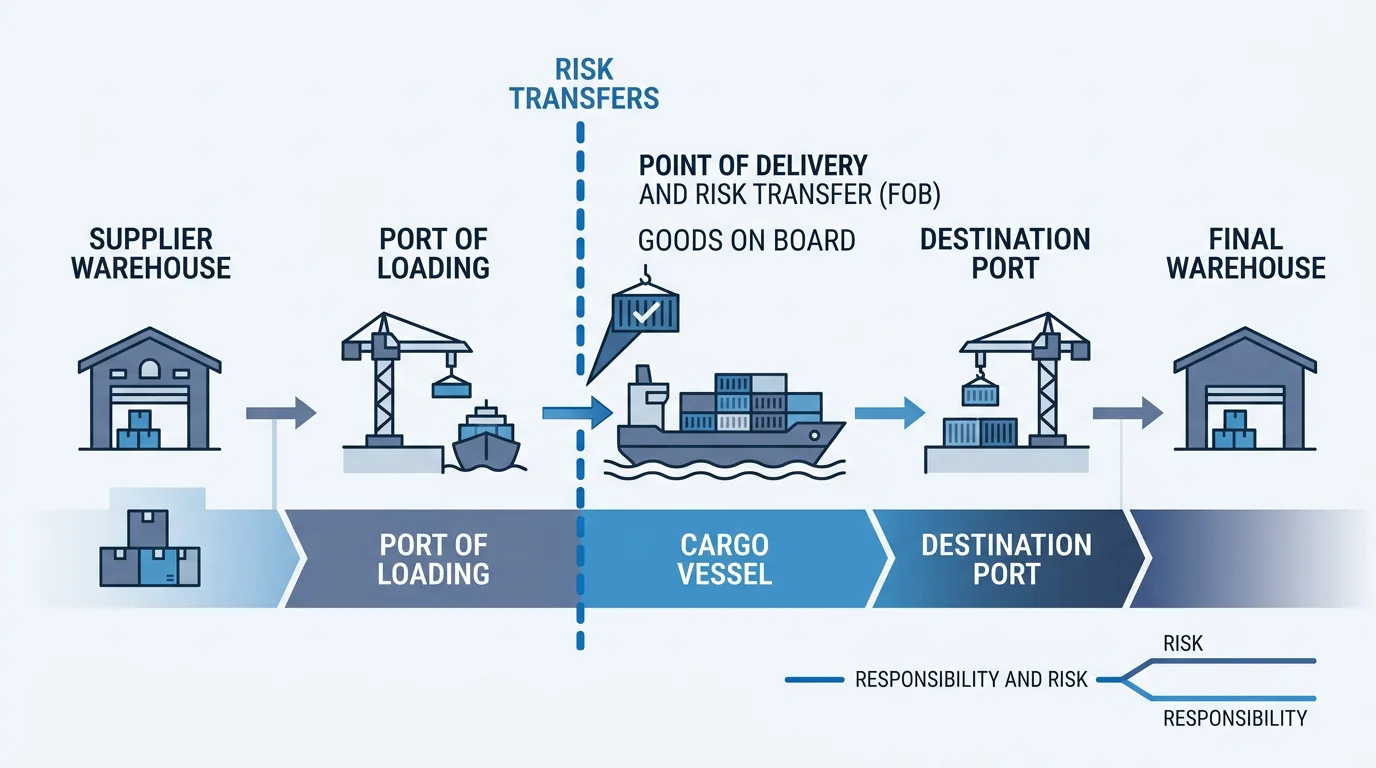
    In the realm of international shipping for Amazon FBA, Delivered Duty Paid (DDP) and Delivered At Place (DAP) are two pivotal Incoterms that dictate the responsibilities between sellers and buyers. DDP places the onus on the seller to manage the entire shipping process, from export clearance to delivery, including all associated costs such as import duties, taxes, and VAT. This approach allows Amazon FBA sellers to offer their buyers a seamless experience, free from unexpected costs and logistical headaches. Conversely, DAP requires sellers to cover transportation costs and risks until the goods reach the destination, but the buyer is responsible for handling customs clearance and any import duties. This can reduce initial seller costs but may introduce complexities and additional expenses for buyers, impacting their satisfaction.

    For Amazon FBA sellers, choosing between DDP and DAP can significantly influence their logistics strategy. DDP is typically favored for its ability to enhance buyer experience by mitigating surprise fees and ensuring a smoother delivery process. Meanwhile, DAP might appeal to sellers looking to minimize their expenses, albeit at the risk of complicating the buyer's import process. The selection between these terms should align with the seller's business model and the expectations of their customer base.

    • Seller responsibilities under DDP: Handles all shipping costs, risks, duties, and taxes.

    • Buyer responsibilities under DDP: None; they receive goods without dealing with import processes.

    • Seller responsibilities under DAP: Manages transportation up to the destination but not customs.

    • Buyer responsibilities under DAP: Handles customs clearance, duties, and taxes upon arrival.

    • Common uses in Amazon FBA: DDP for seamless customer experience; DAP for cost-conscious sellers.

    • Impact on shipping processes: DDP simplifies buyer experience; DAP requires buyer involvement in customs.

    Cost Implications of DDP vs DAP for Amazon Sellers

    When it comes to determining which shipping term—DDP or DAP—maximizes cost efficiency for Amazon FBA sellers, it's crucial to weigh the financial responsibilities associated with each. DDP, or Delivered Duty Paid, requires sellers to handle all shipping-related costs, including customs duties and taxes, export clearance, and import documentation. This comprehensive approach can elevate seller expenses but ensures a hassle-free experience for buyers who appreciate the transparency and predictability of receiving goods without additional costs. In contrast, DAP, or Delivered At Place, allows sellers to save on certain expenses by transferring the responsibility of customs duties and taxes to the buyers. While this can reduce upfront costs for sellers, it may lead to unexpected expenses for buyers, potentially causing customer dissatisfaction and impacting sales.

    Buyers under the DDP model benefit from a streamlined process that eliminates surprise fees, which can lead to enhanced customer satisfaction and potentially more repeat business. However, sellers bear the brunt of increased responsibilities and costs, which must be carefully managed to avoid eroding profit margins. DAP, on the other hand, offers sellers a way to minimize their financial obligations related to customs processes, but it shifts the burden to buyers, who may face frustration if unprepared for these additional costs. This trade-off highlights the importance of clear communication and setting expectations to mitigate customer dissatisfaction.

    Amazon FBA sellers should consider their business models, customer expectations, and risk tolerance when choosing between DDP and DAP. For those prioritizing customer experience and willing to absorb additional costs, DDP might be the preferred option. Conversely, sellers focused on reducing expenses and confident in their buyers' ability to manage import processes may find DAP to be more suitable. Ultimately, the decision hinges on balancing cost savings against potential customer retention and satisfaction.

    • Customs duties and taxes

    • Import and export documentation

    • Shipping fees

    • Risk of unexpected costs

    • Long-term cost efficiency

    |Cost Component|DDP|DAP|
    |————–|—|—|
    |Customs Duties and Taxes|Seller pays|Buyer pays|
    |Import and Export Documentation|Seller handles|Buyer may handle upon delivery|
    |Shipping Fees|Higher for seller|Lower for seller, but buyer incurs additional costs|

    Headache-Free Shipping: The Benefits of DDP for Amazon FBA

    Delivered Duty Paid (DDP) offers Amazon FBA sellers a strategic advantage by streamlining logistics and eliminating the headaches associated with international shipping complexities. By taking full responsibility for the shipping process, including all duties, taxes, and import regulations, sellers can provide a seamless experience for their buyers. This approach ensures total cost transparency, preventing unexpected expenses that could deter potential customers. For time-sensitive shipments, DDP is particularly beneficial, allowing sellers to maintain control over delivery timelines and ensuring that products reach Amazon fulfillment centers without delays. This reliability is crucial for maintaining inventory levels and meeting customer demand.

    DDP not only simplifies logistics but also enhances buyer satisfaction by offering a predictable and hassle-free delivery experience. Buyers receive their orders without having to navigate customs or pay additional fees, which significantly improves customer experience and fosters loyalty. The elimination of surprise costs and logistical barriers reduces the risk of negative feedback and enhances the seller's reputation. By opting for DDP, sellers can focus on expanding their business and improving product offerings, secure in the knowledge that their shipping process is optimized for efficiency and customer satisfaction.

    • Simplified import process

    • Enhanced customer experience

    • Predictable delivery times

    • Reduced risk of delays

    The Role of Specialized Freight Partners

    Working with specialized freight partners like QG Horizon can further enhance the benefits of DDP by ensuring reliable transit times and minimizing delays. These partners provide expert knowledge and comprehensive services tailored to the unique requirements of Amazon FBA logistics. By leveraging their expertise, sellers can navigate complex import regulations with ease and achieve a streamlined supply chain, ultimately maximizing efficiency and competitiveness. For a fast and free quote, visit QG Horizon.

    DAP: Flexibility and Control in Shipping for Amazon Sellers

    DAP Flexibility and Control in Shipping for Amazon Sellers.jpg

    Delivered At Place (DAP) provides Amazon sellers with significant flexibility and control over their shipping logistics. By covering transportation costs up to the delivery point, sellers can manage freight without the complexities of import clearance. This control allows sellers to optimize delivery timing according to their supply chain needs and reduce liabilities associated with customs clearance. For sellers with strong connections to local customs authorities, DAP can be a viable option to streamline operations and potentially enhance cost efficiency.

    However, the use of DAP is not without its challenges. Buyers are responsible for customs clearance, duties, and taxes, which can lead to unexpected charges and potential dissatisfaction. These additional expenses may cause delays in delivery if buyers are unprepared for the financial responsibilities of import processes. This risk highlights the importance of clear communication with buyers to ensure they understand their obligations and avoid negative experiences. Sellers must weigh the benefits of operational control against the risk of negatively impacting customer satisfaction.

    • Delivery timing control

    • Reduced seller liabilities

    • Flexibility in transport methods

    • Potential for cost savings

    • Risk of unexpected buyer expenses

    Making the Right Choice: DDP or DAP for Your Amazon FBA Business

    Choosing between Delivered Duty Paid (DDP) and Delivered At Place (DAP) is a critical decision for Amazon FBA sellers, impacting the efficiency and cost-effectiveness of international operations. Sellers need to assess which shipping term aligns best with their business goals. DDP offers simplicity and a hassle-free experience for buyers, making it an excellent choice for new importers looking to avoid the complexities of international shipping. In contrast, DAP provides experienced traders with the flexibility to manage parts of the shipping process and control costs, albeit with increased responsibility for the buyer. Evaluating these aspects can help sellers determine the optimal shipping strategy.

    Customer expectations and operational complexity play a significant role in this decision. Sellers aiming for high customer satisfaction and seamless delivery experiences may favor DDP, as it minimizes buyer involvement in customs processes and reduces the risk of unexpected costs. However, DAP might be preferable for sellers with robust logistics expertise and customers who are familiar with handling import duties. Balancing these factors is crucial to ensure the chosen shipping term aligns with both business operations and customer needs, avoiding potential headaches down the line.

    Leveraging the expertise of third-party logistics providers can dramatically simplify this decision-making process. These partners offer tailored solutions and insights into both DDP and DAP, helping sellers navigate the intricate landscape of international shipping. By partnering with a specialized provider, sellers can mitigate risks, optimize their supply chain, and focus on scaling their Amazon FBA business without being bogged down by logistical challenges.

    • Business model alignment

    • Customer satisfaction goals

    • Risk tolerance

    • Complexity management

    • Market entry requirements

    • Logistics partner selection

    |Business Model|DDP|DAP|
    |————–|—|—|
    |New Importers|Preferred|Not Ideal|
    |Experienced Traders|Optional|Preferred|

    Final Words

    Navigating the complexities of DDP vs DAP for Amazon FBA can significantly influence your logistics strategy. DDP prioritizes simplicity and customer satisfaction by managing all delivery responsibilities, while DAP offers control and flexibility at the risk of unexpected buyer expenses. The choice ultimately depends on your business model, risk tolerance, and customer expectations. By understanding these shipping terms, sellers can make informed decisions to optimize their supply chain. Embracing the right option can save money and reduce headaches, enhancing your Amazon operations' overall success.

    FAQ

    Should I use DDP or DAP?

    Choosing between DDP and DAP depends on the seller's control preferences and buyer experience goals. DDP offers a smoother process for buyers, while DAP affords sellers more control over shipments.

    Is DDP more expensive than DAP?

    The overall cost of DDP can be higher due to added seller responsibilities. DDP covers all import duties and taxes, whereas DAP lowers seller costs by transferring these charges to buyers.

    What are the biggest FBA mistakes to avoid?

    Common FBA mistakes include underestimating shipping complexities, neglecting customs regulations, and choosing inappropriate Incoterms. Properly evaluating business needs can mitigate these risks and enhance operational efficiency.

    Can you make $10,000 a month selling on Amazon?

    Achieving $10,000 a month on Amazon is possible with strategic product selection, efficient logistics, and effective marketing. Leveraging DDP might contribute positively by streamlining customer experiences and reducing delivery issues.

  • Amazon FBA Pallet Requirements: Avoid Costly Refusals

    Amazon FBA Pallet Requirements: Avoid Costly Refusals

    Navigating the complex world of Amazon FBA pallet requirements can make or break your e-commerce success. Have you ever faced costly shipment refusals due to improper palletization? Understanding Amazon's strict pallet guidelines is crucial for avoiding such pitfalls. From precise dimensions and exclusive reliance on wooden GMA Standard Pallets to strict ISPM-15 compliance, each detail plays a critical role. In this article, we delve into these essentials to help you ensure seamless FBA shipments and maintain your competitive edge in the Amazon marketplace.

    Understanding Amazon FBA Pallet Requirements

    Pallets play a crucial role in Amazon FBA shipments by facilitating efficient handling and transportation. They ensure that shipments are organized, protected from damage, and compliant with Amazon's logistics processes. Proper palletization minimizes the risk of shipment delays and refusals, which can significantly impact inventory availability and sales performance for sellers.

    Amazon has specific guidelines for pallets that must be adhered to. Pallet dimensions are required to be 48″ x 40″, with the total height including the pallet not exceeding 72″. Only wooden pallets are accepted, and these must meet the GMA Standard Pallets criteria, specifically Grade B or higher. Additionally, compliance with ISPM-15 regulations is mandatory. This means pallets must undergo heat treatment or fumigation to prevent the spread of pests and diseases. These stringent requirements ensure that pallets are robust and suitable for international shipping and handling.

    Compliance with Amazon FBA pallet requirements is essential to avoid costly shipment refusals. Non-compliance can lead to shipments being rejected at fulfillment centers, incurring additional fees, and causing significant delays in getting products to market. Working with a specialized freight partner like QG Horizon can help sellers navigate these requirements seamlessly, ensuring all guidelines are met and minimizing the risk of refusals. Request a fast and free quote at QG Horizon to streamline your logistics process.

    How to Palletize Freight Correctly for Amazon FBA

    Proper palletization is essential for ensuring that Amazon FBA shipments are handled efficiently and accepted without issues. The foundation of effective palletizing techniques for FBA involves placing the heaviest boxes at the bottom to create a stable base, which prevents tipping and potential damage during transport. Utilizing stretch wrap is crucial to securing boxes to the pallet; it should cover the entire pallet to maintain stability and ensure that labels remain visible. This method not only protects the products but also aligns with Amazon's strict packaging methods, minimizing the risk of refusals at fulfillment centers.

    Step Description
    1. Base Layer Place the heaviest boxes at the bottom to ensure a stable foundation.
    2. Stack Evenly Align boxes to avoid overhangs and maintain a uniform shape on the pallet.
    3. Secure with Wrap Wrap the entire pallet from bottom to top with stretch wrap to secure boxes.
    4. Label Visibility Ensure labels are visible on all sides of the pallet for easy identification.

    Employing professional packing services can significantly enhance the palletization process. These experts are equipped with the knowledge and tools to ensure that all packaging methods are compliant with Amazon's guidelines. Their expertise in how to palletize freight correctly can save time and reduce the likelihood of costly refusals, allowing sellers to focus on other critical aspects of their business.

    Avoiding Common Amazon Pallet Refusals

    Amazon pallet refusals can significantly disrupt shipment timelines, impacting overall inventory availability and sales. When pallets fail to meet Amazon FBA requirements, shipments are delayed, leading to potential stockouts and lost sales opportunities. The repercussions don't stop there; sellers may also incur additional fees to rectify non-compliant shipments. Ensuring compliance with Amazon's specific pallet requirements, such as correct pallet types, dimensions, and 4-way entry capabilities, is crucial for maximizing shipment success. An often-overlooked aspect is overhanging boxes, which can cause damage during handling and lead to refusals. Avoiding these errors not only streamlines the logistics process but also ensures that products reach Amazon fulfillment centers promptly.

    • Incorrect pallet types or sizes: Use only 48″ x 40″ GMA Standard Pallets (Grade B or higher) to comply with dimensions and materials.

    • Non-compliance with 4-way entry requirements: Ensure pallets are accessible from all four sides for easy handling.

    • Overhanging boxes: Align boxes properly to prevent overhangs that can lead to damage during transit.

    • Inadequate pallet stability: Secure boxes with stretch wrap and stack the heaviest boxes at the bottom for a stable base.

    • Improper labeling: Attach visible labels on all four sides of the pallet for clear identification.

    Engaging a specialized freight partner like QG Horizon can help sellers avoid these common pitfalls. Their expertise in handling FBA shipments ensures compliance with Amazon's stringent requirements, reducing the risk of refusals. With reliable logistics solutions and proactive support, sellers can maintain smooth operations and focus on growing their Amazon FBA business. Request a fast and free quote at QG Horizon to enhance your shipping strategy.

    Comprehensive Labeling Requirements for FBA Pallets

    Comprehensive Labeling Requirements for FBA Pallets.jpg

    Proper labeling is a critical aspect of packaging compliance for Amazon FBA shipments, directly impacting shipment tracking and acceptance. Labels serve as the primary means of identification and documentation, ensuring each pallet is processed correctly at Amazon fulfillment centers. A unique FBA label for each pallet can be generated and printed from the Seller Central account, crucial for compliance documentation. Accurate and visible labeling prevents misplacement and delays, facilitating smooth inventory management and reducing the risk of costly refusals. Ensuring that labels are securely attached and visible on all four sides of the pallet is paramount for efficient handling and identification.

    • Each pallet must have a unique FBA label generated from the Seller Central account.

    • FBA labels should be attached securely to all four sides of the pallet for visibility.

    • Labels must not be covered by stretch wrap or other obstructions.

    • Include all necessary shipment information, such as carrier details and FBA Box ID.

    Utilizing digital tools for label management offers significant advantages, enhancing accuracy and efficiency in the labeling process. These tools streamline the generation and printing of labels, ensuring compliance with Amazon's guidelines and reducing manual errors. Leveraging technology not only simplifies the logistics process but also enables sellers to maintain organized and effective shipment tracking.

    Choosing the Right Freight Partner for Amazon FBA Shipments

    Selecting the right freight partner is crucial for maximizing shipment success in Amazon FBA operations. Specialized freight partners offer invaluable expertise in navigating the complexities of international shipping, ensuring compliance with Amazon's stringent requirements. Third-Party Logistics (3PL) warehouses, for instance, are proficient in correctly packing and stacking pallets, aligning with Amazon’s guidelines to prevent costly refusals. Additionally, these partners provide comprehensive support, from customs clearance to real-time tracking, enhancing the overall efficiency of the supply chain. By leveraging Amazon’s Partnered Carrier program, sellers can also benefit from significant cost savings in both Small Parcel Delivery (SPD) and Less Than Truckload (LTL) shipments due to negotiated discounted rates. This strategic collaboration not only minimizes the risk of delays but also optimizes the logistics process.

    • Expertise in handling Amazon FBA shipments ensures compliance with all requirements.

    • Comprehensive support services, including customs clearance and tracking, streamline operations.

    • Cost savings through Amazon’s Partnered Carrier program for SPD and LTL shipments.

    Working with a specialized freight partner like QG Horizon empowers sellers with reliable logistics solutions tailored for Amazon FBA. Their industry knowledge and proactive approach mitigate risks and enhance supply chain efficiency. Sellers are encouraged to request a fast and free quote at QG Horizon to optimize their shipping strategy and ensure seamless fulfillment center deliveries.

    Final Words

    Navigating Amazon FBA pallet requirements is critical for successful shipment acceptance. Correctly palletizing freight, adhering to Amazon's stringent guidelines, prevents costly refusals. Proper stacking, using quality materials, and ensuring comprehensive labeling are non-negotiables for compliance.

    By avoiding common errors, FBA sellers can streamline their logistics process, enhancing shipment delivery. Choosing a reliable freight partner like QG Horizon offers an additional layer of support, ensuring your operations run smoothly. Mastering these elements elevates your Amazon FBA experience, making it more efficient and cost-effective.

    FAQ

    What Are the Pallet Requirements for Amazon FBA in the USA?

    Amazon FBA pallet requirements in the USA specify that pallets must measure 48"x40" and have a maximum height of 72", including the pallet. Only wooden pallets meeting GMA Standard B grade or higher are accepted.

    What Are the Box Size Limits for Amazon FBA?

    Amazon FBA box size limits dictate that individual boxes should not exceed 25 inches on any side. Overly large or heavy boxes may incur additional fees or be refused at Amazon fulfillment centers.

    What Are the Master Carton Requirements for Amazon FBA?

    The master carton requirements for Amazon FBA include ensuring that cartons meet specific dimension and weight guidelines, are securely sealed, and have clear labeling for identification and tracking.

    How Can Freight Be Palletized Correctly for Amazon FBA?

    Correctly palletizing freight for Amazon FBA involves stacking heaviest boxes at the bottom, fully wrapping with stretch film, and adhering to size and stability guidelines to prevent shipment issues.

    What Are Common Errors Leading to Amazon Pallet Refusals?

    Common errors such as using the wrong pallet size, lacking 4-way entry, and overhanging boxes can result in Amazon pallet refusals. Ensuring compliance with guidelines is crucial for successful delivery.

    What Are the Comprehensive Labeling Requirements for FBA Pallets?

    FBA pallets require distinct, visible labels on all four sides, printed from Seller Central. Compliance with labeling ensures efficient tracking and acceptance at Amazon fulfillment centers.

    How to Choose the Right Freight Partner for Amazon FBA Shipments?

    Choosing a reliable freight partner for Amazon FBA shipments involves selecting a company with expertise in compliance, cost-effective solutions through Amazon's Partnered Carrier, and exceptional service.

  • Customs Clearance for Amazon Sellers: Avoid Delays Now

    Customs Clearance for Amazon Sellers: Avoid Delays Now

    Are customs delays derailing your Amazon business? Navigating the labyrinth of international imports can feel daunting, yet understanding the nuances of customs clearance could be your game-changer. This article dissects critical documents like commercial invoices and bills of lading and unmasks common delay culprits. Mastering these elements will streamline your import process, prevent missteps, and ultimately protect your revenue stream. Dive in to learn how detailed preparation and expert assistance from customs brokers can equip you for timely, hassle-free product landings in Amazon's vast marketplace.

    Essential Customs Documents for Amazon Sellers

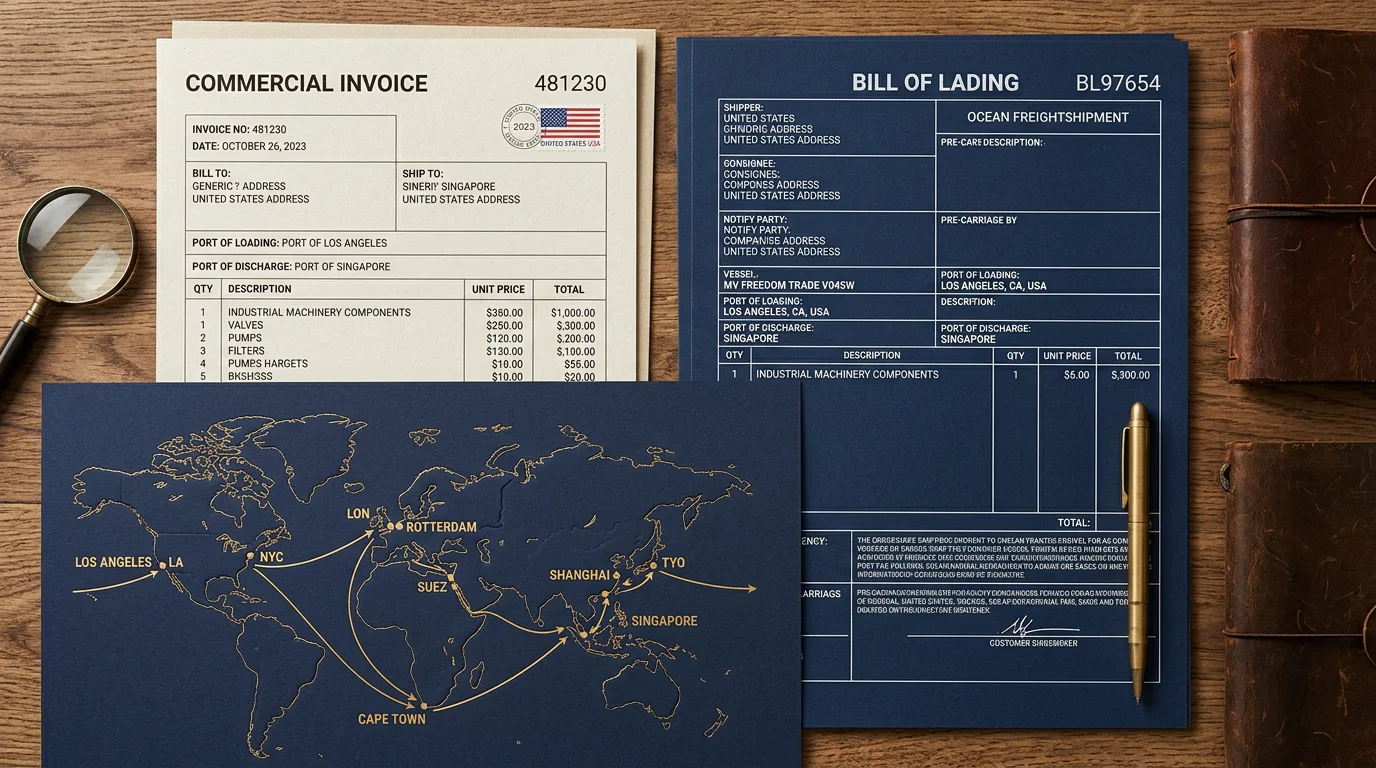
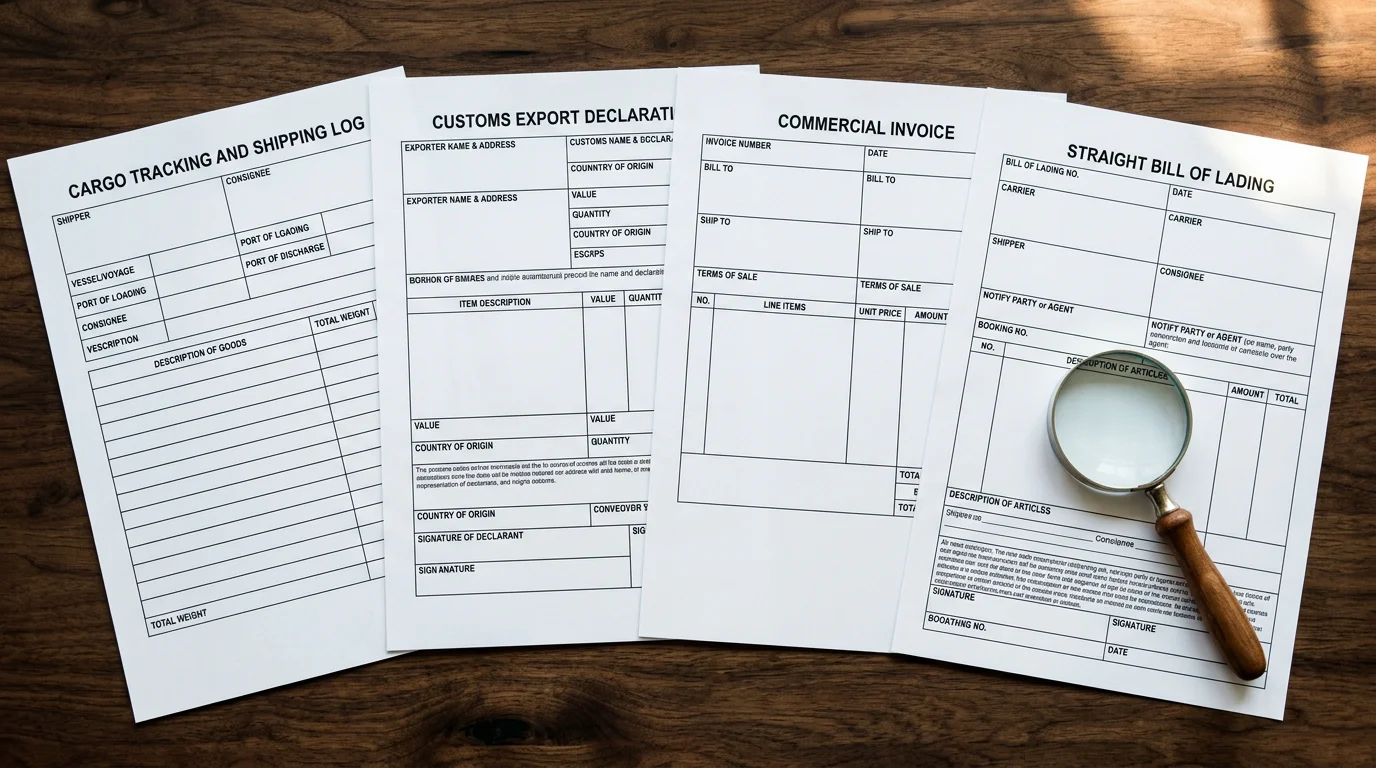
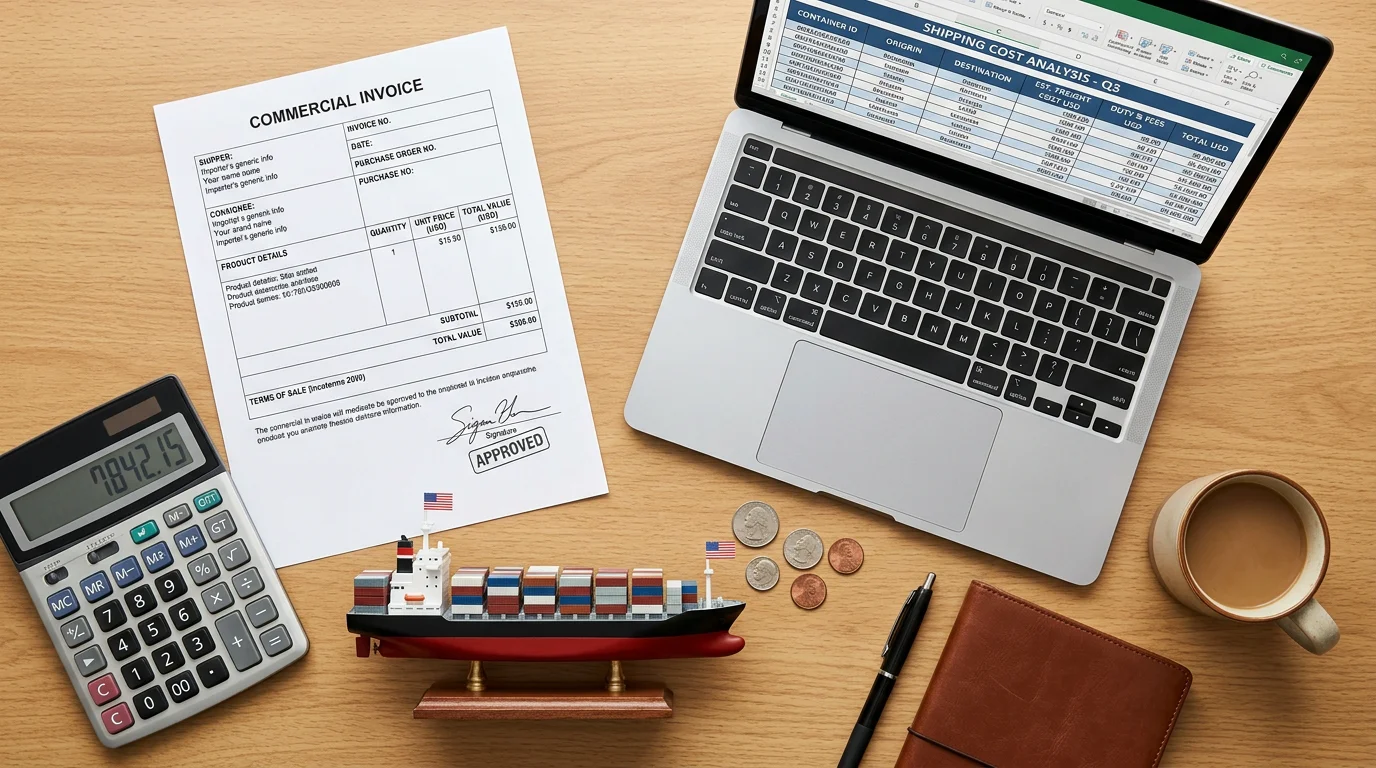
    For Amazon sellers, navigating customs clearance involves preparing a set of critical documents that ensure compliance and smooth entry into international markets. Each document serves a unique purpose in the customs clearance process. The commercial invoice is fundamental, providing detailed information about the transaction, including the seller and buyer details, a comprehensive description of the goods, their value, and the terms of sale. This document is crucial for the assessment of duties and taxes. The packing list complements the commercial invoice by listing all items in the shipment, along with their weight and dimensions, allowing customs officials to verify the shipment contents accurately. Additionally, the bill of lading serves as a receipt and a contract between the shipper and the carrier, outlining the type, quantity, and destination of the goods, thus facilitating the transfer of ownership and responsibility.

    To expedite customs clearance, sellers must ensure they have the following key documents:

    • Commercial Invoice

    • Packing List

    • Bill of Lading

    • Certificates of Origin

    • Specific Licenses (if applicable)

    The preparation of these documents is integral to a seamless customs clearance process. These documents collectively provide customs officials with all necessary information to assess the goods accurately and ensure they meet all regulatory requirements. By ensuring that each document is complete and accurate, Amazon sellers can minimize the risk of delays, reduce the potential for additional inspections, and streamline the overall shipping process. Employing a specialized freight partner like QG Horizon can further enhance efficiency, ensuring that all documentation is in order and that shipments proceed without unnecessary holdups.

    Understanding Common Causes of Customs Delays

    Customs delays can be a significant obstacle for Amazon sellers, impacting delivery schedules and customer satisfaction. These delays often originate from incomplete or inaccurate documentation. Missing details or errors in documents like commercial invoices, packing lists, and bills of lading can halt the clearance process. Incorrect HS codes, which are crucial for duty calculations, also lead to misclassification and additional scrutiny. Furthermore, valuation discrepancies can raise red flags, prompting customs officials to investigate whether the declared value of goods accurately reflects their market worth. Random inspections, underpaid duties or taxes, packaging and labeling issues, and disruptions caused by holidays or customs strikes further exacerbate delays.

    <Cause|Solution>
    Incomplete Documentation|Ensure all paperwork is accurate and complete
    Incorrect HS Codes|Verify HS codes with a licensed customs broker
    Valuation Discrepancies|Provide clear and transparent valuation details
    Random Inspections|Allow extra time in shipping timelines
    Underpaid Duties or Taxes|Prepay duties and taxes to avoid surprises
    Packaging and Labeling Issues|Adhere to international packaging and labeling standards

    Working with a customs broker can significantly mitigate these issues by offering expertise in navigating complex regulations. They ensure that all documentation is in order, reducing the likelihood of errors that lead to delays. Customs brokers possess an in-depth understanding of HS codes, helping sellers classify products correctly to avoid misclassification penalties. They also provide guidance on accurate valuation, ensuring transparency and compliance with customs requirements.

    By collaborating with a specialized freight partner like QG Horizon, Amazon sellers can leverage the expertise of customs brokers to streamline the clearance process. These professionals handle duties and taxes efficiently, ensuring that all payments are settled in advance. They also assist in adhering to packaging and labeling standards, further minimizing potential delays. Engaging such services not only expedites customs clearance but also enhances the overall efficiency of international shipping operations, ensuring that Amazon sellers maintain a competitive edge in the marketplace.
    The Role of a Customs Broker in Streamlining Clearance

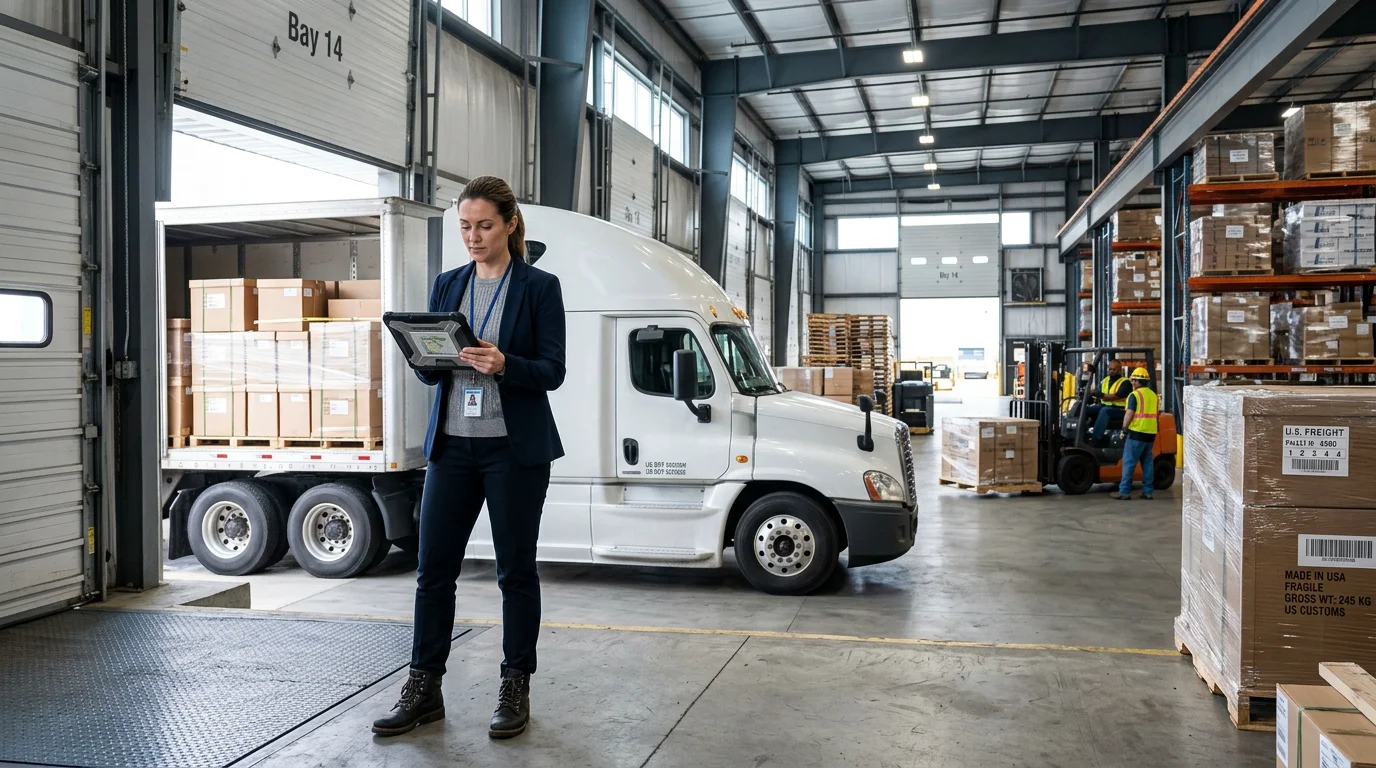
    Navigating international shipping can be daunting for Amazon sellers, but a customs broker plays a pivotal role in simplifying this process. These professionals are adept at managing the complexities of customs clearance by providing critical insights into import regulations and compliance requirements. Their expertise ensures that all necessary documentation is prepared accurately and submitted on time, minimizing the risk of errors that could lead to costly delays. By handling the intricate details of shipping logistics, customs brokers help sellers focus on their core business activities without being bogged down by regulatory hurdles.

    • Expert guidance on regulations

    • Documentation assistance

    • Efficient handling of duties and taxes

    • Mitigation of potential delays

    QG Horizon, as a specialized freight partner, elevates the benefits of working with a customs broker by offering tailored solutions for Amazon sellers. Their team ensures that all customs documentation is in perfect order, aligning with the latest trade compliance standards. This proactive approach helps avoid common pitfalls that lead to shipment delays. Moreover, QG Horizon's integrated services cover every aspect of shipping logistics, from initial documentation to final delivery, guaranteeing that sellers maintain a seamless supply chain and uphold their competitive edge in the marketplace.

    Solutions to Minimize Customs Delays for Amazon Shipments

    Solutions to Minimize Customs Delays for Amazon Shipments.jpg

    Ensuring compliance with international shipping regulations is essential for Amazon sellers to minimize customs delays. Compliance involves accurate documentation, adherence to import regulations, and timely payment of duties and taxes. These elements form the backbone of a smooth customs clearance process. By investing in compliance, sellers reduce the risk of their shipments being flagged for additional scrutiny, which can lead to significant delays. Moreover, compliance demonstrates a commitment to international trade standards, fostering trust with customs authorities and ensuring a more predictable shipping timeline.

    • Ensure complete and accurate documentation

    • Prepay duties and taxes

    • Follow all import regulations

    • Use real-time shipment tracking

    • Plan extra time for potential delays

    Tools and services from QG Horizon can significantly aid in minimizing customs delays. Their expertise in preparing and verifying documentation ensures that all necessary paperwork is complete and accurate, thus reducing the chances of errors that could cause hold-ups. Additionally, QG Horizon's services include the prepayment of duties and taxes, which helps streamline the customs process and eliminates unexpected fees upon delivery. This proactive approach ensures that shipments move swiftly through customs without unnecessary interruptions.

    Furthermore, QG Horizon offers advanced real-time shipment tracking tools, providing sellers with complete visibility over their shipments. This feature allows Amazon sellers to monitor the progress of their goods and receive timely updates on any potential delays. By planning for potential delays and incorporating extra time into the shipping timeline, sellers can better manage expectations and maintain a steady supply chain. Leveraging QG Horizon's comprehensive services not only mitigates customs delays but also enhances overall shipping efficiency for Amazon sellers.

    Final Words

    Navigating customs clearance for Amazon sellers demands thorough preparation. Essential documents, such as the commercial invoice, packing list, and bill of lading, form the backbone of smooth customs procedures. Overcoming common customs delays hinges on precise documentation and understanding potential pitfalls like incorrect HS codes or valuation issues. Collaborating with a customs broker can further streamline the process, offering expertise in trade compliance and efficient handling of duties. Armed with these strategies, Amazon sellers can minimize disruptions, ensuring seamless operations and an optimized import process.

    FAQ

    What documents are required for customs clearance on Amazon?

    Successful customs clearance requires documents like a commercial invoice, packing list, and bill of lading. Depending on the product, certificates of origin or specific licenses may also be needed.

    Why might there be a delay in customs clearance for an Amazon package?

    Delays often occur due to incomplete documentation, incorrect HS codes, or valuation discrepancies. Additionally, random inspections, underpaid duties, or issues with packaging and labeling can cause delays.

    How can customs clearance delays be avoided?

    Avoiding delays involves submitting complete and accurate documentation, prepaying duties and taxes, and maintaining consistent communication with customs. Real-time shipment tracking and planning extra shipping time also help.

    How long do customs clearance delays typically last?

    Customs clearance delays vary, often depending on documentation issues or inspection requirements. While some delays resolve in a day or two, others may take longer, especially with incorrect information or holidays.

    How does providing ID affect customs clearance on Amazon?

    Providing proper ID is crucial for customs processes and Amazon verifications. Lack of correct ID can lead to order fulfillment issues or even order cancellation due to compliance failures.

  • Amazon FBA Carton Optimization: Slash Fees Today

    Amazon FBA Carton Optimization: Slash Fees Today

    Did you know you might be paying more than you should for Amazon FBA shipping simply due to your carton size? Dimensional weight—how shipping carriers calculate fees based on package dimensions—can significantly inflate costs if not managed properly. By optimizing your carton sizing and materials, you can slash unnecessary fees and increase your profitability. In this article, you'll discover essential techniques and insights for effective carton optimization. Learn how to refine your packaging, calculate dimensional weight accurately, and ensure compliance with Amazon’s FBA guidelines, all to reduce your fees today.

    Understanding Amazon FBA Carton Optimization and Dimensional Weight

    Carton optimization is a critical component in reducing shipping costs for Amazon FBA sellers. By carefully selecting the right carton size and materials, sellers can lower the dimensional weight, which in turn can significantly decrease shipping fees. Dimensional weight represents the space a package occupies in relation to its actual weight, and carriers often use this metric to calculate shipping costs. Therefore, minimizing unused space within cartons and choosing lightweight yet durable materials can lead to substantial cost savings.

    Dimensional weight is calculated using the formula: (Length x Width x Height) / 139 for dimensions in inches. This calculation determines whether the dimensional weight or the actual weight will be used for billing purposes, with carriers typically charging based on the higher of the two. Consequently, understanding this concept is essential for sellers as it directly impacts FBA fees. The higher the dimensional weight, the more sellers will pay, making it crucial to optimize packaging to avoid unnecessary expenses.

    Partnering with a specialized freight provider like QG Horizon can offer significant advantages in carton optimization. Their expertise in logistics planning ensures that packaging is both efficient and compliant with Amazon's FBA standards. By leveraging their knowledge, sellers can effectively manage dimensional weight, control transit times, and avoid costly delays. Engaging with such a partner is a reliable strategy to enhance logistics efficiency and maintain competitive pricing.

    • Dimensional weight can often exceed actual weight, leading to higher shipping costs.
    • Carriers use dimensional weight to maximize space efficiency on transport vehicles.
    • Failing to optimize carton size can result in paying for shipping space not used.
    • Amazon's FBA fees are influenced by the dimensional weight, impacting profitability.
    • Reducing dimensional weight through optimization can significantly cut operational costs.

    Best Practices for Reducing Dimensional Weight in Amazon FBA

    Optimizing dimensional weight is crucial for Amazon FBA sellers aiming to cut down on shipping expenses. Adopting best practices for packaging can lead to significant cost savings by ensuring that packaging is both efficient and effective. By focusing on carton size, material choice, and packing techniques, sellers can reduce dimensional weight, ultimately minimizing shipping fees.

    Optimize Packaging Size

    Selecting the right box size is fundamental to minimizing unused space. By choosing cartons that closely fit the dimensions of the product, sellers can reduce excess room that contributes to higher dimensional weight. This approach not only helps in lowering shipping costs but also ensures compliance with Amazon's FBA standards. Working with suppliers to customize packaging dimensions can further enhance efficiency and reduce unnecessary charges.

    Use Lightweight Materials

    Exploring packaging materials that provide adequate protection without adding unnecessary weight is essential. Lightweight options, such as corrugated boxes and biodegradable packing peanuts, offer durability while keeping the overall package weight low. This balance between protection and weight is vital in keeping shipping costs under control. Sellers should collaborate with manufacturers to identify materials that meet both protective and weight criteria.

    Implement Efficient Packing Techniques

    Efficient packing techniques, such as nesting items and using air pillows, can significantly maximize space efficiency within cartons. Nesting allows products to be compactly packed, reducing empty space. Air pillows, on the other hand, offer cushioning while being lightweight, making them an ideal choice for maintaining product safety without increasing dimensional weight. These techniques are instrumental in optimizing packaging and minimizing shipping fees, ensuring that sellers can remain competitive in the market.

    Calculating Dimensional Weight: Tools and Techniques

    Calculating dimensional weight is a pivotal step in managing Amazon FBA shipping expenses. The formula for dimensional weight is straightforward: multiply the package's length, width, and height, then divide the total by 139 for measurements in inches. This divisor is standard for Amazon, and the resulting dimensional weight is used by carriers to determine shipping costs. If the dimensional weight surpasses the actual weight, it becomes the chargeable weight, making accurate calculations crucial for avoiding inflated fees.

    The impact of dimensional weight on shipping costs and fees is significant. Carriers prioritize dimensional weight to maximize space efficiency, meaning larger packages with low physical weight can incur higher charges. This method encourages sellers to optimize packaging dimensions, reducing unused space and potential costs. By understanding how dimensional weight affects billing, sellers can make informed decisions about packaging strategies, ultimately leading to better cost management and increased profitability.

    • Use dimensional weight calculators available online to quickly determine chargeable weight.
    • Employ 3D modeling software for precise package dimension measurements.
    • Utilize apps that integrate with Amazon FBA to automatically calculate dimensional weight.
    • Implement spreadsheet templates to keep track of dimensional weight calculations across product lines.

    Strategies for Packaging Material Selection to Lower Fees

    Strategies for Packaging Material Selection to Lower Fees.jpg

    Selecting the right packaging materials is paramount for Amazon FBA sellers aiming to reduce weight-based shipping fees. The goal is to find materials that are both lightweight and durable, minimizing dimensional weight without compromising the safety of the product. Lightweight materials help lower shipping costs, while durability ensures that products arrive intact, preventing additional expenses related to damages or returns. By choosing the appropriate materials, sellers can maintain a balance between cost efficiency and product protection.

    Material choice plays a significant role in determining dimensional weight and, consequently, shipping expenses. Heavier materials contribute to increased dimensional weight, which can lead to higher fees. Therefore, opting for materials like corrugated cardboard or lightweight plastics can significantly reduce the overall weight of the package. These materials offer the necessary protection while keeping the dimensional weight low, ultimately optimizing packaging efficiency and reducing costs. Sellers should consistently evaluate their material options to ensure they align with both budgetary constraints and protective requirements.

    Partnering with a specialized freight provider like QG Horizon can further enhance material selection processes. Freight experts offer valuable insights into the latest packaging innovations and materials that provide optimal protection without adding unnecessary weight. Their expertise in logistics allows sellers to make informed decisions about packaging materials, ensuring compliance with Amazon's FBA standards and optimizing shipping logistics. By leveraging the knowledge of a trusted freight partner, sellers can effectively manage dimensional weight, reduce shipping fees, and protect profit margins.

    • Corrugated cardboard
    • Lightweight plastic films
    • Biodegradable packing peanuts
    • Inflatable air pillows
    • Foam inserts
    • Molded pulp trays

    Compliance with Amazon FBA guidelines is crucial for sellers aiming to minimize fees and ensure smooth logistics operations. By adhering to Amazon's packaging standards, sellers can avoid unnecessary charges and streamline their shipping processes. This includes following size and weight limits, using appropriate labeling, and ensuring all packaging elements meet Amazon's requirements.

    Adhering to Size and Weight Limits

    Following Amazon's size and weight limits is vital in managing FBA fees effectively. Packages that exceed these limits may incur additional charges, impacting profitability. Sellers should ensure their cartons are optimally sized to fit within Amazon's specifications, minimizing excess space and reducing dimensional weight. This not only keeps costs down but also prevents packages from being rejected at fulfillment centers.

    Appropriate Labeling and Documentation

    Proper labeling is essential to avoid delays and additional fees during the fulfillment process. Amazon requires specific labels for cartons, including FBA labels and shipping labels, which must be placed correctly and clearly visible. Accurate documentation, such as packing lists and commercial invoices, is also critical to prevent customs issues and ensure quick processing. By meeting these requirements, sellers can enhance their operational efficiency and maintain compliance with Amazon's standards.

    Partnering with Experts for Compliance

    Working with a specialized freight partner like QG Horizon can ensure seamless compliance with Amazon's FBA guidelines. These experts provide insights into efficient packaging practices and help sellers navigate the complexities of Amazon's standards. By leveraging their expertise, sellers can optimize their packaging strategies, reduce dimensional weight, and avoid costly delays. Engaging with a trusted partner is an effective way to maintain compliance and enhance logistics efficiency.

    Leveraging Freight Partners for Effective Carton Optimization

    Partnering with a specialized freight provider such as QG Horizon can significantly enhance logistics efficiency and optimize carton usage for Amazon FBA sellers. These experts provide tailored solutions that align with Amazon FBA standards, ensuring that shipping processes are both streamlined and compliant. By leveraging their knowledge in efficient logistics planning, sellers can achieve optimized carton sizes that minimize dimensional weight, directly impacting shipping costs. Freight partners use strategic logistic planning to assess the best packaging options, ensuring that every inch of space is utilized effectively, thus avoiding unnecessary costs and maximizing profitability.

    Expert logistics planning offered by freight partners is crucial in reducing costs and enhancing compliance with Amazon's intricate requirements. These partners are adept at navigating the complex landscape of international shipping regulations, providing guidance on customs clearance, and ensuring that all necessary documentation is in order. By adopting optimized shipping logistics, sellers can avoid unexpected delays and transit disruptions, maintaining a consistent supply chain flow. The expertise of a specialized freight partner is invaluable in maintaining competitive pricing and achieving operational excellence.

    • Access to industry-specific knowledge and expertise in carton optimization
    • Ability to reduce transit times and avoid unnecessary delays
    • Enhanced compliance with Amazon FBA standards and requirements
    • Strategic logistic planning that aligns with business objectives

    Final Words

    Harnessing the principles of Amazon FBA carton optimization can dramatically reduce dimensional weight and associated fees. Through strategic packaging size, lightweight materials, and efficient packing techniques, sellers can significantly cut costs. Importantly, accurate weight calculation further empowers decision-making. By adhering to Amazon's FBA guidelines and leveraging expert freight partners like QG Horizon, sellers enhance logistics efficiency and regulatory compliance. Embracing these practices transforms the complex landscape of e-commerce logistics into a streamlined operation, ultimately driving profit and growth in competitive marketplaces.

    FAQ

    How much are Amazon FBA storage fees?

    Amazon FBA storage fees vary based on item size, weight, and storage duration. Monthly storage fees peak during October to December, addressing holiday demand. Sellers should also account for long-term storage fees after six months.

    What is the Amazon FBA disposal fee?

    The disposal fee applies when unsellable inventory is removed from Amazon's warehouse. Charges depend on item size and weight. Disposing of obsolete items helps avoid additional storage costs.

    How can one reduce Amazon FBA fees effectively?

    Reducing Amazon FBA fees involves optimizing packaging to lower dimensional weight, negotiating cheaper shipping rates, using inventory management tools to avoid overstock, and partnering with freight providers for efficient logistics.

    What are common Amazon FBA mistakes to avoid?

    Avoid mistakes like poor inventory forecasting, ignoring FBA guidelines, inadequate product labeling, and not optimizing packaging. These errors can lead to extra fees, shipment delays, and unsatisfactory customer experiences.

    How does Amazon calculate dimensional weight?

    Amazon calculates dimensional weight using the formula: (Length x Width x Height) / 139 for inch dimensions. This helps determine shipping fees based on space occupied rather than the actual weight.

    What is the weight limit for Amazon FBA cartons?

    Cartons sent to Amazon FBA should not exceed 50 lbs, unless containing a single oversized unit. This adheres to safety guidelines and avoids additional handling fees. Follow Amazon's packaging requirements for compliance.

  • How Long to Ship From China to Amazon FBA in 2026

    How Long to Ship From China to Amazon FBA in 2026

    Are shipping delays from China to your Amazon FBA warehouse causing sleepless nights? You're not alone. Many Amazon sellers grapple with unpredictable delivery timeframes, with shipping methods ranging from express to ocean freight each offering different advantages and challenges. In 2026, understanding these options isn't just important—it's crucial for your business's success. This article dives into the shipping landscape to equip you with the knowledge needed to optimize your supply chain. Expect insights on estimated delivery dates, factors causing delays, and potential logistics improvements that'll keep your goods moving smoothly and efficiently.

    Understanding Shipping Times from China to Amazon FBA in 2026

    Shipping times from China to Amazon FBA warehouses in 2026 will vary significantly depending on the method chosen by sellers. Express shipping remains the fastest option, delivering goods within 1 to 5 days, ideal for urgent restocks or product launches. Air freight offers a balance, with estimated delivery times ranging from 5 to 12 days, suitable for moderately time-sensitive shipments. On the other hand, sea freight, the most cost-effective for bulk shipments, takes between 20 to 45 days depending on whether the destination is on the East or West Coast of the United States. Despite its longer lead time, sea freight is favored for cost savings on large shipments.

    Several factors can significantly impact shipping times and should be carefully considered:

    • Customs clearance delays

    • Port congestion

    • Seasonal demand spikes

    • Weather conditions

    • Documentation errors

    Looking ahead to 2026, advancements in logistics infrastructure and technology are expected to streamline shipping processes. Enhanced tracking systems and more efficient port operations may contribute to slightly reduced shipping times. Furthermore, improvements in customs procedures could minimize delays, making international shipping for Amazon FBA sellers more predictable. To navigate these complexities efficiently, partnering with a specialized freight forwarder like QG Horizon is crucial for maintaining reliable transit times and avoiding unexpected delays. Sellers are encouraged to request a fast and free quote at qghorizon.com/quote.

    Choosing the Right Shipping Method for 2026

    For Amazon FBA sellers, selecting the appropriate shipping method from China is crucial for balancing cost, time, and inventory needs. The decision impacts logistics efficiency and ultimately affects the bottom line. Understanding the nuances of each shipping mode and its suitability for different scenarios allows sellers to optimize their supply chain management effectively. Whether it's prioritizing speed for time-sensitive launches or maximizing cost savings for larger shipments, choosing the right freight forwarding option is key to successful Amazon FBA operations.

    Air and Express Shipping

    Air and express shipping are the fastest methods available, making them ideal for urgent restocks or small shipments where time is of the essence. These options provide rapid transit times, generally between 1 to 5 days for express and 5 to 12 days for standard air freight. However, this speed comes at a premium, with costs typically around $7 per kilogram. Despite higher expenses, the reliability and quick turnaround make air freight and express services indispensable for managing tight deadlines and ensuring products are available on Amazon FBA as needed.

    Sea Freight

    Sea freight is the go-to choice for cost-effective transportation of bulk shipments. While it offers significant savings, it requires longer lead times, with transit durations spanning 25 to 45 days. This method is best suited for shipments where cost efficiency outweighs the urgency of delivery. For sellers with larger volumes or those planning well in advance, sea freight provides the most economical solution. The ability to move large quantities at lower rates makes it a preferred option for maintaining healthy profit margins when shipping to Amazon FBA.

    Rail Freight

    Offering a middle ground, rail freight provides a balanced alternative for those seeking moderate cost and transit time. With delivery times ranging from 15 to 25 days, rail freight is particularly useful for shipments that require a compromise between speed and budget. Often routed through Europe or Central Asia, this method allows for greater flexibility and predictability compared to sea freight. For sellers looking to optimize their logistics strategy, rail freight can be an effective component of a diversified transportation plan.

    | Shipping Method | Cost | Time | Best Use |
    |——————–|—————|—————–|————————————–|
    | Air and Express | $7 per kg | 1-12 days | Urgent or small shipments |
    | Sea Freight | Economical | 25-45 days | Bulk shipments, cost-effective |
    | Rail Freight | Moderate | 15-25+ days | Balanced cost and time, flexible |

    Partnering with a specialized freight forwarder like QG Horizon ensures that sellers can navigate these options efficiently, maintaining control over transit times and avoiding unexpected delays. For those seeking tailored guidance and cost-effective solutions, requesting a fast and free quote at qghorizon.com/quote is a practical step toward enhanced supply chain management.

    Managing Customs and Regulations for 2026 Shipments

    In 2026, shipping from China to Amazon FBA involves navigating a complex customs clearance process due to significant regulatory changes. The removal of the de minimis exemption means that every shipment is now subject to full tariffs and duties, regardless of value. This shift necessitates comprehensive customs processing, impacting both timeframes and cost structures for sellers. Direct shipping remains a preferred option for many, delivering inventory straight from suppliers to Amazon FBA with minimal delay. However, indirect shipping, which involves an intermediary, can add 1-2 weeks to lead times but may offer additional flexibility and control over compliance aspects. Understanding these changes is crucial for sellers aiming to maintain efficient supply chain operations.

    Sellers must focus on several important tasks to navigate these complexities effectively:

    • Accurate HS Code classification

    • Proper documentation preparation

    • Tariff and duty management

    • Understanding direct vs. indirect shipping implications

    • Navigating the removal of the de minimis rule

    • Using DDP for minimizing risks

    To manage customs smoothly, sellers should establish robust strategies that include leveraging Delivered Duty Paid (DDP) shipping solutions to cover all duties and taxes upfront, reducing the risk of unexpected fees. Collaborating with experienced freight partners like QG Horizon can ensure compliance with current import regulations and optimize the customs clearance process. These partnerships offer valuable expertise in tariff management and document preparation, which are essential for avoiding delays and penalties. By proactively addressing these aspects, sellers can enhance their logistics efficiency and maintain a competitive edge in the Amazon marketplace.

    Optimizing Your Supply Chain for Faster Shipping Times

    Optimizing Your Supply Chain for Faster Shipping Times.jpg

    Supply chain optimization is essential for Amazon FBA sellers aiming to expedite shipping times from China. With the complexities of international logistics, ensuring a seamless flow of goods requires strategic planning and execution. Efficient supply chain management not only reduces transit times but also minimizes risks associated with delays and unexpected costs. By fine-tuning each element of the supply chain, sellers can maintain a competitive edge in the fast-paced e-commerce landscape.

    • Diversifying carriers and routes

    • Maintaining inventory buffers

    • Using alternative ports

    • Planning shipments in advance

    • Clear supplier communication

    Working with specialized freight partners like QG Horizon offers significant advantages in optimizing supply chains. These experts provide tailored solutions to ensure reliable transit times and minimize potential delays. By leveraging their industry knowledge and logistical capabilities, sellers can navigate the complexities of international shipping with confidence. Partnering with a specialized freight forwarder not only enhances operational efficiency but also helps prevent the pitfalls that can disrupt timely deliveries to Amazon FBA warehouses. Sellers are encouraged to request a fast and free quote at qghorizon.com/quote.

    Final Words

    Navigating shipping from China to Amazon FBA in 2026 requires understanding diverse shipping methods, choosing the right approach for your business, and managing customs efficiently. With express, air, and sea shipping each offering distinct benefits and challenges, selecting the best method depends on urgency, cost, and shipment size.

    Streamlined customs processes and strategic supply chain optimization can mitigate delays. Effective communication and collaboration with specialized partners like QG Horizon further enhance efficiency.

    Mastering these elements will ensure a smoother and more predictable shipping experience, letting sellers thrive in a dynamic marketplace.

    FAQ

    Amazon Shipping to China: Is Amazon Delivering Today?

    Amazon's shipping operations are subject to logistics and weather conditions, so delivery today depends on location and service tier. Monitoring the tracking system provides the most accurate update.

    Amazon Saturday Delivery Times

    Amazon provides weekend deliveries under Prime membership, usually between 9 AM and 8 PM. Delivery time varies based on location and available logistics support.

    Is Amazon Not Shipping This Week?

    Occasional shipping delays may occur due to factors like supply chain disruptions or adverse weather. Checking the Order Details page offers current shipment status.

    What is Going on with Amazon Shipping Times?

    Shipping times are impacted by global logistics challenges, including increased demand and disrupted supply chains. Service updates and estimated delivery dates are available in customer order details.

    Why is Amazon International Shipping So Expensive?

    International shipping costs reflect customs duties, logistics complexities, and handling charges. Choosing cost-effective methods like sea freight may help reduce expenses.

    Amazon Shipping Information and Weekend Delivery

    Amazon offers comprehensive shipping details via customer accounts. Weekend delivery is an option for some locations and orders, utilized more extensively for Prime members.

    How Long Does Amazon Take to Ship from China?

    The estimated delivery period for Amazon shipments from China to the USA ranges from 1-45 days, depending on the shipping method: Express, air, or sea freight.

    Can You Make $10,000 a Month Selling on Amazon?

    Making $10,000 a month is feasible with strategic product selection, effective marketing, and efficient inventory management. Profits rely on choosing high-demand products and optimizing operational costs.

    What Are the Biggest FBA Mistakes to Avoid?

    Key FBA pitfalls include poor inventory management, inadequate product research, overestimating demand, overlooking Amazon fees, and neglecting customer feedback. Planning and monitoring can mitigate these issues.

    How Long Does It Take to Ship Products from China to the USA?

    Shipping from China to the USA typically takes 1–45 days. Express deliveries range from 1–5 days, air freight takes 5–12 days, and ocean freight lasts 20–45 days, pending customs clearance.

  • How Long Does Shipping From China to Amazon Take?

    How Long Does Shipping From China to Amazon Take?

    In the fast-paced world of Amazon FBA, shipping products from China to warehouses on time is crucial. But just how long does it really take in 2025? Amid evolving global logistics and technological advancements, the timeline can vary significantly based on the shipping method chosen. From express services promising delivery within 3-6 days to the traditional sea freight stretching up to 40 days, sellers often face uncertainty in fulfilling inventory requirements. Understanding these dynamics is essential. Delve into the intricacies of estimated delivery timelines and learn how you can optimize your logistics to enhance competitiveness.

    Understanding Shipping Times from China to Amazon Warehouses in 2025

    Shipping times from China to Amazon FBA warehouses in 2025 vary significantly based on the transport method chosen. Express courier services offer the fastest delivery, typically taking between 3 to 6 days, ideal for urgent shipments. Air freight, while slightly slower, provides a balance between speed and cost, with transit times ranging from 5 to 10 days. Sea freight, the most cost-effective option for large volumes, generally takes between 25 to 40 days. Rail freight offers a middle ground, typically spanning 2 to 3 weeks, making it a viable alternative for shipments requiring a balance of speed and cost efficiency.

    Potential delays in shipping times are influenced by several factors:

    • Customs processing delays
    • Port congestion
    • Documentation issues
    • Global events affecting logistics

    Technological advancements and infrastructure improvements are expected to influence shipping timelines positively in 2025. Enhanced digital tracking and automation in customs processes might reduce delays by streamlining documentation and clearance procedures. Additionally, improved port infrastructure and logistics networks could alleviate congestion issues, leading to more predictable transit times. Collaborating with a specialized freight partner like QG Horizon can further mitigate delays by leveraging these advancements and ensuring compliance with evolving regulations.

    Choosing the Right Shipping Method for Amazon FBA

    Selecting the right shipping method is crucial for Amazon FBA sellers aiming to balance cost and delivery speed. Different freight transport modes cater to various needs, whether it involves urgent restocking or cost-effective bulk orders. Understanding the nuances of each mode helps sellers make informed decisions, ensuring products reach Amazon warehouses efficiently and within budget constraints.

    Air Freight

    Air freight stands out as the fastest shipping method, typically taking 5 to 10 days to reach Amazon warehouses from China. While it offers unmatched speed, this option is often the most expensive, making it ideal for small, urgent shipments that require quick replenishment. The cost per kilogram is higher, but the rapid transit times are invaluable for maintaining inventory levels during high-demand periods or when launching a new product.

    Ocean Freight

    Ocean freight remains the most cost-effective solution for bulk shipments, with transit times ranging from 25 to 40 days. This method is suitable for large volumes where cost savings outweigh the need for speed. Sellers benefit from lower shipping costs per unit, making it an attractive option for non-urgent restocks. However, the longer transit times necessitate careful inventory planning to avoid stockouts.

    Rail Freight

    Rail freight provides a balanced alternative, offering transit times of approximately 2 to 3 weeks. It is less expensive than air freight and faster than ocean freight, making it suitable for shipments with medium urgency. This mode is particularly advantageous when shipping to destinations with well-established rail networks, where it can offer a reliable compromise between cost and speed.

    Express Courier

    Express courier services, such as DHL or UPS, deliver the fastest shipping times, typically ranging from 3 to 6 days. They are ideal for high-value or time-sensitive goods, though they come at a premium cost. These services provide door-to-door delivery, ensuring that shipments are handled with care and reach their destination swiftly. This method is best suited for small parcels or samples where speed is a critical factor.

    The Role of Freight Forwarders in Shipping Efficiency

    Freight forwarders are pivotal in managing the intricate logistics involved in shipping from China to Amazon warehouses. They streamline the process by handling complex shipping arrangements, ensuring that all aspects of transport are meticulously coordinated. By providing a single point of contact, freight forwarders simplify the supply chain for sellers, reducing the administrative burden and minimizing the risk of errors. Their expertise in logistics strategies allows sellers to focus on their core business, confident that their shipments are in capable hands.

    • DDP shipping solutions

    • Customs clearance expertise

    • Consolidation of shipments

    • Coordination with Amazon carrier programs

    • Risk mitigation and contingency planning

    Collaborating with a specialized freight forwarder like QG Horizon not only ensures compliance with Amazon's stringent requirements but also optimizes shipping timelines. By offering DDP (Delivered Duty Paid) solutions, freight forwarders manage customs duties and taxes, preventing unexpected costs at delivery. Their in-depth knowledge of customs regulations helps mitigate risks associated with non-compliance, which can lead to costly delays. Furthermore, freight forwarders enhance efficiency through consolidation services, reducing per-unit shipping costs and speeding up delivery times.

    Partnering with QG Horizon mitigates common shipping pitfalls, such as customs holds and documentation issues, which can lead to significant delays. Their proactive risk management strategies and contingency planning ensure that shipments remain on track, even in the face of unforeseen challenges. By selecting a reliable freight partner, sellers can confidently navigate the complexities of international shipping, maintaining control over transit times and avoiding costly disruptions. Request a fast and free quote at QG Horizon to experience seamless shipping efficiency.

    Navigating Customs and Regulations in 2025.jpg

    The customs clearance process is a critical step in shipping from China to Amazon warehouses, with the potential to add significant days to transit times if not handled correctly. Customs clearance involves verifying documentation, assessing duties and taxes, and ensuring compliance with import regulations. Proper classification of goods using HS codes and accurate completion of import documents like the commercial invoice and packing list are essential to avoid delays. Furthermore, customs authorities may conduct inspections or request additional information, which can extend clearance time. Sellers must be aware of these potential hurdles and prepare accordingly to prevent disruptions.

    Regulation Impact on Shipping
    HS Code Classification Ensures accurate duty calculations; incorrect codes can lead to delays and fines.
    Trade Agreement Compliance Adherence can reduce duties; non-compliance may result in penalties.
    Product Safety Standards Non-compliance can lead to shipment holds or rejections.
    Import License Requirements Lack of proper licenses can delay clearance and lead to additional scrutiny.

    In 2025, trade regulations are anticipated to have a significant impact on shipping times. Changes in international agreements or tariffs can alter the duties and taxes applied to goods, affecting the overall cost and clearance process. Utilizing Delivered Duty Paid (DDP) shipping solutions can greatly simplify compliance with these regulations by including all necessary duties and taxes in the shipping cost. This approach not only prevents unexpected expenses upon delivery but also streamlines the import process, reducing the likelihood of delays caused by incomplete or incorrect documentation. By opting for DDP terms, sellers can ensure a smoother, more predictable shipping experience, maintaining control over delivery timelines and avoiding costly compliance issues.

    Optimizing Shipping Times with QG Horizon

    To effectively reduce shipping time from China to Amazon warehouses, strategic planning and the right shipping methods are crucial. Sellers should prioritize selecting the most suitable mix of shipping modes based on their specific needs, whether it's air, sea, rail, or express courier. Collaborating with a reliable freight partner ensures that shipments are handled efficiently, minimizing delays and maximizing cost-effectiveness. By planning ahead and coordinating with experienced logistics providers, sellers can better manage delivery deadlines and maintain optimal inventory levels within Amazon's fulfillment centers.

    • Tailored shipping plans

    • Real-time tracking and updates

    • Multi-modal shipping options

    • Proactive delay management

    QG Horizon's expertise in shipping efficiency allows sellers to ensure timely deliveries despite the complexities of international logistics. Their tailored solutions not only address specific shipping requirements but also adapt to unforeseen challenges in transit. By leveraging QG Horizon's comprehensive services, including multi-modal options and proactive delay management, sellers can achieve reliable and consistent delivery performance. For those seeking to maintain control over transit times and avoid costly delays, engaging with QG Horizon is a strategic move toward seamless global logistics. Request a fast and free quote at QG Horizon.

    Final Words

    Navigating the complexities of shipping from China to Amazon warehouses in 2025 involves understanding transit times across various shipping methods. From express services to ocean freight, each offers distinct advantages and trade-offs. Partnering with reliable freight forwarders like QG Horizon can streamline this process, optimizing timelines and ensuring compliance with Amazon's requirements. Embracing efficient logistics strategies and preparing for regulatory hurdles will be key to maintaining smooth operations. With informed planning and the right partners, How Long Does Shipping From China to Amazon Warehouse Really Take in 2025 becomes a manageable challenge, paving the way for successful e-commerce endeavors.

    FAQ

    How long does it take to ship from China to the USA using various couriers?

    The time it takes to ship from China to the USA varies by courier and service:

    • USPS: Typically 10-20 days.
    • UPS: Usually 5-10 days.
    • FedEx: Generally 5-7 days.

    How long is the transit time with Yun Express from China to the USA?

    Yun Express shipments from China to the USA often take about 10-15 days, although this can vary due to factors like customs processing and logistics challenges.

    How long is the plane travel time from China to the US?

    Traveling by plane from China to the US takes approximately 12-16 hours, excluding layovers and additional transit time to the final destination.

    Are shipments from China currently facing delays?

    Shipments from China might experience delays due to customs processes, port congestion, and other logistical issues. It's crucial to plan ahead and stay informed on these factors.

    How much does shipping from China to the USA typically cost?

    Shipping costs depend on the mode, weight, and dimensions. Air freight is generally costlier than sea freight, while rail offers a balance between the two.

    Why is shipping from China so expensive in 2025?

    Shipping costs from China in 2025 may be high due to factors including increased fuel prices, demand fluctuations, and changes in trade policies affecting logistics expenses.

  • How Long Is Shipping From China to Amazon FBA?

    How Long Is Shipping From China to Amazon FBA?

    In the ever-evolving world of e-commerce, one pressing question lingers for Amazon FBA sellers: Just how long does shipping from China to Amazon FBA really take in 2025? As logistics networks adapt to new challenges and technological advancements, understanding realistic shipping timeframes becomes crucial for maintaining a competitive edge. Whether you're choosing cost-effective sea freight or opting for the speed of air freight, navigating the intricacies of international shipping can significantly affect your business’s bottom line. This article will delve into the expected shipping durations, influential factors, and strategies that can help streamline your supply chain from China to Amazon FBA in 2025.

    Understanding Shipping Durations from China to Amazon FBA in 2025

    Shipping from China to Amazon FBA in 2025 involves various methods, each with its own timeline and cost implications. Typically, sea freight, which is favored for its cost-effectiveness, ranges from 20 to 40 days. This duration largely depends on the specific shipping route and any port congestion that might arise. On the other hand, air freight offers a much faster alternative, with transit times spanning 5 to 10 days. However, this speed comes at a premium, making it more suitable for urgent shipments where time is a critical factor.

    • Direct shipping: Streamlined and cost-effective for bulk shipments.
    • Shipping to home first: Allows for inspection before sending to FBA.
    • Using a prep service company: Ensures compliance with Amazon's requirements.
    • Express courier services: Ideal for small, urgent shipments.
    • Multi-modal transport: Combines methods for optimized cost and speed.

    The duration of shipping from China to Amazon FBA is influenced by several factors beyond the chosen method. Port congestion can significantly delay shipments, especially during peak seasons when demand is high. Additionally, seasonal demand fluctuations can impact transit times, with increased volumes leading to potential bottlenecks. Understanding these dynamics and planning accordingly is essential for maintaining a reliable supply chain and ensuring timely delivery to Amazon's fulfillment centers.

    Factors Influencing Transit Times in 2025

    Shipping times from China to Amazon FBA are influenced by several key factors that can lead to potential delays. One of the primary issues is customs clearance, a process that can vary widely depending on the complexity of documentation and the nature of the goods being shipped. Additionally, port congestion remains a significant challenge, especially during peak seasons when the volume of shipments increases, leading to bottlenecks at both departure and arrival ports. Seasonal demand fluctuations also play a role, as increased shipping volumes can stretch logistics networks to their limits, further impacting transit times.

    | Factor | Impact on Transit Time |
    |————————–|—————————————————|
    | Customs Clearance | Delays due to documentation and regulatory checks |
    | Port Congestion | Increased wait times during peak shipping seasons |
    | Seasonal Demand | Fluctuations causing logistics network strain |

    Recent advancements in logistics technology have played a crucial role in mitigating some of these delays. Enhanced tracking systems and improved data analytics allow for better route planning and real-time adjustments to shipping schedules, reducing overall transit times. Additionally, the integration of automated processes in customs clearance has streamlined regulatory checks, minimizing hold-ups. These technological improvements, coupled with strategic planning and efficient freight forwarding, are essential in navigating the complexities of international shipping in 2025.

    Comparing Shipping Methods: Air Freight vs. Sea Freight

    When shipping from China to Amazon FBA, selecting the right method is crucial for balancing cost and speed. Air freight and sea freight are the two primary options, each offering distinct advantages and disadvantages. The choice between them often depends on the specific needs of the shipment, such as urgency and shipment size.

    Air Freight

    Air freight is renowned for its speed, making it the go-to option for urgent shipments. Typically, transit times range from 5 to 10 days, allowing sellers to restock quickly or launch new products swiftly. However, this rapid delivery comes at a higher cost per kilogram, which can significantly impact overall shipping expenses. Air freight is particularly suitable for smaller, high-value goods where time is a critical factor, justifying the premium pricing. For sellers needing immediate stock replenishment, air freight provides a reliable solution despite its elevated costs.

    Sea Freight

    Sea freight stands out as the most cost-effective choice for bulk shipments, with typical transit times ranging from 25 to 40 days. Though slower than air freight, it offers significant savings on shipping costs, especially for large volumes. This method is ideal for non-urgent shipments where cost reduction is a priority. The savings in shipping expenses can be substantial, making it an attractive option for sellers looking to optimize their supply chain budget while maintaining inventory levels without the pressure of immediate delivery.

    Combining these methods, such as utilizing Sea Freight UPS Combined or Air Freight UPS Combined, can provide a strategic balance between cost and speed. These hybrid solutions enable sellers to manage urgent and bulk shipments effectively, ensuring a smoother supply chain operation. By leveraging both air and sea freight, sellers can customize their logistics approach, aligning with market demands while optimizing their shipping strategy.

    The Role of Freight Forwarders in Managing Shipping Times

    The Role of Freight Forwarders in Managing Shipping Times.jpg

    Freight forwarders play a crucial role in the logistics chain, acting as intermediaries between shippers and carriers to ensure the smooth transportation of goods from China to Amazon FBA. They manage the complexities of international shipping, including customs clearance, documentation, and coordination with various transport modes. By leveraging their expertise, freight forwarders can effectively navigate potential delays, optimize shipping schedules, and provide valuable insights into the most efficient and cost-effective shipping routes. Their comprehensive service offerings allow Amazon sellers to focus on their core business while ensuring their products reach fulfillment centers on time.

    Specialized Amazon FBA freight forwarders offer significant advantages over general logistics providers. These forwarders are well-versed in Amazon's specific requirements, including packaging, labeling, and delivery protocols, ensuring compliance and reducing the risk of shipment rejections. Moreover, they often provide cost savings through established relationships with carriers and volume discounts, which can be passed on to sellers. By choosing a forwarder with expertise in FBA logistics, sellers benefit from tailored solutions designed to meet Amazon's stringent standards, thereby enhancing supply chain efficiency and reliability.

    Partnering with a reliable freight forwarder is essential for controlling transit times and avoiding unnecessary delays. Companies like QG Horizon specialize in managing shipments for Amazon FBA sellers, offering a range of services that streamline the process from factory to fulfillment center. By ensuring compliance with international shipping regulations and providing transparent pricing without hidden fees, these partners help sellers maintain a competitive edge in the market. To explore how specialized freight services can benefit your business, request a fast and free quote at QG Horizon.

    Optimizing Shipping Efficiency for 2025

    Shipping efficiency in 2025 is greatly influenced by advancements in logistics technology, which play a pivotal role in mitigating delays and optimizing transit times for shipments from China to Amazon FBA. As the global market becomes increasingly competitive, implementing strategies to enhance shipping efficiency is crucial for maintaining a competitive edge.

    1. Utilize logistics technology for real-time tracking and delay mitigation. Leveraging advanced tracking systems allows for real-time visibility of shipments, enabling proactive measures to mitigate potential delays.

    2. Work with experienced freight forwarders to streamline processes. Partnering with specialized freight forwarders ensures compliance with Amazon's requirements and optimizes the logistics process, leading to more efficient shipments.

    3. Plan shipments in advance to avoid peak season delays. Early planning and scheduling shipments ahead of peak seasons can prevent congestion-related delays and ensure timely delivery to Amazon FBA centers.

    4. Consider multi-modal shipping combinations for cost-effective solutions. Utilizing a mix of air, sea, and rail freight optimizes the cost-to-speed ratio, providing flexibility and efficiency in meeting market demands.

    These strategies not only enhance shipping efficiency but also position sellers to remain competitive in the global marketplace. By adopting logistics technology, working with knowledgeable freight partners, and strategically planning shipments, sellers can navigate potential challenges and capitalize on opportunities in 2025. This proactive approach ensures a resilient supply chain, enabling Amazon FBA sellers to meet customer expectations and maintain market relevance.

    Final Words

    Achieving optimal shipping efficiency from China to Amazon FBA in 2025 demands a nuanced approach.

    By understanding shipping durations, sellers can navigate the various transit times associated with sea and air freight.

    Addressing factors like port congestion and seasonal demand is crucial, and choosing between air and sea freight allows sellers to balance cost with delivery speed effectively.

    Freight forwarders play a pivotal role in managing these complexities, ensuring compliance, and offering cost savings.

    By embracing logistics technology and strategic planning, sellers can enhance their operations and remain competitive in the evolving e-commerce landscape.

    Success hinges on implementing these strategies to clarify how long shipping from China to Amazon FBA really takes in 2025.

    FAQ

    Can China ship to the US in 2025?

    Yes, China can ship to the US in 2025 using various freight services, including sea and air freight, depending on budget and time constraints.

    How long does Amazon take to ship from China?

    Shipping from China to Amazon FBA typically takes 20 to 40 days via sea freight, and 5 to 10 days via air freight, reflecting varying shipping methods.

    Is Amazon Wholesale profitable in 2025?

    Amazon Wholesale can be profitable in 2025 by optimizing supply chains, leveraging technology, and managing costs, although profitability varies by strategy and market conditions.

    Why is shipping from China so expensive in 2025?

    Shipping costs from China are high due to increased demand, port congestion, and rising fuel prices, requiring strategic planning to manage expenses.

  • How Long Is Shipping From China to Amazon FBA?

    In the ever-evolving world of e-commerce, one pressing question lingers for Amazon FBA sellers: Just how long does shipping from China to Amazon FBA really take in 2025? As logistics networks adapt to new challenges and technological advancements, understanding realistic shipping timeframes becomes crucial for maintaining a competitive edge. Whether you're choosing cost-effective sea freight or opting for the speed of air freight, navigating the intricacies of international shipping can significantly affect your business’s bottom line. This article will delve into the expected shipping durations, influential factors, and strategies that can help streamline your supply chain from China to Amazon FBA in 2025.

    Understanding Shipping Durations from China to Amazon FBA in 2025

    Shipping from China to Amazon FBA in 2025 involves various methods, each with its own timeline and cost implications. Typically, sea freight, which is favored for its cost-effectiveness, ranges from 20 to 40 days. This duration largely depends on the specific shipping route and any port congestion that might arise. On the other hand, air freight offers a much faster alternative, with transit times spanning 5 to 10 days. However, this speed comes at a premium, making it more suitable for urgent shipments where time is a critical factor.

    • Direct shipping: Streamlined and cost-effective for bulk shipments.
    • Shipping to home first: Allows for inspection before sending to FBA.
    • Using a prep service company: Ensures compliance with Amazon's requirements.
    • Express courier services: Ideal for small, urgent shipments.
    • Multi-modal transport: Combines methods for optimized cost and speed.

    The duration of shipping from China to Amazon FBA is influenced by several factors beyond the chosen method. Port congestion can significantly delay shipments, especially during peak seasons when demand is high. Additionally, seasonal demand fluctuations can impact transit times, with increased volumes leading to potential bottlenecks. Understanding these dynamics and planning accordingly is essential for maintaining a reliable supply chain and ensuring timely delivery to Amazon's fulfillment centers.

    Factors Influencing Transit Times in 2025

    Shipping times from China to Amazon FBA are influenced by several key factors that can lead to potential delays. One of the primary issues is customs clearance, a process that can vary widely depending on the complexity of documentation and the nature of the goods being shipped. Additionally, port congestion remains a significant challenge, especially during peak seasons when the volume of shipments increases, leading to bottlenecks at both departure and arrival ports. Seasonal demand fluctuations also play a role, as increased shipping volumes can stretch logistics networks to their limits, further impacting transit times.

    | Factor | Impact on Transit Time |
    |————————–|—————————————————|
    | Customs Clearance | Delays due to documentation and regulatory checks |
    | Port Congestion | Increased wait times during peak shipping seasons |
    | Seasonal Demand | Fluctuations causing logistics network strain |

    Recent advancements in logistics technology have played a crucial role in mitigating some of these delays. Enhanced tracking systems and improved data analytics allow for better route planning and real-time adjustments to shipping schedules, reducing overall transit times. Additionally, the integration of automated processes in customs clearance has streamlined regulatory checks, minimizing hold-ups. These technological improvements, coupled with strategic planning and efficient freight forwarding, are essential in navigating the complexities of international shipping in 2025.

    Comparing Shipping Methods: Air Freight vs. Sea Freight

    When shipping from China to Amazon FBA, selecting the right method is crucial for balancing cost and speed. Air freight and sea freight are the two primary options, each offering distinct advantages and disadvantages. The choice between them often depends on the specific needs of the shipment, such as urgency and shipment size.

    Air Freight

    Air freight is renowned for its speed, making it the go-to option for urgent shipments. Typically, transit times range from 5 to 10 days, allowing sellers to restock quickly or launch new products swiftly. However, this rapid delivery comes at a higher cost per kilogram, which can significantly impact overall shipping expenses. Air freight is particularly suitable for smaller, high-value goods where time is a critical factor, justifying the premium pricing. For sellers needing immediate stock replenishment, air freight provides a reliable solution despite its elevated costs.

    Sea Freight

    Sea freight stands out as the most cost-effective choice for bulk shipments, with typical transit times ranging from 25 to 40 days. Though slower than air freight, it offers significant savings on shipping costs, especially for large volumes. This method is ideal for non-urgent shipments where cost reduction is a priority. The savings in shipping expenses can be substantial, making it an attractive option for sellers looking to optimize their supply chain budget while maintaining inventory levels without the pressure of immediate delivery.

    Combining these methods, such as utilizing Sea Freight UPS Combined or Air Freight UPS Combined, can provide a strategic balance between cost and speed. These hybrid solutions enable sellers to manage urgent and bulk shipments effectively, ensuring a smoother supply chain operation. By leveraging both air and sea freight, sellers can customize their logistics approach, aligning with market demands while optimizing their shipping strategy.

    The Role of Freight Forwarders in Managing Shipping Times

    Freight forwarders play a crucial role in the logistics chain, acting as intermediaries between shippers and carriers to ensure the smooth transportation of goods from China to Amazon FBA. They manage the complexities of international shipping, including customs clearance, documentation, and coordination with various transport modes. By leveraging their expertise, freight forwarders can effectively navigate potential delays, optimize shipping schedules, and provide valuable insights into the most efficient and cost-effective shipping routes. Their comprehensive service offerings allow Amazon sellers to focus on their core business while ensuring their products reach fulfillment centers on time.

    Specialized Amazon FBA freight forwarders offer significant advantages over general logistics providers. These forwarders are well-versed in Amazon's specific requirements, including packaging, labeling, and delivery protocols, ensuring compliance and reducing the risk of shipment rejections. Moreover, they often provide cost savings through established relationships with carriers and volume discounts, which can be passed on to sellers. By choosing a forwarder with expertise in FBA logistics, sellers benefit from tailored solutions designed to meet Amazon's stringent standards, thereby enhancing supply chain efficiency and reliability.

    Partnering with a reliable freight forwarder is essential for controlling transit times and avoiding unnecessary delays. Companies like QG Horizon specialize in managing shipments for Amazon FBA sellers, offering a range of services that streamline the process from factory to fulfillment center. By ensuring compliance with international shipping regulations and providing transparent pricing without hidden fees, these partners help sellers maintain a competitive edge in the market. To explore how specialized freight services can benefit your business, request a fast and free quote at QG Horizon.

    Optimizing Shipping Efficiency for 2025

    Shipping efficiency in 2025 is greatly influenced by advancements in logistics technology, which play a pivotal role in mitigating delays and optimizing transit times for shipments from China to Amazon FBA. As the global market becomes increasingly competitive, implementing strategies to enhance shipping efficiency is crucial for maintaining a competitive edge.

    1. Utilize logistics technology for real-time tracking and delay mitigation. Leveraging advanced tracking systems allows for real-time visibility of shipments, enabling proactive measures to mitigate potential delays.

    2. Work with experienced freight forwarders to streamline processes. Partnering with specialized freight forwarders ensures compliance with Amazon's requirements and optimizes the logistics process, leading to more efficient shipments.

    3. Plan shipments in advance to avoid peak season delays. Early planning and scheduling shipments ahead of peak seasons can prevent congestion-related delays and ensure timely delivery to Amazon FBA centers.

    4. Consider multi-modal shipping combinations for cost-effective solutions. Utilizing a mix of air, sea, and rail freight optimizes the cost-to-speed ratio, providing flexibility and efficiency in meeting market demands.

    These strategies not only enhance shipping efficiency but also position sellers to remain competitive in the global marketplace. By adopting logistics technology, working with knowledgeable freight partners, and strategically planning shipments, sellers can navigate potential challenges and capitalize on opportunities in 2025. This proactive approach ensures a resilient supply chain, enabling Amazon FBA sellers to meet customer expectations and maintain market relevance.

    Final Words

    Achieving optimal shipping efficiency from China to Amazon FBA in 2025 demands a nuanced approach.

    By understanding shipping durations, sellers can navigate the various transit times associated with sea and air freight.

    Addressing factors like port congestion and seasonal demand is crucial, and choosing between air and sea freight allows sellers to balance cost with delivery speed effectively.

    Freight forwarders play a pivotal role in managing these complexities, ensuring compliance, and offering cost savings.

    By embracing logistics technology and strategic planning, sellers can enhance their operations and remain competitive in the evolving e-commerce landscape.

    Success hinges on implementing these strategies to clarify how long shipping from China to Amazon FBA really takes in 2025.

    FAQ

    Can China ship to the US in 2025?

    Yes, China can ship to the US in 2025 using various freight services, including sea and air freight, depending on budget and time constraints.

    How long does Amazon take to ship from China?

    Shipping from China to Amazon FBA typically takes 20 to 40 days via sea freight, and 5 to 10 days via air freight, reflecting varying shipping methods.

    Is Amazon Wholesale profitable in 2025?

    Amazon Wholesale can be profitable in 2025 by optimizing supply chains, leveraging technology, and managing costs, although profitability varies by strategy and market conditions.

    Why is shipping from China so expensive in 2025?

    Shipping costs from China are high due to increased demand, port congestion, and rising fuel prices, requiring strategic planning to manage expenses.

  • How Long Does Shipping From China to Amazon FBA Take?

    How Long Does Shipping From China to Amazon FBA Take?

    In 2025, when rapid Amazon fulfillment meets the realities of international shipping logistics, how long does shipping from China to Amazon FBA really take? The answer, it turns out, hinges on the method you choose—each with its unique pace and set of complications. From air freight's swift 7 to 10-day transit to the more leisurely 30 to 40-day sea freight voyage, and express shipping's 3 to 5-day sprint, varying options cater to different strategic needs. This exploration lays bare the latest timelines and guides you through optimizing your choices for seamless, efficient operations.

    Understanding Shipping Durations from China to Amazon FBA in 2025

    Shipping durations from China to Amazon FBA in 2025 can differ significantly based on the chosen method. Air freight, known for its speed, typically takes about 7 to 10 days, making it a viable option for urgent restocks and product launches. Conversely, sea freight is more cost-effective for large volumes, although it requires a commitment of 30 to 40 days due to its slower transit time. Express shipping stands out for its speed, usually taking 3 to 5 days, and is ideal for smaller packages or time-sensitive deliveries. Each method serves different logistical needs, balancing cost and transit time to suit specific business requirements.

    |Shipping Method|Estimated Duration|
    |—|—|
    |Air Freight|7 to 10 days|
    |Sea Freight|30 to 40 days|
    |Express Shipping|3 to 5 days|

    Recent policy changes have streamlined customs processes, contributing to more predictable shipping durations. These updates have simplified the importation landscape, reducing potential delays at customs checkpoints. By ensuring thorough compliance with documentation requirements, sellers can benefit from these efficiencies, resulting in smoother transitions from dispatch to delivery. Working with experienced freight partners can further leverage these changes, optimizing the entire shipping process for Amazon FBA sellers.

    Factors Influencing Shipping Delays

    Shipping delays are a critical concern for Amazon FBA sellers, particularly during peak seasons. High demand periods such as holidays and promotional events can significantly extend shipping times due to increased order volumes. Sellers must anticipate these fluctuations and plan inventory replenishments well in advance to mitigate such delays.

    Port congestion is another major logistics challenge that can disrupt shipping schedules. Bottlenecks at major ports in China and destination countries can lead to prolonged wait times for cargo clearance. These congestions are often unpredictable, resulting in unplanned delays that can impact the timely delivery of goods to Amazon warehouses.

    To navigate these challenges effectively, partnering with a specialized freight forwarder like QG Horizon is essential. Their expertise in managing complex logistics can help avoid common pitfalls associated with international shipping. By leveraging their services, sellers can ensure more reliable transit times and mitigate risks associated with delays. For a tailored solution, request a fast and free quote at https://qghorizon.com/quote/.

    Optimizing Shipping Timeframes for Amazon FBA

    Optimizing Shipping Timeframes for Amazon FBA.jpg

    Effective logistics optimization is paramount for Amazon FBA sellers aiming to enhance shipping efficiency and delivery accuracy. Planning ahead is the cornerstone of reducing transit times and avoiding unexpected delays. By anticipating demand fluctuations and aligning production schedules with shipping timelines, sellers can maintain optimal inventory levels. Additionally, clear communication with suppliers and logistics partners ensures that all parties are aligned with the shipping strategy, minimizing the risk of miscommunication and subsequent delays.

    • Planning ahead to align production and shipping schedules
    • Consolidating shipments to reduce per-unit shipping costs
    • Maintaining clear communication with suppliers for timely coordination
    • Utilizing Amazon Warehousing and Distribution (AWD) for bulk storage solutions
    • Ensuring transparent logistics channels for real-time tracking and updates

    Implementing these strategies can significantly enhance shipping accuracy and reduce delays, resulting in a more streamlined supply chain. By consolidating shipments, sellers can optimize cost-efficiency and reduce the frequency of shipments, ultimately lowering overall logistics costs. Utilizing AWD for bulk storage helps avoid inbound placement fees and provides an economical solution for long-term storage needs. Transparent logistics channels facilitate real-time tracking, allowing sellers to address potential issues proactively. These measures collectively contribute to a more reliable and efficient shipping process, bolstering sellers' competitive edge in the marketplace.

    In 2025, navigating customs processes efficiently is more critical than ever for Amazon FBA sellers aiming to reduce shipping times from China. Recent updates in customs procedures have made the process more streamlined, yet the importance of thorough documentation remains paramount. Accurate and complete documentation is essential to prevent delays at customs checkpoints. Freight forwarders play a crucial role in this process, as their expertise in handling international shipments ensures compliance with both Chinese and destination country regulations. By managing all necessary paperwork and liaising directly with customs authorities, freight forwarders like QG Horizon minimize the risk of delays, allowing for smoother transitions from dispatch to delivery.

    • Commercial invoice
    • Packing list
    • Bill of lading
    • Import licenses

    Engaging with reliable freight partners such as QG Horizon can significantly streamline the customs process. Their comprehensive understanding of import and export regulations allows them to navigate potential obstacles efficiently, ensuring faster clearance times. With their proactive approach, they can anticipate documentation requirements and address any issues before they become roadblocks. This level of service not only expedites the shipping process but also provides sellers with peace of mind, knowing that their shipments are in capable hands. By leveraging the expertise of specialized freight partners, sellers can optimize their supply chains and maintain competitive delivery timelines in the ever-evolving global marketplace.

    Choosing the Right Shipping Method for Your Needs

    Selecting the appropriate shipping method is crucial for Amazon FBA sellers looking to optimize their logistics operations. Various shipping options are available, each offering distinct advantages and cost implications. Air freight is renowned for its speed, typically delivering goods within 7 to 10 days, making it ideal for urgent restocks and product launches. However, this method is costly, and sellers must weigh the expense against the necessity of quick delivery. Sea freight offers a more economical solution for bulk shipments, albeit with a longer transit time of 30 to 40 days. This option is advantageous for large volume shipments where cost savings are prioritized over speed. Express couriers, such as DHL and FedEx, provide the fastest delivery option, often within 3 to 5 days, and are best suited for small packages or samples requiring immediate dispatch.

    |Method|Cost|Speed|Best For|
    |—|—|—|—|
    |Air Freight|High|7 to 10 days|Urgent restocks and launches|
    |Sea Freight|Low|30 to 40 days|Bulk shipments|
    |Express Shipping|Highest|3 to 5 days|Small packages and samples|

    When assessing the most suitable shipping method, sellers should consider factors such as cost, speed, and the nature of the shipment. For those prioritizing cost-efficiency, sea freight is an optimal choice. Meanwhile, sellers needing rapid delivery should opt for air freight or express services, despite the higher costs. Engaging with a specialized freight partner, like QG Horizon, can provide invaluable assistance in navigating these choices. With their expertise in international freight and carrier selection, QG Horizon can help sellers make informed decisions tailored to their specific logistics requirements, ensuring efficient and timely deliveries to Amazon FBA warehouses.

    Final Words

    Navigating the complexities of shipping from China to Amazon FBA demands informed decision-making.
    Understanding shipping durations and influencing factors ensures clear expectations.
    Both peak seasons and port congestion can affect timelines significantly.
    Mitigating these through strategic partnerships, like with QG Horizon, makes a difference.

    Adopting efficient logistics practices enhances delivery accuracy.
    The importance of thorough documentation cannot be overstated.
    With careful planning, leveraging strategies like AWD, streamlining customs becomes achievable.

    By choosing the right shipping method, sellers align cost, speed, and efficiency.
    Understanding "How Long Does Shipping From China to Amazon FBA Really Take in 2025?" enables proactive strategies.
    Empowered with this knowledge, Amazon FBA sellers can optimize operations, ensuring a competitive edge in the marketplace.

    FAQ

    Why is shipping taking so long in 2025?

    Shipping in 2025 is delayed due to port congestion, peak season demand, and logistics hurdles. Partnering with specialized freight companies like QG Horizon can help mitigate these issues and expedite shipping processes.

    How long does Amazon shipping take from China?

    Amazon shipping from China can take:

    • Air: 7 to 10 days
    • Sea: 30 to 40 days
    • Express: 3 to 5 days

    Recent policy changes have streamlined customs, improving efficiency.

    Is shipping delayed for Chinese New Year 2025?

    Shipping is delayed during Chinese New Year 2025 because of increased demand. Advanced planning and using specialized freight services are advisable to avoid extended delays.

    Is Amazon canceling China orders?

    Amazon is not canceling China orders, but delays may happen due to supply chain disruptions. It's crucial to check individual order statuses for specific updates and information.