Blog

  • Amazon FBA Hidden Fees Shipping: Maximize Profits

    Amazon FBA Hidden Fees Shipping: Maximize Profits

    Are hidden fees cutting into your Amazon FBA profits more than you realize? The labyrinth of hidden fees within Amazon's complex fee structure can surprise even the most experienced sellers, eating into margins and disrupting profit forecasts. Understanding these fees, from unexpected storage surcharges to return processing charges, is paramount for effective cost management. In this article, we dive into the intricacies of Amazon FBA-hidden fees, equipping you with the knowledge to maximize profits and maintain competitive pricing. Elevate your Amazon business by unveiling these hidden costs, so they no longer stand between you and your success.

    Understanding Amazon FBA Hidden Fees

    Amazon FBA sellers often face a complex web of fees that can unexpectedly inflate costs and shrink profit margins. These hidden fees, embedded within Amazon's intricate fee structure, can catch sellers by surprise if they're not diligently monitored. The most common hidden fees include storage charges, which escalate during peak seasons and for long-term stock; return processing fees, which vary depending on the product category and condition; and unplanned service fees, incurred from non-compliance with Amazon's rigorous standards. Understanding these fees is crucial for effective cost management and to avoid profit erosion.

    To maintain profitability, sellers need to be proactive in identifying and managing these hidden costs. Awareness of the full spectrum of fees—beyond the obvious fulfillment and referral charges—is essential. Effective cost management begins with understanding the impact of these hidden fees on overall expenses. By meticulously tracking and analyzing these costs, sellers can create more accurate pricing strategies, optimize inventory levels, and ensure compliance with Amazon's requirements. This approach not only helps in minimizing surprise charges but also strengthens the financial health of an Amazon FBA business.

    • Storage Fees
    • Return Processing Fees
    • Unplanned Service Fees
    • Removal and Disposal Fees
    • Inbound Placement Service Fees

    Analyzing FBA Shipping Costs and Fee Structures

    Shipping costs within the Amazon FBA ecosystem are multifaceted and can be a substantial component of the overall fee structure. These costs are calculated based on several factors, including the weight and dimensions of the shipment. Amazon often rounds up weights to the nearest pound, potentially leading to higher charges than anticipated. Additional costs may also arise from split shipments, where a single order is divided across multiple fulfillment centers, incurring extra fees. Understanding these calculations is essential for sellers looking to maintain competitive pricing and optimize profit margins.

    During peak seasons, particularly from October to December, sellers face heightened shipping expenses due to surcharges imposed by Amazon. These surcharges are a response to the increased demand and logistical challenges during high-traffic periods. As storage and shipping costs rise, sellers must be vigilant in their inventory planning to avoid unexpected financial strains. Accurately forecasting demand and adjusting shipment schedules can mitigate the impact of these seasonal surcharges, ensuring a smoother flow of goods and financial stability.

    Thoroughly analyzing FBA shipping costs enables sellers to develop more effective pricing strategies. By understanding the nuances of fee structures, sellers can better anticipate potential expenses and adjust their business models accordingly. This proactive approach not only helps in preserving profit margins but also allows sellers to remain agile in a competitive marketplace. Employing sophisticated tools and maintaining a keen eye on shipping trends can further aid in navigating the complexities of FBA's fee landscape.

    Fee Type Average Cost
    Extra Weight Charges $0.25 per pound
    Split Shipment Costs $0.27 to $1.58 per unit
    Peak Season Surcharges Up to 3x standard rates

    Managing Amazon FBA Storage Fees

    Managing Amazon FBA Storage Fees.jpg

    Amazon FBA storage fees, a critical component of logistics costs, are structured to reflect both standard and extended storage durations. Standard monthly storage fees are calculated based on the cubic footage of the inventory, with rates rising significantly during the peak season from October to December. This period sees storage fees increase from approximately $0.78 per cubic foot to $2.40, impacting sellers who maintain significant stock levels at Amazon warehouses. Long-term storage fees add another layer of cost, activating after 181 days of storage. Items held for longer than this threshold incur a fee of $6.90 per cubic foot, intensifying to $3.80 per cubic foot for items stored between 271 and 365 days. These fees necessitate vigilant inventory management to prevent financial strain.

    Seasonal spikes in storage fees can substantially erode profit margins if not proactively managed. The elevated costs during high-demand periods require sellers to strategically plan their inventory levels to avoid excess fees. Sellers can mitigate these financial impacts by accurately forecasting demand and adjusting stock accordingly. By aligning inventory with sales projections, sellers can minimize the volume of goods subjected to higher storage rates, thus optimizing their logistics expenses. Effective management of these fees is crucial to maintaining competitive pricing and profitability in the Amazon marketplace.

    • Regular inventory audits
    • Efficient stock rotation
    • Strategic inventory reduction before peak seasons
    • Utilizing third-party storage solutions

    Strategies to Reduce FBA Fees

    Proactive management of Amazon FBA fees is essential for maintaining profitability in an increasingly competitive marketplace. By strategically managing costs, sellers can significantly enhance their profit margins. One of the most effective ways to reduce FBA fees is by optimizing inventory levels. This involves careful stock planning to avoid long-term storage fees and peak season surcharges. Efficient inventory management not only minimizes unnecessary expenses but also ensures that sellers can meet demand without overstocking, which can lead to additional costs.

    Optimizing product dimensions and packaging is another key strategy for cost reduction. Since FBA fees are partly based on the weight and size of items, adjusting packaging to reduce dimensional weight can lead to substantial savings. Sellers should also ensure their products comply with Amazon's packaging and labeling guidelines to avoid unplanned service fees. This compliance is crucial in preventing unexpected charges associated with non-compliance. Properly sized and labeled products streamline the fulfillment process and reduce the likelihood of incurring additional fees.

    Utilizing the right tools and resources can further aid in managing FBA fees effectively. Amazon's fee calculator is a valuable resource for budgeting and understanding potential costs associated with different product sizes and weights. Additionally, exploring hybrid fulfillment models, which combine FBA with third-party logistics solutions, can provide flexibility and reduce reliance on Amazon's storage services. By implementing these strategies, sellers can lower their operational costs and gain a competitive edge in the marketplace.

    • Optimize packaging to reduce dimensional weight
    • Implement proactive inventory management
    • Enhance compliance with Amazon's guidelines
    • Use Amazon's fee calculator for accurate budgeting
    • Explore hybrid fulfillment models

    Evaluating the Impact of Refunds and Returns

    Returns processing fees pose a significant financial burden on Amazon FBA sellers, particularly in categories with traditionally high return rates such as apparel and electronics. These fees, which can range from $2.12 to $6.85 per unit, directly reduce profit margins and require careful management. Sellers must account for these costs when pricing products to ensure profitability despite the potential for returns. The challenge is compounded by the unpredictability of return rates, necessitating a buffer in pricing strategies to absorb these expenses without eroding overall profits.

    Beyond processing fees, the broader implications of managing returns can further strain resources. Returns often lead to potential product damage or loss, which can render items unsellable or require markdowns to recoup some value. Additionally, returns impact inventory levels, potentially leading to increased storage fees if returned items remain unsold for extended periods. Managing these elements effectively requires a comprehensive understanding of their cost implications. Sellers must implement robust return policies and efficient inventory management practices to mitigate the financial impacts of returns on their Amazon FBA business.

    • Increased processing fees
    • Potential product damage or loss
    • Impact on inventory levels and storage fees

    Tools and Resources for Fee Management

    Tools and Resources for Fee Management.jpg

    Managing Amazon FBA fees effectively requires a thorough understanding of the cost structure, and specialized tools can significantly aid in this process. Tools like Seller Amp and Boxum are invaluable for sellers looking to analyze and optimize their Amazon shipping fees. These platforms provide detailed insights into the various components of FBA fees, allowing for precise cost analysis and strategic decision-making. By regularly utilizing these tools, sellers can maintain a clear view of their expenses and make informed adjustments to enhance profitability. The Amazon Fee Calculator is also a crucial resource, enabling sellers to estimate potential fees accurately and plan their pricing strategies accordingly.

    • Seller Amp
    • Boxum
    • Amazon Fee Calculator

    Final Words

    Navigating Amazon FBA hidden fees and shipping costs demands a comprehensive understanding of the platform's intricate fee structure. Recognizing specific charges such as storage and return processing fees can significantly mitigate unexpected expenses.

    By analyzing FBA shipping costs, sellers can develop competitive pricing strategies. Managing storage fees efficiently and adopting strategies to reduce FBA costs are pivotal for maintaining profitability. Understanding the impact of refunds and returns further aids in effective cost management.

    Utilizing tools like Seller Amp and Boxum helps sellers remain informed and proactive, enhancing cost-efficiency and sustaining a competitive edge. Adopting these practices will ensure continued growth in the Amazon FBA ecosystem.

    FAQ

    Q: Does the Amazon FBA fee include shipping?

    A: The Amazon FBA fee does not inherently include shipping; it covers storage, packing, and customer service. Separate shipping fees are calculated based on item weight and dimensions.

    Q: How can sellers avoid shipping fees on Amazon?

    A: To avoid shipping fees, sellers can leverage Fulfilled by Merchant (FBM) methods or explore free shipping promotions, optimizing their logistics to meet Amazon’s requirements for fee waivers.

    Q: Why is Amazon charging me so much for shipping?

    A: Amazon may charge high shipping fees due to factors like extra weight charges, split shipments, and peak season surcharges. Analyzing these components can help lower costs.

    Q: Can Amazon waive the delivery fee?

    A: Amazon might waive delivery fees during promotions or for specific customer service situations. Sellers should regularly explore Amazon’s terms and conditions for any applicable fee waivers.

    Q: How much is FBM shipping?

    A: FBM shipping costs are seller-determined and vary based on the shipping service chosen and package dimensions. Sellers should calculate based on product weight and customer location.

    Q: What costs are associated with Amazon dropshipping?

    A: Amazon dropshipping costs include seller account fees, referral fees, and potential storage and shipping fees if using FBA. Evaluating these costs ensures competitive pricing.

    Q: What is Amazon's refund administration fee?

    A: Amazon's refund administration fee is a percentage of the total refunded amount, charged when refunds are processed. This fee ensures sellers cover transactional costs associated with refunds.

    Q: How can one become an Amazon reseller?

    A: To become an Amazon reseller, individuals must create a seller account, research profitable products, source inventory effectively, and comply with Amazon's selling policies and pricing strategies.

    Q: What training does Amazon provide for packing?

    A: Amazon offers online training resources and guidelines for packing to help sellers adhere to packaging requirements, reducing the risk of additional fees and ensuring compliance with fulfillment standards.

    Q: What is an Amazon Business Warehouse?

    A: Amazon Business Warehouses are facilities where products are stored before distribution to buyers, playing a critical role in inventory management and order fulfillment for sellers using FBA.

    Q: What is Amazon Prime Fulfilled by Merchant?

    A: Amazon Prime Fulfilled by Merchant (FBM) allows sellers to fulfill Prime orders using their logistics while meeting Amazon's delivery standards, providing a balance between control and service quality.

  • DDP vs FOB Amazon FBA from China: Key Insights

    DDP vs FOB Amazon FBA from China: Key Insights

    Choosing between DDP and FOB might seem like navigating a complex maze, but this choice significantly impacts your Amazon FBA operations. Are you ready to take full control, manage your shipping logistics, and potentially cut costs with FOB? Or do you prefer to let your supplier handle the entire process through DDP, albeit at a higher expense, for simplicity? This article unravels the crucial differences between these shipping terms, equipping you with essential knowledge to optimize your supply chain decisions when importing from China. Understanding these nuances is key to crafting a strategy that aligns with your business goals.

    Understanding DDP vs FOB for Amazon FBA from China

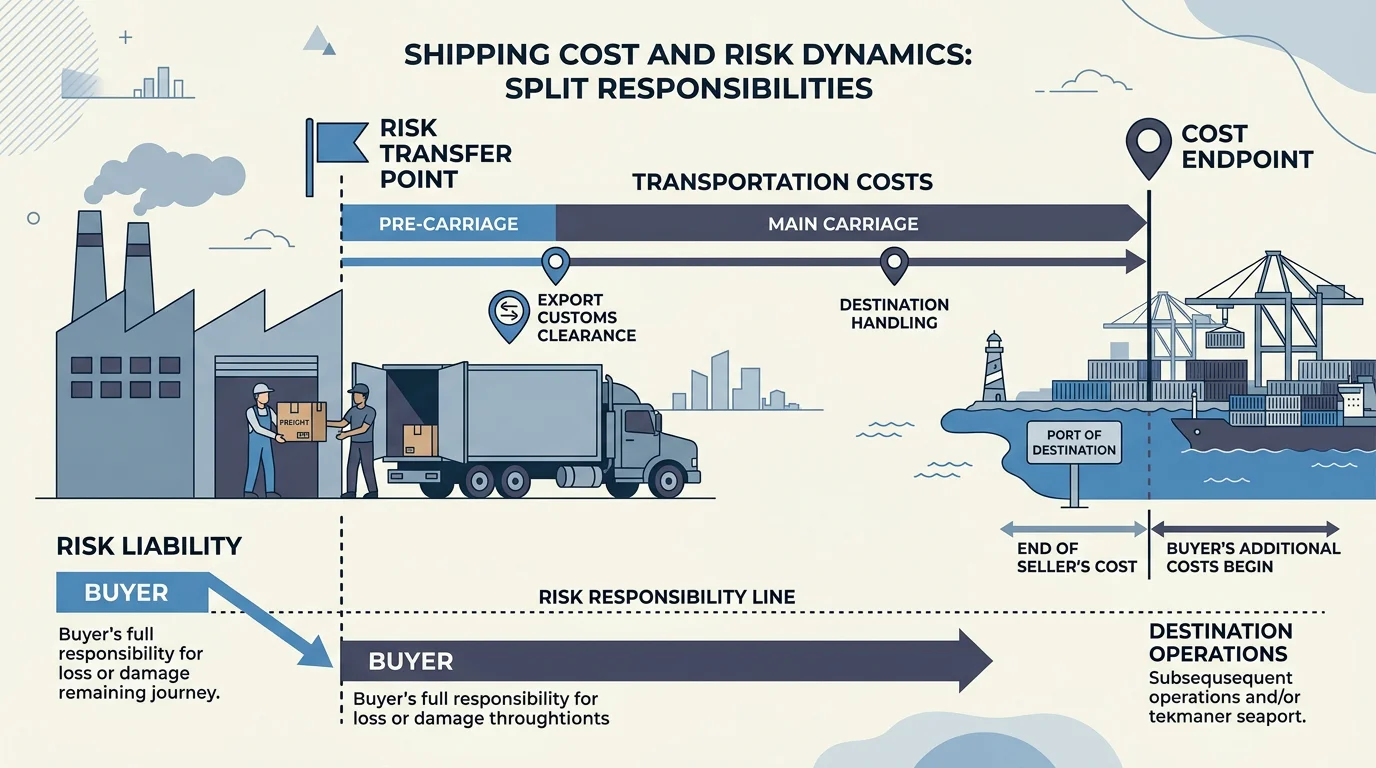
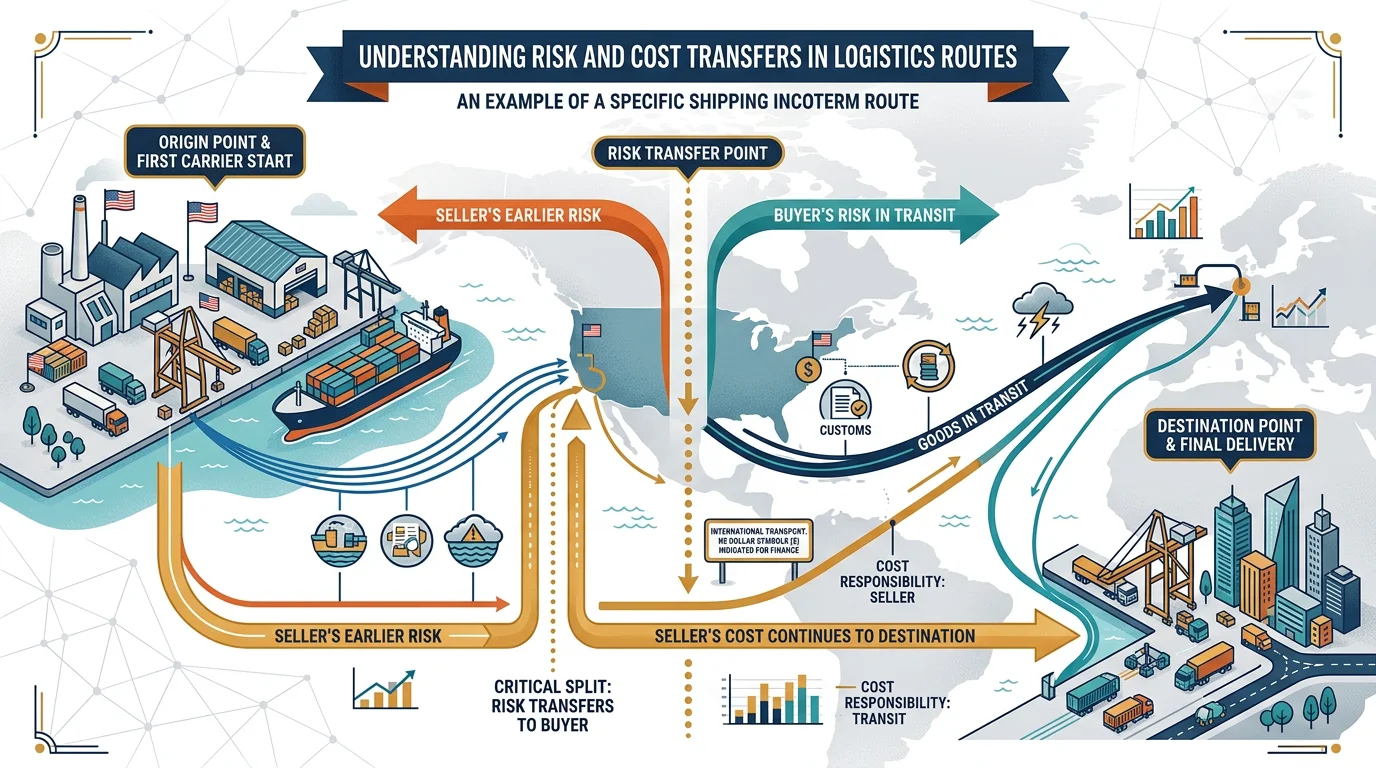
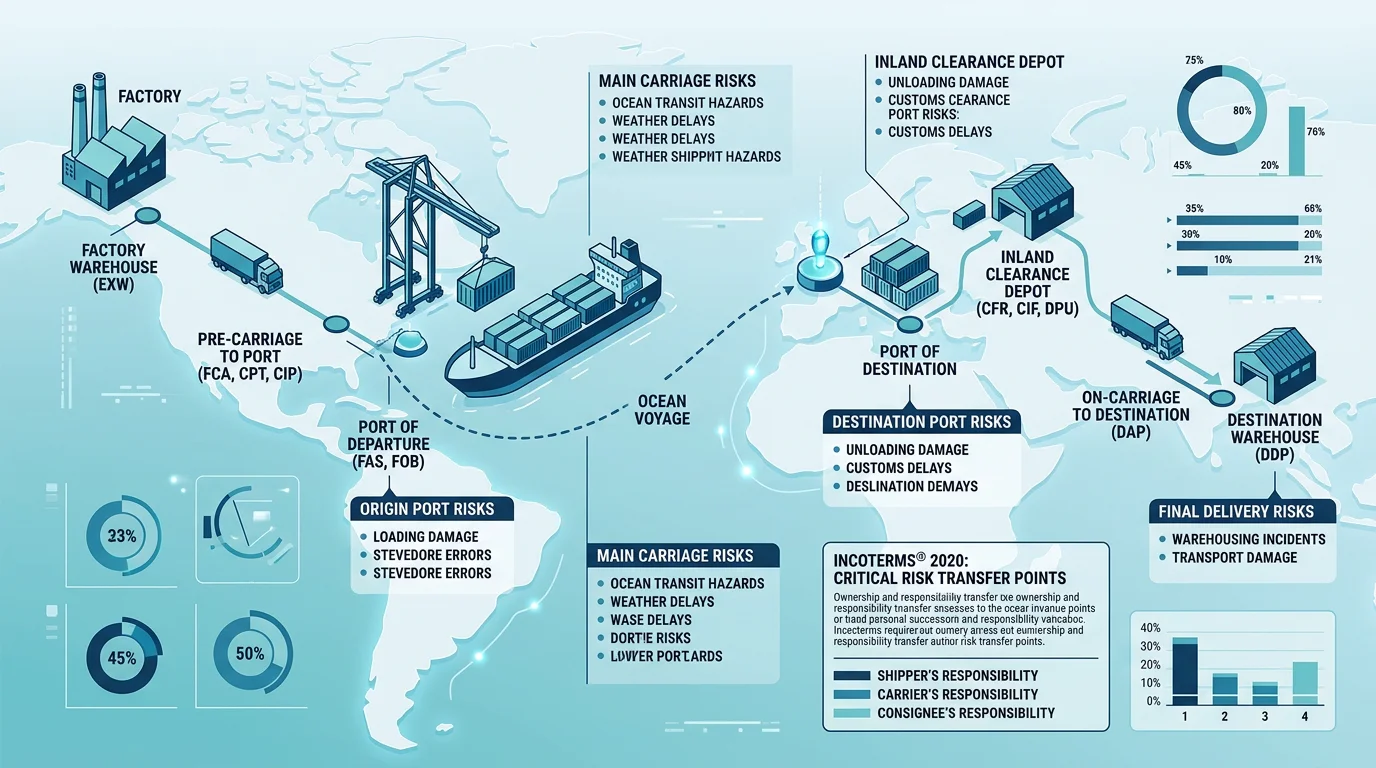
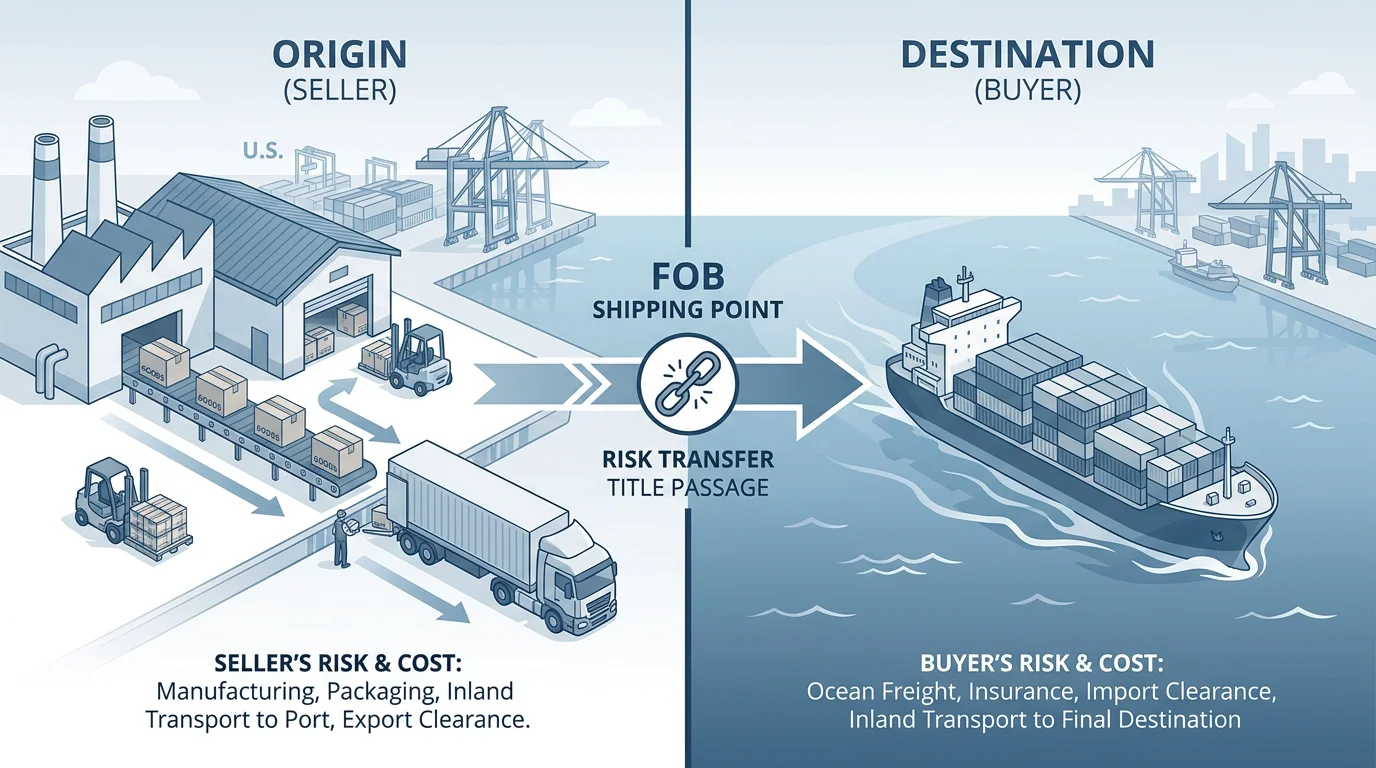
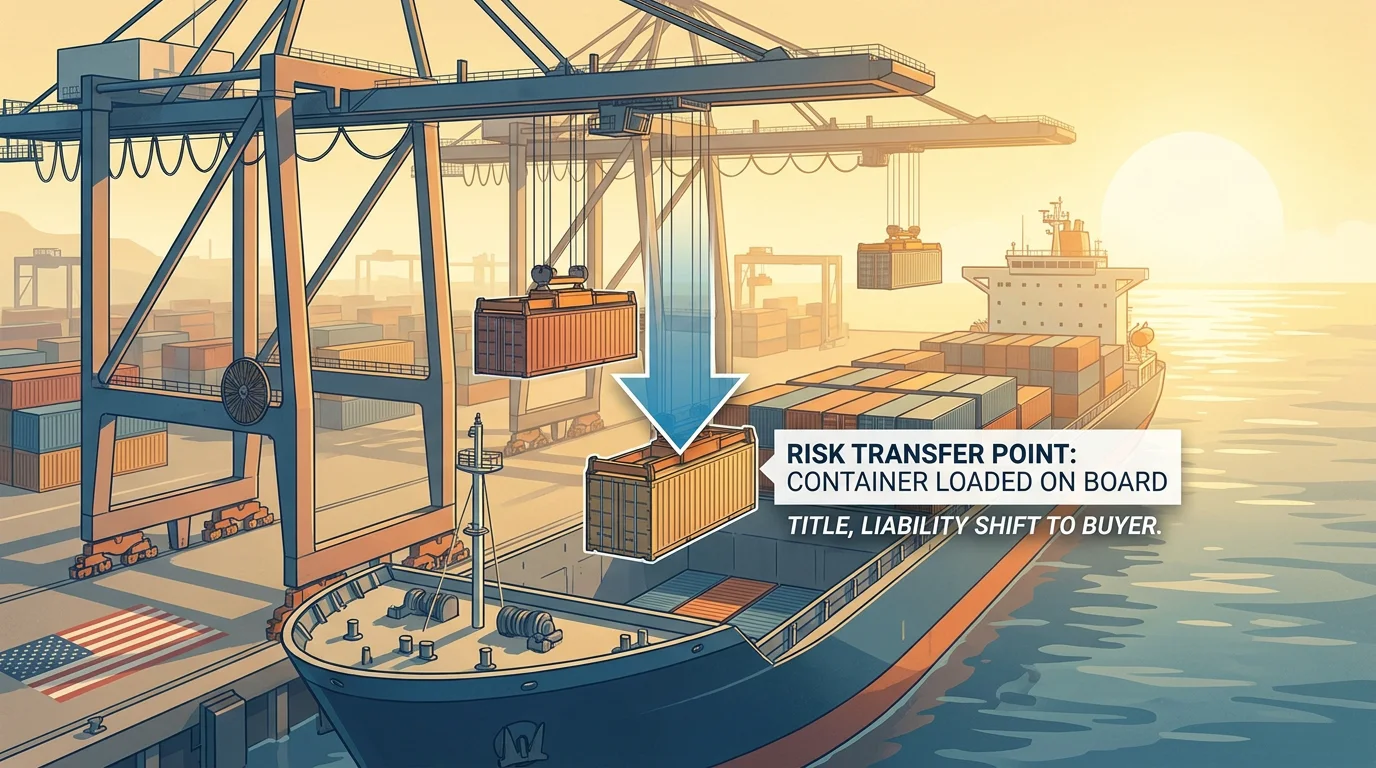
    FOB (Free on Board) and DDP (Delivered Duty Paid) are vital shipping terms that define the division of responsibilities, costs, and risks between buyers and sellers in international trade. Under FOB terms, the seller's obligations cease once the goods are loaded onto the shipping vessel at the port of export. From that point, the buyer assumes responsibility for sea freight, insurance, import duties, and onward transportation to the final destination. This arrangement allows buyers to have control over the logistics process but requires them to be more involved and manage the associated risks post-export. In contrast, DDP terms transfer all logistical responsibilities to the seller, who handles everything from export to delivery at the buyer's specified location, including customs clearance and payment of all duties and taxes. This makes DDP a convenient option for buyers, especially those lacking logistics expertise, though it generally comes at a higher cost due to the comprehensive service provided by the seller.

    • FOB Responsibilities:

      1. Seller manages export clearance and transport to the port.
      2. Buyer arranges sea freight and insurance.
      3. Buyer handles import customs clearance.
      4. Buyer incurs all costs from the port of export.
      5. Buyer assumes all transit risks once goods are loaded.
    • DDP Responsibilities:

      1. Seller covers all logistics, including export and import duties.
      2. Seller ensures delivery to the buyer's specified location.
      3. Buyer has minimal involvement in logistical processes.
      4. Seller assumes all risks until delivery is complete.
      5. Seller manages customs clearance and taxes.

    For Amazon FBA sellers importing goods from China, understanding the distinctions between DDP and FOB is crucial. Selecting the right shipping term can significantly impact logistics management, cost efficiency, and risk exposure. DDP offers a hassle-free approach for those new to international shipping, while FOB provides seasoned sellers with the opportunity to optimize costs and gain greater control over their supply chain.

    Responsibilities and Costs: DDP vs FOB

    In international shipping, the division of financial responsibilities between sellers and buyers is crucial. Under FOB (Free on Board) terms, sellers are responsible for costs related to export procedures, including transport to the port and loading goods onto the shipping vessel. Once the goods are on board, buyers take over, managing shipping, insurance, and import duties. This arrangement grants buyers control over shipping logistics but also demands active involvement in managing these aspects. Conversely, DDP (Delivered Duty Paid) shifts the entire burden of logistics and duty costs to the seller, covering everything from manufacturing to delivery at the buyer's location, including customs clearance and all taxes. This leaves buyers with minimal logistical involvement, though it typically comes at a higher product cost due to the comprehensive service coverage.

    The allocation of responsibilities in FOB and DDP significantly affects shipping costs. With FOB, buyers can negotiate shipping and insurance rates, potentially optimizing costs but also assuming greater risk and complexity. Buyers must account for variables like fluctuating freight rates and customs duties, which can impact the final cost. In contrast, DDP provides a more predictable cost structure, as sellers incorporate all logistics and duty expenses into the product price. This can simplify budgeting for buyers but often results in higher product prices due to the seller's markup for managing these services. The choice between FOB and DDP, therefore, hinges on the buyer's preference for control versus convenience.

    Shipping Term Seller Responsibilities Buyer Responsibilities
    FOB Export clearance, transport to port, loading Shipping, insurance, import duties, customs clearance
    DDP All logistics, customs clearance, import duties, taxes Minimal involvement, internal logistics upon receipt

    These factors play a crucial role in shaping a seller's decision-making process. Sellers must evaluate their capacity to manage logistics and the associated risks when considering FOB. Those with robust logistics capabilities may find FOB advantageous due to potential cost savings and control over the shipping process. On the other hand, sellers who prioritize simplicity and reduced administrative burdens might lean towards DDP, accepting the higher costs for a streamlined process. Ultimately, the decision between FOB and DDP depends on a seller's logistical expertise, risk tolerance, and cost management strategy.

    Benefits and Drawbacks: DDP vs FOB for Amazon FBA

    DDP (Delivered Duty Paid) provides Amazon FBA sellers the advantage of a seamless logistical experience. By placing the onus on the seller to manage all shipping processes, from manufacturing to final delivery, DDP minimizes the buyer's involvement in complex international logistics. This approach significantly reduces risk exposure, as the seller handles all customs and tax obligations, ensuring compliance with destination country regulations. For sellers new to international shipping, DDP offers a predictable cost structure without the surprise of additional fees upon delivery. However, this convenience comes at a premium, as sellers typically incorporate their logistics management costs into the product price, resulting in higher overall expenses for the buyer.

    • Key Advantages of FOB (Free on Board):
      1. Cost Control: Buyers can negotiate shipping and insurance rates, potentially reducing overall costs.
      2. Logistics Management: Provides buyers with the flexibility to select carriers and routes, optimizing delivery speed and cost.
      3. Risk Distribution: Buyers assume responsibility after goods are loaded, allowing for strategic risk management.
      4. Supplier Independence: Buyers maintain autonomy in shipping decisions, avoiding supplier-controlled logistics.
      5. Market Responsiveness: Allows for adjustments in shipping strategies based on market conditions and demand fluctuations.

    Despite the benefits, both DDP and FOB have inherent drawbacks. DDP's higher cost can be a deterrent, especially for price-sensitive businesses that could otherwise manage logistics internally. Additionally, relying entirely on the seller for compliance can pose risks if the seller fails in their obligations. On the other hand, FOB requires significant involvement from the buyer, demanding a robust logistics framework and experience. The buyer must also manage potential risks associated with customs clearance and import duties, which can lead to delays and unexpected costs if not handled adeptly. Choosing between DDP and FOB ultimately depends on a seller's logistical expertise, cost considerations, and risk tolerance.

    Choosing Between DDP and FOB: Practical Considerations for Sellers

    When deciding between DDP (Delivered Duty Paid) and FOB (Free on Board) for Amazon FBA shipments from China, sellers must evaluate several key factors. Business size and resource availability play crucial roles in this decision. Smaller businesses with limited logistical resources may find DDP appealing due to its simplicity and reduced administrative burden. However, larger companies with established logistics departments might prefer FOB for the control it offers over shipping processes and potential cost optimization. Additionally, the balance between cost and control, risk tolerance, and adherence to the destination country's regulations are essential considerations that can influence the choice of shipping terms.

    These factors significantly shape a seller's decision-making process. For instance, a company that prioritizes cost-efficiency might lean towards FOB, as it allows for detailed management of shipping expenses and the opportunity to capitalize on competitive freight rates. Conversely, a seller who values convenience and risk mitigation may opt for DDP, accepting higher costs in exchange for a hassle-free shipping experience. Furthermore, sellers must consider their capacity to handle the complexities of customs clearance and import duties, which are critical under FOB. Each seller's unique circumstances, including their logistical expertise and market strategy, will ultimately guide their choice between these two shipping methods.

    • Questions Sellers Should Ask Themselves:
      1. What is the size of my company, and how much logistical capacity do I have?
      2. How important is maintaining control over the shipping process to my business model?
      3. What level of risk am I willing to manage in international shipping?
      4. How do cost considerations impact my decision between DDP and FOB?
      5. What are the specific regulations and requirements of the destination country?
      6. Do I have the expertise to manage customs and import duties effectively?

    For new sellers, DDP can offer a straightforward entry into international trade, allowing them to focus on core business operations without being bogged down by logistics. Experienced sellers, however, might benefit from the flexibility and potential savings of FOB, provided they have the necessary infrastructure to manage the additional responsibilities. By aligning their shipping strategy with their business goals and capabilities, sellers can make informed decisions that enhance their supply chain efficiency and overall market competitiveness.

    Examples and Scenarios: DDP vs FOB in Action

    A typical FOB (Free on Board) transaction places the responsibility for logistics management squarely on the buyer after the goods are loaded onto the shipping vessel at the port of export. For a retailer importing products from China to the U.S., this means handling key aspects such as freight forwarding, insurance, and import taxes and duties. The buyer must also ensure that all shipping documentation is accurately prepared and submitted to U.S. customs authorities. While this approach demands active involvement and a keen understanding of international shipping processes, it allows the buyer to negotiate freight rates and choose preferred carriers, potentially leading to significant cost savings. By controlling the logistics, the buyer can strategically manage shipping schedules and optimize delivery timelines to align with business needs.

    In contrast, a small e-commerce business might opt for a DDP (Delivered Duty Paid) arrangement to simplify the import process. With DDP, the supplier takes on full responsibility for the shipment, from manufacturing to delivery at the buyer's designated location. This encompasses all logistics, including handling import taxes and duties, ensuring compliance with customs regulations, and managing shipping documentation. For the buyer, this translates into a hassle-free experience with minimal involvement in the logistical intricacies. The predictability of costs and reduced administrative burden make DDP an attractive option for smaller businesses or those new to international trade, despite the generally higher price point due to the seller's all-inclusive service.

    Consider a U.S. importer evaluating shipping options from China. Under FOB terms, the importer would coordinate with a freight forwarder to arrange ocean freight to a West Coast port, handling all subsequent logistics, customs clearance, and final delivery to an Amazon FBA warehouse. This approach offers the advantage of cost control but requires expertise in managing logistics and potential risks during transit. Conversely, using DDP, the importer would rely on the supplier to manage the entire process, from the Chinese factory to the U.S. warehouse, benefiting from a simplified and predictable delivery process, albeit at a higher cost that includes the seller's logistics management services.

    Final Thoughts on DDP vs FOB for Amazon FBA Sellers

    Choosing between DDP (Delivered Duty Paid) and FOB (Free on Board) significantly influences logistics management, cost considerations, and risk exposure for Amazon FBA sellers. Understanding these shipping terms is crucial for optimizing supply chain efficiency. DDP provides a streamlined approach where sellers handle all logistics, including shipping liability allocation, customs, and import taxes, offering predictability in costs. In contrast, FOB allows buyers to take control post-export, potentially reducing costs through strategic logistics management but requiring comprehensive involvement in the shipping process. Each option presents distinct advantages and challenges, impacting how sellers manage cross-border e-commerce operations.

    For Amazon sellers, aligning the choice of shipping terms with their logistical capabilities and business strategies is essential. Sellers should assess their risk tolerance, resource availability, and capacity to handle logistics when deciding between DDP and FOB. New sellers or those with limited logistics expertise may benefit from the simplicity of DDP, facilitating a focus on core business activities. In contrast, experienced sellers with robust logistics frameworks might find FOB advantageous for cost control and flexibility. By evaluating these aspects, sellers can make informed decisions that support their growth and competitiveness in international markets.

    Final Words

    Navigating DDP vs FOB for Amazon FBA from China involves understanding key differences in responsibilities, costs, and risks. DDP simplifies logistics for buyers, transferring full responsibility to sellers, while FOB offers buyers control but requires them to manage post-export logistics.

    Sellers must weigh factors like company size, resources, and risk tolerance to choose the optimal term. Selecting the right shipping method can optimize supply chain efficiency, enhance cost management, and mitigate risks. By making informed decisions, sellers can achieve a more effective import process and boost their Amazon business potential.

    FAQ

    What is DDP from China to USA?

    DDP, or Delivered Duty Paid, is a shipping term where the seller handles all logistics from China to the buyer’s location in the USA, including shipping, duties, and taxes.

    Which is better, DDP or FOB?

    The choice between DDP and FOB depends on the buyer’s involvement preference and budget. DDP offers simplicity but higher costs, while FOB provides cost control with more logistics responsibility.

    Can I buy products from China and sell on Amazon?

    Yes, purchasing products from China to sell on Amazon is common. However, choosing the correct shipping term, like DDP or FOB, is crucial for managing logistics, costs, and compliance efficiently.

    What is FOB shipping from China?

    FOB, or Free On Board, is a shipping term where the buyer assumes responsibility for logistics after the goods are loaded onto the shipping vessel in China. This includes shipping, insurance, and customs duties.