Blog

  • The Rise of DDP Freight Forwarders for Amazon FBA Sellers

    The Rise of DDP Freight Forwarders for Amazon FBA Sellers

    Are Amazon FBA sellers ready to embrace a shipping revolution? The rise of Delivered Duty Paid (DDP) freight forwarders is transforming the logistics landscape, offering sellers a streamlined path to success. With DDP, the burden of customs clearance and duties shifts from buyers to sellers, simplifying operations and enhancing customer satisfaction. This blog post will explore the essential components of DDP freight forwarding, its benefits, and how it compares to traditional shipping methods, empowering Amazon FBA sellers to make informed decisions in an increasingly competitive market.

    The Definition of DDP Freight Forwarding

    Delivered Duty Paid (DDP) is a logistics arrangement that places the responsibility for the entire shipping process on the seller. This includes managing all aspects of the shipment until it arrives at the buyer’s designated location. Key components of DDP freight forwarding include:

    • Full Responsibility: The seller assumes all risks and costs associated with shipping, including transportation, customs clearance, and payment of duties and taxes.
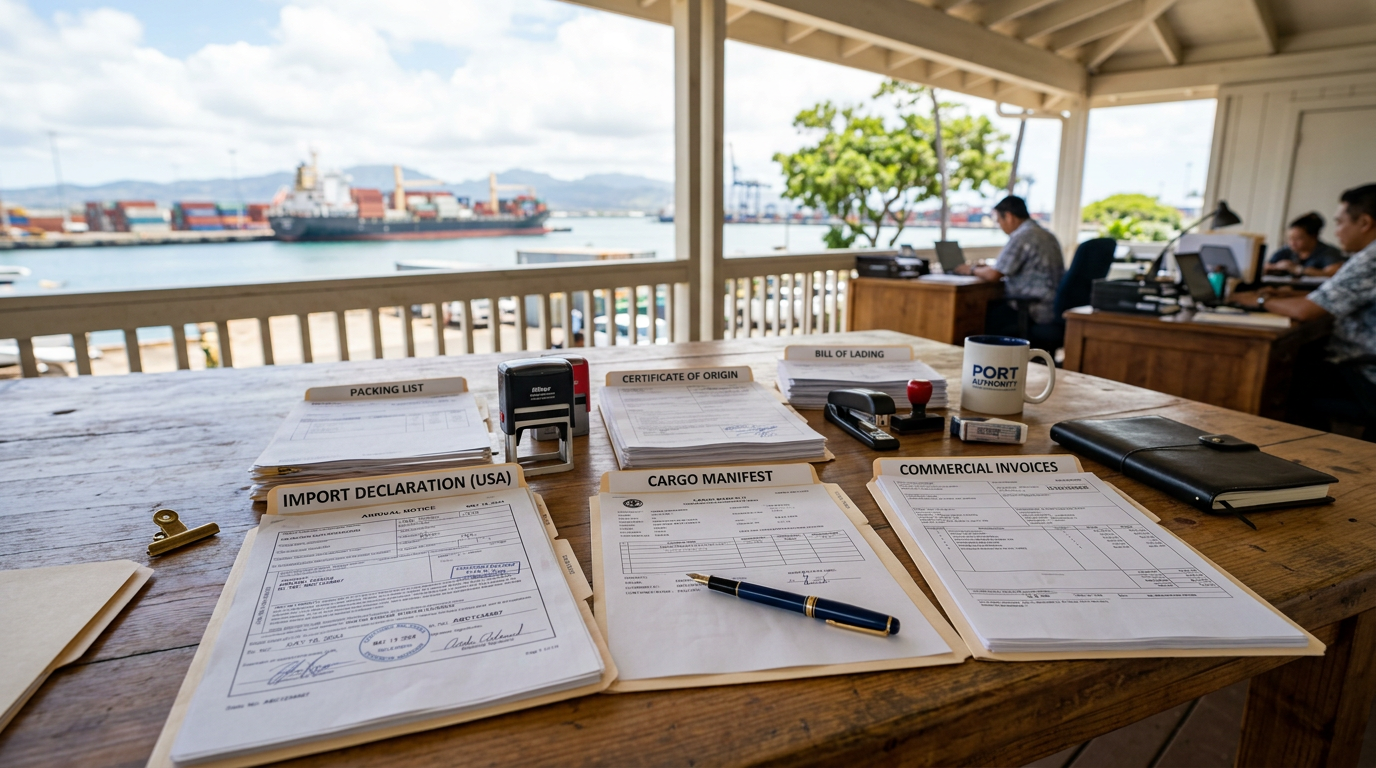
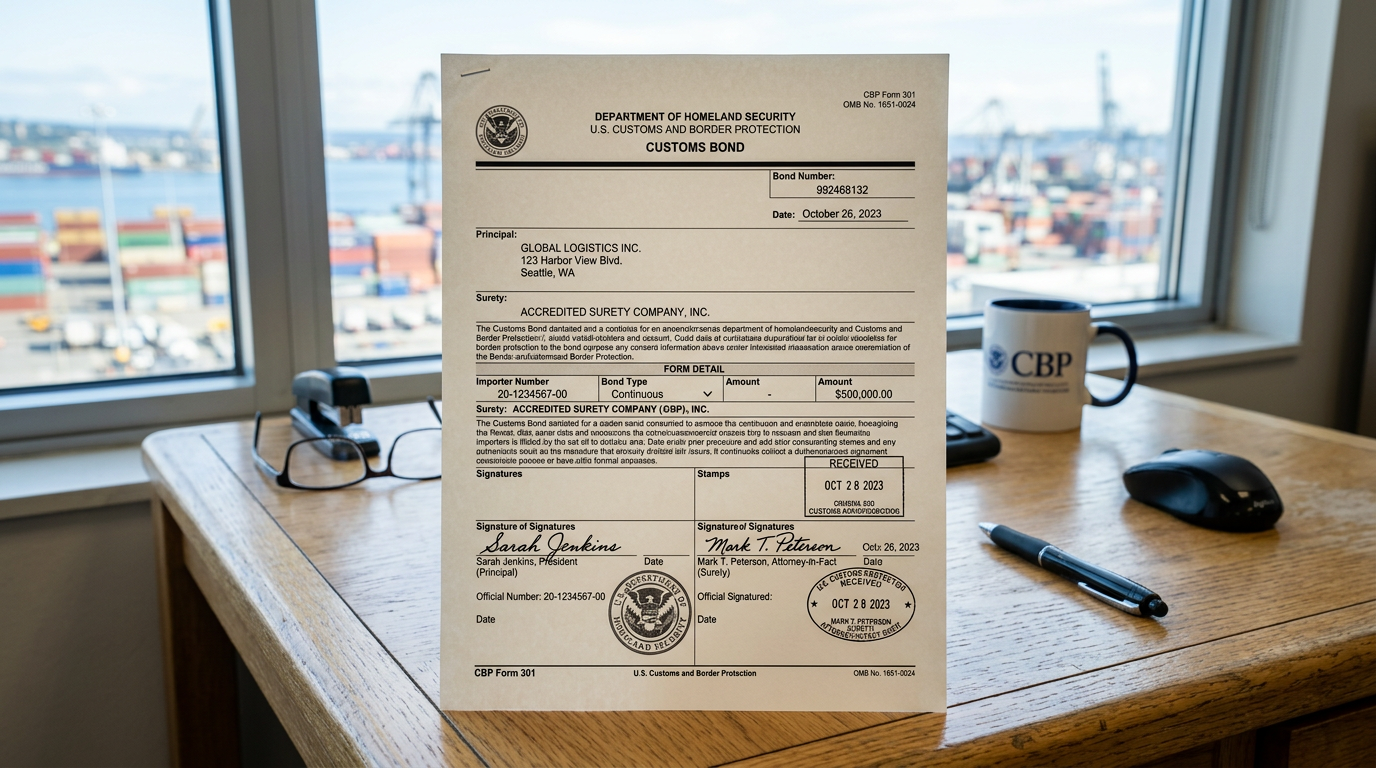
    • Customs Clearance: Sellers must ensure that all customs documentation is prepared accurately, facilitating a smooth passage through customs at the destination.
    • Tax Management: The seller is accountable for calculating and paying any applicable import duties and taxes, which can vary based on the destination country’s regulations.
    • Logistics Coordination: This encompasses managing the entire logistics chain, from the point of origin to the final delivery, ensuring compliance with international shipping standards.
    • Buyer Convenience: By opting for DDP, sellers simplify the purchasing experience for buyers, eliminating surprise costs upon delivery and enhancing customer satisfaction.

    Understanding DDP is crucial for Amazon FBA sellers, as it streamlines their supply chain and reduces the administrative burden associated with international shipping. This arrangement allows sellers to focus more on their product and marketing strategies, rather than logistics challenges.

    Advantages of DDP for Amazon FBA Sellers

    DDP shipping presents a range of advantages tailored for Amazon FBA sellers, fundamentally transforming logistics management and enhancing the overall e-commerce experience. The following benefits are particularly noteworthy:

    • Simplified Customs Clearance: DDP streamlines the customs process by placing the burden of compliance on the seller. This ensures that all necessary documentation is handled prior to shipment, reducing delays and potential customs holds.
    • Cost Predictability: With DDP, sellers can accurately calculate all shipping costs upfront, including duties and taxes. This eliminates unexpected fees upon delivery, allowing sellers to maintain better control over their budgets.
    • Enhanced Customer Satisfaction: By pre-paying duties and taxes, sellers ensure that buyers receive their products without additional charges upon delivery. This transparency fosters trust and increases the likelihood of repeat business.
    • Streamlined Logistics: DDP simplifies the logistics chain by consolidating responsibilities under one freight forwarder. This reduces the complexity of managing multiple service providers and enhances communication, leading to more efficient operations.
    • Improved Inventory Management: Predictable shipping costs and timelines allow sellers to better plan their inventory replenishment. With DDP, sellers can more accurately forecast stock levels, minimizing the risk of running out of inventory during peak sales periods.
    • Competitive Edge: As more sellers adopt DDP, those who utilize this shipping method can position themselves as reliable and customer-friendly. This competitive advantage can lead to increased sales and market share.
    • Compliance Assurance: DDP ensures that sellers adhere to import regulations, reducing the risk of penalties or shipment returns. This compliance is crucial for maintaining a reputable seller profile on Amazon.

    These advantages collectively streamline the shipping process for Amazon FBA sellers, enhancing operational efficiency and ultimately improving customer experience. By leveraging DDP, sellers can focus on growing their business while minimizing logistical headaches.

    The Rise of DDP Freight Forwarders for Amazon FBA Sellers

    Comparing DDP with Other Shipping Methods

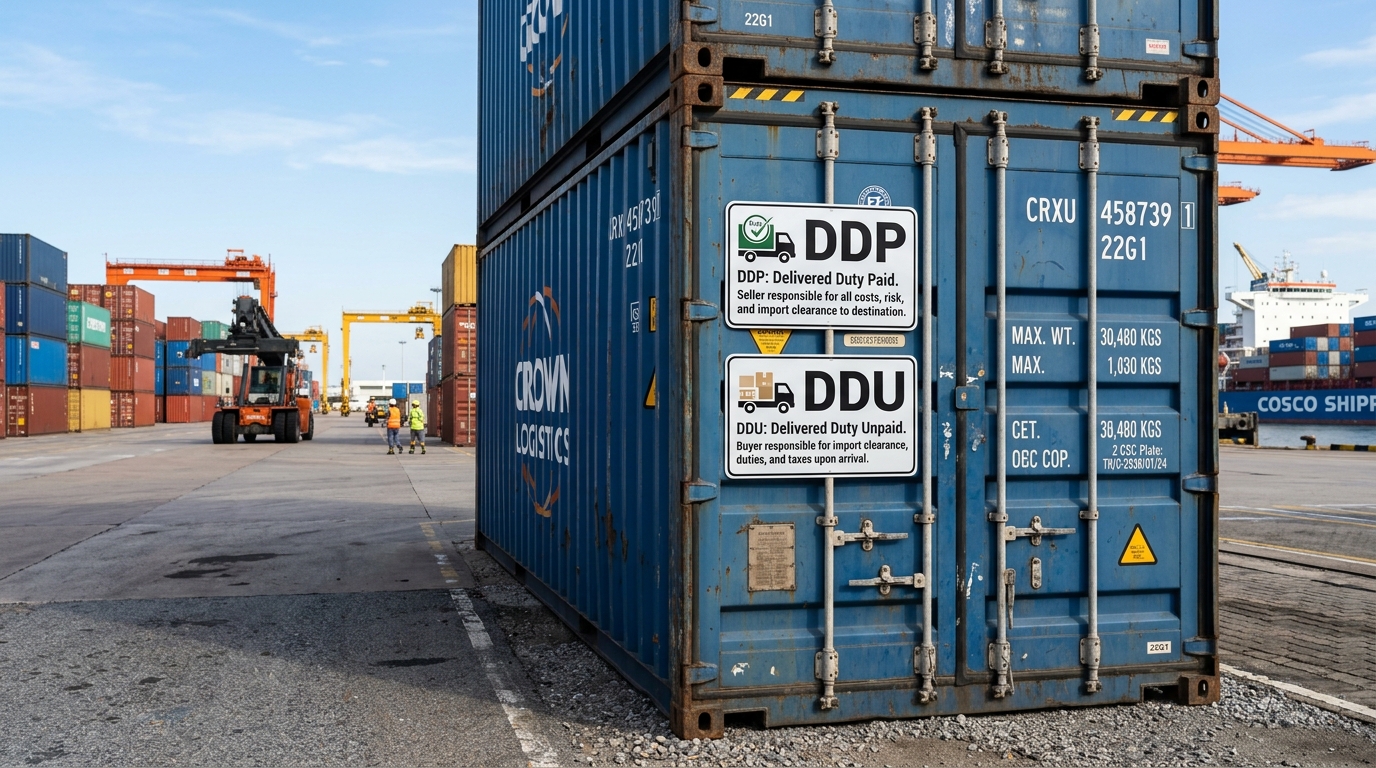
    DDP (Delivered Duty Paid) offers distinct advantages compared to other shipping methods such as DDU (Delivered Duty Unpaid) and FOB (Free on Board). Each method has its own set of pros and cons that can significantly impact Amazon FBA sellers.

    DDP vs. DDU

    | Feature | DDP | DDU |

    |——————-|—————————————|—————————————|

    | Responsibility | Seller covers all costs, including duties and taxes. | Buyer is responsible for customs duties and taxes upon delivery. |

    | Cost Predictability | All costs are known upfront, eliminating surprises for the buyer. | Potential for unexpected fees at delivery, which can lead to buyer dissatisfaction. |

    | Customs Clearance | Seller manages customs documentation and compliance. | Buyer must handle customs procedures, which can be complicated for inexperienced sellers. |

    | Buyer Experience | Enhanced satisfaction due to no additional charges upon delivery. | Buyer may experience frustration if customs fees are unexpectedly high. |

    DDP vs. FOB

    | Feature | DDP | FOB |

    |——————-|—————————————|—————————————|

    | Responsibility | Seller assumes responsibility until delivery to the buyer’s location. | Seller’s responsibility ends once goods are loaded onto the vessel. |

    | Cost Control | Seller controls all logistics and costs, ensuring predictable expenses. | Buyer takes on risk and costs once goods are on the vessel, which can lead to variable expenses. |

    | Documentation | Seller handles all necessary customs documentation. | Buyer must manage import documentation and customs clearance after shipment. |

    | Risk Management | Lower risk for the buyer as all duties and taxes are prepaid. | Higher risk for the buyer due to potential unforeseen customs charges. |

    Understanding the differences between DDP, DDU, and FOB can help Amazon FBA sellers make informed decisions about their shipping strategies. DDP is often preferred for its comprehensive nature, while DDU and FOB may suit sellers comfortable managing customs processes and risks. Ultimately, the choice depends on the seller’s operational capabilities and the specific needs of their business.

    Case Studies of Successful DDP Implementation

    Numerous Amazon FBA sellers have adopted DDP freight forwarding, leading to remarkable improvements in their logistics operations. These case studies highlight the practical applications of DDP and the positive outcomes experienced by sellers.

    Case Study 1: Small Business Success Story

    A small artisanal craft seller faced challenges with fluctuating shipping costs and customs delays. By switching to a DDP freight forwarder, they gained upfront cost visibility and simplified customs clearance. The freight forwarder managed all duties and taxes, eliminating surprise fees for customers. As a result, the seller reported a 25% increase in customer satisfaction ratings and a 15% boost in repeat sales within six months.

    Case Study 2: Large Seller Case Study

    A well-established electronics brand struggled with high logistics costs and complex import regulations across multiple markets. They implemented a DDP solution that centralized their shipping processes. The freight forwarder handled compliance, ensuring all products met local regulations. This shift led to a 30% reduction in shipping costs and improved delivery times by 20%. The brand also noted a significant decrease in customer complaints related to customs issues.

    Case Study 3: Niche Market Expansion

    A niche health supplement company wanted to expand its market presence in Europe. By partnering with a DDP freight forwarder, they streamlined their entry into the EU market. The forwarder managed VAT registration and compliance, allowing the seller to focus on marketing strategies. This approach resulted in a successful launch, with sales exceeding projections by 40% in the first quarter.

    Case Study 4: Seasonal Product Seller

    A seasonal holiday decor seller faced difficulties managing inventory and shipping during peak periods. Utilizing DDP allowed them to pre-calculate shipping costs and coordinate shipments effectively. The freight forwarder scheduled deliveries directly to Amazon fulfillment centers, ensuring timely stock availability. This strategy resulted in a 50% increase in sales during the holiday season compared to previous years.

    These case studies demonstrate the versatility and effectiveness of DDP freight forwarding for Amazon FBA sellers, showcasing how tailored logistics solutions can lead to operational efficiencies and enhanced profitability.

    The Rise of DDP Freight Forwarders for Amazon FBA Sellers

    Potential Pitfalls of DDP Freight Forwarding

    While DDP freight forwarding offers numerous benefits for Amazon FBA sellers, several potential pitfalls must be considered to ensure a smooth shipping experience. Awareness of these challenges can help sellers prepare effectively and mitigate risks. Key concerns include:

    • Hidden Costs: Although DDP is designed to provide cost predictability, hidden fees can arise. Sellers may encounter unexpected charges related to customs, handling, or additional services not included in the initial shipping quote.
    • Complex Documentation: DDP requires comprehensive documentation to ensure compliance with customs regulations. Inaccuracies or missing documents can lead to delays in customs clearance, resulting in longer shipping times and potential penalties.
    • Compliance Issues: Different countries have varying import regulations, and failing to meet these requirements can result in costly fines or cargo seizures. Sellers must stay informed about destination country regulations and ensure their shipments comply with local laws.
    • Supplier Miscommunication: Effective communication between sellers and their suppliers is crucial. Misunderstandings regarding shipping terms or responsibilities can lead to logistical complications and increased costs.
    • Dependence on Freight Forwarders: Relying heavily on a freight forwarder’s expertise can be a double-edged sword. While they provide valuable services, any mistakes made by the forwarder can directly impact the seller’s reputation and bottom line.
    • Market Fluctuations: Changes in tariffs or shipping regulations can affect the overall cost of DDP shipments. Sellers need to remain agile and adaptable to navigate these fluctuations effectively.

    By proactively addressing these potential pitfalls, Amazon FBA sellers can leverage DDP freight forwarding while minimizing risks and enhancing their shipping strategies.

    Practical Tips for Choosing a DDP Freight Forwarder

    Selecting the right DDP freight forwarder is critical for Amazon FBA sellers aiming to streamline their shipping processes. Here are actionable tips to make an informed choice:

    • Assess Experience and Reputation: Look for freight forwarders with a proven track record in handling DDP shipments specifically for Amazon FBA sellers. Research their client testimonials, case studies, and industry reputation. Experienced providers are more likely to navigate complexities efficiently.
    • Understand Fee Structures: Request a detailed breakdown of all fees associated with their services. This should include transportation costs, customs duties, handling fees, and any additional charges. Transparent pricing helps avoid unexpected costs and ensures budget control.
    • Inquire About Services Offered: Evaluate the range of services provided by the freight forwarder. Essential offerings should include customs clearance, documentation preparation, DDP management, and tracking capabilities. A comprehensive service reduces the need for multiple providers and enhances operational efficiency.
    • Check Compliance Knowledge: Ensure the freight forwarder is well-versed in the regulatory requirements for the destination country. Knowledge of HS codes, VAT regulations, and import duties is crucial for smooth customs clearance and compliance with local laws.
    • Evaluate Technology Integration: Assess whether the forwarder offers modern tracking and visibility tools. Real-time shipment tracking and proactive notifications can significantly enhance supply chain transparency and allow sellers to respond quickly to any issues.
    • Customer Support Accessibility: Strong customer support is vital for resolving issues quickly. Ensure that the freight forwarder provides dedicated support teams that are readily available to address any concerns during the shipping process.
    • Request References: Ask for references from previous clients to gauge their satisfaction with the service provided. Direct feedback from other sellers can provide valuable insights into the forwarder’s reliability and performance.

    By following these tips, Amazon FBA sellers can select a DDP freight forwarder that aligns with their shipping needs, ultimately improving efficiency and enhancing their overall logistics operations.

    The Rise of DDP Freight Forwarders for Amazon FBA Sellers

    Final Words

    Final Words

    Understanding DDP freight forwarding is crucial for Amazon FBA sellers aiming to optimize their logistics. This article detailed the definition of DDP, its advantages, and how it compares with other shipping methods.

    Real-world case studies highlighted successful implementations, while potential pitfalls reminded sellers to be vigilant about hidden costs and compliance issues.

    By following practical tips for selecting a competent DDP freight forwarder, sellers can streamline their shipping processes and enhance customer satisfaction.

    Embracing The Rise of DDP Freight Forwarders for Amazon FBA Sellers can lead to more efficient operations and improved profitability.

    FAQ

    Q: What is DDP freight forwarding?

    A: DDP freight forwarding refers to a shipping arrangement where the seller assumes all responsibilities, including logistics, customs clearance, and duty payments, until the shipment reaches the buyer.

    Q: What advantages does DDP offer Amazon FBA sellers?

    A: DDP provides benefits such as simplified customs clearance, predictable costs, and improved customer satisfaction through pre-paid duties, enhancing the shipping process for both sellers and buyers.

    Q: How does DDP compare to other shipping methods?

    A: DDP differs from methods like DDU and FOB by placing the onus of duties and taxes on the seller, affecting cost management and logistical responsibilities.

    Q: Can you provide examples of successful DDP implementation?

    A: Successful case studies highlight how Amazon sellers leveraged DDP to streamline operations, reduce costs, and improve profitability, showcasing its practical benefits in real-world scenarios.

    Q: What are the potential pitfalls of DDP freight forwarding?

    A: DDP pitfalls include hidden costs from unexpected fees and complex documentation requirements that may lead to delays or compliance issues, posing risks for sellers.

    Q: What tips should sellers consider when choosing a DDP freight forwarder?

    A: Sellers should evaluate the freight forwarder’s experience, reputation, fee structures, and service offerings to ensure they align with their specific shipping needs for efficiency.

  • Red Flags to Avoid When Picking a Freight Forwarder for Amazon FBA

    Red Flags to Avoid When Picking a Freight Forwarder for Amazon FBA

    Choosing the right freight forwarder for Amazon FBA can make or break a seller’s success, yet many fall prey to hidden pitfalls. In an industry where transparency and reliability are paramount, overlooking critical red flags can lead to costly errors and significant delays. This article examines essential warning signs to be wary of when selecting a freight forwarder. By identifying these red flags early, sellers can safeguard their operations and ensure a seamless shipping experience from China to Amazon warehouses. Understanding these warning signals is key to making informed logistics decisions that enhance business scalability.

    Red Flags to Avoid When Picking a Freight Forwarder for Amazon FBA

    • Poor Communication
    • Delayed responses to inquiries
    • Lack of proactive updates
    • Difficulty in reaching a representative
    • Lack of Experience with Amazon FBA
    • Familiarity with Amazon’s requirements
    • Knowledge of FBA-specific processes
    • Previous experience with successful FBA shipments
    • Hidden Fees
    • Common hidden fees to watch for:
    • Fuel surcharges
    • Customs clearance fees
    • Handling fees
    • Request a detailed breakdown of costs and clarify terms regarding additional charges
    • Inadequate Insurance Coverage
    • Types of coverage to verify:
    • Cargo insurance
    • Liability insurance
    • Risks of inadequate coverage include financial loss in case of damage or loss
    • Subpar Customer Service
    • Signs of subpar customer service:
    • Lack of availability for support
    • Unhelpful or dismissive responses
    • Consequences include difficulty in troubleshooting issues and poor overall experience
    • Unclear Terms and Conditions
    • Complex or vague agreements
    • Difficulty in understanding shipping timelines and responsibilities
    • Ensure clarity on liability and compensation policies
    • Negative Reviews or Reputation
    • Check online reviews and testimonials
    • Seek feedback from other Amazon FBA sellers
    • Investigate any history of complaints or unresolved issues

    Poor Communication

    • Signs of poor communication:
    • Delayed responses to inquiries
    • Lack of proactive updates
    • Difficulty in reaching a representative
    • Consequences:
    • Increased risk of shipping delays
    • Potential miscommunication regarding shipment details

    Inadequate communication from a freight forwarder can severely impact an Amazon FBA seller’s operations. When a freight forwarder fails to respond promptly to inquiries, sellers may find themselves in the dark regarding their shipments. This lack of clarity can lead to misunderstandings about delivery timelines, which can disrupt inventory levels and affect sales performance.

    Moreover, if the freight forwarder does not provide proactive updates on the shipment status, sellers may be left unprepared for any unexpected delays or issues that arise during transit. Difficulty in reaching a representative can further exacerbate the situation, leaving sellers without the necessary support to address urgent concerns.

    The consequences of poor communication extend beyond just inconvenience; they can lead to significant financial losses. Delays in shipping can result in stockouts, negatively impacting Amazon rankings and customer satisfaction. Miscommunication regarding shipment details can also lead to compliance issues, potentially incurring additional costs or penalties. Therefore, sellers should prioritize freight forwarders that demonstrate clear, effective communication practices to mitigate these risks.

    Red Flags to Avoid When Picking a Freight Forwarder for Amazon FBA

    Lack of Experience with Amazon FBA

    Choosing a freight forwarder with specific experience in Amazon FBA is crucial for successful logistics management. A lack of this specialized expertise can lead to various logistical errors and complications that negatively impact business operations.

    • Key considerations:
    • Familiarity with Amazon’s requirements:

    A freight forwarder must understand the distinct shipping and labeling requirements of Amazon to avoid compliance issues that could delay product availability.

    • Knowledge of FBA-specific processes:

    The logistics surrounding FBA, including inventory management and shipment preparation, require a forwarder who is well-versed in handling these specific processes.

    • Previous experience with successful FBA shipments:

    A freight forwarder should have a proven track record of managing successful shipments to Amazon fulfillment centers. This experience can provide reassurance that they can navigate potential challenges effectively.

    Freight forwarders lacking Amazon-specific experience may struggle with compliance, leading to delayed shipments, additional fees, or even product returns. It is essential for Amazon FBA sellers to thoroughly vet potential forwarders to ensure they possess the necessary expertise to facilitate smooth operations.

    Hidden Fees

    The presence of hidden fees can significantly inflate shipping costs for Amazon FBA sellers and is a critical red flag to watch for when selecting a freight forwarder. Transparency in pricing is essential to ensure that sellers do not encounter unexpected expenses that could impact their profitability.

    • Common hidden fees to watch for:
    • Fuel surcharges
    • Customs clearance fees
    • Handling fees

    These charges can accumulate quickly and may not be disclosed upfront, leading to budget overruns and financial strain on the seller’s operations. Sellers should be cautious of freight forwarders that do not provide a clear and comprehensive pricing structure.

    • Tips for avoiding hidden fees:
    • Request a detailed breakdown of costs before signing any agreements. This ensures that all potential charges are disclosed and understood.
    • Clarify terms regarding additional charges, such as those that may apply under certain conditions or during peak shipping seasons.

    By remaining vigilant and proactive in discussions about pricing, Amazon FBA sellers can mitigate the risk of hidden fees, allowing for more accurate budgeting and better financial planning. A freight forwarder that prioritizes transparency in its pricing model is likely to foster a more trustworthy and effective partnership.

    Red Flags to Avoid When Picking a Freight Forwarder for Amazon FBA

    Inadequate Insurance Coverage

    • Types of coverage to verify:
    • Cargo insurance
    • Liability insurance
    • Risks of inadequate coverage:
    • Financial loss in case of damage or loss
    • Increased stress during shipping processes

    Inadequate insurance coverage is a critical red flag when selecting a freight forwarder for Amazon FBA. Sellers must ensure their chosen forwarder provides sufficient insurance to protect their goods during transit. This includes confirming the availability of cargo insurance that covers the value of the products being shipped. Without adequate cargo insurance, sellers face significant financial risks if their goods are damaged or lost in transit.

    Liability insurance is another essential component. Freight forwarders should have liability coverage that protects against potential claims related to service errors or negligence. A lack of liability insurance can leave sellers vulnerable to unforeseen costs associated with claims or damages during the shipping process.

    The risks associated with inadequate insurance coverage can lead to serious repercussions for Amazon FBA sellers. In the event of damage or loss, sellers may incur substantial financial losses, disrupting cash flow and overall business operations. Furthermore, the stress associated with navigating shipping problems without proper coverage can detract from a seller’s ability to focus on growing their business. Thus, verifying comprehensive insurance coverage is essential for a smooth and secure shipping experience.

    Subpar Customer Service

    • Signs of subpar customer service:
    • Lack of availability for support
    • Unhelpful or dismissive responses
    • Consequences:
    • Difficulty in troubleshooting issues
    • Poor overall experience leading to dissatisfaction

    Subpar customer service from a freight forwarder can significantly hinder the shipping process for Amazon FBA sellers. A freight forwarder that is not readily available for support can leave sellers feeling isolated and unsupported during crucial shipping phases. When urgent questions or issues arise, timely assistance is essential to avoid delays and ensure compliance with Amazon’s stringent requirements.

    Moreover, unhelpful or dismissive responses can exacerbate situations, leading sellers to feel undervalued and frustrated. This type of customer service can prevent effective problem resolution, resulting in unresolved shipment issues or miscommunications regarding transit details.

    The consequences of inadequate customer service extend beyond mere inconvenience. Sellers may face difficulties in troubleshooting issues that arise during shipment, which can result in costly delays and operational disruptions. A poor overall experience can sour the relationship between sellers and their freight forwarders, leading to dissatisfaction and the potential need to switch providers, further complicating logistics. Prioritizing freight forwarders with a reputation for excellent customer service is crucial for sustaining a smooth shipping process.

    Red Flags to Avoid When Picking a Freight Forwarder for Amazon FBA

    Tips for Evaluating Freight Forwarders

    • Questions to ask potential freight forwarders:
    • What is your experience with Amazon FBA?
    • Can you provide references or testimonials?
    • What are your policies regarding hidden fees?
    • How do you handle customs clearance and compliance?
    • What shipping methods do you offer, and how do they align with my needs?
    • Credentials to verify:
    • Industry certifications, such as IATA or FIATA membership
    • Licensing and insurance documentation to ensure compliance
    • Performance metrics and reviews from other clients
    • Experience in handling specific product categories relevant to your business
    • History of successful deliveries to Amazon fulfillment centers

    Evaluating freight forwarders requires thorough diligence to ensure they can meet the demands of Amazon FBA. Start by asking pointed questions that reveal their expertise and service quality. Understanding their experience with Amazon-specific processes will help identify their capabilities in navigating the unique requirements of FBA logistics.

    Additionally, request references to validate their credibility and performance. This feedback can offer insights into their reliability and customer service standards. Clarifying their policies on hidden fees is crucial, as unexpected costs can significantly impact profitability.

    Verifying credentials is equally important. Confirm industry certifications to ensure they adhere to best practices, and check their licensing and insurance coverage for added security. Performance metrics and reviews can provide a benchmark for their reliability and efficiency in managing shipments. By following these guidelines, sellers can make informed decisions and select a freight forwarder that aligns with their business goals.

    Final Words

    Final Words

    Identifying red flags when choosing a freight forwarder is crucial for Amazon FBA sellers. Poor communication, lack of Amazon FBA experience, hidden fees, inadequate insurance, and subpar customer service can lead to costly mistakes and logistical headaches.

    Diligently evaluating potential freight forwarders through targeted questions and thorough credential checks will help avoid these pitfalls.

    By staying informed and proactive in the selection process, sellers can ensure a more efficient and stress-free shipping experience. This vigilance ultimately enhances their business operations and boosts their confidence in managing logistics. Recognizing red flags to avoid when picking a freight forwarder for Amazon FBA empowers sellers for greater success.

    FAQ

    Q: What are the main red flags when choosing a freight forwarder for Amazon FBA?

    A: Key red flags include poor communication, lack of Amazon FBA experience, hidden fees, inadequate insurance coverage, and subpar customer service.

    Q: How can poor communication affect shipping processes?

    A: Poor communication can lead to misunderstandings, delays, and increased risks of shipping errors, ultimately impacting delivery timelines.

    Q: Why is experience with Amazon FBA important for freight forwarders?

    A: Experience ensures compliance with Amazon’s requirements and knowledge of FBA-specific processes, minimizing logistical errors and complications.

    Q: What are common hidden fees associated with freight forwarding?

    A: Common hidden fees include fuel surcharges, customs clearance fees, and handling fees, which can significantly inflate overall shipping costs.

    Q: What types of insurance coverage should freight forwarders provide?

    A: Freight forwarders should offer cargo and liability insurance to protect against financial loss due to damage or loss during transit.

    Q: What signs indicate subpar customer service from a freight forwarder?

    A: Signs include lack of support availability and unhelpful responses, leading to unresolved issues and overall dissatisfaction with the service.

    Q: What criteria should sellers use to evaluate potential freight forwarders?

    A: Sellers should ask about FBA experience, request references, clarify hidden fee policies, and verify credentials like licenses and industry certifications.

  • Freight Forwarders in Texas vs China-Based Forwarders: Key Insights

    Freight Forwarders in Texas vs China-Based Forwarders: Key Insights

    In the world of Amazon FBA, choosing the right freight forwarder can make or break a seller’s success. Should sellers lean towards Texas-based forwarders for their proximity to fulfillment centers, or do the cost advantages of China-based options reign supreme? This blog post explores the pros and cons of these two freight forwarding strategies, helping FBA sellers navigate the complexities of international shipping. By the end, readers will gain valuable insights into which option aligns best with their logistics goals, ensuring a streamlined import process that enhances their bottom line.

    Freight Forwarders in Texas vs China-Based Forwarders: Key Insights

    Freight forwarders serve as intermediaries between sellers and logistics providers, facilitating the movement of goods across international borders. For Amazon FBA sellers, choosing the right freight forwarder is crucial for optimizing shipping efficiency, cost-effectiveness, and compliance with regulatory requirements.

    Role of Freight Forwarders

    • Definition: Freight forwarders manage the logistics of transporting goods from the point of origin to the destination, handling various shipping methods, documentation, and customs clearance.
    • Importance for FBA Sellers:
    • Streamline supply chain operations.
    • Ensure compliance with import regulations.
    • Provide guidance on shipping methods tailored to product type and market.

    Comparative Overview

    | Factor | Texas-Based Forwarders | China-Based Forwarders |

    |—————————|——————————————————|——————————————————|

    | Cost | Generally higher due to local operational expenses. | Typically lower due to competitive pricing structures. |

    | Shipping Speed | Faster transit times to US fulfillment centers. | Longer shipping times due to distance and logistics. |

    | Supplier Access | Limited access to global suppliers. | Broader access to manufacturers and suppliers. |

    | Communication | Easier communication with local agents. | Potential language barriers and time zone differences. |

    | Customs Handling | Familiarity with US customs regulations. | Complex customs procedures may require additional documentation. |

    Understanding these key insights allows FBA sellers to weigh their options based on specific needs, budget constraints, and logistical requirements. Choosing between Texas-based and China-based freight forwarders ultimately depends on the seller’s operational priorities and market strategy.

    Pros of Freight Forwarders in Texas for FBA

    • Proximity to Fulfillment Centers:

    Texas-based freight forwarders are strategically located near major Amazon fulfillment centers. This proximity leads to shortened transit times, significantly reducing the risk of delays in shipping. Sellers can expect quicker replenishment of stock, which is crucial for maintaining inventory levels and meeting customer demand.

    • Faster Shipping Times:

    Utilizing Texas-based freight forwarders can result in an average shipping time reduction of 2-5 days compared to international alternatives. This speed is particularly beneficial during peak selling seasons or when launching new products, allowing sellers to capitalize on market trends and maximize revenue potential.

    • Better Communication:

    Collaboration with local logistics providers enhances communication and coordination throughout the shipping process. Texas-based forwarders understand regional logistics intricacies and customs requirements, facilitating smoother operations. Immediate access to local agents enables real-time problem resolution and streamlined information exchange, which is vital for maintaining supply chain efficiency.

    • Compliance with Local Regulations:

    Texas forwarders are well-versed in U.S. import regulations and compliance standards. This knowledge assists sellers in navigating the complexities of customs requirements and ensures that all documentation is accurate and timely, reducing the likelihood of customs delays or penalties.

    • Reduced Risk of Damage:

    The shorter distance and quicker transit times also minimize the risk of product damage during shipping. With less time in transit, products are less likely to be exposed to conditions that could impact their quality, thereby enhancing customer satisfaction and reducing return rates.

    | Advantage | Description |

    |———————————-|—————————————————————–|

    | Proximity to Fulfillment Centers | Shortened transit times and reduced risk of delays. |

    | Faster Shipping Times | Average shipping time reduction by 2-5 days. |

    | Better Communication | Enhanced collaboration with local logistics providers. |

    | Compliance with Local Regulations | Expertise in U.S. import regulations and customs requirements. |

    | Reduced Risk of Damage | Less time in transit minimizes potential product damage. |

    Freight Forwarders in Texas vs China-Based Forwarders: Key Insights

    Cons of Freight Forwarders in Texas for FBA

    • Higher Costs:

    Texas-based freight forwarders typically charge higher fees, often 10-20% more than their China-based counterparts. This cost differential arises from local operational expenses, including labor and infrastructure. For Amazon FBA sellers, these increased shipping costs can significantly impact profit margins, especially for products with lower price points.

    • Limited Supplier Access:

    Texas freight forwarders often have fewer sourcing options compared to those based in China. While they may offer reliable shipping services, the limited access to a broader range of manufacturers can hinder sellers’ ability to diversify their product offerings. This restriction may force sellers to compromise on quality or pricing, ultimately affecting competitiveness in the marketplace.

    • Dependence on Local Market:

    Sellers utilizing Texas-based forwarders may find themselves reliant on the local market for sourcing, which can lead to challenges in product availability or innovation. The dynamic nature of international trade means that sellers could miss out on emerging trends or cost-effective products sourced from China.

    • Potential for Delayed Shipments:

    While Texas-based forwarders provide proximity to U.S. fulfillment centers, they may still face delays due to domestic logistics issues or increased demand. Such delays can disrupt inventory management strategies, leading to stockouts and potential loss of sales on the Amazon platform.

    | Disadvantage | Description |

    |—————————–|——————————————————————-|

    | Higher Costs | Fees can be 10-20% more than China-based options. |

    | Limited Supplier Access | Fewer sourcing options compared to Chinese suppliers. |

    | Dependence on Local Market | Reliance on the local market may hinder product diversity. |

    | Potential for Delayed Shipments | Domestic logistics issues may still cause delays. |

    Pros of China-Based Forwarders for FBA

    • Lower Costs:

    China-based freight forwarders typically offer shipping rates that are 30-50% cheaper than their Texas counterparts. This cost advantage stems from lower operational expenses, competitive pricing, and the ability to leverage economies of scale when dealing with international shipments. For FBA sellers focused on maximizing profit margins, this is a significant consideration.

    • Access to Suppliers:

    China is home to thousands of manufacturers across various industries, providing a vast pool of sourcing options for FBA sellers. This access allows sellers to find competitive pricing and diverse product offerings, enabling them to scale their inventory quickly. With the right freight forwarder, sellers can easily coordinate shipments from multiple suppliers, streamlining the sourcing process.

    • Established Relationships:

    Many China-based freight forwarders have established relationships with local manufacturers, which can lead to more reliable and efficient shipping processes. These relationships often result in better communication, smoother negotiations, and priority handling of shipments. Sellers can benefit from the freight forwarder’s expertise in navigating local customs and logistics challenges, ensuring a more seamless import experience.

    • Comprehensive Service Offerings:

    Many China-based freight forwarders provide a range of services beyond just transportation, including cargo insurance, quality inspections, and customs clearance assistance. This comprehensive approach helps reduce the burden on FBA sellers, especially those who may lack experience in international logistics. By consolidating services with a single provider, sellers can simplify their supply chain management.

    • Flexibility in Shipping Options:

    China-based forwarders often offer various shipping methods tailored to specific needs, such as air freight for urgent deliveries or sea freight for cost-effective bulk shipments. This flexibility allows sellers to choose the most suitable option based on their inventory management strategy and market demands.

    | Advantages | Description |

    |——————————–|———————————————————–|

    | Lower Costs | Shipping rates 30-50% cheaper than Texas-based options. |

    | Access to Suppliers | Thousands of manufacturers available for diverse products.|

    | Established Relationships | Built-in trust and reliability with local manufacturers. |

    | Comprehensive Services | Cargo insurance, quality inspections, and customs support.|

    | Flexibility in Shipping | Various shipping methods to suit different business needs. |

    Freight Forwarders in Texas vs China-Based Forwarders: Key Insights

    Cons of China-Based Forwarders for FBA

    • Longer Shipping Times:

    When utilizing China-based freight forwarders, average shipping times can increase by 10-14 days compared to domestic alternatives. This extended transit period can significantly impact inventory levels and order fulfillment for FBA sellers, particularly during high-demand seasons when rapid restocking is critical.

    • Language Barriers:

    Communication can be a challenge with China-based freight forwarders due to language differences. Misunderstandings may arise, leading to errors in shipping instructions, documentation, or compliance requirements. These issues can further complicate the logistics process and create delays.

    • Complex Customs Processes:

    Navigating the customs landscape can be daunting when working with China-based forwarders. The required documentation, such as commercial invoices and packing lists, must be precise to avoid shipment holds. Failure to comply with customs regulations may lead to additional fees, delays, or even shipment rejections, creating uncertainty and potential financial loss for sellers.

    • Time Zone Differences:

    The time zone difference between the U.S. and China can hinder timely communication and responsiveness. This delay in feedback can slow down decision-making processes, affecting shipment schedules and overall efficiency.

    • Increased Risk of Damage or Loss:

    Longer transit times and complex logistics increase the risk of cargo damage or loss. Managing claims for lost or damaged goods can be a cumbersome process, further complicating the supply chain for FBA sellers.

    | Challenge | Impact on FBA Sellers |

    |—————————|——————————————————|

    | Longer Shipping Times | Delayed inventory replenishment and potential stockouts. |

    | Language Barriers | Increased risk of miscommunication and errors. |

    | Complex Customs Processes | Risk of delays, additional fees, or shipment rejections. |

    | Time Zone Differences | Slower communication and decision-making. |

    | Increased Risk of Damage or Loss | Complicated claims process and potential financial losses. |

    Key Considerations for FBA Sellers

    Inventory Management

    Effective inventory management is critical for Amazon FBA sellers to maintain optimal stock levels and avoid stockouts or overstock situations. Sellers should implement inventory forecasting tools that analyze sales trends and seasonality to plan shipments accordingly. Utilizing a just-in-time inventory strategy can help reduce storage fees at Amazon fulfillment centers while ensuring products are readily available when demand peaks.

    Shipping Efficiency

    Balancing cost and speed is vital for FBA sellers. Choosing the right freight method based on product type and market demand can optimize shipping efficiency. For instance, air freight may be preferred for high-demand items requiring rapid restocks, while sea freight is more suitable for bulk shipments of lower-cost products. Sellers should also consider multi-modal shipping options to leverage the strengths of both air and ocean freight, allowing for flexible responses to market fluctuations without compromising on delivery speed.

    Case Studies

    Examining real-world examples can provide valuable insights for FBA sellers evaluating freight forwarders. For instance, a seller focusing on seasonal products used a Texas-based forwarder to ensure timely shipments during peak holiday seasons, significantly increasing sales due to rapid replenishment. Conversely, another seller opted for a China-based forwarder to capitalize on lower costs when launching a new product line, despite longer transit times. These case studies illustrate the importance of aligning freight forwarding choices with specific business needs and operational strategies.

    | Consideration | Texas-Based Forwarders | China-Based Forwarders |

    |—————————–|——————————————————|——————————————————|

    | Inventory Management | Faster restock capabilities, reducing out-of-stock risks. | Lower shipping costs can affect cash flow management. |

    | Shipping Efficiency | Quicker transit times, ideal for high-demand products. | More cost-effective for bulk shipments, but slower. |

    | Case Studies | Successful seasonal strategy with faster logistics. | Cost-saving strategies with longer lead times. |

    By carefully considering these factors, FBA sellers can make informed decisions when selecting freight forwarders that align with their business goals and operational requirements.

    Freight Forwarders in Texas vs China-Based Forwarders: Key Insights

    Final Words

    Final Words

    Understanding the dynamics between freight forwarders in Texas and their China-based counterparts is crucial for optimizing FBA logistics. Texas forwarders offer faster shipping and improved communication, yet they come with higher costs and limited supplier access. Conversely, China-based forwarders provide cost advantages and a wider selection of manufacturers, but may introduce longer shipping times and complex customs processes.

    FBA sellers must weigh these pros and cons carefully. By considering factors like inventory management and shipping efficiency, they can make informed decisions that enhance their supply chain. Ultimately, selecting the right freight forwarder is vital for achieving a smooth and successful import process. Embracing the right logistics strategy can significantly improve operational efficiency and profitability in the competitive Amazon marketplace.

    FAQ

    Q: What is the role of freight forwarders for FBA sellers?

    A: Freight forwarders facilitate the shipment of goods for FBA sellers, managing logistics, customs clearance, and transportation to ensure efficient delivery to Amazon fulfillment centers.

    Q: What advantages do Texas-based freight forwarders offer for FBA?

    A: Texas freight forwarders provide proximity to fulfillment centers, faster shipping times, and improved communication with local logistics providers, enhancing overall operational efficiency.

    Q: What are the potential drawbacks of using Texas freight forwarders?

    A: Disadvantages include higher costs, which can be 10-20% more than China-based options, and limited access to a broader range of global suppliers.

    Q: What benefits do China-based freight forwarders provide for FBA sellers?

    A: China-based forwarders offer lower shipping costs, access to a wide variety of suppliers, and established relationships with manufacturers, which can enhance sourcing efficiency.

    Q: What challenges do FBA sellers face when using China-based freight forwarders?

    A: Challenges include longer shipping times, potential language barriers causing miscommunication, and complex customs processes that require detailed documentation.

    Q: What key considerations should FBA sellers keep in mind regarding freight forwarding?

    A: FBA sellers should focus on inventory management strategies, shipping efficiency balancing cost and speed, and learning from case studies of successful logistics solutions.

  • How QG Horizon Compares to Traditional Freight Forwarders

    How QG Horizon Compares to Traditional Freight Forwarders

    Are traditional freight forwarders holding Amazon FBA sellers back from achieving optimal efficiency? While many businesses rely on established forwarding methods, they often encounter hidden pitfalls such as slow processing times and high costs. In contrast, QG Horizon leverages a technology-driven approach, streamlining import logistics specifically for e-commerce. This blog post will dissect the fundamental differences between QG Horizon and traditional freight forwarders, highlighting how this modern solution not only enhances operational efficiency but also empowers sellers to scale their businesses effectively.

    Overview of QG Horizon Compared to Traditional Freight Forwarders

    QG Horizon leverages a technology-driven approach to provide logistics solutions specifically designed for Amazon FBA sellers. This contrasts sharply with the traditional freight forwarders, which often rely on manual processes that can hinder efficiency. Below are some key operational advantages of QG Horizon’s services:

    • Technology-driven shipment management
    • Custom solutions for Amazon FBA
    • Enhanced tracking and visibility tools
    • Streamlined customs clearance processes
    • Flexible shipping options

    In contrast, traditional freight forwarders may struggle with slower processing times, limited visibility of shipments, and higher operational costs. By utilizing modern technology, QG Horizon can offer faster turnaround times, better inventory management, and tailored services that meet the unique needs of e-commerce sellers. This focus on technology integration not only enhances the overall shipping experience but also enables sellers to optimize their supply chain, ultimately improving their competitive edge in the marketplace.

    Challenges Faced by Traditional Freight Forwarders in Amazon FBA

    Traditional freight forwarders face numerous challenges when catering to the fast-paced demands of Amazon FBA sellers. Their reliance on manual processes often leads to significant inefficiencies, resulting in a range of operational hurdles:

    • Slower processing times: Manual handling of shipments can lead to delays in processing orders, which is detrimental in an environment where speed is crucial for maintaining inventory levels.
    • Difficulty in scaling operations: As sellers grow, traditional freight forwarders may struggle to adapt their services to the increased volume, causing bottlenecks that can hinder business expansion.
    • Limited visibility and tracking: Many traditional freight forwarders lack advanced tracking systems, resulting in poor visibility into shipment statuses and unanticipated delays that can disrupt supply chains.
    • Higher costs due to inefficiencies: The manual nature of traditional processes can lead to increased operational costs, which are often passed on to the sellers, reducing their profit margins.

    These challenges highlight the limitations of traditional freight forwarding in meeting the unique needs of Amazon FBA sellers, emphasizing the need for more modern, technology-driven solutions like QG Horizon.

    How QG Horizon Compares to Traditional Freight Forwarders

    Key Comparisons Between QG Horizon and Traditional Freight Forwarders

    When evaluating logistics solutions for Amazon FBA sellers, it’s essential to compare the service offerings of QG Horizon against traditional freight forwarders. Several key factors influence operational efficiency and overall seller satisfaction:

    • Speed of Service: QG Horizon enhances shipment processing through technology-driven solutions, ensuring quicker turnaround times compared to traditional freight forwarders, which often rely on slower, manual processes.
    • Cost Efficiency: By leveraging advanced logistics strategies, QG Horizon offers more competitive pricing structures, allowing sellers to reduce their shipping expenses. In contrast, traditional freight forwarders typically incur higher costs due to inefficiencies and outdated practices.
    • Customer Support: QG Horizon provides enhanced customer support, offering sellers dedicated assistance and real-time tracking capabilities. Traditional freight forwarders often have limited support systems, which can lead to frustrations during the shipping process.
    • Ease of Use: The user-friendly interface and streamlined processes of QG Horizon make it easier for sellers to manage their shipments. Traditional freight forwarders may involve complicated procedures and require more manual intervention, which can hinder operational efficiency.

    The following table summarizes these critical comparisons:

    Criteria QG Horizon Traditional Forwarders
    Speed of Service Faster Slower
    Cost Efficiency More cost-effective Higher costs
    Customer Support Enhanced support Limited support
    Ease of Use User-friendly Complicated processes

    These comparisons underscore how QG Horizon stands out in delivering superior logistics solutions tailored for Amazon FBA sellers, ultimately enhancing operational effectiveness and seller satisfaction.

    Case Studies Demonstrating QG Horizon’s Advantages

    Real-world examples illustrate how Amazon FBA sellers have successfully leveraged QG Horizon’s services, highlighting the operational efficiency and superior customer support that set QG Horizon apart from traditional freight forwarders. Below are notable success stories:

    • Seller A: Achieved a 30% reduction in shipping times by utilizing QG Horizon’s technology-driven logistics solutions, enabling quicker restocks and enhancing competitive advantage in the marketplace.
    • Seller B: Realized a 15% decrease in logistics costs through optimized shipping routes and consolidation services offered by QG Horizon, leading to improved profit margins and better cash flow management.
    • Seller C: Enhanced inventory management efficiency with QG Horizon’s advanced tracking and visibility tools, allowing for more accurate forecasting and reduced stockouts.

    These case studies underscore the tangible benefits that Amazon FBA sellers can experience by partnering with QG Horizon, demonstrating the effectiveness of their modern freight forwarding solutions in meeting the unique needs of e-commerce businesses.

    How QG Horizon Compares to Traditional Freight Forwarders

    Final Words

    Final Words

    The analysis of QG Horizon compared to traditional freight forwarders reveals significant advantages for Amazon FBA sellers.

    • QG Horizon’s technology-driven approach facilitates efficient shipment management, enhancing tracking and visibility.
    • Traditional freight forwarders struggle with slower processing times and higher operational costs due to manual processes.

    In a competitive e-commerce landscape, embracing solutions like QG Horizon can streamline logistics and improve overall performance.

    By choosing QG Horizon, sellers gain tailored services, efficient customs clearance, and flexible shipping options, positioning themselves for success. Understanding how QG Horizon compares to traditional freight forwarders for Amazon FBA can lead to smarter logistics decisions and ultimately drive business growth.

    FAQ

    Q: How does QG Horizon compare to traditional freight forwarders for Amazon FBA?

    A: QG Horizon employs a technology-driven approach, providing efficient logistics solutions tailored for Amazon FBA sellers, unlike traditional freight forwarders that often rely on manual processes.

    Q: What services does QG Horizon offer?

    A: QG Horizon offers technology-driven shipment management, custom solutions for Amazon FBA, enhanced tracking tools, streamlined customs clearance, and flexible shipping options.

    Q: What challenges do traditional freight forwarders face in Amazon FBA?

    A: Traditional freight forwarders experience slower processing times, difficulties in scaling operations, limited visibility and tracking, and higher costs due to inefficiencies.

    Q: What are the key comparisons between QG Horizon and traditional freight forwarders?

    A: QG Horizon outperforms traditional freight forwarders in speed of service, cost efficiency, customer support, and ease of use, making it a preferred choice for Amazon FBA sellers.

    Q: Can you provide case studies demonstrating QG Horizon’s advantages?

    A: Yes, case studies include a seller reducing shipping time by 30%, another cutting logistics costs by 15%, and a seller improving inventory management efficiency using QG Horizon’s tools.

  • How to Choose the Right Freight Forwarder for Amazon FBA Effectively

    How to Choose the Right Freight Forwarder for Amazon FBA Effectively

    Choosing the wrong freight forwarder can derail an Amazon FBA business, leading to delays, increased costs, and frustrated customers. With numerous options in the market, identifying the right one is crucial for maintaining a smooth supply chain. A well-selected freight forwarder not only manages logistics but also ensures compliance and optimizes shipping costs. This guide will outline essential criteria for evaluating freight forwarders, empowering Amazon sellers to make informed decisions that enhance their operational efficiency and profitability. Understanding these factors can mean the difference between success and setbacks in the competitive e-commerce landscape.

    Understanding the Role of a Freight Forwarder for Amazon FBA

    Freight forwarders serve as intermediaries between sellers and shipping carriers, managing logistics and transportation to ensure seamless delivery of products to Amazon fulfillment centers. Their expertise is crucial for Amazon FBA sellers navigating complex international shipping requirements. Key responsibilities of freight forwarders include:

    • Logistics Management: Freight forwarders coordinate the entire shipping process, from the point of origin to the final destination, ensuring timely and efficient transport.
    • Customs Clearance: They handle all customs documentation and procedures, which is vital for compliance with import regulations, ultimately reducing delays and penalties.
    • Carrier Negotiation: Freight forwarders negotiate rates and services with various shipping carriers, optimizing costs while ensuring reliability and speed.
    • Compliance Assurance: They ensure that all shipments meet destination country regulations, including product safety standards and import duties, minimizing the risk of customs holds.
    • Risk Management: Freight forwarders provide cargo insurance options and develop contingency plans to address potential disruptions in the supply chain.

    Selecting the right freight forwarder can significantly impact the success of Amazon FBA sellers. By leveraging their services, sellers can focus on growing their business while ensuring that their logistics needs are met efficiently and effectively.

    Key Factors to Consider When Choosing a Freight Forwarder for Amazon FBA

    When selecting a freight forwarder for Amazon FBA, sellers must evaluate several critical factors to ensure reliable and efficient shipping. Here’s a checklist of key considerations:

    • Experience with Amazon FBA:
    • Verify that the freight forwarder has substantial experience in handling shipments for Amazon FBA.
    • Look for familiarity with Amazon’s specific requirements and guidelines, including labeling, packaging, and shipping protocols.
    • Pricing Transparency:
    • Assess the pricing model and ensure it is clear without hidden fees.
    • Request a detailed quotation covering all potential costs, including freight, customs duties, and additional services.
    • Customer Service Quality:
    • Evaluate the responsiveness and availability of customer support.
    • Ensure they provide dedicated account management for personalized assistance.
    • Reliability and Track Record:
    • Research reviews and testimonials from other Amazon sellers to gauge the freight forwarder’s reliability.
    • Investigate their history of on-time deliveries and handling customs efficiently.
    • DDP Solutions:
    • Confirm that the freight forwarder offers Delivered Duty Paid (DDP) shipping solutions to simplify import processes.
    • This service ensures that all duties and taxes are paid upfront, avoiding surprise fees at delivery.
    • Customs Clearance Expertise:
    • Ensure the freight forwarder has a strong understanding of customs regulations relevant to the destination country.
    • Check their ability to manage documentation and compliance to prevent delays at customs.
    • Communication Practices:
    • Look for a freight forwarder that maintains open lines of communication throughout the shipping process.
    • Real-time tracking updates and proactive notifications about shipment status should be standard.

    By carefully assessing these factors, Amazon FBA sellers can choose a freight forwarder that aligns with their logistical needs, ultimately streamlining their supply chain and enhancing operational efficiency.

    How to Choose the Right Freight Forwarder for Amazon FBA Effectively

    Evaluating Freight Forwarder Performance and Reliability

    Assessing the performance and reliability of freight forwarders is essential for Amazon FBA sellers. Effective evaluation involves utilizing specific performance metrics and creating a structured comparison system. Key steps include:

    • Timely Deliveries:
    • Review historical data on delivery times for each freight forwarder.
    • Assess the percentage of on-time deliveries to gauge reliability.
    • Customer Feedback:
    • Collect testimonials from other Amazon sellers who have used the services of potential freight forwarders.
    • Look for patterns in feedback regarding service quality, communication, and problem resolution.
    • Freight Forwarder Reviews:
    • Research online reviews on platforms dedicated to freight forwarder evaluations.
    • Factor in ratings and comments from multiple sources to get a comprehensive view.
    • Scoring System Development:
    • Create a scoring matrix to objectively evaluate freight forwarders on key criteria. Consider the following criteria for scoring:

    Criteria Weight (%) Forwarder A Score Forwarder B Score Forwarder C Score
    Cost 30
    Service Quality 40
    Responsiveness 30
    • Comparison Analysis:
    • Assign scores based on the above criteria for each freight forwarder.
    • Calculate a weighted total score for each forwarder to determine which offers the best overall performance.

    By systematically evaluating freight forwarders based on these metrics, Amazon FBA sellers can make informed decisions that align with their shipping needs and expectations.

    Questions to Ask Potential Freight Forwarders

    When evaluating potential freight forwarders for Amazon FBA, sellers should ask targeted questions to ensure they choose the right partner. Here’s a comprehensive list of essential questions to consider:

    • Experience with Amazon FBA:
    • What is your experience in handling shipments specifically for Amazon FBA?
    • Can you provide references from other Amazon sellers you’ve worked with?
    • Customs Processes:
    • How do you handle customs clearance, and what documentation do you require from me?
    • What steps do you take to ensure compliance with destination country regulations?
    • Insurance Options:
    • What insurance options do you offer for my shipments, and what do they cover?
    • How do you handle claims for lost or damaged cargo?
    • Pricing Structures:
    • Can you explain your pricing model? Are there any additional fees I should be aware of?
    • How do you calculate shipping costs, and do you offer volume discounts?
    • Technology Capabilities:
    • What tracking systems do you have in place to monitor shipments in real-time?
    • How do you manage documentation digitally, and will I have access to it?
    • Communication Practices:
    • How frequently will you provide updates on shipment status?
    • What is your preferred method of communication for urgent issues?
    • Flexibility and Support:
    • How do you handle unexpected delays or issues during shipping?
    • Are you able to accommodate split shipments or changes in delivery instructions?

    These questions will help Amazon sellers assess a freight forwarder’s competency, reliability, and ability to fulfill their specific shipping needs.

    How to Choose the Right Freight Forwarder for Amazon FBA Effectively

    Common Pitfalls When Choosing a Freight Forwarder for Amazon FBA

    Amazon FBA sellers often encounter several common pitfalls when selecting a freight forwarder, which can lead to costly delays and operational challenges. Understanding these mistakes can help sellers make informed decisions and choose the right logistics partner. Key pitfalls include:

    • Selecting Based Solely on Price:
    • Focusing only on the lowest shipping rates can compromise service quality and reliability.
    • Cheaper options may lack essential services or have hidden fees that increase overall costs.
    • Failing to Verify Credentials:
    • Not checking the freight forwarder’s licenses, certifications, and industry experience can lead to compliance issues.
    • Verify their affiliations with reputable organizations, such as the International Freight Forwarders Association.
    • Neglecting to Understand Service Limitations:
    • Some freight forwarders may not offer comprehensive services required for Amazon FBA, such as DDP shipping or customs clearance.
    • Evaluate their capabilities in handling specific product types and shipping destinations.
    • Ignoring References and Reviews:
    • Skipping the process of checking references or customer feedback can result in partnering with unreliable forwarders.
    • Research online reviews and seek testimonials from other Amazon sellers who have used their services.
    • Not Reviewing Contracts Carefully:
    • Failing to read and understand the terms of service can lead to unexpected liabilities and service limitations.
    • Pay attention to cancellation policies, liability clauses, and dispute resolution processes.

    By avoiding these common pitfalls, Amazon FBA sellers can enhance their chances of selecting a competent and reliable freight forwarder that meets their specific logistics needs.

    Pitfall Consequences
    Selecting Based Solely on Price Compromised service quality and potential hidden fees
    Failing to Verify Credentials Compliance issues and risks of partnership with unqualified forwarders
    Neglecting to Understand Service Limitations Inadequate services leading to shipping delays
    Ignoring References and Reviews Risk of unreliable service and operational disruptions
    Not Reviewing Contracts Carefully Unexpected liabilities and unfavorable contract terms

    Comparing Freight Forwarders: Services and Pricing

    When selecting a freight forwarder for Amazon FBA, it’s essential to compare multiple options based on their services and pricing models. A structured comparison will help sellers identify the most suitable freight forwarder tailored to their specific needs. Key factors to consider include:

    • Service Types:
    • Air Freight (Express and Standard)
    • Sea Freight (FCL and LCL)
    • Customs Clearance services
    • DDP Shipping solutions
    • Warehousing and Storage options
    • Pricing Models:
    • Flat-rate pricing versus variable pricing
    • Per-unit or volumetric weight calculations
    • Additional fees for customs clearance, insurance, or special handling
    • Delivery Times:
    • Average transit times for different shipping methods
    • Speed of customs clearance processes
    • Customer Support Levels:
    • Availability of live support and communication channels
    • Responsiveness to inquiries and issues

    The following table provides a comparison of services and pricing among different freight forwarders:

    Freight Forwarder Service Types Pricing Model Average Delivery Time Customer Support
    Forwarder A Air, Sea, Customs Clearance Flat-rate + additional fees 5-7 days (Air), 20-30 days (Sea) 24/7 Live Support
    Forwarder B Air, DDP Shipping Variable pricing based on weight 3-5 days (Air) Email and Phone Support
    Forwarder C Sea, Customs Clearance, Warehousing Per unit pricing 25-35 days (Sea) Business Hours Support
    Forwarder D Air, Sea, DDP, Warehousing Flat-rate with no hidden fees 4-6 days (Air), 15-25 days (Sea) Dedicated Account Manager

    By using this comparison framework, Amazon sellers can make informed decisions based on service offerings, pricing transparency, delivery speed, and the quality of customer support. Prioritizing these elements will lead to smoother operations and enhanced performance for their FBA businesses.

    How to Choose the Right Freight Forwarder for Amazon FBA Effectively

    Tips for Streamlining Your Freight Forwarder Selection Process

    To effectively choose the right freight forwarder for Amazon FBA, sellers can implement several practical strategies that enhance their selection process and improve logistics efficiency. Here are key tips:

    • Utilize Technology Tools:
    • Leverage shipment tracking software to monitor the progress of cargo in real-time.
    • Use digital platforms for documentation management to ensure all paperwork is readily accessible.
    • Maintain Open Communication:
    • Establish clear and consistent communication channels with potential freight forwarders.
    • Schedule regular check-ins to discuss shipping plans, timelines, and any potential issues.
    • Establish Clear Expectations:
    • Outline specific requirements and expectations upfront, including delivery timelines, pricing structures, and service levels.
    • Craft a Service Level Agreement (SLA) to formalize commitments regarding performance metrics.
    • Build Relationships with Multiple Freight Forwarders:
    • Develop connections with more than one freight forwarder to create flexibility in your logistics strategy.
    • This approach allows for quicker adjustments to shipping plans in response to market changes or disruptions.
    • Request Detailed Proposals:
    • Ask for comprehensive proposals from potential freight forwarders that include pricing, services offered, and case studies.
    • Compare these proposals objectively to determine the best fit for your shipping needs.
    • Evaluate Performance and Reliability:
    • After initial selection, continuously assess the performance of your freight forwarder against established KPIs.
    • Use metrics such as on-time delivery rates and responsiveness to gauge reliability.

    Implementing these strategies can streamline the freight forwarder selection process, enabling Amazon sellers to make informed choices that support their business objectives.

    Final Words

    Final Words

    Navigating the complexities of freight forwarding is crucial for Amazon FBA sellers. Understanding the role of freight forwarders, key factors for selection, and performance evaluation can significantly impact shipping efficiency.

    Asking the right questions and avoiding common pitfalls further enhances the decision-making process. Comparing services and pricing, while implementing best practices, ensures a well-informed choice.

    By leveraging these insights, sellers can confidently choose the right freight forwarder for Amazon FBA, leading to a smoother import experience and increased operational success. Embrace these strategies to elevate your shipping game.

    FAQ

    Q: What is the role of a freight forwarder for Amazon FBA?

    A: Freight forwarders manage logistics, handle customs, and ensure compliance, playing a crucial role in coordinating shipments and negotiating with carriers for Amazon FBA sellers.

    Q: What benefits do freight forwarders provide for Amazon FBA?

    A: Freight forwarders offer DDP shipping, customs clearance expertise, and reduce administrative burdens, enhancing the efficiency of Amazon FBA operations for sellers.

    Q: How can sellers choose the right freight forwarder for Amazon FBA?

    A: Sellers should evaluate experience with Amazon FBA, pricing transparency, customer service quality, and communication practices when selecting a freight forwarder.

    Q: What performance metrics should be used to evaluate freight forwarders?

    A: Timely deliveries, customer feedback, and reviews serve as key performance metrics for assessing and comparing freight forwarders’ reliability and service quality.

    Q: What questions should sellers ask potential freight forwarders?

    A: Sellers should inquire about the freight forwarder’s experience with Amazon FBA, customs processes, insurance options, pricing structures, and technology capabilities for tracking shipments.

    Q: What common pitfalls should sellers avoid when choosing a freight forwarder?

    A: Sellers should avoid selecting based solely on price, failing to verify credentials, and neglecting to understand service limitations, ensuring thorough contract reviews.

    Q: How can sellers compare freight forwarders effectively?

    A: Creating a comparison table that includes services, pricing models, delivery times, and support levels allows sellers to evaluate and select freight forwarders systematically.

    Q: What tips can help streamline the freight forwarder selection process?

    A: Utilizing technology tools, maintaining open communication, and building relationships with multiple freight forwarders can enhance flexibility and streamline the selection process.

  • What Does a Freight Forwarder Actually Do for Amazon FBA Sellers?

    What Does a Freight Forwarder Actually Do for Amazon FBA Sellers?

    What if the success of your Amazon FBA business hinges on a single decision: choosing the right freight forwarder? This often-overlooked partner plays a crucial role in streamlining logistics, managing customs, and ensuring timely delivery to Amazon fulfillment centers. Understanding what a freight forwarder actually does can empower sellers to optimize their supply chain and enhance operational efficiency. In this blog post, we will demystify the functions of freight forwarders, revealing their significance and the value they add to Amazon FBA sellers.

    What Does a Freight Forwarder Actually Do for Amazon FBA Sellers?

    Freight forwarders serve as crucial intermediaries in the logistics supply chain, particularly for Amazon FBA sellers. They manage the entire shipping process, ensuring that products move efficiently from suppliers to Amazon fulfillment centers. Their key responsibilities include:

    • Coordinating Shipments

    Freight forwarders arrange transportation modalities—air, sea, or land—tailored to the seller’s needs, ensuring timely delivery.

    • Customs Clearance

    They handle customs documentation and clearance, ensuring compliance with local and international regulations. This minimizes delays due to paperwork issues.

    • Cost Management

    Freight forwarders negotiate shipping rates with carriers, helping sellers to optimize shipping costs through consolidation and strategic planning.

    • Documentation Handling

    They prepare essential shipping documents, such as bills of lading and commercial invoices, which are critical for smooth customs processing.

    • Inventory Management

    Freight forwarders often provide warehousing solutions, allowing sellers to store products closer to Amazon fulfillment centers, facilitating quicker restocks.

    • Risk Management

    They assess and mitigate risks related to shipping, such as loss or damage of goods, ensuring that sellers are protected throughout the shipping process.

    The expertise of freight forwarders is invaluable for Amazon FBA sellers, enabling them to streamline operations, focus on business growth, and navigate the complexities of international shipping with confidence.

    Key Functions of Freight Forwarders

    Freight forwarders play a vital role in the logistics process for Amazon FBA sellers by managing several key functions that streamline shipping operations. Their responsibilities include:

    • Shipping Logistics

    Freight forwarders coordinate various transportation methods—air, sea, or land—to deliver products efficiently from suppliers to Amazon fulfillment centers. This includes route optimization, carrier selection, and scheduling to ensure timely arrivals.

    • Customs Clearance

    They handle the complexities of customs clearance by preparing and submitting necessary documentation to ensure compliance with regulations. This includes commercial invoices, packing lists, and bills of lading, reducing the risk of delays at customs.

    • Cost Management

    Freight forwarders negotiate shipping rates and provide cost-effective shipping solutions tailored to the seller’s needs. They employ strategies such as consolidation to lower overall shipping costs while maintaining efficiency in delivery.

    The following table summarizes the key functions of freight forwarders for Amazon FBA sellers:

    Function Description
    Shipping Logistics Coordinating transportation methods and scheduling to ensure timely delivery.
    Customs Clearance Managing documentation and compliance for smooth customs processing.
    Cost Management Negotiating rates and providing cost-effective shipping strategies.

    These functions are essential in facilitating a seamless supply chain, allowing Amazon FBA sellers to focus on their core business activities while ensuring their products reach customers efficiently and on time.

    What Does a Freight Forwarder Actually Do for Amazon FBA Sellers?

    Processes Tailored for Amazon FBA

    Freight forwarders deliver specialized processes that cater specifically to the unique needs of Amazon FBA sellers. These processes ensure efficient shipping, compliance, and inventory management. Key offerings include:

    • Ocean Freight Services

    Ideal for bulk shipments, ocean freight allows sellers to transport large quantities of goods cost-effectively. Freight forwarders manage the logistics, including containerization, loading, and scheduling, ensuring that shipments arrive at Amazon fulfillment centers on time. They also handle documentation such as bills of lading and customs clearance.

    • Air Freight Services

    For urgent restocks or new product launches, air freight provides a fast shipping solution. Freight forwarders arrange for quicker transit times, ensuring that sellers can meet market demands promptly. This service includes everything from coordination with airlines to managing customs processes, allowing sellers to focus on their business rather than logistics.

    • Warehousing Solutions

    Many freight forwarders offer warehousing options, allowing sellers to store inventory closer to Amazon fulfillment centers. This flexibility helps manage stock levels and facilitates quicker restock times. Freight forwarders coordinate inventory management, ensuring that products are prepared and labeled according to Amazon’s requirements before shipment.

    The following table summarizes the tailored processes offered by freight forwarders for Amazon FBA sellers:

    Process Description
    Ocean Freight Services Cost-effective transportation for bulk shipments, including container management and customs documentation.
    Air Freight Services Fast shipping for urgent needs, managing logistics and customs for quick delivery to fulfillment centers.
    Warehousing Solutions Flexible storage options near fulfillment centers, enabling efficient inventory management and compliance with Amazon prep requirements.

    Benefits of Using a Freight Forwarder

    Utilizing a freight forwarder offers numerous advantages that can significantly enhance the operational efficiency of Amazon FBA sellers. Key benefits include:

    • Time Efficiency

    Freight forwarders manage all logistics aspects, allowing sellers to focus on other critical business areas. By coordinating shipments, handling customs clearance, and preparing documentation, they reduce the time sellers spend navigating complex shipping processes.

    • Risk Reduction

    Freight forwarders mitigate risks associated with shipping by ensuring compliance with regulations and handling potential issues. Their expertise helps prevent delays, lost shipments, or customs holds, safeguarding sellers’ investments and maintaining supply chain integrity.

    • Streamlined Processes

    Engaging a freight forwarder simplifies logistics by consolidating shipments and providing end-to-end service, including warehousing and inventory management. This streamlining leads to smoother operations, allowing sellers to restock inventory more efficiently and respond quickly to market demand.

    The following table summarizes the key benefits of using a freight forwarder for Amazon FBA sellers:

    Benefit Description
    Time Efficiency Freight forwarders handle logistics, freeing sellers to focus on business growth.
    Risk Reduction Expertise in compliance minimizes delays and protects seller investments.
    Streamlined Processes Consolidated services enhance inventory management and restocking efficiency.
    What Does a Freight Forwarder Actually Do for Amazon FBA Sellers?

    Challenges in Working with Freight Forwarders

    While freight forwarders provide significant advantages for Amazon FBA sellers, there are notable challenges that sellers must navigate. Understanding these challenges can help sellers make informed decisions when selecting and working with freight forwarding services.

    • Cost Considerations

    Freight forwarding services can come with varying price structures, which may include hidden fees related to customs clearance, storage, or additional handling. Sellers need to thoroughly review pricing models to avoid unexpected costs that can erode profit margins.

    • Selecting Reliable Providers

    Not all freight forwarders have the same level of expertise or experience with Amazon-specific requirements. Sellers may struggle to find providers that are reliable, have a proven track record, and are knowledgeable about Amazon’s strict shipping guidelines. Due diligence, including researching reviews and seeking recommendations, is essential.

    • Communication Barriers

    Effective communication is vital in logistics, yet language differences, time zone challenges, and varying levels of responsiveness can complicate interactions between sellers and freight forwarders. Miscommunication can lead to errors in shipping instructions, delays, and compliance issues, underscoring the importance of clear and consistent dialogue.

    The following table summarizes the common challenges faced by Amazon FBA sellers when working with freight forwarders:

    Challenge Description
    Cost Considerations Potential hidden fees and varying price structures can affect overall shipping costs.
    Selecting Reliable Providers Difficulty in finding freight forwarders experienced with Amazon’s shipping standards.
    Communication Barriers Language differences and time zone issues can hinder effective communication.

    Tips for Selecting the Right Freight Forwarder

    Choosing the right freight forwarder is crucial for Amazon FBA sellers to ensure efficient shipping and compliance with Amazon’s requirements. Here are actionable tips to guide sellers in selecting a suitable freight forwarder:

    • Experience with Amazon FBA

    Look for freight forwarders who have a proven track record working specifically with Amazon FBA sellers. Their familiarity with Amazon’s guidelines—such as labeling, packaging, and delivery requirements—will minimize errors and delays.

    • Check Customer Reviews

    Research customer reviews and testimonials to assess the reliability and service quality of potential freight forwarders. Platforms like Google, Trustpilot, or logistics forums can provide insights into other sellers’ experiences and satisfaction levels.

    • Evaluate Pricing and Services

    Compare pricing structures among different freight forwarders, ensuring transparency in their fee systems. Look for comprehensive quotes that detail all costs, including shipping, customs clearance, and potential additional fees. Consider the range of services offered—such as warehousing, insurance, and tracking options—as these can significantly affect overall shipping efficiency.

    The following table summarizes key factors to consider when selecting a freight forwarder for Amazon FBA:

    Tip Description
    Experience with Amazon FBA Prioritize freight forwarders with specific expertise in Amazon guidelines to ensure compliance and efficiency.
    Check Customer Reviews Research feedback from other sellers to gauge reliability and service quality.
    Evaluate Pricing and Services Compare pricing structures and ensure transparency in fees, while considering the range of services provided.
    What Does a Freight Forwarder Actually Do for Amazon FBA Sellers?

    Final Words

    Final Words

    Understanding the critical role of freight forwarders in the Amazon FBA logistics chain is essential for sellers. These intermediaries facilitate shipping logistics, customs clearance, and cost management, ensuring compliance with Amazon’s stringent requirements.

    By leveraging tailored processes like ocean and air freight services, sellers can optimize their supply chains. While challenges such as cost considerations and selecting reliable providers exist, the benefits—time savings, risk reduction, and streamlined operations—are significant.

    Focusing on the right freight forwarder can lead to a smoother import experience. Ultimately, mastering what a freight forwarder actually does for Amazon FBA sellers can significantly enhance business success and scalability.

    FAQ

    Q: What does a freight forwarder actually do for Amazon FBA sellers?

    A: Freight forwarders serve as intermediaries, facilitating the movement of goods from suppliers to Amazon fulfillment centers, ensuring efficient shipping and compliance with regulations.

    Q: What are the key functions of freight forwarders?

    A: Freight forwarders manage shipping logistics, customs clearance, and cost management while handling essential documentation like bills of lading and commercial invoices for Amazon FBA sellers.

    Q: How do freight forwarders tailor processes for Amazon FBA?

    A: Freight forwarders offer specialized services such as ocean freight for bulk shipments, air freight for urgent needs, and warehousing solutions to meet diverse seller requirements.

    Q: What are the benefits of using a freight forwarder for Amazon FBA?

    A: Engaging a freight forwarder can save time, reduce errors, and simplify logistics, allowing Amazon sellers to focus on business growth and operational efficiency.

    Q: What challenges might Amazon sellers face when working with freight forwarders?

    A: Common challenges include cost considerations, difficulties in finding reliable providers, and potential communication barriers that could affect shipping efficiency.

    Q: What tips should sellers consider when selecting a freight forwarder?

    A: Sellers should prioritize experience with Amazon requirements, check customer reviews, and evaluate pricing and services to ensure effective collaboration with freight forwarders.

  • Shipping Pallets to Amazon FBA: Choose the Right Method

    Shipping Pallets to Amazon FBA: Choose the Right Method

    When it comes to shipping pallets to Amazon FBA, the decision can feel like navigating a maze. Should sellers opt for LTL, parcel, or full truckload shipping? Each method presents distinct advantages and challenges, making the right choice critical for cost, speed, and efficiency. This blog post will dissect these three shipping methods, providing a comprehensive comparison that empowers Amazon FBA sellers to make informed decisions. By understanding the nuances of LTL, parcel, and full truckload options, sellers can streamline their logistics and enhance their operational efficiency.

    Shipping Pallets to Amazon FBA: Choose the Right Method

    When shipping pallets to Amazon FBA, understanding the differences between LTL, parcel, and full truckload methods is crucial for optimizing costs and efficiency.

    • LTL Shipping (Less Than Truckload) is ideal for shipments that don’t require a full truckload. It is cost-effective for moderate volumes, allowing sellers to share truck space with other shipments. However, this method can result in slower transit times due to multiple stops for loading and unloading.
    • Parcel Shipping is typically used for individual packages, especially those weighing less than 150 lbs. This method provides quick delivery options, making it suitable for urgent shipments. However, the cost per unit can be higher, especially for larger quantities, limiting its effectiveness for bulk shipping.
    • Full Truckload Shipping is the most economical choice for large shipments, generally for loads of 15,000 lbs or more. This method ensures faster transit times as the truck is dedicated to a single shipment, thus eliminating delays caused by multiple stops. However, it requires the seller to have enough cargo to fill the truck, which may not be feasible for smaller shipments.

    The following table summarizes the pros and cons of each shipping method:

    Shipping Method Pros Cons
    LTL Cost-efficient for moderate volumes, flexible Slower transit times
    Parcel Quick for small packages, easy to track Higher cost per unit
    Full Truckload Best for bulk shipments, lowest cost per unit Requires full truck space

    Cost of Shipping Pallets to Amazon FBA

    Understanding the cost implications of shipping methods is essential for Amazon FBA sellers to manage their budgets effectively. Below is a breakdown of the costs associated with LTL, parcel, and full truckload shipping methods.

    • LTL Shipping (Less Than Truckload) costs are generally calculated based on the weight of the shipment and the distance it needs to travel. This method is designed for shipments that do not fill an entire truck, making it a cost-effective option for moderate volumes.
    • Average cost: $0.50-$1.00 per lb.
    • Parcel Shipping rates tend to increase significantly with the weight and dimensions of the package. This method is suitable for smaller shipments, but the cost per unit can escalate quickly for heavier packages.
    • Average cost: $10-$150 per package, depending on weight and service level.
    • Full Truckload Shipping is typically charged at a flat rate, which is determined by the distance of the route and specific logistics involved. This method is the most economical for large shipments but requires sufficient cargo to fill the truck.
    • Average cost: $1,200-$3,000 per load, based on distance and route specifics.

    Factors affecting shipping costs include:

    • Shipment Size: Larger shipments often benefit from bulk pricing, while smaller shipments may incur higher per-unit costs.
    • Distance: Longer distances generally result in higher shipping costs, particularly for LTL and full truckload options.
    • Seasonality: Shipping costs can fluctuate during peak seasons, such as holidays, leading to potential surcharges or increased rates.

    Sellers should consider these factors when choosing their shipping method to ensure they are optimizing their logistics costs effectively.

    Shipping Pallets to Amazon FBA: Choose the Right Method

    Speed and Efficiency of Shipping Methods

    When selecting a shipping method for pallets to Amazon FBA, speed and efficiency are critical factors. Each shipping option presents unique transit times and operational efficiencies that sellers must consider.

    • LTL Shipping (Less Than Truckload) typically takes 5-10 days for delivery, depending on the consolidation process. Since LTL shipments share truck space with other cargo, the transit time may be longer due to multiple stops for loading and unloading.
    • Parcel Shipping offers expedited options, with transit times generally ranging from 1-3 days for smaller packages. This method is ideal for urgent shipments but may not be suitable for larger loads due to higher per-unit costs.
    • Full Truckload Shipping is often the fastest method for large shipments, with delivery usually occurring within 2-5 days. Since the truck is dedicated to a single shipment, it eliminates delays caused by multiple stops, ensuring quicker transit.

    Best practices for expediting shipping include:

    • Schedule pickups in advance to secure timely transportation.
    • Utilize expedited services where applicable to reduce transit time.
    • Monitor shipment status for delays to proactively address issues.
    • Optimize packaging for speed in transit, ensuring efficient loading and unloading.

    By understanding the speed and efficiency of these shipping methods, Amazon FBA sellers can make informed decisions that align with their delivery timelines and operational needs.

    Amazon FBA Shipping Requirements

    Shipping pallets to Amazon FBA requires adherence to specific guidelines to ensure compliance and prevent delays. Sellers must be aware of the following requirements:

    • Pallet Dimensions: Each pallet should not exceed the maximum dimensions of 48 inches by 40 inches. This standard size ensures compatibility with Amazon’s warehouse systems and facilitates efficient handling.
    • Labeling Requirements: Every pallet must have unique Amazon shipment labels that clearly identify the contents and shipment details. This label is crucial for tracking and inventory management within Amazon’s fulfillment centers.
    • Packaging Standards: Packaging must be robust enough to withstand the rigors of transport. Sellers should use high-quality materials and secure wrapping to protect items from damage during transit.

    Essential requirements checklist for shipping pallets to Amazon FBA:

    • The pallet must be in good condition, without any broken or damaged components.
    • Items must be securely packaged to prevent any movement or damage during shipping.
    • All items included in the shipment must be accurately inventoried in Amazon Seller Central to ensure proper stock management.
    • Compliance with both local and international shipping regulations is mandatory to avoid customs issues and ensure smooth delivery.

    By following these guidelines, Amazon FBA sellers can streamline their shipping processes and enhance their operational efficiency, minimizing the risk of delays or additional costs.

    Requirement Description
    Pallet Dimensions Max 48″x40″ for compatibility and handling
    Labeling Unique Amazon shipment labels for tracking
    Packaging Sturdy packaging to prevent transport damage
    Condition Pallet must be intact with no damage
    Inventory Management Items must be correctly listed in Amazon Seller Central
    Regulatory Compliance Adhere to local and international shipping regulations
    Shipping Pallets to Amazon FBA: Choose the Right Method

    Tips for Optimizing Shipping Pallets to Amazon FBA

    To enhance efficiency and reduce costs when shipping pallets to Amazon FBA, sellers should implement several key strategies:

    • Select the Right Freight Carrier: Choosing a carrier that aligns with the shipment size and urgency is critical. Evaluate carriers based on their service offerings, transit times, and reliability.
    • Utilize Freight Forwarding Services: Partnering with freight forwarders can streamline logistics management. They possess expertise in navigating customs, optimizing routes, and ensuring compliance with regulations.
    • Consolidate Shipments: Combining smaller shipments into a single consignment can lead to significant cost savings. This approach maximizes truck space and reduces per-unit shipping costs.
    • Optimization Strategies:
    • Compare multiple carriers for best rates to ensure competitive pricing.
    • Use technology for tracking shipments, giving real-time visibility and enhancing communication.
    • Plan shipments around peak seasons to avoid surcharges and delays, ensuring timely delivery.
    • Ensure compliance with Amazon FBA guidelines to avoid costly delays and rejections at fulfillment centers.

    Implementing these strategies can significantly improve shipping efficiency, reduce costs, and enhance the overall effectiveness of an Amazon FBA seller’s logistics operations.

    Final Words

    Final Words

    Understanding the intricacies of shipping pallets to Amazon FBA is crucial for optimizing logistics. This article explored LTL, parcel, and full truckload methods, highlighting their unique advantages and ideal applications.

    Cost considerations revealed how LTL is budget-friendly for moderate volumes, while parcel shipping suits smaller packages despite higher costs. Full truckload remains the most economical for large shipments.

    Ultimately, selecting the right shipping method hinges on balancing cost, speed, and compliance with Amazon’s guidelines. By effectively leveraging these insights, sellers can enhance their shipping strategies. Embracing these practices will lead to a smoother experience with shipping pallets to Amazon FBA: LTL, Parcel, or Full Truckload?

    FAQ

    Q: What are the main shipping methods for sending pallets to Amazon FBA?

    A: The three primary methods are LTL (Less Than Truckload), parcel, and full truckload, each suited for different shipment sizes and volumes.

    Q: When should sellers use LTL shipping for Amazon FBA?

    A: LTL shipping is ideal for smaller shipments that do not require a full truckload, providing a cost-efficient solution for moderate volumes.

    Q: What is parcel shipping, and when is it appropriate?

    A: Parcel shipping is suitable for individual packages weighing less than 150 lbs, offering quick delivery and easy tracking for small shipments.

    Q: What makes full truckload shipping the best option?

    A: Full truckload shipping is most cost-effective for large shipments of 15,000 lbs or more, minimizing costs per unit while maximizing space utilization.

    Q: How are shipping costs calculated for LTL shipping?

    A: LTL shipping costs are calculated based on weight and distance, making it scalable for varying shipment sizes.

    Q: What are average costs associated with parcel shipping?

    A: Parcel shipping costs range from $10 to $150 per package, significantly increasing with weight and dimensions.

    Q: How much does full truckload shipping typically cost?

    A: Full truckload shipping usually costs between $1,200 and $3,000 per load, depending on distance and specific routes.

    Q: What factors affect the cost of shipping to Amazon FBA?

    A: Key factors include shipment size, distance, and seasonal demand, which can influence overall shipping rates.

    Q: What are the transit times for LTL shipping?

    A: LTL shipping generally takes 5-10 days, influenced by consolidation and routing.

    Q: How fast can parcel shipping deliver?

    A: Parcel shipping typically offers expedited services with delivery times of 1-3 days.

    Q: What is the fastest shipping method for Amazon FBA?

    A: Full truckload shipping can deliver within 2-5 days, making it the fastest option for large shipments.

    Q: What are key requirements for shipping pallets to Amazon FBA?

    A: Key requirements include proper pallet dimensions, unique shipment labels, and sturdy packaging to withstand transport.

    Q: What dimensions must pallets adhere to for Amazon FBA?

    A: Pallets should have a maximum dimension of 48″x40″ to comply with Amazon’s shipping requirements.

    Q: What essential items must be included in the shipment?

    A: Items must be securely packaged, inventoried correctly in Amazon Seller Central, and comply with shipping regulations.

    Q: How can sellers optimize their pallet shipping processes?

    A: Sellers can optimize their shipping by selecting the right freight carrier, consolidating shipments, and utilizing technology for tracking.

    Q: What strategies can enhance shipping efficiency for Amazon FBA?

    A: Effective strategies include comparing multiple carriers, planning shipments around peak seasons, and ensuring compliance with Amazon FBA guidelines.

  • Truckload Freight Shipping for Amazon FBA Made Simple

    Truckload Freight Shipping for Amazon FBA Made Simple

    Is truckload freight shipping the secret weapon that Amazon FBA sellers have been overlooking? For those dealing with substantial inventory, this shipping method can transform logistics from a headache into a streamlined process. Truckload freight shipping, which involves transporting large quantities of goods directly to Amazon fulfillment centers, offers significant advantages in cost and efficiency. This blog post will demystify truckload freight shipping, revealing when it makes sense for sellers and how to leverage its benefits to optimize their import logistics chain.

    Truckload Freight Shipping for Amazon FBA Made Simple

    • Definition: Truckload freight shipping involves transporting large quantities of goods, typically exceeding 10,000 pounds, directly to Amazon fulfillment centers.
    • Significance for Amazon Sellers:
    • Cost Efficiency: Shipping in bulk reduces the cost per unit, making it a financially viable option for sellers with high-volume orders.
    • Streamlined Logistics: Direct shipments to fulfillment centers minimize handling and transit times, enhancing overall efficiency.
    • Simplified Planning: By consolidating shipments, sellers can better manage inventory levels and reduce the frequency of shipments.
    • When It Makes Sense:
    • High Volume Products: Ideal for sellers with large orders, as truckload shipping can accommodate significant quantities in one shipment.
    • Long-Distance Deliveries: When shipping to fulfillment centers that are far away, truckload shipping often provides a more economical solution compared to other methods.
    • Seasonal Peaks: During times of increased demand, such as holidays, truckload shipping allows sellers to stock up on inventory efficiently.
    • Additional Considerations:
    • Minimum Shipment Requirements: Sellers must ensure that their shipment meets the minimum weight and volume requirements for truckload shipping.
    • Carrier Selection: Choosing a reliable carrier is crucial for timely deliveries and maintaining the integrity of the goods.

    Factors Truckload Freight
    Minimum Shipment Size Typically over 10,000 pounds
    Cost Efficiency Lower cost per unit for large shipments
    Speed Faster delivery times due to direct routes
    Flexibility Less flexible with scheduling compared to LTL

    Benefits of Truckload Freight Shipping for Amazon FBA

    • Cost Efficiency:
    • Truckload freight shipping generally offers lower shipping costs per unit compared to other methods.
    • Bulk shipments reduce transportation costs significantly, making it a financially viable choice for sellers with high-volume orders.
    • Sellers can achieve better profit margins by minimizing logistics expenses.
    • Faster Delivery Times:
    • Direct routes to Amazon fulfillment centers expedite the shipping process, resulting in shorter transit times.
    • Reduced handling and fewer stopovers mean that goods reach their destination more quickly, aligning with tight inventory management schedules.
    • Fast deliveries support product launches and restocking, crucial for maintaining sales momentum on Amazon.
    • Reduced Risk of Damage:
    • Truckload shipments experience fewer handling points compared to Less Than Truckload (LTL) options, which minimizes the risk of damage during transportation.
    • Goods remain in a single trailer from origin to destination, reducing the likelihood of mishandling.
    • Enhanced cargo security leads to better product integrity, ensuring that items arrive at Amazon fulfillment centers in optimal condition.

    Benefit Description
    Cost Efficiency Lower shipping costs per unit for bulk shipments.
    Faster Delivery Times Direct shipping routes minimize transit time to fulfillment centers.
    Reduced Risk of Damage Fewer handling points lead to lower chances of cargo damage.
    Truckload Freight Shipping for Amazon FBA Made Simple

    Drawbacks of Truckload Freight Shipping

    • Minimum Shipment Requirements:
    • Truckload freight shipping typically requires shipments to exceed 10,000 pounds.
    • Sellers with smaller order quantities may find this method impractical, as they cannot meet the minimum weight threshold.
    • Limited Flexibility:
    • Once a truckload shipment is scheduled, it is less adaptable to changes in shipping plans.
    • Sellers may face challenges if they need to adjust shipment timing due to inventory fluctuations or unexpected demand changes.
    • The rigidity of truckload shipping can lead to missed opportunities for sellers needing quick inventory adjustments.
    • Potential for Higher Upfront Costs:
    • Initial costs for truckload shipping may be higher compared to alternatives like Less Than Truckload (LTL) shipping, especially for smaller shipments.
    • Sellers must assess their overall shipping strategy to ensure that the cost benefits of lower per-unit shipping do not outweigh the higher upfront expenses.
    • For new or small-scale sellers, the financial burden of a full truckload shipment might not be justifiable, leading to potential cash flow issues.

    Drawback Description
    Minimum Shipment Requirements Requires shipments over 10,000 pounds, limiting options for smaller orders.
    Limited Flexibility Less adaptable to changes, posing challenges for urgent inventory adjustments.
    Higher Upfront Costs Initial costs may exceed those of LTL shipping, impacting cash flow for smaller sellers.

    When Truckload Freight Shipping Makes Sense

    • Volume of Goods:
    • Truckload freight shipping is most beneficial for large shipments, typically exceeding 10,000 pounds.
    • Sellers with high-volume inventory can significantly reduce their shipping costs per unit by opting for truckload shipping.
    • This method is ideal for products that have a consistent sales velocity, allowing sellers to stock up efficiently.
    • Distance to Fulfillment Centers:
    • For shipments that are traveling long distances, truckload shipping often provides a more economical solution compared to other methods, such as Less Than Truckload (LTL) or air freight.
    • Truckload shipments minimize transit times and handling, making them suitable for deliveries to fulfillment centers located far from the supplier’s origin.
    • Sellers can optimize their logistics strategy by leveraging truckload shipping for routes that incur high transportation costs.
    • Seasonal Demand Variability:
    • During peak seasons, such as holidays or promotional events, truckload shipping allows sellers to deliver bulk quantities of products efficiently.
    • This method supports the need to maintain higher inventory levels to meet increased consumer demand without incurring additional shipping costs.
    • Seasonal products, requiring timely and large-scale deliveries, can benefit immensely from the predictability and capacity of truckload freight.

    Scenario Advantage of Truckload Shipping
    Volume of Goods Lower cost per unit for shipments over 10,000 pounds
    Distance to Fulfillment Centers Minimized costs for long-distance deliveries
    Seasonal Demand Efficient bulk delivery for high-demand periods
    Truckload Freight Shipping for Amazon FBA Made Simple

    Cost Comparisons with Other Shipping Methods

    • Less Than Truckload (LTL) vs. Truckload:
    • LTL shipping is suitable for smaller shipments that do not meet the minimum requirements for truckload shipping.
    • Cost per unit for LTL can be higher due to shared truck space with other shipments, leading to additional handling and transit times.
    • For sellers with large volumes, truckload shipping provides significant cost savings, as it allows for bulk transport directly to fulfillment centers.
    • Air Freight vs. Truckload:
    • Air freight offers the fastest shipping option, ideal for urgent deliveries; however, it comes at a premium cost.
    • Truckload freight is generally more cost-effective for larger shipments, especially for distance deliveries that don’t require immediate arrival.
    • While air freight can reduce lead times significantly, sellers must weigh the higher costs against their inventory management strategies and cash flow needs.
    • International Shipping Considerations:
    • When shipping internationally, truckload options can be advantageous for large shipments, reducing duties and tariffs through consolidated loads.
    • Sellers should consider customs clearance costs and potential delays associated with LTL options, which may require more documentation and handling.
    • Truckload shipping simplifies the logistics of cross-border shipments, as it reduces the complexity of managing multiple smaller shipments through different carriers.

    Shipping Method Cost Efficiency Speed Best For
    Truckload Low cost per unit for large volumes Moderate speed; longer than air freight High-volume shipments
    LTL Higher cost per unit; shared space Slower; multiple stops may increase transit time Small shipments
    Air Freight High cost; best for urgent needs Fastest delivery option Urgent deliveries

    When Truckload Freight Shipping Makes Sense

    • High Volume Products:
    • Truckload freight shipping is ideal for sellers dealing with large quantities of goods, typically exceeding 10,000 pounds.
    • This method is particularly advantageous for bulk orders, enabling sellers to maximize cost efficiency by reducing the shipping cost per unit.
    • Long-Distance Deliveries:
    • When shipping to fulfillment centers that are far away, truckload shipping often provides a more economical solution compared to other shipping methods.
    • The cost-effectiveness of truckload shipping is enhanced when distance is a factor, as it reduces the need for multiple shipments over time.
    • Seasonal Demand Variability:
    • During peak seasons, such as holidays or major sales events, truckload shipping allows sellers to stock up on inventory in anticipation of increased demand.
    • By planning shipments strategically, sellers can ensure they have sufficient stock to meet customer needs without risking stockouts.
    • Reduced Risk of Damage:
    • Fewer handling points in truckload shipping minimize the chances of damage during transit.
    • This is particularly important for fragile or high-value items, as it helps maintain product integrity and reduces potential losses.
    • Cost Optimization:
    • Sellers should conduct a cost analysis comparing truckload freight with other options like Less Than Truckload (LTL) or air freight to determine the best approach for their specific needs.
    • Utilizing truckload shipping can lead to significant savings when shipping large volumes, making it a smart choice for many Amazon FBA operations.

    Scenario Truckload Freight Advantages
    High Volume Orders Lower cost per unit, efficient bulk shipping
    Long-Distance Shipping Economical solution for distant fulfillment centers
    Seasonal Peaks Ability to stockpile inventory before demand surges
    Fragile Goods Reduced handling minimizes damage risks
    Truckload Freight Shipping for Amazon FBA Made Simple

    When Truckload Freight Shipping Makes Sense

    • High Volume Products:
    • Truckload freight shipping is ideal for Amazon sellers with large orders, typically exceeding 10,000 pounds.
    • Sellers dealing with high-demand items, such as electronics or household goods, find it beneficial to ship in bulk, ensuring they maintain inventory levels during peak seasons.
    • Long-Distance Deliveries:
    • For sellers located far from Amazon fulfillment centers, truckload shipping often provides a more economical and efficient solution.
    • It reduces the cost per unit, as the shipping rates typically decrease with larger volumes, making it practical for cross-country shipments.
    • Seasonal Demand Variability:
    • During periods of increased demand, such as holidays or special sales events, truckload shipping allows sellers to stock up on inventory efficiently.
    • This method helps sellers avoid stockouts and ensures they can meet customer demand without delay.
    • Cost-Effective for Bulk Orders:
    • Sellers planning to send large quantities of products can leverage truckload freight to minimize shipping costs.
    • The cost-per-unit decreases significantly with higher volumes, making it a financially sensible option when compared to other shipping methods like Less Than Truckload (LTL).
    • Logistical Simplicity:
    • Truckload shipping simplifies logistics by providing direct routes to fulfillment centers, reducing handling and transit times.
    • This streamlined process helps sellers manage their inventory more effectively and respond quickly to market changes.
    • Planning and Scheduling:
    • Successful implementation requires careful planning and scheduling to align shipments with inventory needs.
    • Sellers should work closely with reliable carriers to ensure timely deliveries and maintain product integrity.

    Scenario Benefits of Truckload Shipping
    High Volume Orders Cost-effective, bulk shipping reduces per-unit cost.
    Long-Distance Deliveries Economical for cross-country shipments, faster delivery times.
    Seasonal Demand Efficient inventory stocking during peak sales periods.
    Logistical Simplicity Direct routes minimize handling, enhancing delivery speed.

    Final Words

    Final Words

    Understanding truckload freight shipping for Amazon FBA is crucial for optimizing logistics. This article explored its benefits, such as cost efficiency and faster delivery times, alongside potential drawbacks like minimum shipment requirements.

    Identifying scenarios where truckload makes sense, such as high-volume goods and seasonal demands, empowers sellers to make informed decisions. Cost comparisons with other shipping methods further clarify its financial implications.

    By implementing practical strategies and learning from real-world examples, sellers can navigate the complexities of logistics effectively. Embracing truckload freight shipping for Amazon FBA: When It Makes Sense can significantly enhance operational efficiency.

    FAQ

    Q: What is truckload freight shipping for Amazon FBA?

    A: Truckload freight shipping involves transporting large quantities of goods, typically over 10,000 pounds, directly to Amazon fulfillment centers, offering significant cost savings and efficiency for sellers.

    Q: What are the benefits of truckload freight shipping for Amazon sellers?

    A: Key benefits include lower shipping costs per unit, faster delivery times due to direct routes, and reduced risk of damage from fewer handling points.

    Q: What are the drawbacks of truckload freight shipping?

    A: Drawbacks include minimum shipment requirements over 10,000 pounds, limited flexibility in scheduling, and potentially higher upfront costs compared to methods like Less Than Truckload (LTL).

    Q: When should Amazon sellers consider truckload freight shipping?

    A: Truckload shipping is advantageous for large shipments exceeding 10,000 pounds, long-distance deliveries, and seasonal demand variability requiring bulk delivery.

    Q: How does truckload freight shipping compare to other methods?

    A: Truckload shipping is often more cost-effective than LTL for large volumes, but may be less suitable than air freight for urgent deliveries; international shipping has unique considerations.

    Q: What practical tips can enhance truckload freight shipping for Amazon sellers?

    A: Sellers should choose reliable carriers, effectively plan shipment schedules, and utilize technology for real-time tracking and management of shipments.

    Q: Are there any case studies of successful truckload freight shipping?

    A: Yes, various Amazon sellers have successfully implemented truckload shipping, providing valuable lessons and strategies that led to improved logistics and operational outcomes.

  • LTL Services Amazon Sellers Should Ask About Before Booking

    LTL Services Amazon Sellers Should Ask About Before Booking

    Are you confident that your LTL shipping strategy is optimized for your Amazon business? Many sellers overlook critical service options that could enhance their shipping efficiency and ultimately impact their bottom line. Understanding various LTL services available is not just a logistical necessity; it’s a competitive advantage. This blog will delve into essential LTL services Amazon sellers should inquire about before booking, ensuring they make informed decisions that streamline their supply chain and bolster their sales performance. By asking the right questions and evaluating service options, sellers can turn potential pitfalls into profitable opportunities.

    Key LTL Service Options for Amazon Sellers

    Understanding the various LTL services available can significantly impact shipping efficiency for Amazon sellers.

    • Standard LTL Services
    • Typical features include shared truckloads, which reduce costs by combining multiple shipments.
    • Delivery timelines usually range from 3 to 7 business days, depending on distance and carrier.
    • Cost implications involve base rates calculated by weight, distance, and freight class.
    • Expedited Shipping Options
    • Expedited services are beneficial when speed is crucial, such as during product launches or seasonal sales.
    • These options typically reduce delivery timelines to 1 to 3 business days but come with higher pricing compared to standard services.
    • Specialized Freight Services
    • Examples of specialized services include transportation for temperature-sensitive goods, oversized items, or hazardous materials.
    • Compliance and handling requirements for specialized items often involve additional certifications and stricter packaging standards to meet regulatory guidelines.

    Questions to Ask Your LTL Provider

    Before booking LTL services, asking the right questions can help avoid unexpected issues. Amazon sellers should consider the following essential questions to ensure a smooth shipping experience.

    • Pricing Structure and Fees
    • What are the base rates for shipping my goods?
    • Are there any accessorial fees (e.g., fuel surcharge, liftgate service)?
    • Do you offer volume discounts or rate breaks for frequent shipments?
    • How do you calculate the freight class, and can you provide a breakdown of costs?
    • Delivery Times and Schedules
    • What are the average transit times for my shipping routes?
    • Are there specific service area limitations I should be aware of?
    • Can you provide guaranteed delivery options, and what are the costs associated with them?
    • How do you handle scheduling for pickups and deliveries?
    • Insurance and Liability Coverage
    • What insurance options do you provide for my shipments?
    • What is the liability coverage for lost or damaged goods?
    • What documentation is necessary to file a claim, and what is the claims process?
    • Are there any exclusions or limitations in your coverage that I should know about?
    • Additional Considerations
    • What are your service commitments regarding on-time delivery and handling?
    • Do you offer tracking capabilities, and how can I access shipment updates?
    • How do you handle communication in case of delays or issues with my shipment?
    • What are your policies for handling hazardous materials or restricted items?
    LTL Services Amazon Sellers Should Ask About Before Booking

    Comparing Service Quality of LTL Providers

    Assessing service quality is critical for choosing a reliable LTL provider. Amazon sellers should focus on several key factors when comparing LTL providers to ensure they select a partner that meets their logistics needs effectively.

    • Customer Reviews and Ratings
    • Look for reviews on platforms like Trustpilot, Google Reviews, or industry-specific forums.
    • Analyze the sentiment of reviews, focusing on the frequency of positive feedback versus complaints.
    • Key metrics to evaluate include overall ratings, number of reviews, and specific mentions of service aspects like communication and handling.
    • Reliability and Track Record
    • Investigate the provider’s service history, particularly their on-time delivery rates.
    • Request data on average transit times and any historical issues related to delays or damages.
    • Performance metrics to consider:
    • On-time delivery percentage
    • Damage claim rates
    • Customer retention rates
    • Response times for inquiries and claims

    | Performance Metric | Description |

    |———————————-|—————————————-|

    | On-time Delivery Percentage | Percentage of shipments delivered on time |

    | Damage Claim Rates | Frequency of damage claims per shipment |

    | Customer Retention Rates | Percentage of repeat customers |

    | Response Times for Inquiries | Average time taken to respond to customer questions or claims |

    Optimizing Shipping for Amazon Sales with LTL Services

    Effective shipping strategies can enhance sales performance on Amazon. Amazon sellers should consider the following actionable tips to optimize their LTL shipping processes, ensuring timely and cost-effective delivery.

    • Packaging Tips
    • Use sturdy packaging materials that can withstand the rigors of LTL shipping, such as double-walled boxes and reinforced corners.
    • Ensure all items are properly cushioned and secured within the packaging to prevent damage during transit.
    • Label packages clearly with barcodes and relevant shipping information to facilitate smooth handling and tracking.
    • Comply with Amazon’s packaging guidelines to avoid potential penalties or delays, including adhering to weight limits and size restrictions.
    • Timing Your Shipments
    • Monitor seasonal trends and demand forecasting to determine optimal shipping times. For instance, plan shipments well in advance of peak sales periods like holidays.
    • Avoid shipping during peak transit times, which may lead to delays and increased costs due to higher demand for LTL services.
    • Schedule shipments to arrive at Amazon fulfillment centers during off-peak hours to ensure quicker processing and reduce the risk of congestion at the docks.
    • Utilize data analytics tools to track sales patterns and adjust shipping schedules accordingly for better inventory management.
    • Cost Management
    • Conduct an analysis of shipping routes and carrier options to identify the most cost-effective LTL providers.
    • Consolidate shipments when possible to reduce per-unit shipping costs and maximize freight efficiency.
    • Take advantage of volume discounts by planning regular shipments or collaborating with other sellers to share transportation costs.
    • Implement a transportation management system (TMS) to streamline shipping processes, optimize routes, and enhance overall cost control.
    LTL Services Amazon Sellers Should Ask About Before Booking

    Common Challenges Amazon Sellers Face with LTL Shipping

    Understanding challenges can help sellers prepare effectively for LTL shipping. Amazon sellers should be aware of the following common issues they may encounter when using LTL services, along with potential solutions.

    • Restrictions and Requirements
    • Weight Limits: Many LTL carriers impose weight limits on shipments. Exceeding these limits can result in additional fees or service denial.
    • Hazardous Materials: Transporting hazardous materials requires compliance with specific regulations, including proper labeling and documentation. Sellers need to ensure their products meet these requirements to avoid fines or shipment delays.
    • Dimensional Restrictions: Oversized packages may incur additional charges or require specialized handling, impacting overall shipping costs.
    • Handling Damages and Claims
    • Steps to Take: In the event of damaged goods during transit, sellers should document the damage thoroughly. This includes taking photographs and noting the condition of the packaging upon arrival.
    • Essential Documentation: To file a claim, sellers typically need a bill of lading, proof of value, and photographs of the damaged items. Understanding the claims process ahead of time can expedite resolutions.
    • Insurance Considerations: Opting for appropriate insurance coverage can mitigate financial losses from damages that occur in transit.
    • Mitigation Strategies
    • Proper Packaging: Ensuring products are packaged securely can reduce the risk of damage during transit. Use sturdy boxes and appropriate cushioning materials.
    • Understanding Carrier Policies: Familiarizing oneself with the chosen LTL carrier’s policies regarding claims, restrictions, and handling can help avoid misunderstandings and additional charges.
    • Effective Communication: Maintaining open lines of communication with the LTL provider can aid in addressing issues quickly and efficiently, minimizing disruptions to the supply chain.

    Final Words

    Final Words

    Implementing the right LTL shipping strategies can significantly enhance the efficiency of Amazon sellers. Understanding the various LTL service options—standard, expedited, and specialized—equips sellers to make informed decisions.

    Asking pertinent questions about pricing, delivery times, and insurance can further ensure a smooth shipping experience. Evaluating service quality through customer reviews and reliability metrics is equally crucial.

    By optimizing packaging, timing, and cost management, sellers can navigate common challenges effectively. Emphasizing these LTL services Amazon sellers should ask about before booking can lead to improved sales performance and customer satisfaction.

    FAQ

    Q: What are standard LTL services for Amazon sellers?

    A: Standard LTL services offer typical shipping features, including cost-effective rates and reliable delivery timelines, making them suitable for general freight transport.

    Q: When should Amazon sellers consider expedited shipping options?

    A: Expedited shipping is beneficial for time-sensitive deliveries, but it typically incurs higher costs compared to standard LTL services, ensuring faster transit times.

    Q: What are examples of specialized freight services?

    A: Specialized freight services cater to unique shipping needs, such as temperature-sensitive goods and oversized items, requiring specific compliance and handling standards.

    Q: What questions should Amazon sellers ask about pricing when choosing an LTL provider?

    A: Sellers should inquire about base rates, accessorial fees, and available discounts to understand the full pricing structure of LTL services.

    Q: How can sellers ensure they understand delivery times with their LTL provider?

    A: Sellers must ask about average transit times and service area coverage to set accurate expectations for delivery schedules.

    Q: What should sellers know about insurance and liability coverage with LTL providers?

    A: It’s crucial to ask about insurance options and the claims process to protect against potential losses during transit.

    Q: Why are customer reviews important when comparing LTL providers?

    A: Customer reviews provide insights into service quality, helping sellers evaluate reliability and track record based on other users’ experiences.

    Q: What performance metrics should sellers analyze for LTL providers?

    A: Key metrics include on-time delivery rates and service history, which help assess the provider’s reliability and overall performance.

    Q: What packaging tips should Amazon sellers follow for LTL shipping?

    A: Sellers should adhere to best practices and Amazon’s packaging guidelines to ensure goods are prepared for safe LTL transport.

    Q: How can timing affect LTL shipments for Amazon sellers?

    A: Sellers should consider seasonal shipping demands and forecast needs to schedule shipments effectively, avoiding unnecessary delays.

    Q: What strategies can reduce shipping costs for Amazon sellers?

    A: Proper planning, such as optimizing shipment sizes and scheduling, can significantly lower shipping costs while maintaining efficiency.

    Q: What common restrictions do Amazon sellers face with LTL shipping?

    A: Sellers often encounter restrictions like weight limits and regulations concerning hazardous materials, which must be understood before shipping.

    Q: How should sellers handle damages during LTL shipping?

    A: In the event of damaged goods, sellers should document the damage and follow specific steps to file a claim with the LTL provider.

    Q: What mitigation strategies can help reduce LTL shipping issues?

    A: Implementing thorough packing processes, understanding compliance requirements, and maintaining close communication with the LTL provider can mitigate risks.

  • LTL Rate Quote Revealed: Understand Your Amazon FBA Freight Bill

    LTL Rate Quote Revealed: Understand Your Amazon FBA Freight Bill

    Are you baffled by the seemingly endless charges on your Amazon FBA freight bill? Understanding LTL (Less Than Truckload) shipping rates can feel like navigating a maze. With multiple factors influencing costs, from weight to freight class, it’s crucial for sellers to grasp how carriers calculate these rates. This blog will demystify the complexities of LTL freight charges, providing insights into their calculation processes and key cost drivers. By mastering this information, Amazon FBA sellers can make informed decisions, ultimately optimizing shipping expenses and enhancing profitability.

    LTL Rate Quote Revealed: Understand Your Amazon FBA Freight Bill

    • Definition of LTL Shipping:

    LTL (Less Than Truckload) shipping is designed for smaller shipments that do not require an entire truckload. It allows multiple shippers to share space on one truck, making it a cost-effective solution for Amazon FBA sellers. This method reduces shipping costs while providing flexibility for varying shipment sizes.

    • Overview of LTL Freight Charges:

    LTL freight charges differ from full truckload (FTL) rates primarily due to the shared space model. In LTL shipping, costs are calculated based on the weight and dimensions of the freight, making it essential to provide accurate measurements. Unlike FTL, where a single shipper pays for the entire truck, LTL enables cost-sharing among multiple clients, resulting in lower individual charges.

    • Explanation of the Calculation Process:

    Carriers calculate LTL rates using several key factors:

    • Weight and Dimensions: Actual weight is compared against volumetric weight, which considers the space a shipment occupies. The higher of the two usually determines the shipping cost.
    • Freight Class: Each shipment is assigned a freight class based on density, handling, stowability, and liability, which influences pricing.
    • Distance and Route: The mileage between pickup and delivery locations affects costs, with longer distances typically incurring higher charges.
    • Accessorial Charges: Additional services such as liftgate delivery, residential pickup, or inside delivery may incur extra fees.

    The following table illustrates the typical components of an LTL freight bill:

    Component Description
    Base Rate The initial charge calculated based on weight and freight class.
    Accessorial Charges Additional fees for services beyond standard delivery.
    Fuel Surcharge A variable fee based on current fuel prices.
    Residential Delivery Fee Extra charge for deliveries to residential addresses.
    Liftgate Fee Charge for using a liftgate for loading/unloading at delivery.

    Key Factors Influencing LTL Rates

    • Weight and Dimensions
    • Weight is a critical factor in LTL shipping charges. Carriers assess both actual weight and volumetric weight (dimensional weight). Actual weight refers to the physical weight of the shipment, while volumetric weight is calculated by multiplying the dimensions (length x width x height) of the freight by a specific divisor (usually 166 for domestic shipments). The higher of the two determines the shipping cost.
    • Dimensions play a significant role in determining shipping costs. Larger shipments occupy more space, leading to higher freight charges. Accurate measurement is essential, as discrepancies can lead to increased costs upon shipment evaluation.
    • Distance and Route
    • The distance between the pickup and delivery locations directly impacts freight charges. Longer distances typically result in higher costs due to increased fuel consumption and transit time. Carriers may apply different rates based on mileage bands, which can lead to variations in pricing.
    • Route selection also influences costs. Factors like tolls, traffic patterns, and regional freight rates can affect the overall expense. A direct route may be less costly than one that requires detours or multiple stops, highlighting the importance of efficient logistics planning.
    • Freight Class and Density
    • Every LTL shipment is assigned a freight class based on the National Motor Freight Classification (NMFC) system. Freight classes range from 50 to 500, with lower numbers indicating lower liability and higher density. The assigned class affects the rate charged by carriers, as it reflects the cost associated with handling, transporting, and storing the cargo.
    • Density, which is calculated as weight divided by volume, is a key determinant in freight classification. Higher-density shipments are typically more cost-effective to transport, as they take up less space relative to their weight. Conversely, low-density shipments may incur higher rates due to their larger footprint.

    The following table summarizes the key factors influencing LTL rates:

    Factor Description
    Weight Measured as actual weight or volumetric weight; higher weight increases costs.
    Dimensions Impactful on costs; larger dimensions lead to higher shipping rates.
    Distance Longer distances generally result in higher charges due to fuel and time.
    Route Direct routes can be more cost-effective compared to complex, prolonged paths.
    Freight Class Assigned based on NMFC; impacts handling and transportation costs.
    Density Higher density usually means lower rates; calculated as weight divided by volume.
    LTL Rate Quote Revealed: Understand Your Amazon FBA Freight Bill

    LTL Rate Quote Revealed: Understand Your Amazon FBA Freight Bill

    • Tips for Amazon FBA Sellers
    • Best Practices for Preparing Shipments:
    • Consolidate shipments to maximize space and reduce costs.
    • Use standard pallet sizes to improve transport efficiency.
    • Ensure proper packaging to avoid damage and minimize additional handling fees.
    • Importance of Accurate Weight and Dimension Reporting:
    • Always provide precise measurements for weight and dimensions to avoid unexpected charges.
    • Utilize a reliable scale and measuring tools to ensure accuracy.
    • Check carriers’ guidelines for measuring techniques, as discrepancies can lead to reclassification and increased rates.
    • Comparing Quotes from Different Carriers
    • Strategies for Evaluating Quotes:
    • Request quotes from multiple carriers to gain a comprehensive understanding of rates.
    • Analyze the base rates, accessorial charges, and transit times to determine the best value.
    • Utilizing Online Tools and Calculators for Comparison:
    • Leverage freight calculator tools to obtain instant quotes based on shipment parameters.
    • Use comparison websites that aggregate quotes for easier evaluation across different carriers.
    • Importance of Understanding Accessorial Charges:
    • Familiarize yourself with common accessorial charges, such as liftgate service or residential delivery, as these can significantly affect total costs.
    • Ask carriers for a detailed breakdown of all potential charges to avoid surprises on your invoice.

    The following table outlines common accessorial charges and their typical costs:

    Accessorial Charge Description Typical Cost
    Liftgate Fee Charge for using a liftgate for loading/unloading at delivery. $50 – $100
    Residential Delivery Fee Extra charge for deliveries to residential addresses. $50 – $75
    Inside Delivery Fee Cost for delivering shipments inside a building or home. $75 – $150
    Additional Stop Fee Charge for making an extra stop during the delivery route. $50 – $100

    Common Questions About LTL Freight Billing

    • What to Expect on Your Invoice

    Understanding LTL freight bills is crucial for Amazon FBA sellers to manage shipping costs. The following are typical charges you can expect on an LTL freight bill:

    Component Description
    Base Rate The charge calculated based on weight and freight class.
    Accessorial Charges Fees for additional services beyond standard delivery, such as residential delivery or inside pickup.
    Fuel Surcharge A variable fee reflecting current fuel prices, applied as a percentage of the base rate.
    Residential Delivery Fee Additional cost for deliveries to residential addresses, which typically require more handling.
    Liftgate Fee Charge for using a liftgate for loading or unloading the shipment at delivery.

    Accessorial charges are common in LTL shipping, as they cover services that may not be included in the base rate. Sellers should account for these potential fees when budgeting for shipping costs.

    • How to Dispute Charges

    If a seller believes a charge on their freight bill is incorrect, they can take the following steps to dispute it:

    1. Review the Invoice: Compare the charges with the original quote and shipment details.
    1. Gather Documentation: Compile necessary documents, such as the original shipping quote, bill of lading, and any correspondence with the carrier.
    1. Contact the Carrier: Reach out to the carrier’s customer service department to initiate the dispute, providing all supporting documentation.
    1. Follow Up: Maintain communication with the carrier throughout the dispute process to ensure timely resolution.

    Keeping communication open with carriers is essential, as it can facilitate quicker resolutions to billing discrepancies and help build a positive working relationship.

    LTL Rate Quote Revealed: Understand Your Amazon FBA Freight Bill

    Final Words

    Final Words

    Navigating the complexities of LTL freight can significantly impact Amazon FBA operations. Understanding LTL shipping, its cost structure, and key influencing factors equips sellers with the knowledge to optimize their logistics.

    By focusing on accurate weight reporting and shipment dimensions, businesses can secure competitive LTL rate quotes. Additionally, evaluating multiple carriers and understanding billing practices ensures transparency and fosters smoother transactions.

    As sellers become adept at managing these elements, they enhance their overall shipping efficiency, leading to cost savings and improved service quality. Embracing these strategies will ultimately make managing your Amazon FBA freight bill a more streamlined experience.

    FAQ

    Q: What is LTL shipping?

    A: LTL (Less Than Truckload) shipping consolidates shipments from multiple shippers into one truck, minimizing costs for small freight needs.

    Q: How do LTL freight charges differ from FTL charges?

    A: LTL freight charges are based on shared truck space and specific shipment characteristics, while FTL charges apply to full truckload shipments, typically incurring higher costs.

    Q: What factors are considered when calculating LTL rates?

    A: Carriers calculate LTL rates based on weight, dimensions, distance, and freight class, assessing each to determine the overall shipping cost.

    Q: How is weight measured for LTL shipping?

    A: Weight in LTL shipping is measured using both actual weight and volumetric weight, with the greater value typically applied for pricing.

    Q: How do dimensions impact LTL shipping costs?

    A: Larger dimensions can lead to higher costs as they may occupy more space in the truck, affecting overall freight charges.

    Q: What role does distance play in LTL freight charges?

    A: Increased mileage generally results in higher freight charges, with carriers factoring in distance when pricing shipments.

    Q: What is freight class, and why is it important?

    A: Freight class categorizes shipments based on density and value, impacting pricing and determining how a shipment is handled.

    Q: How can Amazon FBA sellers obtain competitive LTL rate quotes?

    A: Sellers should optimize shipment size, ensure accurate weight and dimensions, and compare quotes from multiple carriers to secure better rates.

    Q: What best practices should sellers follow for LTL shipments?

    A: Sellers should prepare shipments efficiently, report accurate weights and dimensions, and understand potential accessorial charges to minimize costs.

    Q: How can I compare quotes from different LTL carriers?

    A: Evaluating quotes involves using online tools and calculators, analyzing terms, and understanding accessorial charges for better decision-making.

    Q: What should I expect on my LTL freight invoice?

    A: An LTL freight invoice typically includes charges for shipping, accessorial fees, and other costs related to the transport of goods.

    Q: How do I dispute incorrect LTL charges?

    A: To dispute charges, gather necessary documentation, communicate directly with carriers, and follow their prescribed dispute resolution process.