
Navigating the complexities of international shipping can feel overwhelming, especially for FBA importers. A single error in reading a Bill of Lading (BOL) could lead to costly delays and compliance issues. This essential document serves as the backbone of your shipping process, detailing crucial information about your cargo. Understanding the BOL is not just about reading; it’s about mastering your supply chain. This guide will equip FBA importers with practical strategies to interpret their Bills of Lading effectively, ensuring a smooth and efficient import experience.
How to Read a Bill of Lading for FBA Importers
The Bill of Lading (BOL) is a pivotal document in the shipping process, acting as a contract between the shipper and the carrier. It outlines the shipping terms and conditions, serving as a receipt for the goods. Understanding the components of a BOL is essential for FBA importers to ensure compliance and smooth importation.
Key Components of a Bill of Lading
- Shipper Information: This section includes the name, address, and contact details of the individual or company sending the shipment.
- Consignee Details: Identifies the recipient of the goods, including their name and address.
- Carrier Information: Contains the name of the shipping company responsible for transporting the goods.
- Description of Goods: Specifies what items are being shipped, including details like weight, dimensions, and quantity.
- Terms and Conditions: Outlines the legal obligations and liabilities of both the shipper and carrier.
Types of Bills of Lading
- Straight Bill of Lading: Non-negotiable; goods are delivered directly to the consignee.
- Negotiable Bill of Lading: Transferable; allows the consignee to transfer ownership of the goods to another party.
- Sea Waybill: Simplified document used for shipping by sea; typically non-negotiable.
Importance for FBA Importers
FBA importers must thoroughly review the BOL to ensure all information is accurate and aligns with Amazon’s requirements. Discrepancies can lead to customs issues and delays in receiving inventory. Understanding the BOL helps facilitate efficient communication with carriers and ensures compliance with regulations.
| Component | Purpose |
|---|---|
| Shipper Information | Identifies the sender |
| Consignee Details | Identifies the receiver |
| Carrier Information | Identifies the transport provider |
| Description of Goods | Specifies what is being shipped |
| Terms and Conditions | Outlines rules governing the shipment |
Key Components of a Bill of Lading
Understanding the key components of a Bill of Lading (BOL) is essential for FBA importers. Each section contains vital information that impacts the shipping process and compliance with regulations. Below are the critical components of a BOL and their significance:
- Shipper Information: This section includes the name, address, and contact details of the individual or company sending the shipment. Accurate information here ensures that the carrier knows where the shipment originates.
- Consignee Details: This identifies the recipient of the goods, including their name and address. Correct consignee information is crucial for timely delivery and compliance with shipping instructions.
- Carrier Information: This section contains the name of the shipping company responsible for transporting the goods. Knowing the carrier helps in tracking shipments and managing communications regarding any issues.
- Description of Goods: Specifies what items are being shipped, including essential details like weight, dimensions, and quantity. This information is necessary for customs clearance and ensuring compliance with regulations.
- Terms and Conditions: This outlines the legal obligations and liabilities of both the shipper and carrier. Understanding these terms is vital for resolving disputes and managing expectations.
| Component | Purpose |
|---|---|
| Shipper Information | Identifies the sender |
| Consignee Details | Identifies the receiver |
| Carrier Information | Identifies the transport provider |
| Description of Goods | Specifies what is being shipped |
| Terms and Conditions | Outlines rules governing the shipment |
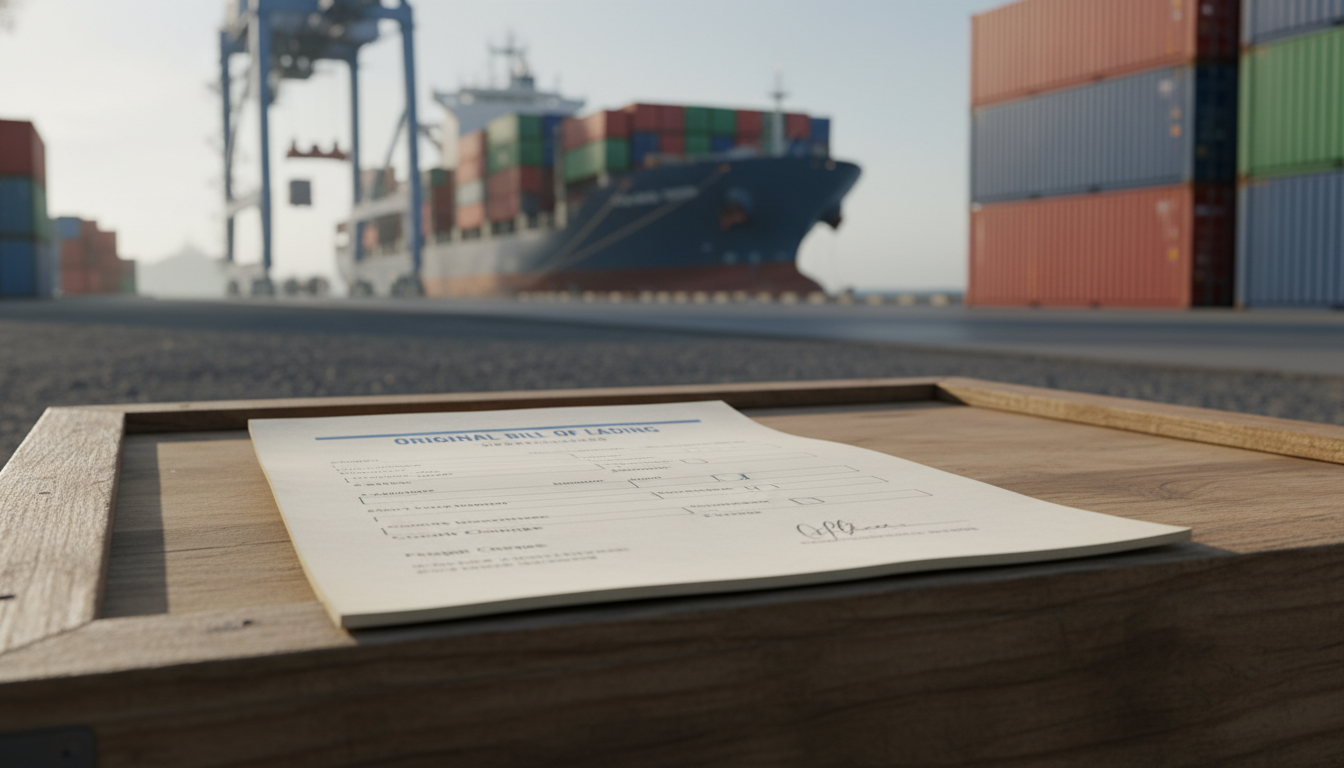
Step-by-Step Guide to Reading a Bill of Lading
FBA importers must accurately interpret the Bill of Lading (BOL) to ensure proper shipment processing. Below is a practical, step-by-step guide to effectively reading a BOL:
- Identify the Shipper and Consignee Information
- Locate the shipper’s name, address, and contact information. Ensure it matches your records.
- Verify the consignee details, including name and address, to confirm the correct recipient.
- Review the Carrier Details
- Find the carrier’s name and contact information. This is essential for tracking your shipment and contacting them if issues arise.
- Check Description of Goods
- Examine the description section, which includes details such as item type, quantity, weight, and dimensions. Ensure that this aligns with your purchase order.
- Understand Special Instructions and Terms
- Look for any special handling instructions or terms of service. This may include payment terms, delivery expectations, or specific handling requirements.
- Validate Information for Accuracy
- Cross-check all details for potential discrepancies. Errors in the BOL can lead to customs issues, delays, or additional charges. Take extra care to ensure everything is correct before shipping.
Double-checking the details on the Bill of Lading is critical. Inaccuracies can result in significant compliance issues and shipment delays that affect your inventory management and sales on Amazon.
Best Practices for FBA Importers
FBA importers must adhere to specific best practices to ensure the smooth handling of Bills of Lading (BOL). These practices not only facilitate compliance with regulations but also mitigate potential delays and issues during the shipping process. Below are essential best practices that FBA importers should follow regarding Bills of Lading:
- Ensure compliance with local and international shipping regulations.
- Double-check all information on the BOL for accuracy.
- Keep copies of all shipping documents for record-keeping.
- Communicate clearly with carriers regarding special instructions.
- Stay updated on changes in shipping regulations and Amazon policies.
- Utilize a standardized format for creating and reviewing BOLs.
- Train staff on the importance of accurate documentation and compliance.
- Engage with freight forwarders who specialize in FBA logistics to enhance efficiency.
Bill of Lading Checklist:
- [ ] Verify Shipper Information
- [ ] Confirm Consignee Details
- [ ] Validate Description of Goods
- [ ] Review Terms and Conditions
- [ ] Ensure Compliance with Regulations

Visual Aids and Examples
Visual aids can significantly enhance the understanding of a Bill of Lading (BOL) for FBA importers. Below are resources that clarify complex terms and demonstrate how to navigate the BOL effectively.
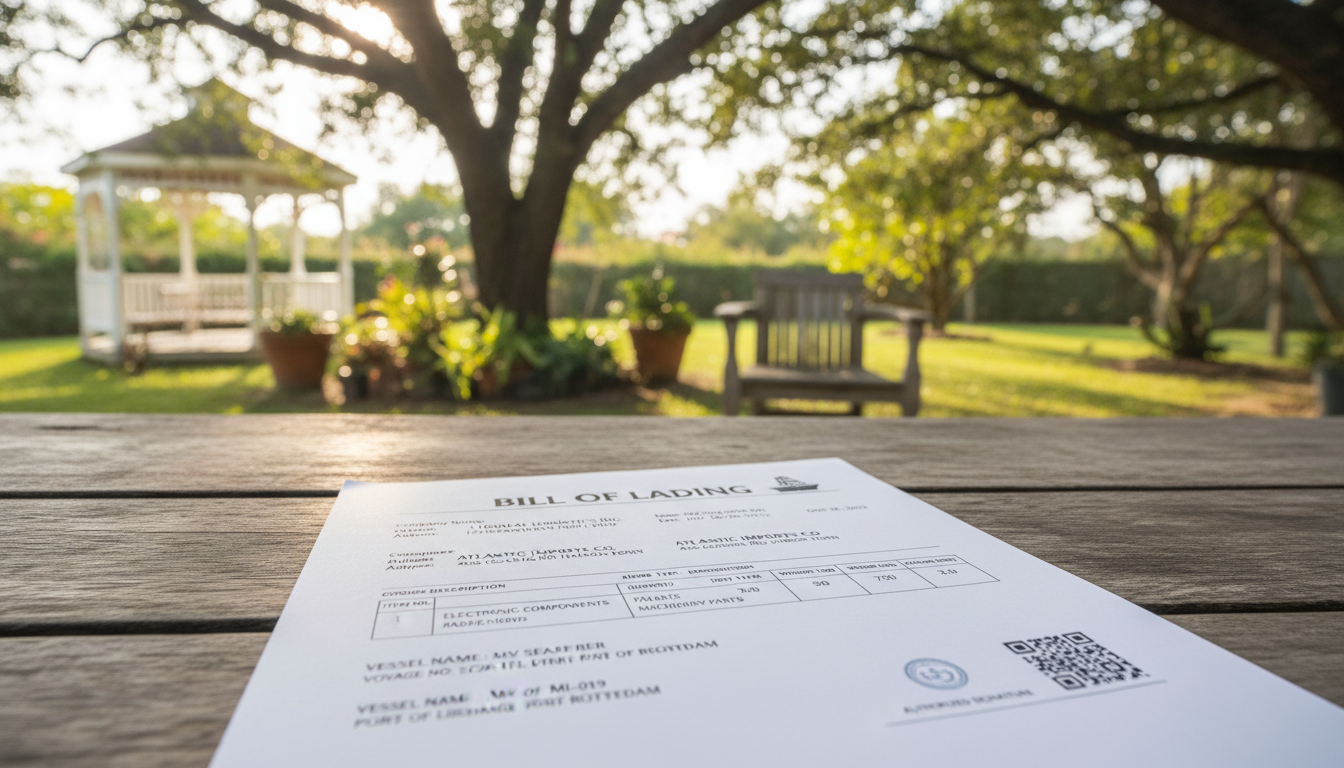
- Sample Bill of Lading: Below is an example of a typical Bill of Lading with annotated explanations for each section. Each label corresponds to crucial components that importers must comprehend.
| Section | Description |
|---|---|
| Shipper Information | Includes the name, address, and contact details of the sender. |
| Consignee Details | Identifies the recipient of the goods, including their name and address. |
| Carrier Information | Contains the name of the shipping line or freight company. |
| Description of Goods | Specifies item details, including weight and dimensions. |
| Terms and Conditions | Outlines the legal obligations and liabilities of both parties. |
- Visual Aids: Diagrams can illustrate the flow of the shipping process, emphasizing where the BOL fits into the overall logistics framework. Key sections to identify include:
- Shipper Information
- Consignee Details
- Carrier Information
- Description of Goods
- Terms and Conditions
- Common Mistake Example: A frequent error occurs when importers misread the consignee details. For instance, if the consignee’s address is incorrect, it can lead to delays in delivery and additional shipping costs. To correct this, always double-check the recipient’s information against official documents and confirm with the carrier before finalizing the BOL.
By utilizing these visual aids and being aware of common pitfalls, FBA importers can navigate their Bills of Lading more effectively, ensuring compliance and smooth importation processes.
FAQs about Bills of Lading
Understanding common questions and concerns can help FBA importers effectively manage their Bills of Lading and avoid errors. Below are frequently asked questions, with clear answers and examples to assist in navigating potential challenges.
- What to do if information is incorrect?
- If any part of the Bill of Lading contains incorrect information, contact your carrier immediately to correct the discrepancies. Keeping a record of the original document and the correction request is essential for accountability.
- How to handle disputes with carriers?
- Maintain clear communication with the carrier regarding the issue. Document all interactions and provide evidence to support your claims, such as shipping receipts and photographs of the goods. If necessary, escalate the dispute to a higher authority within the carrier’s organization.
- Tips for ensuring accuracy in documentation:
- Double-check all information before shipping, including shipper and consignee details.
- Compare the BOL with the purchase order and invoices to ensure consistency.
- Utilize a checklist to confirm all required fields are filled out correctly.
- Common errors to avoid:
- Incorrect consignee details can lead to delivery delays or misrouted shipments.
- Misdescription of goods may result in customs fines or penalties.
- Failing to include special handling instructions can lead to damages during transit.
| Common Concern | Resolution |
|---|---|
| Incorrect Information | Contact carrier immediately for corrections. |
| Disputes with Carriers | Document all evidence and maintain clear communication. |
| Accuracy of Documentation | Double-check details against purchase orders and invoices. |
| Consignee Errors | Verify consignee details before finalizing the shipment. |
| Goods Misdescription | Ensure accurate descriptions to avoid customs issues. |
Final Words
Final Words
Understanding the Bill of Lading is crucial for FBA importers navigating international shipping. This guide covered its definition, key components, and best practices to ensure accurate documentation.
FBA sellers can streamline their import process by mastering how to read a Bill of Lading, identifying critical sections, and avoiding common pitfalls.
By implementing these strategies, sellers can mitigate risks and enhance their operational efficiency. With this knowledge, managing logistics becomes less daunting and more manageable.
Adopting these practices will lead to a smoother, more successful shipping experience. How to Read a Bill of Lading: A Practical Guide for FBA Importers will empower sellers to confidently handle their shipping needs.
FAQ
Q: What is a Bill of Lading?
A: A Bill of Lading (BOL) is a contract between the shipper and carrier, detailing shipping terms, serving as a receipt for goods, and essential for FBA importers.
Q: What are the key components of a Bill of Lading?
A: Key components include shipper information, consignee details, carrier information, description of goods, and terms and conditions, each serving a specific purpose in the shipping process.
Q: How do I read a Bill of Lading?
A: To read a BOL, identify critical sections like shipper and consignee information, review carrier details, check goods description, understand terms, and validate accuracy.
Q: What best practices should FBA importers follow regarding Bills of Lading?
A: Best practices include ensuring regulatory compliance, verifying BOL information, keeping shipping document copies, and maintaining clear communication with carriers.
Q: How can visual aids help with understanding a Bill of Lading?
A: Visual aids, such as annotated samples and diagrams, clarify complex terms and illustrate the shipping process, enhancing comprehension of the Bill of Lading.
Q: What common errors occur with Bills of Lading?
A: Common errors include incorrect consignee details, misdescription of goods, and missing information, which can lead to compliance issues and shipping delays.
Leave a Reply