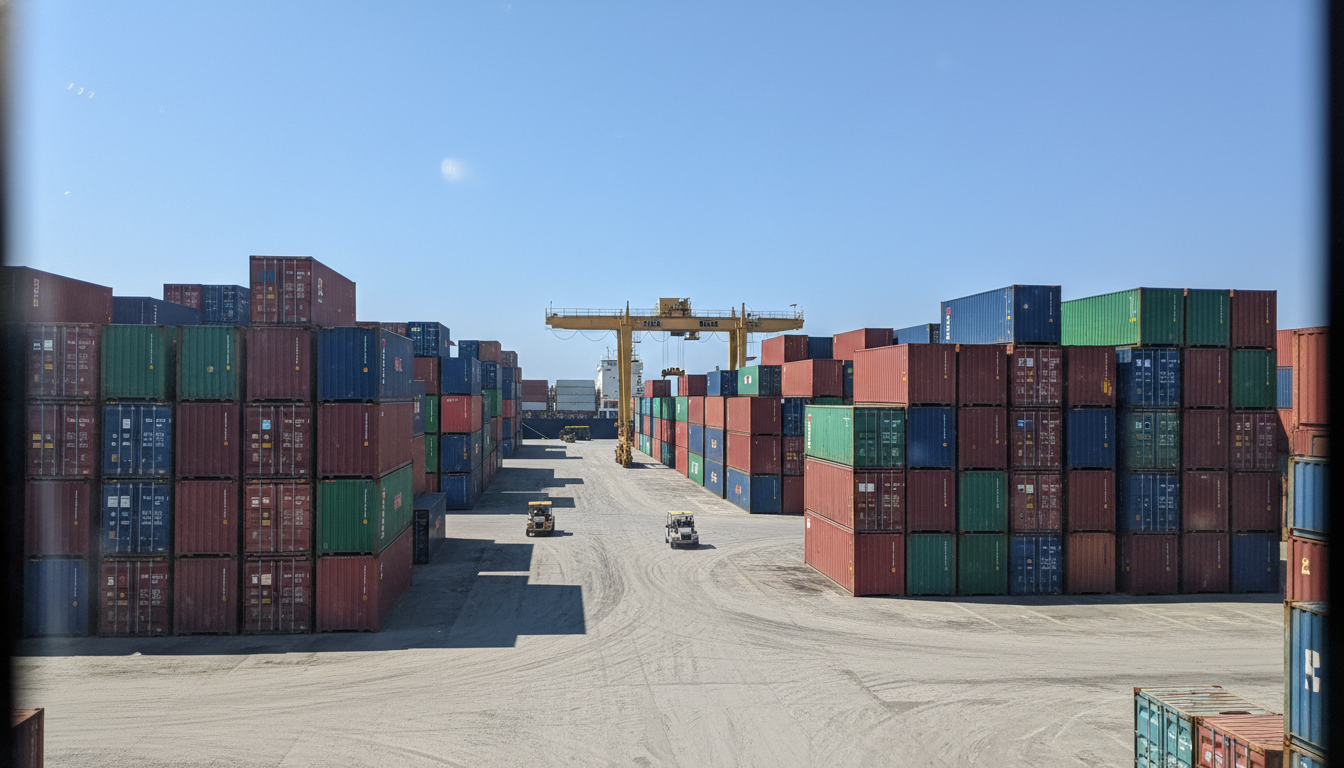
Choosing the right shipping method can make or break an Amazon seller’s profitability. With Full Container Load (FCL) and Less than Container Load (LCL) options available, sellers often find themselves at a crossroads, unsure of which path to take. FCL promises dedicated space for bulk shipments, while LCL offers flexibility for smaller loads. This blog post will explore the crucial differences between FCL and LCL, providing Amazon sellers with the insights needed to optimize their logistics strategy. Understanding these shipping methods is vital for making informed decisions that enhance efficiency, reduce costs, and ultimately drive success in the competitive e-commerce landscape.
Sea Freight FCL vs LCL: Choose the Best for Sellers
Full Container Load (FCL) and Less than Container Load (LCL) are two primary shipping methods utilized in sea freight, each catering to different seller needs.
- Definition of FCL
FCL is a shipping method where an entire container is dedicated to one shipper. This means that the seller books the entire container space for their goods, allowing for direct shipping without sharing the space with others. FCL is typically more cost-effective for larger shipments, as it reduces the per-unit shipping cost. Additionally, it minimizes handling, which can lead to lower risks of damage and faster delivery times.
- Definition of LCL
LCL is a shipping method where multiple shippers share a single container, allowing for smaller shipments to be combined into one container. This method is advantageous for sellers who do not have enough goods to fill an entire container, making it a flexible option for low-volume shipments. However, LCL can incur additional costs associated with consolidation and may lead to longer transit times due to the need for cargo to be grouped with other shipments.
Understanding these definitions is crucial for Amazon sellers to determine which shipping method aligns with their business strategies and inventory needs.
Cost Comparison of Sea Freight FCL vs LCL
- FCL Cost Analysis
- Average cost per unit decreases significantly with larger shipment sizes, due to fixed costs being spread over more units.
- Typical costs range from $1,200 to $3,000 for a 20-foot container, depending on the shipping route and destination.
- Economies of scale become apparent when shipping over 10,000 pounds or more, making FCL more attractive for high-volume sellers.
- Limited extra charges beyond basic freight, except for port fees and customs duties, simplifying cost forecasting.
- LCL Cost Analysis
- Cost per unit is higher due to shared container fees and consolidation charges, typically ranging from $50 to $150 per cubic meter.
- Additional fees for handling, documentation, and possible warehouse storage can increase overall shipping costs.
- Not ideal for shipments under 1,000 pounds due to fixed minimum charges, making it less economical for small orders.
- Transit times may be longer due to the consolidation process, potentially leading to indirect costs associated with stock-outs.
- When to Choose Each Option
- Choose FCL when shipping large volumes (10,000 pounds or more) to maximize cost savings per unit.
- Opt for FCL if time is critical, as it generally results in faster transit times without delays from consolidation.
- Select LCL for smaller, diverse shipments where filling an entire container is not feasible, especially for testing new products.
- Consider LCL for shipments where flexibility in order size and frequency is essential for managing cash flow effectively.
Speed and Efficiency in Sea Freight
- Transit Times for FCL
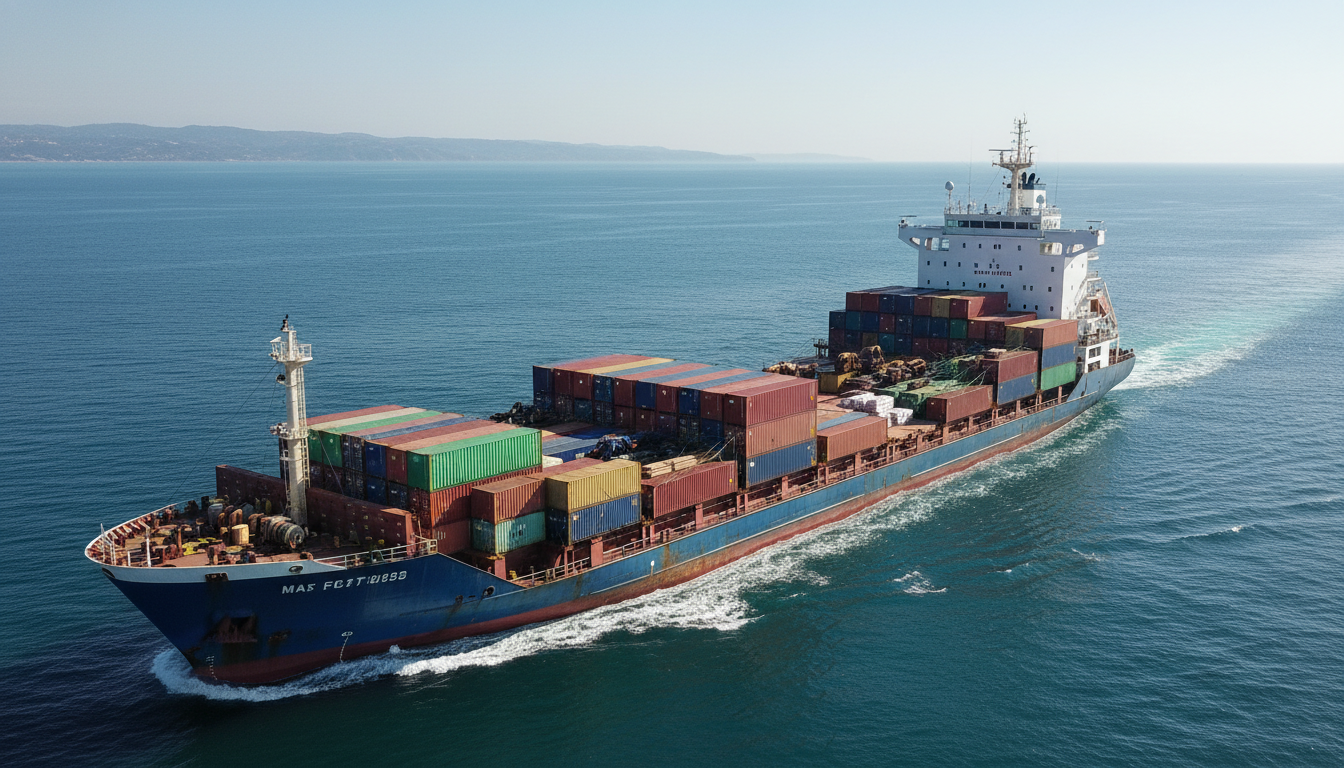
FCL shipping typically offers faster transit times as the entire container is dedicated to one seller’s shipment. This means fewer stops and direct routing to the destination, which can lead to delivery times ranging from 10 to 30 days, depending on distance and shipping lane. The direct nature of FCL allows Amazon sellers to replenish their inventory quickly, ensuring that stock levels remain optimal and eliminating the risk of stockouts. This efficiency is crucial for maintaining sales momentum and customer satisfaction, particularly during peak sales periods.
- Transit Times for LCL
LCL shipping can introduce delays due to the need for consolidation. Shipments are grouped with those of other sellers, which can lead to longer transit times, often extending from 20 to 60 days. The consolidation process involves waiting for enough cargo to fill a container, resulting in potential wait times at the warehouse before shipping. Additionally, handling multiple shipments can increase the risk of delays, affecting delivery schedules. For Amazon sellers, these delays can disrupt inventory flow, making LCL less suitable for time-sensitive deliveries or rapid product launches.
Suitability for Amazon Sellers: FCL vs LCL
- Best Scenarios for FCL
- High-volume shipments exceeding 10,000 pounds, maximizing cost efficiency per unit.
- Consistent demand for products, allowing sellers to benefit from bulk shipping and reduced overall costs.
- Products with longer shelf lives or stable inventory turnover rates, reducing the risk of obsolescence.
- Sellers who prefer faster transit times, as FCL typically offers direct shipping without delays due to consolidation.
- Businesses with predictable sales patterns that can plan shipments to fill entire containers.
- Best Scenarios for LCL
- Smaller shipments that do not require a full container, typically less than 1,000 pounds.
- Diverse product lines where sellers need to ship multiple SKUs without overcommitting to inventory.
- New product launches or test runs, allowing sellers to gauge market demand without large upfront investments.
- Seasonal products or limited-time offers, where sellers can ship smaller quantities to adapt to changing market conditions.
- Sellers facing cash flow constraints who prefer to minimize upfront shipping costs while maintaining flexibility.
Choosing between FCL and LCL is crucial for maximizing shipping efficiency and cost-effectiveness, depending on the seller’s unique inventory needs and business strategies.
Pros and Cons of FCL and LCL
- Advantages of FCL
- Lower cost per unit for large shipments due to fixed costs being spread across more goods.
- Faster delivery times as FCL shipments typically avoid consolidation delays.
- Reduced handling and risk of damage since the cargo is not transferred between different containers.
- Greater control over shipment schedules, as sellers can book and utilize the entire container space as needed.
- More predictable transit times, which is crucial for inventory management and planning.
- Disadvantages of FCL
- Higher upfront costs since sellers must pay for the entire container, which may not be economical for smaller shipments.
- Requires sufficient volume to justify the use of a full container, limiting flexibility for low-volume sellers.
- Space constraints may pose challenges for sellers who do not have enough goods to fill the container optimally.
- Potential for longer lead times if the seller must wait for enough products to accumulate before shipping.
- Advantages of LCL
- Flexibility to ship smaller quantities, making it ideal for sellers who have diverse product lines or are testing new items.
- Lower initial investment since sellers only pay for the space their goods occupy within a shared container.
- No need to maintain excess inventory, allowing for better cash flow management.
- Suitable for quick restocks of low-volume items without committing to a full container shipment.
- Disadvantages of LCL
- Higher cost per unit due to shared container fees and additional charges for handling and documentation.
- Potential delays in delivery as LCL shipments depend on the consolidation process, which can lead to longer transit times.
- Increased risk of damage or loss during handling as goods are transferred multiple times before reaching their destination.
- Less control over shipping schedules, as timing is dictated by the consolidation of multiple shipments.
Practical Tips for Amazon Sellers Choosing FCL or LCL
- Analyze Shipment Size
- Assess the total weight and volume of your products to determine if FCL or LCL is more economical.
- Use a shipping calculator to estimate costs based on your shipment size to see which option offers better pricing.
- Consider future growth; if you anticipate larger orders, FCL may provide more cost-effective solutions down the line.
- Evaluate whether your product dimensions can fit efficiently in an LCL shipment without incurring excessive fees.
- Timing Considerations
- Monitor seasonal demand trends to decide on shipping methods; FCL may be beneficial during peak seasons for faster restocks.
- Factor in lead times for manufacturing and shipping, as LCL may introduce delays due to the consolidation process.
- Plan shipments well ahead of critical sales events (e.g., holidays) to ensure inventory availability without delays.
- Align shipment schedules with Amazon’s inventory performance metrics to avoid stockouts or excess inventory during slow periods.
- Budgeting for Shipping
- Create a detailed budget that includes all potential costs, including freight, customs duties, and handling fees for both FCL and LCL.
- Be aware of hidden fees that may arise with LCL, such as consolidation charges or additional handling fees.
- Regularly review shipping costs against sales performance to identify potential savings or areas needing adjustment.
- Use historical shipping data to forecast future costs and enhance budgeting accuracy for upcoming shipments.
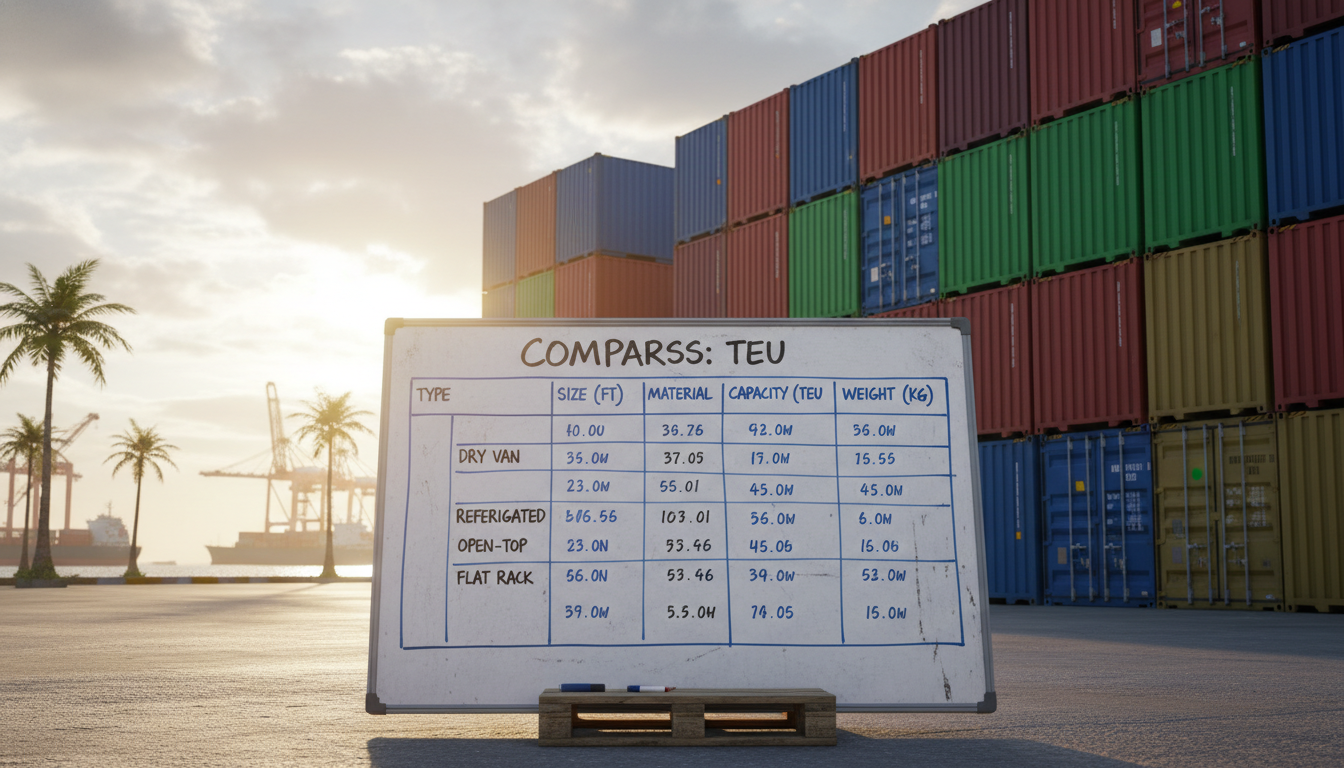
| Consideration | FCL | LCL |
|---|---|---|
| Shipment Size | Best for large volumes (over 10,000 lbs) | Ideal for smaller, mixed orders |
| Transit Time | Faster, direct shipping | Longer due to consolidation |
| Cost Efficiency | Lower per unit cost | Higher per unit cost |
| Flexibility | Less flexible, requires full container | More flexibility for varying order sizes |
Real-Life Case Studies of FCL and LCL for Amazon Sellers
- Case Study 1: FCL Success
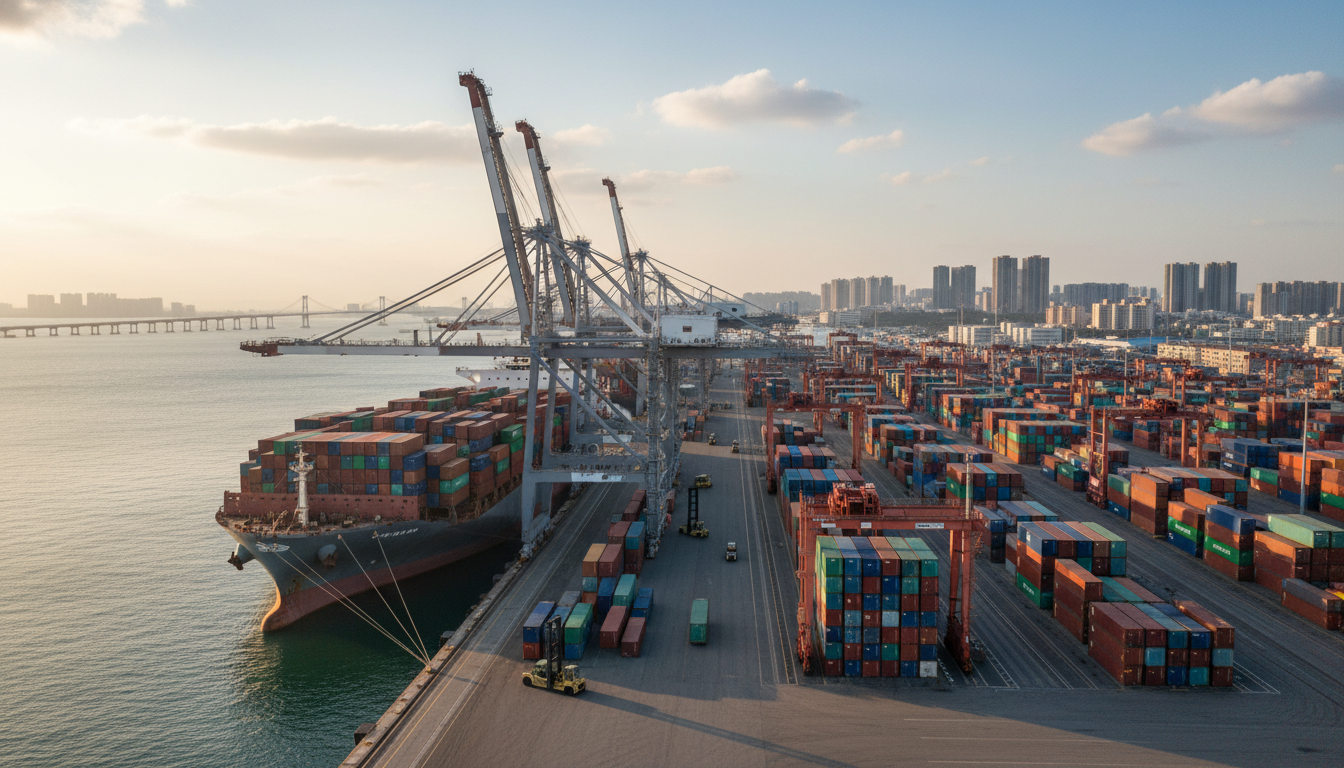
An Amazon seller specializing in home goods utilized FCL for their bulk shipments from China. By booking a 40-foot container, they were able to transport 25,000 units of their best-selling kitchen gadgets. The cost per unit dropped significantly to $0.80, compared to previous LCL shipments where costs reached $1.50 per unit. The seller reported that the direct shipping method reduced transit time to the Amazon fulfillment center by two weeks, allowing for quicker restocks and higher sales velocity. Additionally, with fewer handling processes involved, the risk of damage was minimized, resulting in lower return rates.
- Case Study 2: LCL Success
A new Amazon seller entered the beauty product market and opted for LCL shipments to test their product line. Initially, they shipped 1,200 units of various skincare items, filling only a portion of the container. This flexibility allowed them to gauge customer interest without the financial commitment of a full container. Although the cost per unit was higher at $2.00, the seller appreciated the ability to diversify their offerings without being tied to large inventory investments. The LCL option also helped them manage cash flow effectively, enabling them to reinvest profits into marketing campaigns as they gained traction on the platform.
- Lessons Learned
- FCL is ideal for high-volume sellers seeking cost efficiency and faster delivery.
- LCL offers flexibility for small shipments, making it suitable for new sellers testing products.
- Understanding shipment size and budget constraints is crucial in selecting the appropriate shipping method.
- Sellers should analyze their inventory needs and market demand before committing to FCL or LCL.
- Both methods can be strategically employed, depending on the seller’s operational goals and product offerings.
Final Words
Final Words
The analysis of Sea Freight FCL vs LCL reveals critical insights for Amazon sellers. By understanding the distinct characteristics of Full Container Load and Less than Container Load, sellers can make informed decisions that align with their shipping needs.
Cost comparisons and efficiency metrics further highlight when each option proves advantageous. Practical tips and real-life case studies offer actionable guidance, demonstrating how both methods can optimize logistics strategies.
Ultimately, being equipped with this knowledge empowers sellers to navigate shipping complexities confidently, ensuring a smoother import process. Choosing the right option in Sea Freight FCL vs LCL: Which Option Wins for Amazon Sellers? can significantly impact business success.
FAQ
Q: What is Full Container Load (FCL)?
A: Full Container Load (FCL) is a shipping method where one shipper uses an entire container, optimizing space for larger shipments.
Q: What is Less than Container Load (LCL)?
A: Less than Container Load (LCL) is a shipping method where multiple shippers share a container, allowing for smaller shipments to be transported together cost-effectively.
Q: How do FCL and LCL compare in terms of cost?
A: FCL typically offers lower average costs per unit for larger shipments, while LCL involves fees for consolidation and handling, making it more expensive per unit.
Q: When should Amazon sellers choose FCL over LCL?
A: Sellers should choose FCL for high-volume shipments to reduce per-unit costs, while LCL is better for smaller, diverse shipments or testing new products.
Q: What are the transit times for FCL?
A: FCL generally has faster transit times due to direct shipping processes, minimizing delays associated with container sharing.
Q: What are the potential delays with LCL?
A: LCL may experience delays due to the consolidation process and logistics involved in sharing container space amongst multiple shippers.
Q: What are the advantages of using FCL?
A: Key advantages of FCL include lower cost per unit, faster delivery times, and dedicated use of container space, enhancing shipping efficiency.
Q: What are the disadvantages of using FCL?
A: Disadvantages of FCL include higher upfront costs and the requirement for sufficient shipment volume to justify container use.
Q: What are the advantages of using LCL?
A: LCL offers flexibility for smaller shipments and lower initial investment, making it suitable for sellers with diverse inventory needs.
Q: What are the disadvantages of using LCL?
A: Disadvantages of LCL include higher costs per unit and potential delays in delivery due to shared container logistics.
Q: How can Amazon sellers analyze shipment size?
A: Sellers should assess their shipment size to determine whether FCL or LCL is more cost-effective based on their inventory volume.
Q: What timing considerations should sellers keep in mind?
A: Seasonal demands and lead times significantly influence shipping decisions, impacting the choice between FCL and LCL.
Q: Why is budgeting important for shipping?
A: Understanding total shipping costs, including hidden fees, is crucial for Amazon sellers to make informed financial decisions regarding shipping methods.
Q: Can you provide a case study of FCL success?
A: A seller utilized FCL for bulk shipments, experiencing significant cost savings and improved efficiency in delivery timelines.
Q: Can you provide a case study of LCL success?
A: Another seller leveraged LCL for flexibility, successfully managing smaller shipments tailored to customer demands and testing new products.
Q: What lessons can Amazon sellers learn from these case studies?
A: Key takeaways include the importance of shipment size, cost analysis, and flexibility in choosing the appropriate shipping method for their business needs.
Leave a Reply