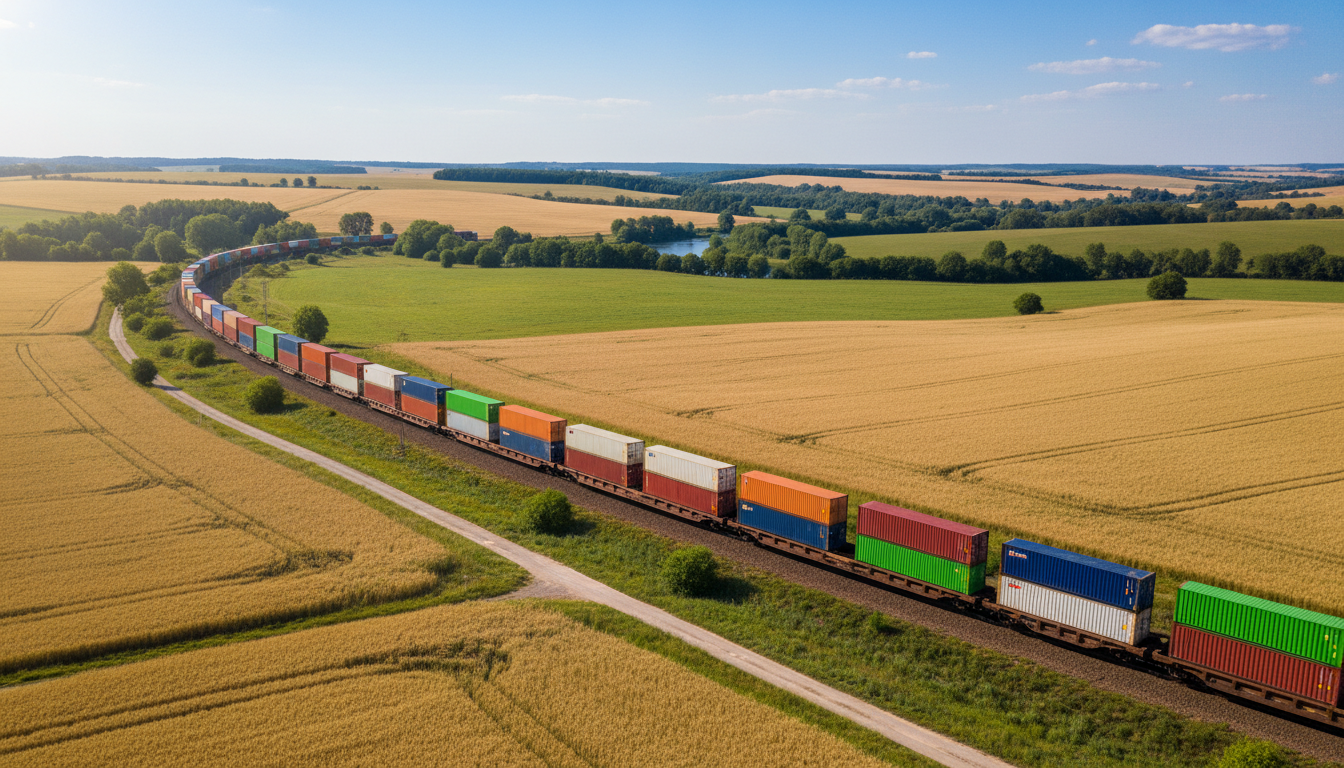
Is rail freight the hidden gem of Amazon FBA logistics, or merely a forgotten relic of the past? As e-commerce continues to evolve, savvy sellers are discovering that rail freight offers unparalleled cost savings and efficiency, challenging traditional shipping methods. In this blog post, we’ll explore how rail freight can transform your supply chain strategy. By understanding the mechanisms of rail transport and its advantages, FBA sellers can unlock significant financial benefits while also contributing to a more sustainable future. Prepare to re-evaluate your shipping choices and harness the power of rail freight.
## Final Words
## Final Words
In the action of optimizing logistics, rail freight emerges as a compelling option for FBA sellers. This article explored how rail freight services offer cost efficiency, environmental sustainability, and reliability, making them a strong contender against traditional transport methods.
The advantages of rail freight are evident, particularly for bulk shipments where savings can reach 40%. As e-commerce continues to grow, understanding and leveraging rail freight will be crucial for maintaining a competitive edge.
Embracing rail freight to FBA not only enhances operational efficiency but also contributes positively to sustainability goals, ensuring sellers can thrive in a challenging market.
## FAQ
### Q: What is rail freight shipping for FBA?
A: Rail freight shipping involves transporting goods via train to Amazon’s Fulfillment by Amazon (FBA) centers, offering cost-effective and environmentally sustainable logistics solutions.
### Q: What are the key advantages of rail freight for e-commerce?
A: Rail freight provides cost savings, reduced carbon footprint, reliable delivery schedules, and efficient handling of bulk shipments, making it ideal for e-commerce businesses, particularly FBA sellers.
### Q: How does rail freight compare in cost to other shipping methods?
A: Rail freight can save FBA sellers 20%-40% compared to trucking and air freight, especially for long-distance and bulk shipments, influenced by factors like distance and cargo volume.
### Q: What environmental benefits does rail freight offer?
A: Rail freight has a lower carbon footprint than trucking and air freight, contributing to sustainability initiatives in the transport industry, making it a greener choice for logistics.
### Q: How reliable is rail freight compared to trucking and air freight?
A: Rail freight typically offers more reliable delivery schedules, with consistent transit times, though trucking may be faster for short distances, while air freight is the quickest but most costly.
### Q: What documentation is needed for rail freight shipments to FBA?
A: Sellers must prepare customs documentation and comply with specific regulations related to FBA and rail freight, ensuring all paperwork is complete before shipment.
### Q: How can sellers choose the right rail freight provider?
A: Key considerations include evaluating the provider’s reputation, service offerings, and ability to meet specific seller needs, ensuring alignment with logistics requirements.
### Q: What are some real-world examples of businesses using rail freight for FBA?
A: Numerous case studies highlight companies that achieved significant cost savings and efficiency improvements by integrating rail freight into their FBA logistics strategies.
### Q: What challenges do businesses face when using rail freight?
A: Common challenges include navigating regulations, managing timelines, and ensuring compliance, but successful users often share insights and best practices to overcome these obstacles.
Leave a Reply