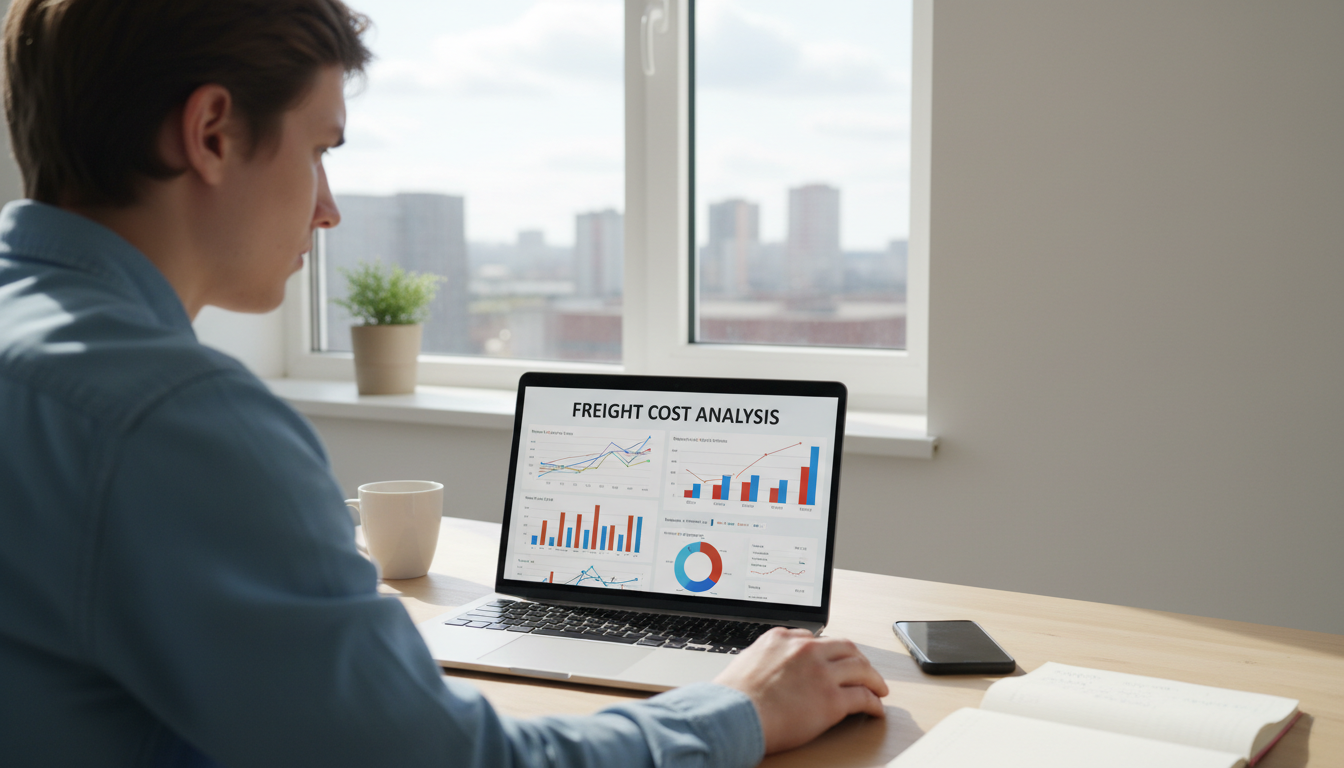
How can a simple miscalculation in freight costs derail an Amazon FBA seller’s entire profit margin? As e-commerce grows increasingly competitive, understanding how to accurately calculate freight costs has never been more crucial. In 2026, with fluctuating shipping rates and evolving logistics strategies, Amazon sellers must refine their cost-calculation skills to ensure profitability. This guide will provide essential insights into freight cost calculation for Amazon FBA, equipping sellers with the knowledge to navigate complexities and make informed decisions. By mastering these calculations, sellers can enhance their supply chain efficiency and bolster their bottom line.
How to Calculate Freight Costs for Amazon FBA in 2026
Freight cost calculation for Amazon FBA involves several critical components that sellers must understand to optimize their shipping expenses. Accurate calculations ensure budget management and enhance profitability.
- Steps to Calculate Freight Costs:
- Determine the weight and dimensions of the product: Weigh the product in pounds (lbs) and measure its dimensions in inches (length, width, height). This data is essential for calculating freight charges accurately.
- Choose the shipping method: Select between air, sea, or rail based on urgency and budget. Each method has distinct cost structures and delivery timelines.
- Calculate freight based on weight:
- Actual weight: The physical weight of the cargo.
- Volumetric weight: Calculated using the dimensions of the shipment, often using the formula:
- Freight rates will usually apply to the greater of the actual or volumetric weight.
- Important Factors:
- Shipping distance: Longer distances typically incur higher freight costs.
- Service level: Express shipping options are faster but generally cost more than standard services.
- Fuel surcharges: Fluctuations in fuel prices can significantly impact overall shipping costs, so consider this when estimating expenses.
| Shipping Method | Cost Factor |
|---|---|
| Air Freight | Higher cost, faster delivery |
| Sea Freight | Lower cost, slower delivery |
| Rail Freight | Moderate cost, balanced speed |
Analyzing 2026 Amazon Shipping Rates
Amazon FBA sellers must stay informed about the expected shipping rates in 2026 to optimize their logistics budgets effectively. Several key factors will influence these rates, leading to either increases or decreases in shipping expenses.
- Key Influences on Shipping Rates:
- Market demand and capacity: As e-commerce continues to grow, fluctuations in demand can lead to capacity constraints, which may drive up shipping costs.
- Fuel price fluctuations: Changes in global fuel prices directly impact freight costs. Higher fuel prices generally result in increased shipping rates across all modes of transport.
- Changes in regulations and tariffs: New regulations or tariffs, especially in key markets like the EU and the US, could affect shipping costs, particularly for goods subject to additional duties.
- List of Expected Rate Changes:
- Air freight costs: Anticipated to increase due to demand spikes and capacity limitations.
- Sea freight pricing trends: Rates may stabilize or decrease as shipping lanes become more efficient and competition increases.
- Estimated impact of fuel prices on shipping rates: Projections indicate that if fuel prices rise significantly, shippers may pass these costs onto sellers, leading to higher overall freight expenses.
| Shipping Method | Expected Rate Change |
|---|---|
| Air Freight | Increase |
| Sea Freight | Stabilization or Decrease |
| Rail Freight | Moderate increase anticipated |
Utilizing an Amazon FBA Freight Cost Estimator
Amazon FBA sellers can greatly benefit from utilizing freight cost estimators to streamline their shipping cost calculations. These tools provide insights into estimated shipping expenses, allowing sellers to make informed decisions on logistics.
- Types of Freight Cost Estimators:
- Online tools provided by freight forwarders: Many freight forwarders offer proprietary calculators that provide instant quotes based on input parameters.
- Amazon’s own shipping calculators: Amazon has built-in calculators that help sellers estimate shipping costs specifically for FBA, ensuring compatibility with Amazon’s requirements.
- Third-party logistics software: Various logistics platforms offer comprehensive freight cost estimation tools that can integrate with multiple shipping carriers for accurate comparisons.
- Steps to Use a Freight Estimator:
- Input product dimensions and weight: Accurate measurements are crucial. Enter the length, width, height, and total weight of the shipment to receive an accurate quote.
- Select shipping origin and destination: Specify where the shipment is coming from and where it will be delivered. This will affect the overall cost.
- Review estimated costs and adjust variables as needed: After generating the initial quote, sellers can experiment with different shipping methods or carriers to see how changes affect costs.
- Benefits of Using an Estimator:
- Accurate budgeting: Estimators provide realistic cost projections, assisting sellers in financial planning and ensuring that unexpected costs do not disrupt cash flow.
- Comparison of different shipping options: Sellers can quickly compare costs across various carriers and shipping methods, enabling them to choose the most cost-effective solution.
- Time-saving in cost analysis: Automating the cost calculation process reduces the time needed for sellers to analyze shipping options, allowing them to focus on other critical aspects of their business.
| Estimator Type | Key Features |
|---|---|
| Freight Forwarder Tools | Instant quotes, carrier options |
| Amazon Shipping Calculator | FBA compatibility, standard rates |
| Third-Party Software | Integration with multiple carriers, advanced analytics |
Best Practices for Reducing Freight Costs for FBA
Amazon FBA sellers can implement several strategies to effectively minimize freight costs while ensuring efficiency in their shipping operations. Understanding these best practices can lead to significant savings in logistics expenses.
- List of Cost-Saving Strategies:
- Consolidate shipments to lower per-unit costs: By combining multiple orders into a single shipment, sellers can take advantage of bulk shipping rates, reducing the overall cost per unit.
- Utilize multi-modal shipping options: Employing combinations of air, sea, and rail freight can help optimize shipping costs based on urgency and budget. Selecting the right mode for each leg of the journey can balance speed and expense.
- Plan shipments during off-peak seasons: Shipping during less busy times can lead to lower rates and reduced surcharges. Sellers should analyze seasonal trends to determine the best times to ship.
- Examples of Cost Reduction:
- Comparing quotes from multiple freight forwarders: Sellers should solicit estimates from various logistics providers to find the best rates and services tailored to their needs.
- Leveraging bulk shipping discounts: Many freight companies offer discounts for larger volume shipments. Sellers should negotiate these rates when planning larger purchases.
- Implementing efficient inventory management practices: By accurately forecasting inventory needs, sellers can reduce the frequency of shipments, leading to lower overall freight costs.
| Shipping Method | Cost Comparison |
|---|---|
| Air Freight | Higher cost but faster delivery |
| Sea Freight | Lower cost, slower delivery |
| Rail Freight | Moderate cost, balanced speed |
Understanding the Impact of Fuel Prices on FBA Shipping
Fluctuations in fuel prices significantly influence overall shipping costs for Amazon FBA sellers. Understanding this relationship is essential for sellers to anticipate changes in their shipping expenses and adjust accordingly.
- Key Points:
- Historical trends of fuel prices and shipping rates: Over the past few years, there has been a direct correlation between rising fuel prices and increasing freight rates. As fuel costs surge, logistics providers often pass these expenses onto sellers.
- Anticipated fuel price changes in 2026: Analysts project potential increases in fuel prices due to geopolitical tensions and supply chain disruptions, which could drive up shipping costs across all modes of transport.
- Strategies to mitigate fuel cost impacts: Sellers can adopt several strategies to minimize the effects of rising fuel prices, such as:
- Utilizing consolidated shipments to maximize load efficiency.
- Opting for slower, more cost-effective shipping methods when time sensitivity allows.
- Monitoring fuel price trends to time shipments strategically.
| Shipping Method | Current Rate | Estimated Rate Increase |
|---|---|---|
| Air Freight | $5.00/lb | 15% |
| Sea Freight | $1,200/20ft container | 10% |
| Rail Freight | $1,000/40ft container | 8% |
Freight Forwarding Solutions for Amazon Sellers
Freight forwarders play a crucial role in optimizing shipping for Amazon FBA sellers, providing invaluable support throughout the logistics process. Their expertise can simplify complex shipping requirements and lower overall costs.
- Benefits of Using a Freight Forwarder:
- Expertise in logistics and compliance: Freight forwarders are knowledgeable about international shipping regulations, customs procedures, and compliance requirements, ensuring smooth operations.
- Access to better freight rates: Due to established relationships with carriers, freight forwarders can negotiate competitive rates that individual sellers may not achieve on their own.
- Comprehensive shipping solutions: They offer end-to-end services, managing everything from factory pickup to delivery at Amazon fulfillment centers, streamlining the entire process.
- Steps to Select a Freight Forwarder:
- Assess experience with Amazon FBA: Look for forwarders who specialize in Amazon logistics, as they understand specific requirements and challenges.
- Compare service offerings and costs: Evaluate different forwarders based on the services they provide and their pricing structures to find the best fit for your needs.
- Check references and reviews: Research past customer experiences to gauge reliability and performance.
- List of Questions to Ask a Freight Forwarder:
- What services do you provide?
- How do you handle customs clearance?
- Can you offer cost estimates for multiple shipping methods?
| Benefit | Description |
|---|---|
| Expertise | Knowledge of logistics and compliance requirements |
| Better Rates | Negotiated rates through established carrier relationships |
| Comprehensive Solutions | End-to-end management from factory to Amazon warehouse |
Final Words
Final Words
Understanding freight cost calculation for Amazon FBA in 2026 is crucial for optimizing logistics. This article detailed the steps for calculating freight costs, analyzing expected shipping rates, and utilizing freight cost estimators effectively.
Implementing best practices to reduce freight costs, while considering the impact of fuel prices, ensures sellers maintain profitability. Leveraging freight forwarding solutions can further streamline shipping processes.
With the right strategies in place, sellers can confidently manage their shipping expenses. Knowledge of how to calculate freight costs for Amazon FBA in 2026 will empower sellers to navigate this complex landscape successfully.
FAQ
Q: What factors influence freight cost calculations for Amazon FBA?
A: Freight cost calculations depend on product weight, dimensions, shipping methods, distance, service level, and fuel surcharges.
Q: How can sellers calculate freight costs accurately?
A: Sellers should determine product weight and dimensions, choose a shipping method, and calculate freight based on actual or volumetric weight.
Q: What are the expected shipping rates for Amazon FBA in 2026?
A: Expected shipping rates in 2026 will be influenced by market demand, fuel prices, and changes in regulations and tariffs.
Q: What types of freight cost estimators are available for Amazon FBA sellers?
A: Sellers can use online tools from freight forwarders, Amazon’s shipping calculators, and third-party logistics software for estimating costs.
Q: How do sellers effectively use a freight cost estimator?
A: Sellers should input product dimensions and weight, select shipping origin and destination, then review and adjust estimated costs as needed.
Q: What are best practices for reducing freight costs for Amazon FBA?
A: Sellers can consolidate shipments, utilize multi-modal shipping options, and plan shipments during off-peak seasons to minimize costs.
Q: How do fuel prices impact FBA shipping costs?
A: Fluctuations in fuel prices directly affect shipping costs, with historical trends indicating a correlation that sellers should monitor.
Q: What benefits do freight forwarders offer to Amazon sellers?
A: Freight forwarders provide logistics expertise, better freight rates, and comprehensive shipping solutions from the factory to the Amazon warehouse.
Q: What should sellers consider when selecting a freight forwarder?
A: Sellers should assess the forwarder’s experience with Amazon FBA, compare service offerings and costs, and check references and reviews.
Q: What questions should sellers ask a freight forwarder?
A: Sellers should inquire about provided services, customs clearance handling, and cost estimates for various shipping methods.
Leave a Reply