
Choosing the right carrier for Amazon FBA shipments can make or break a seller’s success. With numerous shipping options available, many sellers find themselves overwhelmed and unsure of where to start. Understanding the nuances of air, sea, and express courier services is crucial for optimizing shipping efficiency and cost. This guide will not only clarify how to evaluate various carriers but will also provide actionable insights into selecting the most suitable option for your specific needs. By making informed decisions, sellers can enhance their logistics strategy, streamline operations, and ultimately boost profitability.
Understanding Amazon FBA Shipping Carriers
Amazon FBA sellers have various shipping carriers at their disposal, each catering to different needs and shipment types. Understanding these options can significantly streamline operations and enhance efficiency.
- Air Freight: Fast shipping method suitable for urgent restocks and product launches. Ideal for high-value or time-sensitive products.
- Sea Freight: Cost-effective solution for bulk shipments, perfect for large orders where delivery speed is less critical. Commonly used for importing goods from overseas suppliers.
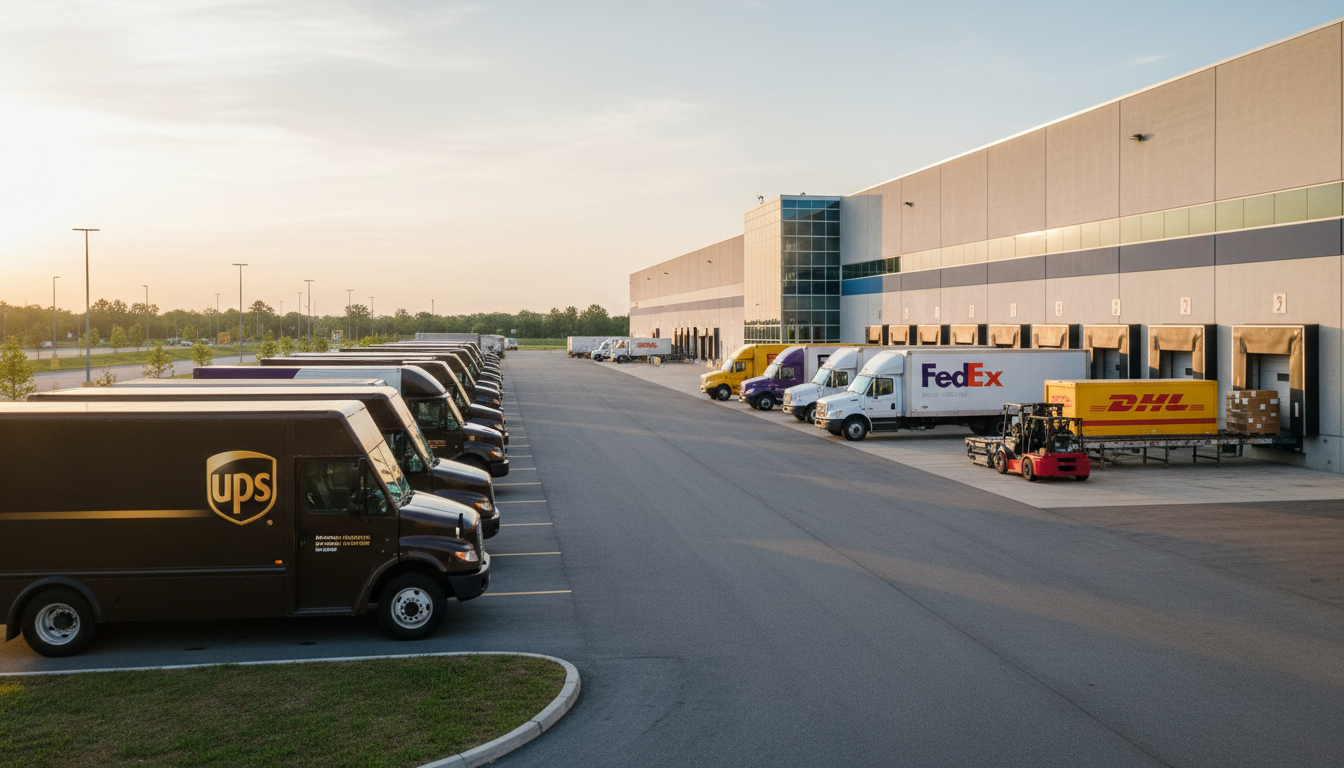
- Express Courier: Best suited for sending samples or urgent deliveries. Services like DHL, FedEx, and UPS provide quick transit times, making them favorable for last-minute needs.
| Carrier Type | Speed | Cost | Best Use Case |
|---|---|---|---|
| Air Freight | 1-5 days | High | Urgent restocks, new product launches |
| Sea Freight | 15-30 days | Low | Cost-effective bulk shipments |
| Express Courier | 1-3 days | Medium-High | Samples, time-sensitive deliveries |
Key Factors in Choosing a Carrier for Amazon FBA
Selecting the right shipping carrier for Amazon FBA shipments involves careful consideration of several key factors. Each of these elements can significantly impact the efficiency and cost-effectiveness of your logistics operations.
- Cost: Analyze shipping rates from different carriers while keeping an eye out for hidden fees. Understanding the total cost, including surcharges, is crucial for accurate budgeting.
- Speed: Evaluate delivery timelines for each shipping method. Choose a carrier that aligns with your urgency—whether you need fast restocks or can accommodate longer transit times.
- Reliability: Research carriers by reviewing their performance metrics and customer feedback. A reliable carrier ensures timely deliveries and minimizes complications.
- Service Types: Assess the additional services offered by carriers, such as shipment tracking, customer support, and insurance options. These services can enhance your shipping experience and provide peace of mind.
Common mistakes to avoid when choosing a carrier for FBA:
- Not comparing multiple carriers before making a decision.
- Overlooking hidden fees that can inflate shipping costs.
- Ignoring delivery speed in favor of low cost, which can lead to stockouts.
- Failing to consider the carrier’s reputation and reliability.
- Neglecting to evaluate service options that could enhance shipment visibility.
By carefully considering these factors, sellers can make informed decisions that optimize their shipping processes for Amazon FBA.

Comparing Popular Carriers for Amazon FBA
Selecting the appropriate shipping carrier is crucial for Amazon FBA sellers. Here’s a comparative analysis of major carriers, focusing on their strengths and weaknesses to aid decision-making.
| Carrier | Cost | Speed | Reliability | Service Types |
|---|---|---|---|---|
| UPS | Medium | 1-5 days (domestic) | High | Ground, air, freight |
| FedEx | Medium-High | 1-3 days (express) | High | Express, ground, freight |
| DHL | High | 2-7 days (international) | High | Express, air freight |
- UPS: Strong for domestic shipping, offering reliable ground and air services. They provide extensive tracking options and have a solid reputation for timely deliveries.
- FedEx: Known for excellent tracking services, FedEx is preferred for express shipments. Their expedited options make them a top choice for urgent FBA needs, though costs can be higher.
- DHL: Best suited for international shipments, offering quick transit times worldwide. They excel in global logistics and have a strong network for cross-border deliveries, albeit at a premium price.
By analyzing these carriers based on cost, speed, reliability, and service types, Amazon FBA sellers can make informed choices that align with their shipping requirements.
Evaluating Carrier Performance for FBA Shipments
Evaluating the performance of shipping carriers is essential for Amazon FBA sellers to ensure timely and efficient delivery of products. Key metrics can provide insights into how well a carrier can meet business needs.
- On-time Delivery Rates: Check historical data on how often the carrier meets their promised delivery timelines. Reliable carriers should have high on-time delivery percentages.
- Customer Feedback: Analyze reviews and ratings from other sellers regarding their experiences with the carrier. This can reveal insights about service quality and reliability.
- Shipment Tracking: Ensure that the carrier provides real-time visibility into shipment status. Effective tracking systems reduce uncertainty and allow for proactive management of potential delays.
Tools and resources for monitoring carrier performance:
- Carrier Scorecards: Utilize scorecards to assess carrier performance based on key metrics such as delivery times and customer service responsiveness.
- Shipping Analytics Software: Implement software that aggregates shipping data to help analyze trends and performance across multiple carriers.
- Customer Review Platforms: Leverage platforms that aggregate user feedback and reviews to gauge overall satisfaction with various carriers.
- Internal Performance Metrics: Track your own shipping metrics, such as delivery times and customer complaints, to evaluate carrier effectiveness over time.
- Benchmarking Reports: Consult industry reports that benchmark carrier performance against competitors to identify potential improvements.
By systematically evaluating these metrics and utilizing available tools, sellers can make informed decisions about their shipping carriers, enhancing their FBA operations.

Understanding Amazon’s Shipping Requirements
Amazon has specific shipping requirements that FBA sellers must adhere to in order to ensure successful delivery and compliance. Familiarity with these requirements is essential for maintaining operational efficiency and avoiding penalties.
- Labeling: All products must meet Amazon’s FBA labeling standards. Each item should have a scannable barcode that matches the product listing in the seller’s Amazon account. Ensure that labels are clear and correctly applied.
- Packaging: Adhere to guidelines for carton size and weight. Cartons should be sturdy enough to protect products during transit. Additionally, items must be packed in a manner that minimizes movement within the box to prevent damage.
- Delivery Timelines: Sellers must comply with Amazon’s expected delivery dates to fulfillment centers. Timely shipments are crucial for maintaining inventory levels and ensuring products are available for customers.
| Requirement Type | Description | Compliance Tips |
|---|---|---|
| Labeling | Products must have scannable barcodes matching Amazon listings. | Use Amazon’s labeling services if unsure; double-check barcode quality. |
| Packaging | Follow guidelines for carton dimensions and weight limits. | Use sturdy boxes; avoid overpacking to prevent damage. |
| Delivery Timelines | Shipments must arrive by designated dates set by Amazon. | Plan shipments in advance; consider potential delays. |
Tips for Reducing Shipping Costs with FBA
Reducing shipping costs is essential for Amazon FBA sellers to maximize their profit margins while maintaining service quality. Implementing the following strategies can lead to significant savings.
- Consolidation: Combine multiple shipments into one to reduce per-unit shipping costs. This approach is particularly effective when shipping large quantities or when delivery timelines allow for flexibility.
- Seasonal Planning: Identify off-peak shipping periods to avoid higher rates associated with peak seasons. Planning shipments during quieter times can significantly lower costs and enhance delivery reliability.
- Negotiate Rates: Engage with carriers to negotiate shipping rates. Many carriers are willing to offer discounted rates based on shipment volume or long-term partnerships, leading to potential savings.
Cost reduction strategies specific to different shipping methods:
- Air Freight: Utilize volume discounts for bulk shipments and consider using a freight forwarder to access better rates.
- Sea Freight: Opt for Less than Container Load (LCL) shipments when appropriate to avoid paying for unused space in Full Container Loads (FCL).
- Express Courier: Leverage account-based discounts with providers like DHL, FedEx, or UPS for frequent, urgent shipments to lower costs.
By implementing these strategies, Amazon FBA sellers can effectively minimize their shipping expenses, enhancing their overall profitability.
FAQs on Choosing the Right Carrier for FBA
Amazon sellers often have questions regarding carrier selection and FBA shipping. Addressing these common inquiries can clarify doubts and assist in making informed decisions.
- What factors affect shipping rates?
Shipping rates can be influenced by several factors, including the shipping method (air, sea, or courier), shipment weight and dimensions, distance to the destination, and any additional fees such as customs duties or surcharges.
- How do I track my shipments?
Most carriers provide tracking numbers that allow sellers to monitor their shipments in real-time. These tracking numbers can be accessed through the carrier’s website or mobile app, offering updates on the shipment’s status and estimated delivery date.
- What are the penalties for non-compliance with Amazon’s shipping requirements?
Non-compliance can lead to penalties such as delays in receiving inventory, additional fees, or even the suspension of seller accounts. It’s crucial to adhere to Amazon’s guidelines, including proper labeling and packaging.
Resources for further information on FBA shipping:
- Amazon Seller Central Help Center
- Freight Forwarders and Logistics Providers
- Online forums and seller communities
- Shipping carrier websites and resources
- Industry webinars and workshops
Final Words
Final Words
Understanding the intricacies of Amazon FBA shipping carriers is crucial for optimizing import logistics. This article detailed various carrier options, including air, sea, and express services, each tailored for specific shipment needs.
Key factors such as cost, speed, and reliability guide the selection process, while a comparative analysis of popular carriers like UPS, FedEx, and DHL aids in informed decision-making.
By evaluating carrier performance and adhering to Amazon’s shipping requirements, sellers can enhance compliance and efficiency. Implementing these strategies will empower sellers to confidently navigate the complexities of logistics. Mastering how to choose the right carrier for your Amazon FBA shipments can significantly impact operational success.
FAQ
Q: What factors affect shipping rates for Amazon FBA?
A: Shipping rates are influenced by carrier choice, shipment size, weight, distance, and any additional services required, such as tracking or insurance.
Q: How can sellers track their shipments?
A: Sellers can track shipments through carrier websites or logistics platforms, utilizing tracking numbers provided during the shipping process for real-time updates.
Q: What are the penalties for non-compliance with Amazon’s shipping requirements?
A: Non-compliance can lead to delays in processing, additional fees, or potential removal of inventory from Amazon’s warehouses, affecting seller performance metrics.
Q: What are the best practices for selecting an FBA carrier?
A: Evaluate cost, speed, reliability, and service types. Avoid common mistakes such as overlooking hidden fees and neglecting to read carrier reviews.
Q: What tools can help monitor carrier performance?
A: Effective tools include shipment tracking software, carrier performance dashboards, and customer feedback platforms to assess delivery success and satisfaction.
Leave a Reply