
Are your Amazon FBA freight costs eating into your profits? Many sellers overlook critical strategies that could significantly lower these expenses. With rising shipping rates and increasing competition, understanding how to manage logistics effectively has never been more crucial. This post will explore seven actionable methods to reduce your freight costs without sacrificing quality. By implementing these strategies, sellers can not only streamline their shipping processes but also enhance overall profitability. Get ready to uncover cost-effective shipping solutions that can transform your Amazon business.
7 Ways to Reduce Your Amazon FBA Freight Costs
- Optimize Your Packaging: Use lightweight, smaller packaging to minimize dimensional weight charges. Tailor packaging to product size and weight, achieving potential savings of up to 30% on shipping costs.
- Take Advantage of Bulk Shipping: Consolidate shipments to reduce per-unit shipping costs. Utilize Full Container Load (FCL) shipping for larger orders, potentially saving thousands compared to Less than Container Load (LCL) options.
- Utilize Freight Forwarders: Partner with freight forwarders who can leverage their network for better rates. These experts streamline logistics, potentially reducing shipping costs by 10-20%.
- Compare Shipping Rates: Regularly obtain multiple quotes from different carriers. Utilize online comparison tools to ensure competitive pricing, potentially identifying savings of 15-25% on freight costs.
- Leverage Amazon’s Partnered Carrier Program: Enroll in Amazon’s partnered carrier program for discounted shipping rates. This can lead to lower costs and improved delivery times.
- Monitor and Adjust Inventory Levels: Implement effective inventory management to avoid overstocking. Accurate forecasting can minimize unnecessary shipping expenses, achieving savings of up to 20%.
- Use Technology and Tools for Cost Analysis: Employ software that analyzes shipping costs and logistics efficiency. These tools help identify inefficiencies, leading to potential cost reductions of 10-15%.
Optimize Your Packaging
Using lighter and smaller packaging can significantly lower shipping costs for Amazon FBA sellers by reducing dimensional weight. Dimensional weight pricing is calculated based on the package size rather than its actual weight, leading to higher shipping charges for bulky items. Therefore, optimizing packaging is a critical strategy for cost reduction.
Here are effective packaging optimization tactics:
- Select Appropriate Box Sizes: Use the smallest box that can safely hold the product. Avoid excess space which contributes to dimensional weight. For instance, shipping a 2-pound product in a large box could incur charges as if it were 5 pounds.
- Use Lightweight Materials: Opt for materials that provide adequate protection without adding unnecessary weight. For example, using bubble mailers instead of boxes for small, non-fragile items can save significantly on shipping costs.
- Design Efficient Inserts: Reduce the use of filler materials by designing custom inserts that securely hold products in place. This minimizes the need for additional cushioning while ensuring the product reaches customers intact.
- Test Packaging Variants: Experiment with different packaging types and sizes to find the most cost-effective solution. A simple switch from a regular box to a flat mailer can yield substantial savings.
The following table summarizes potential cost savings based on different packaging strategies:
| Packaging Type | Weight Savings | Estimated Cost Reduction per Shipment |
|---|---|---|
| Standard Box | 0 lbs | $0 |
| Lightweight Mailer | 1 lb | $3 |
| Custom Insert | 0.5 lbs | $2 |
| Bubble Wrap | 1 lb | $4 |
By implementing these packaging optimization strategies, sellers can minimize freight costs, improve shipping efficiency, and ultimately enhance their profit margins.
Take Advantage of Bulk Shipping
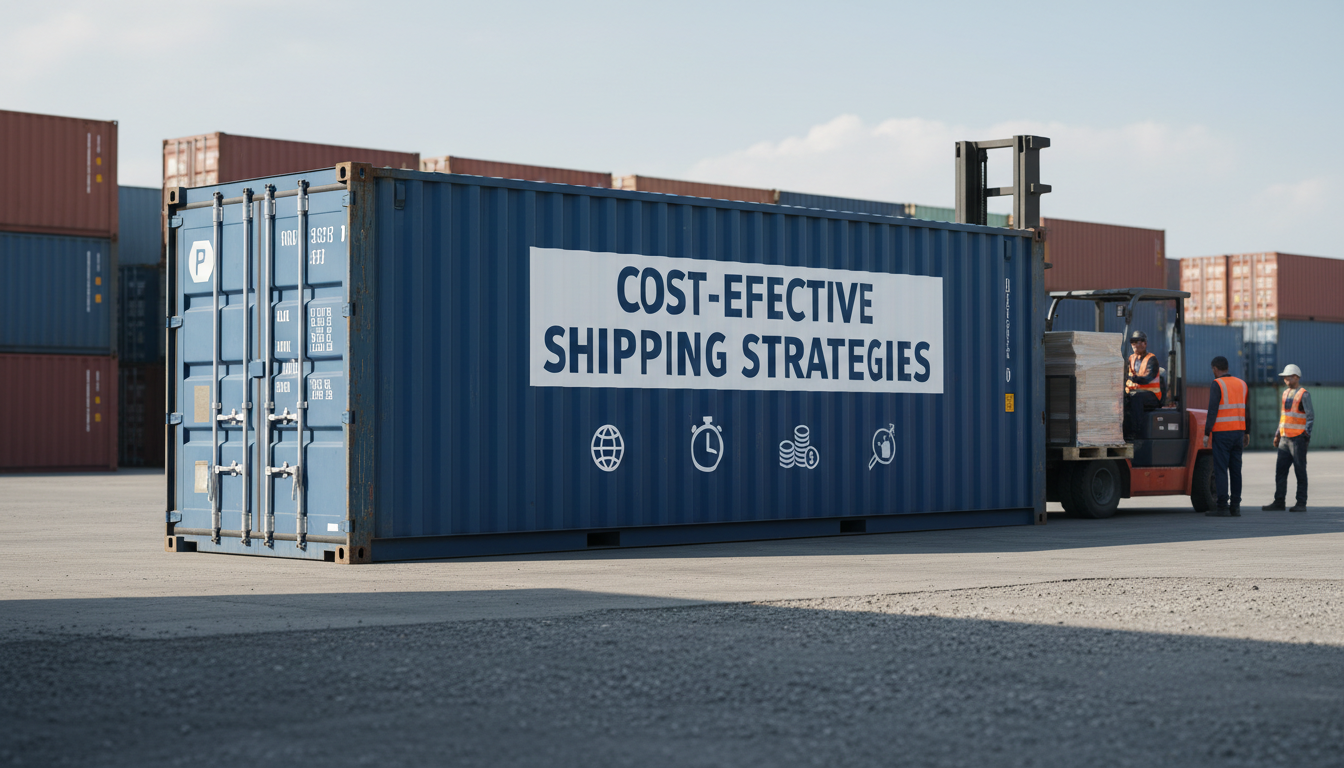
Consolidating shipments through bulk shipping is one of the most effective strategies for Amazon FBA sellers to reduce per-unit freight costs. By taking advantage of Full Container Load (FCL) shipping compared to Less than Container Load (LCL), sellers can realize substantial savings.
Key benefits of bulk shipping include:
- Lower Per-Unit Costs: FCL shipping allows sellers to fill an entire container, minimizing the cost per unit. This is particularly beneficial for larger shipments where fixed costs are spread over more units.
- Reduced Handling Fees: Shipping full containers typically incurs fewer handling fees compared to LCL, where multiple shipments are consolidated. This reduces additional costs associated with multiple touchpoints.
- Faster Transit Times: FCL shipments often have more direct routes with fewer stops, resulting in faster delivery times. This is crucial for inventory management and meeting Amazon’s customer expectations.
- Better Predictability in Shipping Costs: With FCL, sellers can better estimate shipping expenses, avoiding the volatility associated with LCL shipments, which can fluctuate based on cargo volume and demand.
Potential savings from using FCL instead of LCL can be illustrated in the following table:
| Shipping Method | Cost per Unit | Handling Fees | Average Transit Time |
|---|---|---|---|
| FCL | $1.00 | $200 (fixed) | 10 days |
| LCL | $1.50 | $300 (variable) | 15 days |
In this example, a seller shipping 1,000 units would pay $1,000 for FCL compared to $1,500 for LCL. Handling fees also showcase a significant difference, highlighting the additional costs associated with LCL shipping.
By considering bulk shipping options and consolidating shipments, Amazon FBA sellers can effectively lower their overall freight expenses and enhance their profitability.
Utilize Freight Forwarders
Freight forwarders play a crucial role in helping Amazon FBA sellers reduce shipping costs through their industry expertise and established relationships with carriers. By leveraging their knowledge, sellers can optimize their logistics and achieve significant savings.
Key advantages of using freight forwarders include:
- Negotiated Rates: Freight forwarders often have negotiated contracts with various carriers, allowing them to secure lower shipping rates that individual sellers may not access. This can lead to cost savings of up to 20% compared to standard shipping rates.
- Streamlined Shipping Process: Freight forwarders manage the entire shipping process from start to finish, ensuring compliance with regulations and handling documentation. This reduces the administrative burden on sellers and minimizes the risk of delays or customs issues.
- Consolidation Services: Forwarders can consolidate shipments from multiple suppliers into a single container, reducing per-unit shipping costs. This is particularly beneficial for sellers sourcing from different manufacturers in China.
- Expertise in Customs Clearance: Freight forwarders possess in-depth knowledge of customs regulations, facilitating smoother customs clearance and reducing the chances of costly holds or fines.
- Flexible Solutions: They offer a range of shipping options, including air, sea, and rail freight, allowing sellers to choose the most cost-effective method based on their timeline and budget.
- Inventory Management Support: Some freight forwarders provide additional services such as warehousing and inventory management, enabling sellers to optimize their stock levels and shipping schedules effectively.
The table below illustrates potential savings when utilizing freight forwarders compared to direct shipping methods:
| Shipping Method | Cost Per Shipment | Potential Savings with Freight Forwarder |
|---|---|---|
| Direct Shipping | $1,200 | N/A |
| Freight Forwarder | $960 | 20% Savings |
By partnering with a reliable freight forwarder, Amazon FBA sellers can effectively manage shipping costs while ensuring a smoother logistics process.
Compare Shipping Rates
Obtaining multiple shipping quotes is crucial for Amazon FBA sellers seeking to minimize freight costs. By actively comparing rates, sellers can identify the most cost-effective options tailored to their specific shipping needs.
Key strategies for effective rate comparison include:
- Use Online Comparison Tools: Leverage platforms like Freightos or ShipStation that aggregate quotes from various carriers. These tools simplify the process, allowing sellers to view multiple options side-by-side.
- Request Quotes from Multiple Carriers: Don’t limit to one carrier. Reach out to several freight companies, including traditional and express services. This step can uncover significant price variations.
- Analyze Total Costs, Not Just Rates: Ensure that quoted prices include all potential surcharges, such as fuel surcharges, handling fees, and customs duties. This comprehensive view ensures a more accurate comparison.
- Consider Different Shipping Methods: Evaluate various shipping methods—air, sea, and ground. While air freight may be faster, sea freight could offer substantial savings for larger shipments.
- Negotiate Rates: Engage in negotiations with carriers, especially if volume discounts apply. Many companies are willing to adjust rates based on shipment frequency or order size.
The following table illustrates potential savings based on comparing shipping rates from different carriers:
| Carrier | Quote for 500 lbs | Delivery Time |
|---|---|---|
| Carrier A | $1,200 | 5 days |
| Carrier B | $1,000 | 7 days |
| Carrier C | $1,400 | 3 days |
By implementing these strategies, Amazon FBA sellers can effectively lower their freight costs while ensuring timely deliveries.
Leverage Amazon’s Partnered Carrier Program
Amazon’s Partnered Carrier Program offers Amazon FBA sellers the opportunity to benefit from discounted shipping rates, which can significantly reduce freight costs. This program provides access to pre-negotiated rates with reputable carriers, ensuring sellers can save money on shipping while maintaining reliable service levels.
Key benefits of using the Partnered Carrier Program include:
- Cost Savings: Sellers can save up to 30% on shipping costs compared to standard rates. The discounts apply to both inbound shipments to Amazon fulfillment centers and outbound shipments to customers.
- Simplified Process: The program streamlines the shipping process. Sellers can easily create shipping labels directly from their Amazon Seller Central account, reducing administrative burdens and saving time.
- Reliable Service: Partnered carriers are vetted by Amazon, ensuring that they meet the company’s service standards. This reliability helps sellers avoid delays and maintain customer satisfaction.
- Flexible Options: The program offers various shipping options, including ground and air services, allowing sellers to choose the best method based on their specific needs and budget.
To enroll in the Partnered Carrier Program, sellers must follow these steps:
- Access Seller Central: Log in to your Amazon Seller Central account.
- Create a Shipment: Start the shipment process for either inbound to Amazon or outbound to customers.
- Select Partnered Carrier: During the shipment creation process, choose the Partnered Carrier option when prompted.
- Review Rates: Compare the discounted rates provided by partnered carriers against other shipping options.
- Complete Shipment: Finalize the shipment and print the shipping labels directly from Seller Central.
The following table illustrates potential savings when utilizing Amazon’s Partnered Carrier Program compared to standard shipping rates.
| Shipping Method | Standard Rate | Partnered Carrier Rate | Potential Savings |
|---|---|---|---|
| Ground Shipping (5 lbs) | $15.00 | $10.50 | $4.50 |
| Air Shipping (5 lbs) | $40.00 | $28.00 | $12.00 |
| International Shipping (5 lbs) | $60.00 | $42.00 | $18.00 |
Utilizing Amazon’s Partnered Carrier Program not only enhances shipping efficiency but also contributes significantly to overall cost reductions for Amazon FBA sellers.
Monitor and Adjust Inventory Levels
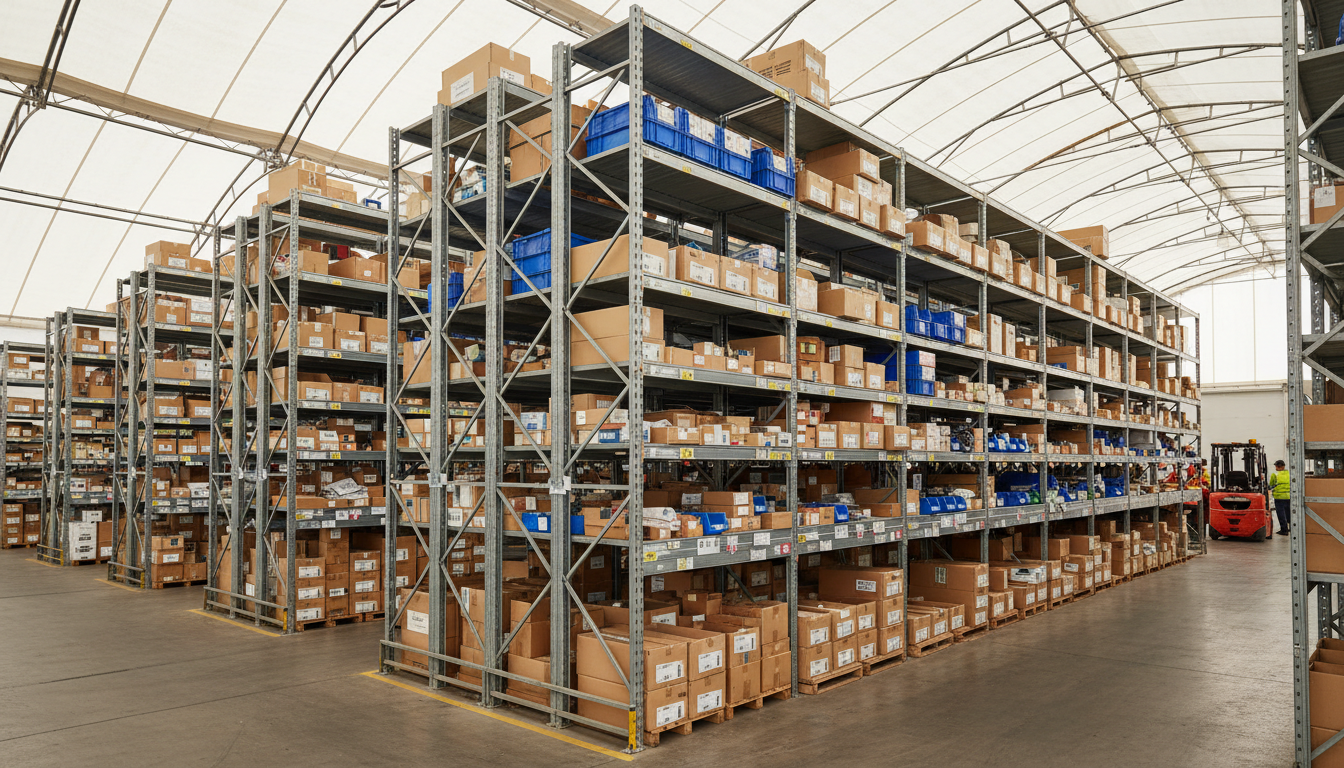
Maintaining optimal inventory levels is crucial for Amazon FBA sellers to prevent overstocking, which can lead to unnecessary shipping costs and increased storage fees. Effective inventory management not only enhances shipping efficiency but also contributes to overall cost reduction.
To manage inventory proactively, consider the following strategies:
- Use Inventory Management Software: Implement tools that provide real-time tracking of stock levels. These systems can help predict sales trends and automate reorder points, ensuring that products are replenished just in time.
- Analyze Sales Data: Regularly review sales history to identify trends and seasonal fluctuations. By understanding which products sell quickly and when, sellers can adjust their inventory accordingly, avoiding excess stock.
- Implement Just-in-Time (JIT) Inventory: Adopt a JIT approach to minimize holding costs by ordering goods only as needed. This strategy reduces the risk of overstock and keeps shipping costs in check.
- Set Minimum and Maximum Stock Levels: Establish thresholds for each product to maintain an ideal inventory range. This practice prevents both stockouts and overstock situations, allowing for better cash flow management.
- Regularly Audit Inventory: Conduct periodic audits to assess stock accuracy and identify slow-moving items. This process helps in making informed decisions about which products to discount or phase out.
The following table illustrates potential cost implications of poor inventory management:
| Inventory Issue | Potential Cost Impact |
|---|---|
| Overstocking | Increased storage fees, up to 30% of shipping costs |
| Stockouts | Lost sales opportunities, potential revenue loss of 20% |
| Slow-Moving Inventory | Discounting and clearance costs, reducing profit margins |
By effectively monitoring and adjusting inventory levels, Amazon FBA sellers can significantly minimize shipping-related expenses while ensuring that products remain available for customers.
Use Technology and Tools for Cost Analysis
Leveraging technology and specialized software tools can significantly enhance an Amazon FBA seller’s ability to analyze shipping costs and optimize logistics strategies. These tools allow sellers to gain insights into their freight expenses, identify inefficiencies, and implement data-driven decisions to reduce costs.
Key technology solutions include:
- Freight Management Software: These platforms provide real-time analytics on shipping rates, carrier performance, and delivery timelines. By comparing multiple carriers, sellers can select the most cost-effective options. For instance, using Freightos, sellers can compare quotes from various freight forwarders in seconds, leading to potential savings of 10-15%.
- Inventory Management Systems: Tools like TradeGecko or Skubana help sellers maintain optimal inventory levels, preventing overstocking and unnecessary shipping costs. These systems provide analytics that inform sellers when to reorder based on sales velocity and lead times.
- Cost Analysis Tools: Software such as ShipStation enables sellers to track shipping costs across different orders and carriers. By analyzing historical shipping data, sellers can identify patterns and make informed choices about their shipping strategies.
- Data Visualization Tools: Platforms like Tableau can help sellers visualize shipping data, leading to better understanding and decision-making. By presenting data in an easy-to-digest format, sellers can quickly spot trends and anomalies that affect costs.
The following table illustrates a case study of a seller who implemented these tools and the resulting cost reductions:
| Tool Used | Initial Shipping Cost | Post-Implementation Cost | Percentage Savings |
|---|---|---|---|
| Freight Management Software | $10,000 | $8,500 | 15% |
| Inventory Management System | $9,000 | $7,200 | 20% |
| Cost Analysis Tool | $12,000 | $10,800 | 10% |
By adopting these technologies, Amazon FBA sellers can streamline their logistics processes, leading to substantial reductions in freight costs while enhancing operational efficiency.
Final Words
Final Words
Implementing the seven strategies outlined can significantly reduce freight costs for Amazon FBA sellers. By optimizing packaging, leveraging bulk shipping, and utilizing freight forwarders, sellers can achieve substantial savings. Additionally, comparing shipping rates, enrolling in Amazon’s Partnered Carrier Program, and monitoring inventory levels further enhance cost management.
Embracing technology and analytical tools can streamline logistics processes and identify additional savings opportunities.
By applying these actionable insights, sellers can create a more efficient shipping experience while keeping freight costs in check. The journey to lower shipping expenses starts here with these 7 Ways to Reduce Your Amazon FBA Freight Costs.
FAQ
Q: What are some effective ways to reduce Amazon FBA freight costs?
A: Sellers can optimize packaging, utilize bulk shipping, leverage freight forwarders, compare shipping rates, use Amazon’s partnered carrier program, monitor inventory levels, and employ technology for cost analysis.
Q: How does packaging optimization impact freight costs?
A: Using lighter, smaller packaging reduces dimensional weight, leading to lower shipping costs. For example, switching to poly bags instead of boxes can yield significant savings.
Q: What are the benefits of bulk shipping for Amazon sellers?
A: Consolidating shipments through full container load (FCL) versus less than container load (LCL) can drastically lower per-unit shipping costs, enhancing cost-efficiency.
Q: How can freight forwarders help reduce shipping costs?
A: Freight forwarders negotiate better rates and streamline shipping processes. Partnering with them can lead to substantial savings and improved logistics management.
Q: Why is it important to compare shipping rates?
A: Obtaining multiple shipping quotes ensures sellers find the best rates. Utilizing rate comparison tools can significantly reduce transportation costs.
Q: What advantages does Amazon’s partnered carrier program offer?
A: This program provides discounted shipping rates for sellers. Enrolling can lead to considerable savings on shipping expenses.
Q: How can managing inventory levels help reduce freight costs?
A: Maintaining optimal inventory prevents overstocking and unnecessary shipping costs. Effective forecasting can minimize freight-related expenses.
Q: What technology tools can assist in freight cost analysis?
A: Software tools for cost analysis can optimize logistics strategies. Implementing these technologies has proven successful for various sellers in managing expenses.
Leave a Reply