
Have you ever wondered why your meticulously prepared FBA shipment was suddenly rejected by Amazon? This frustrating scenario can derail even the most well-planned logistics, leaving sellers scrambling for answers. Understanding the root causes of these rejections is crucial for any Amazon FBA seller aspiring to streamline their supply chain. In this post, we’ll delve into the common reasons behind shipment rejections and provide actionable strategies to prevent future issues. By mastering these elements, sellers can enhance their operational efficiency and maintain compliance with Amazon’s stringent requirements.
Amazon Rejected Your FBA Shipment? Prevent Future Issues
- Labeling Errors
Incorrect labels can lead to significant delays or outright rejections. Common mistakes include missing barcodes, incorrect SKU numbers, or labels not placed correctly on the packaging. Ensure that all products are labeled according to Amazon’s FBA requirements.
- Packaging Issues
Amazon has specific packaging guidelines that must be followed. Inadequate packaging can cause damage during transit, resulting in rejection. Common issues include improper sealing, lack of cushioning material, or using prohibited packaging materials. Always refer to Amazon’s packaging requirements to avoid these pitfalls.
- Non-compliance with Amazon Policies
Each product category has unique compliance standards. Failing to adhere to these policies can result in shipment rejections. Sellers must familiarize themselves with Amazon’s regulations regarding hazardous materials, restricted items, and product-specific guidelines to ensure compliance.
- Inaccurate Product Information
Discrepancies between what is listed in Seller Central and what is sent can lead to rejections. This includes differences in product descriptions, quantities, and condition. Double-check all product details before shipment to ensure alignment with your FBA listing.
- Inadequate Documentation
Missing or incorrect documentation can halt the shipment process. Essential documents include commercial invoices, packing lists, and any required certificates. Ensure that all necessary paperwork is included and accurately filled out to facilitate smooth customs clearance and compliance checks.
How to Prevent Shipment Rejections
- Ensuring Proper Labeling
Accurate labeling is crucial for FBA shipments. Confirm that all products have the correct barcodes and SKUs, and that labels are affixed securely to the packaging. Utilize Amazon’s FBA Label Service if needed, as it helps ensure compliance with their labeling standards.
- Packaging Best Practices
Follow Amazon’s packaging guidelines meticulously. Use appropriate materials to protect items during transit, such as bubble wrap or foam padding. Ensure all packages are sealed correctly and that contents are not shifting within the box. Labels should be visible and not obstructed by tape or other materials.
- Compliance Checklist
Create a compliance checklist that includes all necessary requirements for your product category. Verify that products meet Amazon’s compliance standards, including safety regulations and any necessary certifications. Regularly update the checklist to reflect any changes in Amazon’s policies.
- Regular Staff Training
Conduct training sessions for staff involved in the shipping process. Training should cover Amazon’s requirements, best practices for labeling and packaging, and common reasons for shipment rejections. Regular refreshers can help maintain a high level of compliance and reduce errors.
- Verification Processes
Implement a verification process to double-check shipments before they leave the warehouse. This can include cross-referencing packing lists with actual items, validating the accuracy of labels, and ensuring that all required documentation is included. Using a second set of eyes can catch mistakes that may lead to rejections.
These proactive measures can significantly reduce the chances of FBA shipment rejections, streamline the shipping process, and enhance overall compliance with Amazon’s requirements.
Troubleshooting Steps if Your Shipment is Rejected
- Immediate Actions to Take
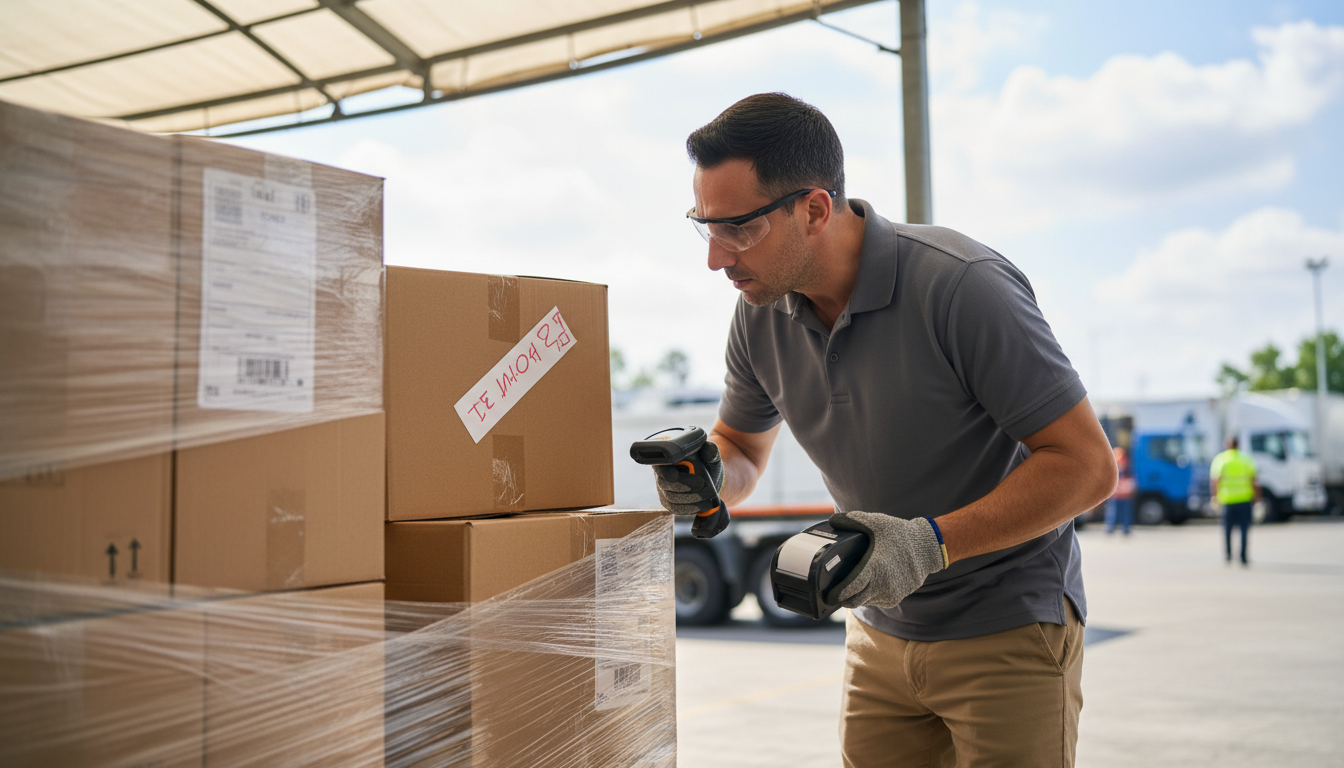
Upon receiving notice of a shipment rejection, sellers should first assess the reasons provided by Amazon. Quickly gather all shipment documents, including packing lists and invoices, to verify the issues. If applicable, initiate corrective actions, such as re-labeling or repackaging items according to Amazon’s guidelines.
- Communication with Amazon
Reach out to Amazon Seller Support for clarification on the rejection. Provide detailed information about your shipment and any corrective actions taken. Maintaining clear communication can expedite the resolution process. Use the Seller Central messaging system to keep a record of all interactions.
- Learning from Mistakes
Treat each rejection as a learning opportunity. Analyze the reasons behind the rejection and identify specific areas for improvement. Adjust internal processes accordingly to prevent future occurrences. Document these insights for future reference, creating a knowledge base for your team.
- Documentation Review
Conduct a thorough review of all documentation associated with the shipment. Ensure that all required documents are complete and accurate. Check for missing invoices, incorrect product descriptions, or other discrepancies that could lead to rejection. Implement a checklist for future shipments to enhance accuracy.
- Root Cause Analysis
Perform a root cause analysis to identify the underlying issues contributing to the rejection. Consider factors such as labeling, packaging, and compliance with Amazon policies. Develop and implement corrective action plans targeting these root causes to minimize the risk of future rejections. Regularly revisit and refine these processes to align with evolving Amazon requirements.
Case Studies and Testimonials
- Success Stories from FBA Sellers
Many FBA sellers have faced shipment rejections but successfully navigated these challenges. For example, a seller specializing in kitchen gadgets encountered multiple rejections due to labeling errors. By investing in professional labeling services and adopting a stringent quality control process, they reduced rejections by 75% and improved their shipment efficiency.
- Lessons Learned from Rejection Experiences
A seller of beauty products realized that their packaging did not meet Amazon’s guidelines, leading to frequent shipment issues. After receiving feedback from Amazon, they revised their packaging strategy to comply with standards. This not only lessened rejections but also enhanced product presentation, leading to increased customer satisfaction.
- Strategies Implemented
An electronics seller faced significant delays because of inaccurate product information. They implemented a double-check system where team members cross-verify product details against the FBA listings before shipping. This strategy significantly decreased errors and streamlined the overall shipping process.
- Impact on Business Growth
A health supplement seller shared that after addressing their shipment rejections through improved compliance training, they experienced a 30% increase in sales. By reducing the time spent on resolving shipment issues, they were able to focus more on marketing and expanding their product line.
- Community Insights
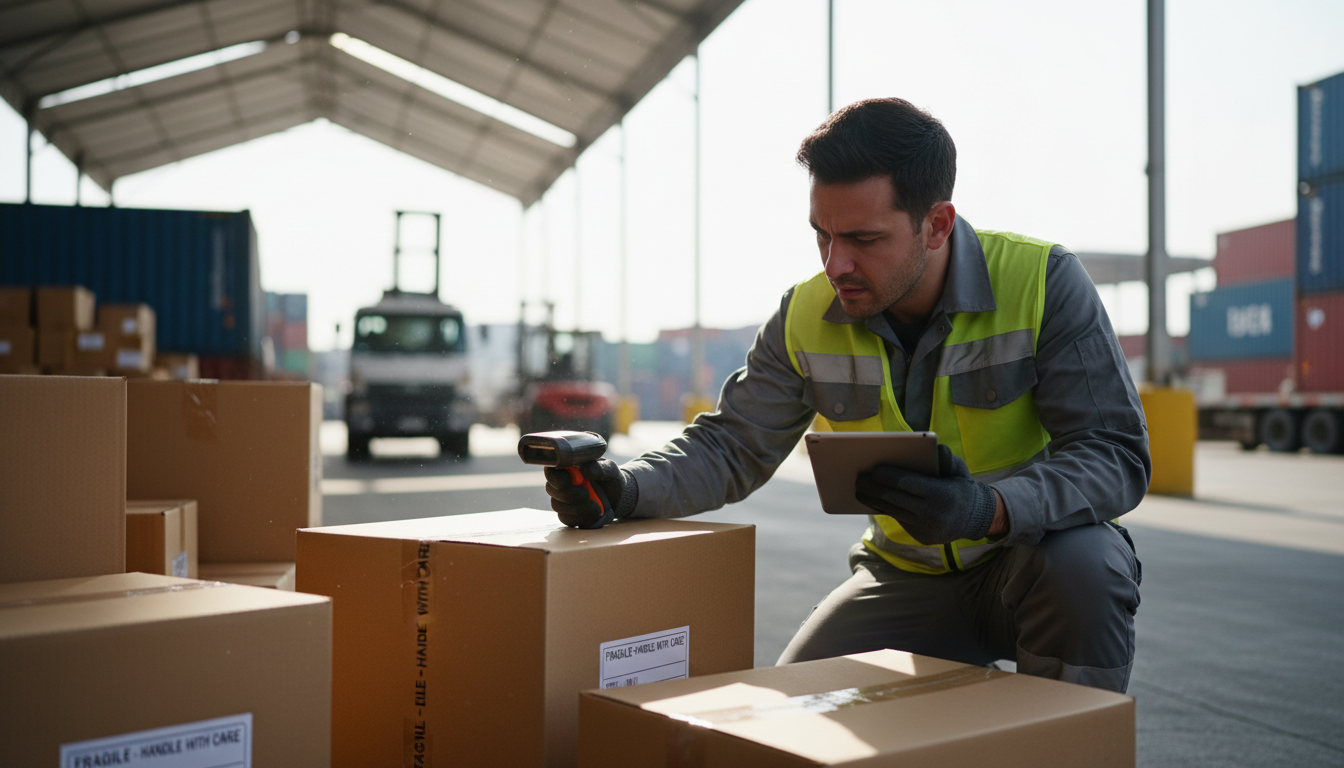
Many sellers actively participate in online forums to share their experiences with FBA shipment rejections. These communities provide valuable insights and practical tips for compliance, labeling, and packaging. Sellers often report that learning from others’ mistakes has been an essential part of their growth and success in the Amazon marketplace.
Final Words
Final Words
Understanding the common reasons for FBA shipment rejections is crucial for any Amazon seller. Addressing labeling errors, packaging issues, and non-compliance with policies can prevent costly delays.
Implementing proactive strategies, such as using compliance checklists and providing staff training, enhances adherence to Amazon’s guidelines.
When faced with rejection, following a clear troubleshooting process transforms setbacks into valuable learning opportunities.
By prioritizing these practices, sellers can minimize risks and streamline their operations. Remember, if Amazon rejected your FBA shipment, knowing how to prevent it in the future will keep your business on a positive trajectory.
FAQ
Q: What are the common reasons for FBA shipment rejections?
A: Common reasons include labeling errors, packaging issues, non-compliance with Amazon policies, inaccurate product information, and inadequate documentation.
Q: How can sellers prevent FBA shipment rejections?
A: Sellers can prevent rejections by ensuring proper labeling, adhering to packaging best practices, utilizing a compliance checklist, and implementing regular staff training.
Q: What immediate actions should be taken if a shipment is rejected?
A: Immediate actions include reviewing the rejection notice, assessing the shipment for issues, and preparing necessary documentation for communication with Amazon.
Q: How should sellers communicate with Amazon after a shipment rejection?
A: Sellers should clearly outline the issue, provide relevant documentation, and inquire about specific steps for resolution to ensure effective communication.
Q: What can sellers learn from shipment rejections?
A: Sellers can analyze the root causes of rejections, refine processes, and implement changes to avoid future issues, turning setbacks into learning opportunities.
Q: Are there real-world examples of overcoming FBA shipment rejections?
A: Yes, case studies highlight FBA sellers who faced rejections, detailing their challenges, implemented strategies, and resulting business growth from learned lessons.
Leave a Reply