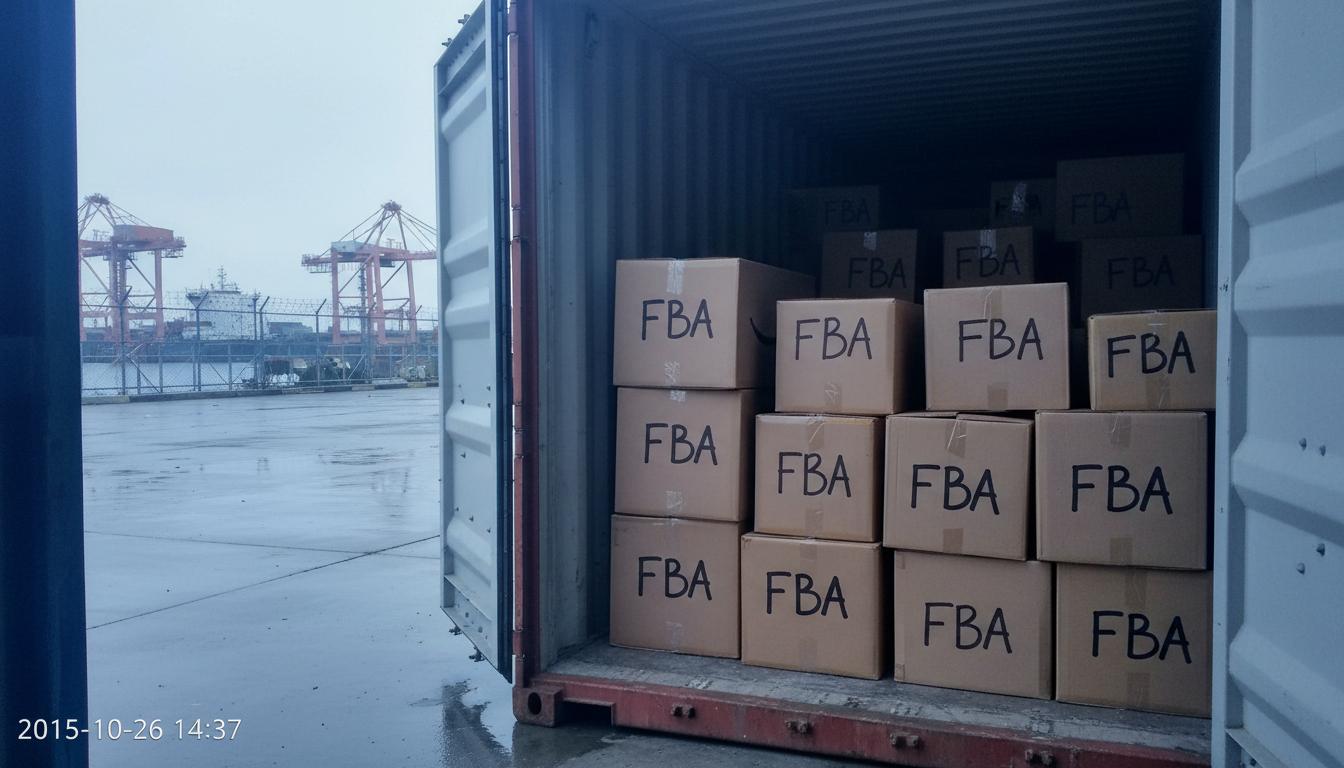
In 2025, when rapid Amazon fulfillment meets the realities of international shipping logistics, how long does shipping from China to Amazon FBA really take? The answer, it turns out, hinges on the method you choose—each with its unique pace and set of complications. From air freight's swift 7 to 10-day transit to the more leisurely 30 to 40-day sea freight voyage, and express shipping's 3 to 5-day sprint, varying options cater to different strategic needs. This exploration lays bare the latest timelines and guides you through optimizing your choices for seamless, efficient operations.
Understanding Shipping Durations from China to Amazon FBA in 2025
Shipping durations from China to Amazon FBA in 2025 can differ significantly based on the chosen method. Air freight, known for its speed, typically takes about 7 to 10 days, making it a viable option for urgent restocks and product launches. Conversely, sea freight is more cost-effective for large volumes, although it requires a commitment of 30 to 40 days due to its slower transit time. Express shipping stands out for its speed, usually taking 3 to 5 days, and is ideal for smaller packages or time-sensitive deliveries. Each method serves different logistical needs, balancing cost and transit time to suit specific business requirements.
|Shipping Method|Estimated Duration|
|—|—|
|Air Freight|7 to 10 days|
|Sea Freight|30 to 40 days|
|Express Shipping|3 to 5 days|
Recent policy changes have streamlined customs processes, contributing to more predictable shipping durations. These updates have simplified the importation landscape, reducing potential delays at customs checkpoints. By ensuring thorough compliance with documentation requirements, sellers can benefit from these efficiencies, resulting in smoother transitions from dispatch to delivery. Working with experienced freight partners can further leverage these changes, optimizing the entire shipping process for Amazon FBA sellers.
Factors Influencing Shipping Delays
Shipping delays are a critical concern for Amazon FBA sellers, particularly during peak seasons. High demand periods such as holidays and promotional events can significantly extend shipping times due to increased order volumes. Sellers must anticipate these fluctuations and plan inventory replenishments well in advance to mitigate such delays.
Port congestion is another major logistics challenge that can disrupt shipping schedules. Bottlenecks at major ports in China and destination countries can lead to prolonged wait times for cargo clearance. These congestions are often unpredictable, resulting in unplanned delays that can impact the timely delivery of goods to Amazon warehouses.
To navigate these challenges effectively, partnering with a specialized freight forwarder like QG Horizon is essential. Their expertise in managing complex logistics can help avoid common pitfalls associated with international shipping. By leveraging their services, sellers can ensure more reliable transit times and mitigate risks associated with delays. For a tailored solution, request a fast and free quote at https://qghorizon.com/quote/.
Optimizing Shipping Timeframes for Amazon FBA
Effective logistics optimization is paramount for Amazon FBA sellers aiming to enhance shipping efficiency and delivery accuracy. Planning ahead is the cornerstone of reducing transit times and avoiding unexpected delays. By anticipating demand fluctuations and aligning production schedules with shipping timelines, sellers can maintain optimal inventory levels. Additionally, clear communication with suppliers and logistics partners ensures that all parties are aligned with the shipping strategy, minimizing the risk of miscommunication and subsequent delays.
- Planning ahead to align production and shipping schedules
- Consolidating shipments to reduce per-unit shipping costs
- Maintaining clear communication with suppliers for timely coordination
- Utilizing Amazon Warehousing and Distribution (AWD) for bulk storage solutions
- Ensuring transparent logistics channels for real-time tracking and updates
Implementing these strategies can significantly enhance shipping accuracy and reduce delays, resulting in a more streamlined supply chain. By consolidating shipments, sellers can optimize cost-efficiency and reduce the frequency of shipments, ultimately lowering overall logistics costs. Utilizing AWD for bulk storage helps avoid inbound placement fees and provides an economical solution for long-term storage needs. Transparent logistics channels facilitate real-time tracking, allowing sellers to address potential issues proactively. These measures collectively contribute to a more reliable and efficient shipping process, bolstering sellers' competitive edge in the marketplace.
Navigating Customs Processes for Faster Shipping
In 2025, navigating customs processes efficiently is more critical than ever for Amazon FBA sellers aiming to reduce shipping times from China. Recent updates in customs procedures have made the process more streamlined, yet the importance of thorough documentation remains paramount. Accurate and complete documentation is essential to prevent delays at customs checkpoints. Freight forwarders play a crucial role in this process, as their expertise in handling international shipments ensures compliance with both Chinese and destination country regulations. By managing all necessary paperwork and liaising directly with customs authorities, freight forwarders like QG Horizon minimize the risk of delays, allowing for smoother transitions from dispatch to delivery.
- Commercial invoice
- Packing list
- Bill of lading
- Import licenses
Engaging with reliable freight partners such as QG Horizon can significantly streamline the customs process. Their comprehensive understanding of import and export regulations allows them to navigate potential obstacles efficiently, ensuring faster clearance times. With their proactive approach, they can anticipate documentation requirements and address any issues before they become roadblocks. This level of service not only expedites the shipping process but also provides sellers with peace of mind, knowing that their shipments are in capable hands. By leveraging the expertise of specialized freight partners, sellers can optimize their supply chains and maintain competitive delivery timelines in the ever-evolving global marketplace.
Choosing the Right Shipping Method for Your Needs
Selecting the appropriate shipping method is crucial for Amazon FBA sellers looking to optimize their logistics operations. Various shipping options are available, each offering distinct advantages and cost implications. Air freight is renowned for its speed, typically delivering goods within 7 to 10 days, making it ideal for urgent restocks and product launches. However, this method is costly, and sellers must weigh the expense against the necessity of quick delivery. Sea freight offers a more economical solution for bulk shipments, albeit with a longer transit time of 30 to 40 days. This option is advantageous for large volume shipments where cost savings are prioritized over speed. Express couriers, such as DHL and FedEx, provide the fastest delivery option, often within 3 to 5 days, and are best suited for small packages or samples requiring immediate dispatch.
|Method|Cost|Speed|Best For|
|—|—|—|—|
|Air Freight|High|7 to 10 days|Urgent restocks and launches|
|Sea Freight|Low|30 to 40 days|Bulk shipments|
|Express Shipping|Highest|3 to 5 days|Small packages and samples|
When assessing the most suitable shipping method, sellers should consider factors such as cost, speed, and the nature of the shipment. For those prioritizing cost-efficiency, sea freight is an optimal choice. Meanwhile, sellers needing rapid delivery should opt for air freight or express services, despite the higher costs. Engaging with a specialized freight partner, like QG Horizon, can provide invaluable assistance in navigating these choices. With their expertise in international freight and carrier selection, QG Horizon can help sellers make informed decisions tailored to their specific logistics requirements, ensuring efficient and timely deliveries to Amazon FBA warehouses.
Final Words
Navigating the complexities of shipping from China to Amazon FBA demands informed decision-making.
Understanding shipping durations and influencing factors ensures clear expectations.
Both peak seasons and port congestion can affect timelines significantly.
Mitigating these through strategic partnerships, like with QG Horizon, makes a difference.
Adopting efficient logistics practices enhances delivery accuracy.
The importance of thorough documentation cannot be overstated.
With careful planning, leveraging strategies like AWD, streamlining customs becomes achievable.
By choosing the right shipping method, sellers align cost, speed, and efficiency.
Understanding "How Long Does Shipping From China to Amazon FBA Really Take in 2025?" enables proactive strategies.
Empowered with this knowledge, Amazon FBA sellers can optimize operations, ensuring a competitive edge in the marketplace.
FAQ
Why is shipping taking so long in 2025?
Shipping in 2025 is delayed due to port congestion, peak season demand, and logistics hurdles. Partnering with specialized freight companies like QG Horizon can help mitigate these issues and expedite shipping processes.
How long does Amazon shipping take from China?
Amazon shipping from China can take:
- Air: 7 to 10 days
- Sea: 30 to 40 days
- Express: 3 to 5 days
Recent policy changes have streamlined customs, improving efficiency.
Is shipping delayed for Chinese New Year 2025?
Shipping is delayed during Chinese New Year 2025 because of increased demand. Advanced planning and using specialized freight services are advisable to avoid extended delays.
Is Amazon canceling China orders?
Amazon is not canceling China orders, but delays may happen due to supply chain disruptions. It's crucial to check individual order statuses for specific updates and information.
Leave a Reply