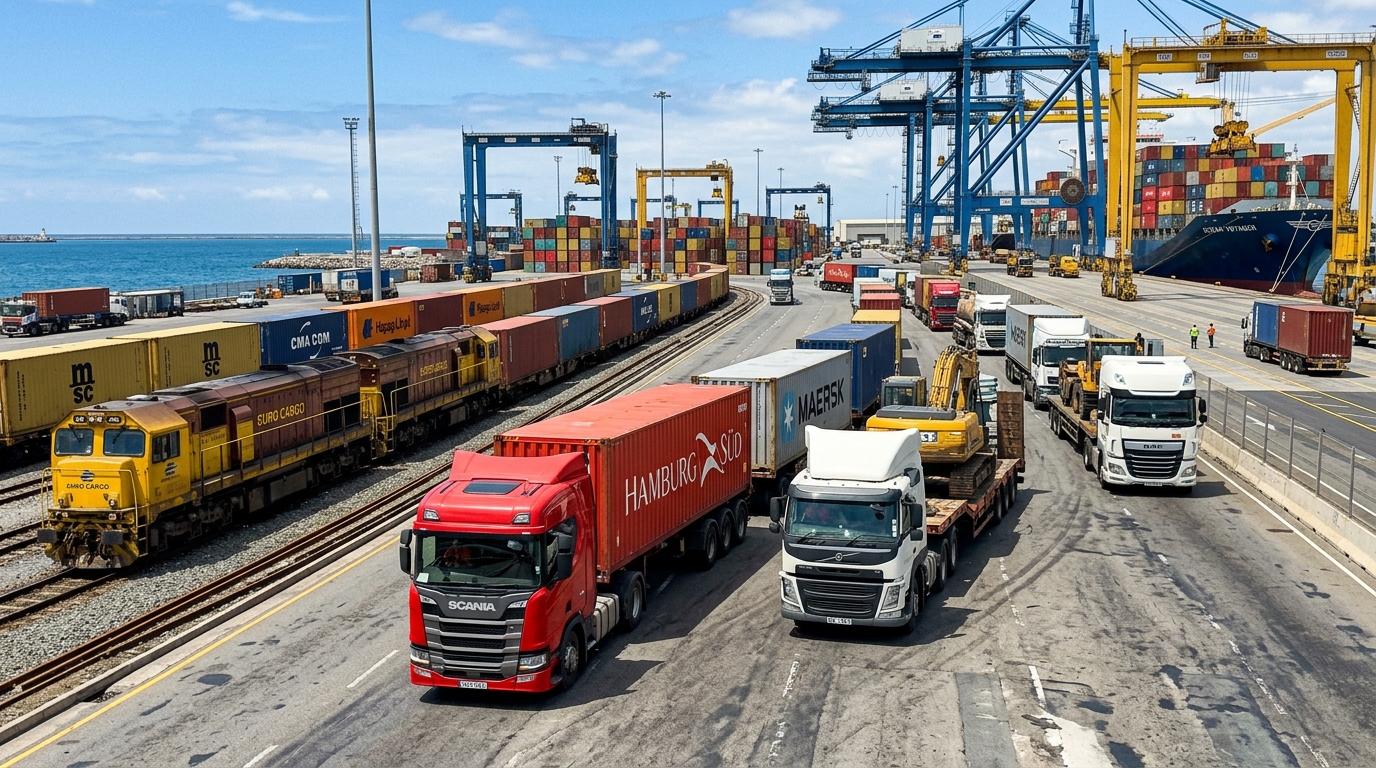
How much is your shipping really costing you? Many Amazon FBA sellers overlook the significant differences in freight costs across various transport modes, resulting in lost profits and inefficiencies. Understanding the nuances of air, sea, fast boat, and rail shipping is crucial for optimizing logistics. This post will break down the freight cost structures associated with each mode, enabling sellers to make informed decisions that align with their business needs. By comparing these costs, sellers can identify the most cost-effective and efficient shipping strategies, enhancing their overall import process.
Calculate Freight Costs by Mode: Air, Sea, Fast Boat, and Rail Compared
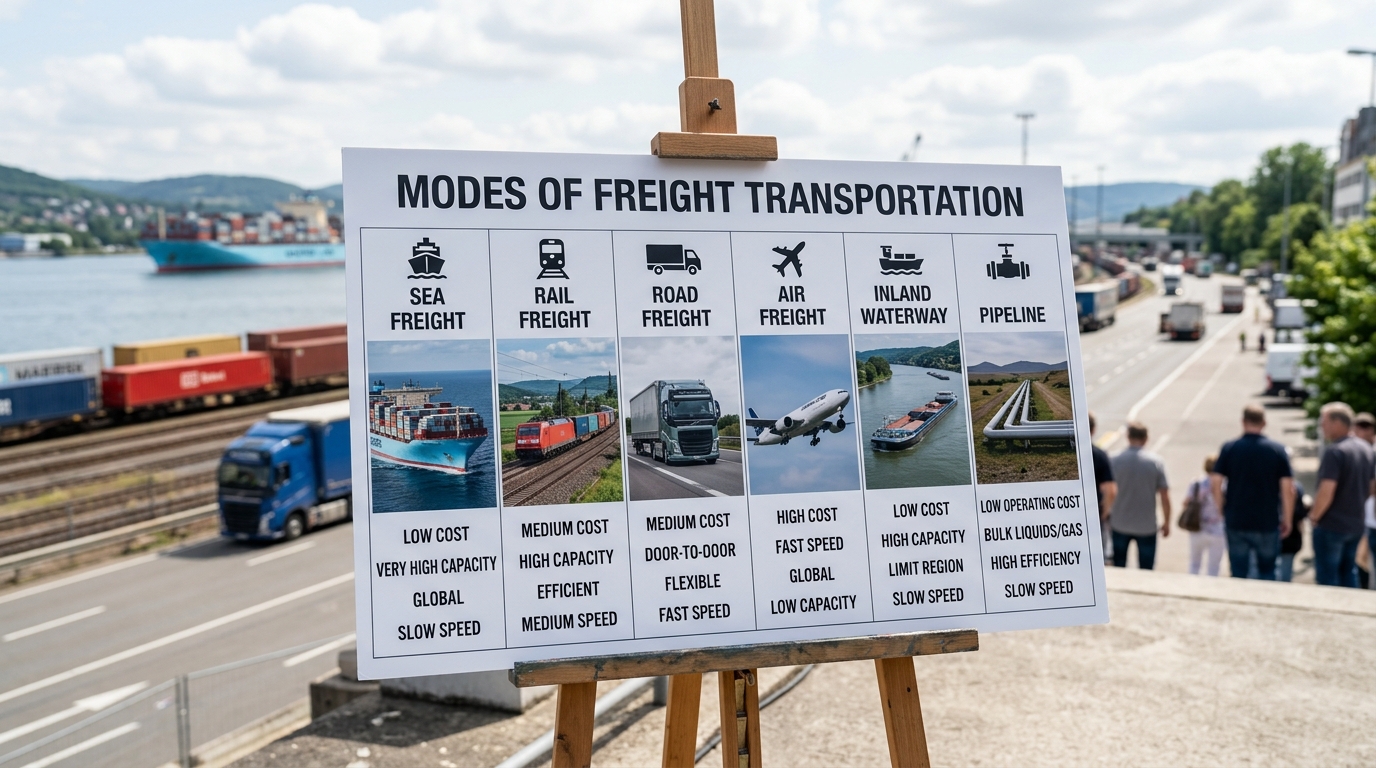
Understanding freight costs is crucial for making informed shipping decisions as businesses scale. Each mode of transport—air, sea, fast boat, and rail—has distinct cost structures influenced by various factors.
- Air Freight: Costs typically range from $1.50 to $5.00 per kg. This mode is best for urgent shipments but comes at a premium price.
- Sea Freight: Offers a cost-effective solution, with prices between $0.10 to $0.50 per kg. Ideal for bulk shipments, it requires longer transit times.
- Fast Boat Freight: Priced around $1.00 to $3.00 per kg, it balances speed and cost, making it suitable for urgent, but not critical, shipments.
- Rail Freight: Average costs range from $0.20 to $0.80 per kg, primarily used for bulk land transport, offering a middle ground between cost and speed.
A comparative analysis of these costs allows businesses to choose the most appropriate shipping method based on their specific needs, timelines, and budget constraints.
| Mode of Transport | Cost Range (per kg) | Speed | Ideal Use Cases |
|---|---|---|---|
| Air Freight | $1.50 – $5.00 | Fast | Urgent shipments |
| Sea Freight | $0.10 – $0.50 | Slow | Bulk shipments |
| Fast Boat Freight | $1.00 – $3.00 | Moderate | Urgent deliveries |
| Rail Freight | $0.20 – $0.80 | Moderate | Bulk land transport |
Air Freight Cost Calculation
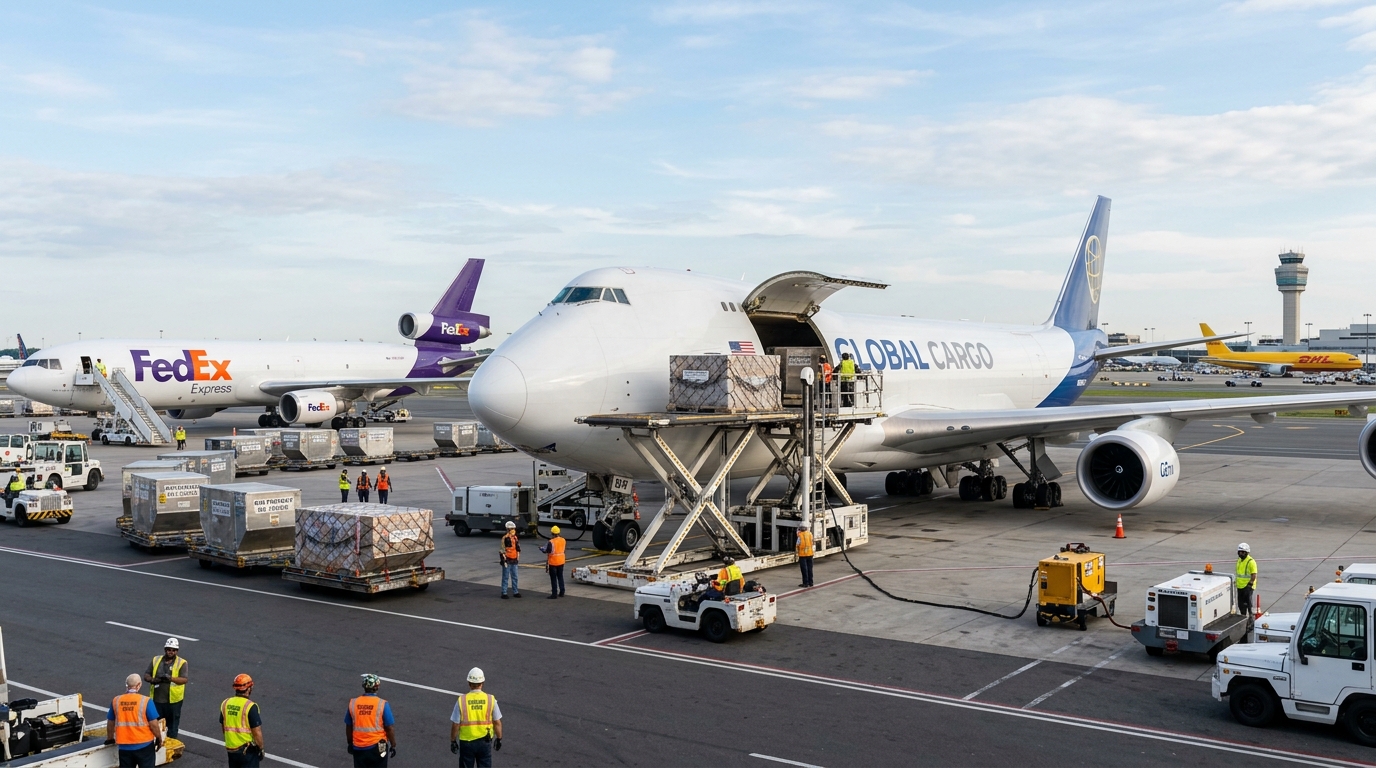
Air freight is a popular choice for businesses needing quick delivery of goods. Costs for air freight typically range from $1.50 to $5.00 per kg, influenced by various factors.
- Cost Overview:
- Typical price range: $1.50 to $5.00 per kg.
- Average costs may vary based on service level (express vs. standard).
- Factors Influencing Costs:
- Weight: Heavier shipments often incur higher costs.
- Size: Dimensional weight may apply, where larger packages are charged based on volume.
- Distance: Longer distances generally lead to higher costs due to fuel and operational expenses.
- Urgency: Expedited services command a premium price, while standard options are more economical.
- Pros and Cons:
- Pros:
- Fastest shipping option, suitable for urgent and time-sensitive deliveries.
- Ideal for high-value goods that require quick replenishment.
- Cons:
- Higher cost compared to sea or rail freight.
- Limited capacity for bulky items, leading to potential restrictions on larger shipments.
Air freight provides an efficient solution for businesses prioritizing speed, although it comes at a higher cost. Understanding these factors helps sellers make informed decisions based on their shipping needs and budget constraints.
| Cost Range (per kg) | Typical Delivery Time | Ideal Use Cases |
|---|---|---|
| $1.50 – $5.00 | 1-3 days | Urgent shipments, high-value items |
Sea Freight Cost Calculation
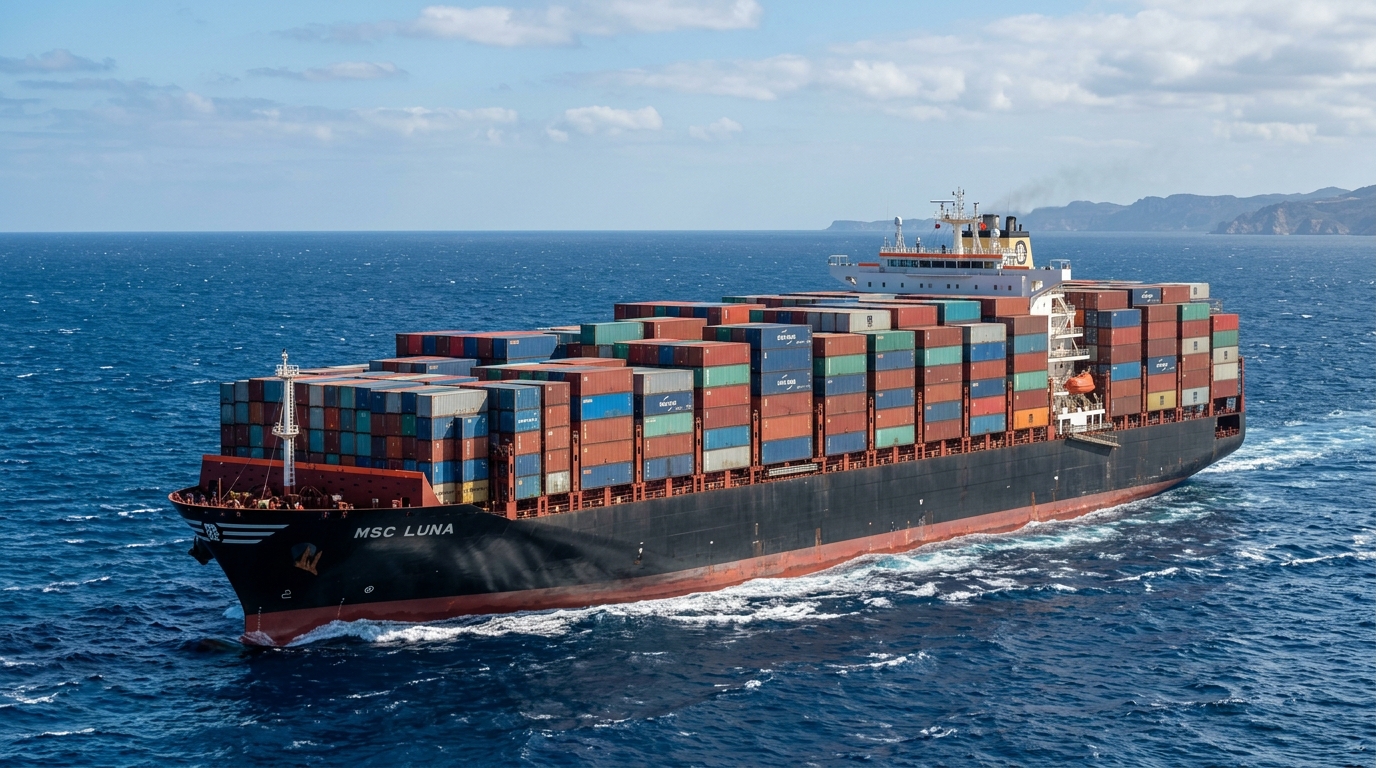
Sea freight is a widely utilized shipping method for businesses looking to transport large volumes of goods at a low cost. Costs typically range from $0.10 to $0.50 per kg, making it an attractive option for bulk shipments.
- Cost Overview:
- Typical cost range: $0.10 to $0.50 per kg.
- Pricing varies based on shipping method (Full Container Load – FCL, or Less than Container Load – LCL).
- Factors Influencing Costs:
- Volume: Larger shipments benefit from economies of scale, reducing the per kg cost.
- Route: Shipping routes can significantly impact costs; less congested routes may be cheaper.
- Shipping Method:
- FCL: More cost-effective for large shipments as a full container is utilized.
- LCL: More suitable for smaller shipments, but may incur additional handling fees.
- Pros and Cons:
- Pros:
- Cost-effective solution for transporting large quantities of goods.
- Environmentally friendly option compared to air freight.
- Cons:
- Slower transit times, which can delay delivery schedules.
- Potential for additional fees such as terminal handling charges and customs duties.
Understanding the costs associated with sea freight allows sellers to strategically plan their shipments, ensuring they maximize cost-efficiency while balancing delivery timelines.
| Shipping Method | Cost Range (per kg) | Ideal Use Cases |
|---|---|---|
| FCL | $0.10 – $0.30 | Large volume shipments |
| LCL | $0.30 – $0.50 | Smaller shipments |
Fast Boat Freight Cost Calculation
Fast boat freight is an efficient shipping option for businesses that require timely deliveries without the high costs associated with air freight. Costs for fast boat shipping typically range from $1.00 to $3.00 per kg, making it a suitable choice for urgent shipments.
- Cost Overview:
- Pricing structures vary based on service level and shipping distance.
- Average costs generally fall between $1.00 to $3.00 per kg.
- Factors Influencing Costs:
- Urgency: Faster delivery times usually command higher prices.
- Distance: Longer shipping routes may increase costs due to fuel and operational expenses.
- Pros and Cons:
- Pros:
- Provides a balance between speed and cost, making it a practical option for time-sensitive shipments.
- Suitable for goods that do not require the fastest possible delivery but still need to arrive promptly.
- Cons:
- More expensive than sea freight, though cheaper than air freight.
- Limited capacity for larger or bulkier items compared to sea freight options.
Fast boat freight offers a flexible solution for businesses looking to expedite their shipping processes while managing costs effectively.
| Cost Range (per kg) | Delivery Speed | Ideal Use Cases |
|---|---|---|
| $1.00 – $3.00 | Moderate | Urgent shipments |
Rail Freight Cost Calculation
Rail freight costs typically range from $0.20 to $0.80 per kg for standard cargo. This mode of transport is particularly suitable for bulk shipments over land, making it an economical choice for certain types of goods.
- Cost Overview:
- Average costs: $0.20 to $0.80 per kg.
- Cost efficiency increases with larger shipment volumes.
- Factors Influencing Costs:
- Bulk Size: Larger shipments benefit from economies of scale, reducing the per-unit cost.
- Distance: Longer hauls may incur higher costs due to fuel and infrastructure usage.
- Route: Specific rail routes may have varying operational costs based on terrain and logistical challenges.
- Pros and Cons:
- Pros:
- Cost-effective for transporting large quantities of goods.
- Environmentally friendly option compared to road transport.
- Cons:
- Slower transit times compared to air freight, making it less suitable for urgent shipments.
- Limited flexibility, as rail transport requires access to established rail networks.
Rail freight offers a viable solution for businesses focusing on bulk shipments, particularly for inland transportation where speed is not the primary concern.
| Cost Range (per kg) | Speed | Ideal Use Cases |
|---|---|---|
| $0.20 – $0.80 | Moderate | Bulk land transport |
Comparative Analysis of Freight Costs
A comparative analysis of freight costs across air, sea, fast boat, and rail transport is essential for sellers to make informed shipping decisions. Each mode of transport has distinct cost structures and operational characteristics that impact overall logistics strategy.
- Air Freight:
- Cost Range: $1.50 – $5.00 per kg.
- Speed: Fastest option available.
- Ideal Use Cases: Urgent and time-sensitive shipments, high-value products requiring quick replenishment.
- Sea Freight:
- Cost Range: $0.10 – $0.50 per kg.
- Speed: Slowest among the options.
- Ideal Use Cases: Bulk shipments where cost savings are prioritized over speed, large inventories.
- Fast Boat Freight:
- Cost Range: $1.00 – $3.00 per kg.
- Speed: Moderate delivery speed.
- Ideal Use Cases: Urgent deliveries that are not critical enough for air freight, often used for shorter distances.
- Rail Freight:
- Cost Range: $0.20 – $0.80 per kg.
- Speed: Moderate, slower than air but faster than sea for overland transport.
- Ideal Use Cases: Bulk shipments over land, especially for industries requiring regular restocking.
| Mode of Transport | Cost Range (per kg) | Speed | Ideal Use Cases |
|---|---|---|---|
| Air Freight | $1.50 – $5.00 | Fast | Urgent shipments |
| Sea Freight | $0.10 – $0.50 | Slow | Bulk shipments |
| Fast Boat Freight | $1.00 – $3.00 | Moderate | Urgent deliveries |
| Rail Freight | $0.20 – $0.80 | Moderate | Bulk land transport |
This comparison highlights the trade-offs between cost, speed, and ideal applications for each transportation mode. Sellers can leverage this information to align their shipping strategies with their business needs.
Scenarios for Optimal Use of Freight Modes
Choosing the right freight mode is critical for optimizing shipping costs and efficiency. Here are practical scenarios where each mode excels:
- Air Freight:
- Best suited for urgent, high-value items that require quick delivery.
- Ideal for time-sensitive products like electronics, fashion items, or perishables.
- Recommended for businesses that need to replenish stock rapidly to meet sudden demand spikes.
- Sea Freight:
- Ideal for large volumes of goods with flexible timelines, such as bulk consumer products or raw materials.
- Suitable for shipments with a longer lead time, allowing businesses to take advantage of lower rates.
- Commonly used for international trade where cost savings are prioritized over speed.
- Fast Boat:
- Suitable for urgent deliveries that don’t necessitate air freight pricing, such as seasonal merchandise or promotional items.
- Effective for shorter distances where speed is essential but costs must be managed.
- Often used for shipments to nearby islands or countries requiring quicker transit than traditional sea freight.
- Rail Freight:
- Best for bulk shipments over land, particularly in regions with established rail networks.
- Cost-effective for transporting large quantities of heavy products, like construction materials or agricultural goods.
- Ideal for companies that require a balance between cost and speed, especially for inland logistics.
Understanding these scenarios helps businesses choose the most appropriate freight mode based on their specific shipment needs and constraints.
| Freight Mode | Optimal Use Case |
|---|---|
| Air Freight | Urgent, high-value items |
| Sea Freight | Large volumes with flexible timelines |
| Fast Boat | Urgent deliveries that don’t require air freight |
| Rail Freight | Bulk shipments over land |
Final Words
Final Words
Understanding freight costs across different transport modes is essential for optimizing shipping strategies. This article explored the cost calculations for air, sea, fast boat, and rail freight, highlighting the unique advantages and limitations of each method.
Readers gained insight into how factors like urgency, shipment volume, and distance influence costs. By comparing these elements, businesses can make informed decisions tailored to their specific needs.
Calculating freight costs by mode—air, sea, fast boat, and rail—enables sellers to enhance their logistics efficiency. Embracing these insights fosters greater confidence in managing international shipments, ultimately contributing to smoother operations and improved profitability.
FAQ
Q: How are freight costs calculated by mode?
A: Freight costs vary by mode, including air, sea, fast boat, and rail, influenced by factors such as weight, distance, and urgency. Understanding these differences is crucial for informed shipping decisions.
Q: What are the typical costs for air freight?
A: Air freight costs generally range from $1.50 to $5.00 per kg, influenced by shipment weight, dimensions, distance, and urgency, offering a balance of speed and cost.
Q: How do sea freight costs compare?
A: Sea freight costs typically range from $0.10 to $0.50 per kg, affected by factors like shipment volume, route, and shipping method, making it cost-effective for bulk shipments.
Q: What should I know about fast boat freight costs?
A: Fast boat freight costs range from $1.00 to $3.00 per kg, ideal for urgent shipments, balancing speed and cost-effectiveness depending on urgency and distance.
Q: What are the costs associated with rail freight?
A: Rail freight costs generally range from $0.20 to $0.80 per kg, influenced by bulk size, distance, and route, making it suitable for inland transportation of standard cargo.
Q: How can I visually compare freight costs?
A: A comparative analysis chart outlines costs, speed, and ideal use cases for each transport mode, aiding sellers in making quick, informed decisions based on their specific needs.
Q: What scenarios are best for different freight modes?
A:
- Air Freight: Urgent, high-value items.
- Sea Freight: Large volumes with flexible timelines.
- Fast Boat: Urgent deliveries not requiring air.
- Rail Freight: Bulk shipments over land.
Leave a Reply