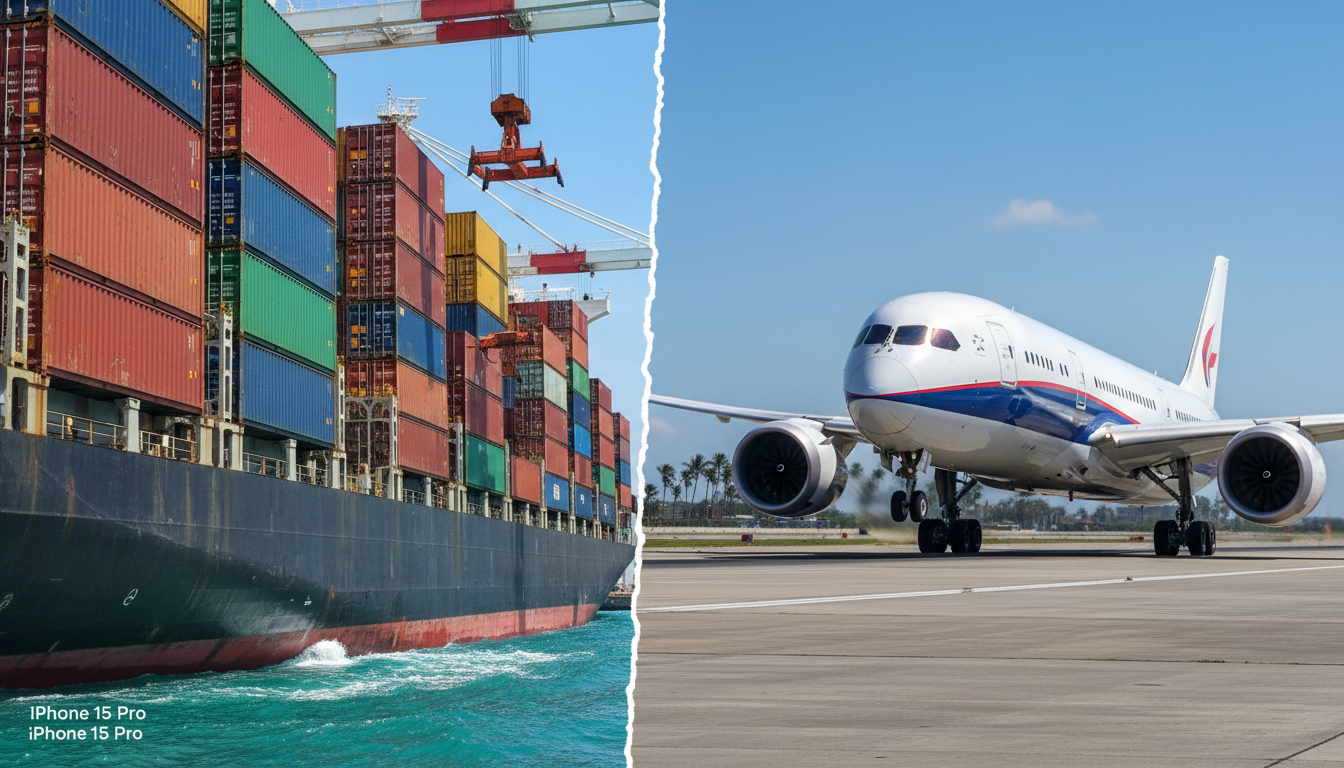
When it comes to shipping products from China to Amazon warehouses, the debate between ocean freight and air freight often leaves FBA sellers questioning their best option. Each method presents unique advantages and challenges, influencing costs, delivery times, and overall reliability. As sellers weigh their choices, understanding the implications of each shipping method becomes crucial. This post will dissect the core differences, ultimately guiding sellers toward the most effective shipping solution tailored to their business needs. By the end, FBA sellers will be equipped to make informed decisions that enhance their operational efficiency.
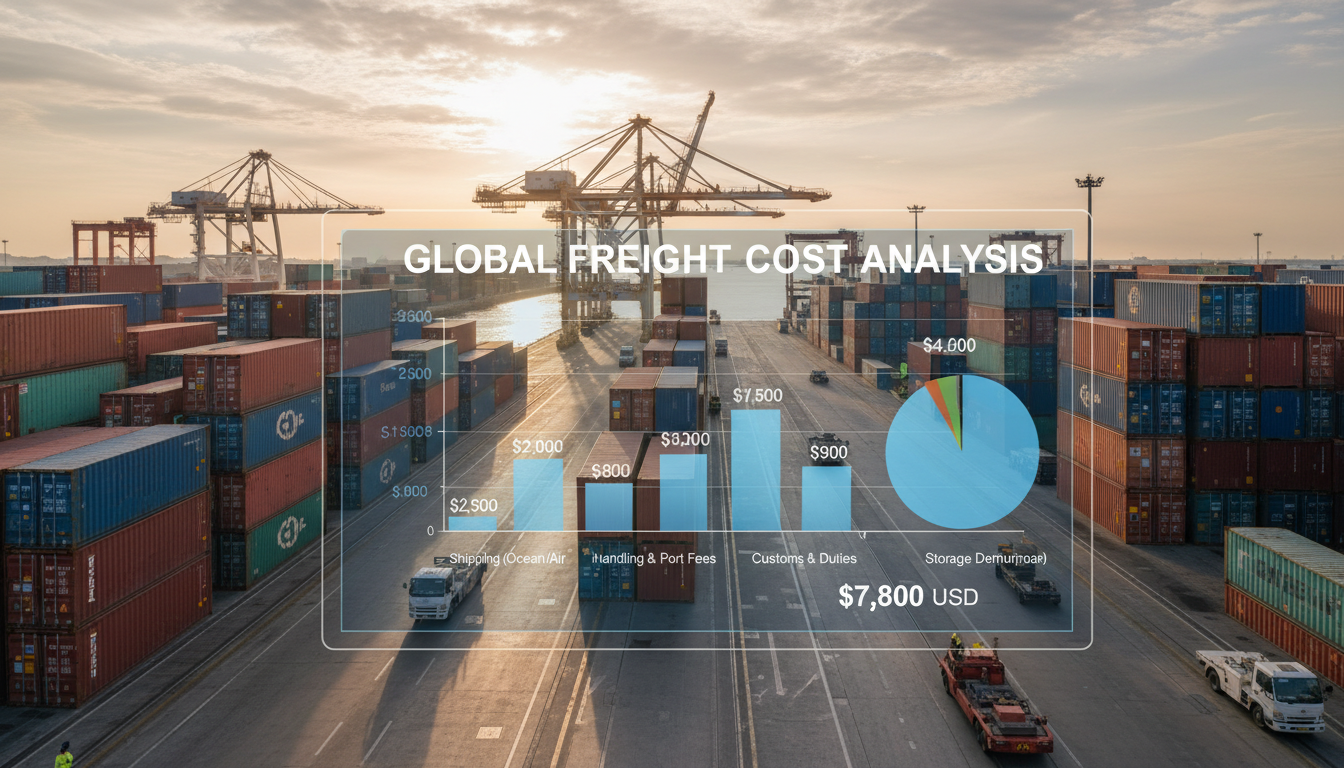
Cost Analysis: Ocean Freight vs Air Freight
FBA sellers must carefully evaluate the cost implications of choosing between ocean freight and air freight. Understanding the financial aspects of each option can significantly impact profit margins and overall business viability.
Ocean Freight Costs:
- Generally more cost-effective for large shipments.
- Pricing is influenced by factors like distance, shipment size, and fuel costs.
- Additional fees may include terminal handling, customs clearance, and documentation fees.
Air Freight Costs:
- Faster delivery comes at a higher price.
- Costs are driven by weight, volume, and urgency of shipment.
- Additional fees often encompass fuel surcharges, customs duties, and handling charges.
The table below summarizes the average costs associated with both shipping methods, illustrating the financial considerations for FBA sellers:
| Shipping Method | Average Cost per kg | Additional Fees (customs, handling) |
|---|---|---|
| Ocean Freight | $0.10 – $0.30 | $100 – $300 per shipment |
| Air Freight | $3.00 – $10.00 | $50 – $150 per shipment |
FBA sellers should conduct a detailed analysis based on their specific shipping needs, taking into account shipment size and urgency to determine the most cost-effective solution.
Delivery Times: Ocean Freight vs Air Freight
FBA sellers must consider delivery timelines when choosing between ocean freight and air freight. The urgency of restocking inventory or launching new products can significantly influence the shipping method selected.
- Ocean Freight:
- Average delivery time is typically 20-40 days, including customs clearance.
- Air Freight:
- Average delivery time ranges from 3-7 days, also including customs clearance.
Factors that can affect delivery times include:
- Customs Delays:
- Both methods can experience delays during the customs clearance process.
- Seasonal Traffic:
- Peak shipping seasons may lead to longer transit times, particularly for ocean freight due to port congestion.
- Shipment Size:
- Larger shipments may take longer to process, especially in ocean freight scenarios.
FBA sellers should assess their inventory needs and shipping timelines to make informed decisions, balancing speed against cost.
Reliability: Ocean Freight vs Air Freight
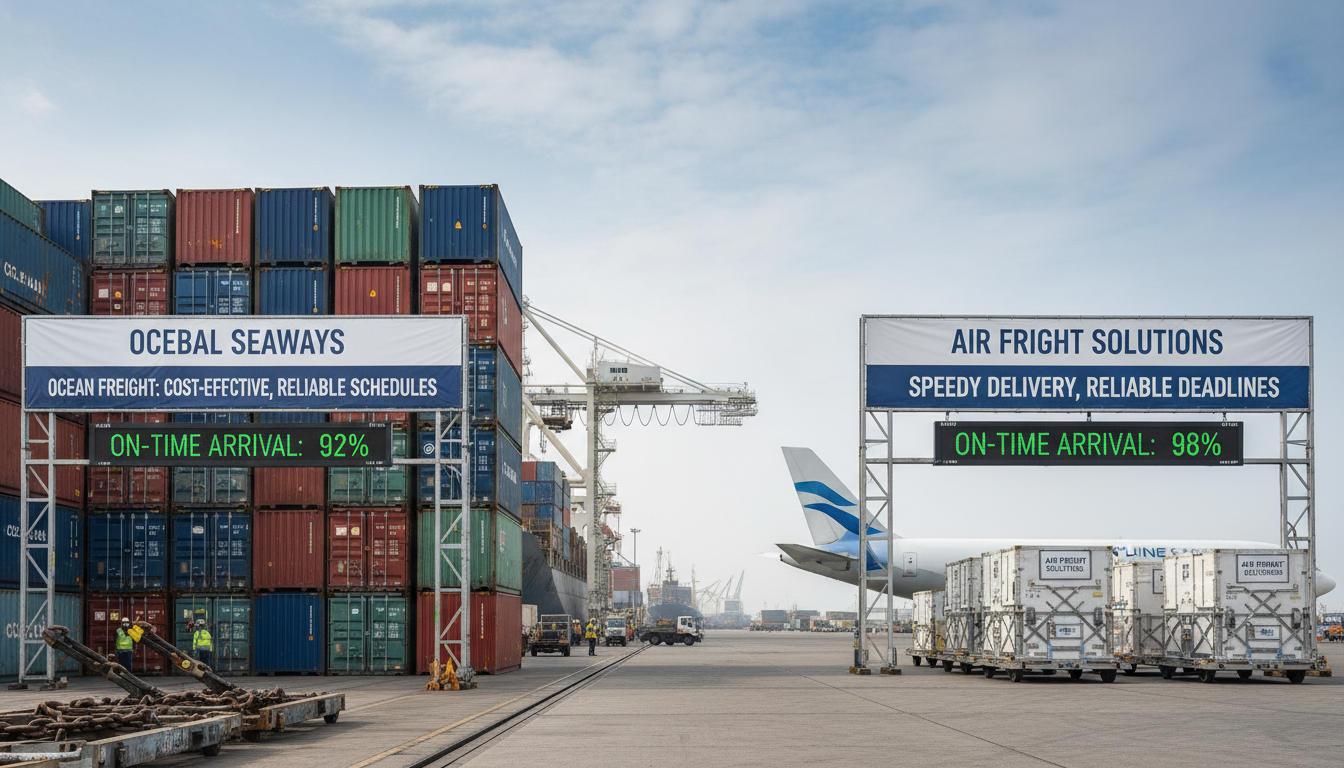
Reliability is a crucial factor for FBA sellers when deciding between ocean freight and air freight. Each method presents unique challenges that can impact delivery timelines and overall logistics.
Ocean Freight Reliability:
- Weather Conditions:
- Ocean freight is susceptible to delays caused by adverse weather, such as storms or rough seas, which can lead to rerouting or port closures.
- Port Congestion:
- Major ports can experience congestion, especially during peak seasons, resulting in longer wait times for loading and unloading cargo.
- Customs Delays:
- Ocean shipments are subject to customs inspections, which can delay delivery if documentation is not in order or if there are compliance issues.
Air Freight Reliability:
- Flight Cancellations:
- Air freight is affected by flight cancellations due to weather, technical issues, or operational disruptions, leading to potential delays.
- Security Checks:
- Rigorous security protocols at airports can add time to the shipping process, especially for international shipments that require additional inspections.
- Customs Inspections:
- Similar to ocean freight, air freight also faces customs inspections, which can cause delays if there are discrepancies in paperwork or product compliance.
Both shipping methods have their reliability challenges, and FBA sellers must weigh these factors against their urgency and inventory needs when choosing a shipping solution.
Suitability for Different Types of Products: Ocean Freight vs Air Freight
FBA sellers must assess the nature of their products when deciding between ocean freight and air freight. The characteristics of the items being shipped can significantly influence the choice of shipping method.
Heavy and Bulky Items
Ocean freight is particularly suited for heavy and bulky items. This shipping method offers several advantages for FBA sellers dealing with larger shipments:
- Capacity: Ocean freight vessels can accommodate large volumes and weights, making it ideal for bulk shipments of heavy products like furniture, machinery, or construction materials.
- Cost-Effectiveness: The cost per unit decreases significantly when shipping large quantities, as ocean freight typically charges based on container space rather than weight. This makes it a more economical option for sellers who need to transport large quantities of goods.
- Load Flexibility: Ocean freight allows for the stacking of pallets and containers, maximizing space utilization, which is beneficial for sellers with oversized items.
Urgent and Perishable Items
Air freight is the preferred choice for urgent and perishable items due to its speed and efficiency. Here are the key reasons why FBA sellers should consider air freight for time-sensitive products:
- Speed: Air freight drastically reduces transit times, with deliveries typically ranging from 3 to 7 days. This is crucial for sellers needing to restock quickly or launch new products.
- Freshness: For perishable goods such as food, flowers, or pharmaceuticals, air freight ensures that products remain fresh and viable upon arrival. The shorter shipping duration minimizes spoilage and waste.
- High-Value Electronics: Items like smartphones and laptops benefit from air freight as well, as sellers often need rapid delivery to meet consumer demand and avoid stockouts.
FBA sellers should evaluate their product characteristics, shipping urgency, and cost constraints to determine the most suitable shipping method for their logistics needs.
Environmental Impact: Ocean Freight vs Air Freight
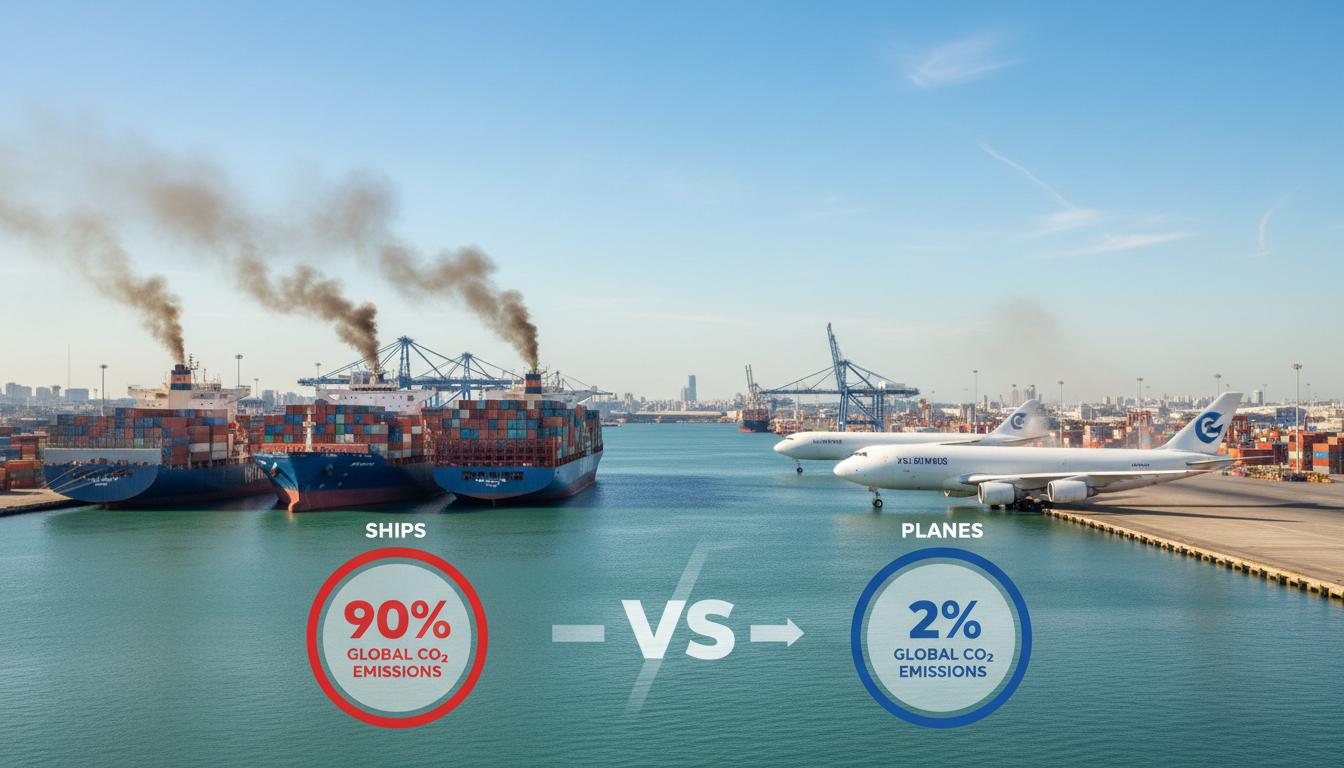
When evaluating the best shipping method, FBA sellers must consider the environmental impact of ocean freight and air freight. Understanding the carbon emissions associated with each option can guide sellers toward more sustainable logistics decisions.
- Ocean Freight:
- Ocean freight has lower carbon emissions per unit transported, making it a more environmentally friendly option for bulk shipments.
- The average carbon footprint for ocean freight is significantly reduced due to the efficiency of large vessels, which can carry vast quantities of goods.
- Air Freight:
- Air freight contributes significantly to higher carbon footprints because of the fuel-intensive nature of air travel.
- The emissions associated with air freight are substantially greater per unit of weight, resulting in a less sustainable option for shipping.
- Sustainability Initiatives:
- The shipping industry is increasingly adopting sustainability initiatives within ocean freight, such as investing in cleaner vessels and improved fuel efficiency.
- Innovations like retrofitting older ships with advanced technologies and utilizing alternative fuels aim to further reduce the environmental impact of ocean shipping.
FBA sellers aiming for eco-conscious logistics should prioritize ocean freight for larger shipments, thereby minimizing their overall carbon footprint while still meeting their supply chain needs.
Practical Advice for FBA Sellers: Choosing Between Ocean Freight and Air Freight
FBA sellers must assess their unique logistics needs to determine whether ocean freight or air freight is the best option for their business model. Key factors to consider include shipping volume, urgency, costs, and product characteristics.
Considerations for Choosing Freight Method:
- Shipping Volume and Weight:
- Evaluate the total weight and volume of the shipment. Larger shipments generally benefit from the lower per-unit costs associated with ocean freight.
- Urgency and Delivery Time Requirements:
- Determine how quickly you need the products to reach the Amazon fulfillment center. If speed is critical, air freight may be the better choice despite the higher costs.
- Cost Considerations:
- Conduct a cost analysis based on shipment size and method. Ocean freight is typically cheaper for bulk shipments, while air freight incurs higher costs for smaller volumes.
- Product Type and Characteristics:
- Consider the nature of the products. Perishable items or time-sensitive goods should lean towards air freight, while durable goods can be shipped via ocean freight.
Decision-Making Flowchart: Choosing Your Freight Method
| Step | Decision |
|---|---|
| 1 | Determine Shipping Volume |
| 2 | Is the shipment large (over 100 kg)? |
| Yes → Consider Ocean Freight | |
| No → Go to Step 3 | |
| 3 | Is the shipment urgent (needs delivery within 7 days)? |
| Yes → Consider Air Freight | |
| No → Go to Step 4 | |
| 4 | Is the product heavy or bulky? |
| Yes → Consider Ocean Freight | |
| No → Consider Air Freight |
FBA sellers should utilize this framework to make informed logistics decisions that align with their operational needs and business goals.
Final Words
Final Words
In the action of assessing shipping methods, FBA sellers must weigh the costs, delivery times, reliability, product suitability, and environmental impact of ocean freight versus air freight.
Each method has distinct advantages: ocean freight is ideal for bulky items and cost efficiency, while air freight excels in urgency and handling perishable goods. Understanding these factors enables sellers to make informed decisions tailored to their logistics needs.
By focusing on these elements, Amazon FBA sellers can enhance their shipping strategies. Ultimately, choosing the right method—whether it’s ocean freight or air freight—can lead to improved efficiency and profitability in their business operations.
FAQ
Q: What are the average costs associated with ocean and air freight for FBA sellers?
A: Ocean freight typically costs less per kg compared to air freight. Average costs vary based on shipment size, distance, and additional fees such as customs and handling.
Q: How long does ocean freight take compared to air freight for delivery?
A: Ocean freight usually takes 20-40 days, while air freight takes 3-7 days, including customs clearance. Factors like customs delays and seasonal traffic can affect these timelines.
Q: What factors impact the reliability of ocean and air freight?
A: Reliability is influenced by external factors. Ocean freight may face weather conditions, port congestion, and customs delays. Air freight reliability can be affected by flight cancellations, security checks, and customs inspections.
Q: Which shipping method is better for heavy and bulky items?
A: Ocean freight is ideal for heavy and bulky items due to its capacity and cost-effectiveness, making it suitable for large shipments.
Q: How does air freight benefit urgent and perishable items?
A: Air freight is advantageous for urgent and perishable items, such as food and electronics, because it offers fast delivery, ensuring time-sensitive goods reach their destination quickly.
Q: What is the environmental impact of ocean freight compared to air freight?
A: Ocean freight has lower carbon emissions per unit transported, while air freight significantly contributes to higher carbon footprints. Sustainability initiatives are emerging in ocean freight, such as cleaner vessels.
Q: What practical advice can FBA sellers use to choose between ocean and air freight?
A: FBA sellers should consider shipping volume, urgency, cost, and product characteristics. A decision-making flowchart can guide them through evaluating their logistics needs for optimal shipping choices.
Leave a Reply