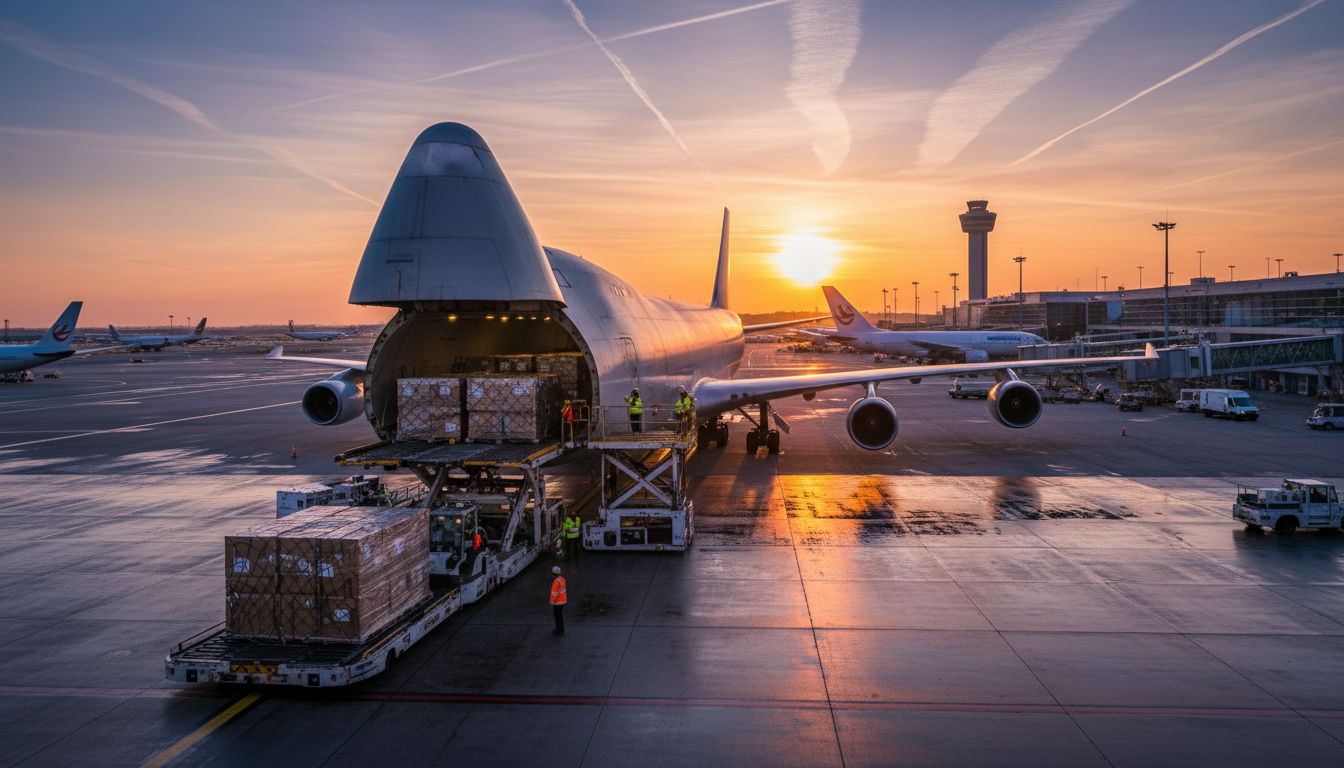
When it comes to importing goods from China, many Amazon FBA sellers face a critical question: how much should they expect to pay for air freight? With costs typically ranging from $4 to $8 per kilogram, the nuances of air freight pricing can dramatically impact profitability. This blog post will delve into the complex factors influencing air freight costs, providing essential insights to help sellers navigate their shipping decisions. By understanding these dynamics, sellers can optimize their logistics strategies and maximize their bottom line.
Understanding Air Freight Costs
Air freight costs from China typically range from $4 to $8 per kg, influenced by several factors that can affect pricing and overall shipping expenses.
- Factors Influencing Pricing
- Shipping routes: The distance and the specific air routes taken can significantly impact costs. Direct routes usually incur lower charges than those requiring multiple stops.
- Cargo weight and volume: Heavier and bulkier shipments may incur higher fees due to weight and volumetric calculations. Carriers often use the greater of actual weight or volumetric weight to determine charges.
- Seasonal demand fluctuations: Peak shipping seasons, particularly before major holidays, can lead to increased demand and higher prices.
- Service provider reputation: Established carriers with a strong track record may charge premium rates compared to lesser-known operators, reflecting their reliability and service quality.
- Cost Breakdown Per Kilogram
- Average rates for express vs. standard air freight include:
- Express shipping: $6 – $10 per kg
- Standard shipping: $4 – $8 per kg
| Service Type | Average Cost Range (per kg) |
|---|---|
| Express Shipping | $6 – $10 |
| Standard Shipping | $4 – $8 |
Understanding these costs and factors is crucial for Amazon FBA sellers when planning shipments from China to ensure budget adherence and timely delivery.
Comparison of Different Carriers
Major air freight service providers play a critical role in determining the costs associated with shipping from China. Each carrier has its own pricing structures, service types, and delivery timelines, which can significantly impact overall logistics costs for Amazon FBA sellers.
- Major Air Freight Service Providers
- DHL: Known for its extensive global network and express service options, DHL is often preferred for time-sensitive shipments.
- FedEx: Offers a variety of shipping solutions, including express and economy services, making it a flexible choice for different cargo types.
- UPS: Provides reliable shipping with a focus on logistics management, suitable for both small and large shipments.
- Cost Analysis by Carrier
| Carrier Name | Service Type | Cost Range per kg |
|---|---|---|
| DHL | Express Shipping | $5 – $9 |
| FedEx | Express Shipping | $6 – $10 |
| UPS | Standard Shipping | $5.50 – $8.50 |
The cost ranges above reflect average charges and can vary based on shipment specifics, such as destination, weight, and service level chosen. Understanding these differences allows Amazon FBA sellers to make informed decisions about which carrier best suits their shipping needs and budget constraints.
Additional Charges Explained
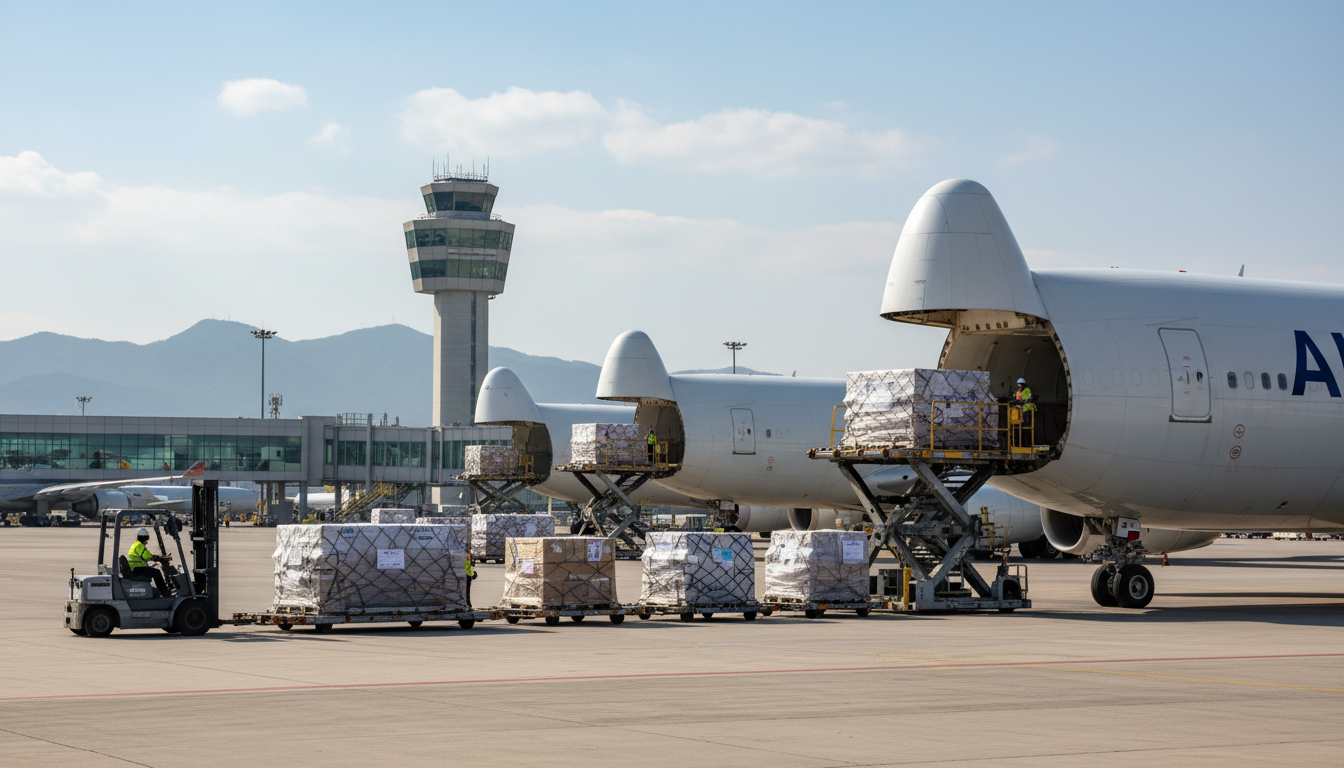
Air freight costs are not limited to the base rate per kilogram; additional charges can significantly affect the total shipping expenses. Understanding these extra fees is crucial for Amazon FBA sellers to accurately budget for international shipments.
- Insurance Costs
- Average insurance fees typically range from 1% to 3% of the cargo value. This percentage can vary depending on the service provider and the specific coverage options chosen.
- Insuring high-value items is particularly important, as it protects against potential loss or damage during transit. Sellers should evaluate the value of their goods and consider comprehensive insurance plans to mitigate financial risks.
- Customs and Duties
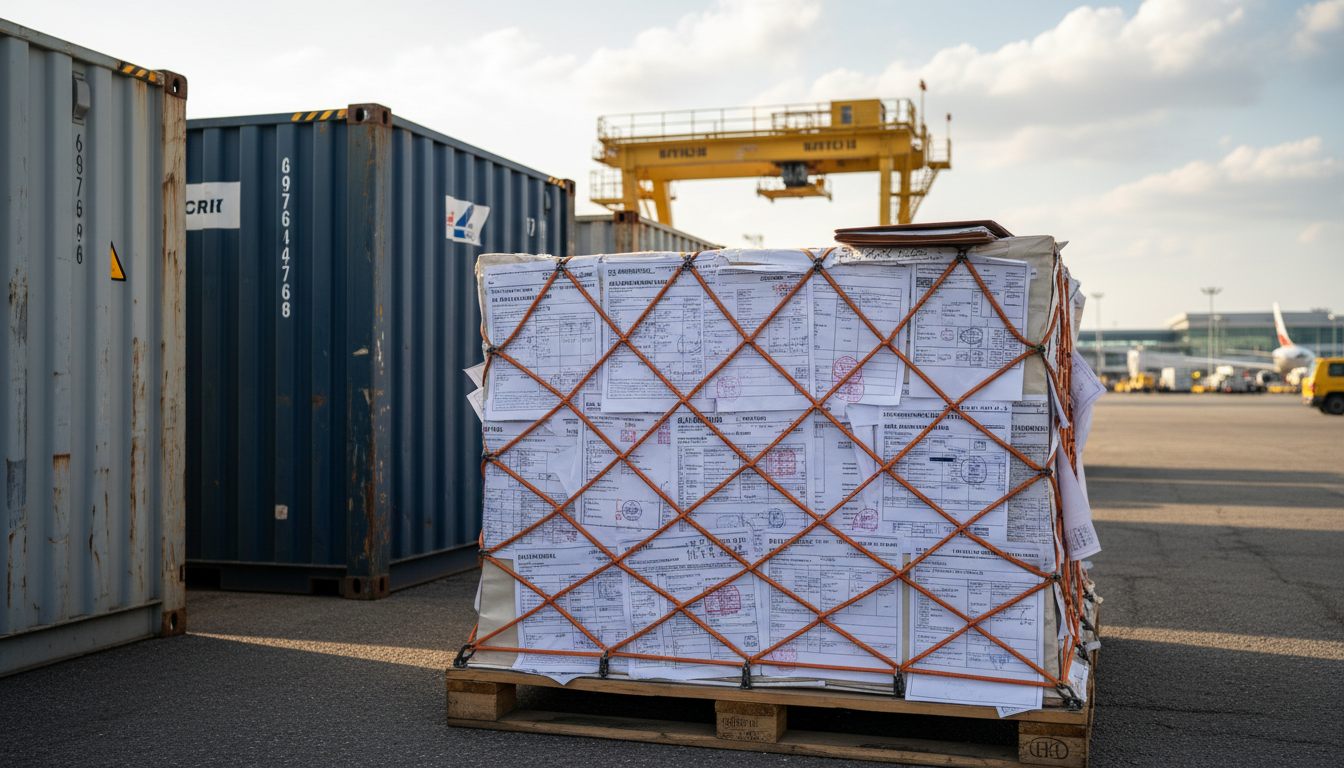
- Customs duties are taxes imposed by governments on imported goods, which vary based on destination and product type. Understanding these fees is essential for effective cost management.
- Estimated customs fees for key markets include:
- United States: Duties can range from 0% to 37.5%, depending on the product classification.
- European Union: Duties typically range from 0% to 12%, again influenced by the specific HS code assigned to the product.
- Accurate HS code classification is vital for calculating duties correctly and avoiding unexpected charges. Misclassification can lead to delays and additional fees that impact overall shipping costs.
| Market | Estimated Customs Fees |
|---|---|
| United States | 0% – 37.5% |
| European Union | 0% – 12% |
By accounting for these additional charges, sellers can better anticipate total shipping costs and avoid surprises upon delivery.
Choosing the Right Air Freight Service
Selecting the right air freight service is crucial for Amazon FBA sellers as it directly impacts shipping costs and delivery efficiency. Balancing cost and reliability is key to making informed logistics decisions.
- Cost vs. Reliability
- Comparing service quality ratings: Evaluate carriers based on customer feedback and industry ratings. Higher-rated services may come at a premium but can save time and reduce the risk of delays.
- Evaluating delivery times and performance metrics: Analyze each carrier’s track record for on-time deliveries and responsiveness. Understanding their typical transit times helps set realistic expectations for inventory management.
- Tips for Selecting a Carrier
- Compare quotes from multiple providers: Obtain estimates from various freight forwarders to gauge the market rate. This comparison should include not just base rates but also factors like fuel surcharges and peak season pricing.
- Check for hidden fees: Scrutinize contracts for additional charges such as handling fees, customs clearance costs, and insurance. Transparency in pricing can prevent budget overruns.
- Read customer reviews: Investigate online reviews and testimonials to assess the reliability and service quality of potential carriers. Look for recurring themes in customer experiences that highlight strengths or weaknesses.
- Understand transit times and service reliability: Know the average transit times for different services and how they align with your shipping schedule. Reliability metrics can inform whether a carrier can meet urgent shipment needs.
| Carrier Selection Criteria | Considerations |
|---|---|
| Cost | Compare quotes and look for hidden fees |
| Service Quality | Check ratings and read reviews |
| Delivery Times | Evaluate historical performance metrics |
| Reliability | Understand service consistency and responsiveness |
By carefully considering these factors and following the outlined tips, Amazon FBA sellers can select the most cost-effective and reliable air freight service tailored to their specific shipping needs.
Final Words
Final Words
Understanding air freight costs is crucial for optimizing logistics from China. This article delved into the pricing factors such as shipping routes, cargo weight, and seasonal demand that influence air freight costs.
Different carriers like DHL, FedEx, and UPS were compared, showcasing their pricing structures and service quality. Additional charges, including insurance and customs duties, can significantly affect total shipping expenses, emphasizing the need for careful planning.
Ultimately, choosing the right air freight service is about balancing cost and reliability. With the insights provided, sellers can make informed decisions, ensuring a smooth shipping experience. Knowledge of air freight cost per kg from China: a complete breakdown will empower sellers to navigate this vital aspect of their e-commerce operations effectively.
FAQ
Q: What are the key factors influencing air freight pricing?
A: Air freight pricing is influenced by shipping routes, cargo weight and volume, seasonal demand fluctuations, and the reputation of the service provider.
Q: What is the cost breakdown per kilogram for air freight?
A: Average air freight costs range from $4 to $10 per kg, with express shipping priced between $6 and $10, while standard shipping is typically $4 to $8.
Q: Which air freight carriers are the most prominent?
A: Major air freight carriers include DHL, FedEx, and UPS, each offering different pricing structures and service options for shipping needs.
Q: How do air freight rates compare among different carriers?
A: Carrier rates vary: DHL charges $5 to $9, FedEx ranges from $6 to $10, and UPS offers $5.50 to $8.50 per kg for air freight services.
Q: What additional charges should be considered in air freight?
A: Additional charges can include insurance fees, averaging 1% to 3% of cargo value, and customs duties based on destination, impacting total shipping costs.
Q: How can customs duties affect air freight costs?
A: Customs duties vary by destination, and accurate HS codes are crucial for calculating these fees to avoid unexpected costs during shipping.
Q: What should be considered when choosing an air freight service?
A: Selecting an air freight service requires balancing cost and reliability, evaluating service quality ratings, delivery times, and performance metrics.
Q: What tips can help in selecting the right air freight carrier?
A: To select a carrier, compare quotes, check for hidden fees, read customer reviews, and understand transit times and service reliability.
Leave a Reply