
Are demurrage and detention fees silently draining your Amazon FBA profits? For many sellers, these hidden costs can quickly escalate into thousands of dollars, undermining hard-earned revenue. Understanding the nuances of these fees is crucial for maintaining a profitable supply chain. This post will dissect the definitions and differences between demurrage and detention fees, explore common causes, and present actionable strategies to avoid these costly pitfalls. By mastering these elements, FBA sellers can streamline their logistics and enhance profitability, ensuring a smoother shipping experience from China to Amazon warehouses.
Demurrage and Detention Fees: Avoid Them Easily
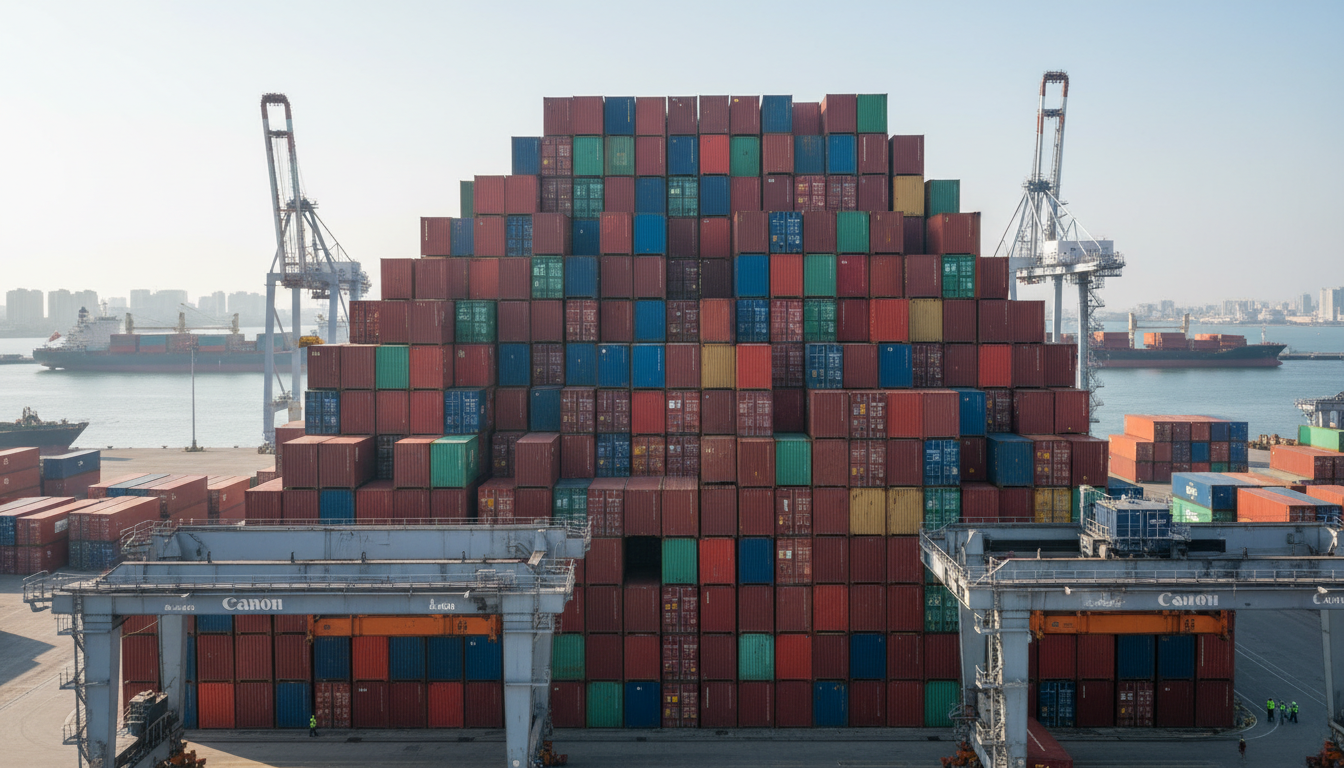
Demurrage fees are charges applied when shipping containers remain at a port beyond the free time allowed for unloading. This period varies by port and shipping line, but exceeding it results in daily fees that can quickly accumulate. For FBA sellers, these costs can significantly impact profit margins, making it crucial to manage shipping timelines effectively.
Detention fees, on the other hand, occur when containers are not returned to the shipping line within the designated timeframe. These fees are levied for the extended use of the container, which can also lead to financial strain if not carefully monitored. Understanding the distinction between these two fees is essential for FBA sellers, as both can arise from similar logistical challenges.
To mitigate these risks, sellers should prioritize efficient logistics management. This includes establishing a clear shipping schedule, optimizing the unloading process, and ensuring timely returns of containers. Implementing technology solutions that track shipping timelines and alert sellers of potential delays can also be beneficial.
Awareness of the shipping line’s policies regarding free time and fees is vital. Sellers should communicate proactively with carriers to avoid misunderstandings and ensure smooth operations. By taking these preventive measures, FBA sellers can avoid the pitfalls of demurrage and detention fees, safeguarding their profitability.
Summary of Key Points
- Demurrage Fees: Charged for containers not cleared from the port in time.
- Detention Fees: Applied for containers not returned to the shipping line as scheduled.
- Impact on FBA Sellers: Both fees can significantly reduce profit margins.
- Prevention Strategies:
- Establish clear shipping schedules.
- Optimize unloading processes.
- Use technology to track timelines and receive alerts.
- Communicate with carriers to avoid misunderstandings.
Common Causes of Demurrage and Detention Fees
FBA sellers often face demurrage and detention fees due to several key logistical challenges. Understanding these causes can help sellers implement strategies to avoid unnecessary costs.
- Delayed Pickups
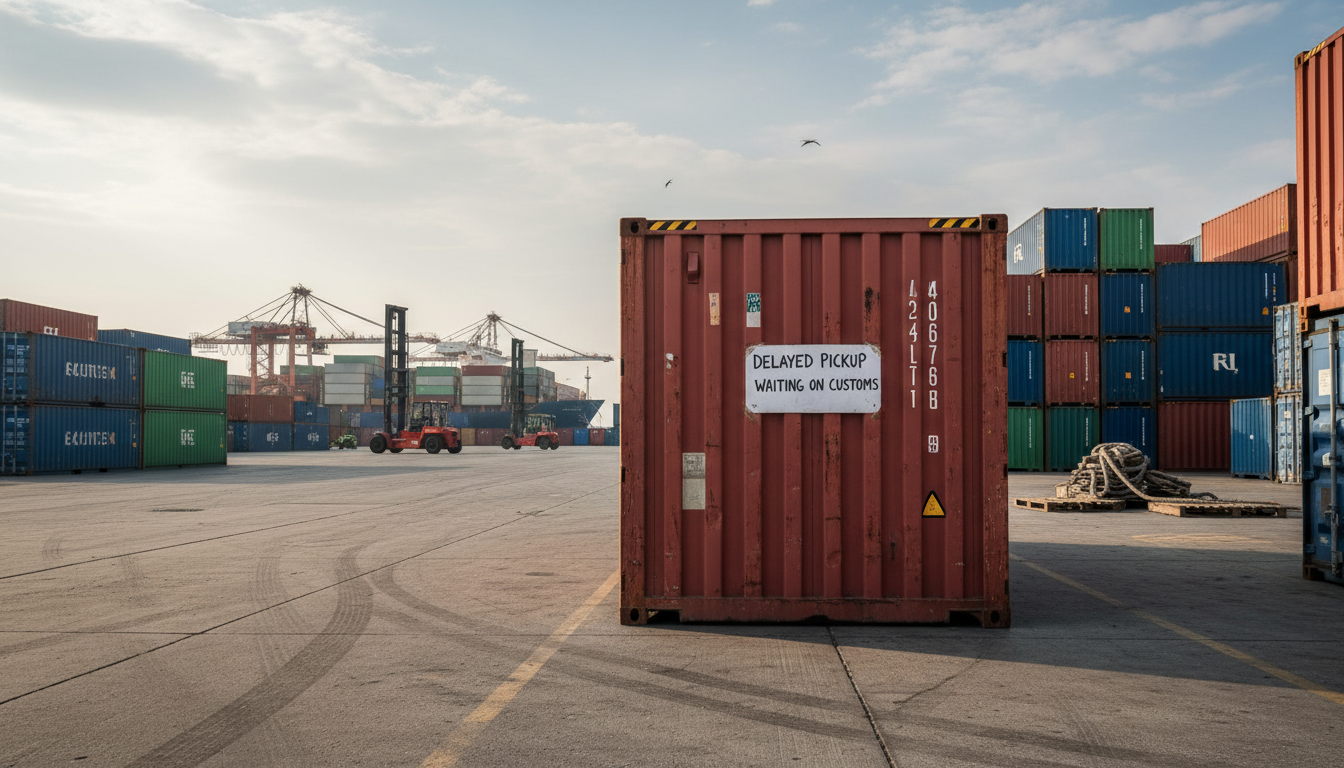
Delays in container pickups from the port can lead to demurrage fees. These delays might result from scheduling conflicts with transportation providers or inadequate coordination between the seller and logistics partners. For instance, if the trucking company is unable to arrive on time, the container may remain at the port beyond the allowed free time.
- Extended Container Usage
When containers are kept longer than necessary, detention fees come into play. This situation usually arises from inefficiencies in the supply chain, such as delays in unloading at the warehouse or slow internal processes for returning the empty containers. Sellers must ensure that their operations are streamlined to avoid extending container usage.
- Poor Planning and Scheduling
Inadequate planning can lead to a cascade of logistical issues that result in both demurrage and detention fees. Sellers who fail to accurately forecast shipping timelines or who do not account for potential delays may find themselves incurring additional charges. For example, if a seller underestimates the time required for customs clearance, it could lead to extended container time at the port.
By recognizing these common causes, FBA sellers can take proactive measures to manage their shipping processes more effectively, minimizing the risk of incurring costly fees.
Strategies to Avoid Demurrage and Detention Fees
To effectively avoid demurrage and detention fees on FBA containers, sellers must implement strategic logistical practices. Below are actionable strategies that can substantially reduce the risk of incurring these costly fees.
- Effective Shipping Schedules
Establishing a well-defined shipping schedule is crucial. Sellers should align shipping timelines with their operational capabilities and forecasted inventory needs. This includes:
- Planning shipment dates that account for potential delays.
- Coordinating with freight forwarders to ensure timely pickups and deliveries.
- Setting realistic unloading and container return timelines based on past performance metrics.
- Clear Communication with Carriers
Maintaining open lines of communication with carriers is vital for preventing misunderstandings and delays. Sellers should:
- Provide accurate and timely information regarding shipment status and expected pickup times.
- Confirm appointments for container pickups and returns well in advance.
- Establish a point of contact within the carrier’s organization to facilitate swift resolution of any arising issues.
- Utilizing Technology and Tools
Leveraging technology can enhance visibility into shipping processes and improve overall logistics management. Sellers can:
- Use shipment tracking software to monitor the real-time status of containers.
- Implement inventory management systems that integrate with shipping data to provide alerts for potential delays.
- Utilize analytics tools to evaluate shipping performance and identify areas for improvement, such as average unloading times and historical delays.
By focusing on effective shipping schedules, clear communication with carriers, and utilizing technology, FBA sellers can significantly minimize the risk of incurring demurrage and detention fees, ultimately protecting their profit margins.
Case Studies and Examples
Real-world examples from FBA sellers demonstrate both successful strategies for avoiding demurrage and detention fees, as well as common pitfalls that can lead to increased costs.
Successful Fee Avoidance Strategies
- Proactive Communication: One seller improved their shipping process by maintaining constant communication with their freight forwarder. By scheduling pickups in advance and confirming appointments, they reduced delays that could lead to demurrage fees.
- Efficient Unloading Processes: Another seller streamlined their unloading process by coordinating with warehouse staff to ensure swift unloading of containers. This proactive measure helped them avoid extended container usage and subsequent detention fees.
- Technology Implementation: A seller utilized a logistics management software that provided real-time tracking of container status. This allowed them to anticipate any potential delays and adjust their logistics plans, effectively avoiding both types of fees.
Lessons Learned from FBA Sellers
- Underestimating Free Time: One seller learned the hard way that not all ports offer the same free time for container unloading. They faced significant demurrage fees due to a lack of research on port-specific policies, highlighting the importance of understanding local regulations.
- Inadequate Planning: A seller who failed to schedule timely returns of empty containers incurred heavy detention fees. Their oversight in planning led to extended usage of containers, which could have been avoided with better logistical foresight.
- Ignoring Carrier Policies: A seller faced unexpected fees because they did not fully understand their carrier’s policies regarding free time and charges. This case underscores the necessity for sellers to thoroughly read and comprehend contracts with carriers to avoid surprises.
These case studies illustrate that effective communication, efficient processes, and thorough research can significantly mitigate the risk of incurring demurrage and detention fees in the FBA shipping process.
Checklists and Resources
Providing checklists and resources is essential for FBA sellers to maintain efficient shipping practices and monitor their timelines effectively. These tools help ensure that all critical steps are followed, reducing the likelihood of incurring demurrage and detention fees.
Pre-Shipping Checklist
- Confirm Shipping Schedule: Verify the timeline for the entire shipping process, including pickup and delivery dates.
- Communicate with Carriers: Ensure clarity on responsibilities and timelines with all transport partners.
- Documentation Prepared: Gather necessary documents (commercial invoice, packing list, etc.) in advance to avoid delays.
- Container Reservation: Confirm reservations for containers and their return schedules to prevent extended usage.
- Warehouse Coordination: Align schedules with warehouses for prompt unloading and return of containers.
Tools for Monitoring Shipping Timelines
- Shipping Management Software: Utilize platforms that provide real-time tracking of shipments and alerts for delays.
- Calendar Reminders: Set up reminders for critical deadlines, including container returns and unloading appointments.
- Communication Apps: Use tools for seamless communication with carriers and logistics partners to address issues immediately.
- Performance Dashboards: Implement dashboards to review shipping performance and identify areas for improvement.
- Tracking Systems: Employ systems that offer milestone updates (departure, customs, arrival) to ensure proactive management.
By utilizing these checklists and tools, FBA sellers can better manage their shipping timelines and avoid costly fees associated with demurrage and detention.
Final Words
Final Words
Understanding demurrage and detention fees is crucial for FBA sellers aiming to protect their profits. Identifying common causes like delayed pickups and poor planning can help in preventing these costs.
Implementing effective shipping schedules and maintaining clear communication with carriers are actionable strategies that can significantly mitigate risks.
Real-world examples emphasize the importance of learning from both successes and mistakes in managing these fees. With the right tools and checklists, sellers can streamline their import processes.
By focusing on these strategies, FBA sellers can effectively avoid demurrage and detention fees, ensuring a smoother shipping experience.
FAQ
Q: What are demurrage fees?
A: Demurrage fees are charges incurred when shipping containers remain at the port beyond the allotted free time, impacting FBA sellers’ profitability.
Q: What are detention fees?
A: Detention fees arise when containers are not returned to the shipping line within the specified time frame, adding additional costs for FBA sellers.
Q: What causes demurrage fees?
A: Common causes include delayed pickups, scheduling conflicts, extended container usage, and poor planning, all of which can lead to increased costs for FBA sellers.
Q: How can FBA sellers avoid demurrage fees?
A: Implementing effective shipping schedules, maintaining clear communication with carriers, and utilizing technology for logistics management can significantly reduce demurrage fees.
Q: What strategies help prevent detention fees?
A: To prevent detention fees, FBA sellers should focus on timely container returns, optimize scheduling, and ensure proper planning to avoid extended usage.
Q: What are some successful strategies for avoiding fees?
A: Case studies show that proactive communication, efficient logistics planning, and timely pickups are effective strategies for avoiding demurrage and detention fees.
Q: What resources can help manage shipping timelines?
A: FBA sellers can utilize pre-shipping checklists and monitoring tools to effectively track shipping timelines and minimize the risk of incurring fees.
Leave a Reply