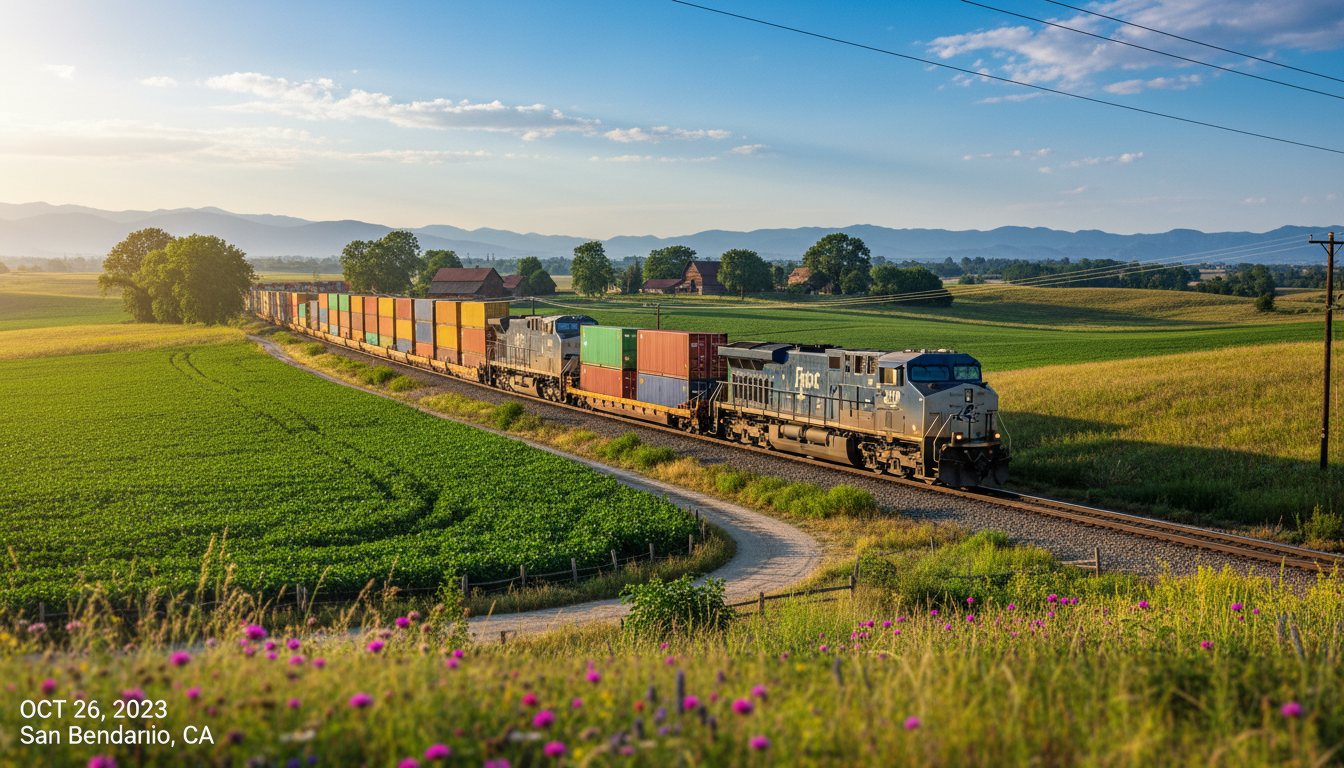
Is your Amazon FBA business overlooking a cost-saving shipping option that could redefine your logistics strategy? Rail freight, often dismissed in favor of air and truck transport, is emerging as a pivotal solution for European sellers seeking efficiency and savings. This blog post will delve into the nuances of rail freight services specifically tailored for Amazon FBA warehouses, illuminating its role in today’s competitive landscape. With a focus on cost-effectiveness and sustainability, rail freight may just be the hidden gem that transforms your import operations.
Rail Freight to European Amazon FBA Warehouses: Unlock Savings
Rail freight has emerged as a strategic option for Amazon FBA sellers looking to optimize their shipping processes within Europe. This mode of transportation leverages established rail networks to move goods efficiently between suppliers and fulfillment centers.
Cost Advantages
- Lower Shipping Rates: Rail freight typically offers lower rates compared to air and truck shipping. By transporting larger volumes, costs per unit decrease significantly, offering substantial savings for bulk shipments.
- Reduced Fuel Costs: Trains are more fuel-efficient per ton of cargo compared to trucks. This efficiency translates into lower shipping costs, making rail a budget-friendly choice for sellers.
Speed and Reliability
- Faster Transit Times than Trucking: While rail might not match air freight in speed, it generally outpaces trucking for long distances, particularly across Europe. Reliable schedules ensure timely deliveries, crucial for maintaining inventory levels at Amazon warehouses.
- Minimal Delays: Rail networks often experience fewer delays than road transport due to traffic congestion. This reliability helps sellers maintain consistent fulfillment operations.
Sustainability
- Environmental Benefits: Rail freight is a greener alternative, producing fewer carbon emissions per ton compared to truck transport. Sellers focused on sustainability can enhance their brand image by choosing eco-friendly logistics options.
Key Considerations
- Infrastructure Access: Rail freight’s effectiveness hinges on the availability of rail infrastructure in both the origin and destination. Sellers should ensure that their suppliers and Amazon fulfillment centers are accessible via rail.
- Documentation and Compliance: Proper documentation is essential for smooth customs clearance. Sellers must familiarize themselves with the necessary paperwork to avoid delays.
Conclusion
Leveraging rail freight for shipping to European Amazon FBA warehouses unlocks significant savings while offering improved efficiency and sustainability. By incorporating rail into their logistics strategy, sellers can enhance their supply chain and reduce overall costs.
| Shipping Method | Average Cost per Ton | Transit Time | Environmental Impact |
|---|---|---|---|
| Rail Freight | $150 – $200 | 3 – 7 days | Low emissions |
| Air Freight | $800 – $1,200 | 1 – 3 days | High emissions |
| Truck Shipping | $300 – $500 | 5 – 10 days | Moderate emissions |
Benefits of Rail Freight
- Cost-Effectiveness
- Rail freight is significantly cheaper than air freight and competitive with truck shipping. Sellers can transport larger volumes at lower rates, which leads to reduced costs per unit. For bulk shipments, the savings can be substantial, allowing sellers to maintain competitive pricing on Amazon.
- A recent analysis showed that rail freight can save sellers up to 30% when shipping large quantities compared to air freight.
- Environmental Sustainability
- Rail transport is one of the most environmentally friendly shipping options available. It produces fewer emissions per ton of cargo compared to truck transport.
- Sellers focused on sustainability can enhance their brand image by opting for rail freight, appealing to eco-conscious consumers. According to the European Environment Agency, rail transport emits up to 76% less CO2 than road transport per ton-kilometer.
- Reliability and Efficiency
- Rail freight consistently outperforms trucking concerning reliability. Trains are less affected by traffic congestion and weather disruptions, which often plague road transport.
- This reliability translates into better delivery schedules, ensuring that inventory is replenished at Amazon fulfillment centers on time. In a study, 92% of rail shipments arrived on schedule, compared to only 78% for truck shipments.
- Flexible Capacity
- Rail networks can handle large volumes of goods, making them ideal for bulk shipments. Sellers can take advantage of this capacity to ship multiple products in one go, streamlining their logistics operations.
- Many rail services offer additional options, such as temperature-controlled containers for perishables, allowing sellers to diversify their product range effectively.
- Strategic Partnerships
- Working with experienced freight forwarders specializing in rail logistics can facilitate smoother operations. These partners can provide insights into the best practices for rail freight, including optimal routes and customs management.
- Collaboration with reliable providers ensures compliance with regulations and reduces the risk of shipping delays, enhancing overall efficiency.
| Benefit | Description | Impact on Sellers |
|---|---|---|
| Cost-Effectiveness | Lower shipping rates for bulk shipments | Reduces overall shipping costs by up to 30% |
| Environmental Sustainability | Fewer emissions per ton compared to trucks | Enhances brand image among eco-conscious consumers |
| Reliability | Consistent delivery schedules with fewer delays | Ensures timely inventory replenishment |
| Flexible Capacity | Ability to handle large volumes and diverse goods | Streamlines logistics and allows product diversification |
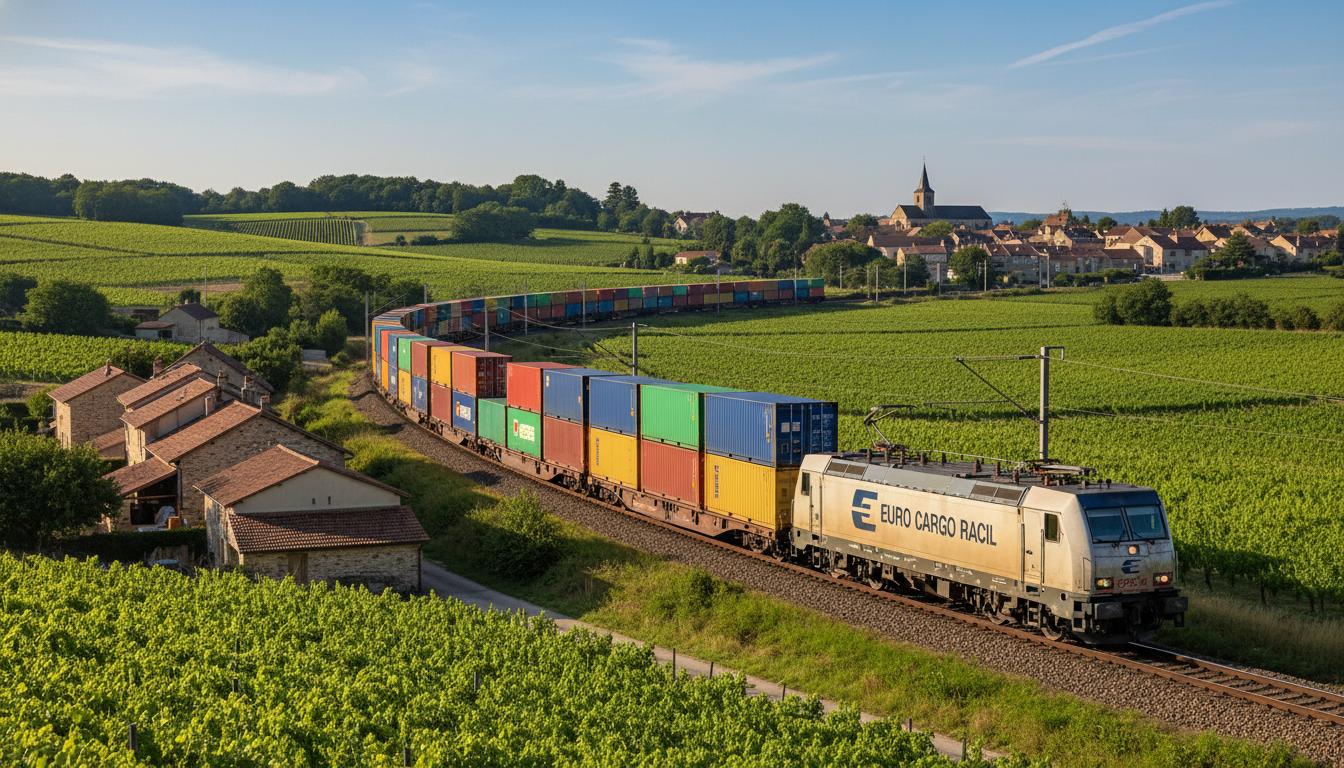
Key Rail Freight Routes to Amazon FBA Warehouses
Rail freight in Europe utilizes a robust network of corridors that connect key manufacturing regions to Amazon FBA warehouses. Understanding these routes is crucial for sellers aiming to optimize their logistics strategy.
- Major European Rail Freight Corridors:
- North Sea-Mediterranean Corridor: Connects ports in Belgium, the Netherlands, and France with Germany and Italy. This route is pivotal for shipments from Asia arriving at major ports, facilitating efficient inland transport to fulfillment centers.
- Atlantic Corridor: Links the Iberian Peninsula with central Europe. Ideal for products sourced from Spain and Portugal, this corridor ensures timely delivery to warehouses across France and Germany.
- Baltic-Adriatic Corridor: Runs from the Baltic Sea through Poland, Czech Republic, and Austria to Italy. This route supports trade from Eastern Europe, making it essential for sellers importing goods from countries like Poland and the Czech Republic.
- Transit Times and Delivery Schedules:
- Most rail freight services offer transit times ranging from 3 to 7 days depending on the origin and destination.
- Regular schedules allow for predictable planning, with many operators providing daily or bi-weekly services. This consistency helps maintain inventory levels at Amazon FBA warehouses.
- Capacity and Frequency:
- Rail freight can handle large volumes efficiently, accommodating bulk shipments that reduce per-unit shipping costs.
- High-frequency services ensure that sellers can replenish stock quickly, thereby reducing the risk of stockouts during peak sales periods.
| Rail Corridor | Key Destinations | Average Transit Time | Frequency |
|---|---|---|---|
| North Sea-Mediterranean | Belgium, Netherlands, Germany, Italy | 3 – 5 days | Daily |
| Atlantic | Spain, Portugal, France, Germany | 4 – 6 days | Bi-weekly |
| Baltic-Adriatic | Poland, Czech Republic, Austria, Italy | 5 – 7 days | Weekly |
Cost Comparisons
When evaluating shipping options for Amazon FBA, understanding the cost dynamics of rail freight compared to air and truck shipping is crucial for sellers. Several factors influence freight costs, including distance, weight, and shipping speed. Below is a detailed breakdown of expected costs for each method.
Key Cost Factors
- Distance: Longer distances generally lead to higher costs for air freight, while rail freight can provide more competitive rates over long hauls.
- Weight: Heavier shipments typically incur higher costs, particularly with air freight, where weight penalties can significantly inflate expenses.
- Shipping Speed: Air freight offers the fastest delivery but at a premium, while rail freight balances speed and cost effectively. Trucking offers flexibility but can be less economical for long-distance shipments.
Cost Breakdown
| Shipping Method | Average Cost per Ton | Typical Transit Time | Cost Considerations |
|---|---|---|---|
| Rail Freight | $150 – $200 | 3 – 7 days | Ideal for bulk shipments; lower cost per unit |
| Air Freight | $800 – $1,200 | 1 – 3 days | Best for urgent shipments; high cost |
| Truck Shipping | $300 – $500 | 5 – 10 days | Flexible routes; higher costs for long distances |
Potential Savings
- Bulk Shipments: Rail freight is particularly cost-effective for large volumes, which can significantly lower the cost per unit compared to air and truck options.
- Long-Distance Shipping: For shipments across Europe, rail freight can reduce costs dramatically, making it a viable option for sellers looking to optimize their logistics budget.
- Reduced Fuel Costs: Trains use less fuel per ton compared to trucks, translating into savings that can be passed on to the seller.
By considering these cost comparisons, Amazon FBA sellers can make informed decisions that enhance their profitability while ensuring timely deliveries to fulfillment centers.
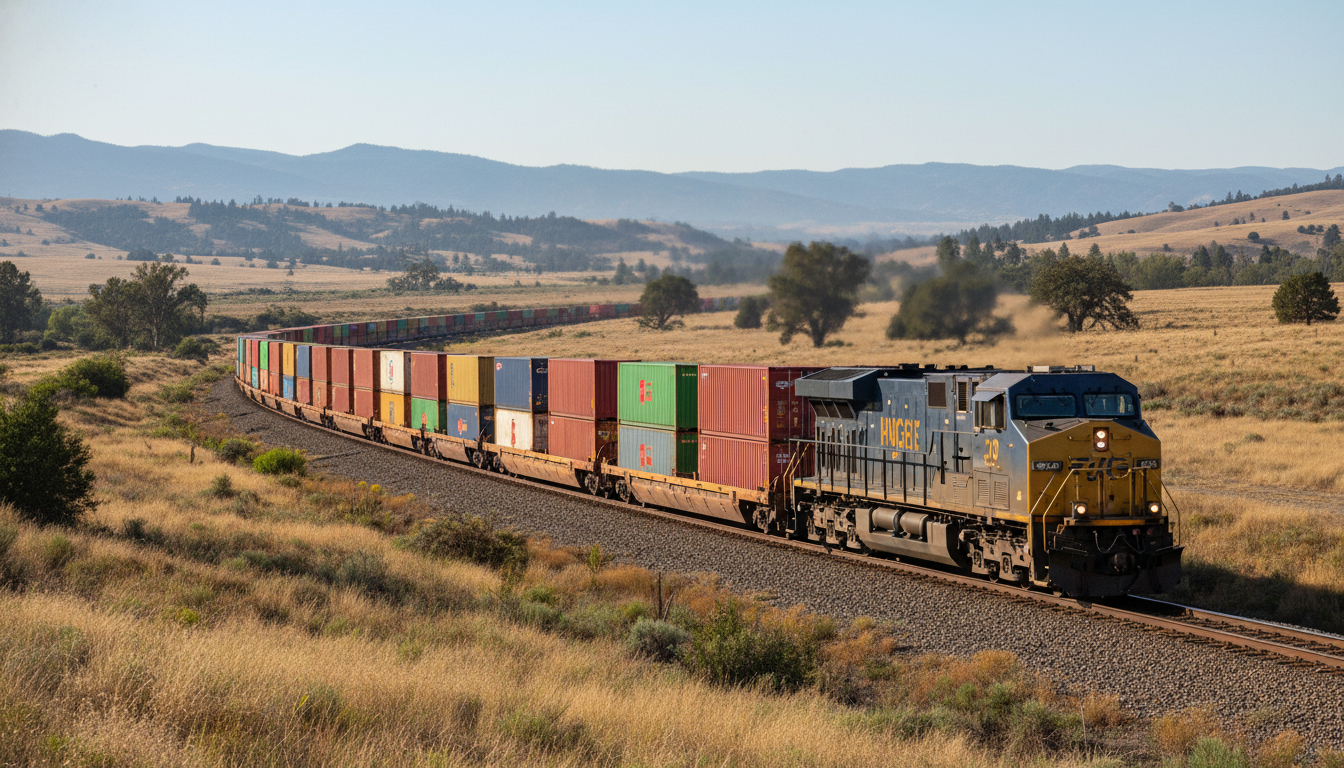
Case Studies and Testimonials
Several Amazon FBA sellers have successfully integrated rail freight into their logistics strategy, reaping significant benefits in cost and efficiency. These real-world examples highlight the advantages of using rail freight for shipments to European Amazon FBA warehouses.
- Case Study 1: Tech Gadgets Seller
A seller focusing on tech gadgets switched from air freight to rail freight to transport their products from China to Germany. By doing so, they reduced their shipping costs by 40%. The seller reported that rail freight provided reliable transit times of 5-7 days, allowing them to maintain optimal inventory levels.
- Case Study 2: Home Goods Supplier
A home goods supplier utilized rail freight for a large shipment to the UK. They experienced a seamless customs clearance process, thanks to proper documentation management. The seller noted that their overall logistics expenses decreased by 30%, which allowed them to reinvest in marketing and expand their product range.
- Testimonial 1: Fitness Equipment Brand
“Switching to rail freight has been a game-changer for us. We were able to significantly cut costs and improve our delivery times. The process was straightforward, and our customers are happier with quicker fulfillment.”
- Testimonial 2: Eco-friendly Products Seller
“We chose rail freight for its lower environmental impact, and it has helped us enhance our brand’s sustainability image. Not only are we saving money, but we also feel good about our shipping choices.”
| Seller Type | Previous Shipping Method | Cost Savings | Transit Time |
|---|---|---|---|
| Tech Gadgets | Air Freight | 40% | 5-7 days |
| Home Goods | Truck Shipping | 30% | 7-10 days |
| Fitness Equipment | Air Freight | 25% | 5-7 days |
| Eco-friendly Products | Truck Shipping | 20% | 7-10 days |
These success stories underscore the effectiveness of rail freight for Amazon FBA sellers, showcasing its potential to reduce costs while maintaining delivery reliability.
Challenges and Considerations
- Regulatory Compliance
- Rail freight shipping within Europe requires adherence to various regulations. Sellers must be aware of the specific customs requirements in each destination country, which can vary significantly. Understanding the HS codes for products is crucial to avoid delays and additional costs.
- Documentation Requirements
- Proper documentation is essential for smooth customs clearance. Sellers need to prepare comprehensive shipping documents, including commercial invoices, packing lists, and bills of lading. Incomplete or inaccurate paperwork can lead to customs holds, delaying deliveries to Amazon FBA warehouses.
- Logistical Coordination
- Coordinating logistics for rail freight can be more complex than other shipping methods. Sellers must ensure that their suppliers have the capability to deliver goods to the nearest rail terminal. This may involve additional transportation arrangements, such as trucking to the rail hub.
- Transit Times and Scheduling
- While rail freight offers reliable schedules, transit times can still be longer compared to air freight. Sellers must plan their inventory levels accordingly, especially during peak seasons, to prevent stockouts at Amazon fulfillment centers.
- Infrastructure Access
- The availability of rail infrastructure at both the origin and destination points is critical. Sellers should verify that their suppliers and Amazon FBA warehouses are accessible by rail. In some cases, additional logistics support may be necessary to handle goods at rail terminals.
- Potential Delays
- Although rail transport minimizes delays compared to trucking, external factors such as weather, labor disputes, or maintenance work on rail lines can still affect transit times. Sellers should build contingency plans to adapt to potential disruptions.
- Cost Management
- While rail freight can be cost-effective, unexpected costs related to customs duties, additional handling, or storage fees can arise. Sellers should conduct thorough cost analyses and consider all potential expenses when budgeting for shipments.
| Challenge | Mitigation Strategy |
|---|---|
| Regulatory Compliance | Stay updated on customs regulations and enlist expert assistance if needed. |
| Documentation Requirements | Prepare all documents in advance and double-check for accuracy. |
| Logistical Coordination | Engage reliable logistics partners to ensure seamless connections to rail services. |
| Transit Times | Plan inventory levels to accommodate longer shipping times, especially during peak seasons. |
| Infrastructure Access | Verify rail access for suppliers and fulfillment centers early in the planning process. |
| Potential Delays | Have contingency plans in place to handle unforeseen shipment delays. |
| Cost Management | Conduct detailed cost analyses to account for all potential shipping expenses. |

Tips for Successful Rail Freight Utilization
- Choose the Right Rail Freight Provider
- Research and partner with experienced rail freight providers specializing in e-commerce logistics. Ensure they have a proven track record of delivering goods to Amazon FBA warehouses.
- Understand Transit Times
- Familiarize yourself with the typical transit times for your specific routes. This knowledge allows for better inventory planning and helps ensure that products arrive at fulfillment centers when needed.
- Optimize Packaging
- Utilize standardized packaging that maximizes space utilization within shipping containers. Efficient packaging reduces shipping costs and minimizes the risk of damage during transit.
- Monitor Rail Schedules
- Stay informed about rail schedules and potential delays. Rail freight can be affected by various factors, including weather and operational disruptions. Regularly check for updates to adjust your logistics plans accordingly.
- Utilize Consolidation Services
- Take advantage of cargo consolidation services to combine multiple shipments into one. This approach reduces per-unit shipping costs, optimizing overall freight expenditure.
- Prepare Documentation in Advance
- Ensure all necessary documentation is ready before shipment. Accurate and complete paperwork streamlines customs clearance and minimizes delays.
- Track Your Shipments
- Implement tracking tools that provide real-time visibility of your shipments. Being able to monitor the status of goods in transit allows for proactive management of potential issues.
- Establish Good Communication
- Maintain open lines of communication with your rail freight provider. Regular updates and discussions about logistics can help address any challenges that may arise during the shipping process.
| Tip | Description |
|---|---|
| Choose the Right Provider | Partner with experienced rail freight providers specializing in e-commerce logistics. |
| Understand Transit Times | Familiarize with typical transit times for specific routes for better inventory planning. |
| Optimize Packaging | Use standardized packaging to maximize space and reduce shipping costs. |
| Monitor Rail Schedules | Stay informed about schedules to adjust logistics plans for potential delays. |
| Utilize Consolidation Services | Combine multiple shipments to reduce per-unit shipping costs. |
| Prepare Documentation | Ensure all necessary paperwork is accurate and ready for customs clearance. |
| Track Your Shipments | Implement tracking tools for real-time visibility of shipments in transit. |
| Establish Good Communication | Maintain open communication with your provider to address challenges effectively. |
Final Words
Final Words
Rail freight presents a compelling option for Amazon FBA sellers looking to optimize their logistics. By understanding its advantages, such as cost-effectiveness and environmental sustainability, sellers can make informed decisions. Key rail routes across Europe enhance shipping efficiency, while cost comparisons highlight significant savings over traditional methods. Real-world case studies further illustrate the tangible benefits of rail freight.
While challenges exist, proactive strategies can mitigate risks, making rail freight a viable solution. Embracing rail freight to European Amazon FBA warehouses is a hidden gem that can enhance operational effectiveness and drive success.
FAQ
Q: What is rail freight in the context of Amazon FBA?
A: Rail freight refers to the transportation of goods via trains to Amazon FBA warehouses, offering a cost-effective and efficient logistics solution, particularly in European markets.
Q: What are the benefits of using rail freight?
A: Rail freight offers cost-effectiveness, lower environmental impact, reliability in delivery schedules, and efficient transport for Amazon FBA shipments, making it an attractive option for sellers.
Q: What are key rail freight routes for Amazon FBA?
A: Major rail freight corridors in Europe facilitate the transport of goods to Amazon FBA warehouses, with specific routes, transit times, and delivery schedules that optimize logistics for sellers.
Q: How do rail freight costs compare to other shipping methods?
A: Rail freight is generally more cost-effective than air and truck shipping, with costs influenced by factors like distance, weight, and shipping speed, leading to potential savings for sellers.
Q: Can you provide examples of successful rail freight shipments?
A: Real-world case studies highlight successful rail freight shipments to Amazon FBA, showcasing positive seller experiences and demonstrating the effectiveness and reliability of this shipping method.
Q: What challenges are associated with rail freight?
A: Challenges include regulatory compliance, documentation requirements, and logistical issues. Sellers must navigate these effectively to ensure smooth rail freight shipping processes.
Q: What tips can improve rail freight utilization?
A: Sellers should adopt best practices, establish effective partnerships with rail freight providers, and utilize optimization techniques to enhance efficiency and cost-effectiveness in rail freight shipping.
Leave a Reply