
Is your Amazon FBA business at the mercy of unclear shipping terms? Understanding the Free On Board (FOB) concept is crucial for sellers who want to maintain control over their supply chain and avoid unforeseen costs. FOB defines when ownership and risk transfer from the supplier to the seller, making it a pivotal element in supplier contracts. This blog will explore the benefits of mastering FOB in Amazon FBA supplier agreements, empowering sellers to navigate shipping logistics with confidence and optimize their import processes effectively.
Understanding FOB in Amazon FBA Supplier Contracts Benefits
- Clear Ownership Transfer: FOB specifies the exact point at which ownership and risk of goods transfer from the seller to the buyer, eliminating confusion regarding liability. This clarity is crucial for Amazon FBA sellers to manage potential losses and disputes effectively.
- Cost Management: Knowing whether the terms are FOB Origin or FOB Destination helps sellers anticipate shipping costs. FOB Origin means sellers take on costs and risks until the goods are loaded, while FOB Destination places these responsibilities on the supplier until delivery.
- Risk Mitigation: By understanding FOB terms, sellers can better assess risks associated with shipping. For instance, FOB Origin may expose sellers to more risk during transit, while FOB Destination can provide a layer of protection as the supplier bears the risk until the goods arrive.
- Negotiation Leverage: Understanding FOB allows sellers to negotiate better terms with suppliers. Sellers can push for more favorable conditions based on their understanding of shipping logistics, potentially reducing overall shipping costs.
- Compliance Assurance: FOB terms often include specific compliance requirements. By recognizing these terms, sellers can ensure that their products meet necessary regulations, particularly for international shipping to Amazon FBA warehouses.
- Streamlined Logistics: Clear FOB definitions facilitate more efficient logistics planning. Sellers can coordinate their shipping strategies based on when and where responsibilities shift, leading to smoother operations and fewer delays.
- Enhanced Supplier Relationships: A solid grasp of FOB fosters better communication with suppliers. By discussing and agreeing on terms upfront, sellers can build trust and streamline their supply chain processes.
| Benefit | Explanation |
|---|---|
| Clear Ownership Transfer | Specifies when ownership and risk transfer from seller to buyer. |
| Cost Management | Helps anticipate and manage shipping costs effectively. |
| Risk Mitigation | Enables sellers to assess and manage shipping risks appropriately. |
| Negotiation Leverage | Provides a foundation for negotiating favorable shipping terms. |
| Compliance Assurance | Ensures adherence to necessary regulations for shipping. |
| Streamlined Logistics | Facilitates efficient logistics planning and operation. |
| Enhanced Supplier Relationships | Builds trust through clear communication and agreements. |
Responsibilities Under FOB Terms
- Seller Responsibilities: Under FOB terms, sellers are responsible for the costs and risks associated with transporting goods up to the specified point. This includes:
- Arranging freight transportation to the port of shipment.
- Covering shipping costs until the goods are loaded on the transport vessel.
- Handling any export documentation required for customs clearance.
- Ensuring the goods are adequately insured during transit until the transfer point.
- Supplier Responsibilities: Suppliers hold responsibilities once the goods reach the designated FOB point. These include:
- Covering costs associated with shipping from the FOB point to the final destination.
- Handling import duties and taxes upon arrival in the destination country.
- Managing logistics and ensuring timely delivery to the Amazon FBA fulfillment center.
- Providing necessary paperwork, such as the bill of lading and commercial invoice, to facilitate customs clearance.
- Cost Implications: Understanding these responsibilities is crucial for accurate cost analysis. Sellers must consider:
- The total cost of shipping, including potential additional charges from the supplier.
- Risks associated with shipping delays or damages before the FOB point, which the seller must bear.
- The potential for negotiating better terms to reduce shipping costs and improve profit margins.
- Liability Considerations: Liability shifts between parties at the FOB point. Sellers need to be aware of:
- Who is liable for damages or losses that occur during transit.
- The importance of proper documentation to support claims for losses or damages.
- The necessity of insurance policies to cover risks until the transfer of ownership.
| Responsibility | Details |
|---|---|
| Seller Responsibilities | Arranging freight, covering costs until loading, export documentation, insurance. |
| Supplier Responsibilities | Covering shipping costs post-transfer, handling import duties, managing logistics. |
| Cost Implications | Total shipping costs, risks before FOB point, negotiation opportunities. |
| Liability Considerations | Understanding liability shifts, documentation for claims, insurance necessity. |
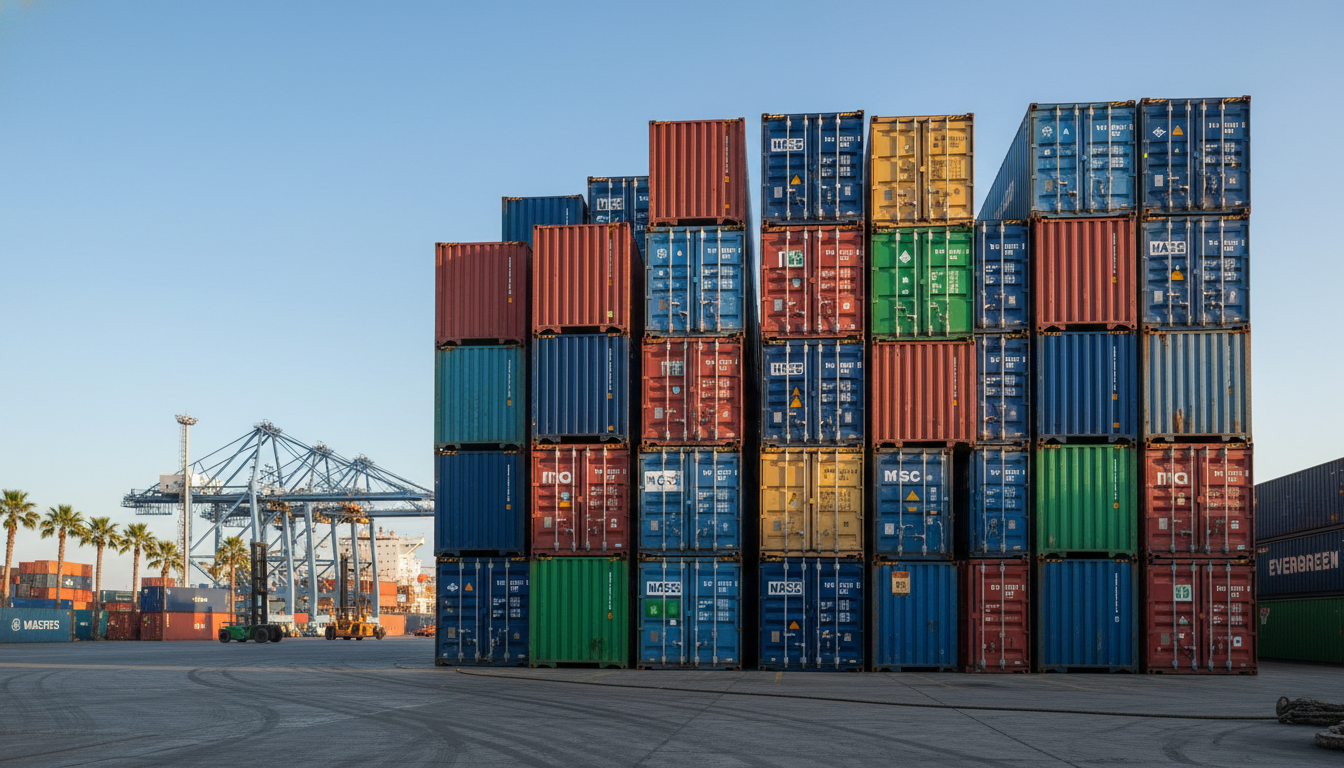
Examples of FOB Contracts
FOB contracts can significantly impact shipping logistics for Amazon FBA sellers. Understanding the differences between FOB Origin and FOB Destination can help sellers make informed decisions.
- FOB Origin: Under this term, the seller’s responsibility ends once the goods are loaded onto the transport vehicle at the seller’s location. Buyers assume ownership and risk from that point forward. Key aspects include:
- Costs: Sellers must bear freight costs up to the shipping point, while buyers are responsible for transportation and risk thereafter.
- Liability: Any damage or loss occurring after loading is the buyer’s liability.
- Example: If a seller ships 1,000 units of a product from China to an Amazon warehouse in the U.S. and uses FOB Origin, the seller’s responsibility ends at the port in China.
- FOB Destination: In this scenario, the seller retains responsibility for shipping costs and risks until the goods arrive at the buyer’s specified destination. Important points include:
- Costs: Sellers cover all shipping expenses until the goods are delivered to the buyer.
- Liability: The seller is liable for any damage or loss until delivery is complete.
- Example: A seller using FOB Destination for the same 1,000 units would be responsible for the safe transport until the goods are at the Amazon warehouse in the U.S.
| Contract Type | Responsibility | Cost Implication | Risk Transfer |
|—————|—————-|——————|—————|
| FOB Origin | Seller to loading point | Seller pays up to loading, buyer pays thereafter | Buyer assumes risk after loading |
| FOB Destination| Seller to delivery point | Seller pays all shipping costs | Seller retains risk until delivery |
Understanding these terms can help sellers navigate logistics effectively, assess risk, and manage costs associated with international shipping. By choosing the appropriate FOB term, sellers can optimize their shipping strategy according to their operational needs.
Implications of FOB on Shipping and Liability
- Shipping Costs: The choice between FOB Origin and FOB Destination significantly influences shipping expenses. With FOB Origin, sellers assume financial responsibility once products leave the supplier’s facility, which can result in lower overall shipping costs if managed effectively. Conversely, FOB Destination transfers responsibility to the supplier until delivery, which may lead to higher costs but can provide financial predictability for sellers.
- Risk Transfer: FOB terms define when liability for the goods shifts from the supplier to the seller. Under FOB Origin, sellers bear the risk during transit, meaning they must manage potential issues like damage or loss. In contrast, FOB Destination protects sellers from these risks until the goods reach the designated location, allowing for more controlled risk management.
- Delivery Obligations: Understanding who is obligated to manage delivery logistics under different FOB terms is crucial. Sellers must ensure they have the necessary logistics in place if they are responsible for shipping under FOB Origin. On the other hand, under FOB Destination, sellers need to verify that the supplier adheres to delivery timelines and conditions.
- Claims Management: In cases of damage or loss, liability is dictated by FOB terms. Sellers must be prepared to navigate claims processes based on whether they held responsibility during transit. Knowing this can help sellers allocate resources and time effectively should issues arise.
| Aspect | FOB Origin | FOB Destination |
|---|---|---|
| Shipping Costs | Sellers bear costs from the point of origin | Costs covered by the supplier until delivery |
| Risk Transfer | Seller assumes risk during transit | Supplier retains risk until delivery |
| Delivery Obligations | Sellers manage logistics and delivery | Supplier responsible for delivery logistics |
| Claims Management | Sellers handle claims for damage/loss | Supplier manages claims until delivery |
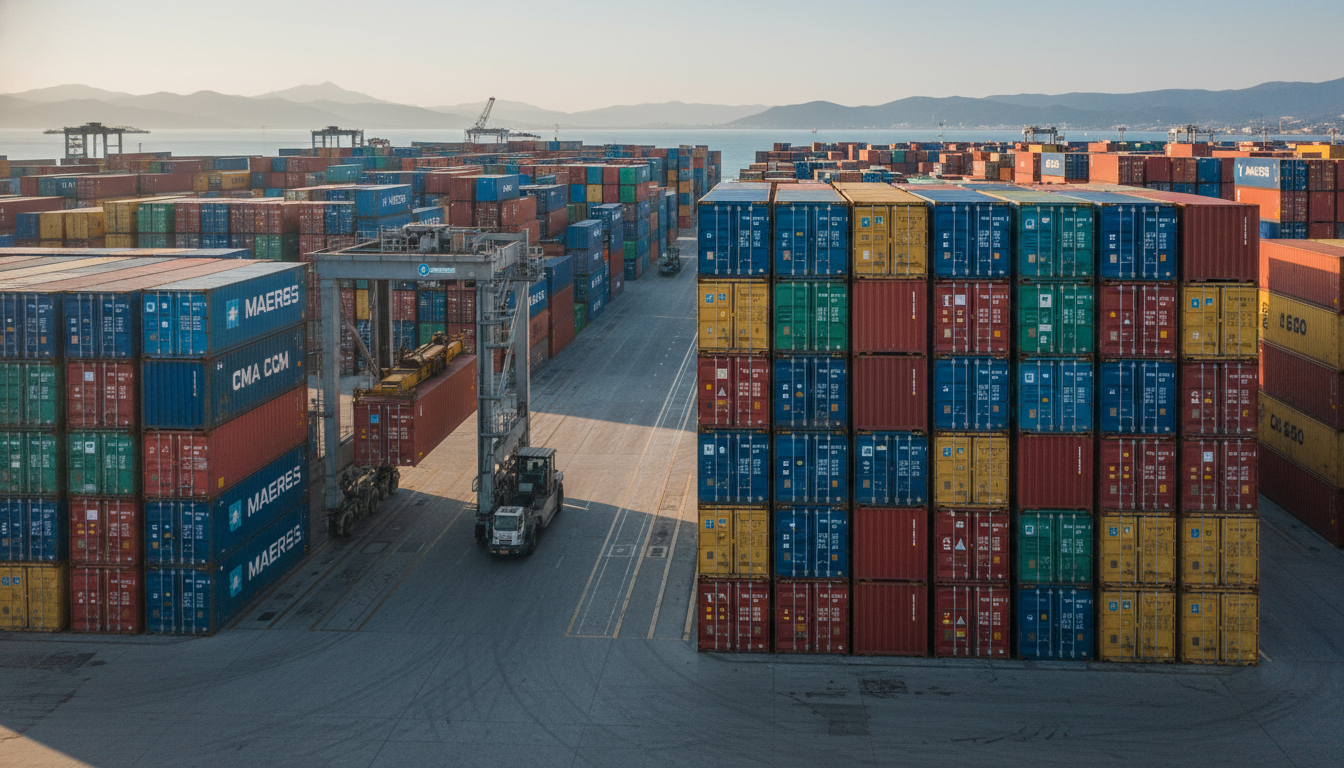
Tips for Negotiating FOB Terms
- Understand Your Needs: Assess your specific shipping requirements before entering negotiations. Determine the volume of goods, shipping frequency, and desired delivery timelines. This clarity will help in discussions and enable you to communicate effectively with suppliers.
- Research Supplier Options: Investigate multiple suppliers and their shipping capabilities. Understanding each supplier’s strengths and weaknesses can provide leverage during negotiations, allowing you to choose terms that maximize your benefits.
- Clarify Responsibilities: Ensure both parties have a clear understanding of responsibilities under FOB terms. Specify who covers costs up to the shipping point and who is liable for risks during transit. This clarity can prevent disputes later on.
- Negotiate Shipping Costs: Discuss potential discounts based on order volumes or longer-term agreements. Suppliers may be willing to adjust shipping costs to secure a larger, ongoing business relationship.
- Leverage FOB Types: Use the differences between FOB Origin and FOB Destination to your advantage. If you’re more comfortable taking on risk, you might prefer FOB Origin. Conversely, if you want the supplier to bear the risk until delivery, negotiate for FOB Destination.
- Build Relationships: Establishing strong relationships with suppliers can lead to better negotiation outcomes. Trust and open communication can facilitate more favorable terms and smoother transactions.
- Document Everything: After reaching an agreement, document all terms and conditions in writing. This serves as a reference point in case of future disputes and ensures both parties are held accountable.
| Tip | Explanation |
|---|---|
| Understand Your Needs | Assess specific shipping requirements to communicate effectively. |
| Research Supplier Options | Investigate multiple suppliers to leverage negotiation power. |
| Clarify Responsibilities | Ensure clear understanding of cost and liability responsibilities. |
| Negotiate Shipping Costs | Discuss discounts based on order volumes or long-term agreements. |
| Leverage FOB Types | Use differences between FOB Origin and Destination to your advantage. |
| Build Relationships | Establish trust for better negotiation outcomes. |
| Document Everything | Document all terms in writing to prevent future disputes. |
Best Practices for Managing Logistics
- Utilize Real-Time Tracking: Implement shipment tracking tools that provide real-time visibility of cargo movements. This allows sellers to monitor their shipments proactively, ensuring timely updates and minimizing uncertainties.
- Collaborate with Freight Forwarders: Partnering with experienced freight forwarders can simplify logistics management. They bring expertise in navigating customs, optimizing shipping routes, and ensuring compliance with regulations specific to Amazon FBA.
- Establish Clear Communication Channels: Maintain open lines of communication with suppliers and freight forwarders. Regular updates and discussions about shipping timelines, potential delays, and inventory needs help mitigate risks and foster better relationships.
- Create a Shipping Schedule: Develop a systematic shipping schedule that aligns with inventory forecasts and Amazon FBA requirements. This ensures timely restocks and minimizes the risk of stockouts during peak sales periods.
- Document Management: Ensure all necessary shipping documentation is prepared and organized. This includes commercial invoices, packing lists, and bills of lading. Proper documentation is essential for smooth customs clearance and compliance.
- Plan for Contingencies: Anticipate potential disruptions in the supply chain, such as delays or customs holds. Have contingency plans in place, including alternative shipping routes or backup suppliers, to maintain operational continuity.
- Evaluate Shipping Performance: Regularly assess shipping performance metrics, such as delivery times and costs. Use this data to identify areas for improvement and optimize logistics strategies over time.
| Best Practice | Description |
|---|---|
| Utilize Real-Time Tracking | Implement tools for visibility of cargo movements, enabling proactive monitoring. |
| Collaborate with Freight Forwarders | Partner with experts to simplify logistics and ensure compliance. |
| Establish Clear Communication Channels | Maintain open lines with suppliers and freight forwarders for timely updates. |
| Create a Shipping Schedule | Align shipping with inventory forecasts to prevent stockouts. |
| Document Management | Ensure all shipping documentation is organized for smooth customs clearance. |
| Plan for Contingencies | Anticipate disruptions and prepare alternative solutions to maintain operations. |
| Evaluate Shipping Performance | Regularly assess metrics to identify improvement areas in logistics strategies. |

Final Words
Final Words
Understanding FOB in Amazon FBA supplier contracts is crucial for sellers navigating international shipping. By defining FOB and outlining responsibilities, sellers can effectively manage logistics, shipping costs, and risk during transit.
Examples of FOB contracts reveal practical implications that can influence decision-making. With strategic negotiation tips and best practices for logistics management, sellers can optimize their shipping processes.
Ultimately, mastering FOB not only enhances operational efficiency but also contributes to a smoother import experience. Embracing this knowledge empowers sellers to thrive in the competitive Amazon marketplace.
FAQ
Q: What is FOB in Amazon FBA shipping?
A: FOB, or Free On Board, is a shipping term defining when ownership and risk transfer from the seller to the buyer, crucial for managing shipping costs and responsibilities.
Q: What responsibilities do sellers have under FOB terms?
A: Sellers under FOB terms are responsible for shipping costs, logistics management, and risk during transit, ensuring clarity on liability and cost management between sellers and suppliers.
Q: How do FOB agreements differ between origin and destination?
A: FOB Origin means risk transfers at the seller’s location, while FOB Destination transfers risk at the buyer’s location, affecting liability and shipping processes significantly.
Q: What are the implications of FOB on shipping costs?
A: FOB impacts shipping costs by determining who bears the risk during transit, influencing overall cost calculations and risk management strategies for Amazon FBA sellers.
Q: How can sellers negotiate better FOB terms?
A: Sellers can negotiate favorable FOB terms by employing effective strategies, understanding key trade considerations, and focusing on securing advantageous shipping arrangements with suppliers.
Q: What best practices should sellers follow for managing logistics under FOB?
A: Sellers should track shipments, collaborate with freight forwarders, and implement efficient logistics management practices to optimize shipping processes under FOB agreements.
Leave a Reply