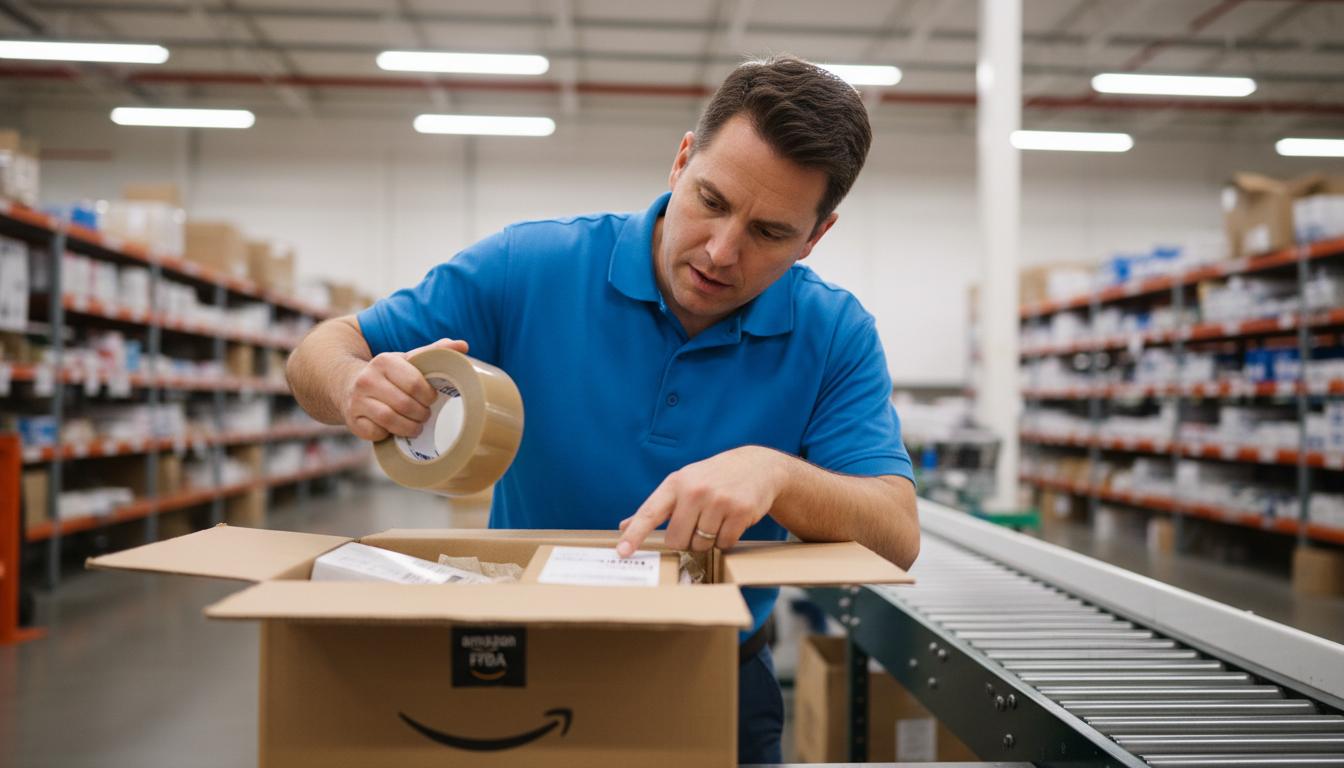
Are your private label shipments falling short due to packaging mishaps? Amazon FBA packaging requirements are not to be underestimated—failures can lead to prep disasters and costly returns. To navigate these treacherous waters, sellers must ensure compliance with Amazon’s strict guidelines, such as maintaining appropriate sizes, weights, and barcode placement. This article delves into the intricacies of these requirements, equipping you with the knowledge to avoid rejections and protect your bottom line. Mastering Amazon FBA packaging is more than just a task—it's a key to safeguarding your product’s journey from warehouse to customer doorstep.
Understanding Amazon FBA Packaging Requirements for Private Label Products
Amazon's stringent packaging requirements are crucial for maintaining operational efficiency and ensuring product integrity during transit. These guidelines are designed to reduce the risk of damage, streamline warehouse operations, and enhance customer satisfaction. By adhering to these standards, private label sellers can avoid costly disruptions, such as shipment rejections or delays, that negatively impact sales and performance metrics.
Key packaging requirements for Amazon FBA compliance include size, weight, and barcode standards. Each product must have a scannable FNSKU (x00 barcode) that is unique to the listing, ensuring accurate inventory tracking. Additionally, boxes should not exceed 25 inches on any side, and the weight should not surpass 50 lbs unless handling oversized items. These specifications help optimize space within fulfillment centers and reduce handling risks.
Non-compliance with these packaging guidelines can lead to severe consequences for sellers. Shipments that fail to meet Amazon's standards may be rejected, resulting in additional costs for repackaging or returns. Such setbacks can slow down inventory restocks, potentially leading to stockouts and customer dissatisfaction. Therefore, it's essential for private label sellers to understand and implement Amazon's packaging requirements diligently.
-
Scannable FNSKU barcode
-
Maximum box size and weight
-
Unique box label for each carton
Amazon FBA Packaging: Avoid Prep Failures
Incorrect labeling and inadequate protective packaging are two of the most prevalent mistakes made by Amazon FBA sellers, often leading to significant operational setbacks. Labels that are unclear or misplaced can interfere with Amazon's automated systems, resulting in delays and additional costs for relabeling. Similarly, insufficient packaging can fail to protect products during transit, increasing the likelihood of damage. These issues not only disrupt the supply chain but also tarnish the brand's reputation with consumers.
The repercussions of these packaging failures extend beyond immediate logistical challenges. Consistent errors in product prep standards can negatively impact seller performance metrics, such as the Order Defect Rate (ODR) and Late Shipment Rate (LSR), which Amazon closely monitors. High failure rates in these areas can result in inventory restrictions, loss of seller privileges, or even account suspension. Moreover, problematic packaging issues can lead to negative customer reviews and returns, further affecting overall sales performance and customer satisfaction.
To avoid prep failures, sellers should regularly review and adhere to Amazon's comprehensive packaging guidelines. Ensuring all labels are scannable and securely affixed to the correct locations is critical. Additionally, investing in high-quality materials that provide adequate protection during shipping can help prevent damage. Implementing these strategies not only minimizes the risk of blocked shipments and lost inventory but also promotes a smooth and efficient fulfillment process.
-
Incorrect labeling
-
Inadequate protective packaging
-
Non-compliance with size and weight limits
Step-by-Step Compliance with Amazon FBA Packaging Standards
Proper inventory preparation is essential for Amazon FBA sellers to avoid unnecessary fees and ensure smooth operations. The first step in achieving compliance with Amazon’s packaging standards is to meticulously label and pack each product. Every unit must be securely packaged to prevent damage during transit and must have a visible barcode on its exterior. This ensures that Amazon's automated systems can accurately track and process the inventory upon arrival at the fulfillment center.
Barcodes play a crucial role in maintaining order accuracy and preventing inventory mix-ups. The FNSKU barcode, unique to each product listing, should be applied directly to the product's packaging. It is imperative that this barcode is scannable, placed on a flat surface, and not covered by seams or closures. By adhering to these barcode application practices, sellers ensure their products can be effortlessly integrated into Amazon’s inventory management system.
For sellers who may find the labeling process daunting, Amazon offers a convenient labeling service for $0.55 per unit. This service is particularly valuable for high-volume shipments or when transitioning new products into the FBA system. By opting for Amazon's labeling services, sellers can reduce the risk of non-compliance errors and focus on other aspects of their business.
Complying with Amazon's packaging standards brings significant benefits, including cost savings and the avoidance of shipment delays. Adhering to size and weight guidelines prevents additional handling fees, while correct labeling ensures efficient processing through fulfillment centers. Ultimately, meeting these standards not only streamlines the logistics process but also enhances customer satisfaction by ensuring timely and accurate deliveries.
-
Apply FNSKU barcode to each product
-
Ensure packaging meets size/weight guidelines
-
Verify all labels are scannable and correctly placed
Amazon FBA Packaging: Avoid Prep Failures
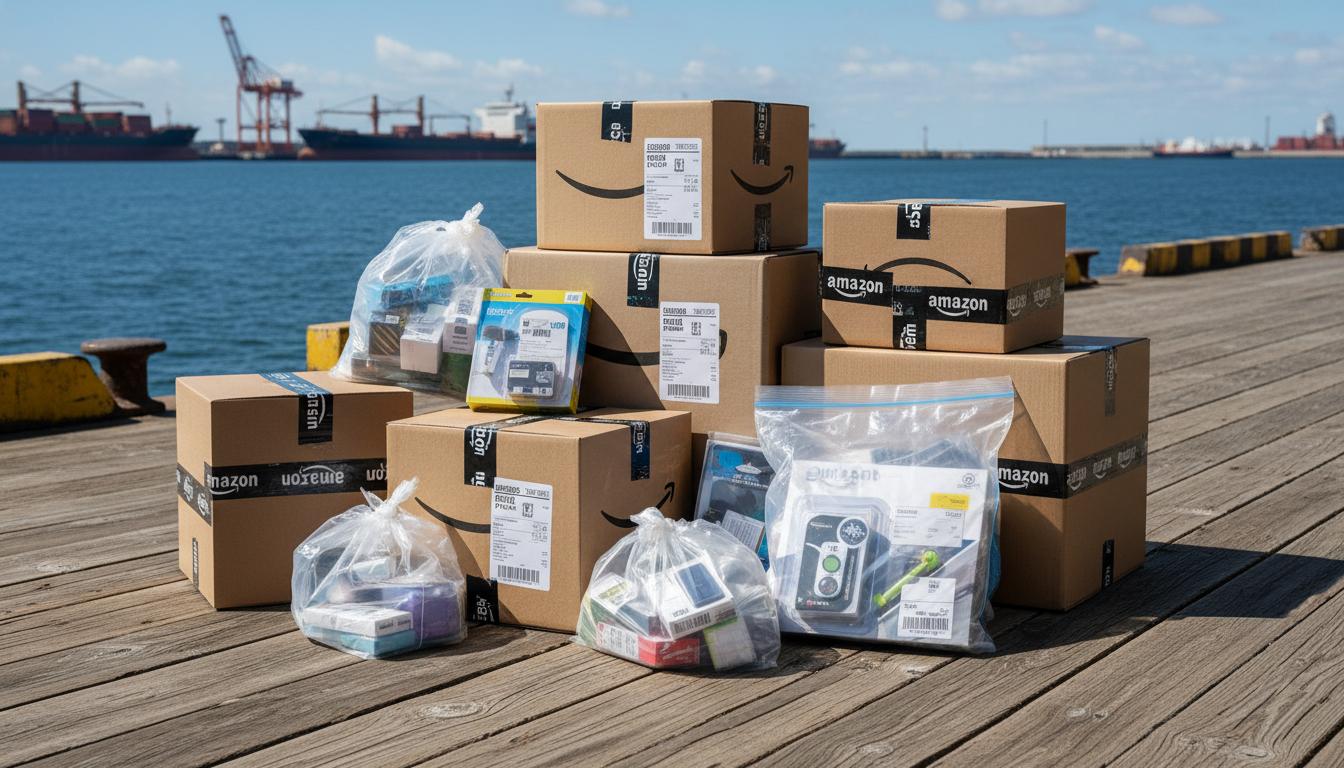
Incorrect labeling and inadequate protective packaging are two of the most prevalent mistakes made by Amazon FBA sellers, often leading to significant operational setbacks. Labels that are unclear or misplaced can interfere with Amazon's automated systems, resulting in delays and additional costs for relabeling. Similarly, insufficient packaging can fail to protect products during transit, increasing the likelihood of damage. These issues not only disrupt the supply chain but also tarnish the brand's reputation with consumers.
The repercussions of these packaging failures extend beyond immediate logistical challenges. Consistent errors in product prep standards can negatively impact seller performance metrics, such as the Order Defect Rate (ODR) and Late Shipment Rate (LSR), which Amazon closely monitors. High failure rates in these areas can result in inventory restrictions, loss of seller privileges, or even account suspension. Moreover, problematic packaging issues can lead to negative customer reviews and returns, further affecting overall sales performance and customer satisfaction.
To avoid prep failures, sellers should regularly review and adhere to Amazon's comprehensive packaging guidelines. Ensuring all labels are scannable and securely affixed to the correct locations is critical. Additionally, investing in high-quality materials that provide adequate protection during shipping can help prevent damage. Implementing these strategies not only minimizes the risk of blocked shipments and lost inventory but also promotes a smooth and efficient fulfillment process.
-
Incorrect labeling
-
Inadequate protective packaging
-
Non-compliance with size and weight limits
Leveraging QG Horizon for Seamless Amazon FBA Packaging and Shipping
QG Horizon stands out as a strategic partner for Amazon FBA sellers, providing customized solutions in labeling, packaging, and compliance. Their expertise in packaging and logistics synergy ensures that sellers can meet Amazon's exacting standards without the hassle of navigating complex requirements alone. By offering services that streamline the prep process, QG Horizon helps sellers avoid costly mistakes that can arise from non-compliance and improper packaging, protecting their business operations and reputation.
Partnering with QG Horizon brings numerous advantages, including reduced delays and optimized shipping processes. Their thorough understanding of Amazon FBA requirements allows for efficient handling of all logistics, from packaging innovation workshops to compliance checks. This not only minimizes the risk of shipment rejections and returns but also enhances overall supply chain efficiency. Sellers can benefit from a seamless integration of packaging and shipping processes, ensuring their products reach customers promptly and in perfect condition.
For reliable logistics solutions, sellers are encouraged to request a fast and free quote from QG Horizon at https://qghorizon.com/quote/.
Final Words
Navigating Amazon FBA packaging requirements is crucial for maintaining efficient operations and preventing costly setbacks. Compliance with specific standards, like the proper use of barcodes and attention to size and weight guidelines, helps avoid prep failures and product returns.
Understanding common packaging mistakes and implementing best practices ensures that sellers maintain high performance metrics and customer satisfaction. Leveraging the expertise of providers like QG Horizon streamlines this process, offering tailored solutions that enhance adherence and optimize logistics. With these strategies, sellers can secure a smoother pathway to success on the Amazon platform.
FAQ
What are Amazon FBA prep centers, and how do they help sellers?
Amazon FBA prep centers prepare products for fulfillment, adhering to packaging standards. They ensure compliance, reducing shipment errors and improving efficiency, ultimately helping sellers meet Amazon's requirements and avoid costly rejections.
What packaging requirements does Amazon FBA enforce for private label products?
Amazon enforces specific packaging requirements, including a scannable FNSKU barcode, adherence to size and weight limits (boxes no larger than 25 inches and 50 lbs), and unique box labels, ensuring shipping efficiency and reducing damages.
What are the common packaging mistakes in Amazon FBA, and how can sellers avoid them?
Common mistakes include incorrect labeling and inadequate protection. They can be avoided by regularly reviewing Amazon's guidelines, using quality materials, and ensuring compliance with size and weight standards.
How can sellers ensure compliance with Amazon FBA packaging standards?
Sellers should apply FNSKU barcodes, adhere to size/weight guidelines, and verify all labels. Amazon offers a labeling service at $0.55 per unit to aid compliance, saving costs and avoiding shipment delays.
What are the most effective packaging materials and techniques for Amazon FBA?
Amazon's effective packaging materials include boxes that pass drop tests, poly bags with suffocation warnings, and durable blister packs. Selection depends on product type and protection needs.
How can partnering with a service like QG Horizon benefit my Amazon FBA operations?
QG Horizon provides specialized solutions for labeling, packaging, and compliance. Partnering with them reduces delays and optimizes shipping processes, enhancing your efficiency and competitive edge.
Leave a Reply