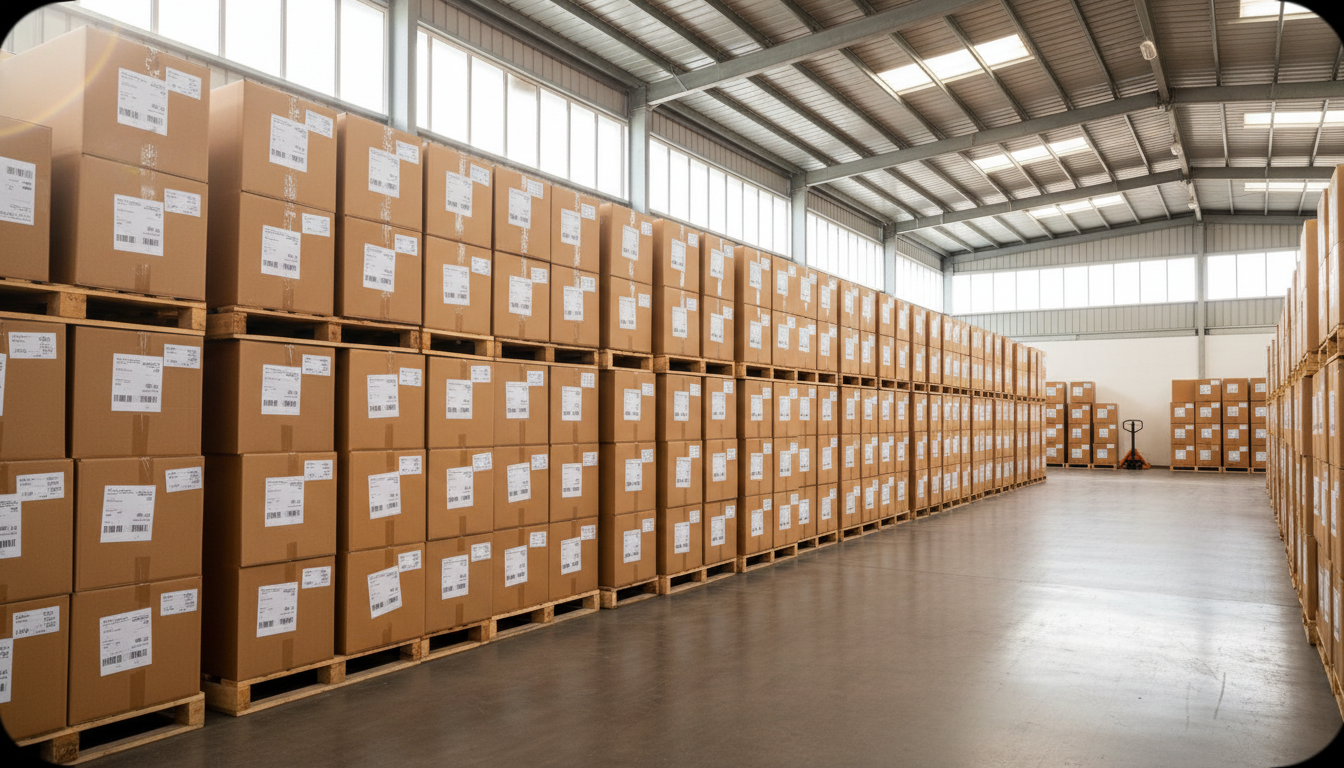
Is your inventory prepared to withstand the chaos of Q4? As the holiday season approaches, Amazon FBA sellers face increased demand and the looming threat of shipping delays and inventory damage. With buyers eager to get their hands on top products, the stakes have never been higher. This blog post delves into the shipping modes available, analyzing their effectiveness in protecting your valuable inventory during this critical period. By understanding the nuances of each shipping option, sellers can make informed choices that safeguard their stock and ensure timely delivery.
Which Shipping Mode Protects Your Q4 Amazon FBA Inventory Best?
Q4 presents unique shipping challenges due to heightened consumer demand during the holiday season. Amazon FBA sellers face increased pressure to ensure their inventory arrives on time while minimizing the risk of damage or delays. Understanding the strengths and weaknesses of various shipping modes is essential for effective inventory protection.
- Air Shipping:
- Advantages:
- Fast transit times, typically 1-3 days.
- High reliability, especially for urgent restocks.
- Disadvantages:
- Higher costs compared to sea and ground options.
- Limited weight and volume capacity can restrict large shipments.
- Sea Shipping:
- Advantages:
- More cost-effective for bulk shipments, reducing per-unit costs.
- Ideal for larger volumes, especially when planned well in advance.
- Disadvantages:
- Longer transit times, often 20-30 days or more.
- Higher risk of delays during peak shipping seasons.
- Ground Shipping:
- Advantages:
- Flexible options for regional deliveries, especially beneficial for local markets.
- Typically lower costs for shorter distances.
- Disadvantages:
- Potential for delays due to weather and road conditions.
- Variable delivery times can make inventory management difficult.
Given the context of Q4 shipping, air shipping offers the best protection for urgent inventory needs due to its speed and reliability. However, for bulk shipments where cost is a primary concern, sea shipping may still be viable if planned appropriately. Ground shipping can complement these methods for regional deliveries but should be approached with caution regarding timing. Sellers must strategically evaluate their inventory needs, shipment timelines, and budget constraints to determine the most effective shipping mode for protecting their Q4 FBA inventory.
Comparative Analysis of Shipping Modes
When selecting a shipping mode for Q4, Amazon FBA sellers must evaluate options based on reliability, cost-effectiveness, and associated risks. Below is a comparative analysis of air, sea, and ground shipping, highlighting their advantages and disadvantages relevant to protecting inventory during the high-demand holiday season.
- Air Shipping:
- Advantages:
- Speed: Air freight offers the quickest transit times, typically ranging from 1 to 3 days, making it ideal for urgent restocks.
- Reliability: High likelihood of on-time delivery, crucial for maintaining inventory levels during peak sales periods.
- Disadvantages:
- Higher Costs: Air freight is significantly more expensive than sea or ground options, which can impact profit margins.
- Weight Limitations: Restrictions on weight and volume can limit the size of shipments, necessitating multiple shipments for larger orders.
- Sea Shipping:
- Advantages:
- Cost-Effective for Bulk: Ideal for large shipments, reducing per-unit shipping costs, especially valuable for inventory management during Q4.
- Capacity: Ability to ship significant volumes in one go, suitable for sellers planning ahead.
- Disadvantages:
- Longer Transit Times: Typically 20-30 days or more, leading to potential stockouts if not scheduled in advance.
- Risk of Delays: Increased likelihood of delays due to congestion at ports during the holiday season.
- Ground Shipping:
- Advantages:
- Flexible Options: Various delivery methods available, allowing sellers to adjust based on regional demand and inventory needs.
- Regional Coverage: Effective for local markets, enabling quicker deliveries to fulfill customer orders.
- Disadvantages:
- Potential Delays: Weather and traffic conditions can cause unpredictable delays, complicating inventory management.
- Variable Costs: Pricing can fluctuate based on distance and urgency, making budgeting challenging.
In summary, air shipping excels in speed and reliability, making it ideal for urgent needs, while sea shipping offers cost-efficiency for bulk orders. Ground shipping provides flexibility but comes with risks of delays, requiring careful planning. Sellers should weigh these factors against their inventory needs and Q4 sales strategy to choose the most effective shipping mode.
Best Practices for Inventory Protection
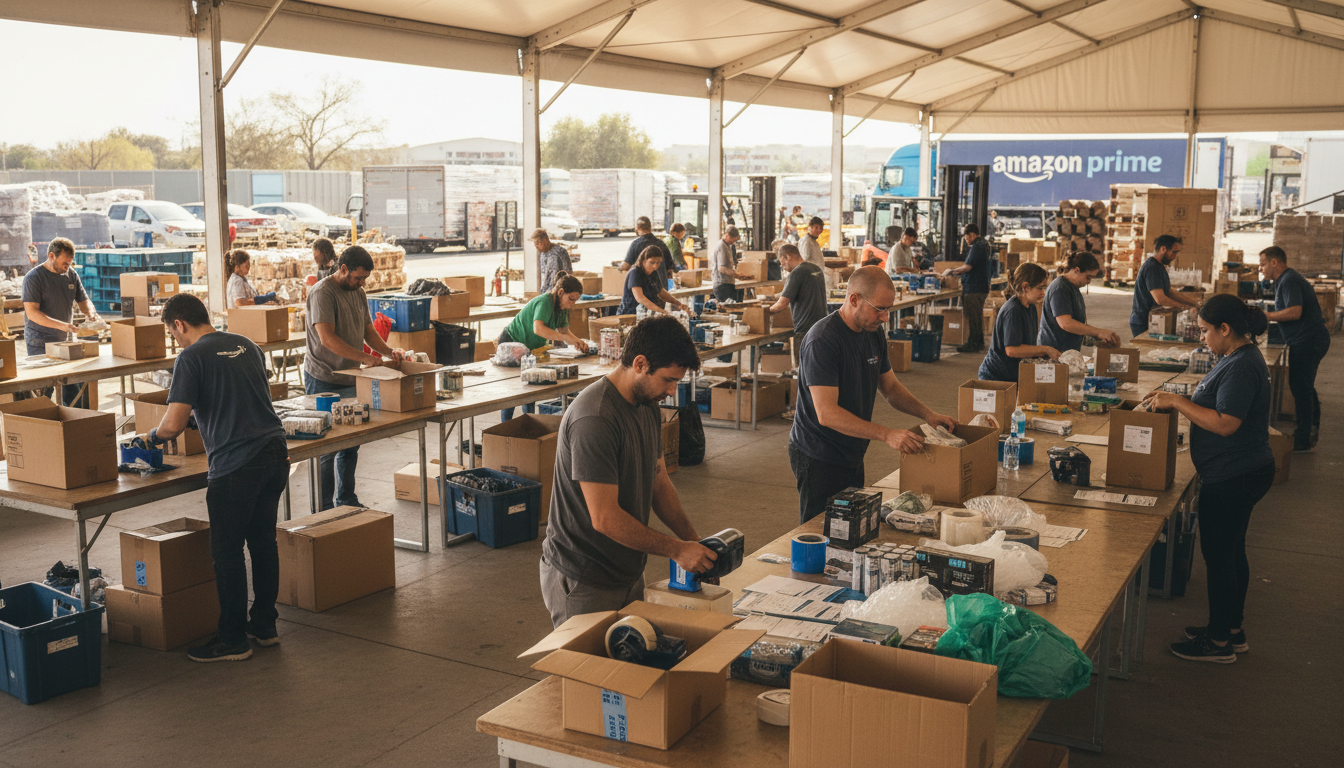
To effectively protect Amazon FBA inventory during the high-demand Q4 season, sellers should implement the following best practices:
- Planning and Forecasting:
- Importance of Demand Forecasting: Analyze historical sales data and market trends to anticipate demand spikes. This helps in determining how much inventory to ship and when.
- Timing Shipments Effectively: Schedule shipments well in advance of peak sales periods to avoid delays. Consider lead times and potential shipping disruptions during the holiday season.
- Packaging and Labeling:
- Use of Proper Materials: Invest in high-quality packaging materials that can withstand the rigors of shipping. This minimizes the risk of damage during transit.
- Adhering to Amazon Standards: Ensure all packaging and labeling meet Amazon’s guidelines. This includes correct labeling formats and barcode placements to streamline the receiving process at fulfillment centers.
- Choosing the Right Carrier:
- Evaluating Carrier Reliability: Research potential carriers for their on-time delivery rates and customer reviews. Select carriers known for reliability during peak shipping seasons.
- Considering Insurance Options: Assess the value of goods being shipped and consider obtaining insurance to protect against loss or damage. This adds an extra layer of security for high-value inventory.
Implementing these strategies will help sellers safeguard their FBA inventory and ensure timely delivery during the critical Q4 period.
Case Studies
Real-life examples of Amazon FBA sellers illustrate effective shipping practices and strategies that navigate the complexities of Q4. These case studies highlight successful approaches and common pitfalls, providing valuable insights for sellers aiming to protect their inventory during this peak season.
- Successful Strategies:
- Case Example 1: Efficient Use of Air Freight
A seller faced low inventory levels just before the holiday rush. To ensure timely restocks, they opted for air freight despite higher costs. This decision resulted in rapid replenishment of best-selling products, leading to increased sales during Q4. The seller’s willingness to invest in speed paid off, as their inventory levels remained sufficient to meet high demand.
- Case Example 2: Effective Inventory Forecasting
Another seller utilized advanced forecasting tools to predict demand spikes for specific products. By analyzing past sales data and trends, they strategically scheduled shipments well in advance. This proactive approach minimized the risk of stockouts and allowed for a smooth inventory flow throughout the holiday season.
- Common Challenges:
- Delays in Customs
Many sellers struggle with customs delays, particularly for international shipments. A seller experienced significant delays due to incomplete documentation, which caused inventory shortages and missed sales opportunities.
- Damage During Transit
Another seller faced product damage during transit due to inadequate packaging. Fragile items arrived broken, leading to returns and customer dissatisfaction.
- Solutions:
- Enhanced Packaging
To combat transit damage, sellers should invest in robust packaging materials tailored to product fragility. This includes using cushioning materials and reinforced boxes to ensure items arrive intact.
- Choosing Reliable Freight Forwarders
Collaborating with experienced freight forwarders can mitigate customs delays. Sellers should seek partners familiar with Amazon FBA requirements and customs regulations to streamline the shipping process.
These case studies exemplify the importance of strategic shipping decisions and highlight common challenges while providing effective solutions to enhance inventory protection during Q4.

Final Words
Final Words
Effective shipping strategies are crucial for Amazon FBA sellers during the Q4 holiday season. The increased demand brings significant risks, including delays and inventory damage, making it essential to choose the right shipping mode.
A comparative analysis of air, sea, and ground options reveals distinct advantages and disadvantages, emphasizing the need for careful evaluation. Best practices, such as proactive planning and selecting reliable carriers, further safeguard inventory.
The case studies illustrate real-world successes and challenges, providing valuable insights. Ultimately, the question remains: Which shipping mode protects your Q4 Amazon FBA inventory best? Stay informed and prepared to ensure a successful season.
FAQ
Q: What are the main shipping challenges for Amazon sellers during Q4?
A: Amazon sellers face increased demand, shipping delays, and inventory damage risks during Q4, necessitating strategic shipping planning to ensure timely and safe deliveries.
Q: How do air, sea, and ground shipping compare for FBA inventory?
A: Air shipping offers speed and reliability but is more costly. Sea shipping is cost-effective for bulk but has longer transit times. Ground shipping provides flexibility but may encounter delays.
Q: What best practices can help protect FBA inventory during Q4?
A: Key practices include demand forecasting, effective shipment timing, using proper packaging and labeling, and selecting reliable carriers with insurance options to mitigate risks.
Q: Can you provide examples of successful Q4 shipping strategies?
A: Successful strategies include efficient air freight usage and accurate inventory forecasting. Common challenges involve customs delays and transit damage, addressed through enhanced packaging and reliable freight forwarders.
Leave a Reply