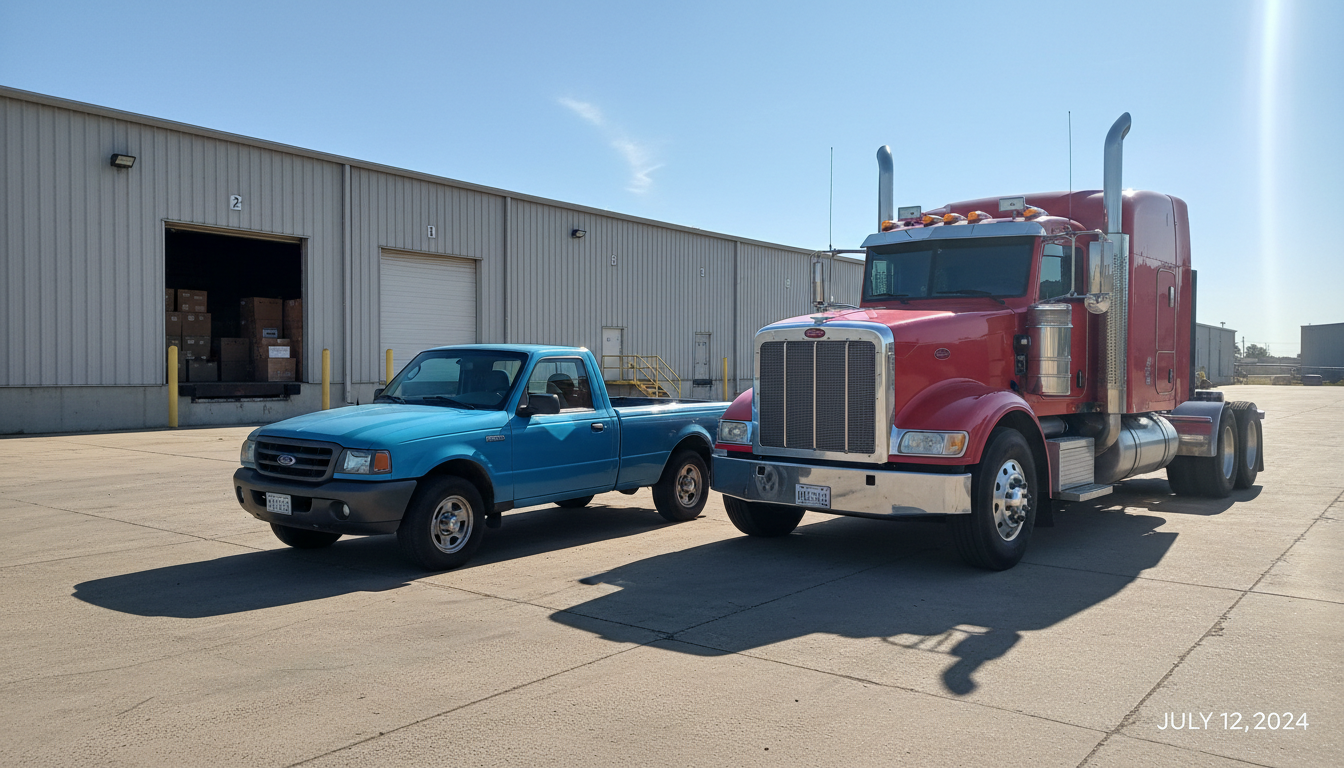
When it comes to shipping for Amazon FBA, the choice between Less-Than-Truckload (LTL) and Full Truckload (FTL) can significantly impact profitability and efficiency. Many sellers remain unaware that selecting the wrong shipping method could mean wasted resources and delayed deliveries. Understanding these two freight options is crucial for optimizing logistics and meeting customer expectations. This post will explore the defining characteristics, advantages, and disadvantages of LTL and FTL shipping methods, equipping Amazon FBA sellers with the knowledge needed to make an informed decision tailored to their specific needs.
Less-Than-Truckload vs Full Truckload: Choose Wisely for FBA
- Less-Than-Truckload (LTL):
- Designed for shipments that do not occupy a full truck.
- Ideal for smaller freight, generally ranging from 150 to 10,000 pounds.
- Multiple shipments from different customers share the same truck.
- Cost-effective solution for businesses that do not have enough cargo to fill a truck.
- Transit times may be longer due to multiple stops and handling.
- Full Truckload (FTL):
- Used for shipments that require a full truck, typically exceeding 10,000 pounds.
- Provides direct transport from origin to destination without intermediate stops.
- Faster transit times compared to LTL, minimizing handling and potential delays.
- Best suited for larger volume shipments, offering better control over delivery schedules.
- Generally more expensive per unit than LTL but more economical for larger loads.
| Shipping Method | Ideal Shipment Size | Transit Time | Cost Structure |
|---|---|---|---|
| LTL | 150 to 10,000 pounds | Longer due to multiple stops | Cost-effective for smaller shipments |
| FTL | Over 10,000 pounds | Faster, direct transport | Higher cost for smaller loads |
Advantages of FTL and LTL
- Advantages of FTL
- Direct delivery with no stops: FTL shipments travel directly from the origin to the destination, minimizing the risk of delays associated with multiple stops for other customers. This is particularly beneficial for Amazon FBA sellers who require timely restocks to maintain inventory levels.
- Faster transit times: Full Truckload services generally offer quicker delivery compared to Less-Than-Truckload. With no intermediate deliveries, FTL is ideal for urgent shipments or time-sensitive products. Sellers can expect their cargo to arrive at Amazon fulfillment centers without unnecessary hold-ups.
- Advantages of LTL
- Cost-effective for smaller shipments: LTL shipping allows sellers to pay only for the portion of the truck that their freight occupies. This makes it a budget-friendly option for Amazon FBA sellers who do not have enough volume to justify a full truckload.
- Flexibility for varied shipment sizes: LTL is well-suited for diverse product sizes and shipment weights. This flexibility enables sellers to manage inventory more effectively, shipping smaller quantities as needed without incurring excess costs associated with FTL.
| Shipping Method | Advantages |
|---|---|
| FTL |
Direct delivery with no stops, faster transit times |
| LTL |
Cost-effective for smaller shipments, flexibility for varied shipment sizes |
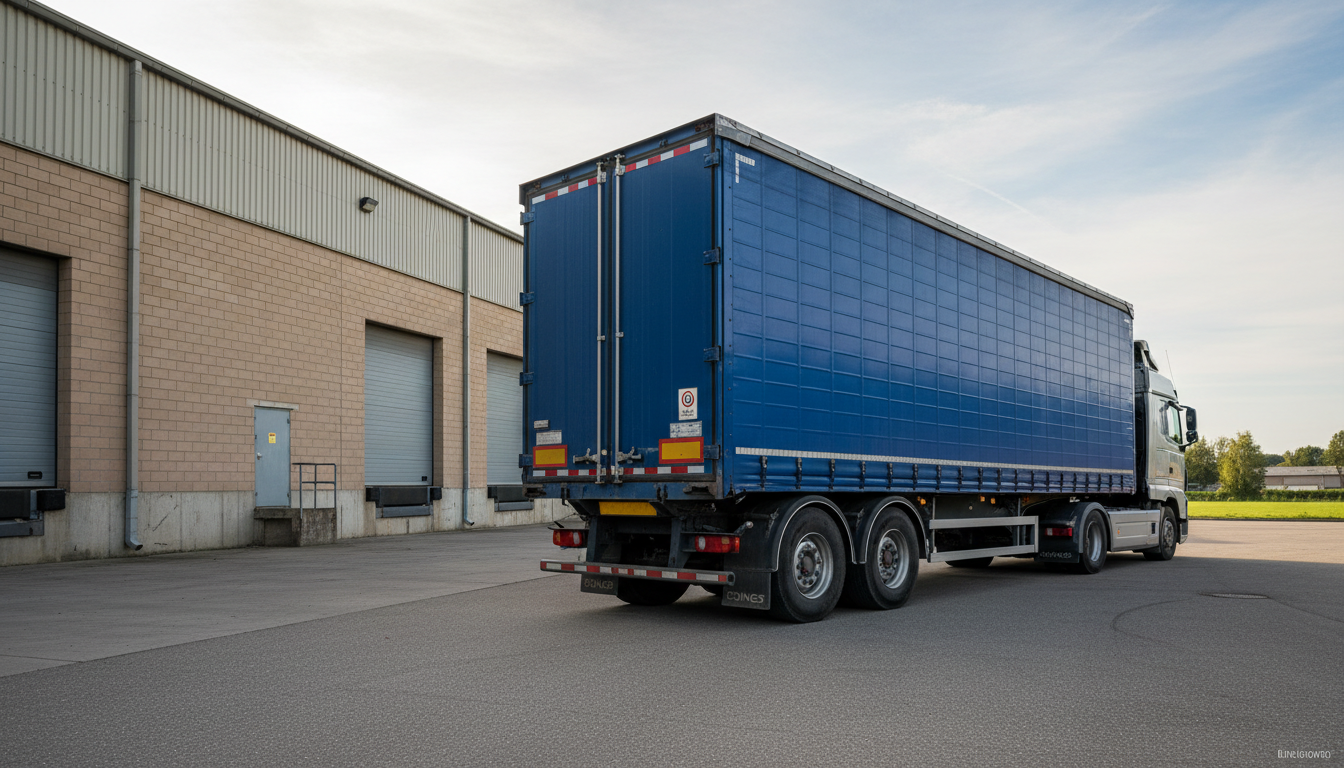
Disadvantages of FTL and LTL
- Downsides of FTL
- Higher cost for smaller loads: Full Truckload shipping can be significantly more expensive for shipments that do not fill an entire truck. Amazon FBA sellers with smaller volumes may find themselves paying a premium for the capacity that they do not utilize, leading to inefficient cost management.
- Less flexibility in delivery scheduling: FTL services typically operate on more rigid schedules, which can limit a seller’s ability to adjust delivery timelines. This inflexibility may pose challenges for sellers who experience fluctuating demand or require last-minute changes to their shipment plans.
- Downsides of LTL
- Longer transit times due to multiple stops: Less-Than-Truckload shipments share truck space with freight from other customers, which can lead to extended transit times. For Amazon FBA sellers who rely on quick replenishment of inventory, these delays can negatively impact sales and customer satisfaction.
- Risk of cargo damage due to handling: LTL shipping involves more handling than FTL, as freight is loaded and unloaded multiple times during transit. This increases the risk of damage to goods, particularly for fragile items. Amazon FBA sellers must consider the potential costs associated with damage claims and product replacements.
| Shipping Method | Disadvantages |
|---|---|
| FTL |
Higher cost for smaller loads, less flexibility in delivery scheduling |
| LTL |
Longer transit times due to multiple stops, risk of cargo damage due to handling |
Cost Implications
Understanding the cost structure of Less-Than-Truckload (LTL) and Full Truckload (FTL) shipping is crucial for Amazon FBA sellers as it directly impacts profitability and budgeting. Each method has distinct pricing factors that influence overall shipping costs.
- Pricing Factors for FTL
- Distance and weight: FTL rates are primarily determined by the distance the truck must travel and the weight of the shipment. Longer distances and heavier loads typically result in higher costs.
- Fuel surcharges: These are additional fees added to cover fluctuations in fuel prices. Sellers should account for these surcharges when estimating overall shipping expenses.
- Pricing Factors for LTL
- Freight class and volume: LTL pricing varies based on the freight class, which considers factors such as density, stowability, and liability of the shipment. The total volume of goods also affects the rate, with larger volumes generally attracting better pricing.
- Additional fees: LTL shipments may incur extra charges for services such as liftgate delivery, residential pickup, and other accessorial services. It’s essential for sellers to understand these potential fees to avoid budgeting surprises.
| Method | Cost Structure | Speed | Ideal Shipment Size |
|---|---|---|---|
| FTL | Higher for small shipments, lower for large | Faster | Large shipments |
| LTL | Variable based on freight class | Slower | Small to medium shipments |
Both LTL and FTL offer unique advantages that can be leveraged depending on shipment size and urgency. By comprehensively evaluating cost factors, Amazon FBA sellers can make informed decisions that align with their logistics strategies.
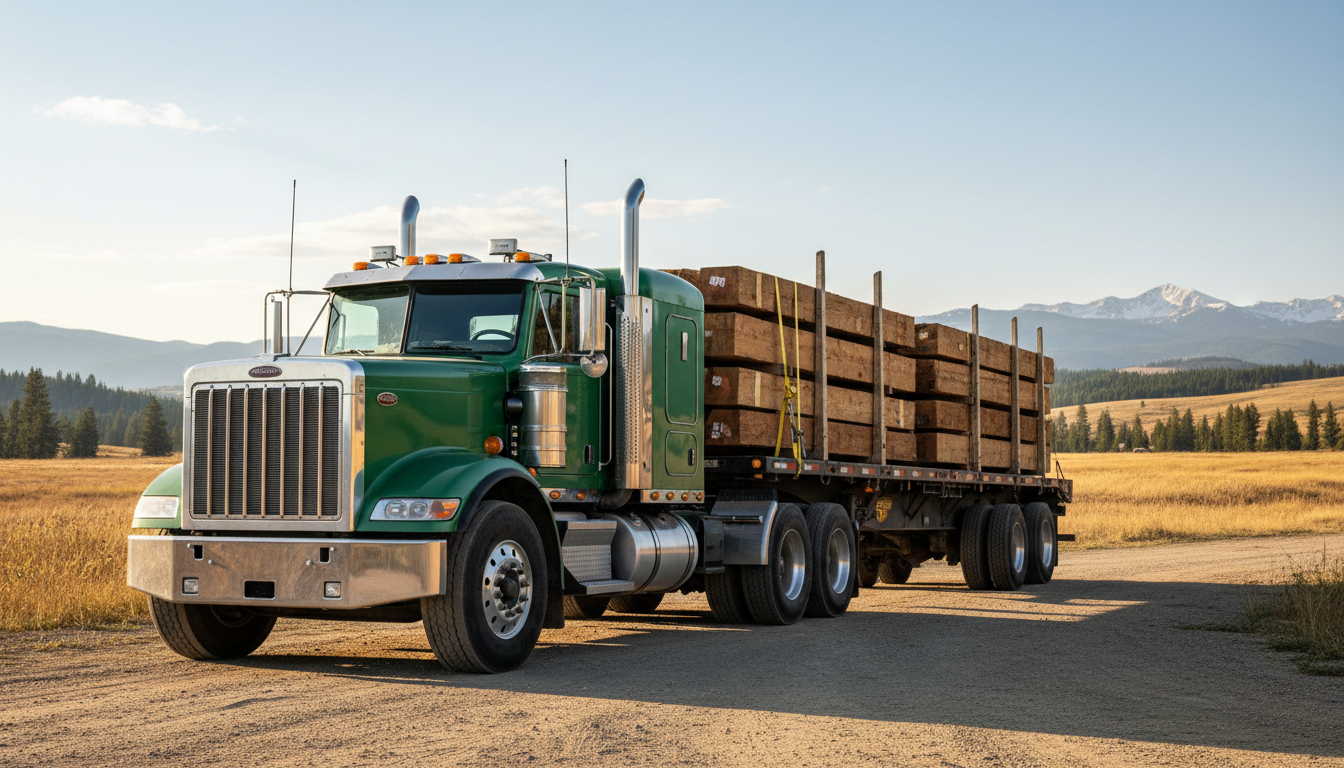
Choosing the Right Method for Amazon FBA
- When to Use Full Truckload
- Large volume shipments: FTL is best when the shipment exceeds 10,000 pounds or can fill an entire truck. This method is more economical for larger loads, reducing the per-unit shipping cost.
- Urgent delivery requirements: For time-sensitive products that need quick restocks at Amazon fulfillment centers, FTL offers faster transit times, ensuring that inventory levels are maintained without delays.
- When to Use Less-Than-Truckload
- Smaller, less time-sensitive shipments: LTL is suitable for shipments that do not require a full truck. When product volumes are smaller, LTL can provide a cost-effective solution without the need for excess space.
- Budget constraints: For sellers looking to minimize shipping costs, LTL allows payment only for the portion of the truck that is used, making it a budget-friendly option for lower volume shipments.
- Decision-Making Guide
- Factors to consider:
- Shipment size: Determine if the volume of goods justifies a full truckload or if LTL is more appropriate.
- Urgency: Assess how quickly the shipment needs to arrive at the fulfillment center.
- Budget: Evaluate the shipping budget and choose the method that aligns with financial constraints.
| Factor | Full Truckload (FTL) | Less-Than-Truckload (LTL) |
|---|---|---|
| Shipment Size | Large volumes (over 10,000 lbs) | Smaller volumes (150 to 10,000 lbs) |
| Urgency | High urgency, faster delivery | Lower urgency, longer transit times |
| Cost | Higher per unit cost, economical for large shipments | Cost-effective for smaller shipments |
- Flowchart for Quick Decision-Making
- Determine shipment size: Is it large or small?
- Evaluate urgency: Does it need to arrive quickly?
- Consider budget: What is the shipping budget?
- Choose FTL for large, urgent shipments; opt for LTL for smaller, budget-friendly deliveries.
Practical Tips for Sellers
- Optimizing Shipping Costs
- Consolidate shipments when possible: Grouping multiple smaller shipments into one can significantly reduce overall shipping costs. By maximizing truck space, sellers can benefit from lower per-unit shipping rates, especially with LTL.
- Schedule deliveries during off-peak times: Transporting goods during less busy periods can result in lower shipping costs and faster transit times. This strategy also helps avoid congestion at warehouses and fulfillment centers.
- Best Practices
- Maintain accurate inventory forecasts: Keeping precise inventory records enables sellers to better plan shipments and avoid last-minute rushes that may lead to higher shipping costs. Accurate forecasting helps align shipment sizes with demand.
- Use tracking tools for visibility: Implementing tracking systems allows sellers to monitor shipments in real-time. This visibility helps mitigate risks, such as delays and miscommunications, ensuring that inventory reaches Amazon fulfillment centers on time.
- Tips List
- Regularly evaluate shipping rates: Periodically reviewing shipping costs can uncover better freight options or negotiate improved rates with carriers. Staying informed about market trends helps sellers make cost-effective decisions.
- Consider seasonal shipping strategies: Anticipating peak seasons and planning shipments accordingly can prevent delays and additional charges during high-demand periods.
- Communicate with logistics providers for best options: Establishing strong relationships with freight forwarders and logistics partners can lead to tailored solutions that align with specific shipping needs, enhancing overall efficiency.
| Tip | Description |
|---|---|
| Consolidate shipments | Group smaller shipments to reduce costs |
| Schedule deliveries | Avoid peak times for cost efficiency |
| Maintain forecasts | Accurate records to align shipments with demand |
| Use tracking tools | Monitor shipments for better visibility |
| Evaluate shipping rates | Regularly review for better options |
| Seasonal strategies | Prepare for peak demand to avoid delays |
| Communicate with providers | Build relationships for tailored solutions |

Final Words
Final Words
Understanding the nuances of Less-Than-Truckload (LTL) and Full Truckload (FTL) shipping is crucial for Amazon FBA sellers. Each method presents distinct advantages and drawbacks, impacting cost, transit time, and flexibility.
FTL offers speed and direct delivery for large shipments, while LTL provides cost savings for smaller loads. However, the choice between these methods requires careful consideration of shipment size, urgency, and budget constraints.
By employing best practices and strategic decision-making, sellers can optimize their logistics operations. Ultimately, knowing when to utilize LTL versus FTL will enhance shipping efficiency and contribute to a successful Amazon FBA business.
FAQ
Q: What is Less-Than-Truckload (LTL) shipping?
A: LTL shipping refers to shipments that do not fill an entire truck, typically used for smaller freight volumes, allowing cost-sharing among multiple shippers.
Q: What is Full Truckload (FTL) shipping?
A: FTL shipping involves transporting large volumes of goods that fill an entire truck, ensuring direct delivery without stops, suitable for higher shipping demands.
Q: What are the advantages of FTL for Amazon FBA sellers?
A: FTL offers direct delivery with no stops, resulting in faster transit times, making it ideal for urgent or large volume shipments.
Q: What are the advantages of LTL for Amazon FBA sellers?
A: LTL is cost-effective for smaller shipments and provides flexibility for varied shipment sizes, allowing sellers to optimize logistics based on demand.
Q: What are the downsides of FTL shipping?
A: FTL shipping has a higher cost for smaller loads and offers less flexibility in delivery scheduling, which may not suit all sellers.
Q: What are the downsides of LTL shipping?
A: LTL shipping may result in longer transit times due to multiple stops and carries a risk of cargo damage due to increased handling.
Q: What factors influence the cost of FTL shipping?
A: Cost factors for FTL include distance, weight, and fuel surcharges, which collectively determine the overall shipping expense.
Q: What factors influence the cost of LTL shipping?
A: LTL shipping costs are influenced by freight class, volume, and additional fees such as handling and accessorial charges, affecting budget considerations.
Q: When should Amazon FBA sellers choose Full Truckload shipping?
A: Sellers should opt for FTL when dealing with large volume shipments or when urgent delivery is required, ensuring efficient transport.
Q: When should Amazon FBA sellers choose Less-Than-Truckload shipping?
A: LTL is suitable for smaller, less time-sensitive shipments, particularly when budget constraints are a primary concern for sellers.
Q: What are some practical tips for optimizing shipping costs?
A: Sellers can consolidate shipments, schedule deliveries during off-peak times, and maintain accurate inventory forecasts to enhance shipping efficiency.
Q: What best practices should Amazon FBA sellers follow for shipping?
A: Best practices include using tracking tools for visibility, regularly evaluating shipping rates, and communicating with logistics providers for optimal solutions.
Leave a Reply