
Are you aware that the seemingly straightforward FOB pricing model could be concealing significant hidden costs that threaten your profit margins? While it may appear beneficial on the surface, many Amazon FBA sellers overlook critical expenses that can inflate their overall import costs. Understanding FOB pricing is essential for navigating the complexities of international trade. This post will dissect FOB pricing, revealing its true components and exposing the hidden fees that can derail your profitability. By the end, readers will be armed with the knowledge necessary to make informed decisions and optimize their shipping strategies from China.
Understanding FOB Pricing
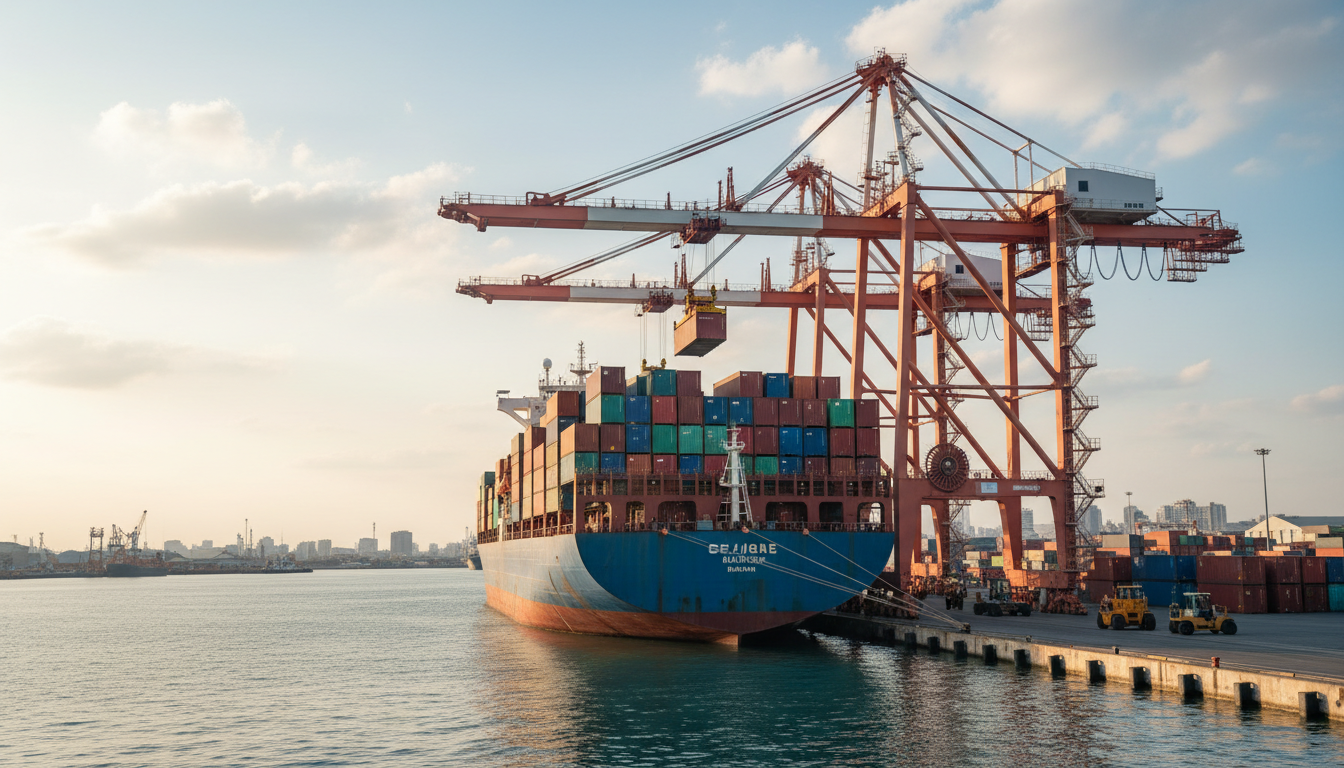
FOB (Free On Board) pricing is a crucial cost structure in international trade, particularly for Amazon FBA sellers sourcing products from Chinese suppliers. Under FOB terms, the seller is responsible for all expenses incurred until the goods are loaded onto a vessel at the port of shipment. This pricing model is significant as it establishes clear responsibilities and costs for both parties involved in the transaction.
Key components of FOB pricing include:
- Seller Responsibilities
- Covers costs related to production, packaging, and transportation to the port.
- Handles export clearance and documentation for customs.
- Ensures goods are loaded onto the vessel.
- Buyer Responsibilities
- Assumes responsibility for freight costs from the port of origin.
- Manages insurance, import duties, and customs clearance at the destination.
- Coordinates logistics after the goods are loaded.
- Pricing Structure Elements
- Base cost of goods: Price charged by the manufacturer.
- Additional costs: Freight charges, port fees, and loading expenses.
- Risk transfer point: Ownership and responsibility for goods transfer upon loading.
Understanding these components is essential for sellers to accurately calculate their total landed cost and identify potential hidden fees that may arise throughout the shipping process.
Hidden Costs Associated with FOB Pricing
When utilizing FOB pricing for sourcing products from Chinese suppliers, Amazon FBA sellers must be aware of several hidden costs that can significantly impact their overall profitability. These costs often go unnoticed during initial negotiations, leading to unexpected financial burdens.
- Shipping Costs
- Freight Charges: The cost associated with transporting goods from the supplier to the destination port. This varies based on shipping method (air vs. sea) and volume.
- Port Handling Fees: Charges incurred for services at the port, including loading and unloading of containers, which can add up quickly depending on the frequency of shipments.
- Customs Duties and Taxes
- Import Duties: Fees levied by the destination country based on the product’s HS code and value. These can vary greatly depending on the product category and should be calculated to avoid surprises.
- VAT Implications: Value Added Tax may apply depending on the destination country, impacting total costs significantly. Sellers should be familiar with the VAT rates relevant to their products.
- Insurance Expenses
- Shipping Insurance Options: Protecting goods during transit is crucial, especially for high-value items. Insurance costs can vary, and opting for this coverage adds to the total expenditure.
- Handling Fees
- Charges for Loading/Unloading: Fees related to the physical handling of goods can accumulate, particularly if the shipment size is large or requires special handling.
- Warehouse Storage Fees: If goods are stored at the port or in a warehouse before shipment, sellers may incur daily or monthly storage fees, impacting cash flow.
Understanding these hidden costs is essential for Amazon FBA sellers to accurately calculate their total landed cost and ensure profitability. Each of these factors must be accounted for when negotiating FOB terms with suppliers to mitigate financial risks.
Calculating Total Costs
Accurate calculation of total costs is crucial for Amazon FBA sellers to maintain profitability when sourcing from Chinese suppliers using FOB pricing. Understanding each cost component helps in evaluating the true landed cost of goods and making informed business decisions.
- Step-by-Step Cost Calculation
- Identify All Cost Components: Begin by listing all potential costs, including product price, shipping costs, customs duties, taxes, insurance, and handling fees. Ensure to consider both direct and indirect expenses for a comprehensive view.
- Use a Cost Breakdown Table: Organize identified costs in a structured table to visualize total expenses effectively. Here’s an example layout:
| Cost Component | Estimated Cost |
|---|---|
| Product Price | $X |
| Shipping Costs | $Y |
| Customs Duties | $Z |
| Taxes (e.g., VAT) | $A |
| Insurance | $B |
| Handling Fees | $C |
| Total Landed Cost | $Total |
- Comparing FOB with Other Pricing Models
- Differences between FOB and CIF: Under CIF (Cost, Insurance, and Freight), the seller covers more costs up to the destination port, including insurance. In contrast, FOB only covers expenses until the goods are loaded.
- Advantages and Disadvantages of Each Model: FOB may provide lower upfront costs but can lead to hidden expenses, while CIF offers more predictability in total costs. Sellers should weigh these factors based on their shipping needs and financial forecasts.
Impact on Amazon FBA Profitability
The hidden costs associated with FOB pricing can significantly impact profitability for Amazon FBA sellers. Understanding these costs is crucial for effective financial management and maintaining healthy profit margins.
- Profit Margin Considerations
- Calculating Net Profit After Hidden Costs: Sellers must assess their net profit by accounting for all hidden costs arising from FOB pricing. This includes shipping, customs duties, and insurance. For instance, if a seller’s product sells for $30 and the total landed cost, including hidden fees, is $25, the net profit is only $5. Accurate calculations are essential to avoid underestimating costs.
- Importance of Accurate Pricing: Properly pricing products requires a comprehensive understanding of all costs involved. Sellers should factor in hidden costs to ensure they set competitive yet profitable prices. Mispricing due to overlooked expenses can lead to losses, affecting overall business sustainability.
- Strategies for Cost Management
- Monitor Shipping Costs: Keeping track of shipping expenses helps sellers identify fluctuations that can affect the total cost. Utilizing tools or software that provide real-time shipping rate comparisons can help sellers make informed decisions on the most cost-effective shipping methods.
- Negotiate with Suppliers: Establishing strong relationships with suppliers can lead to better pricing and terms. Sellers should engage in negotiations to secure favorable rates on shipping and other associated costs, reducing the overall expenditure.
- Effective Inventory Management: Proper inventory management can minimize excessive shipping costs. Sellers should analyze sales trends and forecast demand to optimize shipment sizes and frequencies, reducing the likelihood of incurring unnecessary fees due to rush orders or storage costs.
By employing these strategies, Amazon FBA sellers can effectively manage the hidden costs of FOB pricing, ultimately enhancing their profitability.

Final Words
Final Words
Understanding FOB pricing is essential for Amazon FBA sellers to navigate the complexities of international trade. This article explored the definition and key components of FOB pricing, highlighting the responsibilities of both sellers and buyers.
The hidden costs associated with FOB pricing, such as shipping fees, customs duties, and insurance, can significantly impact profitability. By calculating total costs accurately and comparing pricing models, sellers can make informed decisions.
Ultimately, recognizing The Hidden Costs Behind FOB Pricing from Chinese Amazon FBA Suppliers empowers sellers to optimize their logistics and enhance profit margins. Embracing these insights leads to a more efficient and profitable import process.
FAQ
Q: What is FOB pricing?
A: FOB pricing refers to the cost structure where the seller covers all expenses until goods are loaded onto a vessel, impacting international trade transactions.
Q: What are the key components of FOB pricing?
A: Key components include seller responsibilities like shipping costs, buyer responsibilities such as payment at destination, and elements like freight charges and customs fees.
Q: What hidden costs are associated with FOB pricing?
A: Hidden costs can include shipping charges, customs duties, taxes, insurance, and handling fees, all of which can significantly affect profitability.
Q: How can one calculate total costs associated with FOB pricing?
A: Total costs can be calculated by identifying all cost components, using a cost breakdown table, and comparing FOB pricing with other models like CIF.
Q: How does FOB pricing impact Amazon FBA profitability?
A: FOB pricing can affect Amazon FBA profitability due to hidden costs, necessitating strategies like monitoring shipping costs and negotiating with suppliers for effective cost management.
Leave a Reply