
What if a single document could make or break your Amazon FBA business? Enter the Bill of Lading (BOL), a seemingly mundane but crucial piece of paperwork that can significantly impact shipping efficiency and compliance. For Amazon FBA sellers, understanding the BOL’s definition and importance is essential for navigating the complexities of international logistics. This guide aims to demystify the BOL, offering essential insights and actionable steps to ensure your shipping process is both streamlined and compliant, ultimately enhancing your inventory management and order fulfillment strategies.
BOL Meaning: Essential Insights for Amazon FBA Sellers
BOL stands for Bill of Lading, an essential document in the shipping industry that plays a pivotal role for Amazon FBA sellers. It serves three primary functions:
- Receipt for Goods: The BOL acts as proof of receipt, confirming that the carrier has received the goods from the shipper. This documentation is crucial for tracking the shipment and verifying that the correct items are being transported.
- Contract of Carriage: The BOL serves as a legally binding agreement between the shipper and the carrier. It outlines the terms and conditions under which the goods are being transported, including responsibilities and liabilities.
- Document of Title: As a document of title, the BOL grants ownership of the goods to the holder. This feature is significant for transactions involving the sale or transfer of ownership, ensuring that the rightful party can claim the goods upon arrival.
Key Components of a BOL
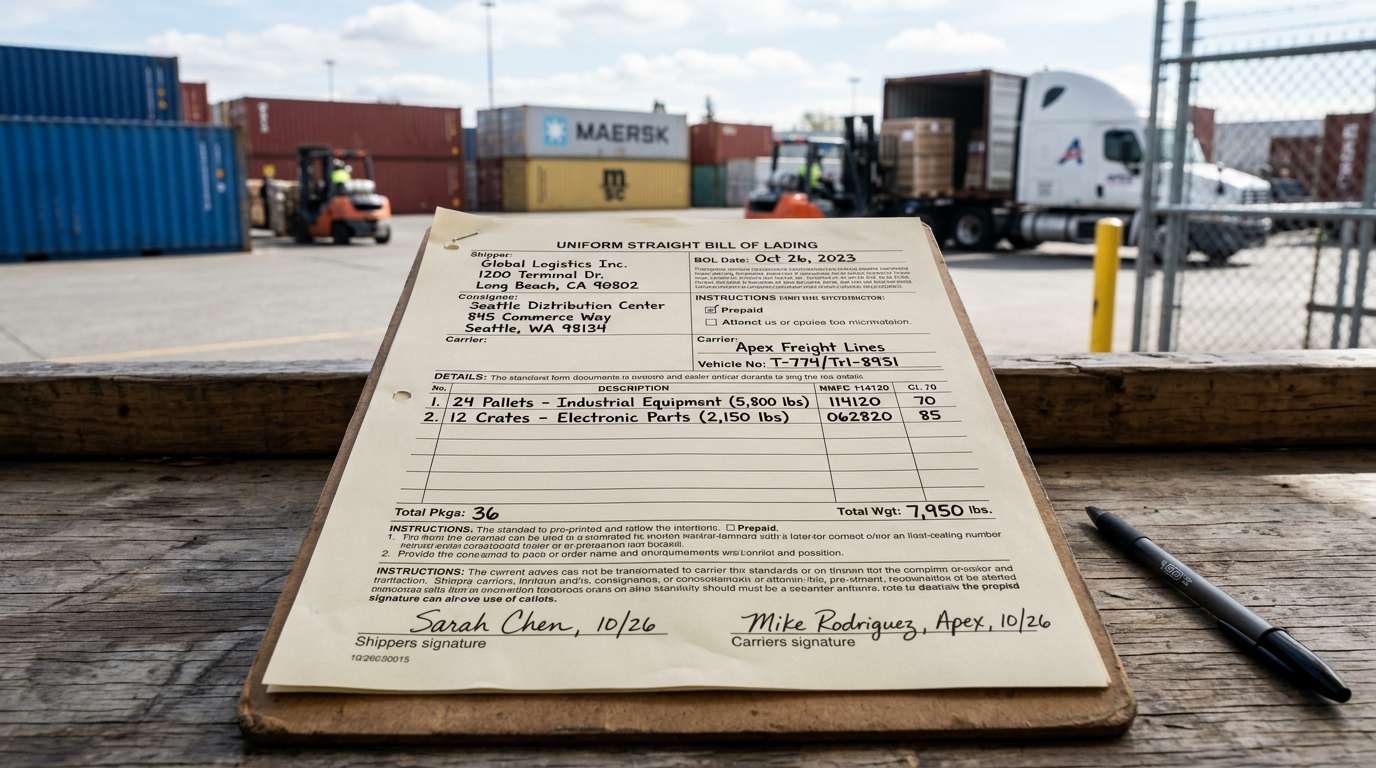
A typical Bill of Lading includes the following components:
| Component | Description |
|————————-|————————————————–|
| Shipper Information | Details of the sender, including name and address. |
| Consignee Information | Details of the recipient, including name and address. |
| Description of Goods | A detailed list of items being shipped, including quantities and weights. |
| Shipping Instructions | Specific instructions for handling and delivery. |
| Carrier Information | The name of the carrier responsible for transportation. |
| Signature | Signatures of the shipper and carrier confirming the agreement. |
Understanding the BOL is essential for Amazon FBA sellers as it ensures compliance with shipping regulations and facilitates smooth customs clearance. Mastery of this document can significantly enhance shipment efficiency and minimize potential delays in the logistics process.
The Importance of BOL in Amazon FBA Processes
The Bill of Lading (BOL) is a critical document for Amazon FBA sellers, serving multiple functions that enhance shipping efficiency and compliance. Its significance lies in the following areas:
- Tracking Shipments: The BOL provides a unique identification number that allows sellers to track shipments in real time. This visibility is essential for managing inventory levels and anticipating delivery timelines, ensuring that sellers can meet customer expectations.
- Ensuring Compliance: Compliance with shipping regulations is paramount for Amazon FBA sellers. The BOL contains necessary information that helps ensure adherence to both Amazon’s requirements and various international customs regulations. This reduces the risk of delays and penalties associated with non-compliance.
- Facilitating Customs Processes: The BOL simplifies the customs clearance process by providing vital information to customs authorities. It includes details about the contents of the shipment, the value of goods, and the parties involved. This transparency aids in faster approval and minimizes the likelihood of customs holds.
- Impact on Inventory Management: An accurate BOL supports effective inventory management. By providing essential data on shipment quantities and descriptions, sellers can maintain optimal stock levels in their Amazon stores, thus reducing the risk of stockouts or excess inventory.
- Streamlining Order Fulfillment: The BOL aids in the order fulfillment process by ensuring that all items listed are accounted for upon arrival at Amazon fulfillment centers. This accuracy contributes to efficient processing of orders and enhances overall customer satisfaction.
In summary, the BOL is indispensable for Amazon FBA sellers, impacting various aspects of logistics, compliance, and inventory management. Mastery of this document is essential for optimizing shipping processes and ensuring successful operations.
How to Create a BOL: Step-by-Step Guide for Amazon Sellers
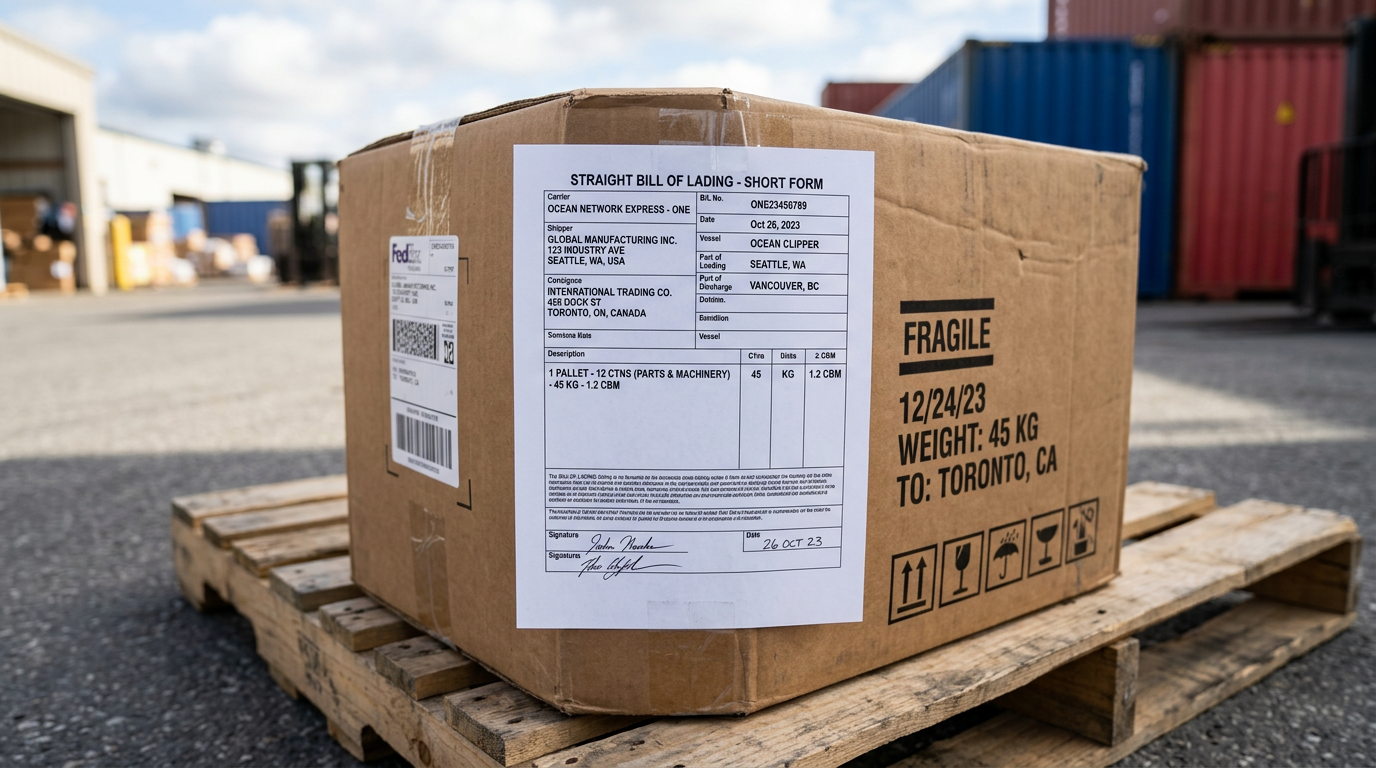
Creating a Bill of Lading (BOL) is crucial for Amazon FBA sellers to ensure smooth shipping and compliance. Follow these steps to create an effective BOL:
- Gather Required Information:
- Shipper Information: Include the name, address, and contact details of the seller.
- Consignee Information: Provide the recipient’s name, address, and contact details for the Amazon fulfillment center.
- Describe the Goods:
- Clearly list the items being shipped. Include:
- Product name
- Quantity
- Weight (in pounds or kilograms)
- Dimensions (if applicable)
- Indicate Shipping Instructions:
- Specify any special handling requirements or instructions for the carrier. This might include temperature control for sensitive items or specific delivery times.
- Carrier Details:
- Name the shipping carrier responsible for transporting the goods. This is critical for accountability and tracking purposes.
- Include Tracking Information:
- If available, include the tracking number associated with the shipment. This enhances visibility and allows for easier tracking of the shipment’s progress.
- Signatures:
- Ensure that the BOL is signed by both the shipper and the carrier. This signature confirms the agreement and acceptance of the terms laid out in the document.
- Format the BOL:
- Use clear headings for each section and maintain a professional layout. A well-organized BOL helps prevent misunderstandings and errors during transit.
Sample BOL Format
| Component | Description |
|---|---|
| Shipper Information | Name, address, and contact details of the seller |
| Consignee Information | Name, address, and contact details of the Amazon fulfillment center |
| Description of Goods | Product name, quantity, weight, and dimensions |
| Shipping Instructions | Special handling requirements or instructions |
| Carrier Details | Name of the shipping carrier |
| Tracking Information | Tracking number, if available |
| Signatures | Signatures of the shipper and carrier |
By following these steps and using the provided format, Amazon FBA sellers can create a comprehensive BOL that facilitates efficient shipping and compliance with regulations.
BOL vs. Packing List: Key Differences for FBA Sellers
Both the Bill of Lading (BOL) and packing list are essential documents in the shipping process for Amazon FBA sellers, but they serve distinct purposes that are crucial for effective logistics management.
Purpose and Function
- Bill of Lading (BOL):
- A legal document that serves as a contract between the shipper and the carrier.
- Acts as a receipt, confirming that the carrier has received the goods.
- Functions as a document of title, allowing the holder to claim ownership of the goods.
- Packing List:
- A detailed inventory of the items included in the shipment.
- Primarily used for organization and reference, ensuring the correct items are sent.
- Does not serve as a legal contract or receipt.
Key Components
| Document | Key Components |
|—————|——————————————-|
| Bill of Lading (BOL) | Shipper and consignee information, description of goods, shipping instructions, carrier information, and signatures. |
| Packing List | Itemized list of products, quantities, weights, and packaging details. |
Usage Scenarios
- BOL Usage:
- Required for shipping goods, especially for customs clearance.
- Essential when claiming ownership of goods or resolving disputes.
- Packing List Usage:
- Useful for warehouse staff and fulfillment centers to verify contents upon receipt.
- Helps sellers manage inventory and fulfill orders accurately.
Understanding the differences between a BOL and a packing list is critical for Amazon FBA sellers to ensure compliance with shipping regulations and optimize their logistics processes. Proper use of these documents can prevent delays and enhance overall shipment efficiency.
Best Practices for Using BOL in Amazon Shipping
Amazon FBA sellers can optimize their shipping processes by following these best practices for utilizing the Bill of Lading (BOL):
- Ensure Accuracy in Documentation: Double-check all information on the BOL, including shipper and consignee details, description of goods, and shipping instructions. Inaccurate data can lead to customs delays, additional fees, or lost shipments.
- Keep Copies for Record-Keeping: Maintain multiple copies of the BOL for internal records and as proof of shipment. This practice is essential for resolving disputes and managing accountability in the shipping process.
- Utilize BOL for Tracking Shipments: Leverage the unique identification number on the BOL to track shipments in real-time. This allows sellers to monitor the progress of their goods and anticipate delivery times, which is critical for inventory management.
- Communicate with Carriers: Share the BOL details with carriers and logistics partners to ensure everyone involved in the shipping process is on the same page. Clear communication helps avoid misunderstandings and streamlines operations.
- Review Compliance Requirements: Familiarize yourself with the specific compliance requirements related to the BOL in your destination markets. Adhering to regulations minimizes the risk of penalties and ensures smooth customs clearance.
Implementing these best practices enhances the efficiency and compliance of shipping operations, ultimately contributing to successful Amazon FBA sales.
Common BOL Mistakes to Avoid for Amazon FBA Sellers
Amazon FBA sellers often encounter several pitfalls when handling Bills of Lading (BOL). Avoiding these mistakes can lead to smoother shipping experiences and minimize delays.
- Incorrect Information Entry: One of the most common mistakes is entering inaccurate details on the BOL, such as wrong names, addresses, or item descriptions. This can lead to shipping errors and complications during customs clearance. Sellers should double-check all information for accuracy before finalizing the document.
- Failure to Include Necessary Details: Omitting essential information, like weight, dimensions, or shipping instructions, can cause confusion with carriers and customs officials. It’s crucial to ensure that every section of the BOL is completed thoroughly to avoid unnecessary issues.
- Misunderstanding BOL’s Role in Customs Clearance: Some sellers may not fully grasp the importance of the BOL in the customs process. The BOL is not just a shipping document; it is also a legal contract. Failure to understand its significance can result in customs holds or fines. Sellers should familiarize themselves with customs regulations pertaining to the BOL in their shipping destinations.
- Neglecting Record-Keeping: After shipment, sellers often forget to keep copies of the BOL for their records. This documentation is vital for tracking shipments, handling disputes, and managing inventory levels. Maintaining accurate records helps sellers stay organized and prepared for any potential issues.
By recognizing and addressing these common mistakes, Amazon FBA sellers can enhance their shipping processes and ensure compliance with regulations.

BOL Tracking Tools and Their Importance in Logistics
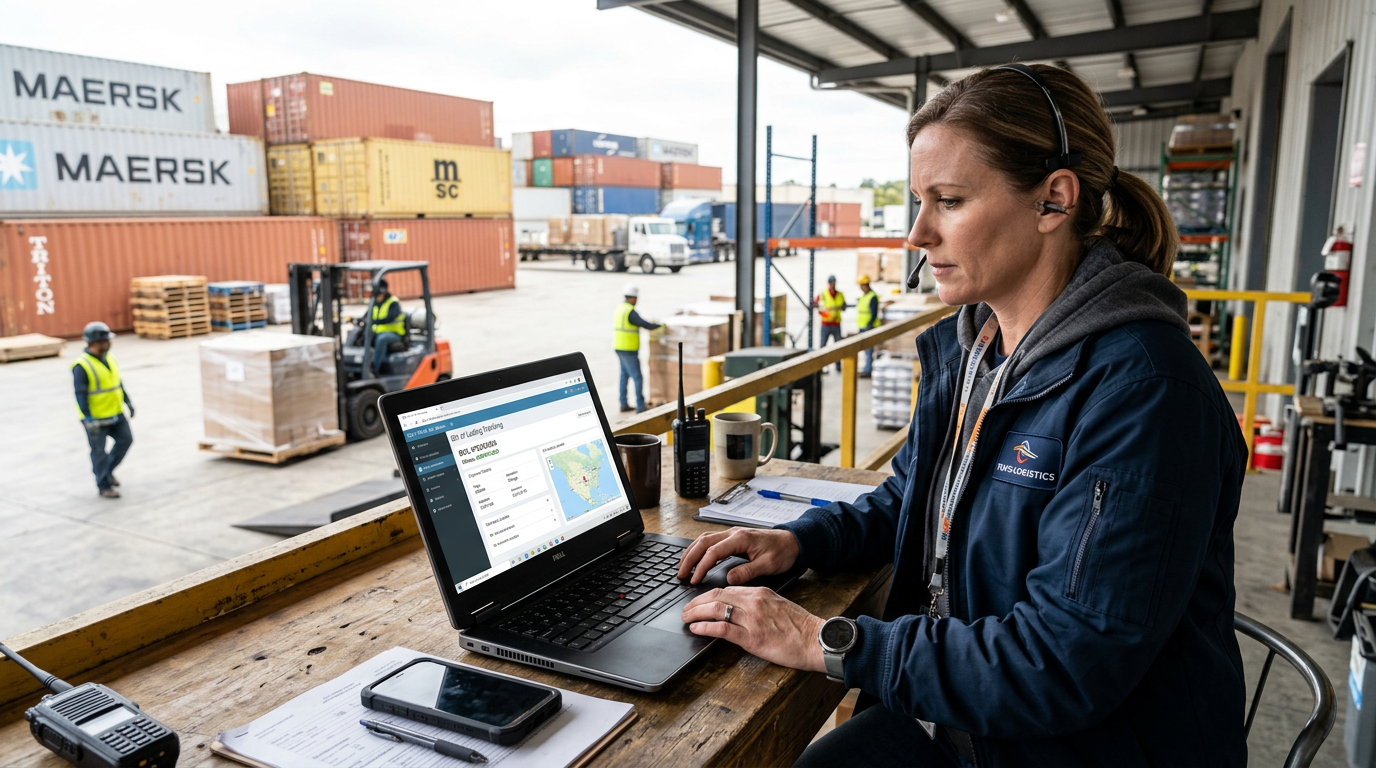
Utilizing BOL tracking tools is crucial for Amazon FBA sellers as they enhance visibility and streamline shipment management. These tools offer several key benefits:
- Real-Time Updates: BOL tracking tools provide immediate access to shipment status, allowing sellers to monitor their products from departure to arrival. This real-time data helps sellers make informed decisions and keep customers updated on delivery timelines.
- Enhanced Visibility: With BOL tracking, sellers can see the entire shipping journey, including transit times, customs clearance, and any delays. This visibility is essential for managing inventory levels and ensuring stock availability on Amazon.
- Proactive Issue Resolution: By receiving notifications regarding potential delays or issues, sellers can take proactive measures to resolve problems before they impact customer satisfaction. This includes communicating with carriers or adjusting delivery expectations.
- Streamlined Documentation: Many BOL tracking tools integrate documentation management, allowing sellers to access shipping documents, including BOLs, invoices, and packing lists, all in one place. This simplifies record-keeping and compliance with Amazon’s requirements.
- Data Analysis: Tracking tools often include analytics features that help sellers evaluate shipment performance, identify trends, and optimize future logistics strategies. This data-driven approach can lead to cost savings and improved efficiency.
Incorporating BOL tracking tools into logistics operations enables Amazon FBA sellers to manage shipments more effectively and maintain a competitive edge in the e-commerce marketplace.
BOL Compliance: Meeting Amazon and Customs Requirements
For Amazon FBA sellers, compliance with both Amazon’s guidelines and customs regulations is critical when dealing with Bills of Lading (BOL). Adhering to these requirements helps avoid delays, penalties, and potential shipment rejections.
Key Compliance Requirements
- Accurate Documentation:
- Ensure all information on the BOL is accurate, including shipper and consignee details, product descriptions, and shipping instructions.
- Mistakes can lead to customs holds or fines.
- Amazon’s Shipping Guidelines:
- Follow Amazon’s specific requirements for labeling and documentation.
- The BOL must align with Amazon’s standards for shipments to fulfillment centers.
- Customs Regulations:
- Familiarize yourself with customs regulations in the destination country, which may include specific data requirements on the BOL.
- Include HS codes for accurate duty calculations.
- Proper Signatures:
- Ensure that the BOL is signed by both the shipper and the carrier.
- Missing signatures can invalidate the document, complicating the shipping process.
- Retention of Records:
- Keep copies of all BOLs and related documentation for record-keeping and potential audits.
- This practice is essential for resolving disputes or providing evidence in case of claims.
Best Practices for Compliance
- Use Automated Tools:
Leverage software solutions that can help generate BOLs with required compliance fields automatically filled in.
- Regular Training:
Conduct training sessions for staff involved in shipping processes to ensure they stay updated on compliance changes and best practices.
- Engage with Freight Forwarders:
Partner with experienced freight forwarders who understand both Amazon’s and customs’ requirements to streamline your compliance processes.
Adhering to these compliance standards will facilitate smoother shipping operations and minimize the risk of costly delays or penalties for Amazon FBA sellers.
Final Words
Final Words
Understanding BOL meaning is crucial for Amazon FBA sellers. This article explored the definition of Bill of Lading, its importance in tracking shipments, and its role in compliance with regulations. A step-by-step guide highlighted how to create a BOL, while comparisons with packing lists clarified their distinct functions.
Best practices and common mistakes were discussed to enhance efficiency in shipping. Additionally, the significance of tracking tools and compliance requirements was emphasized. By mastering BOL documentation, sellers can streamline their logistics processes, ultimately positioning themselves for success in the competitive e-commerce landscape. Embracing BOL meaning can lead to a more efficient and stress-free shipping experience.
FAQ
Q: What does BOL stand for in shipping?
A: BOL stands for Bill of Lading, a crucial shipping document that serves as a receipt, a contract of carriage, and a document of title.
Q: Why is BOL important for Amazon FBA sellers?
A: BOL is vital for tracking shipments, ensuring regulatory compliance, and facilitating smooth customs processes, impacting inventory management and order fulfillment.
Q: How do you create a BOL?
A: To create a BOL, include shipper and consignee information, description of goods, weight, and specific shipping instructions in the correct format.
Q: What is the difference between a BOL and a packing list?
A: A BOL is a legal document confirming shipment ownership, while a packing list details the contents of the shipment for logistical purposes.
Q: What are best practices for using a BOL in shipping?
A: Best practices include ensuring documentation accuracy, retaining copies for records, and utilizing the BOL for effective shipment tracking.
Q: What common mistakes should Amazon sellers avoid with BOL?
A: Common mistakes include incorrect information entry, omitting necessary details, and misunderstanding BOL’s role in customs clearance procedures.
Q: How do BOL tracking tools enhance logistics?
A: BOL tracking tools provide real-time updates and improve visibility throughout the shipping process, helping sellers manage shipments effectively.
Q: What compliance requirements exist for BOL in Amazon and customs?
A: Compliance with Amazon guidelines and customs regulations is essential to avoid delays and penalties, ensuring smooth shipping operations for sellers.
Leave a Reply