What if a single term could define the fate of your products during transit? For Amazon FBA sellers, understanding the term “FOB” (Free On Board) is not just a matter of semantics; it’s a critical factor that dictates responsibility, costs, and potential liabilities in the shipping process. This essential guide will demystify FOB shipping terms, providing sellers with the knowledge needed to navigate their import logistics efficiently. By grasping the nuances of FOB, sellers can make informed decisions that optimize their shipping strategies and safeguard their investments.
Understanding FOB in Shipping
FOB stands for Free On Board, a critical term used in shipping that delineates the point at which the responsibility for goods transfers from the seller to the buyer. This designation affects liability and shipping costs significantly, making it essential for Amazon FBA sellers to grasp its implications.
Key aspects of FOB include:
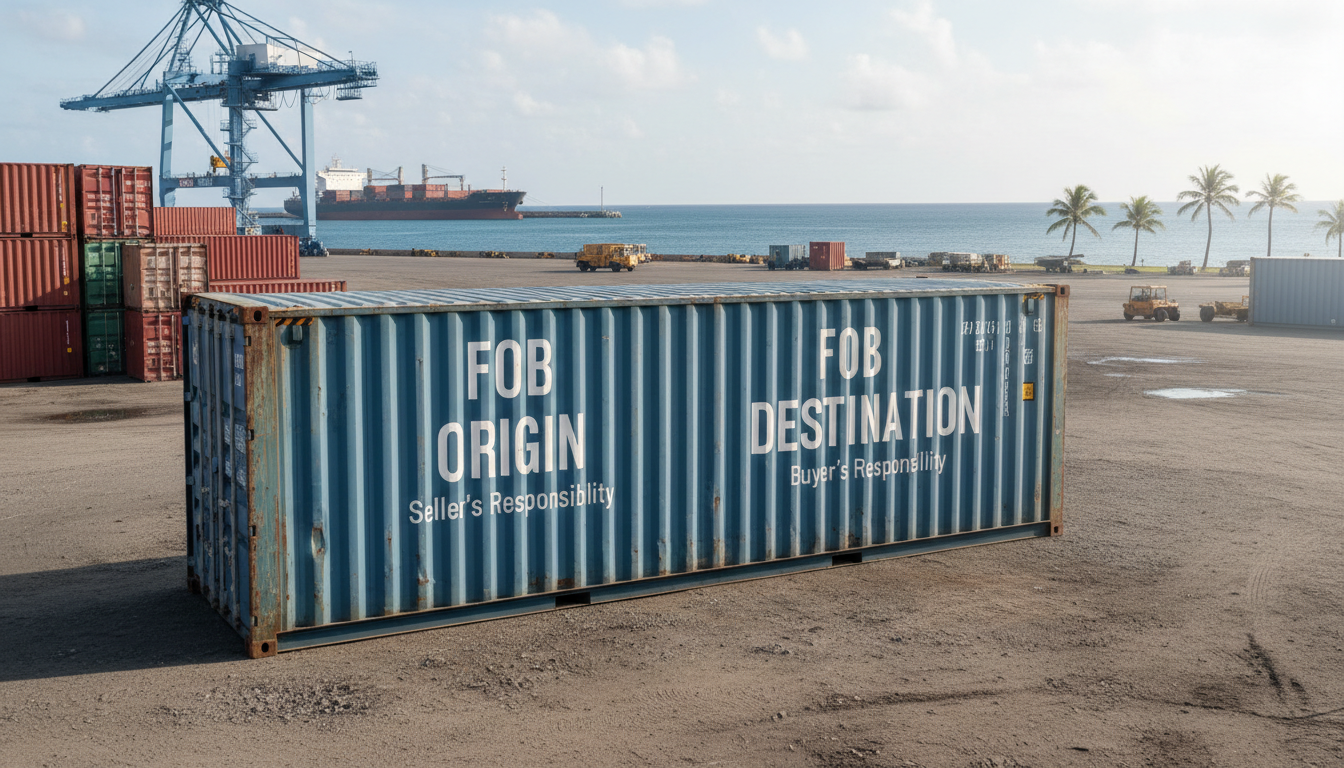
- Responsibility Transfer: The seller retains responsibility for the goods until they are loaded onto the shipping vessel at FOB origin. Conversely, under FOB destination, the seller is responsible until the goods reach the buyer’s location.
- Cost Implications: Understanding FOB terms helps sellers anticipate and manage shipping costs effectively. FOB origin typically means lower upfront costs for buyers but exposes them to risks during transit, while FOB destination may involve higher shipping costs but provides greater security for the buyer.
- Liability and Risk Management: Knowing when the liability shifts can aid in risk management for Amazon FBA sellers. With FOB origin, the buyer assumes risks during transit. In contrast, with FOB destination, the seller maintains control, reducing potential loss or damage during shipping.
- Relevance to Amazon FBA: For sellers utilizing Amazon FBA, selecting the appropriate FOB terms is crucial for seamless logistics and compliance with Amazon’s requirements, ensuring timely delivery to fulfillment centers.
Understanding FOB is not just a technicality; it is a foundational element that influences cost structures, risk management, and operational efficiency for Amazon FBA sellers.
Types of FOB
There are two main types of FOB that Amazon FBA sellers must understand: FOB origin and FOB destination. Each type has distinct implications for costs and responsibilities, making it crucial for sellers to choose the right term based on their business needs.
FOB Origin:
- Definition: The seller is responsible for all costs and risks until the goods are loaded onto the shipping vessel at the point of origin.
- Seller’s Responsibility:
- Costs incurred during packing and loading.
- Risks associated with transport until the goods are on the vessel.
- Buyer’s Responsibility:
- Assumes responsibility for goods during transit.
- Covers all costs from the port of origin onward, including freight and insurance.
- Implication: This arrangement can lead to lower initial shipping costs for the seller, but the buyer must be prepared to handle risks during transportation.
FOB Destination:
- Definition: The seller retains responsibility for costs and risks until the goods arrive at the buyer’s specified location.
- Seller’s Responsibility:
- Covers all shipping costs and risks until delivery.
- Ensures that goods are transported securely and arrive in good condition.
- Buyer’s Responsibility:
- Minimal responsibility during transit.
- Only takes on costs once the goods are delivered.
- Implication: This option provides greater security for the buyer, as the seller is accountable for any issues that arise during transport, but it may result in higher shipping costs.
Understanding these types of FOB is essential for Amazon FBA sellers to effectively manage shipping logistics, budget accurately, and minimize risks associated with international shipping.
| FOB Type | Seller’s Responsibility | Buyer’s Responsibility | Cost Implications |
|---|---|---|---|
| FOB Origin | Until goods are loaded on the vessel | During transit and delivery | Lower upfront costs for sellers |
| FOB Destination | Until goods reach the buyer’s location | Only upon delivery | Higher shipping costs for sellers |
Impact of FOB on Shipping Costs
The choice of FOB terms can significantly influence shipping expenses for Amazon FBA sellers. Understanding the implications of FOB origin and FOB destination is crucial for effective budgeting and financial planning.
FOB Origin:
- Cost Responsibilities: Under FOB origin, sellers are responsible for all costs until the goods are loaded onto the shipping vessel. This includes expenses related to:
- Packing
- Loading
- Initial transportation to the port
- Risk Exposure: Sellers assume all risks associated with the goods during transit until they reach the shipping vessel. This means any damage or loss incurred before loading falls on the seller.
- Budgeting Implications: While this method may lead to lower initial costs for the seller, it requires careful planning to account for potential risks and additional expenses that may arise during transit.
FOB Destination:
- Cost Responsibilities: In contrast, FOB destination places the responsibility for costs on the seller until the goods arrive at the buyer’s specified location. This encompasses:
- Freight charges
- Insurance during transit
- Delivery costs
- Risk Management: The seller maintains control over the goods until they are delivered, reducing the likelihood of loss or damage that could affect the buyer’s inventory.
- Budgeting Benefits: Although FOB destination may involve higher shipping costs, it provides sellers with better predictability regarding expenses and enhances customer satisfaction by ensuring goods arrive in good condition.
Cost Comparison Table:
| FOB Type | Cost Responsibility | Risk Management |
|---|---|---|
| FOB Origin | Seller covers costs until loading | Seller bears risk until goods are on the vessel |
| FOB Destination | Seller covers costs until delivery | Seller bears risk until goods are delivered |
Understanding these differences helps sellers make informed decisions regarding shipping strategies and overall cost management.
Practical Examples of FOB in Action
Understanding the practical implications of FOB terms is crucial for Amazon FBA sellers. Here are illustrative scenarios that demonstrate how FOB origin and FOB destination work in real-world shipping situations.
Example 1: FOB Origin
- Scenario: A seller in China is shipping a batch of electronics to their Amazon FBA warehouse in the US.
- Process:
- The seller arranges for the products to be loaded onto a shipping vessel at a port in China.
- Under FOB origin, the seller is responsible for all costs and risks until the goods are loaded onto the vessel.
- Once the goods are on the vessel, the buyer (in this case, the Amazon FBA seller) assumes responsibility, including shipping costs and risks during transit.
- Outcome: The seller benefits from lower initial shipping costs, but must ensure the buyer is prepared to handle potential risks during transit, such as loss or damage.
Example 2: FOB Destination
- Scenario: A seller in Vietnam ships clothing items to an Amazon fulfillment center in the US.
- Process:
- The seller covers all costs and risks associated with transporting the goods until they reach the Amazon warehouse.
- The products are shipped directly to the fulfillment center, and the seller schedules the delivery appointment with Amazon.
- Once the goods arrive at the Amazon warehouse, the seller’s responsibility ends.
- Outcome: The seller enjoys peace of mind knowing they retain control until delivery, reducing liability and potential complications during transit.
Comparison Table of FOB Types
| FOB Type | Seller Responsibility | Buyer Responsibility | Risk Transfer Point |
|---|---|---|---|
| FOB Origin | Until goods are loaded onto the vessel | During transit and upon arrival | When goods are on the vessel |
| FOB Destination | Until goods arrive at the buyer’s location | After delivery | Upon arrival at the destination |
These examples clarify how FOB terms influence seller responsibilities, costs, and risk management in the Amazon FBA shipping process. By understanding these practical applications, sellers can make informed decisions about their shipping strategies.
Tips for Amazon FBA Sellers
Choosing the right FOB shipping terms is crucial for Amazon FBA sellers to ensure cost-effectiveness and minimize risks. Here are key tips to consider:
- Assess Shipping Needs: Evaluate the nature of your products, shipment volume, and delivery timelines. Understanding these factors will help determine whether FOB origin or FOB destination is more suitable.
- Weigh Cost Implications: Carefully analyze shipping costs associated with each FOB type. FOB origin may offer lower initial costs but involves greater risk during transit. Conversely, FOB destination typically ensures greater control over delivery but may incur higher shipping fees.
- Clarify Contracts: Always ensure that shipping terms are explicitly outlined in contracts with suppliers. Miscommunication can lead to unexpected costs or liabilities, so it’s essential both parties have a mutual understanding of terms.
- Consider Logistics Partners’ Expertise: Partner with freight forwarders or logistics providers experienced in Amazon FBA shipping. Their expertise can guide you in selecting the most efficient shipping methods and compliance with Amazon’s requirements.
- Avoid Common Mistakes:
- Failing to verify shipping terms with suppliers can lead to misunderstandings about cost responsibilities and risk during transit.
- Not factoring in potential delays associated with customs clearance under FOB origin.
- Overlooking the importance of insurance for shipments, especially under FOB origin, where the buyer assumes more risk.
Implementing these strategies will enhance your shipping operations, reduce costs, and mitigate risks associated with international shipping for your Amazon FBA business.
Final Words
Final Words
Understanding FOB in shipping is essential for Amazon FBA sellers, as it directly influences costs and responsibilities during transit. The distinction between FOB origin and FOB destination shapes how sellers manage shipping expenses and liability.
Practical examples highlight the importance of selecting the right terms to optimize logistics and budget effectively. By following best practices and avoiding common pitfalls, sellers can navigate the complexities of international shipping more confidently.
Embracing these insights will enhance shipping strategy and contribute to a smoother import process. Knowledge of “What Does FOB Mean in Shipping? A Clear Guide for Amazon FBA Sellers” is a vital step toward achieving logistical success.
FAQ
Q: What is FOB in shipping?
A: FOB, or Free On Board, defines when the ownership and responsibility of goods transfer from the seller to the buyer, essential for determining shipping costs and liability.
Q: What are the types of FOB?
A: The two main types are FOB origin and FOB destination. FOB origin transfers responsibility at the shipping vessel, while FOB destination extends it until delivery at the buyer’s location.
Q: How does FOB impact shipping costs?
A: FOB terms significantly influence shipping expenses. FOB origin makes sellers responsible until shipment, while FOB destination allows control over costs until delivery, impacting budgeting strategies.
Q: Can you provide practical examples of FOB?
A: For FOB origin, a seller from China covers costs until loading onto a vessel. For FOB destination, responsibility remains until delivery at the Amazon warehouse, illustrating different risks.
Q: What tips are there for Amazon FBA sellers regarding FOB?
A: Sellers should evaluate shipping needs, clarify contracts, avoid miscommunication with suppliers, and consider logistics partners’ expertise when selecting FOB shipping terms to minimize errors.
Leave a Reply