
Are your Bill of Lading descriptions costing you time and money? Many Amazon FBA sellers overlook the critical role these documents play in ensuring compliance and operational efficiency. A clear and accurate Bill of Lading is not just a bureaucratic necessity; it can make or break the speed and reliability of your shipments. This post will explore best practices for crafting effective BOL descriptions that align with Amazon’s guidelines, helping sellers navigate the complexities of international shipping. By mastering these best practices, sellers can enhance their logistics processes, minimize delays, and ultimately drive greater success in their Amazon businesses.
Bill of Lading Description Best Practices for Amazon FBA Success
Clear and accurate Bill of Lading (BOL) descriptions are essential for successful Amazon FBA shipments. They play a crucial role in ensuring compliance with Amazon’s requirements and optimizing logistics efficiency.
- Importance of clear BOL descriptions:
- Facilitates smooth shipping processes and reduces delays.
- Ensures proper customs clearance, minimizing the risk of holds or fines.
- Enhances communication with freight forwarders and customs officials.
- Overview of Amazon FBA requirements:
- BOL descriptions must precisely match the items being shipped to prevent discrepancies.
- Compliance with Amazon’s policies is mandatory to avoid penalties and maintain seller standing.
- Accurate HS codes and item classifications are critical for proper duty assessments.
- Emphasis on accuracy and clarity:
- Use specific product names and details to eliminate ambiguity.
- Include quantities and packaging types (e.g., boxes, pallets) to clarify shipment contents.
- Maintain a consistent format to improve readability and ensure all relevant details are easily accessible.
Utilizing these best practices for Bill of Lading descriptions not only enhances compliance but also streamlines the shipping process, promoting a seamless experience for Amazon FBA sellers.
Best Practices for Writing BOL Descriptions
Effective Bill of Lading (BOL) descriptions are critical for Amazon FBA shipments. Following best practices in terminology and formatting can ensure compliance and enhance shipping efficiency.
- Key terminology to use:
- Product name: Clearly state the product being shipped. Use the exact name as listed on Amazon to avoid confusion.
- Quantity: Include the total number of units per product type. This helps in inventory management upon arrival at the fulfillment center.
- Shipping terms: Specify terms such as “FOB,” “CIF,” or “DDP” to clarify the responsibilities of the seller and buyer during the shipping process.
- Formatting guidelines:
- Consistency in layout: Maintain a uniform structure throughout the BOL. This means keeping headers, product listings, and section breaks aligned to enhance readability.
- Use of clear, legible fonts: Choose simple fonts like Arial or Times New Roman in an adequate size (10-12 pt) to ensure that the information is easily readable. Avoid decorative fonts that may hinder comprehension.
- Examples of effective BOL descriptions:
| Effective BOL Description | Poorly Formatted BOL Description |
|---|---|
| Product: Wireless Headphones Quantity: 100 units Shipping Terms: DDP |
Items 100 headphones |
| Product: Yoga Mats Quantity: 50 units Shipping Terms: FOB |
Yoga stuff 50 mats |
Utilizing these best practices for writing BOL descriptions not only enhances clarity and compliance but also minimizes the risk of delays during the shipping process, ensuring a smoother experience for Amazon FBA sellers.
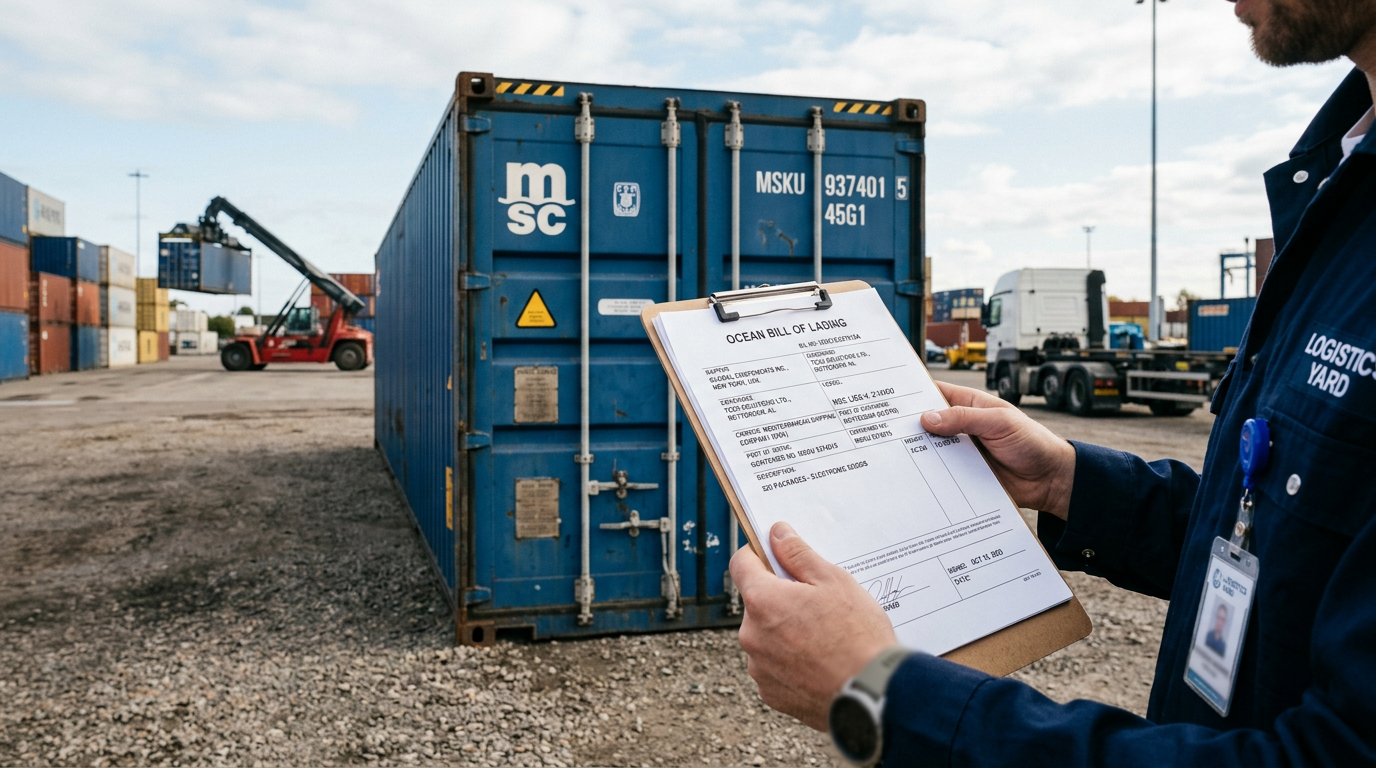
Common Pitfalls to Avoid
Understanding common pitfalls in Bill of Lading (BOL) descriptions is crucial for Amazon FBA sellers. Avoiding these mistakes can enhance compliance and streamline shipping processes.
- Misunderstanding Amazon compliance requirements:
- Sellers often overlook specific Amazon guidelines for BOL descriptions, leading to non-compliance. This can result in penalties or shipment rejections.
- Regularly review Amazon’s policies to ensure that BOL descriptions align with their requirements.
- Inaccurate item descriptions that lead to shipping delays:
- Vague or incorrect product descriptions can cause customs delays. Accurate item representations ensure smoother transit through customs and faster delivery to fulfillment centers.
- Always cross-check item descriptions against the product listings on Amazon to maintain consistency.
- Failure to include necessary information:
- Correct HS codes: Missing or incorrect Harmonized System codes can lead to misclassification and unexpected duties. Ensure HS codes are accurate for each product type.
- Detailed product specifications: Incomplete specifications can lead to confusion during customs clearance. Include dimensions, weights, and material descriptions to avoid delays.
- Tips on how to double-check for accuracy:
- Conduct a thorough review of the BOL before shipment. Compare it against product invoices and Amazon listings for alignment.
- Utilize checklists to confirm that all required information is included and formatted correctly.
- Engage team members in the review process to catch errors that may have been overlooked.
Utilizing these strategies will minimize errors in BOL descriptions, ensuring compliance and enhancing the efficiency of Amazon FBA shipments.
Optimizing Logistics with Effective BOLs
Well-structured Bill of Lading (BOL) descriptions significantly enhance logistics and shipping efficiency for Amazon FBA shipments. By focusing on clarity and compliance, sellers can streamline their operations and improve overall performance.
- Impact on shipping speed:
- Faster customs clearance: Accurate BOL descriptions facilitate quicker processing at customs. Clear product descriptions and correct HS codes minimize the risk of delays caused by inquiries or inspections.
- Reduced chances of shipment holds: Compliance with Amazon’s requirements and precise information reduces the likelihood of shipments being held at customs or fulfillment centers, ensuring timely delivery to customers.
- Cost implications of accurate BOLs:
- Minimizing additional fees: Inaccurate or vague descriptions can lead to customs holds, resulting in extra fees or penalties. By providing detailed and correct information, sellers can avoid these unnecessary costs.
- Streamlining shipping costs: Efficient BOLs enable better planning and execution of shipments, reducing the overall cost per unit. Accurate weight and dimension listings can lead to more favorable freight rates.
- Tips for improved shipping processes:
- Regularly reviewing BOL formats: Consistently updating BOL templates ensures compliance with any changes in Amazon’s policies or customs regulations. Regular reviews help maintain accuracy and efficiency.
- Training staff on best practices: Educating team members on the importance of precise BOL descriptions can significantly enhance accuracy. Regular training sessions can keep staff informed about updates and improvements.
- Utilizing tracking tools for BOL compliance: Implementing digital tracking systems allows for real-time monitoring of shipments and BOL compliance. This technology can provide alerts for discrepancies, ensuring corrective actions are taken promptly.
Utilizing effective BOL strategies not only optimizes logistics but also enhances the overall success of Amazon FBA operations.
| Strategy | Benefit |
|---|---|
| Regular BOL reviews | Ensures compliance with regulations |
| Staff training | Improves accuracy and reduces errors |
| Tracking tools | Enhances visibility and compliance monitoring |

Final Words
Final Words
Effective Bill of Lading descriptions are vital for ensuring smooth Amazon FBA shipments. Clear and accurate BOLs facilitate compliance with Amazon’s guidelines and streamline logistics operations.
By implementing best practices in terminology and formatting, sellers can avoid common pitfalls that lead to delays and additional costs. Regularly reviewing BOL formats and training staff further optimizes shipping efficiency.
Embracing these strategies not only enhances operational effectiveness but also contributes to a positive shipping experience. Mastering Bill of Lading Description Best Practices for Amazon FBA shipments can significantly boost overall business success.
FAQ
Q: What is the significance of Bill of Lading descriptions for Amazon FBA shipments?
A: Clear Bill of Lading descriptions are crucial for compliance and logistics efficiency, ensuring smooth shipping processes and adherence to Amazon’s requirements.
Q: What are the best practices for writing effective BOL descriptions?
A: Effective BOL descriptions should include key terminology like product name and quantity, follow consistent formatting, and utilize clear, legible fonts for maximum clarity.
Q: What common mistakes should be avoided when creating BOL descriptions?
A: Frequent errors include misunderstanding Amazon’s compliance requirements, using inaccurate item descriptions, and omitting necessary information like correct HS codes and detailed specifications.
Q: How can effective BOLs optimize logistics for FBA shipments?
A: Well-structured BOLs enhance logistics by speeding up customs clearance, reducing shipment holds, minimizing additional fees, and streamlining overall shipping costs.
Leave a Reply