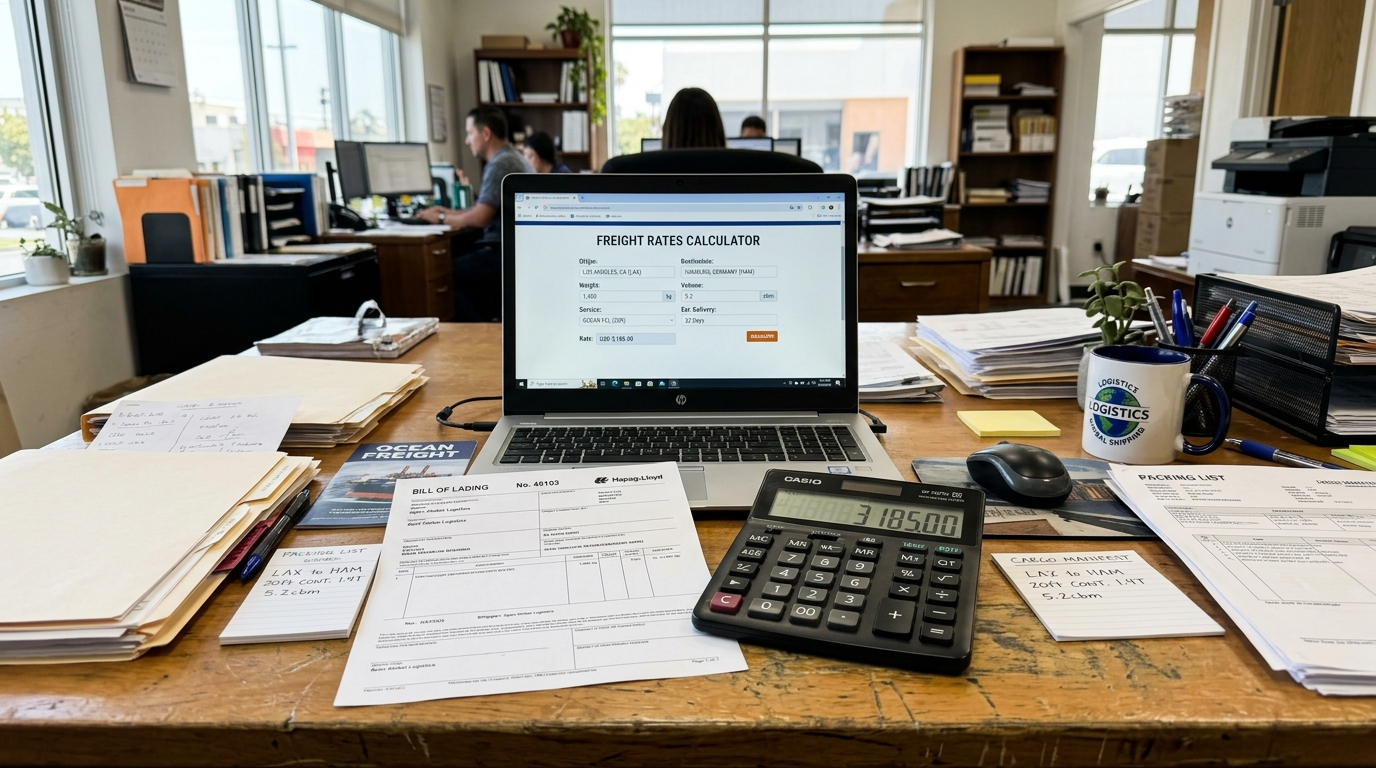
Are rising freight rates squeezing your Amazon FBA profits? Understanding the factors behind freight pricing is crucial for sellers who want to remain competitive in the e-commerce landscape. In this post, we will dissect the four key variables that impact freight costs: weight, dimensions, shipping distance, and freight class. By mastering these elements, sellers can make informed decisions that directly affect their pricing strategies and overall profitability. Get ready to unlock the secrets of freight rates and optimize your FBA business for success.
Freight Rates Calculator: 4 Key Factors Impacting FBA Pricing
- Weight of the Shipment
- Heavier shipments typically incur higher freight costs due to the increased handling and transportation expenses.
- Carriers often charge based on actual weight or dimensional weight, whichever is greater.
- Dimensions of the Package
- The size of the package can significantly affect shipping rates. Larger packages may require more space in transport and incur additional charges.
- Dimensional weight calculations (length x width x height) can lead to higher costs if the dimensional weight exceeds actual weight.
- Shipping Distance
- The farther the shipment needs to travel, the higher the freight rates will be. Distance is a critical factor for both air and sea freight.
- Regional shipping can minimize costs, while international shipping often involves additional fees such as customs and tariffs.
- Freight Class Explained
- Freight class is a standardized classification used to determine shipping rates based on the nature of the goods being shipped.
- Factors affecting freight class include density, value, and liability. Products with low density but high value may be classified differently, impacting overall shipping rates.
| Factor | Description |
|---|---|
| Weight | Heavier shipments generally incur higher costs; charges based on actual or dimensional weight. |
| Dimensions | Larger packages may incur additional charges; dimensional weight calculations can increase costs. |
| Distance | Longer shipping distances lead to higher freight rates; regional shipping can reduce costs. |
| Freight Class | Classifications determine shipping rates based on the nature of goods; low density and high value impact classification. |
The 4 Key Variables Driving Freight Pricing
- Weight of the Shipment
- Heavier shipments often result in higher freight costs. Carriers charge based on either the actual weight or the dimensional weight, depending on which is greater. For example, a shipment weighing 100 lbs may be charged differently than a 100 lbs shipment that occupies a larger space due to its dimensions.
- Dimensions of the Package
- The size of the package directly influences shipping rates. Larger packages may incur additional costs because they require more space in the carrier’s vehicle or vessel. Dimensional weight (calculated as length x width x height divided by a dimensional factor) can lead to higher charges if it exceeds the actual weight. For instance, a small, heavy item might ship for less than a large, lightweight item due to dimensional weight calculations.
- Shipping Distance
- The distance from the origin to the destination is a crucial factor in determining freight rates. Longer distances typically lead to higher costs due to increased fuel and handling expenses. For example, shipping from California to New York will generally cost more than shipping within California. Additionally, international shipments often incur extra fees such as customs duties.
- Freight Class Explained
- Freight class is a standardized classification that determines shipping rates based on the characteristics of the goods. It includes factors like density, value, and liability. For example, a product classified as a high-value item may have a different freight class than a similarly sized but lower-value item, impacting the overall cost. Accurate classification is essential to avoid unexpected charges and ensure compliance with freight regulations.
| Factor | Description |
|---|---|
| Weight | Heavier shipments generally incur higher costs; charges based on actual or dimensional weight. |
| Dimensions | Larger packages may incur additional charges; dimensional weight calculations can increase costs. |
| Distance | Longer shipping distances lead to higher freight rates; regional shipping can reduce costs. |
| Freight Class | Classifications determine shipping rates based on the nature of goods; low density and high value impact classification. |

Using a Freight Rates Calculator
A freight rates calculator is an essential tool for Amazon FBA sellers to accurately estimate shipping costs. Understanding how to use this calculator effectively can optimize budget planning and enhance profitability. The primary factors influencing freight rates include:
- Weight of the Shipment
- Input the actual weight in pounds. The calculator will compare this with the dimensional weight to determine the applicable charge.
- Dimensions of the Package
- Enter the dimensions (length, width, height) in inches. The calculator computes the dimensional weight, which may affect pricing if it exceeds the actual weight.
- Shipping Distance
- Specify the origin and destination zip codes. This information is crucial for calculating the distance and determining the corresponding rate.
- Freight Class
- Select the appropriate freight class based on the nature of the goods. This classification impacts the overall shipping cost depending on the product’s density and value.
| Factor | Description |
|---|---|
| Weight | Input the actual weight; the calculator compares it with dimensional weight. |
| Dimensions | Enter dimensions; the calculator calculates dimensional weight affecting costs. |
| Distance | Input zip codes; this determines the shipping distance and applicable rates. |
| Freight Class | Select based on product type; this affects pricing due to classification rules. |
By inputting these variables into the freight rates calculator, sellers can obtain a detailed estimate of their shipping costs, allowing for better financial planning and decision-making.
Freight Rates Calculator: 4 Key Factors Impacting FBA Pricing
- Consolidating Shipments
- Combine multiple orders into one larger shipment to reduce per-unit shipping costs. This strategy takes advantage of lower rates associated with bulk shipping.
- Use freight forwarders who offer consolidation services to streamline the shipping process and maximize savings.
- Choosing the Right Freight Option
- Assess the urgency of the shipment to determine whether air freight or sea freight is more suitable. Air freight is faster but more expensive, while sea freight is cost-effective for larger shipments.
- Evaluate multi-modal shipping options that combine different modes of transportation to balance cost and speed.
- Negotiating Freight Rates
- Building relationships with carriers can lead to better rates and discounts. Regular shipping volumes can provide leverage in negotiations.
- Consider using a freight broker who can help negotiate favorable terms and find the best rates based on specific shipping needs.
- Regularly Reviewing Shipping Agreements
- Periodically assess shipping contracts for any changes in rates or services. Regular reviews can reveal opportunities for cost savings.
- Stay informed about market trends and fluctuations that may influence freight rates to adjust shipping strategies accordingly.
| Factor | Description |
|---|---|
| Consolidating Shipments | Combine multiple orders into one shipment to reduce per-unit costs. |
| Choosing Freight Options | Assess urgency to choose between air or sea freight; consider multi-modal shipping. |
| Negotiating Rates | Build relationships with carriers for better rates; use freight brokers to negotiate. |
| Reviewing Agreements | Regularly assess shipping contracts for cost-saving opportunities. |
Freight Rates Calculator: 4 Key Factors Impacting FBA Pricing
- Weight of the Shipment
- The weight of the shipment is a primary factor in determining freight rates. Carriers often calculate costs based on either the actual weight or dimensional weight, using the greater of the two. For instance, a shipment weighing 200 lbs may have a different cost structure than a shipment that occupies significant space despite a lower actual weight.
- Dimensions of the Package
- Package dimensions significantly influence freight costs. Larger packages may incur additional fees due to the increased space they occupy in transport. Dimensional weight calculations take into account length, width, and height, which can lead to higher shipping charges for items that are large but lightweight. For example, a box that is 48 inches long and 24 inches wide will likely be charged higher rates compared to a smaller box of the same weight.
- Shipping Distance
- The distance from the origin to the destination plays a crucial role in freight pricing. Longer distances typically result in higher costs due to increased fuel and handling expenses. For example, shipping from Los Angeles to New York will generally be more expensive than shipping within California. Additionally, international shipments often incur additional costs related to customs and tariffs.
- Freight Class Explained
- Freight class is a standardized classification system used to determine shipping rates based on the characteristics of the goods being transported. Factors such as density, value, and liability influence freight class. For example, high-value items with low density may be classified differently, affecting the overall shipping rates. The correct classification ensures accurate duty calculations and helps avoid unexpected charges.
| Factor | Description |
|---|---|
| Weight | Higher weights typically incur increased costs; based on actual or dimensional weight. |
| Dimensions | Larger packages may lead to additional charges; dimensional calculations can impact pricing. |
| Distance | Longer distances result in higher freight rates; regional shipping minimizes costs. |
| Freight Class | Classifications affect shipping rates; based on density, value, and liability of goods. |
Final Words
Final Words
Understanding freight rates is crucial for Amazon FBA sellers aiming for profitability. By analyzing the four key variables—weight, dimensions, shipping distance, and freight class—sellers can effectively manage their shipping costs. Utilizing a freight rates calculator simplifies this process, providing clarity on expenses.
Implementing strategies like consolidating shipments and choosing the right freight options further optimizes costs. By comparing air and sea freight, sellers can make informed decisions that balance speed and expense.
Mastering these elements will enhance profitability and streamline the import process, ensuring a smoother shipping experience. Embrace the insights from the Freight Rates Calculator: The 4 Variables That Drive Amazon FBA Pricing to elevate your logistics strategy.
FAQ
Q: What are freight rates in the context of Amazon FBA?
A: Freight rates refer to the costs associated with shipping goods, essential for Amazon FBA sellers to understand for maintaining profitability.
Q: What factors influence freight pricing?
A: The four main variables driving freight pricing include weight, dimensions, shipping distance, and freight class, all crucial for determining overall shipping costs.
Q: How can a freight rates calculator assist sellers?
A: A freight rates calculator helps sellers estimate shipping costs based on weight, dimensions, distance, and class, streamlining the pricing process.
Q: What are effective strategies for optimizing freight costs?
A: Sellers can optimize freight costs by consolidating shipments and selecting suitable freight options, which can lead to significant savings and enhanced profitability.
Q: How do air freight and sea freight compare?
A: Air freight is faster but more expensive, while sea freight is economical yet slower. A cost-benefit analysis aids sellers in selecting the best option.
Leave a Reply