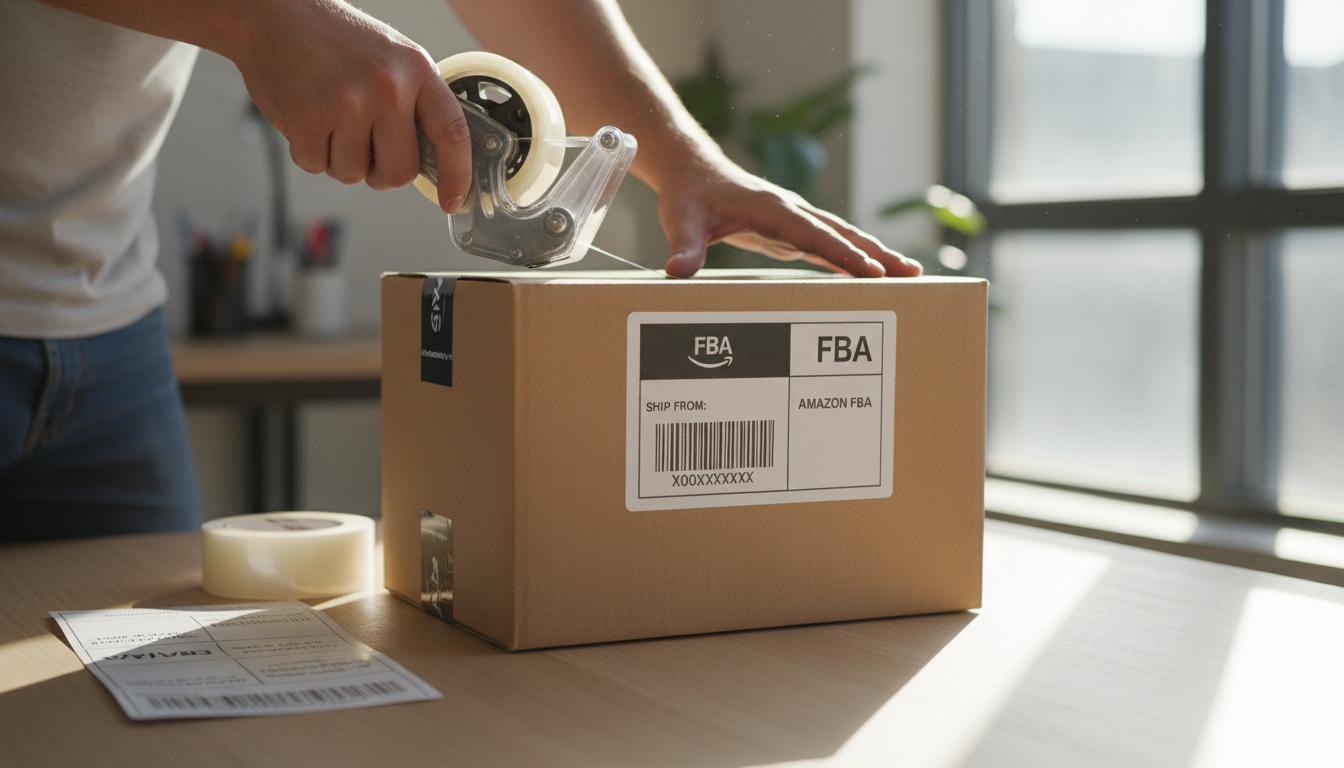
Could a labeling mishap derail your Amazon FBA business? When it comes to FBA, precision in labeling isn't just important—it's essential. Accurate FNSKU, carton, and pallet labels ensure that your goods reach Amazon warehouses without a hitch. Failure to comply can lead to costly delays and inventory mismanagement. This guide dives into the intricacies of Amazon FBA labeling, highlighting common pitfalls and detailing the steps to sidestep these usual suspects. Arm yourself with this knowledge and transform your labeling process into a seamless part of your supply chain strategy.
Understanding FNSKU Labels for Amazon FBA
FNSKU labels are a critical component of Amazon FBA operations, providing a unique identifier for each product, which distinguishes it from similar products sold by other sellers. These labels are pivotal for accurate inventory tracking and efficient order fulfillment, ensuring that products are correctly identified and processed through Amazon's fulfillment network. By relying on these labels, sellers can prevent mix-ups, maintain organized inventory, and streamline their logistics processes. Accessing these labels through Seller Central involves selecting the appropriate item and choosing to print "item labels," which aligns with Amazon's specifications for compliance and traceability.
However, several common mistakes can undermine the effectiveness of FNSKU labeling:
-
Failing to cover existing UPC labels with the FNSKU
-
Incorrect label placement on the product
-
Poor print quality that affects barcode scanning
-
Applying the FNSKU label to corners or curved surfaces
-
Neglecting to ensure adequate white space around the barcode for scanning
To optimize the use of FNSKU labels, it's important to adhere to best practices in printing and application. This includes using high-quality printers and labels to ensure clear and scannable barcodes. Labels should be placed on flat, smooth surfaces, avoiding corners and curves to facilitate easy scanning. Ensuring that the FNSKU label is the only visible barcode on the product mitigates processing delays and maintains efficient fulfillment operations. Implementing these practices will help sellers avoid common pitfalls and enhance the accuracy and reliability of their FBA shipments.
Carton Labeling Requirements for Amazon FBA
Carton labeling is a crucial element in the Amazon FBA process, ensuring that shipments are correctly processed at fulfillment centers. Properly labeled cartons facilitate efficient inventory management and prevent operational delays. Accurate and visible carton labels are essential for clear identification, helping maintain the streamlined flow of goods through Amazon's extensive network.
When labeling cartons, it is vital to ensure that labels are placed on smooth, flat surfaces, avoiding any corners or openings that could obscure the barcode. The labels must be easily scannable, which means they should not overlap edges or be placed on uneven surfaces. Additionally, carton labels must clearly specify the contents, including details such as the number of units and product descriptions. This information is critical for maintaining inventory accuracy and ensuring that products are handled correctly upon arrival at Amazon's facilities.
| Label Requirement | Description |
|---|---|
| Placement | Place labels on flat, smooth surfaces, avoiding corners or openings. |
| Scannability | Ensure barcodes are clear and not obscured by edges or folds. |
| Content Specification | Include product details and unit counts for accurate processing. |
| Visibility | Labels must be easily visible and not covered by other shipping labels. |
Failing to comply with Amazon's carton labeling requirements can lead to significant issues. Incorrect or missing labels may result in cartons being opened, re-labeled, or even rejected, causing delays and additional costs. Such errors can disrupt the supply chain, affect inventory levels, and ultimately impact seller performance metrics. Therefore, adhering to these labeling guidelines is imperative for maintaining a smooth and efficient FBA operation.
Pallet Labeling Guidelines for Amazon FBA
Proper pallet labeling is an essential part of the Amazon FBA logistics process, ensuring that shipments are efficiently processed and organized within Amazon's fulfillment centers. Correctly labeled pallets contribute to streamlined warehouse operations, preventing delays and misplacements that can disrupt inventory management and order fulfillment. Labels must be clearly visible and strategically placed on multiple sides of each pallet to maintain operational efficiency. By adhering to Amazon's detailed pallet labeling requirements, sellers can reduce the risk of processing errors and ensure their products flow smoothly through the supply chain.
-
Visibility: Ensure labels are placed on all accessible sides of the pallet to facilitate easy scanning from any angle.
-
Placement: Avoid placing labels near the edges or corners of the pallet where they could be obscured or damaged.
-
Compliance: Follow Amazon’s specific labeling guidelines to prevent delays, which include using durable materials that withstand handling and transportation.
Avoiding Common Amazon FBA Labeling Mistakes
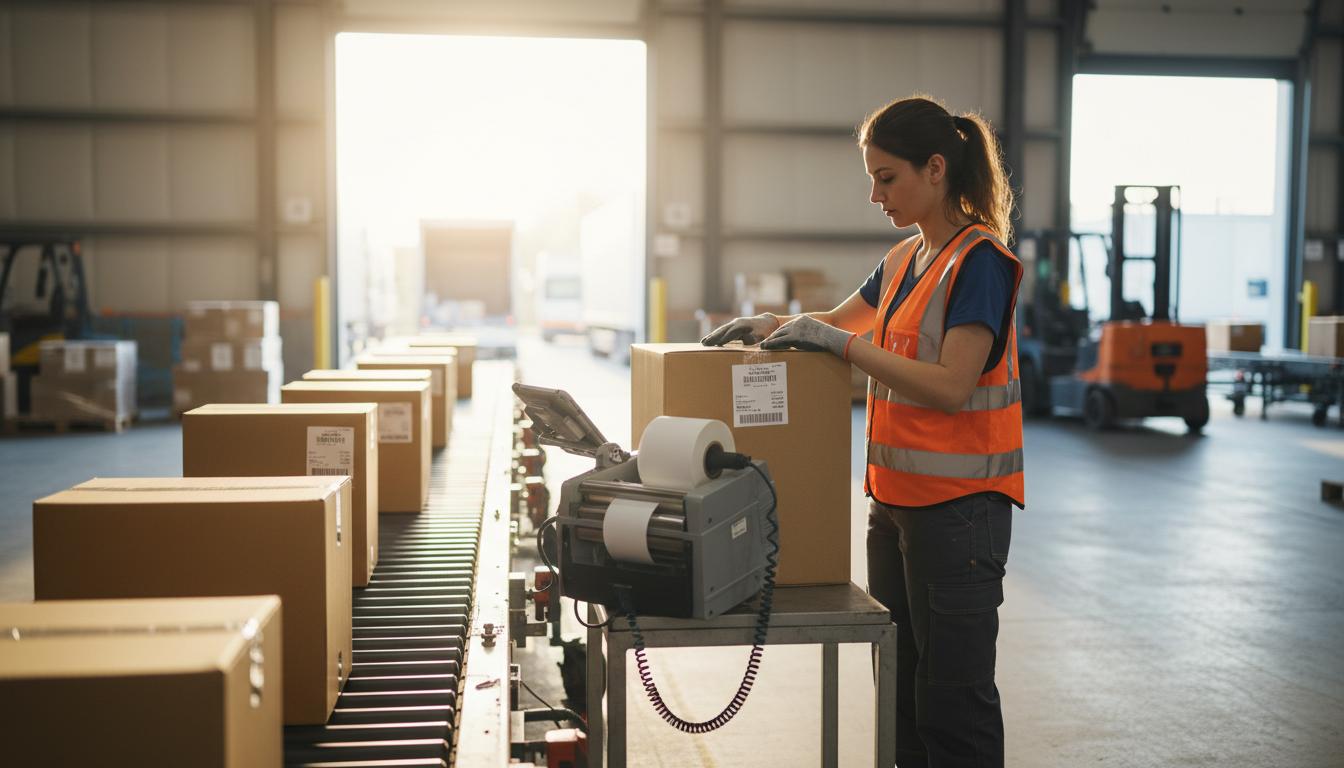
Labeling mistakes in Amazon FBA can have significant consequences, leading to inventory mismanagement, shipping delays, and adverse effects on seller performance metrics. Incorrect labeling can cause disruptions in the supply chain, resulting in misplaced items and increased operational costs. To maintain smooth logistics operations, it is crucial to address and avoid these common pitfalls.
- Incorrect placement of labels on the product or packaging
- Using the wrong label type that does not comply with Amazon's standards
- Poor print quality that hampers barcode scanning
- Failure to cover existing barcodes, leading to confusion
To mitigate these issues, sellers should ensure labels are applied to flat, smooth surfaces for optimal scannability. Using high-quality printers and durable labels can prevent scanning problems and fulfill Amazon's requirements. Regularly reviewing Amazon's labeling guidelines and conducting quality checks before shipment can help avoid errors, thus ensuring efficient and accurate processing of products through Amazon's fulfillment network.
Efficient Labeling Strategies for FBA Sellers
Automating the labeling process is a game-changer for Amazon FBA sellers aiming to enhance efficiency and reduce errors. By incorporating automation, sellers can significantly cut down on manual workload, allowing more time to focus on core business operations. Dedicated label printers, such as the DYMO LabelWriter 4XL for smaller-scale operations and the Zebra GC420d for larger setups, are invaluable tools. These printers offer consistent, high-quality labels, ensuring compliance with Amazon's stringent requirements. Properly setting up these devices and planning the labeling process can streamline operations, minimizing disruptions and ensuring a continuous flow of inventory through the supply chain.
-
Invest in dedicated label printers to enhance print quality and reduce downtime.
-
Use automation software to integrate labeling tasks with your inventory management system.
-
Plan your labeling process to align with shipment schedules, reducing bottlenecks.
Integrating efficient labeling tools into existing workflows can lead to substantial productivity gains. By aligning these tools with inventory management systems, sellers ensure seamless data flow and reduce the risk of human error. This approach not only optimizes the labeling process but also enhances overall operational efficiency, enabling quicker response times to market demands and maintaining a competitive edge in the e-commerce landscape.
Importance of Working with a Specialized Freight Partner
Navigating the complex landscape of Amazon FBA labeling requires specialized expertise to ensure compliance and efficiency. Partnering with a freight expert like QG Horizon not only helps sellers maintain control over transit times but also mitigates the risk of delays caused by incorrect labeling. These experts bring invaluable insights into advanced labeling tactics and shipping label guidelines, allowing sellers to avoid common pitfalls such as incorrect label placement and poor print quality. With their assistance, handling labeling issues becomes streamlined, ensuring that every shipment aligns with Amazon's stringent requirements. By leveraging their knowledge, sellers can focus on scaling their operations without worrying about labeling complications.
For streamlined shipping and to avoid potential labeling errors, request a fast and free quote from QG Horizon at https://qghorizon.com/quote/.
Final Words
Diving into the nuances of Amazon FBA labeling, it's evident that mastering FNSKU, carton, and pallet labels is essential for seamless inventory management and efficient processing. Understanding FNSKU requirements, correctly labeling cartons, and adhering to pallet guidelines prevent costly mistakes. Efficient labeling strategies, including automating processes and choosing the right equipment, enhance operational efficiency.
Collaborating with specialized freight partners like QG Horizon further simplifies this complexity. A keen focus on labeling specifics ensures compliance and elevates your Amazon FBA operations. Embrace these guidelines to optimize your approach and foster business growth.
FAQ
How to label Amazon FBA box?
To label an Amazon FBA box, ensure that each box includes an FBA carton label, which must be scannable and correctly placed on a smooth surface, avoiding corners or openings.
What are the Amazon FNSKU label requirements?
Amazon requires each product to have a unique FNSKU label that covers any existing UPC. The label must be legible and placed correctly to ensure smooth inventory tracking.
How do you handle Amazon unit labeling?
For unit labeling, affix the FNSKU label to each individual product unit, ensuring it covers the UPC barcode and is easily scannable to track inventory effectively.
What are the Amazon FBA packaging requirements?
Amazon FBA packaging requirements include using sturdy boxes, limiting weight to 50 pounds, and ensuring labels are properly placed. Compliant packaging ensures products are received without delays.
What are the FBA barcode requirements?
FBA barcode requirements stipulate that each product must display a unique FNSKU barcode. Ensure barcodes are printed clearly and placed where they can be scanned without obstruction.
How to package and label Amazon return?
To package and label a return, use a secure box, attach the return shipping label provided by Amazon, and include all necessary documentation inside the package to ensure processing.
What is Amazon prep and ship?
Amazon prep and ship is a service that assists sellers in preparing products for FBA. This includes labeling, packaging, and shipping to Amazon’s fulfillment centers, ensuring compliance with FBA requirements.
Leave a Reply