
Are you still relying on guesswork to secure freight shipping quotes for your Amazon FBA business? The shipping landscape is more competitive than ever, and overlooking the nuances of freight cost negotiation can severely impact profitability. Understanding the intricacies of freight shipping is not just a benefit—it’s a necessity for Amazon sellers looking to maximize their margins. This guide will delve into actionable strategies for obtaining the best freight shipping quotes, ensuring that sellers can effectively navigate the logistics maze while keeping costs down and operational efficiency high.
How to Get the Best Freight Shipping Quote for Amazon FBA
Freight shipping is a critical component for Amazon FBA sellers as it directly impacts overall profitability and operational efficiency. With increasing competition, sellers must obtain competitive shipping quotes to minimize costs while ensuring timely delivery of their products.
The process of acquiring the best freight shipping quote involves several key steps:
- Analyze Shipping Needs: Understand the specifics of your shipment, including dimensions, weight, and destination. This information is essential for accurate quotes.
- Research Freight Forwarders: Look for reputable freight forwarders who specialize in Amazon FBA. Compare their services, rates, and customer reviews.
- Request Multiple Quotes: Collect quotes from at least three different freight forwarders to gauge the market rates. This not only helps in identifying the best price but also provides leverage when negotiating.
- Review Hidden Costs: Pay attention to any extra fees that may not be included in the initial quote. These can include customs duties, taxes, and handling fees.
- Evaluate Service Quality: Consider the freight forwarder’s service offerings, transit times, and customer support. Sometimes, a slightly higher rate may be worth it for better service and reliability.
- Utilize Technology: Use freight shipping calculators and logistics platforms to streamline the quote comparison process. These tools can provide instant estimates and facilitate communication with multiple carriers.
Implementing these strategies will help Amazon FBA sellers secure the most competitive freight shipping quotes, ultimately enhancing their bottom line.
Steps to Get the Best Freight Shipping Quote
To obtain the best freight shipping quote for Amazon FBA, sellers should follow a systematic approach that ensures they are comparing options effectively. Here’s a step-by-step process:
- Research Reputable Freight Forwarders: Start by identifying freight forwarders that specialize in Amazon FBA shipping. Look for those with positive reviews and a proven track record in handling FBA logistics.
- Collect Shipment Details: Gather all necessary information about your shipment, including:
- Weight of the products
- Dimensions of the packages
- Destination and delivery requirements
This data is crucial for accurate freight quotes.
- Use Freight Shipping Cost Calculators: Leverage online freight shipping calculators to get preliminary estimates based on the shipment details collected. These tools can help you understand the range of costs you may encounter.
- Compare at Least Three Quotes: Request quotes from multiple freight forwarders. Having at least three quotes allows for better negotiation leverage and provides a clearer picture of market rates.
- Evaluate Service Quality: While price is important, don’t overlook the quality of service. Consider factors such as transit times, customer support, and any additional services offered, like customs clearance or tracking capabilities. A reliable forwarder may justify a higher rate through superior service.
By following these steps, Amazon sellers can effectively evaluate freight quotes, ensuring they secure the best possible rates while maintaining high service standards.
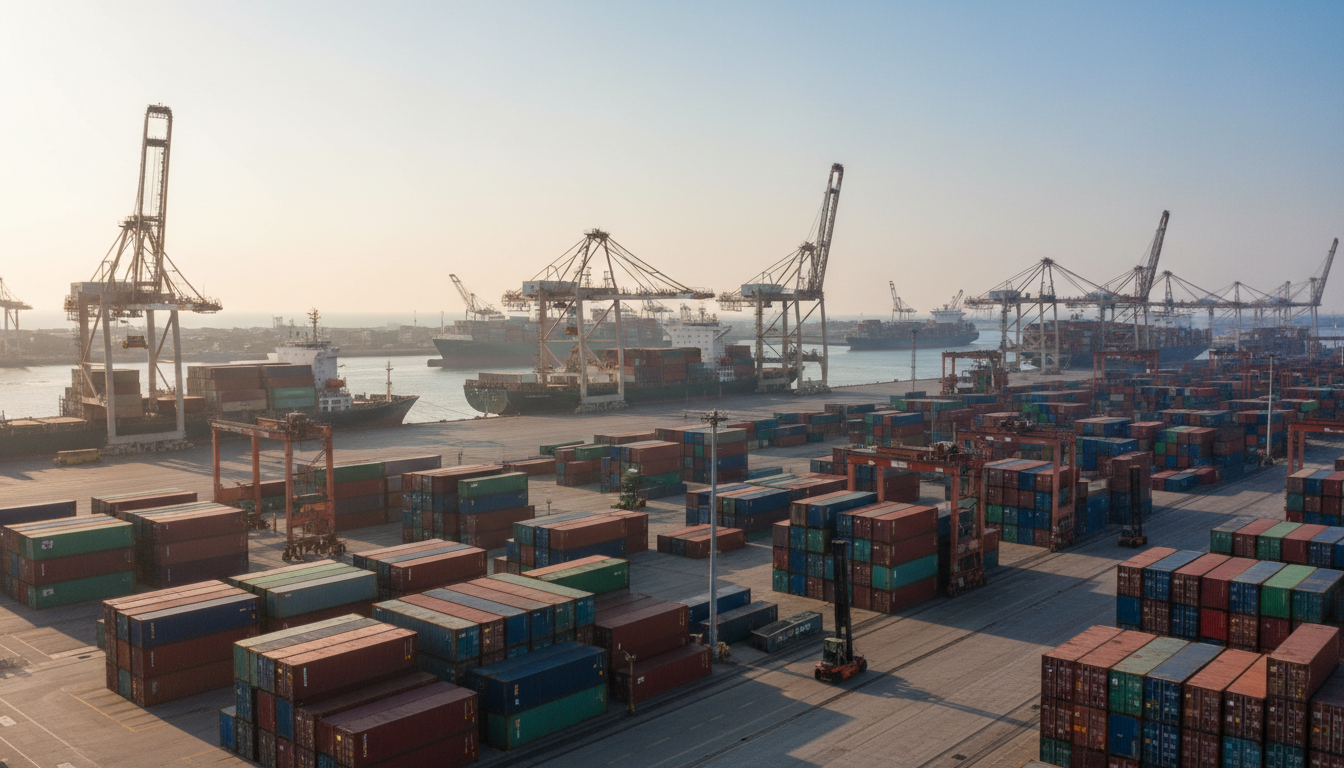
Factors Influencing Shipping Costs
Understanding the primary factors that influence freight shipping costs is crucial for Amazon FBA sellers aiming to optimize their shipping expenses. Several key variables can significantly affect the quotes received from freight forwarders:
- Weight of the Shipment: Heavier shipments typically incur higher shipping costs due to increased handling and transportation expenses. Carriers often charge based on the actual weight or volumetric weight, whichever is greater.
- Dimensions of the Package: The size of the packages can also impact shipping rates. Larger packages may require more space in transit and incur additional charges, particularly in air freight services, where dimensional weight is a critical factor.
- Shipping Distance and Route Efficiency: The distance between the origin and destination plays a significant role in shipping costs. Longer distances generally lead to higher costs. Additionally, routes with fewer direct connections may incur extra charges for detours.
- Type of Shipping Service (Air vs. Sea): Air freight is faster but significantly more expensive than sea freight. Sellers must choose the appropriate method based on urgency and budget constraints. Multi-modal options may also be available to balance speed and cost.
- Time of Year and Peak Seasons: Shipping rates can fluctuate based on seasonal demand. During peak shopping seasons, such as holidays, carriers often increase rates due to higher volumes. Sellers should plan shipments accordingly to avoid premium costs.
| Factor | Impact on Cost |
|---|---|
| Weight of the Shipment | Higher weight leads to increased shipping costs. |
| Dimensions of the Package | Larger dimensions may incur additional charges. |
| Shipping Distance and Route Efficiency | Longer distances and inefficient routes increase costs. |
| Type of Shipping Service (Air vs. Sea) | Air freight is faster but more costly than sea freight. |
| Time of Year and Peak Seasons | Rates may rise during peak shopping seasons. |
Tips for Negotiating Freight Rates
Negotiating freight rates effectively can significantly lower costs for Amazon FBA sellers. Here are key strategies to consider:
- Build Long-Term Relationships with Freight Forwarders: Establishing a rapport with freight forwarders can lead to better rates and service. A strong relationship fosters trust, which can result in more favorable terms over time.
- Always Request Multiple Quotes: Gathering quotes from various freight providers creates competition, which can drive down prices. It also provides a benchmark to evaluate the fairness of rates offered by different carriers.
- Be Transparent About Your Shipping Needs and Volume: Clearly communicate your shipping requirements and expected volume. Freight forwarders may offer discounts based on consistent shipping patterns or higher volumes.
- Ask for Discounts on Bulk Shipments or Repeat Business: When placing large orders or frequently using a particular forwarder, inquire about bulk shipping discounts or loyalty programs. Many providers are willing to negotiate rates for established customers.
- Stay Informed About Market Rates and Trends: Understanding current shipping trends and rates can empower you during negotiations. Being aware of seasonal fluctuations, fuel surcharges, or economic factors affecting shipping can help you negotiate more effectively.
| Tip | Benefit |
| Build Long-Term Relationships with Freight Forwarders | Encourages better rates and service consistency. |
| Request Multiple Quotes | Creates competition and provides rate benchmarks. |
| Be Transparent About Shipping Needs | Potential for discounts based on volume and needs. |
| Ask for Discounts on Bulk Shipments | Savings on large orders or frequent shipping. |
| Stay Informed About Market Rates | Empowers effective negotiation strategies. |
Recommended Freight Forwarders for Amazon Sellers
Choosing the right freight forwarder is crucial for Amazon FBA sellers to ensure efficient shipping operations. Here are some reputable freight forwarders known for their expertise in handling Amazon FBA shipments:
- Freight Forwarder A: Known for fast delivery times. They specialize in air freight services, enabling sellers to quickly restock their inventory. Their strong network of carriers ensures timely shipments, which is vital for maintaining product availability on Amazon.
- Freight Forwarder B: Offers competitive rates for bulk shipments. This forwarder is ideal for sellers looking to maximize cost efficiency when shipping larger volumes. Their flexible pricing structures and consolidation services help reduce overall shipping costs.
- Freight Forwarder C: Provides excellent customer service and support for FBA compliance. They assist sellers with FBA-specific requirements, such as labeling and packaging, ensuring that shipments meet Amazon’s guidelines. Their dedicated support team is available to address any logistical concerns promptly.
| Freight Forwarder | Strengths |
|---|---|
| Freight Forwarder A | Fast delivery times, strong carrier network |
| Freight Forwarder B | Competitive rates for bulk shipments, cost efficiencies |
| Freight Forwarder C | Excellent customer service, FBA compliance support |
Tools and Platforms to Streamline the Process
Amazon sellers can significantly enhance their freight shipping efficiency by utilizing various tools and platforms designed to simplify the logistics and quoting process. These digital resources help sellers obtain competitive shipping quotes and manage their logistics effectively.
- Freight Quote Comparison Websites: These platforms allow sellers to input shipment details and receive multiple quotes from different freight forwarders, facilitating easy price comparisons.
- Shipment Tracking Software: Real-time tracking tools provide visibility into shipment status, helping sellers monitor their cargo from origin to destination and alerting them to any delays.
- Supply Chain Management Platforms: Comprehensive software solutions that integrate various logistics functions, enabling sellers to manage inventory, shipments, and supply chain processes in one place.
- Freight Cost Calculators: These tools assist sellers in estimating shipping costs based on weight, dimensions, and shipping routes, allowing for better budgeting and financial planning.
| Tool/Platform | Functionality |
|---|---|
| Freightos | Instant freight quotes and comparison from multiple carriers. |
| Project44 | Real-time shipment tracking and visibility across various transport modes. |
| ShipBob | Integrated supply chain management with fulfillment services. |
| FreightCenter | Freight cost calculators for accurate shipping estimates. |
Leveraging these tools can streamline the freight quote process, enabling Amazon sellers to focus on scaling their businesses while optimizing shipping costs and logistics efficiency.
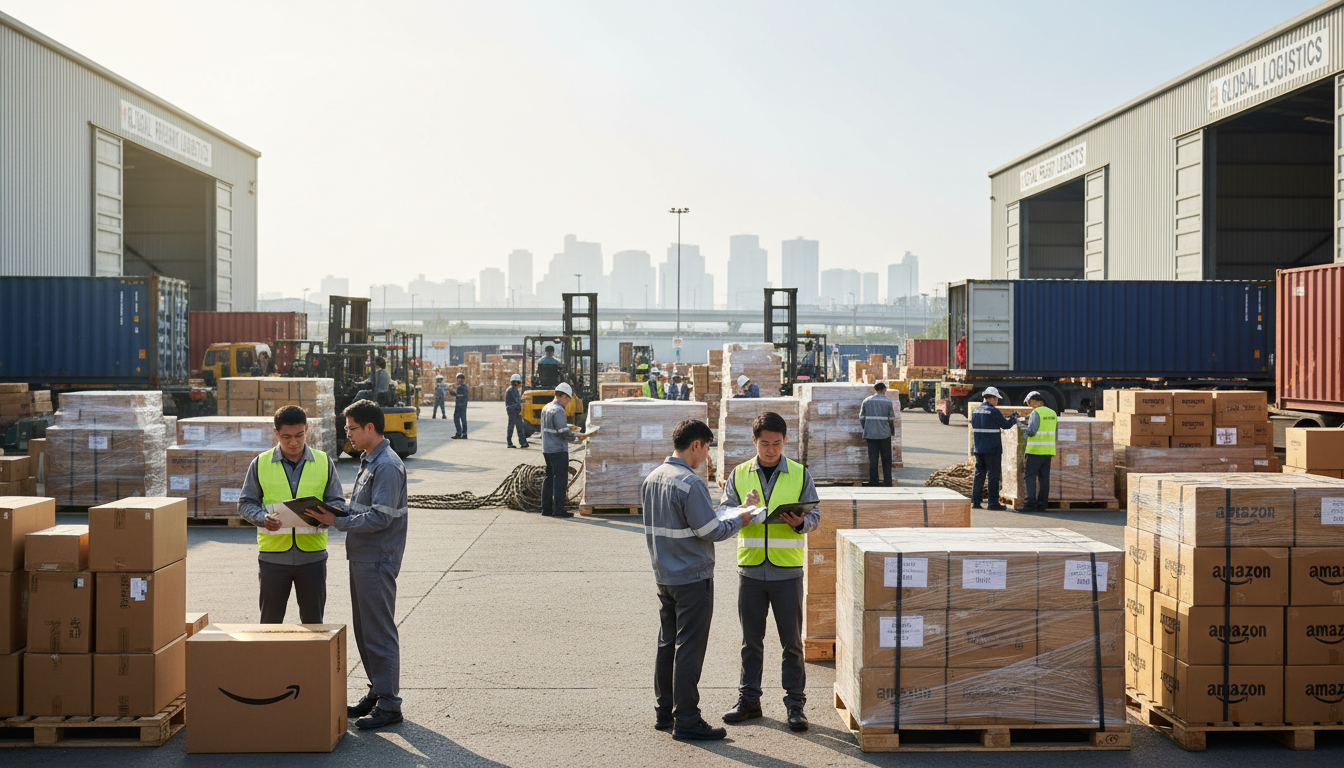
Understanding Amazon FBA Requirements
Amazon FBA sellers must adhere to specific requirements to ensure smooth shipping to fulfillment centers. Compliance with these guidelines is essential to avoid penalties, delays, and additional costs associated with non-compliance. Below are critical FBA requirements that sellers should be aware of:
- Proper labeling and barcoding of products: Each product must be labeled according to Amazon’s standards. This includes using unique FNSKU barcodes that help Amazon track inventory.
- Packaging standards that meet Amazon guidelines: Products should be packaged securely to prevent damage during transit. Amazon specifies packaging requirements, including weight limits, dimensions, and the type of materials to be used.
- Documentation required for customs clearance: Sellers must prepare and provide all necessary documentation, such as commercial invoices and packing lists, to facilitate smooth customs processing and avoid delays.
- Appointment scheduling for deliveries to FBA centers: Deliveries to Amazon fulfillment centers require pre-scheduled appointments. Sellers must adhere to Amazon’s guidelines for appointment scheduling to ensure timely unloading of shipments.
| Requirement | Description |
|---|---|
| Labeling | Use unique FNSKU barcodes for tracking. |
| Packaging | Follow Amazon’s packaging standards to prevent damage. |
| Customs Documentation | Prepare necessary documents for customs clearance. |
| Appointment Scheduling | Schedule deliveries to FBA centers in advance. |
Best Practices for Efficient Shipping to Amazon FBA
To enhance shipping operations and reduce costs, Amazon FBA sellers should adopt best practices tailored for efficient logistics management. Implementing these strategies can significantly streamline the shipping process.
- Plan Shipments Based on Sales Forecasts: Use historical sales data to predict demand, ensuring that shipments align with expected sales trends.
- Utilize Consolidation Services for Bulk Shipments: Combine multiple orders into a single shipment to reduce per-unit shipping costs and improve overall cost efficiency.
- Regularly Review Shipping Routes for Cost Efficiency: Assess existing shipping routes periodically to identify any opportunities for cost savings. Optimizing routes can lead to reduced transit times and lower freight charges.
- Maintain a Buffer Stock to Avoid Stockouts During Peak Seasons: Keeping a safety stock can prevent missed sales opportunities during high-demand periods, allowing for smoother operations during busy seasons.
| Best Practice | Benefit |
|---|---|
| Plan Shipments Based on Sales Forecasts | Aligns inventory with demand, reducing excess stock. |
| Utilize Consolidation Services for Bulk Shipments | Lowers shipping costs through combined shipments. |
| Regularly Review Shipping Routes for Cost Efficiency | Identifies savings opportunities and reduces transit times. |
| Maintain a Buffer Stock to Avoid Stockouts During Peak Seasons | Ensures product availability during high-demand periods. |
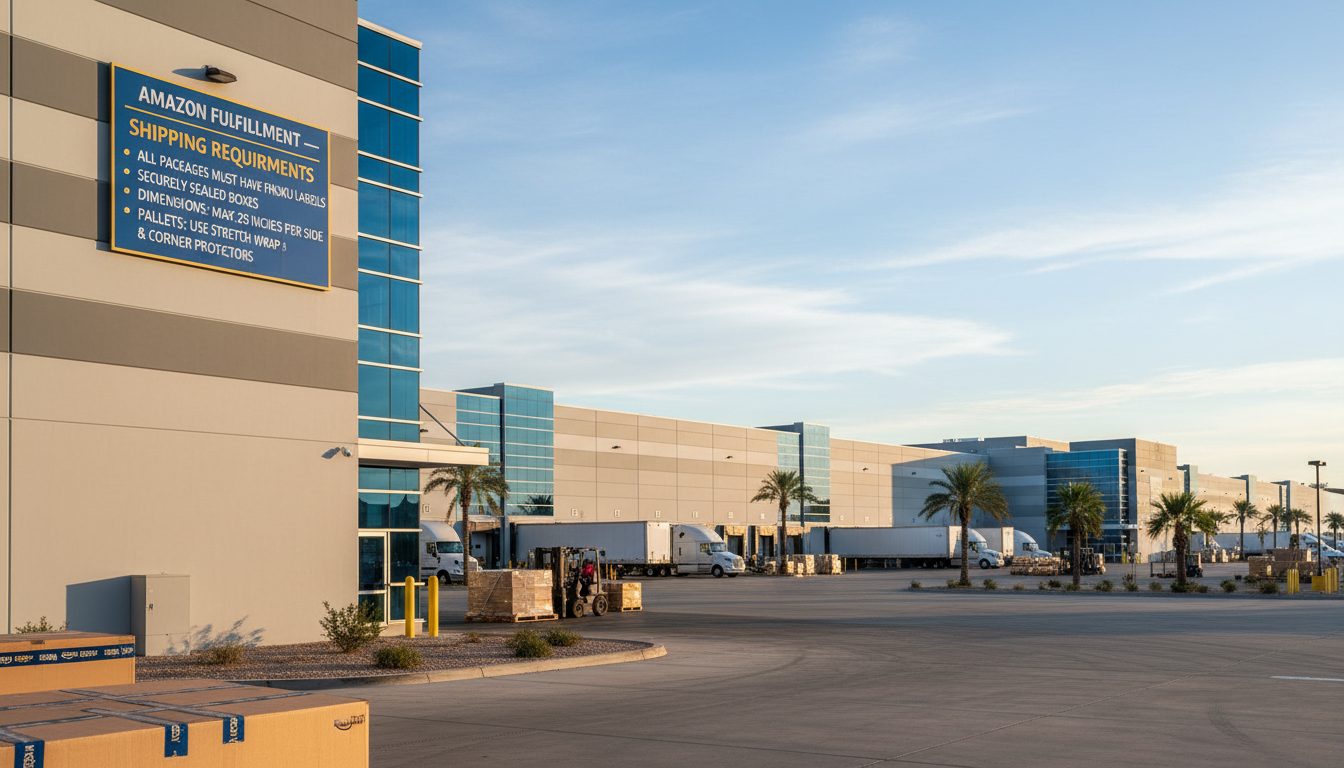
Final Words
Final Words
Navigating freight shipping for Amazon FBA requires strategic planning and informed decision-making. By understanding how to obtain competitive freight quotes, sellers can significantly impact their profitability.
Key steps include researching freight forwarders, gathering shipment details, and evaluating multiple quotes. Awareness of factors influencing shipping costs, along with effective negotiation techniques, empowers sellers to secure better rates.
Utilizing recommended freight forwarders and leveraging digital tools further streamlines the process. Adhering to FBA requirements and implementing best practices enhances operational efficiency.
With these insights, sellers can confidently master how to get the best freight shipping quote for Amazon FBA.
FAQ
Q: What is the significance of freight shipping for Amazon FBA sellers?
A: Freight shipping is crucial for Amazon FBA sellers as it directly impacts shipping costs, profitability, and overall operational efficiency.
Q: How can Amazon sellers get the best freight shipping quote?
A: Sellers can obtain the best freight shipping quote by researching forwarders, collecting shipment details, using cost calculators, and comparing multiple quotes.
Q: What factors influence shipping costs for Amazon FBA?
A: Primary factors include shipment weight, dimensions, shipping distance, service type, and seasonal demand, all of which affect freight quotes.
Q: What strategies can sellers use to negotiate freight rates?
A: Sellers can negotiate better rates by building relationships, requesting multiple quotes, being transparent about shipping needs, and staying updated on market trends.
Q: Which freight forwarders are recommended for Amazon sellers?
A: Recommended forwarders include Freight Forwarder A for fast delivery, Freight Forwarder B for bulk rates, and Freight Forwarder C for excellent customer support.
Q: What tools can help streamline the freight shipping process?
A: Useful tools include freight quote comparison websites, shipment tracking software, supply chain management platforms, and freight cost calculators.
Q: What are the key Amazon FBA shipping requirements?
A: Key requirements include proper labeling and barcoding, adherence to packaging standards, necessary customs documentation, and scheduling delivery appointments.
Q: What best practices enhance shipping efficiency for Amazon FBA?
A: Best practices include planning shipments based on forecasts, utilizing consolidation services, reviewing shipping routes, and maintaining buffer stock to avoid stockouts.
Leave a Reply