
Did you know that insufficient documentation causes a staggering 60% rejection rate for Amazon FBA damaged shipment claims? As an ambitious FBA seller, you know that even a single lost claim can significantly impact your bottom line. Proper documentation isn't just a suggestion; it's your lifeline to achieving reimbursement. By mastering the art of documenting damaged shipments, from capturing photographic evidence to compiling essential paperwork, you can transform this often-daunting task into a streamlined process. In this guide, you'll uncover actionable steps to file claims efficiently, keeping your Amazon FBA venture financially sound and stress-free.
Documenting Damaged Shipments for Amazon FBA Claims
Proper documentation is paramount for Amazon FBA sellers seeking reimbursement for damaged shipments. Without comprehensive evidence, claims are often rejected, with a 60% rejection rate attributed to inadequate documentation. Ensuring that all necessary information is meticulously prepared can significantly enhance the likelihood of a successful claim.
- Proof of ownership, such as purchase orders or invoices, showing the seller's name, date, SKU/ASIN, and unit quantities
- Inventory adjustment reports detailing discrepancies
- Sales records to verify shipment contents
- Carrier tracking numbers for shipment verification
- Inbound and outbound scan timestamps for precise tracking
Insufficient documentation can derail the claims process, leading to financial losses and operational setbacks. To avoid such pitfalls, sellers must ensure all evidence is clear and comprehensive. When collecting damage evidence, photos should be high-resolution and capture multiple angles of the damage, including packaging and product labels. It's crucial to include a ruler or measuring tape for scale and context.
Additionally, sellers should maintain a detailed record of all shipments, ensuring each entry includes the FBA shipment ID and a box-level packing list or manifest when available. This level of detail not only strengthens claims but also supports quick verification by Amazon's investigation teams. Employing these documentation strategies is essential for navigating claims efficiently and ensuring financial recovery.
Filing Claims Process Through Amazon Seller Central
Amazon provides a structured process for filing claims for lost or damaged items, allowing sellers to file within nine months from the verified delivery date. It's critical to adhere to this timeframe as any claims submitted beyond this period will not be entertained. Sellers should note that only one claim is allowed per shipment, and any subsequent claims for the same shipment will be automatically declined. To ensure a successful claim, sellers must compile all required documents, including proof of shipment and any additional documentation that Amazon may request. The Amazon Shipment ID, which is pivotal for the claim, can be located in the Shipping Queue within Seller Central.
Step-by-Step Claim Submission
- Log into Seller Central: Navigate to the "Inventory" tab and select "Manage FBA Shipments."
- Find the Shipment: Use the Shipping Queue to locate the relevant shipment using its Shipment ID.
- Initiate a Claim: Once the shipment is found, select "Resolve" or "Research Missing Units" to begin the claim process.
- Provide Required Documentation: Upload proof of shipment, such as invoices or packing slips, along with any additional documents requested by Amazon.
- Submit the Claim: Review the information for accuracy and submit the claim for Amazon's review and investigation.
Timeliness in filing claims cannot be overstated. Prompt submissions not only improve the likelihood of a successful claim but also expedite the reimbursement process. Sellers should ensure that all required information, such as Shipment IDs, is readily accessible in Seller Central's Shipping Queue. By maintaining organized records and adhering to the structured process, sellers can navigate the claims procedure with greater efficiency and confidence.
Strategies for Obtaining Reimbursements from Amazon FBA
Amazon FBA reimbursements provide crucial financial compensation for sellers who experience losses due to lost inventory, damaged goods, overcharged fees, or shipment discrepancies. Understanding what qualifies for reimbursement is essential for maintaining healthy profit margins and ensuring operational stability. The reimbursement value is determined based on the timing of the event relative to the order, making timely and accurate claims critical.
- Lost inventory
- Damaged goods
- Fee overcharges
- Shipment discrepancies
| Incident Type | Required Documentation |
|---|---|
| Lost inventory | Proof of shipment, inventory adjustment reports |
| Damaged goods | Photos of damage, purchase orders |
| Fee overcharges | Previous billing statements, fee schedule |
| Shipment discrepancies | Carrier tracking numbers, packing slips |
Accurate tracking of reimbursement transactions in Seller Central is vital to ensure all owed funds are received. This practice not only aids in financial recovery but also supports tax compliance by maintaining a clear paper trail. Sellers should regularly review their account statements to confirm that all reimbursements are processed correctly. By implementing these strategies, Amazon FBA sellers can effectively manage their claims and protect their business interests.
Avoiding Common Mistakes in the Amazon FBA Claims Process
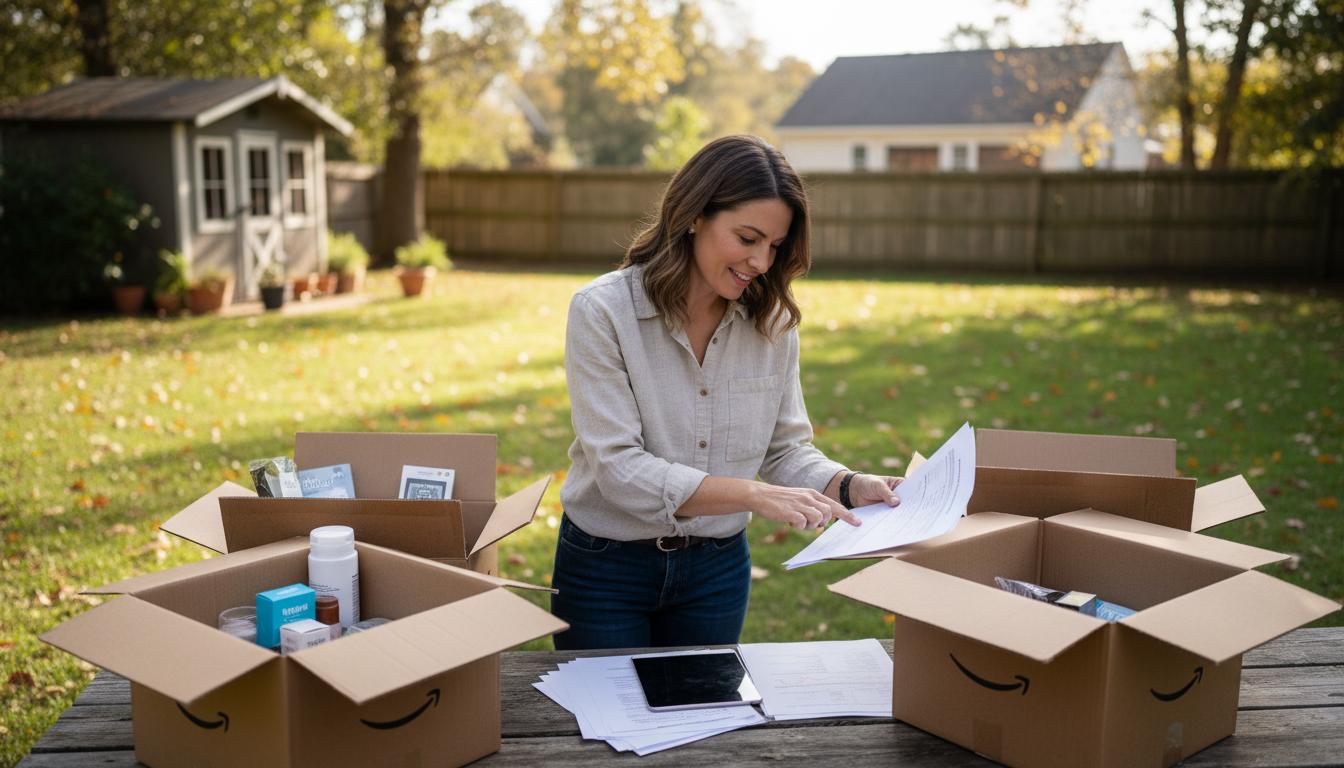
Errors in the Amazon FBA claims process can severely impact the success of reimbursement. These mistakes can lead to claim rejections, prolong the resolution period, and potentially result in financial losses. Ensuring an efficient documentation strategy is crucial to avoid these pitfalls and secure the compensation owed for damaged shipments. Ignoring these common issues can undermine the entire claims effort, making it essential for sellers to be vigilant and meticulous throughout the process.
- Working on non-closed shipments, which are ineligible for claims
- Failing to export and consolidate all pages of shipment data for analysis
- Not filtering for shortages, thus wasting time on over-receipts
- Omitting essential documentation such as invoices or shipment IDs
- Waiting more than a week to file a claim, risking denial due to timing
If a claim is denied, it's imperative to immediately review the submitted documentation to identify any missing elements. Common omissions include the invoice, shipment ID, or SKU-level quantities. Once identified, sellers should promptly re-submit the claim with the corrected and complete information. Timely and accurate documentation is critical, as it not only enhances the chances of reimbursement but also helps in maintaining a streamlined claims process. Efficient handling of these aspects ensures that sellers can effectively address claim rejections and secure the necessary reimbursements from Amazon FBA.
Communicating Effectively with Amazon Seller Support
Clear and concise communication with Amazon Seller Support is essential for resolving disputes related to damaged shipment claims swiftly. Providing all necessary information in a structured manner not only aids in expediting the investigation process but also minimizes the chances of miscommunication. When crafting messages, it is crucial to include specific details such as the shipment ID, SKU/ASIN, units shipped, units received, the discrepancy amount, and a comprehensive list of attached documents, including invoices, packing lists, and tracking information. This approach ensures that Amazon receives all required data to process the claim without unnecessary back-and-forth communication.
- Provide all requested information promptly to avoid delays.
- Maintain brevity and accuracy in all communications.
- Include shipment ID, SKU/ASIN, and discrepancy details in your messages.
- List all attached documents clearly (invoice, packing list, tracking).
Tracking each submitted case number and consistently following up on claims is vital to ensure timely resolution. If an update or response is not received within a reasonable period, sellers should proactively reach out to Seller Support to inquire about the case status. This diligence helps maintain momentum in the claims process and ensures that any potential issues are addressed promptly. By adhering to these communication strategies, sellers can effectively manage disputes and enhance their chances of successful reimbursement for damaged shipments.
The Role of a Specialized Freight Partner in Managing Amazon FBA Claims
Navigating the complexities of Amazon FBA damaged shipment claims can be daunting, especially for sellers managing the process independently. The intricacies involved in gathering the right documentation, adhering to Amazon's stringent reimbursement policies, and ensuring timely submissions can be overwhelming. Many sellers struggle with controlling transit times and mitigating delays, which can further complicate the claims process and potentially lead to financial setbacks.
Partnering with a specialized freight partner like QG Horizon simplifies the claims management process significantly. With expertise in third-party logistics and professional claim services, QG Horizon provides efficient claim management systems that ensure compliance with Amazon's shipping standards. Their experienced team offers guidance on maintaining accurate financial records and staying updated on Amazon's evolving reimbursement policies, which are crucial for maximizing recovery rates. By leveraging their services, sellers can focus on other critical aspects of their business while ensuring that their claims are handled effectively and promptly.
For sellers seeking to streamline their claims process and reduce the risk of delays, working with QG Horizon is the most reliable solution. They offer a seamless approach to managing transit times and claims, ensuring peace of mind and operational efficiency. Interested sellers are encouraged to request a fast and free quote at https://qghorizon.com/quote/.
Final Words
Mastering the Amazon FBA claims process requires meticulous attention to detail and proper documentation.
By ensuring all key documents are gathered, such as proof of purchase and shipment IDs, sellers can effectively document damaged shipments.
Following the precise steps outlined on Amazon Seller Central safeguards claim submissions against rejections. Timely, accurate communication with Amazon Seller Support is crucial in addressing any disputes.
Leveraging specialized freight partnerships, like those offered by QG Horizon, can streamline this process. Implement these strategies to improve Amazon FBA damaged shipment claims, sparking confidence and efficiency in your operations.
FAQ
What is Amazon's reimbursement policy for FBA inventory?
Amazon's FBA inventory reimbursement policy allows sellers to claim compensation for financial losses due to lost or damaged items. Sellers can file one claim per shipment for issues like lost inventory or overcharged fees.
How do I document damaged shipments for Amazon FBA claims?
The key to documenting damaged shipments is maintaining thorough records. Essential documents include proof of ownership, purchase orders, inventory adjustment reports, and sales records. Insufficient documentation can cause a 60% rejection rate for claims.
What are the steps to file a claim via Amazon Seller Central?
To file a claim via Amazon Seller Central:
- Log into Seller Central.
- Navigate to "Reports," then "Fulfillment."
- Select "Reimbursements" on the left menu.
- Click "File a claim" and complete the form with the shipment ID and necessary documents.
- Submit the claim within nine months from delivery date.
What types of incidents are reimbursable under Amazon FBA?
Reimbursable incidents include:
- Lost inventory
- Damaged goods
- Fee overcharges
- Shipment discrepancies
Required documentation varies but typically includes shipment ID, invoices, and SKU-level quantities.
How can I avoid common mistakes in the FBA claims process?
Avoid mistakes like:
- Working on non-closed shipments
- Failing to consolidate document pages
- Not filtering shortages
- Omitting invoice or shipment ID
- Delaying claim submission
How should I communicate with Amazon Seller Support for claims?
For effective communication with Amazon Seller Support:
- Be concise and factual.
- Include shipment ID, SKU/ASIN, units shipped and received.
- Attach necessary documents.
- Track case numbers and follow up if needed.
What is the benefit of using a specialized freight partner for claims?
Specialized freight partners like QG Horizon can manage claims efficiently, ensuring compliance and controlling transit times. They provide professional claim services and accurate financial record maintenance. Request a fast quote for assistance.
Leave a Reply