Category: Blog

Your blog category

  • Sea-Air Shipping: Unlock Faster, Cost-Effective Solutions

    Sea-Air Shipping: Unlock Faster, Cost-Effective Solutions

    Is your shipping strategy holding back your Amazon business? Many sellers overlook a powerful hybrid solution that combines the best of both worlds: sea-air shipping. This innovative approach merges the speed of air freight with the cost savings of sea freight, offering a unique opportunity for those looking to optimize their logistics. By understanding the sea-air shipping process, Amazon sellers can unlock faster delivery times and reduced costs, enhancing their competitive edge in the marketplace. This post will delve into the nuances of sea-air shipping and its relevance for ambitious e-commerce entrepreneurs.

    Sea-Air Shipping: Unlock Faster, Cost-Effective Solutions

    Sea-air shipping is a hybrid logistics solution that combines the rapid transit times of air freight with the cost-effective bulk shipping benefits of sea freight. This innovative approach allows Amazon sellers to optimize their shipping strategies by reducing both transit times and overall logistics costs.

    Amazon sellers often face the challenge of balancing speed and expense when transporting products. Traditional air freight, while fast, can be prohibitively expensive for larger shipments. Conversely, sea freight is more affordable but significantly slower. Sea-air shipping addresses these issues by utilizing a two-step process: goods are initially shipped via sea freight to a regional hub, and then transferred to air freight for the final leg of delivery. This method not only accelerates delivery times compared to sea freight alone but also offers substantial cost savings over using air freight for the entire journey.

    The importance of sea-air shipping for Amazon sellers cannot be overstated. As competition in e-commerce continues to intensify, sellers must find ways to enhance their logistics efficiency. By implementing sea-air shipping, sellers can ensure their products reach customers more quickly, thereby improving customer satisfaction and potentially increasing sales.

    In summary, sea-air shipping represents a strategic logistics option that empowers Amazon sellers to unlock faster and more cost-effective shipping solutions, addressing critical challenges in the e-commerce supply chain.

    Advantages of Sea-Air Shipping

    Sea-air shipping offers several key advantages that can significantly enhance the logistics strategy of Amazon sellers. This hybrid shipping method effectively combines the benefits of both air and sea freight, providing a balanced solution that caters to the evolving needs of e-commerce businesses.

    • Cost Savings: Sea-air shipping provides a middle ground between the high costs of air freight and the lower prices associated with sea freight. By utilizing sea transport for the initial leg of the journey, sellers can take advantage of reduced shipping costs while still accelerating delivery times compared to sea freight alone. This approach allows sellers to maintain competitive pricing without sacrificing speed.
    • Faster Transit Times: While sea freight can take weeks, sea-air shipping can dramatically shorten delivery times. The initial sea journey is followed by a quicker air freight segment, ensuring that products arrive at Amazon fulfillment centers faster than traditional sea shipping. This speed is particularly beneficial for restocking items or launching new products, where time is of the essence.
    • Environmental Benefits: With increasing attention on sustainability, sea-air shipping presents an eco-friendlier option compared to air freight alone. By reducing the distance that goods travel by air, sellers can lower their carbon footprint. Shipping via sea is generally more energy-efficient, and when combined with air freight, it strikes a better balance between speed and environmental impact.

    The advantages of sea-air shipping make it a compelling option for Amazon sellers looking to optimize their logistics. By leveraging this hybrid method, sellers can achieve significant cost savings, faster delivery times, and improved sustainability, ultimately enhancing their competitive edge in the e-commerce marketplace.

    • Bullet-Point List of Benefits:
    • Cost Savings
    • Faster Transit Times
    • Environmental Benefits
    Sea-Air Shipping: Unlock Faster, Cost-Effective Solutions

    Challenges of Sea-Air Shipping

    While sea-air shipping offers numerous benefits, Amazon sellers must also be aware of the challenges associated with this hybrid logistics option. Understanding these challenges can help sellers navigate potential pitfalls and optimize their shipping strategies.

    • Possible Delays in Transit: Although sea-air shipping is generally faster than traditional sea freight, delays can still occur. Factors such as port congestion, customs clearance issues, or unforeseen weather conditions may impact the transit timeline. Sellers must maintain flexibility in their logistics planning to account for these potential delays.
    • Complex Coordination: The two-step process inherent in sea-air shipping requires careful coordination between different transportation modes. This complexity can lead to miscommunication or logistical errors if not managed properly. Sellers need to work closely with freight forwarders and logistics providers to ensure that all elements of the shipping process align seamlessly.
    • Limited Service Providers: Not all freight forwarders offer sea-air shipping as a service, which can limit options for Amazon sellers. This scarcity may result in higher costs or less favorable terms, as sellers may have to rely on a limited pool of providers. It’s essential for sellers to conduct thorough research to find reliable partners that specialize in hybrid shipping solutions.

    By being aware of these challenges, Amazon sellers can better prepare for the intricacies of sea-air shipping and develop strategies to mitigate potential obstacles.

    Case Studies and Examples

    Real-world applications of sea-air shipping provide valuable insights into how Amazon sellers can effectively leverage this hybrid logistics solution. Below are examples of sellers who have successfully implemented sea-air shipping, along with lessons learned from their experiences.

    • Case Study 1: Seller A’s Strategy

    Seller A, specializing in electronic gadgets, faced challenges with high shipping costs and long lead times using traditional air freight. By switching to sea-air shipping, Seller A shipped products via sea to a regional hub in the U.S. and then utilized air freight for the final leg. This approach allowed Seller A to reduce shipping costs by 30% while cutting delivery times by 50%. The seller reported improved cash flow and ability to restock popular items more rapidly.

    • Case Study 2: Seller B’s Experience

    Seller B, who sells home decor items, initially relied solely on sea freight, resulting in long delivery times that affected customer satisfaction. After transitioning to sea-air shipping, Seller B noted a significant reduction in average delivery times from 45 days to 20 days. This change not only led to better reviews and customer retention but also enabled Seller B to increase sales by 25% during peak seasons. Careful coordination between sea and air freight providers was crucial in maintaining reliability.

    • Key Takeaways
    • Implementing sea-air shipping can lead to substantial cost savings and faster shipping times, enhancing overall business efficiency.
    • Effective communication and coordination with logistics partners are essential for successful execution.
    • Flexibility in shipping strategies allows sellers to respond quickly to market demands and maintain competitive advantages.

    These case studies illustrate that sea-air shipping can be a transformative solution for Amazon sellers, helping them navigate the complexities of international shipping while optimizing costs and delivery times.

    Sea-Air Shipping: Unlock Faster, Cost-Effective Solutions

    Comparison with Other Shipping Methods

    When evaluating shipping options, Amazon sellers must consider the trade-offs between cost, transit time, and the nature of their products. Sea-air shipping emerges as a viable hybrid solution that straddles the gap between traditional air and sea freight, catering to specific logistical needs.

    • Sea Freight: This method is the most cost-effective option, ideal for bulk shipments. However, transit times can be significantly longer, making it unsuitable for time-sensitive deliveries. It is best suited for non-urgent shipments where cost savings are prioritized.
    • Air Freight: Known for its speed, air freight is the go-to choice for urgent deliveries and high-value items. However, it comes with a high cost, which can eat into profit margins for Amazon sellers. It’s best for low-volume shipments that require immediate delivery.
    • Sea-Air Shipping: This hybrid method offers a balanced solution, combining moderate costs with faster transit times compared to sea freight alone. It is particularly effective for sellers looking to optimize their logistics without incurring the high costs associated with air freight for the entire journey. Sea-air shipping is ideal for sellers with products that need a balance of efficiency and cost-effectiveness.

    By understanding the nuances of each shipping method, Amazon sellers can make informed decisions that align with their business strategies and customer expectations.

    Shipping Method Cost Transit Time Suitability
    Sea Freight Low Long Bulk, Non-urgent
    Air Freight High Short Urgent, High-value
    Sea-Air Moderate Moderate Balanced Needs

    Tips for Implementation

    Implementing sea-air shipping can provide Amazon sellers with a competitive edge in logistics. Here are practical tips to streamline the process and maximize the benefits of this hybrid shipping method:

    • Best Practices for Coordination:
    • Establish clear communication channels with freight forwarders to ensure timely updates throughout the shipping process.
    • Prepare all necessary documentation, including commercial invoices and packing lists, in advance to minimize delays at customs.
    • Schedule shipments based on product demand forecasts to optimize inventory levels and avoid stockouts.
    • Recommended Tools & Software:
    • Utilize logistics management software that supports multi-modal shipping, allowing for easier coordination between sea and air transport.
    • Implement tracking systems that provide real-time visibility of shipments, enabling proactive management of delivery timelines.
    • Consider using inventory management tools that integrate with Amazon to automate reorder processes based on shipping lead times.
    • Resources for Researching Providers:
    • Leverage online platforms and trade associations to identify reputable freight forwarders specializing in sea-air shipping.
    • Attend industry trade shows and networking events to establish relationships with potential logistics partners.
    • Access case studies and testimonials from other Amazon sellers who have successfully implemented sea-air shipping to gather insights and recommendations.

    By following these tips, Amazon sellers can effectively implement sea-air shipping, enhancing their logistics strategy while balancing cost and delivery speed.

    Sea-Air Shipping: Unlock Faster, Cost-Effective Solutions

    Final Words

    Final Words

    Understanding sea-air shipping empowers Amazon sellers to effectively blend cost efficiency with speed. This hybrid logistics solution offers significant advantages, including reduced shipping times and environmental benefits.

    While challenges exist, such as potential delays and the complexity of coordination, real-world case studies demonstrate successful implementations that can guide new users. By comparing sea-air shipping with traditional methods, sellers can make informed decisions tailored to their specific needs.

    Embracing sea-air shipping can provide a competitive edge in today’s fast-paced e-commerce landscape, transforming logistics from a hurdle into a streamlined asset.

    FAQ

    Q: What is sea-air shipping?

    A: Sea-air shipping is a hybrid logistics method that combines the speed of air freight with the cost savings of sea freight, optimizing shipping times and costs for Amazon sellers.

    Q: What are the benefits of sea-air shipping?

    A: Key benefits include cost savings, faster transit times, and reduced environmental impact, making it an attractive option for Amazon sellers looking to enhance efficiency.

    Q: What challenges do Amazon sellers face with sea-air shipping?

    A: Potential challenges include possible transit delays, complex coordination logistics, and limited availability of service providers, which sellers must navigate carefully.

    Q: Can you provide examples of successful sea-air shipping?

    A: Real-world case studies highlight Amazon sellers like Seller A and Seller B, showcasing effective strategies and valuable lessons learned from their sea-air shipping experiences.

    Q: How does sea-air shipping compare to traditional methods?

    A: Sea-air shipping offers moderate costs and transit times, making it suitable for balanced needs. In contrast, sea freight is cheaper but slower, while air freight is faster but more expensive.

    Q: What tips can Amazon sellers use for implementing sea-air shipping?

    A: Sellers should follow best practices for coordination, utilize recommended tools and software, and research providers to streamline their sea-air shipping process effectively.

  • Your First FBA Shipment from China Made Simple

    Your First FBA Shipment from China Made Simple

    Navigating your first FBA shipment from China can feel like stepping into a minefield—one misstep could derail your entire business. However, understanding the Fulfillment by Amazon (FBA) process can transform this daunting task into a streamlined operation. This guide will break down each critical step, ensuring new sellers can confidently manage their shipments while minimizing costs and maximizing efficiency. By the end, readers will grasp the essential logistics of sourcing, preparation, and shipping, positioning them for success in the competitive Amazon marketplace.

    Your First FBA Shipment from China Made Simple

    Fulfillment by Amazon (FBA) offers a streamlined approach for new sellers to reach customers efficiently. By leveraging Amazon’s extensive logistics network, sellers can focus on marketing and sales while Amazon handles storage, packing, and shipping.

    Shipping products from China to Amazon FBA centers is a common practice, allowing sellers to source products at competitive prices. The process involves several key steps that can significantly impact the success of the shipment.

    Benefits of FBA for New Sellers:

    • Increased Visibility: Products listed under FBA have higher visibility due to Prime eligibility.
    • Scalability: Sellers can easily scale inventory levels without worrying about fulfillment logistics.
    • Customer Trust: Amazon’s reputation enhances buyer confidence in purchasing products.
    • Comprehensive Support: Access to Amazon’s customer service alleviates seller burdens regarding returns and inquiries.

    Understanding the FBA process is critical for new sellers. The journey begins with sourcing products, followed by preparing them for shipment, navigating customs clearance, and finally sending them to Amazon’s fulfillment centers. Each step requires careful planning and compliance with Amazon’s policies to ensure a smooth experience.

    The following sections will provide a detailed, step-by-step guide to help new sellers navigate their first FBA shipment from China, making the process manageable and efficient.

    Step 1: Sourcing Products for Your First FBA Shipment

    Selecting the right products and reliable suppliers is crucial for a successful FBA shipment. This step lays the foundation for your business and can significantly impact your profitability.

    • Research market demand for products
    • Utilize tools like Jungle Scout and Helium 10 to analyze trends and identify high-demand products in your niche.
    • Consider seasonal trends and consumer behavior to select items that are likely to sell well.
    • Identify potential suppliers
    • Use platforms like Alibaba, Global Sources, and Made-in-China to find manufacturers offering products that meet your criteria.
    • Verify suppliers’ credentials, including business licenses and customer reviews, to ensure legitimacy.
    • Negotiate terms and prices
    • Approach suppliers with clear expectations regarding pricing, minimum order quantities (MOQs), and lead times.
    • Don’t hesitate to negotiate to achieve favorable terms; building a strong relationship can lead to better deals in the future.
    • Assess supplier reliability and quality
    • Request product samples to evaluate quality before placing larger orders.
    • Check references and previous buyer feedback to gauge supplier reliability and consistency in delivery.

    Establishing a solid partnership with suppliers is essential for long-term success. Effective communication and expectation management will foster better cooperation and ensure that your product quality meets Amazon’s standards.

    Your First FBA Shipment from China Made Simple

    Step 2: Preparing Your Products for Shipment

    Preparing your products for shipment to Amazon FBA is a crucial step that can directly impact the efficiency and success of your fulfillment process. Adhering to Amazon’s specific guidelines ensures compliance, minimizes delays, and facilitates a smooth delivery to FBA centers.

    • Review Amazon’s FBA packaging guidelines
    • Familiarize yourself with Amazon’s packaging requirements, which include using sturdy boxes, maintaining product integrity, and avoiding overpacking.
    • Ensure that each box does not exceed the weight limit of 50 lbs unless it meets specific criteria for heavy items.
    • Prepare labels and barcodes
    • Generate unique barcodes (FNSKU) for each product through your Amazon Seller Central account.
    • Label each item clearly according to Amazon’s requirements, ensuring that the barcodes are scannable and not obstructed by packaging materials.
    • Ensure proper product packaging
    • Use appropriate materials to protect your products during transit, such as bubble wrap or packing peanuts for fragile items.
    • Package items in a way that prevents movement within the box, which can lead to damage.
    • Create a packing list for shipment
    • Compile a detailed packing list that includes the quantities and descriptions of each item being shipped.
    • Include this packing list in the shipment to help Amazon verify the contents upon arrival, facilitating a quicker check-in process.

    By following these steps, sellers can ensure that their products are prepared adequately for shipment to FBA centers, aligning with Amazon’s standards and optimizing the fulfillment process.

    Task Description
    Review Packaging Guidelines Understand and implement Amazon’s specific packaging requirements.
    Prepare Labels Generate and attach FNSKU barcodes to each product.
    Ensure Proper Packaging Use protective materials to secure products and prevent damage.
    Create Packing List Document item details and include it with the shipment for verification.

    Step 3: Shipping Logistics for Your First FBA Shipment

    Selecting the right shipping method is crucial for ensuring your products reach Amazon FBA centers efficiently and cost-effectively. This section outlines the primary shipping methods and key considerations for new sellers.

    • Compare air freight vs. sea freight
    • Air Freight: Ideal for urgent shipments, air freight offers faster transit times, typically ranging from 3 to 10 days. However, it is more expensive than sea freight. Best suited for high-value items or time-sensitive launches.
    • Sea Freight: More cost-effective for bulk shipments, sea freight can take 20 to 40 days but significantly reduces per-unit shipping costs. Suitable for larger orders where time is less of a factor.
    • Evaluate freight forwarder options
    • Select a freight forwarder experienced in Amazon FBA shipments. Look for companies that offer comprehensive services, including customs clearance and delivery to Amazon fulfillment centers.
    • Compare reviews and client testimonials to assess reliability and customer service. Ensure the forwarder can provide support throughout the shipping process.
    • Calculate estimated shipping costs
    • Consider both fixed and variable costs associated with shipping. Fixed costs may include freight charges, while variable costs can involve customs duties and taxes.
    • Use volume and weight calculations to determine the most economical shipping method. Be aware of volumetric weight, as it often affects air freight pricing.
    • Plan for shipping timelines and delays
    • Anticipate potential delays, such as customs clearance or port congestion. Factor these into your overall timeline to avoid stockouts or missed launch dates.
    • Maintain open communication with your freight forwarder to receive timely updates on shipment status and to adjust plans as necessary.

    By carefully evaluating shipping options and planning logistics, new sellers can optimize their first FBA shipment from China, ensuring a smoother delivery process to Amazon.

    Your First FBA Shipment from China Made Simple

    Step 4: Customs Clearance Process

    Navigating the customs clearance process is essential for ensuring that your FBA shipment from China arrives at Amazon’s fulfillment centers without delays. Understanding the requirements and preparing the necessary documentation will facilitate a smooth transition through customs.

    • Understand HS code classification
    • The Harmonized System (HS) code is a standardized numerical method of classifying traded products.
    • Accurately classifying your products will determine the applicable import duties and taxes, so researching the correct HS code is crucial.
    • Prepare essential paperwork
    • Key documents needed for customs clearance include:
    • Commercial Invoice: Details the transaction between you and your supplier, including product descriptions, values, and terms of sale.
    • Packing List: Specifies what is included in the shipment, such as quantities, weights, and dimensions.
    • Ensure that all information is accurate and matches the contents of the shipment to avoid complications.
    • Assess potential import duties and taxes
    • Import duties vary based on product type and country of origin. Use the HS code to research applicable duties through the destination country’s customs authority.
    • Factor in these costs when calculating overall expenses to avoid budget surprises.
    • Ensure compliance with destination country regulations
    • Familiarize yourself with specific regulations and restrictions that may apply to your products in the destination country.
    • This includes compliance with safety standards, labeling requirements, and any necessary certifications (e.g., CE marking for Europe, FDA approval for certain goods).

    Properly navigating the customs clearance process will help prevent delays, additional costs, and potential fines. Being informed about documentation and compliance requirements ensures a smoother experience with your first FBA shipment.

    Step 5: Finalizing Your Shipment to Amazon FBA Centers

    Completing the final steps of your shipment to Amazon FBA centers is critical for ensuring successful delivery and compliance with Amazon’s requirements. This phase includes scheduling delivery, preparing shipping labels, and monitoring your shipment’s progress.

    • Schedule appointment for delivery to FBA centers
    • Use Amazon Seller Central to book delivery appointments at the designated fulfillment center.
    • Be aware of specific time windows and ensure your shipment arrives within the scheduled timeframe to avoid penalties.
    • Print and attach shipping labels
    • Generate shipping labels through Amazon Seller Central, which contain unique barcodes for tracking and inventory management.
    • Ensure labels are printed clearly and affixed securely to each carton to prevent any issues during processing at the fulfillment center.
    • Monitor shipment tracking until arrival
    • Utilize the tracking features provided by your freight forwarder to keep an eye on your shipment’s progress from departure to delivery.
    • Stay proactive in addressing any potential delays or issues during transit by communicating with your freight forwarder and checking updates regularly.

    Tracking the shipment is essential to ensure timely delivery and to mitigate any risks associated with delays or lost shipments. By following these steps, sellers can confidently finalize their FBA shipments and prepare for a smooth transition into Amazon’s fulfillment network.

    Step Action
    1 Schedule delivery appointment
    2 Print and attach shipping labels
    3 Monitor shipment tracking
    Your First FBA Shipment from China Made Simple

    Common Pitfalls to Avoid in Your First FBA Shipment

    New sellers often encounter several common pitfalls during their first FBA shipment, which can lead to delays and increased costs. By recognizing these mistakes early, sellers can implement best practices to ensure a smoother shipping experience.

    • Avoid underestimating shipping costs
    • Factor in all associated costs, including freight charges, customs duties, and any additional fees from your freight forwarder.
    • Utilize shipping calculators and get quotes from multiple providers to gain a comprehensive understanding of total expenses.
    • Ensure compliance with packaging requirements
    • Adhere strictly to Amazon’s packaging guidelines to prevent delays, fines, or product returns.
    • Confirm that all items are packaged securely and appropriately labeled according to Amazon’s specifications.
    • Double-check labeling accuracy
    • Incorrect labels can result in significant issues, including lost shipments and inventory discrepancies.
    • Verify that all product barcodes and labels are printed clearly and match the information provided in your shipment plan.
    • Maintain communication with suppliers and freight forwarders
    • Establish regular check-ins with suppliers to monitor production timelines and address any potential issues proactively.
    • Communicate clearly with your freight forwarder about shipping preferences and timelines to avoid misunderstandings.

    Recognizing these pitfalls and implementing proactive measures will help ensure a successful first shipment and set the stage for future success in the FBA marketplace.

    Additional Resources and Tools for FBA Sellers

    New sellers can benefit greatly from various resources and tools that streamline the FBA process. Leveraging these options can enhance knowledge, improve efficiency, and foster community support throughout the shipping journey.

    • Recommended tools for tracking shipments
    • Utilize software like ShipStation or AfterShip for real-time tracking and notifications.
    • Consider tools such as Freightos for comparing freight quotes and managing logistics.
    • Links to Amazon Seller Central tutorials
    • Access Amazon’s official Seller Central for comprehensive guides on setting up an account, managing inventory, and understanding FBA-specific processes.
    • Explore the Amazon Seller University for visual tutorials and best practices.
    • Online communities for seller support
    • Join Facebook groups or Reddit communities dedicated to Amazon FBA where you can ask questions and share experiences.
    • Platforms like Seller Forums provide a space for discussing challenges and strategies with fellow sellers.
    • Resources for understanding FBA fees and policies
    • Review Amazon’s FBA fee structure and policies on their website to ensure an accurate understanding of costs involved.
    • Check out blogs and podcasts that focus on FBA strategies and real-world experiences to stay updated on industry trends and tips.

    Resource Type Resource Name Purpose
    Tracking Tool ShipStation Real-time shipment tracking and notifications
    Tracking Tool Freightos Compare freight quotes and manage logistics
    Tutorial Amazon Seller Central Guides on account setup and FBA processes
    Community Facebook Groups Support and sharing experiences with other sellers
    Blog/Podcast FBA Focused Blogs Industry trends and real-world seller experiences
    Your First FBA Shipment from China Made Simple

    FAQ Section for Your First FBA Shipment from China

    This section addresses frequently asked questions regarding the FBA shipping process, offering clear answers and practical advice to alleviate common concerns of new sellers.

    • What are the main costs associated with FBA?
    • Sellers should account for FBA fees, which include storage fees and shipping costs. It’s essential to understand these costs to accurately price products and maintain profitability.
    • How long does shipping from China to Amazon take?
    • Shipping durations can vary based on the chosen method. Typically, air freight takes 2-4 weeks, while sea freight can take longer depending on port processing times and transit routes.
    • What happens if my shipment is delayed?
    • In the event of a delay, sellers should contact their freight forwarder for updates and information on the status of their shipment. Maintaining open communication helps manage expectations and plan accordingly.
    • How do I handle returns and refunds with FBA?
    • Sellers must follow Amazon’s return policy guidelines. This includes understanding the process for handling customer returns and ensuring that any necessary adjustments are made within the seller account.

    Question Answer
    What are the main costs associated with FBA? FBA fees, storage fees, shipping costs
    How long does shipping from China to Amazon take? 2-4 weeks depending on method
    What happens if my shipment is delayed? Contact your freight forwarder for updates
    How do I handle returns and refunds with FBA? Follow Amazon’s return policy guidelines

    Final Words

    Final Words

    Navigating the process of Your First FBA Shipment from China involves several critical steps. From sourcing quality products and preparing them for shipment to understanding customs clearance and finalizing delivery to Amazon’s fulfillment centers, each phase is essential for success.

    Avoiding common pitfalls, such as underestimating shipping costs and ensuring compliance with packaging requirements, will streamline operations. Leveraging additional resources and tools can further enhance efficiency.

    With a solid grasp on logistics and adherence to best practices, sellers can confidently embark on their FBA journey, paving the way for future growth and success.

    FAQ

    Q: What are the main costs associated with FBA?

    A: Main costs include FBA fees, storage fees, and shipping costs, which vary based on product size and weight.

    Q: How long does shipping from China to Amazon take?

    A: Shipping typically takes 2-4 weeks, depending on the chosen shipping method, such as air or sea freight.

    Q: What happens if my shipment is delayed?

    A: In case of a delay, sellers should contact their freight forwarder for updates and to explore alternative solutions.

    Q: How do I handle returns and refunds with FBA?

    A: Sellers should follow Amazon’s return policy guidelines to manage returns and refunds efficiently for their FBA products.

  • Fast Boat vs Air Freight: Which Saves You More on FBA Shipping?

    Fast Boat vs Air Freight: Which Saves You More on FBA Shipping?

    When it comes to FBA shipping, sellers often face a crucial dilemma: is it wiser to choose fast boat or air freight? This decision can dramatically impact inventory costs and delivery timelines. While air freight promises speed, it comes at a higher price, whereas fast boat shipping can save significant expenses but may delay restocking. Understanding these trade-offs is essential for optimizing logistics. This article provides a comprehensive analysis of both shipping methods, offering insights into their costs, delivery times, advantages, and ideal use cases, enabling sellers to make informed choices for their businesses.

    Fast Boat vs Air Freight: Cost Analysis for FBA Shipping

    • Cost Structure for Fast Boat Shipping
    • Generally lower costs for bulk shipments.
    • Average costs range from $500 to $1,500 for a 20-foot container, depending on destination.
    • Additional costs may include loading, unloading, and port fees.
    • Cost Structure for Air Freight
    • Higher costs due to speed and efficiency.
    • Pricing generally falls between $4.50 to $10 per kg, influenced by weight and size.
    • Possible surcharges for oversized cargo and peak shipping seasons.
    • Comparison Table: Cost Analysis

    Shipping Method Cost Range Delivery Time Ideal For
    Fast Boat $500 – $1,500 (20ft) 1-4 weeks Bulk shipments
    Air Freight $4.50 – $10 per kg 1-3 days Urgent deliveries

    Fast Boat vs Air Freight: Delivery Timeframes

    • Delivery Time for Fast Boat Shipping
    • Typically ranges from 7 to 30 days, depending on route and port congestion.
    • Slower transit may be beneficial for non-urgent shipments.
    • Weather and seasonal factors can impact delivery schedules.
    • Delivery Time for Air Freight
    • Usually guarantees delivery within 1 to 3 days.
    • Best suited for time-sensitive products.
    • Quick customs clearance can expedite arrival times.
    • Comparison Table: Delivery Time Analysis

    Shipping Method Average Delivery Time Best Use Case
    Fast Boat 7-30 days Non-urgent shipments
    Air Freight 1-3 days Urgent orders
    Fast Boat vs Air Freight: Which Saves You More on FBA Shipping?

    Pros and Cons of Fast Boat vs Air Freight for FBA

    • Advantages of Fast Boat Shipping
    • Cost-effective for large shipments, saving up to 30% compared to air freight.
    • Better suited for bulk and heavy items.
    • Environmentally friendlier due to lower carbon emissions.
    • Disadvantages of Fast Boat Shipping
    • Longer delivery times can delay inventory restocking.
    • Vulnerable to port congestion and weather delays.
    • Limited tracking capabilities compared to air freight.
    • Advantages of Air Freight
    • Fast delivery, ensuring quick access to inventory.
    • Reliable tracking and monitoring throughout the shipping process.
    • Ideal for high-value or perishable goods needing immediate attention.
    • Disadvantages of Air Freight
    • Higher costs limit its use for budget-sensitive shipments.
    • Potential surcharges can inflate overall pricing.
    • Not suitable for oversized or heavy products due to weight restrictions.
    • Pros and Cons Summary Table

    Shipping Method Pros Cons
    Fast Boat Cost-effective, bulk-friendly, eco-friendly Slower, vulnerable to delays, limited tracking
    Air Freight Fast, reliable tracking, ideal for urgent items Expensive, potential surcharges, weight limits

    Fast Boat vs Air Freight: Which Saves You More on FBA Shipping?

    • When to Use Fast Boat Shipping
    • For bulk shipments where cost savings are essential.
    • Ideal for inventory replenishment when timing is flexible.
    • Suitable for non-urgent goods or seasonal products.
    • When to Use Air Freight
    • For urgent orders requiring immediate replenishment.
    • Best for high-value or perishable items needing quick delivery.
    • Recommended for limited-time offers or promotions.
    • Scenario Comparison Table

    Scenario Recommended Shipping Method Reasoning
    Bulk restock of non-urgent items Fast Boat Cost-effective for large volume
    Limited-time promotional items Air Freight Quick access to capitalize on demand
    Seasonal product shipment Fast Boat Flexible timing allows for cost savings
    High-value electronics Air Freight Speed and reliability are critical
    Fast Boat vs Air Freight: Which Saves You More on FBA Shipping?

    Fast Boat vs Air Freight: Which Saves You More on FBA Shipping?

    • General Tips for Choosing Shipping Methods
    • Assess urgency versus cost—determine if speed is necessary.
    • Consider seasonal demand fluctuations and plan shipments accordingly.
    • Consolidate shipments to reduce per-unit shipping costs.
    • Specific Fast Boat Tips
    • Use reliable freight forwarders to ensure proper handling.
    • Prepare for potential delays; plan inventory levels accordingly.
    • Specific Air Freight Tips
    • Utilize express options for urgent shipments to maximize speed.
    • Ensure proper documentation to avoid customs delays.
    • Summary List of Tips
    • Evaluate shipping needs regularly.
    • Stay updated on shipping trends and regulations.
    • Keep open communication with suppliers and logistics providers.

    Frequently Asked Questions about Fast Boat vs Air Freight

    • Common Concerns about Fast Boat Shipping
    • What are the typical delivery times?
    • Delivery times range from 7 to 30 days, depending on the shipping route and port conditions.
    • How do I handle customs clearance?
    • Customs clearance requires specific documentation, including commercial invoices and packing lists. Sellers should ensure that all paperwork is accurate to avoid delays.
    • Are there tracking options available?
    • Tracking options for fast boat shipping are generally limited compared to air freight, making it more challenging to monitor shipment status.
    • Common Concerns about Air Freight
    • How do air freight costs compare to sea freight?
    • Air freight is typically more expensive than sea freight, with costs influenced by weight, size, and delivery speed.
    • What happens if my cargo is delayed?
    • If cargo is delayed, it can impact inventory levels and sales. Sellers should communicate with their freight forwarder for updates and potential solutions.
    • Are there weight limitations for air freight?
    • Yes, air freight has weight limitations that can vary by carrier and aircraft type. Exceeding these limits may result in additional charges or necessitate alternative shipping arrangements.
    • FAQs Summary Table

    Question Fast Boat Shipping Air Freight Shipping
    Typical delivery times? 7-30 days 1-3 days
    Customs clearance process? Requires specific documentation Streamlined, but needs accuracy
    Tracking capabilities? Limited tracking options Real-time tracking available
    Weight limitations? No specific limits for bulk Weight limits apply
    Cost comparison with sea freight? Generally cheaper for bulk Higher costs due to speed
    Fast Boat vs Air Freight: Which Saves You More on FBA Shipping?

    Final Words

    Final Words

    Understanding the nuances between fast boat and air freight is crucial for optimizing FBA shipping. This article provided a detailed cost analysis, showcasing the financial implications of each method. Fast boat shipping offers lower costs for bulk shipments, while air freight prioritizes speed and efficiency.

    Ultimately, the choice hinges on specific circumstances—urgent needs versus budget constraints. FBA sellers must weigh these factors carefully to achieve the best shipping outcomes. With the insights gained, confidently making informed decisions about shipping methods can significantly enhance overall logistics strategy. Fast Boat vs Air Freight: Which Saves You More on FBA Shipping? The answer lies in aligning shipping choices with business objectives.

    FAQ

    Q: What are the typical delivery times for fast boat shipping?

    A: Fast boat shipping typically takes 7 to 30 days, influenced by route and port congestion.

    Q: How do I handle customs clearance for fast boat shipments?

    A: Customs clearance for fast boat shipments requires specific documentation and adherence to regulations.

    Q: Are there tracking options available for fast boat shipping?

    A: Fast boat shipping generally offers limited tracking options compared to air freight.

    Q: How do air freight costs compare to sea freight?

    A: Air freight costs are typically higher due to speed and efficiency, whereas fast boat shipping is more cost-effective for bulk.

    Q: What happens if my cargo is delayed during air freight?

    A: Delays in air freight may result in rescheduling or potential penalties, depending on the service agreement.

    Q: Are there weight limitations for air freight?

    A: Yes, air freight has weight limitations that may restrict oversized or heavy products from being shipped.

  • LCL Shipping Explained: Perfect for Small Amazon FBA Sellers

    LCL Shipping Explained: Perfect for Small Amazon FBA Sellers

    Is LCL shipping the secret weapon that small Amazon FBA sellers have been overlooking? This method allows businesses to share container space, making it an attractive option for those who don’t have enough goods to fill an entire container. However, while LCL shipping can offer significant cost savings and flexibility, it’s crucial to understand its complexities. This article will explore the ins and outs of LCL shipping, examining its advantages and disadvantages, providing a comprehensive comparison with FCL shipping, and offering practical tips for optimizing this logistics solution.

    What is LCL Shipping?

    LCL (Less than Container Load) shipping is a logistics solution that enables small businesses, particularly Amazon FBA sellers, to share container space with other shipments. This method is ideal for sellers who do not have enough products to fill an entire shipping container, making it a cost-effective option for transporting goods internationally.

    How LCL Shipping Works

    • Consolidation: Multiple shipments from various sellers are combined into a single container. This process reduces overall shipping costs as the expenses are shared among the participating sellers.
    • Types of Goods: LCL shipping accommodates a wide range of products, including smaller quantities of consumer goods, electronics, fashion items, and more. It’s suitable for any seller looking to manage inventory without the overhead of bulk shipping.
    • Operational Mechanics: After the goods are consolidated, they are loaded into a shipping container. The freight forwarder handles the logistics, including customs clearance, documentation, and transportation to the destination port. Once the container arrives, customs processing occurs, and the goods are delivered to the Amazon fulfillment center or the seller’s desired location.

    Benefits of LCL for Amazon FBA Sellers

    • Cost Efficiency: By sharing shipping space, sellers can significantly lower their shipping costs compared to booking an entire container (FCL).
    • Flexibility: LCL shipping allows sellers to import smaller quantities of products, which is particularly beneficial for testing new items or managing seasonal inventory.
    • Reduced Inventory Costs: Sellers can avoid the need to hold large amounts of inventory, freeing up cash flow and minimizing storage costs.

    LCL shipping provides a viable solution for small Amazon FBA sellers looking to optimize their logistics while keeping costs manageable.

    Advantages of LCL Shipping for Small Amazon FBA Sellers

    LCL (Less than Container Load) shipping offers numerous advantages tailored for small Amazon FBA sellers, making it an attractive option for optimizing logistics.

    • Cost Efficiency: LCL shipping allows sellers to share container space with other shipments. This shared approach significantly reduces shipping costs, making it financially viable for sellers who do not have enough products to fill an entire container. For example, instead of bearing the full cost of an FCL (Full Container Load), which can be prohibitive for small shipments, sellers only pay for the space they occupy, effectively lowering their overall shipping expenses.
    • Flexibility in Shipping Schedules: LCL shipping provides the flexibility to ship smaller quantities more frequently. This is particularly beneficial for sellers testing new products or managing seasonal inventory fluctuations. For instance, if a seller wants to introduce a new product line, they can ship smaller batches via LCL to gauge market response without committing to large inventory volumes.
    • Reduced Inventory Costs: By utilizing LCL shipping, sellers can maintain lower inventory levels. This approach minimizes storage costs and reduces the risk of overstocking, which can lead to unsold inventory. Sellers can order only what they need, allowing for better cash flow management and more efficient use of resources.
    • Easier Entry for New Sellers: LCL shipping offers a lower barrier to entry for new Amazon FBA sellers who may not have enough capital to invest in bulk shipments. This accessibility enables them to start their businesses with smaller investments while still maintaining the ability to scale as they grow.
    • Access to Diverse Markets: With LCL shipping, sellers can explore international markets without the need for large-scale shipments. They can test various markets with smaller orders, minimizing risk while maximizing opportunities for expansion.

    These advantages demonstrate how LCL shipping aligns with the needs of small Amazon FBA sellers by offering cost savings, flexibility, and reduced risks associated with inventory management.

    LCL Shipping Explained: Perfect for Small Amazon FBA Sellers

    Disadvantages of LCL Shipping

    While LCL (Less than Container Load) shipping offers several benefits for small Amazon FBA sellers, it also presents notable disadvantages that sellers should carefully consider.

    • Longer Transit Times: LCL shipping typically involves longer transit times compared to FCL (Full Container Load) shipping. This delay occurs due to the consolidation process, where multiple shipments must be collected and combined into a single container. Consequently, sellers may experience extended delivery times, which can disrupt inventory flow and affect sales, especially if they rely on timely restocks.
    • Higher Risk of Damage or Loss: Goods shipped via LCL often undergo multiple handling stages throughout the shipping process. This increased handling raises the risk of damage or loss during transit. For small sellers, the potential for product damage can lead to significant financial losses and customer dissatisfaction, negatively impacting their reputation on Amazon.
    • Potential Additional Fees: LCL shipping may incur hidden fees that are not immediately apparent. These can include charges for terminal handling, documentation, or additional customs fees. Small sellers must carefully review contracts and agreements with freight forwarders to understand all potential costs involved. Failure to account for these fees can strain budgets and undermine cost savings associated with LCL shipping.

    The combination of longer transit times, increased risk of damage, and potential additional fees can pose challenges for small Amazon FBA sellers. Understanding these drawbacks is crucial for making informed shipping decisions that align with their business objectives.

    Cost Comparisons: LCL vs. FCL Shipping

    Understanding the cost differences between LCL (Less than Container Load) and FCL (Full Container Load) shipping is crucial for small Amazon FBA sellers. This section provides a detailed breakdown of costs, helping sellers make informed decisions.

    Cost Breakdown

    | Cost Component | LCL Shipping | FCL Shipping |

    |————————|——————————–|——————————–|

    | Base Freight Rate | Charged per cubic meter (CBM) | Fixed rate for a full container|

    | Handling Fees | Typically lower, shared costs | Higher due to full container use|

    | Customs Clearance Fees | Often included in service | Varies, may be more complex |

    | Terminal Fees | Based on space used | Flat fee for the entire container|

    | Insurance | Charged based on cargo value | Fixed rate based on container value|

    Factors Influencing Pricing

    • Volume of Goods: LCL shipping is ideal for smaller shipments. If a seller has enough products to fill a full container, FCL may be more cost-effective due to lower per-unit shipping costs.
    • Destination Port: Shipping rates can vary significantly based on the destination. Sellers should compare LCL and FCL rates for their specific routes.
    • Shipping Frequency: For sellers who need to ship more frequently but in smaller quantities, LCL offers flexibility that can lead to better cash flow management.

    When to Choose LCL Over FCL

    • Small Inventory Levels: If a seller’s inventory does not justify the cost of an entire container, LCL is the better option. For instance, a seller shipping 1 CBM of goods can save significantly compared to the expense of an empty FCL.
    • Testing New Products: Sellers launching new products may prefer LCL to minimize upfront investment while gauging market demand.
    • Seasonal Demand Fluctuations: LCL allows sellers to adapt to changing demand without committing to large shipments, making it easier to manage inventory levels effectively.

    By considering these cost implications and scenarios, small Amazon FBA sellers can determine whether LCL or FCL shipping aligns better with their logistics strategy.

    LCL Shipping Explained: Perfect for Small Amazon FBA Sellers

    Practical Tips for Small Amazon FBA Sellers

    Small Amazon FBA sellers can maximize the advantages of LCL shipping by implementing best practices tailored to their unique needs. Here are actionable tips to streamline the LCL shipping process:

    • Select a Reliable Freight Forwarder: Choose a freight forwarder with expertise in LCL shipping and a proven track record. Look for companies that offer transparent pricing, good customer service, and reliable delivery timelines. Establish clear communication to ensure they understand your specific requirements.
    • Understand Customs Clearance Processes: Familiarize yourself with the customs clearance process for your destination country. Ensure that all necessary documentation, such as commercial invoices and packing lists, is prepared accurately to avoid delays. This knowledge can help mitigate the risk of customs holds or additional fees.
    • Manage Delivery Times Effectively: Plan your shipments well in advance to account for longer delivery times associated with LCL shipping. Monitor shipment schedules and maintain open communication with your freight forwarder to receive timely updates on transit status. This proactive approach helps prevent inventory shortages and aligns with Amazon’s fulfillment requirements.
    • Utilize Cargo Insurance: Consider purchasing cargo insurance to protect against potential losses during transit. LCL shipments are often handled multiple times, increasing the risk of damage or loss. Insurance can provide peace of mind and financial protection.
    • Optimize Shipment Sizes: Regularly assess your inventory needs to determine the optimal shipment size for LCL. Avoid overpacking to minimize costs while ensuring you have enough stock to meet demand. This balance will enhance cash flow and reduce storage fees at Amazon warehouses.

    By following these tips, small Amazon FBA sellers can enhance their LCL shipping experience, reduce risks, and improve overall logistics efficiency.

    Tip Description
    Select a Reliable Freight Forwarder Choose a company with expertise in LCL shipping and transparent pricing.
    Understand Customs Clearance Prepare necessary documentation accurately to avoid delays and fees.
    Manage Delivery Times Plan shipments in advance and communicate with your forwarder for updates.
    Utilize Cargo Insurance Protect against potential losses during transit due to handling.
    Optimize Shipment Sizes Regularly assess inventory needs to manage costs and stock levels.

    Final Words

    Final Words

    Navigating the complexities of LCL shipping can significantly benefit small Amazon FBA sellers. Understanding how LCL works, its advantages such as cost efficiency and flexibility, and its disadvantages like longer transit times is crucial for informed decision-making.

    Comparing LCL and FCL shipping costs provides clarity on when to utilize each method. By implementing practical tips, sellers can enhance their shipping strategies and streamline operations. Embracing LCL shipping can empower small sellers to thrive in the competitive e-commerce landscape. With LCL Shipping Explained: Is It Right for Small Amazon FBA Sellers?, the path to optimized logistics becomes clearer and more achievable.

    FAQ

    Q: What is LCL shipping?

    A: LCL (Less than Container Load) shipping allows small businesses to share container space, making it ideal for those who don’t have enough goods to fill an entire container.

    Q: What are the advantages of LCL shipping for small Amazon FBA sellers?

    A: Advantages include cost efficiency from shared shipping costs, flexible schedules, and reduced inventory costs through smaller orders, optimizing the supply chain for small sellers.

    Q: What are the disadvantages of LCL shipping?

    A: Disadvantages include longer transit times, higher risk of damage or loss due to multiple handling, and potential additional fees that can impact operations.

    Q: How do LCL and FCL shipping costs compare?

    A: LCL shipping costs are influenced by shared fees, while FCL shipping typically incurs fixed costs. Small sellers should evaluate scenarios to determine the most cost-effective choice.

    Q: What are practical tips for small Amazon FBA sellers using LCL shipping?

    A: Tips include selecting a reliable freight forwarder, understanding customs processes, and effectively managing delivery times to streamline the LCL shipping experience.

  • Express Shipping vs Standard Shipping: Essential Insights for FBA Sellers

    Express Shipping vs Standard Shipping: Essential Insights for FBA Sellers

    Are fast deliveries worth the extra cost for Amazon FBA sellers? In the highly competitive e-commerce landscape, understanding the nuances of express and standard shipping can make or break a business. Express shipping promises rapid delivery, often within 1-3 days, while standard shipping may take 5-7 days or longer. This blog post will dissect these shipping methods, focusing on their key differences, delivery times, costs, and inventory management implications. By the end, FBA sellers will have the insights needed to optimize their shipping strategies and enhance customer satisfaction.

    Express Shipping vs Standard Shipping: Essential Insights for FBA Sellers

    • Delivery Speed
    • Express Shipping: Typically delivers within 1-3 days, ideal for urgent restocks and product launches.
    • Standard Shipping: Generally takes 5-7 days or longer, which may not meet fast-paced customer expectations.
    • Cost Implications
    • Express Shipping: Higher shipping costs due to expedited service. Costs can range from $20-$50 per shipment, depending on the weight and destination.
    • Standard Shipping: More budget-friendly, with costs usually between $5-$15 per shipment, making it suitable for routine orders.
    • Customer Expectations
    • Express Shipping: Customers increasingly expect rapid delivery, enhancing satisfaction and reducing cart abandonment rates.
    • Standard Shipping: While more economical, longer delivery times can lead to dissatisfaction if customers prioritize speed.
    • Inventory Management
    • Express Shipping: Allows sellers to maintain lower inventory levels, as products can be restocked quickly.
    • Standard Shipping: Requires higher inventory levels to avoid stockouts, as replenishment takes longer.

    Shipping Method Delivery Time Cost Range Customer Satisfaction Impact Inventory Strategy
    Express Shipping 1-3 days $20-$50 High Lower stock levels
    Standard Shipping 5-7 days $5-$15 Moderate Higher stock levels

    Understanding these key differences enables Amazon FBA sellers to select the most effective shipping method that aligns with their operational needs and customer demands.

    Delivery Times: Express vs Standard Shipping for Amazon FBA

    • Delivery Time Comparison
    • Express Shipping: Typically delivers within 1-3 days, making it ideal for time-sensitive orders and new product launches.
    • Standard Shipping: Generally takes 5-7 days or longer, which may not meet the increasing demand for rapid fulfillment among customers.
    • Impact on Customer Satisfaction
    • Faster Deliveries: Customers who receive their orders quickly tend to report higher satisfaction levels, leading to positive reviews and repeat purchases.
    • Delayed Shipments: Longer shipping times can negatively impact seller ratings, as customers may express dissatisfaction through feedback or returns.
    • Sales Implications
    • Express Shipping: Utilizing express options can lead to increased sales, especially during peak shopping seasons or promotional events, as customers are more likely to complete purchases when they know they will receive items quickly.
    • Standard Shipping: While it is more cost-effective, sellers must be cautious of potential lost sales due to longer wait times, particularly in markets where customers prioritize fast shipping.

    Shipping Method Average Delivery Time Customer Satisfaction Impact Sales Impact
    Express Shipping 1-3 days High (favorable reviews) Potentially increased
    Standard Shipping 5-7 days Moderate (risk of dissatisfaction) Potentially decreased

    Analyzing delivery times for both shipping methods helps Amazon FBA sellers optimize their logistics strategy, catering to customer expectations while balancing costs.

    Express Shipping vs Standard Shipping: Essential Insights for FBA Sellers

    Cost Analysis: Evaluating Express vs Standard Shipping for FBA Sellers

    Understanding the cost implications of express and standard shipping is crucial for Amazon FBA sellers. Each option presents distinct financial considerations that can significantly impact profitability and pricing strategies.

    • Cost Breakdown
    • Express Shipping: Generally incurs higher costs due to expedited service. Average shipping costs range from $20 to $50 per shipment, depending on factors such as weight, dimensions, and destination. This option is best suited for time-sensitive deliveries where customer satisfaction is paramount.
    • Standard Shipping: Offers a more budget-friendly alternative, with costs typically between $5 and $15 per shipment. This method is ideal for regular orders where delivery speed is less critical, allowing sellers to save on shipping expenses.
    • Fulfillment Fees
    • Express: Often associated with additional fulfillment fees that can escalate overall shipping costs. Sellers should be aware of these fees when calculating total expenses, as they can vary based on the fulfillment center’s location and service level.
    • Standard: Generally incurs lower fulfillment fees, making it a cost-effective choice for sellers looking to minimize operational expenses. This can lead to higher profit margins when selling products that do not require expedited shipping.
    • Balancing Costs and Delivery Speed
    • Sellers must evaluate their target market and customer expectations when choosing between express and standard shipping. While express shipping enhances customer satisfaction through faster delivery, it can also strain profit margins if not managed correctly.
    • Implementing a strategic approach to shipping choices can help sellers optimize their logistics, aligning shipping methods with both financial goals and customer demands.

    Shipping Method Average Shipping Cost Fulfillment Fees Ideal Use Case
    Express Shipping $20-$50 Higher Time-sensitive orders
    Standard Shipping $5-$15 Lower Regular orders

    Assessing these costs is essential for Amazon FBA sellers to make informed decisions that balance speed and budget, ultimately driving business success.

    Inventory Management Considerations for Express and Standard Shipping

    • Stock Level Recommendations
    • Express Shipping: Sellers can maintain lower stock levels since products can be restocked quickly, which reduces holding costs and minimizes the risk of overstocking.
    • Standard Shipping: Requires higher stock levels to prevent stockouts, as replenishment takes longer. This approach can increase storage costs and complicate cash flow management.
    • Impact on Inventory Turnover
    • Express Shipping: Faster restocking can lead to improved inventory turnover rates, allowing sellers to react swiftly to demand fluctuations. Increased turnover can enhance profitability by reducing the time capital is tied up in inventory.
    • Standard Shipping: If not managed properly, longer lead times can lead to stockouts, causing lost sales opportunities and potential damage to seller ratings due to delayed product availability.
    • Optimization Strategies
    • Forecasting Demand: Sellers should use historical sales data to predict demand accurately, adjusting inventory levels according to the chosen shipping method.
    • Safety Stock: Maintaining safety stock for standard shipping can mitigate risks associated with longer transit times, while express shipping may require less safety stock due to its reliability.
    • Dynamic Inventory Adjustments: Implementing automated systems that adjust stock levels based on sales velocity and shipping timelines can enhance inventory management efficiency for both shipping methods.

    Shipping Method Stock Level Recommendation Impact on Turnover Optimization Strategies
    Express Shipping Lower stock levels Improved turnover rates Dynamic inventory adjustments, demand forecasting
    Standard Shipping Higher stock levels Potential for stockouts Maintain safety stock, adjust for lead times

    Understanding these inventory management considerations allows Amazon FBA sellers to optimize their stock levels based on the shipping method employed, ultimately enhancing operational efficiency and customer satisfaction.

    Express Shipping vs Standard Shipping: Essential Insights for FBA Sellers

    Best Practices for Choosing Between Express and Standard Shipping

    • Tips for Maximizing Shipping Efficiency
    • Analyze Customer Expectations: Understand the preferences of your target audience. If your customers prioritize fast delivery, express shipping may be the best option. Use customer feedback and sales data to gauge expectations.
    • Regularly Review Shipping Performance Metrics: Monitor delivery times, customer satisfaction ratings, and shipping costs. Use these insights to adjust your shipping strategies as needed, ensuring alignment with business goals.
    • Practical Examples
    • Use Express for Promotional Launches: When launching new products or during seasonal sales, utilize express shipping to create urgency and enhance customer satisfaction. Quick delivery can lead to positive reviews and repeat purchases, which are crucial for long-term success.
    • Opt for Standard During Off-Peak Seasons: During times of lower demand, consider standard shipping to reduce costs. This approach allows for maintaining inventory levels without incurring high shipping expenses, helping to optimize cash flow.

    Strategy Recommendation Rationale
    Promotional Launches Use Express Shipping Enhances customer satisfaction; increases likelihood of positive reviews.
    Off-Peak Seasons Opt for Standard Shipping Reduces shipping costs; supports inventory management.

    Implementing these best practices allows Amazon FBA sellers to make informed shipping decisions that align with their operational needs and customer expectations.

    Final Words

    Final Words

    Understanding the differences between express and standard shipping is crucial for Amazon FBA sellers. Express shipping offers rapid delivery, typically within 1-3 days, while standard shipping may take 5-7 days or more.

    The implications for customer satisfaction and sales are significant, as faster shipping enhances buyer experiences. However, sellers must also consider cost factors, with express shipping generally incurring higher fees compared to the more economical standard option. Effective inventory management strategies should align with the chosen shipping method to optimize stock levels and turnover.

    Ultimately, selecting the right shipping strategy requires balancing delivery speed, costs, and customer expectations. By mastering the nuances of Express Shipping vs Standard Shipping: What Amazon FBA Sellers Need to Know, sellers can improve their logistics and drive business success.

    FAQ

    Q: What is the difference between express and standard shipping for Amazon FBA sellers?

    A: Express shipping delivers within 1-3 days, while standard shipping takes 5-7 days or longer. Sellers should choose based on their urgency and business needs.

    Q: How do delivery times affect sales for Amazon FBA sellers?

    A: Faster delivery leads to higher customer satisfaction and can positively influence purchasing decisions. Delayed shipments may adversely affect seller ratings and sales.

    Q: What are the cost differences between express and standard shipping for FBA?

    A: Express shipping typically costs $20-$50 per shipment, whereas standard shipping ranges from $5-$15. Sellers must weigh costs against delivery speed.

    Q: How does inventory management differ for express and standard shipping?

    A: Express shipping allows for lower stock levels due to quick restocks, while standard shipping requires higher inventory to meet customer demand.

    Q: What best practices should sellers follow when choosing between express and standard shipping?

    A: Sellers should analyze customer expectations and regularly review shipping performance metrics. Use express for promotional launches and standard during off-peak seasons.

  • HS Codes for Amazon FBA: Classify Products Easily

    HS Codes for Amazon FBA: Classify Products Easily

    Are you risking your Amazon FBA shipments by neglecting HS codes? Misclassifying products can lead to costly customs delays, penalties, and lost revenue. Understanding the nuances of the Harmonized System is crucial for any seller navigating international trade. HS codes not only categorize products but also determine customs duties and compliance. This guide will demystify HS codes, providing actionable insights on how to classify products effectively and avoid pitfalls. By mastering this essential aspect of logistics, sellers can safeguard their operations and enhance their profitability.

    HS Codes for Amazon FBA: Classify Products Easily

    • Definition of HS Codes

    HS codes, or Harmonized System codes, are internationally standardized numerical codes used to classify traded products. They are essential for facilitating international trade and ensuring compliance with customs regulations.

    • Importance in International Trade

    HS codes play a crucial role in international trade by providing a consistent classification system that helps customs authorities identify products, assess duties, and enforce trade regulations. Accurate HS code classification helps streamline the import and export process, reducing the risk of delays.

    • Impact on Customs and Duties

    Properly classified products ensure that Amazon FBA sellers are charged correct customs duties and taxes. Misclassification can lead to unexpected fees, customs holds, or even penalties, ultimately impacting the seller’s bottom line. Understanding HS codes helps sellers avoid costly mistakes and ensures smooth customs clearance.

    • Examples of HS Code Uses

    Here are some common examples of HS codes and their applications:

    Product Category Example Product HS Code
    Electronics Laptops 8471.30
    Clothing and Accessories T-shirts 6109.10
    Home Goods Kitchen Appliances 8419.89

    How to Classify Your Products for Amazon FBA

    • Step-by-Step Process to Find HS Codes:
    1. Identify Product Category

    Begin by determining the main category of your product. This foundational step helps narrow down the HS code options significantly. Categories might include electronics, clothing, or home goods.

    1. Use Online Lookup Tools

    Utilize online HS code lookup tools provided by customs authorities or trade organizations. These tools allow sellers to input product descriptions and obtain potential HS codes that align with the product category.

    1. Cross-Reference with Customs Databases

    After identifying potential HS codes, cross-reference with the official customs databases or tariff schedules of the destination country. This ensures that the selected HS code is accurate and compliant with local regulations.

    • Common Mistakes to Avoid:
    • Misclassification

    One of the most frequent mistakes is misclassifying products. Accurate classification is critical, as misclassification can result in incorrect duties or customs holds.

    • Ignoring Updates to HS Codes

    HS codes are subject to periodic updates and changes. Failing to stay informed about these changes can lead to using outdated codes, which may result in compliance issues.

    • Not Verifying Compliance

    Sellers often overlook the need to verify that products meet all regulatory requirements for the destination country. Non-compliance can cause delays or fines.

    • Importance of Accurate Product Descriptions

    Providing detailed and accurate product descriptions enhances the classification process. Clear descriptions help customs officials and online tools identify the correct HS code, minimizing the risk of delays during the customs clearance process.

    Common Mistakes Consequences
    Misclassification Incorrect duties, customs holds
    Ignoring updates Compliance issues, fines
    Not verifying compliance Delays, potential confiscation
    HS Codes for Amazon FBA: Classify Products Easily

    Tips for Amazon FBA Sellers to Avoid Customs Delays

    • Strategies to Prevent Customs Delays:
    • Ensure Accurate HS Code Classification

    One of the most critical steps in avoiding customs delays is ensuring that products are classified with the correct HS codes. Accurate classification minimizes the risk of misinterpretation by customs officials, which can lead to holds or fines.

    • Prepare Complete Import Documentation

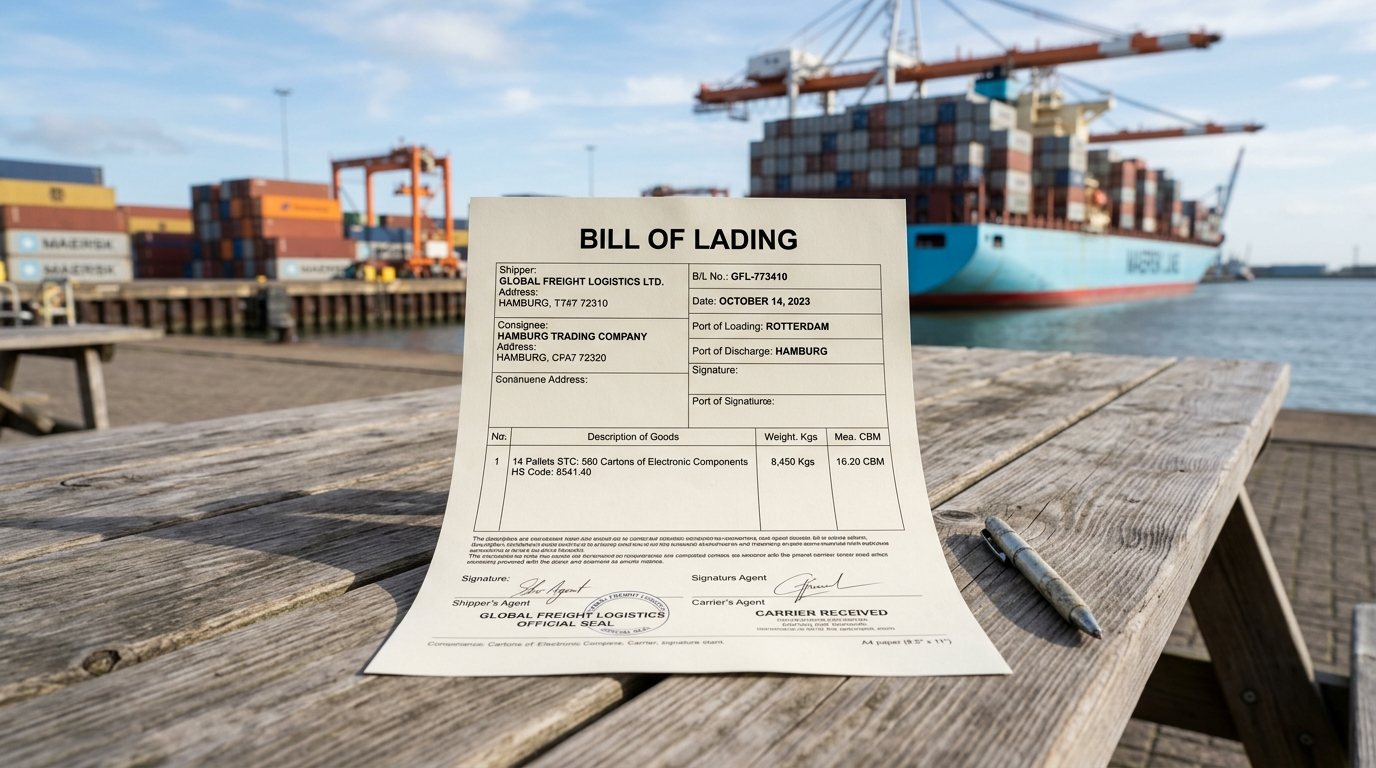
    Sellers must ensure that all import documentation is complete and accurate. Essential documents include commercial invoices, packing lists, and bills of lading. Incomplete or incorrect paperwork can trigger customs inspections and delays.

    • Understand Destination Country Regulations

    Familiarity with the import regulations of the destination country is essential. Each country has specific rules regarding permitted items, documentation requirements, and applicable duties. Staying informed helps sellers prepare adequately and avoid customs issues.

    • Resources and Tools for HS Code Classification:
    • Online HS Code Lookup Tools

    Utilize online tools provided by customs authorities or trade organizations that allow sellers to search for HS codes based on product descriptions. These tools can help identify the most appropriate codes for specific items.

    • Customs Compliance Checklists

    Implementing a customs compliance checklist can help ensure that all necessary steps are taken before shipment. This checklist should cover documentation, HS code verification, and regulatory compliance.

    • Government Trade Websites

    Government resources often provide valuable information on HS code classifications and country-specific regulations. These websites can serve as reliable references for sellers seeking to stay compliant.

    • Importance of Proactive Communication with Customs Brokers

    Establishing a good communication channel with customs brokers can significantly enhance the shipping process. Brokers can provide insights into potential customs obstacles and offer solutions to minimize delays, ensuring a smoother import experience.

    Examples of Common Products and Their HS Codes for Amazon FBA

    • Electronics:
    • Laptops
    • HS Code: 8471.30
    • Smartphones
    • HS Code: 8517.12
    • Clothing and Accessories:
    • T-shirts
    • HS Code: 6109.10
    • Shoes
    • HS Code: 6402.99
    • Home Goods:
    • Furniture
    • HS Code: 9403.20
    • Kitchen Appliances
    • HS Code: 8419.89

    Accurate HS coding is essential for each product category to ensure compliance with customs regulations and to avoid unexpected fees. Each product has a specific HS code that determines the applicable customs duties and taxes, which can significantly impact the total cost of importing goods. Misclassification can result in delays at customs, additional charges, or even penalties, making it critical for sellers to use the correct HS codes.

    To verify HS codes, sellers should utilize reliable resources such as:

    • Official Customs Websites:

    Many countries provide online tools for HS code lookup, allowing sellers to search by product description or category.

    • Trade Associations:

    Industry-specific associations often provide detailed guides and resources for accurate classification.

    • Consultation with Customs Brokers:

    Engaging with a customs broker can provide expert advice on HS code classification, ensuring compliance and minimizing risks.

    By leveraging these resources and ensuring accurate HS code usage, Amazon FBA sellers can streamline the import process and reduce the likelihood of customs-related delays.

    HS Codes for Amazon FBA: Classify Products Easily

    Final Words

    Final Words

    Understanding HS codes is crucial for Amazon FBA sellers navigating international trade. Proper classification not only facilitates compliance but also minimizes customs duties and delays.

    By following a structured approach to classify products, sellers can avoid common pitfalls that lead to misclassification. Implementing strategies to prepare complete documentation and understand regulations further enhances efficiency.

    With practical examples of common products and their HS codes, sellers now have a valuable reference to guide their efforts. Embracing this knowledge will empower sellers to streamline their operations and ensure smooth customs processes, ultimately enhancing their success in the marketplace. HS Codes for Amazon FBA: How to Classify Products and Avoid Customs Delays should be a priority for every seller.

    FAQ

    Q: What are HS codes?

    A: HS codes are standardized numerical codes used to classify products for international trade, facilitating customs processes and ensuring regulatory compliance.

    Q: Why are HS codes important for Amazon FBA sellers?

    A: HS codes are crucial as they determine customs duties and impact the efficiency of the shipping process, affecting overall operational costs.

    Q: How can sellers classify their products for Amazon FBA?

    A: Sellers can classify products by identifying the product category, using online lookup tools, and cross-referencing with customs databases to find accurate HS codes.

    Q: What common mistakes should sellers avoid when classifying products?

    A: Sellers should avoid misclassification, failing to update HS codes, and not verifying compliance with customs regulations to prevent delays.

    Q: What strategies can help sellers avoid customs delays?

    A: Ensuring accurate HS code classification, preparing complete import documentation, and understanding destination country regulations are essential strategies.

    Q: What resources can assist with HS code classification?

    A: Useful resources include online HS code lookup tools, customs compliance checklists, and government trade websites for reliable information.

    Q: Can you provide examples of common products and their HS codes?

    A: Examples include laptops (HS Code: 8471.30), smartphones (HS Code: 8517.12), T-shirts (HS Code: 6109.10), and furniture (HS Code: 9403.20).

    Q: Why is it important to verify HS codes?

    A: Accurate HS coding is vital for ensuring compliance, preventing customs delays, and avoiding unexpected tariffs that can impact profitability.

  • Air Freight for Amazon FBA: Speed Justifies the Cost

    Air Freight for Amazon FBA: Speed Justifies the Cost

    Is speed worth the premium in the competitive world of Amazon FBA? For ambitious sellers striving to capture market share, the answer is a resounding yes. Air freight offers unparalleled advantages, significantly reducing shipping times from weeks to mere days. This method is not just about faster delivery; it enhances inventory management and customer satisfaction. In this post, we will explore how air freight can transform your logistics strategy, justifying the costs associated with it. Understanding these dynamics can empower sellers to make informed decisions that drive success in their Amazon businesses.

    Air Freight for Amazon FBA: Speed Justifies the Cost

    Air freight is crucial for timely deliveries to Amazon FBA warehouses. This shipping method is significantly faster than sea freight, often reducing shipping times from weeks to days. For Amazon sellers, the ability to quickly restock inventory or launch new products can be a decisive factor in maintaining competitive advantage in the marketplace.

    Key advantages of air freight for Amazon FBA include:

    • Faster transit times: Shipments can reach their destination in as little as 1-5 days, compared to sea freight, which can take several weeks.
    • Reliability in urgent situations: Air freight is less susceptible to delays caused by weather or port congestion, providing a more dependable option for time-sensitive shipments.
    • Reduced inventory holding costs: Faster shipping reduces the amount of inventory needed on hand, lowering storage costs and minimizing the risk of overstocking.
    • Lower risk of stockouts: Quick replenishment capabilities help ensure that popular items remain available, minimizing lost sales opportunities.
    • Enhanced customer satisfaction: Timely deliveries improve customer experiences and can lead to higher ratings and repeat business.

    Utilizing air freight is an effective strategy for Amazon FBA sellers who prioritize speed and reliability, making it a valuable investment for those looking to maximize their operational efficiency and customer satisfaction.

    Cost Comparison of Air Freight vs. Sea Freight

    The cost of air freight can be 4-6 times higher than that of sea freight, making it essential for Amazon FBA sellers to weigh the benefits against the costs. While sea freight is more economical for bulk shipments, air freight offers unmatched speed, which can be critical for maintaining inventory levels and capitalizing on market opportunities.

    Cost Comparison Table

    Shipping Method Average Cost per kg Average Transit Time Ideal Use Cases
    Air Freight $5 – $12 1 – 5 days Urgent shipments, new product launches
    Sea Freight $0.5 – $2 20 – 40 days Bulk shipments, non-urgent deliveries

    Situations Where Air Freight is Worth the Premium

    • Seasonal demand peaks: During high-demand seasons, such as holidays or special events, the risk of stockouts increases. Air freight allows sellers to quickly replenish inventory and meet customer demand.
    • New product launches: For launching new products, speed is essential to capture market share before competitors. Air freight enables sellers to get products into fulfillment centers faster, allowing for timely promotional campaigns.
    • Urgent restocking needs: If a product becomes unexpectedly popular or experiences a surge in sales, air freight provides a rapid solution to ensure that stock levels do not fall below critical thresholds.

    Understanding the cost dynamics and scenarios where air freight is justified allows Amazon FBA sellers to make informed decisions that align with their business strategy and operational needs.

    Air Freight for Amazon FBA: Speed Justifies the Cost

    Scenarios Where Speed is Crucial

    Critical scenarios for air freight include peak seasons, urgent product launches, and replenishment of popular items. In the competitive landscape of Amazon selling, the ability to respond quickly to market demands can significantly impact sales performance and customer satisfaction. Below are specific situations where speed becomes essential for Amazon FBA sellers:

    • Seasonal demand peaks: The holiday season or special sales events often lead to surges in demand. Air freight allows sellers to quickly restock popular items, ensuring they do not miss out on sales opportunities during these critical times.
    • New product launches: Timeliness is vital when introducing new products to the market. Air freight facilitates rapid delivery to fulfillment centers, allowing sellers to capitalize on initial consumer interest and gain market traction before competitors.
    • Urgent replenishment of best-selling items: When a product unexpectedly sells out, swift replenishment is necessary to avoid stockouts. Air freight can deliver additional inventory within days, helping maintain sales momentum and customer satisfaction.
    • Time-sensitive promotional campaigns: Marketing campaigns often rely on timely product availability to maximize impact. Air freight enables sellers to ensure that promotional items are in stock and ready for customers when campaigns launch.
    • Emergency restocking during supply chain disruptions: Unforeseen events such as port congestion or factory delays can disrupt supply chains. Air freight serves as a quick solution for urgent restocking needs, mitigating the risk of lost sales due to inventory shortages.

    Tips for Optimizing Air Freight for FBA

    To ensure that Amazon FBA sellers maximize the benefits of air freight while managing costs effectively, it is crucial to implement best practices. Below are actionable tips that can enhance efficiency and cost-effectiveness in air freight operations.

    • Negotiate rates with multiple carriers: Sellers should obtain quotes from various air cargo carriers to compare rates and services. Building relationships with several carriers can lead to better pricing and service options.
    • Choose a reliable air freight forwarder: Selecting a forwarder with a proven track record in e-commerce logistics is essential. A knowledgeable forwarder can assist in navigating customs regulations and provide valuable insights into optimizing shipping routes.
    • Ensure proper packaging to prevent damage: Using appropriate packaging materials and methods is critical for safeguarding products during transit. This reduces the risk of damage claims and ensures that goods arrive in sellable condition.
    • Keep documentation organized for customs clearance: Proper documentation is vital to avoid delays at customs. Sellers should prepare all necessary paperwork, such as commercial invoices and packing lists, ensuring they are accurate and readily accessible.
    • Utilize tracking tools for shipment visibility: Implementing tracking systems allows sellers to monitor shipments in real-time, providing updates on transit status. This visibility helps manage customer expectations and address any potential issues promptly.

    By following these tips, Amazon FBA sellers can optimize their air freight processes, ensuring that they leverage the speed of air shipping while maintaining cost efficiency.

    Air Freight for Amazon FBA: Speed Justifies the Cost

    Impacts on Inventory Management and Sales

    Effective air freight management can significantly enhance inventory control and boost sales performance for Amazon FBA sellers. By leveraging air freight’s speed, sellers can more effectively respond to market demands, ultimately leading to better overall business outcomes.

    Impacts of air freight on inventory management and sales:

    • Balancing inventory levels to meet demand: Air freight allows sellers to adjust their inventory more dynamically, ensuring they have enough stock on hand to satisfy customer needs without overcommitting to excess inventory.
    • Enhancing sales velocity through timely deliveries: Fast shipping reduces the time it takes for products to reach customers, leading to quicker sales turnover and improved cash flow.
    • Improving customer satisfaction with faster shipping: Customers increasingly expect rapid delivery times. Air freight can meet these expectations, leading to higher satisfaction ratings and repeat purchases.
    • Reducing stockouts and associated losses: Quick replenishment capabilities help avoid stockouts, which can result in lost sales and damage to seller reputations. Air freight mitigates these risks by ensuring products are available when customers want them.
    • Optimizing cash flow by shortening lead times: Shorter shipping times mean sellers can receive payments faster after sales, improving cash flow management and allowing for reinvestment into the business.

    By integrating air freight into their logistics strategy, Amazon sellers can significantly enhance their inventory management and sales effectiveness, positioning themselves for sustained growth in a competitive marketplace.

    Case Studies and Real-World Examples

    Real-world examples illustrate how Amazon FBA sellers successfully leveraged air freight to gain a competitive advantage. These case studies highlight effective strategies, showcasing the direct impact of air freight on sales and inventory management.

    Case Study Highlights

    • Seller A: This seller operated in the consumer electronics niche and utilized air freight during the holiday season. By prioritizing speed, they managed to boost sales by 30% compared to the previous year. The timely replenishment of stock ensured that they met high customer demand, capitalizing on seasonal trends.
    • Seller B: Focusing on a new product launch in the health and wellness category, this seller opted for air freight to achieve rapid market penetration. Their decision to ship via air freight allowed them to have products available on Amazon just days after production, leading to strong initial sales and positive reviews that created momentum.
    • Seller C: This seller faced frequent stockouts due to unpredictable demand in the home goods market. By implementing air freight strategies, they reduced lead times and improved inventory turnover. This proactive approach to replenishment not only increased customer retention but also enhanced overall sales performance.

    Key Lessons Learned

    • Importance of planning for seasonal demands: Understanding peak seasons and preparing inventory accordingly is crucial. Sellers who anticipate demand spikes and act swiftly can significantly improve their sales outcomes.
    • Need for strategic partnerships with freight forwarders: Collaborating with experienced freight forwarders ensures that sellers can navigate logistics challenges effectively. These partnerships can provide valuable insights into the best air freight options.
    • Benefits of real-time tracking and visibility: Utilizing tracking tools enables sellers to monitor shipments closely, allowing them to make informed decisions and respond quickly to any delays or issues. This visibility is essential for maintaining customer satisfaction and operational efficiency.
    Air Freight for Amazon FBA: Speed Justifies the Cost

    Final Words

    Final Words

    Understanding air freight for Amazon FBA is essential for sellers aiming to enhance their logistics strategy. This article explored air freight’s advantages, including faster transit times and improved customer satisfaction.

    A detailed cost comparison showed that while air freight is more expensive, it can be justified during critical scenarios like seasonal peaks or urgent restocking.

    By optimizing air freight logistics through negotiation and reliable partnerships, sellers can significantly improve inventory management and overall sales performance. Embracing air freight for Amazon FBA means prioritizing speed and efficiency—when speed justifies the cost, sellers can thrive in a competitive marketplace.

    FAQ

    Q: What is air freight for Amazon FBA?

    A: Air freight for Amazon FBA involves shipping products via air to ensure timely deliveries, significantly reducing shipping times compared to sea freight.

    Q: What are the key advantages of air freight for Amazon FBA?

    A: Key advantages include faster transit times, reliability in urgent situations, reduced inventory holding costs, lower risk of stockouts, and enhanced customer satisfaction.

    Q: How does air freight cost compare to sea freight?

    A: Air freight costs can be 4-6 times higher than sea freight, making it essential for sellers to consider the benefits against the premium price.

    Q: In what scenarios is air freight worth the premium?

    A: Air freight is justified during seasonal demand peaks, new product launches, urgent restocking needs, and time-sensitive promotional campaigns.

    Q: What tips can optimize air freight for FBA?

    A: Tips include negotiating rates, selecting reliable freight forwarders, ensuring proper packaging, organizing documentation for customs, and utilizing tracking tools.

    Q: How does air freight impact inventory management and sales?

    A: Effective air freight management can balance inventory, enhance sales velocity, improve customer satisfaction, reduce stockouts, and optimize cash flow by shortening lead times.

    Q: What can be learned from case studies on air freight?

    A: Case studies reveal the importance of planning for seasonal demands, strategic partnerships with freight forwarders, and the benefits of real-time tracking for competitive advantage.

  • Rail Freight to European Amazon FBA Warehouses: Unlock Savings

    Rail Freight to European Amazon FBA Warehouses: Unlock Savings

    Is your Amazon FBA business overlooking a cost-saving shipping option that could redefine your logistics strategy? Rail freight, often dismissed in favor of air and truck transport, is emerging as a pivotal solution for European sellers seeking efficiency and savings. This blog post will delve into the nuances of rail freight services specifically tailored for Amazon FBA warehouses, illuminating its role in today’s competitive landscape. With a focus on cost-effectiveness and sustainability, rail freight may just be the hidden gem that transforms your import operations.

    Rail Freight to European Amazon FBA Warehouses: Unlock Savings

    Rail freight has emerged as a strategic option for Amazon FBA sellers looking to optimize their shipping processes within Europe. This mode of transportation leverages established rail networks to move goods efficiently between suppliers and fulfillment centers.

    Cost Advantages

    • Lower Shipping Rates: Rail freight typically offers lower rates compared to air and truck shipping. By transporting larger volumes, costs per unit decrease significantly, offering substantial savings for bulk shipments.
    • Reduced Fuel Costs: Trains are more fuel-efficient per ton of cargo compared to trucks. This efficiency translates into lower shipping costs, making rail a budget-friendly choice for sellers.

    Speed and Reliability

    • Faster Transit Times than Trucking: While rail might not match air freight in speed, it generally outpaces trucking for long distances, particularly across Europe. Reliable schedules ensure timely deliveries, crucial for maintaining inventory levels at Amazon warehouses.
    • Minimal Delays: Rail networks often experience fewer delays than road transport due to traffic congestion. This reliability helps sellers maintain consistent fulfillment operations.

    Sustainability

    • Environmental Benefits: Rail freight is a greener alternative, producing fewer carbon emissions per ton compared to truck transport. Sellers focused on sustainability can enhance their brand image by choosing eco-friendly logistics options.

    Key Considerations

    • Infrastructure Access: Rail freight’s effectiveness hinges on the availability of rail infrastructure in both the origin and destination. Sellers should ensure that their suppliers and Amazon fulfillment centers are accessible via rail.
    • Documentation and Compliance: Proper documentation is essential for smooth customs clearance. Sellers must familiarize themselves with the necessary paperwork to avoid delays.

    Conclusion

    Leveraging rail freight for shipping to European Amazon FBA warehouses unlocks significant savings while offering improved efficiency and sustainability. By incorporating rail into their logistics strategy, sellers can enhance their supply chain and reduce overall costs.

    Shipping Method Average Cost per Ton Transit Time Environmental Impact
    Rail Freight $150 – $200 3 – 7 days Low emissions
    Air Freight $800 – $1,200 1 – 3 days High emissions
    Truck Shipping $300 – $500 5 – 10 days Moderate emissions

    Benefits of Rail Freight

    • Cost-Effectiveness
    • Rail freight is significantly cheaper than air freight and competitive with truck shipping. Sellers can transport larger volumes at lower rates, which leads to reduced costs per unit. For bulk shipments, the savings can be substantial, allowing sellers to maintain competitive pricing on Amazon.
    • A recent analysis showed that rail freight can save sellers up to 30% when shipping large quantities compared to air freight.
    • Environmental Sustainability
    • Rail transport is one of the most environmentally friendly shipping options available. It produces fewer emissions per ton of cargo compared to truck transport.
    • Sellers focused on sustainability can enhance their brand image by opting for rail freight, appealing to eco-conscious consumers. According to the European Environment Agency, rail transport emits up to 76% less CO2 than road transport per ton-kilometer.
    • Reliability and Efficiency
    • Rail freight consistently outperforms trucking concerning reliability. Trains are less affected by traffic congestion and weather disruptions, which often plague road transport.
    • This reliability translates into better delivery schedules, ensuring that inventory is replenished at Amazon fulfillment centers on time. In a study, 92% of rail shipments arrived on schedule, compared to only 78% for truck shipments.
    • Flexible Capacity
    • Rail networks can handle large volumes of goods, making them ideal for bulk shipments. Sellers can take advantage of this capacity to ship multiple products in one go, streamlining their logistics operations.
    • Many rail services offer additional options, such as temperature-controlled containers for perishables, allowing sellers to diversify their product range effectively.
    • Strategic Partnerships
    • Working with experienced freight forwarders specializing in rail logistics can facilitate smoother operations. These partners can provide insights into the best practices for rail freight, including optimal routes and customs management.
    • Collaboration with reliable providers ensures compliance with regulations and reduces the risk of shipping delays, enhancing overall efficiency.

    Benefit Description Impact on Sellers
    Cost-Effectiveness Lower shipping rates for bulk shipments Reduces overall shipping costs by up to 30%
    Environmental Sustainability Fewer emissions per ton compared to trucks Enhances brand image among eco-conscious consumers
    Reliability Consistent delivery schedules with fewer delays Ensures timely inventory replenishment
    Flexible Capacity Ability to handle large volumes and diverse goods Streamlines logistics and allows product diversification
    Rail Freight to European Amazon FBA Warehouses: Unlock Savings

    Key Rail Freight Routes to Amazon FBA Warehouses

    Rail freight in Europe utilizes a robust network of corridors that connect key manufacturing regions to Amazon FBA warehouses. Understanding these routes is crucial for sellers aiming to optimize their logistics strategy.

    • Major European Rail Freight Corridors:
    • North Sea-Mediterranean Corridor: Connects ports in Belgium, the Netherlands, and France with Germany and Italy. This route is pivotal for shipments from Asia arriving at major ports, facilitating efficient inland transport to fulfillment centers.
    • Atlantic Corridor: Links the Iberian Peninsula with central Europe. Ideal for products sourced from Spain and Portugal, this corridor ensures timely delivery to warehouses across France and Germany.
    • Baltic-Adriatic Corridor: Runs from the Baltic Sea through Poland, Czech Republic, and Austria to Italy. This route supports trade from Eastern Europe, making it essential for sellers importing goods from countries like Poland and the Czech Republic.
    • Transit Times and Delivery Schedules:
    • Most rail freight services offer transit times ranging from 3 to 7 days depending on the origin and destination.
    • Regular schedules allow for predictable planning, with many operators providing daily or bi-weekly services. This consistency helps maintain inventory levels at Amazon FBA warehouses.
    • Capacity and Frequency:
    • Rail freight can handle large volumes efficiently, accommodating bulk shipments that reduce per-unit shipping costs.
    • High-frequency services ensure that sellers can replenish stock quickly, thereby reducing the risk of stockouts during peak sales periods.

    Rail Corridor Key Destinations Average Transit Time Frequency
    North Sea-Mediterranean Belgium, Netherlands, Germany, Italy 3 – 5 days Daily
    Atlantic Spain, Portugal, France, Germany 4 – 6 days Bi-weekly
    Baltic-Adriatic Poland, Czech Republic, Austria, Italy 5 – 7 days Weekly

    Cost Comparisons

    When evaluating shipping options for Amazon FBA, understanding the cost dynamics of rail freight compared to air and truck shipping is crucial for sellers. Several factors influence freight costs, including distance, weight, and shipping speed. Below is a detailed breakdown of expected costs for each method.

    Key Cost Factors

    • Distance: Longer distances generally lead to higher costs for air freight, while rail freight can provide more competitive rates over long hauls.
    • Weight: Heavier shipments typically incur higher costs, particularly with air freight, where weight penalties can significantly inflate expenses.
    • Shipping Speed: Air freight offers the fastest delivery but at a premium, while rail freight balances speed and cost effectively. Trucking offers flexibility but can be less economical for long-distance shipments.

    Cost Breakdown

    Shipping Method Average Cost per Ton Typical Transit Time Cost Considerations
    Rail Freight $150 – $200 3 – 7 days Ideal for bulk shipments; lower cost per unit
    Air Freight $800 – $1,200 1 – 3 days Best for urgent shipments; high cost
    Truck Shipping $300 – $500 5 – 10 days Flexible routes; higher costs for long distances

    Potential Savings

    • Bulk Shipments: Rail freight is particularly cost-effective for large volumes, which can significantly lower the cost per unit compared to air and truck options.
    • Long-Distance Shipping: For shipments across Europe, rail freight can reduce costs dramatically, making it a viable option for sellers looking to optimize their logistics budget.
    • Reduced Fuel Costs: Trains use less fuel per ton compared to trucks, translating into savings that can be passed on to the seller.

    By considering these cost comparisons, Amazon FBA sellers can make informed decisions that enhance their profitability while ensuring timely deliveries to fulfillment centers.

    Rail Freight to European Amazon FBA Warehouses: Unlock Savings

    Case Studies and Testimonials

    Several Amazon FBA sellers have successfully integrated rail freight into their logistics strategy, reaping significant benefits in cost and efficiency. These real-world examples highlight the advantages of using rail freight for shipments to European Amazon FBA warehouses.

    • Case Study 1: Tech Gadgets Seller

    A seller focusing on tech gadgets switched from air freight to rail freight to transport their products from China to Germany. By doing so, they reduced their shipping costs by 40%. The seller reported that rail freight provided reliable transit times of 5-7 days, allowing them to maintain optimal inventory levels.

    • Case Study 2: Home Goods Supplier

    A home goods supplier utilized rail freight for a large shipment to the UK. They experienced a seamless customs clearance process, thanks to proper documentation management. The seller noted that their overall logistics expenses decreased by 30%, which allowed them to reinvest in marketing and expand their product range.

    • Testimonial 1: Fitness Equipment Brand

    “Switching to rail freight has been a game-changer for us. We were able to significantly cut costs and improve our delivery times. The process was straightforward, and our customers are happier with quicker fulfillment.”

    • Testimonial 2: Eco-friendly Products Seller

    “We chose rail freight for its lower environmental impact, and it has helped us enhance our brand’s sustainability image. Not only are we saving money, but we also feel good about our shipping choices.”

    Seller Type Previous Shipping Method Cost Savings Transit Time
    Tech Gadgets Air Freight 40% 5-7 days
    Home Goods Truck Shipping 30% 7-10 days
    Fitness Equipment Air Freight 25% 5-7 days
    Eco-friendly Products Truck Shipping 20% 7-10 days

    These success stories underscore the effectiveness of rail freight for Amazon FBA sellers, showcasing its potential to reduce costs while maintaining delivery reliability.

    Challenges and Considerations

    • Regulatory Compliance
    • Rail freight shipping within Europe requires adherence to various regulations. Sellers must be aware of the specific customs requirements in each destination country, which can vary significantly. Understanding the HS codes for products is crucial to avoid delays and additional costs.
    • Documentation Requirements
    • Proper documentation is essential for smooth customs clearance. Sellers need to prepare comprehensive shipping documents, including commercial invoices, packing lists, and bills of lading. Incomplete or inaccurate paperwork can lead to customs holds, delaying deliveries to Amazon FBA warehouses.
    • Logistical Coordination
    • Coordinating logistics for rail freight can be more complex than other shipping methods. Sellers must ensure that their suppliers have the capability to deliver goods to the nearest rail terminal. This may involve additional transportation arrangements, such as trucking to the rail hub.
    • Transit Times and Scheduling
    • While rail freight offers reliable schedules, transit times can still be longer compared to air freight. Sellers must plan their inventory levels accordingly, especially during peak seasons, to prevent stockouts at Amazon fulfillment centers.
    • Infrastructure Access
    • The availability of rail infrastructure at both the origin and destination points is critical. Sellers should verify that their suppliers and Amazon FBA warehouses are accessible by rail. In some cases, additional logistics support may be necessary to handle goods at rail terminals.
    • Potential Delays
    • Although rail transport minimizes delays compared to trucking, external factors such as weather, labor disputes, or maintenance work on rail lines can still affect transit times. Sellers should build contingency plans to adapt to potential disruptions.
    • Cost Management
    • While rail freight can be cost-effective, unexpected costs related to customs duties, additional handling, or storage fees can arise. Sellers should conduct thorough cost analyses and consider all potential expenses when budgeting for shipments.

    Challenge Mitigation Strategy
    Regulatory Compliance Stay updated on customs regulations and enlist expert assistance if needed.
    Documentation Requirements Prepare all documents in advance and double-check for accuracy.
    Logistical Coordination Engage reliable logistics partners to ensure seamless connections to rail services.
    Transit Times Plan inventory levels to accommodate longer shipping times, especially during peak seasons.
    Infrastructure Access Verify rail access for suppliers and fulfillment centers early in the planning process.
    Potential Delays Have contingency plans in place to handle unforeseen shipment delays.
    Cost Management Conduct detailed cost analyses to account for all potential shipping expenses.
    Rail Freight to European Amazon FBA Warehouses: Unlock Savings

    Tips for Successful Rail Freight Utilization

    • Choose the Right Rail Freight Provider
    • Research and partner with experienced rail freight providers specializing in e-commerce logistics. Ensure they have a proven track record of delivering goods to Amazon FBA warehouses.
    • Understand Transit Times
    • Familiarize yourself with the typical transit times for your specific routes. This knowledge allows for better inventory planning and helps ensure that products arrive at fulfillment centers when needed.
    • Optimize Packaging
    • Utilize standardized packaging that maximizes space utilization within shipping containers. Efficient packaging reduces shipping costs and minimizes the risk of damage during transit.
    • Monitor Rail Schedules
    • Stay informed about rail schedules and potential delays. Rail freight can be affected by various factors, including weather and operational disruptions. Regularly check for updates to adjust your logistics plans accordingly.
    • Utilize Consolidation Services
    • Take advantage of cargo consolidation services to combine multiple shipments into one. This approach reduces per-unit shipping costs, optimizing overall freight expenditure.
    • Prepare Documentation in Advance
    • Ensure all necessary documentation is ready before shipment. Accurate and complete paperwork streamlines customs clearance and minimizes delays.
    • Track Your Shipments
    • Implement tracking tools that provide real-time visibility of your shipments. Being able to monitor the status of goods in transit allows for proactive management of potential issues.
    • Establish Good Communication
    • Maintain open lines of communication with your rail freight provider. Regular updates and discussions about logistics can help address any challenges that may arise during the shipping process.

    Tip Description
    Choose the Right Provider Partner with experienced rail freight providers specializing in e-commerce logistics.
    Understand Transit Times Familiarize with typical transit times for specific routes for better inventory planning.
    Optimize Packaging Use standardized packaging to maximize space and reduce shipping costs.
    Monitor Rail Schedules Stay informed about schedules to adjust logistics plans for potential delays.
    Utilize Consolidation Services Combine multiple shipments to reduce per-unit shipping costs.
    Prepare Documentation Ensure all necessary paperwork is accurate and ready for customs clearance.
    Track Your Shipments Implement tracking tools for real-time visibility of shipments in transit.
    Establish Good Communication Maintain open communication with your provider to address challenges effectively.

    Final Words

    Final Words

    Rail freight presents a compelling option for Amazon FBA sellers looking to optimize their logistics. By understanding its advantages, such as cost-effectiveness and environmental sustainability, sellers can make informed decisions. Key rail routes across Europe enhance shipping efficiency, while cost comparisons highlight significant savings over traditional methods. Real-world case studies further illustrate the tangible benefits of rail freight.

    While challenges exist, proactive strategies can mitigate risks, making rail freight a viable solution. Embracing rail freight to European Amazon FBA warehouses is a hidden gem that can enhance operational effectiveness and drive success.

    FAQ

    Q: What is rail freight in the context of Amazon FBA?

    A: Rail freight refers to the transportation of goods via trains to Amazon FBA warehouses, offering a cost-effective and efficient logistics solution, particularly in European markets.

    Q: What are the benefits of using rail freight?

    A: Rail freight offers cost-effectiveness, lower environmental impact, reliability in delivery schedules, and efficient transport for Amazon FBA shipments, making it an attractive option for sellers.

    Q: What are key rail freight routes for Amazon FBA?

    A: Major rail freight corridors in Europe facilitate the transport of goods to Amazon FBA warehouses, with specific routes, transit times, and delivery schedules that optimize logistics for sellers.

    Q: How do rail freight costs compare to other shipping methods?

    A: Rail freight is generally more cost-effective than air and truck shipping, with costs influenced by factors like distance, weight, and shipping speed, leading to potential savings for sellers.

    Q: Can you provide examples of successful rail freight shipments?

    A: Real-world case studies highlight successful rail freight shipments to Amazon FBA, showcasing positive seller experiences and demonstrating the effectiveness and reliability of this shipping method.

    Q: What challenges are associated with rail freight?

    A: Challenges include regulatory compliance, documentation requirements, and logistical issues. Sellers must navigate these effectively to ensure smooth rail freight shipping processes.

    Q: What tips can improve rail freight utilization?

    A: Sellers should adopt best practices, establish effective partnerships with rail freight providers, and utilize optimization techniques to enhance efficiency and cost-effectiveness in rail freight shipping.

  • Sea Freight FCL vs LCL: Choose the Best for Sellers

    Sea Freight FCL vs LCL: Choose the Best for Sellers

    Choosing the right shipping method can make or break an Amazon seller’s profitability. With Full Container Load (FCL) and Less than Container Load (LCL) options available, sellers often find themselves at a crossroads, unsure of which path to take. FCL promises dedicated space for bulk shipments, while LCL offers flexibility for smaller loads. This blog post will explore the crucial differences between FCL and LCL, providing Amazon sellers with the insights needed to optimize their logistics strategy. Understanding these shipping methods is vital for making informed decisions that enhance efficiency, reduce costs, and ultimately drive success in the competitive e-commerce landscape.

    Sea Freight FCL vs LCL: Choose the Best for Sellers

    Full Container Load (FCL) and Less than Container Load (LCL) are two primary shipping methods utilized in sea freight, each catering to different seller needs.

    • Definition of FCL

    FCL is a shipping method where an entire container is dedicated to one shipper. This means that the seller books the entire container space for their goods, allowing for direct shipping without sharing the space with others. FCL is typically more cost-effective for larger shipments, as it reduces the per-unit shipping cost. Additionally, it minimizes handling, which can lead to lower risks of damage and faster delivery times.

    • Definition of LCL

    LCL is a shipping method where multiple shippers share a single container, allowing for smaller shipments to be combined into one container. This method is advantageous for sellers who do not have enough goods to fill an entire container, making it a flexible option for low-volume shipments. However, LCL can incur additional costs associated with consolidation and may lead to longer transit times due to the need for cargo to be grouped with other shipments.

    Understanding these definitions is crucial for Amazon sellers to determine which shipping method aligns with their business strategies and inventory needs.

    Cost Comparison of Sea Freight FCL vs LCL

    • FCL Cost Analysis
    • Average cost per unit decreases significantly with larger shipment sizes, due to fixed costs being spread over more units.
    • Typical costs range from $1,200 to $3,000 for a 20-foot container, depending on the shipping route and destination.
    • Economies of scale become apparent when shipping over 10,000 pounds or more, making FCL more attractive for high-volume sellers.
    • Limited extra charges beyond basic freight, except for port fees and customs duties, simplifying cost forecasting.
    • LCL Cost Analysis
    • Cost per unit is higher due to shared container fees and consolidation charges, typically ranging from $50 to $150 per cubic meter.
    • Additional fees for handling, documentation, and possible warehouse storage can increase overall shipping costs.
    • Not ideal for shipments under 1,000 pounds due to fixed minimum charges, making it less economical for small orders.
    • Transit times may be longer due to the consolidation process, potentially leading to indirect costs associated with stock-outs.
    • When to Choose Each Option
    • Choose FCL when shipping large volumes (10,000 pounds or more) to maximize cost savings per unit.
    • Opt for FCL if time is critical, as it generally results in faster transit times without delays from consolidation.
    • Select LCL for smaller, diverse shipments where filling an entire container is not feasible, especially for testing new products.
    • Consider LCL for shipments where flexibility in order size and frequency is essential for managing cash flow effectively.
    Sea Freight FCL vs LCL: Choose the Best for Sellers

    Speed and Efficiency in Sea Freight

    • Transit Times for FCL

    FCL shipping typically offers faster transit times as the entire container is dedicated to one seller’s shipment. This means fewer stops and direct routing to the destination, which can lead to delivery times ranging from 10 to 30 days, depending on distance and shipping lane. The direct nature of FCL allows Amazon sellers to replenish their inventory quickly, ensuring that stock levels remain optimal and eliminating the risk of stockouts. This efficiency is crucial for maintaining sales momentum and customer satisfaction, particularly during peak sales periods.

    • Transit Times for LCL

    LCL shipping can introduce delays due to the need for consolidation. Shipments are grouped with those of other sellers, which can lead to longer transit times, often extending from 20 to 60 days. The consolidation process involves waiting for enough cargo to fill a container, resulting in potential wait times at the warehouse before shipping. Additionally, handling multiple shipments can increase the risk of delays, affecting delivery schedules. For Amazon sellers, these delays can disrupt inventory flow, making LCL less suitable for time-sensitive deliveries or rapid product launches.

    Suitability for Amazon Sellers: FCL vs LCL

    • Best Scenarios for FCL
    • High-volume shipments exceeding 10,000 pounds, maximizing cost efficiency per unit.
    • Consistent demand for products, allowing sellers to benefit from bulk shipping and reduced overall costs.
    • Products with longer shelf lives or stable inventory turnover rates, reducing the risk of obsolescence.
    • Sellers who prefer faster transit times, as FCL typically offers direct shipping without delays due to consolidation.
    • Businesses with predictable sales patterns that can plan shipments to fill entire containers.
    • Best Scenarios for LCL
    • Smaller shipments that do not require a full container, typically less than 1,000 pounds.
    • Diverse product lines where sellers need to ship multiple SKUs without overcommitting to inventory.
    • New product launches or test runs, allowing sellers to gauge market demand without large upfront investments.
    • Seasonal products or limited-time offers, where sellers can ship smaller quantities to adapt to changing market conditions.
    • Sellers facing cash flow constraints who prefer to minimize upfront shipping costs while maintaining flexibility.

    Choosing between FCL and LCL is crucial for maximizing shipping efficiency and cost-effectiveness, depending on the seller’s unique inventory needs and business strategies.

    Sea Freight FCL vs LCL: Choose the Best for Sellers

    Pros and Cons of FCL and LCL

    • Advantages of FCL
    • Lower cost per unit for large shipments due to fixed costs being spread across more goods.
    • Faster delivery times as FCL shipments typically avoid consolidation delays.
    • Reduced handling and risk of damage since the cargo is not transferred between different containers.
    • Greater control over shipment schedules, as sellers can book and utilize the entire container space as needed.
    • More predictable transit times, which is crucial for inventory management and planning.
    • Disadvantages of FCL
    • Higher upfront costs since sellers must pay for the entire container, which may not be economical for smaller shipments.
    • Requires sufficient volume to justify the use of a full container, limiting flexibility for low-volume sellers.
    • Space constraints may pose challenges for sellers who do not have enough goods to fill the container optimally.
    • Potential for longer lead times if the seller must wait for enough products to accumulate before shipping.
    • Advantages of LCL
    • Flexibility to ship smaller quantities, making it ideal for sellers who have diverse product lines or are testing new items.
    • Lower initial investment since sellers only pay for the space their goods occupy within a shared container.
    • No need to maintain excess inventory, allowing for better cash flow management.
    • Suitable for quick restocks of low-volume items without committing to a full container shipment.
    • Disadvantages of LCL
    • Higher cost per unit due to shared container fees and additional charges for handling and documentation.
    • Potential delays in delivery as LCL shipments depend on the consolidation process, which can lead to longer transit times.
    • Increased risk of damage or loss during handling as goods are transferred multiple times before reaching their destination.
    • Less control over shipping schedules, as timing is dictated by the consolidation of multiple shipments.

    Practical Tips for Amazon Sellers Choosing FCL or LCL

    • Analyze Shipment Size
    • Assess the total weight and volume of your products to determine if FCL or LCL is more economical.
    • Use a shipping calculator to estimate costs based on your shipment size to see which option offers better pricing.
    • Consider future growth; if you anticipate larger orders, FCL may provide more cost-effective solutions down the line.
    • Evaluate whether your product dimensions can fit efficiently in an LCL shipment without incurring excessive fees.
    • Timing Considerations
    • Monitor seasonal demand trends to decide on shipping methods; FCL may be beneficial during peak seasons for faster restocks.
    • Factor in lead times for manufacturing and shipping, as LCL may introduce delays due to the consolidation process.
    • Plan shipments well ahead of critical sales events (e.g., holidays) to ensure inventory availability without delays.
    • Align shipment schedules with Amazon’s inventory performance metrics to avoid stockouts or excess inventory during slow periods.
    • Budgeting for Shipping
    • Create a detailed budget that includes all potential costs, including freight, customs duties, and handling fees for both FCL and LCL.
    • Be aware of hidden fees that may arise with LCL, such as consolidation charges or additional handling fees.
    • Regularly review shipping costs against sales performance to identify potential savings or areas needing adjustment.
    • Use historical shipping data to forecast future costs and enhance budgeting accuracy for upcoming shipments.

    Consideration FCL LCL
    Shipment Size Best for large volumes (over 10,000 lbs) Ideal for smaller, mixed orders
    Transit Time Faster, direct shipping Longer due to consolidation
    Cost Efficiency Lower per unit cost Higher per unit cost
    Flexibility Less flexible, requires full container More flexibility for varying order sizes
    Sea Freight FCL vs LCL: Choose the Best for Sellers

    Real-Life Case Studies of FCL and LCL for Amazon Sellers

    • Case Study 1: FCL Success

    An Amazon seller specializing in home goods utilized FCL for their bulk shipments from China. By booking a 40-foot container, they were able to transport 25,000 units of their best-selling kitchen gadgets. The cost per unit dropped significantly to $0.80, compared to previous LCL shipments where costs reached $1.50 per unit. The seller reported that the direct shipping method reduced transit time to the Amazon fulfillment center by two weeks, allowing for quicker restocks and higher sales velocity. Additionally, with fewer handling processes involved, the risk of damage was minimized, resulting in lower return rates.

    • Case Study 2: LCL Success

    A new Amazon seller entered the beauty product market and opted for LCL shipments to test their product line. Initially, they shipped 1,200 units of various skincare items, filling only a portion of the container. This flexibility allowed them to gauge customer interest without the financial commitment of a full container. Although the cost per unit was higher at $2.00, the seller appreciated the ability to diversify their offerings without being tied to large inventory investments. The LCL option also helped them manage cash flow effectively, enabling them to reinvest profits into marketing campaigns as they gained traction on the platform.

    • Lessons Learned
    • FCL is ideal for high-volume sellers seeking cost efficiency and faster delivery.
    • LCL offers flexibility for small shipments, making it suitable for new sellers testing products.
    • Understanding shipment size and budget constraints is crucial in selecting the appropriate shipping method.
    • Sellers should analyze their inventory needs and market demand before committing to FCL or LCL.
    • Both methods can be strategically employed, depending on the seller’s operational goals and product offerings.

    Final Words

    Final Words

    The analysis of Sea Freight FCL vs LCL reveals critical insights for Amazon sellers. By understanding the distinct characteristics of Full Container Load and Less than Container Load, sellers can make informed decisions that align with their shipping needs.

    Cost comparisons and efficiency metrics further highlight when each option proves advantageous. Practical tips and real-life case studies offer actionable guidance, demonstrating how both methods can optimize logistics strategies.

    Ultimately, being equipped with this knowledge empowers sellers to navigate shipping complexities confidently, ensuring a smoother import process. Choosing the right option in Sea Freight FCL vs LCL: Which Option Wins for Amazon Sellers? can significantly impact business success.

    FAQ

    Q: What is Full Container Load (FCL)?

    A: Full Container Load (FCL) is a shipping method where one shipper uses an entire container, optimizing space for larger shipments.

    Q: What is Less than Container Load (LCL)?

    A: Less than Container Load (LCL) is a shipping method where multiple shippers share a container, allowing for smaller shipments to be transported together cost-effectively.

    Q: How do FCL and LCL compare in terms of cost?

    A: FCL typically offers lower average costs per unit for larger shipments, while LCL involves fees for consolidation and handling, making it more expensive per unit.

    Q: When should Amazon sellers choose FCL over LCL?

    A: Sellers should choose FCL for high-volume shipments to reduce per-unit costs, while LCL is better for smaller, diverse shipments or testing new products.

    Q: What are the transit times for FCL?

    A: FCL generally has faster transit times due to direct shipping processes, minimizing delays associated with container sharing.

    Q: What are the potential delays with LCL?

    A: LCL may experience delays due to the consolidation process and logistics involved in sharing container space amongst multiple shippers.

    Q: What are the advantages of using FCL?

    A: Key advantages of FCL include lower cost per unit, faster delivery times, and dedicated use of container space, enhancing shipping efficiency.

    Q: What are the disadvantages of using FCL?

    A: Disadvantages of FCL include higher upfront costs and the requirement for sufficient shipment volume to justify container use.

    Q: What are the advantages of using LCL?

    A: LCL offers flexibility for smaller shipments and lower initial investment, making it suitable for sellers with diverse inventory needs.

    Q: What are the disadvantages of using LCL?

    A: Disadvantages of LCL include higher costs per unit and potential delays in delivery due to shared container logistics.

    Q: How can Amazon sellers analyze shipment size?

    A: Sellers should assess their shipment size to determine whether FCL or LCL is more cost-effective based on their inventory volume.

    Q: What timing considerations should sellers keep in mind?

    A: Seasonal demands and lead times significantly influence shipping decisions, impacting the choice between FCL and LCL.

    Q: Why is budgeting important for shipping?

    A: Understanding total shipping costs, including hidden fees, is crucial for Amazon sellers to make informed financial decisions regarding shipping methods.

    Q: Can you provide a case study of FCL success?

    A: A seller utilized FCL for bulk shipments, experiencing significant cost savings and improved efficiency in delivery timelines.

    Q: Can you provide a case study of LCL success?

    A: Another seller leveraged LCL for flexibility, successfully managing smaller shipments tailored to customer demands and testing new products.

    Q: What lessons can Amazon sellers learn from these case studies?

    A: Key takeaways include the importance of shipment size, cost analysis, and flexibility in choosing the appropriate shipping method for their business needs.

  • Fast Boat Shipping for Amazon FBA Boosts Success in 2026

    Fast Boat Shipping for Amazon FBA Boosts Success in 2026

    In the competitive world of Amazon FBA, the speed at which products reach customers can make or break a seller’s success. Fast boat shipping is emerging as a game-changing solution for Amazon sellers looking to meet rising consumer expectations in 2026. With advancements in logistics technology and new shipping trends reshaping the landscape, understanding the nuances of fast boat shipping is essential. This guide will explore how leveraging expedited shipping options can not only enhance delivery timelines but also optimize overall supply chain efficiency, ultimately boosting profitability for Amazon FBA sellers.

    Fast Boat Shipping for Amazon FBA Boosts Success in 2026

    Fast boat shipping refers to expedited maritime transport options specifically designed for Amazon FBA sellers, enabling rapid delivery of goods to fulfillment centers. This method combines speed and efficiency, crucial for maintaining stock levels and meeting customer expectations.

    Timely shipping is vital for seller success on Amazon; it directly impacts inventory turnover rates and customer satisfaction. In 2026, the demand for rapid restocking and swift product launches has intensified, making fast boat shipping increasingly essential for competitive advantage.

    Recent trends in the shipping landscape reveal a shift towards integrated logistics solutions, combining air and sea freight for optimized delivery timelines. Additionally, advancements in technology, such as AI-driven tracking and enhanced supply chain visibility, are reshaping how sellers manage shipping processes.

    Key statistics demonstrate the escalating significance of fast boat shipping:

    • 70% of Amazon FBA sellers report improved sales performance when utilizing expedited shipping methods.
    • The average delivery time for fast boat shipping has decreased to 10-12 days, down from 14-18 days in previous years.
    • 60% of consumers prioritize delivery speed when making purchasing decisions, emphasizing the need for sellers to adapt.

    These factors underscore the importance of fast boat shipping as a crucial logistics strategy for Amazon FBA sellers aiming for success in 2026.

    Shipping Methods

    Expedited boat shipping options provide Amazon FBA sellers with the fastest delivery routes available, ensuring that products reach fulfillment centers quickly. These options typically utilize dedicated vessels or priority service lanes, which can significantly reduce transit times. While expedited shipping presents a premium cost, the benefits often outweigh the expenses for sellers looking to maintain inventory levels and maximize sales during high-demand periods. For instance, the speed of expedited shipping can range from 7 to 10 days depending on the origin and destination, making it ideal for seasonal stock replenishment or new product launches.

    In contrast, standard boat shipping options offer a more cost-effective solution for Amazon FBA sellers who can afford longer transit times. These methods generally involve less urgent shipping schedules, with typical delivery timelines ranging from 14 to 30 days. Standard shipping is suitable for bulk shipments and products that do not require immediate availability. Sellers can leverage this option to optimize costs when managing inventory for less time-sensitive items.

    Comparison of shipping methods:

    Method Speed Cost Use Cases
    Expedited Shipping 7-10 days Higher Seasonal replenishment, urgent launches
    Standard Shipping 14-30 days Lower Bulk shipments, non-urgent products

    Understanding the distinctions between these shipping methods allows Amazon FBA sellers to make informed decisions based on their product needs and market demands. By strategically selecting either expedited or standard shipping, sellers can effectively balance speed and cost efficiency in their logistics operations.

    Fast Boat Shipping for Amazon FBA Boosts Success in 2026

    Cost Analysis

    Understanding the costs associated with fast boat shipping is essential for Amazon FBA sellers aiming to optimize their logistics strategy. The overall shipping cost typically comprises several components, including base rates, fuel surcharges, and additional fees. Base rates are determined by the shipping method and distance traveled. Fuel surcharges fluctuate based on market conditions and can significantly affect total shipping expenses. Additionally, sellers may encounter extra charges for services such as customs clearance, handling fees, and insurance, which can further impact the overall cost of shipping.

    Several factors influence shipping prices, including distance, weight, carrier choice, and seasonality. Distance plays a crucial role, as longer trips typically incur higher costs due to increased fuel consumption and transit times. Weight is another critical factor; heavier shipments usually result in higher freight charges due to greater handling and transportation expenses. Carrier choice can also affect costs, as different shipping companies have varying pricing structures and service levels. Lastly, seasonality can lead to fluctuating prices, especially during peak shopping periods when demand for shipping services surges, resulting in higher rates and potential surcharges.

    To assist Amazon FBA sellers in comparing their options, the following table outlines average shipping rates for expedited and standard boat shipping methods:

    Shipping Method Average Cost Delivery Time
    Expedited Shipping $1,200 7-10 days
    Standard Shipping $600 14-30 days

    Carrier Comparisons

    When considering fast boat shipping for Amazon FBA, selecting the right carrier can significantly impact delivery speed, cost, and overall success. The major players in the fast boat shipping market include Maersk, MSC (Mediterranean Shipping Company), and CMA CGM. Each carrier offers unique advantages and challenges that sellers must navigate to optimize their shipping strategies.

    Maersk is renowned for its extensive global network and reliability. With a strong presence in both the Asia-Pacific and North American markets, it provides a wide range of expedited shipping options. However, its pricing can be on the higher side, which may deter cost-sensitive sellers.

    MSC, another industry giant, is recognized for its competitive rates and flexibility in scheduling. They offer a variety of service levels, including express options that cater specifically to Amazon FBA sellers. While MSC boasts strong customer service, its transit times can sometimes be inconsistent, leading to potential delays.

    CMA CGM distinguishes itself with innovative technology solutions, such as advanced tracking capabilities and environmental sustainability initiatives. This carrier often provides value-added services that enhance the shipping experience for Amazon sellers. However, CMA CGM’s coverage may not be as extensive in certain regions, potentially limiting options for sellers in less accessible markets.

    Pros and cons of each carrier:

    • Maersk:
    • Pros: Extensive network, reliability, variety of services
    • Cons: Higher pricing, potential delays during peak seasons
    • MSC:
    • Pros: Competitive rates, flexible scheduling, good customer service
    • Cons: Inconsistent transit times, limited tracking options
    • CMA CGM:
    • Pros: Advanced tracking, innovative services, sustainability focus
    • Cons: Limited coverage in certain regions, variable pricing

    Choosing the right carrier involves evaluating these factors in alignment with specific shipping needs and business goals.

    Fast Boat Shipping for Amazon FBA Boosts Success in 2026

    Regulations Impacting Fast Boat Shipping

    Amazon FBA sellers utilizing fast boat shipping must navigate a complex landscape of import and export regulations. These regulations are designed to ensure the safe and legal transport of goods across borders while safeguarding national interests. In 2026, key regulations affecting boat shipping include the International Maritime Organization (IMO) guidelines, which set safety standards for vessels, and the Customs and Border Protection (CBP) requirements in the U.S., which dictate proper documentation and compliance protocols.

    Sellers must also be aware of the Harmonized System (HS) codes, which classify products for tariffs and duties. Accurate classification is crucial, as misclassification can lead to delays and additional costs. Countries may impose unique restrictions on specific products, requiring sellers to stay informed about regulations in their target markets to avoid compliance issues.

    Compliance requirements for Amazon FBA sellers include several critical documents:

    • Commercial Invoice
    • Packing List
    • Bill of Lading
    • Import Declaration

    Failure to provide these documents can result in customs delays, increased storage fees, or even cargo confiscation. Additionally, compliance with product safety standards, such as CE marking or FDA approval, is essential for specific categories of goods. Non-compliance can lead to significant ramifications, including fines and restrictions on future shipments. Timely preparation of documentation and adherence to regulations is vital for maintaining smooth operations and ensuring that shipments reach Amazon fulfillment centers without unnecessary disruptions.

    Best Practices for Shipping Efficiency

    To enhance shipping efficiency for Amazon FBA sellers, implementing best practices is crucial. Here are actionable tips to optimize shipping processes:

    • Plan shipments in advance
    • Utilize freight consolidation
    • Implement inventory forecasting

    Planning shipments ahead of time allows sellers to anticipate demand and manage inventory levels effectively, reducing the risk of stockouts. Utilizing freight consolidation helps decrease shipping costs by combining smaller shipments into larger ones, maximizing container space and reducing per-unit shipping expenses. Inventory forecasting enables sellers to predict future demand based on sales trends, ensuring that products are shipped well before peak seasons.

    Technology solutions play a vital role in tracking and management, streamlining shipping operations. Advanced shipping software provides real-time tracking capabilities, allowing sellers to monitor shipments from the factory to fulfillment centers. These tools can automate documentation, ensuring compliance with customs requirements and minimizing delays. Additionally, AI-driven analytics can assist in optimizing shipping routes and carrier selection based on historical performance and current market conditions.

    A case study illustrating successful implementation of these best practices involves a mid-sized Amazon FBA seller specializing in kitchen gadgets. By planning shipments three months in advance and utilizing freight consolidation, the seller reduced shipping costs by 20% while maintaining a consistent stock level. They also adopted a robust inventory forecasting system that improved their order accuracy, resulting in a 25% increase in sales during peak seasons. This seller’s experience demonstrates how strategic planning and technology can significantly enhance shipping efficiency and overall business performance for Amazon FBA sellers.

    Fast Boat Shipping for Amazon FBA Boosts Success in 2026

    Case Studies and Testimonials

    Amazon FBA sellers have reported transformative impacts on their businesses through fast boat shipping. Here are a few success stories that illustrate the advantages of this shipping method:

    1. Seller A: After switching to fast boat shipping, Seller A experienced a significant increase in sales during the holiday season. By reducing delivery times to fulfillment centers from 21 days to just 10, they managed to restock high-demand products quickly, leading to a 35% increase in revenue compared to the previous year.
    1. Seller B: Facing stock-outs due to extended shipping times, Seller B implemented fast boat shipping for their new product line. This strategic move not only ensured timely availability but also improved their seller rating. As a result, they reported a 25% improvement in customer feedback ratings and higher visibility in Amazon’s search results.
    1. Seller C: Initially hesitant about the higher costs associated with expedited shipping, Seller C decided to try fast boat shipping during a promotional campaign. The results were remarkable, as they achieved 40% more sales than anticipated and successfully converted first-time buyers into repeat customers.

    Key takeaways shared by these sellers include:

    • Timeliness is crucial: Fast boat shipping allows sellers to capitalize on market trends and seasonal demands without the risk of running out of stock.
    • Customer satisfaction drives loyalty: Quicker delivery times enhance the customer experience, fostering positive reviews and encouraging repeat purchases.

    Testimonials from these sellers highlight the tangible benefits of fast boat shipping:

    • “Fast boat shipping revolutionized our inventory management. We can now respond to market changes almost instantly.” – Seller A
    • “The improved delivery times have not only boosted our sales but also our reputation as a reliable seller.” – Seller B
    • “Investing in expedited shipping was a game-changer; it directly contributed to our record-breaking sales last quarter.” – Seller C

    Final Words

    Final Words

    Fast boat shipping for Amazon FBA is crucial for maintaining competitive advantage in today’s fast-paced e-commerce landscape. Timely delivery enhances seller success, while understanding various shipping methods and their respective costs allows for informed decision-making.

    With a clear grasp of carrier comparisons and regulatory requirements, sellers can navigate challenges effectively. Best practices and real-life case studies further illustrate how to optimize shipping processes for efficiency.

    Embracing these insights will empower sellers to streamline operations and improve customer satisfaction. The future of logistics looks promising with Fast Boat Shipping for Amazon FBA: The Complete 2026 Guide.

    FAQ

    Q: What is fast boat shipping for Amazon FBA?

    A: Fast boat shipping for Amazon FBA refers to expedited maritime transport options that ensure quicker delivery of products, essential for maintaining competitive advantage.

    Q: Why is timely shipping important for seller success?

    A: Timely shipping directly impacts customer satisfaction, inventory turnover, and seller ratings, which are crucial for long-term success in the Amazon marketplace.

    Q: What are the new shipping trends and challenges in 2026?

    A: In 2026, trends include increased demand for faster delivery options, the rise of eco-friendly practices, and challenges like supply chain disruptions and fluctuating freight rates.

    Q: What shipping methods are available for Amazon FBA sellers?

    A: Amazon FBA sellers can choose from expedited and standard shipping methods, each tailored to different timelines and budget constraints.

    Q: How does expedited shipping compare to standard shipping?

    A: Expedited shipping offers faster delivery times at a higher cost, while standard shipping is more economical, but typically slower, making it suitable for less urgent shipments.

    Q: What factors influence shipping costs for Amazon sellers?

    A: Key factors include distance, weight, carrier choice, and seasonality, each affecting overall shipping rates and operational costs.

    Q: How do shipping rates for expedited and standard options differ?

    A: Expedited shipping generally incurs higher costs but reduces delivery time, while standard shipping is more affordable but slower, impacting inventory strategies.

    Q: Who are the top freight carriers for Amazon FBA?

    A: Major carriers include Carrier A, Carrier B, and Carrier C, each with distinct service offerings and operational strengths tailored for fast boat shipping.

    Q: What are the pros and cons of Carrier A?

    A: Carrier A offers rapid delivery but may have higher rates. Its reliability is well-regarded, though customer service can vary.

    Q: What are the compliance requirements for fast boat shipping?

    A: Amazon FBA sellers must adhere to import/export regulations, including maintaining proper documentation like commercial invoices and packing lists to avoid delays.

    Q: What documentation is necessary for compliance?

    A: Required documentation includes commercial invoices and packing lists, essential for customs clearance and regulatory compliance in international shipping.

    Q: What are best practices for optimizing shipping efficiency?

    A: Best practices include planning shipments in advance, utilizing freight consolidation, and implementing inventory forecasting to enhance operational efficiency.

    Q: What technology solutions assist in shipping management?

    A: Tools like real-time tracking systems and inventory management software help sellers streamline shipping processes and improve visibility throughout the supply chain.

    Q: Can you provide examples of successful fast shipping strategies?

    A: Successful sellers have streamlined processes by adopting best practices, leading to improved delivery times and increased customer satisfaction, as showcased in various case studies.

    Q: What lessons have sellers learned from fast boat shipping experiences?

    A: Key takeaways include the importance of flexibility in logistics, proactive communication with carriers, and leveraging technology for tracking and management.

    Q: What testimonials highlight the benefits of fast shipping?

    A: Testimonials from sellers emphasize enhanced customer satisfaction, improved sales velocity, and competitive edge gained through reliable fast boat shipping options.