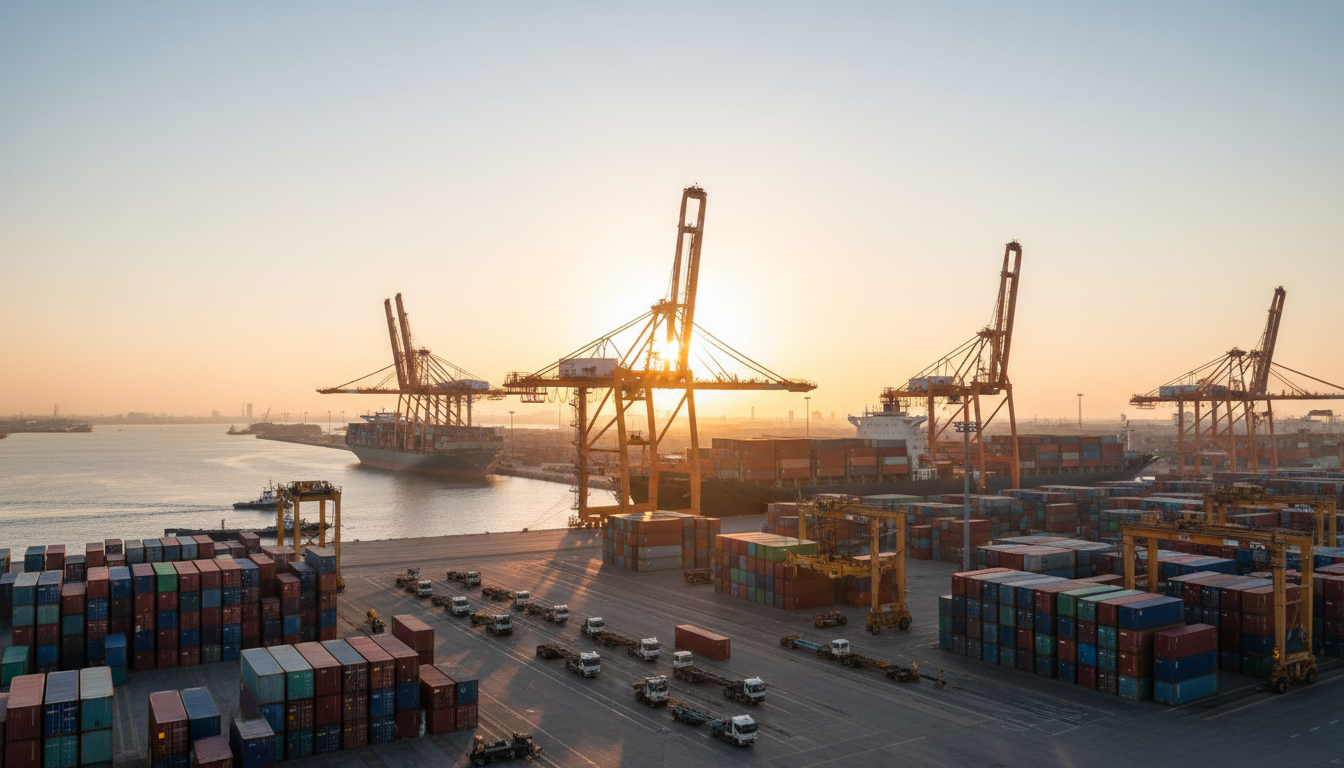
Is using “FOB Shenzhen” the best move for Amazon FBA sellers, or just a default comfort zone? As competition intensifies in the e-commerce space, understanding the intricacies of shipping terms becomes crucial. FOB (Free On Board) offers a strategic advantage, especially when sourced from Shenzhen, a global shipping powerhouse. This post will dissect why FOB Shenzhen is not just a popular choice, but often the preferred quote for Amazon FBA sellers. Readers will gain insights into its operational benefits and why it stands out in the logistics landscape.
Why FOB Shenzhen Is the Default Quote for Amazon FBA Sellers
FOB (Free On Board) is a widely recognized shipping term that signifies the seller’s responsibility for goods until they are loaded onto a shipping vessel. Once the goods are on board, the responsibility shifts to the buyer, which in this case, is typically the Amazon FBA seller. This shipping term is crucial in logistics as it sets clear expectations regarding liability and costs.
Shenzhen, as a major shipping hub in China, plays a pivotal role in facilitating international trade. Its well-developed infrastructure, including multiple shipping ports and proximity to numerous manufacturing centers, makes it an ideal location for logistics operations. The combination of efficient transportation options and a vast network of suppliers enables sellers to optimize their shipping processes.
Key reasons why FOB Shenzhen is the default quote for Amazon FBA sellers include:
- Cost Efficiency: FOB shipping allows sellers to negotiate better shipping rates with freight forwarders, minimizing overall expenses. This is particularly important for sellers managing tight profit margins.
- Risk Management: By using FOB, sellers can manage risks more effectively. They are only responsible for the goods until they are loaded onto the shipping vessel, transferring liability to the carrier thereafter.
- Control Over Shipping: FOB gives sellers greater control over the shipping process. They can choose their freight forwarders, allowing for tailored shipping solutions that meet their specific needs.
- Familiarity and Standardization: Many suppliers and freight forwarders are accustomed to working with FOB terms, making it easier for sellers to navigate the shipping process without confusion or complications.
Overall, FOB Shenzhen provides Amazon FBA sellers with a strategic advantage in managing their shipping logistics, driving cost savings and operational efficiency.
Benefits of Using FOB Shenzhen for Amazon FBA Sellers
Using FOB Shenzhen provides Amazon FBA sellers with multiple operational and financial advantages, making it the preferred shipping method. Key benefits include:
- Cost Savings: FOB shipping significantly reduces shipping expenses, allowing sellers to negotiate better rates with freight forwarders. This is vital for maintaining profit margins in competitive markets.
- Improved Risk Management: With FOB, sellers transfer liability to the carrier once goods are loaded onto the vessel. This minimizes risks associated with damage or loss during transit, as the shipping company assumes responsibility.
- Enhanced Control Over Shipping Processes: Sellers can choose their freight forwarders, providing greater flexibility and customization in shipping solutions. This control allows sellers to optimize delivery speed and costs based on their specific needs.
- Streamlined Logistics: FOB facilitates a more straightforward logistics process by clarifying responsibilities between the seller and the buyer, reducing potential misunderstandings and delays.
- Standardization and Familiarity: Many suppliers and freight forwarders are well-versed in FOB terms, which simplifies communication and enhances efficiency in shipping operations.
Here’s a comparison table outlining cost differences between FOB and other shipping terms:
| Shipping Term | Sellers’ Responsibility | Typical Costs Incurred |
|---|---|---|
| FOB (Free On Board) | Until goods are loaded on the vessel | Lower shipping costs; seller negotiates |
| CIF (Cost, Insurance, Freight) | Until goods reach the destination port | Higher costs; includes insurance and freight |
| CFR (Cost and Freight) | Until goods reach the destination port | Moderate costs; does not include insurance |
These advantages combined illustrate why FOB Shenzhen is not only beneficial but essential for Amazon FBA sellers aiming to optimize their shipping logistics and enhance their competitiveness in the marketplace.
Comparing FOB with Other Shipping Terms
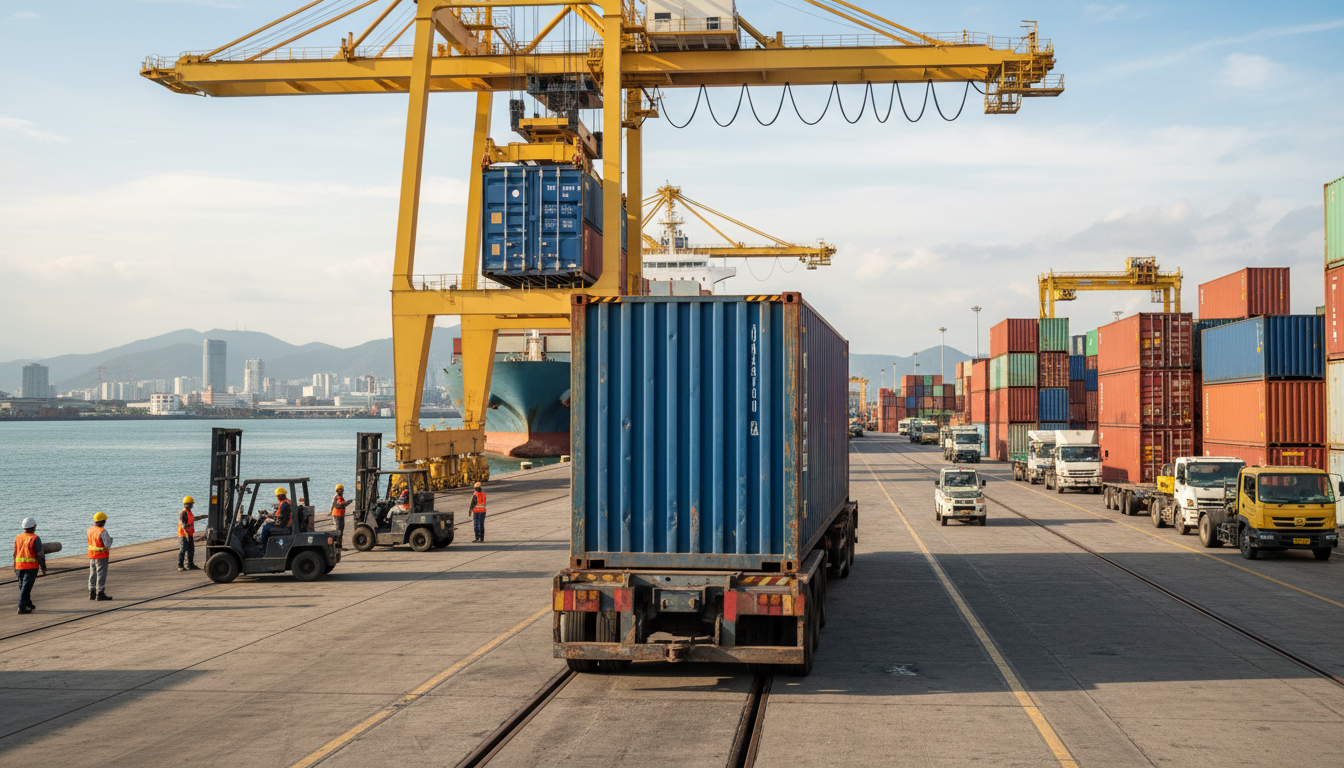
When evaluating shipping terms, Amazon FBA sellers often compare FOB (Free On Board) with other options such as CIF (Cost, Insurance, Freight) and CFR (Cost and Freight). Understanding the distinctions between these terms is critical for making informed logistics decisions.
Key Comparisons:
- Responsibility Transfer:
- FOB: Seller is responsible for goods until they are loaded onto the shipping vessel. Risk is transferred to the buyer after loading.
- CFR: Similar to FOB, but the seller is responsible for freight costs to the destination port. Risk transfers upon loading.
- CIF: The seller covers costs for freight and insurance until goods reach the destination port. Responsibility also transfers upon loading.
- Insurance Coverage:
- FOB: No insurance is included unless arranged separately by the buyer.
- CFR: Insurance is not included; buyer must arrange protection.
- CIF: Seller must maintain insurance for goods during transit, providing an added layer of security for the buyer.
- Typical Costs:
- FOB: Generally lower shipping costs as sellers negotiate rates with freight forwarders directly.
- CFR: Slightly higher costs due to seller covering freight.
- CIF: Higher overall costs since insurance premiums are included in the selling price.
Comparison Table:
| Shipping Term | Responsibility Transfer | Insurance Coverage | Typical Costs |
|---|---|---|---|
| FOB | Seller until loading | Not included | Lower |
| CFR | Seller until loading | Not included | Moderate |
| CIF | Seller until destination port | Included | Higher |
Overall, FOB is often favored by Amazon FBA sellers due to its lower costs and clearer responsibility transfer, allowing sellers to manage logistics more effectively while minimizing expenses.
Case Studies of Successful Amazon FBA Sellers
Seller A, an electronics retailer, opted for FOB Shenzhen to manage shipping costs effectively. By negotiating directly with freight forwarders, they secured a competitive rate which reduced their shipping expenses by 20%. This cost management strategy allowed Seller A to maintain healthy profit margins while launching new products. Their choice of FOB also facilitated a streamlined customs clearance process, as they worked closely with their forwarder to ensure proper documentation, minimizing delays at the port.
Similarly, Seller B, a health and wellness brand, leveraged FOB Shenzhen to enhance their risk management strategy. They were shipping fragile products that required careful handling. By using FOB terms, responsibility for the goods transferred to the freight carrier once loaded on the ship. This shift reduced Seller B’s liability during transit. They also invested in cargo insurance, further protecting their inventory against potential damages or losses. As a result, Seller B experienced fewer shipping disruptions and improved their customer satisfaction ratings due to timely and intact deliveries.
These case studies illustrate the tangible benefits that FOB Shenzhen provides to Amazon FBA sellers. The ability to negotiate costs, coupled with effective risk management, empowers sellers to optimize their logistics processes. As demonstrated by Seller A and Seller B, adopting FOB Shenzhen not only supports financial efficiency but also enhances operational reliability, ultimately contributing to long-term business success.
| Seller | Strategy | Outcome |
|---|---|---|
| Seller A | Negotiated better freight rates with forwarders | 20% reduction in shipping costs |
| Seller B | Utilized FOB for risk management and cargo insurance | Fewer shipping disruptions and improved customer satisfaction |
Challenges and Considerations with FOB Shenzhen
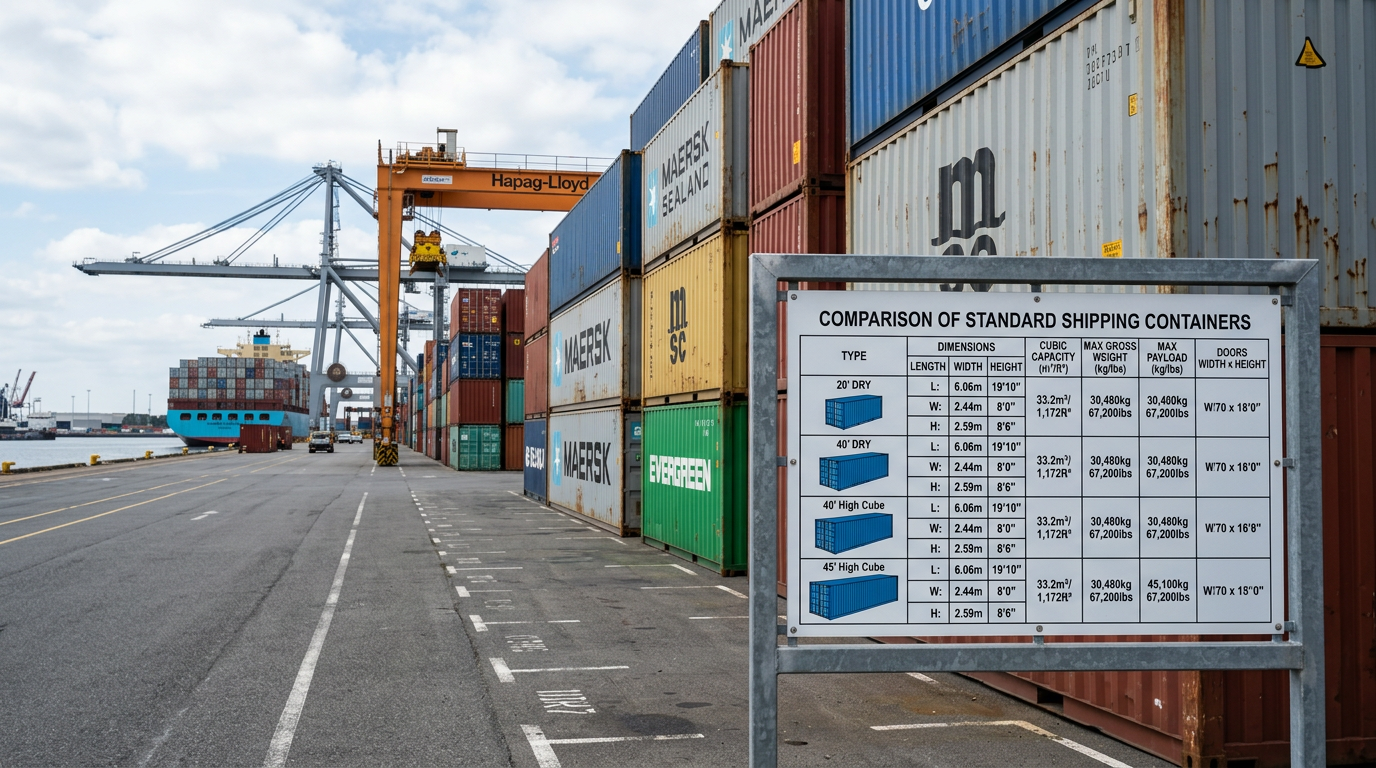
While FOB Shenzhen offers numerous advantages for Amazon FBA sellers, there are also challenges that must be navigated to ensure smooth shipping operations. Key challenges include:
- Customs Clearance: Understanding and complying with customs regulations can be complex, particularly for sellers unfamiliar with international shipping. Inaccurate documentation can lead to delays and additional costs.
- Potential Delays: Delays can occur at various stages, including supplier production time, customs inspections, and port congestion. These delays can impact inventory levels and fulfillment schedules.
- Communication with Suppliers: Maintaining clear communication with suppliers is critical. Misunderstandings regarding shipping terms or timelines can lead to logistical issues.
- Costs of Insurance: While FOB reduces liability once goods are on board, sellers must consider cargo insurance to protect against potential loss or damage during transit.
Strategies to overcome these challenges include:
- Partnering with Experienced Freight Forwarders: Collaborate with freight forwarders who specialize in Amazon FBA logistics. Their expertise can streamline customs clearance and provide guidance on documentation.
- Utilizing Customs Brokerage Services: Employ customs brokers to manage compliance and ensure all paperwork is properly prepared, minimizing the risk of delays.
- Maintaining Open Lines of Communication: Establish clear communication protocols with suppliers, including regular updates on production and shipping timelines.
- Investing in Cargo Insurance: Consider cargo insurance to mitigate risks associated with loss or damage during transit, enhancing overall supply chain security.
- Monitoring Shipping Trends: Stay informed about potential disruptions in shipping routes or customs processes, allowing for proactive adjustments to shipping plans.
By addressing these challenges strategically, Amazon FBA sellers can effectively utilize FOB Shenzhen to enhance their logistics operations.
Best Practices for Implementing FOB Shenzhen
To maximize the benefits of using FOB Shenzhen, Amazon FBA sellers should follow these best practices, ensuring a smooth shipping process and effective supplier relationships:
- Build Strong Supplier Relationships
- Establish clear communication with suppliers to set expectations.
- Negotiate terms upfront, including quality standards and delivery timelines.
- Understand Shipping Documentation
- Familiarize yourself with essential documentation, such as the commercial invoice, packing list, and bill of lading.
- Ensure all documents comply with customs requirements to avoid delays.
- Negotiate Freight Costs
- Obtain quotes from multiple freight forwarders to compare costs and services.
- Leverage your shipping volume to negotiate better rates and terms.
- Coordinate Timing
- Plan shipments in advance to avoid peak seasons that can increase costs.
- Work with suppliers to schedule timely pickups and deliveries to Amazon fulfillment centers.
- Monitor Compliance
- Stay updated on international shipping regulations and compliance requirements for your products.
- Ensure that all goods meet the necessary standards to prevent customs issues.
- Utilize Consolidation Services
- Consider consolidating shipments to reduce per-unit shipping costs.
- Collaborate with suppliers to combine multiple orders into one shipment when feasible.
- Implement Tracking Systems
- Use tracking software to maintain visibility of shipments from factory to Amazon warehouse.
- Set up milestone alerts for key points in the shipping process, such as departure and arrival.
By following these best practices, Amazon FBA sellers can ensure efficient implementation of FOB Shenzhen, optimizing their logistics operations and enhancing overall supply chain effectiveness.
Final Words
Final Words
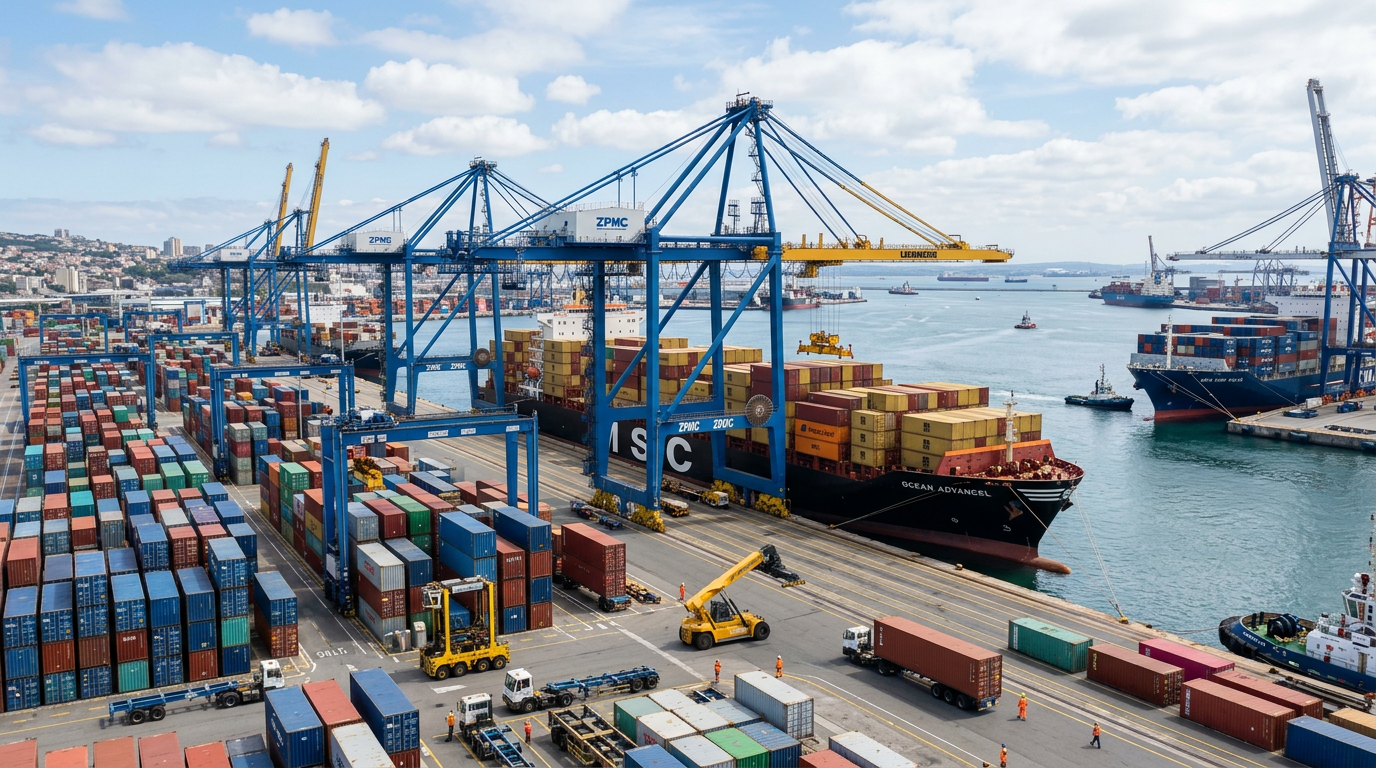
Understanding FOB shipping, particularly FOB Shenzhen, empowers Amazon FBA sellers to optimize their import logistics. This article explored the definition and significance of FOB, highlighting Shenzhen’s role as a strategic shipping hub.
Key benefits include cost savings, improved risk management, and enhanced control over shipping processes. Comparisons with other shipping terms clarified why FOB is often the preferred choice. Real-life case studies illustrated its effectiveness, while addressing potential challenges prepared sellers for a smoother shipping experience.
Implementing best practices ensures successful navigation of the logistics landscape. Embracing FOB Shenzhen can significantly enhance operational efficiency and profitability for Amazon FBA sellers. Why ‘FOB Shenzhen’ Is the Default Quote for Most Amazon FBA Sellers.
FAQ
Q: What does FOB Shenzhen mean?
A: FOB Shenzhen, or Free On Board Shenzhen, indicates that the seller covers all costs until the goods are loaded onto the shipping vessel at Shenzhen’s port.
Q: Why is Shenzhen a preferred shipping hub?
A: Shenzhen is favored for its advanced logistics infrastructure, proximity to manufacturers, and robust shipping connections, making it ideal for international trade.
Q: What are the benefits of using FOB Shenzhen for Amazon FBA sellers?
A: Benefits include cost savings, improved risk management by transferring responsibility at the port, and enhanced control over shipping processes.
Q: How does FOB compare to CIF and CFR?
A: FOB transfers responsibility to the buyer once goods are on board, while CIF includes insurance and freight, creating different cost responsibilities and risk levels.
Q: Can you provide examples of successful Amazon FBA sellers using FOB Shenzhen?
A: Case studies reveal strategies like cost management and risk reduction, showcasing how sellers effectively leveraged FOB Shenzhen for their operations.
Q: What challenges do sellers face with FOB Shenzhen?
A: Common challenges include customs clearance complexities and potential shipping delays; sellers must navigate these effectively to ensure smooth operations.
Q: What best practices should sellers follow for FOB Shenzhen?
A: Best practices include maintaining strong supplier relationships, employing effective negotiation tactics, and ensuring proper documentation for seamless shipping.
Leave a Reply